Profit Sharing With 401k
Description
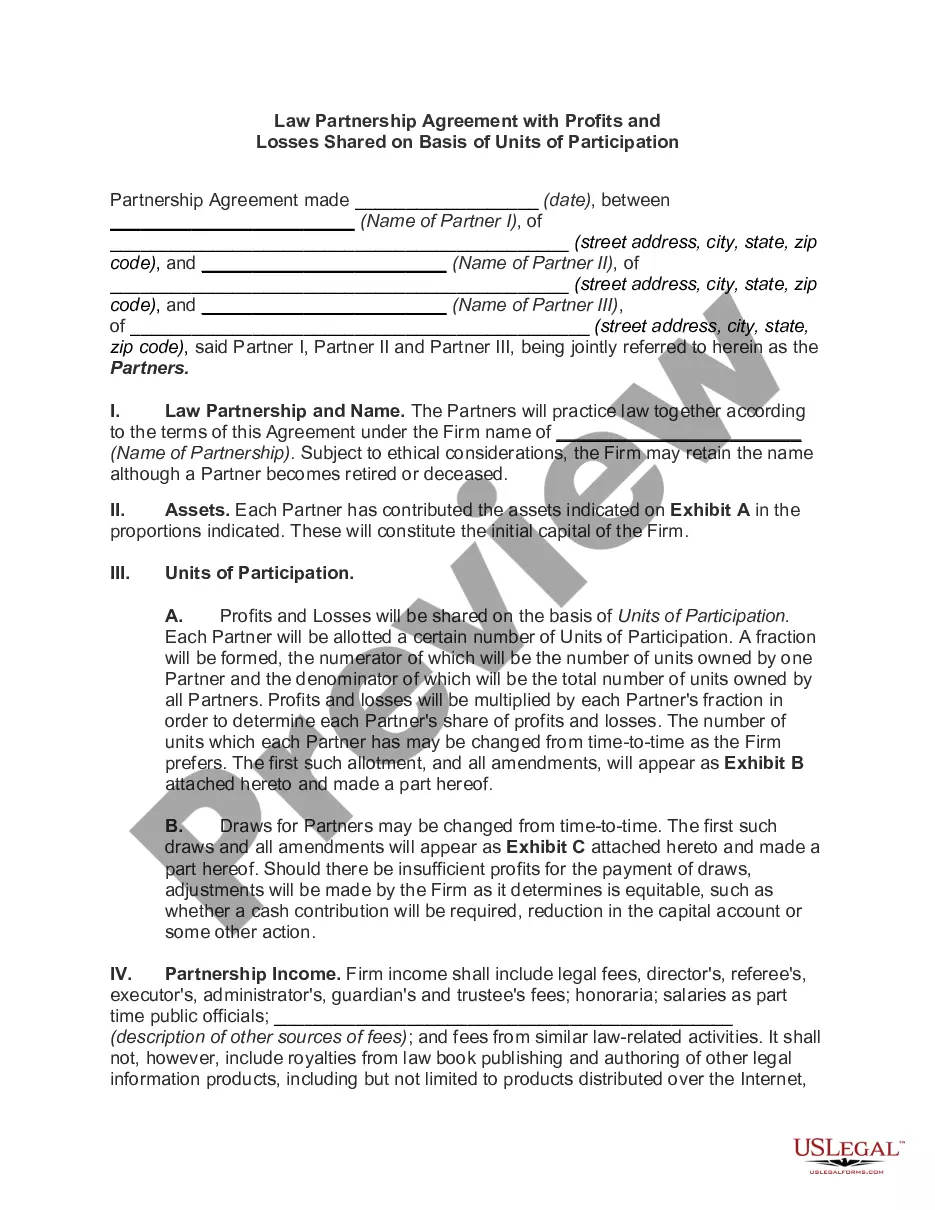
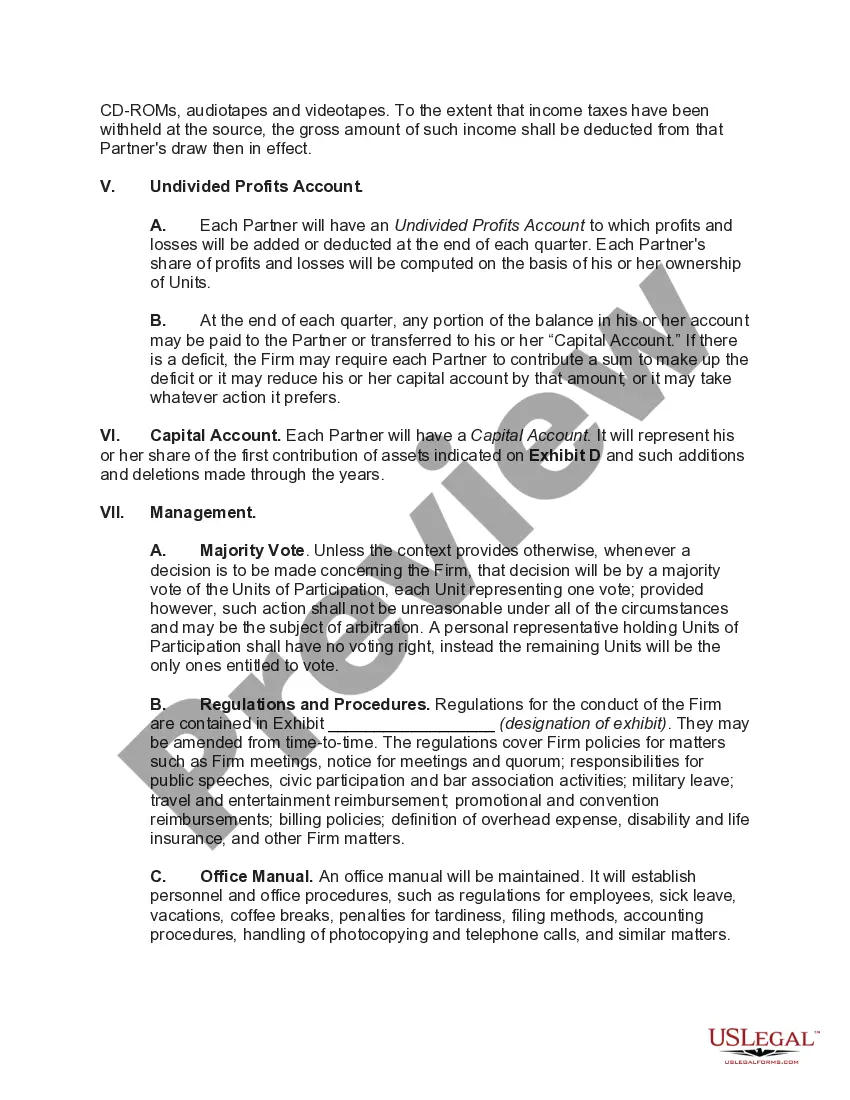
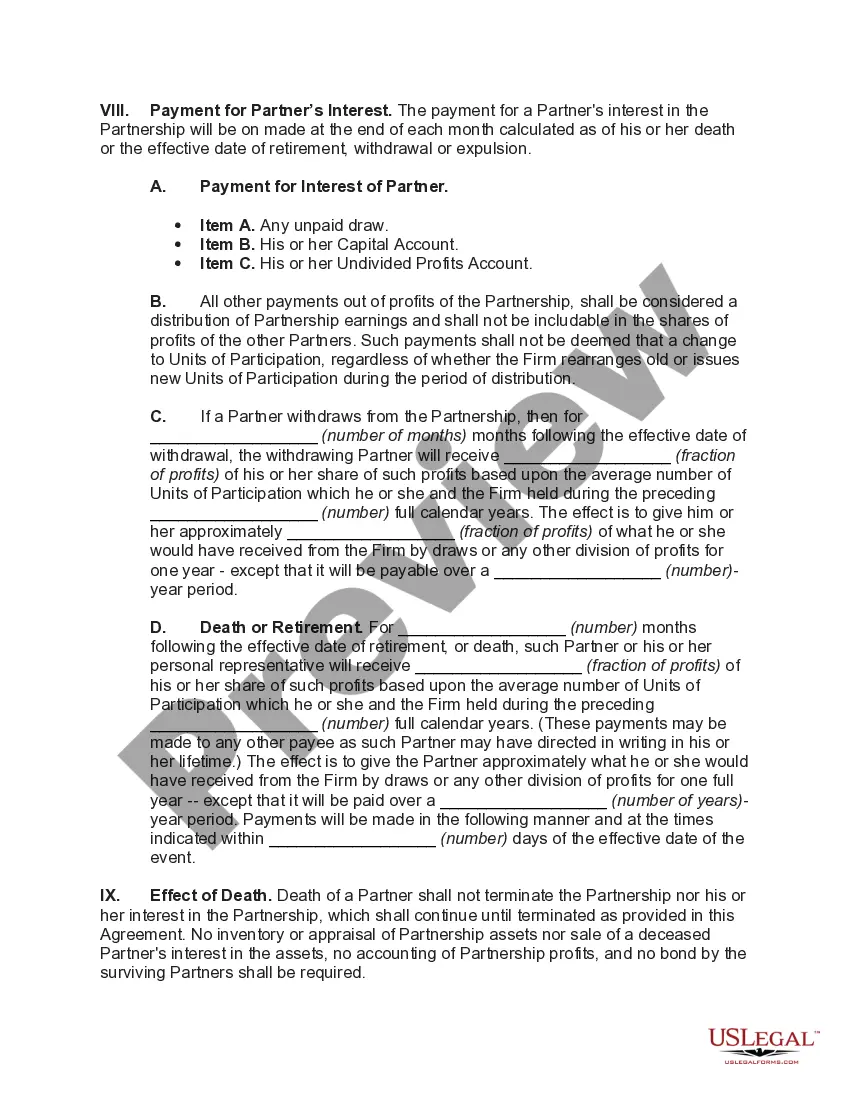
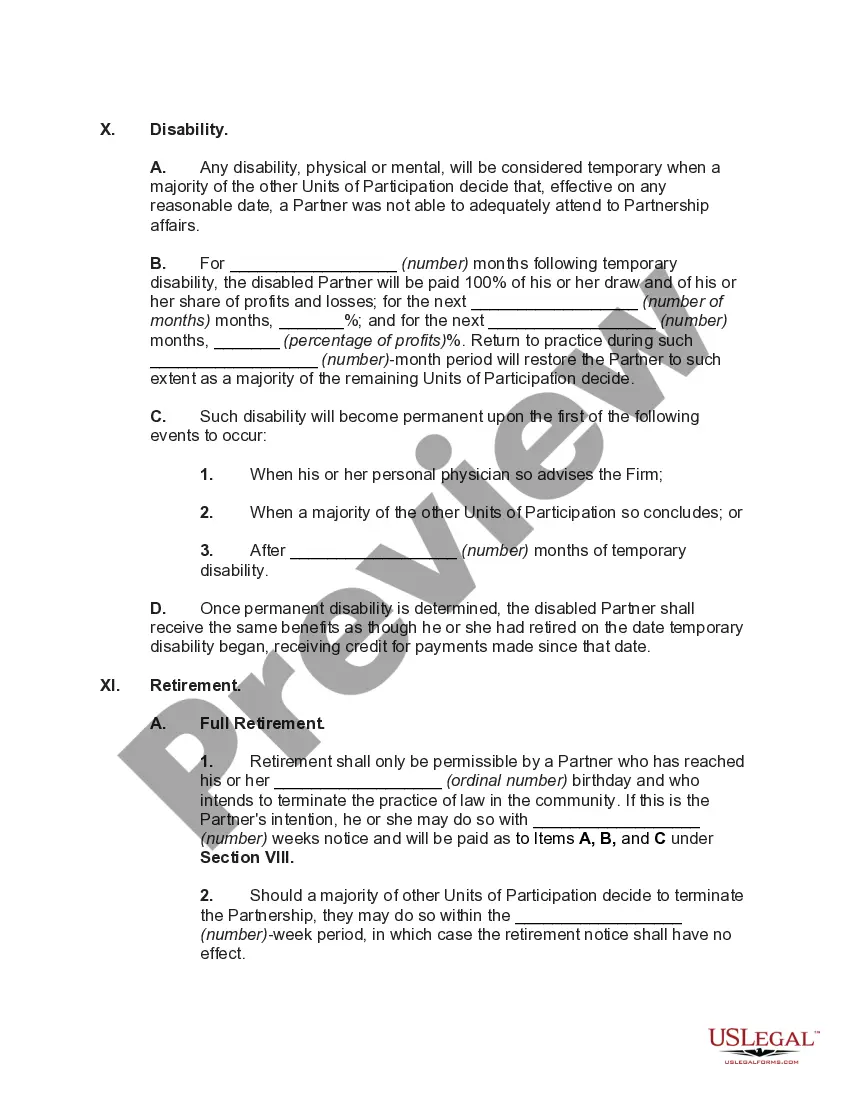

Get your form ready online
Our built-in tools help you complete, sign, share, and store your documents in one place.
Make edits, fill in missing information, and update formatting in US Legal Forms—just like you would in MS Word.
Download a copy, print it, send it by email, or mail it via USPS—whatever works best for your next step.
Sign and collect signatures with our SignNow integration. Send to multiple recipients, set reminders, and more. Go Premium to unlock E-Sign.
If this form requires notarization, complete it online through a secure video call—no need to meet a notary in person or wait for an appointment.
We protect your documents and personal data by following strict security and privacy standards.

Make edits, fill in missing information, and update formatting in US Legal Forms—just like you would in MS Word.

Download a copy, print it, send it by email, or mail it via USPS—whatever works best for your next step.

Sign and collect signatures with our SignNow integration. Send to multiple recipients, set reminders, and more. Go Premium to unlock E-Sign.

If this form requires notarization, complete it online through a secure video call—no need to meet a notary in person or wait for an appointment.

We protect your documents and personal data by following strict security and privacy standards.
Looking for another form?








How to fill out Law Partnership Agreement With Profits And Losses Shared On Basis Of Units Of Participation?
Creating legal documents from the beginning can frequently be somewhat daunting.
Certain cases may require extensive investigation and substantial expenses.
If you’re in search of a simpler and more economical method of preparing Profit Sharing With 401k or any other paperwork without unnecessary complications, US Legal Forms is always readily available.
Our online collection of over 85,000 current legal forms addresses nearly every aspect of your financial, legal, and personal affairs.
- With just a few clicks, you can swiftly obtain state- and county-compliant documents meticulously crafted for you by our legal professionals.
- Utilize our website whenever you need reliable and dependable services through which you can effortlessly locate and download the Profit Sharing With 401k.
- If you’re familiar with our services and have previously created an account with us, simply Log In to your account, find the template and download it or re-download it anytime in the My documents section.
- Not registered yet? No problem. It requires minimal time to set it up and navigate the catalog.
Form popularity
FAQ
Profit-sharing contributions are not limited by or do not have to be based upon the company's profits. Employer contributions to a profit-sharing plan are deductible as a business expense.
Bar none, profit sharing contributions are the most flexible type of employer contribution a company can make to their 401(k) plan. These contributions are not only discretionary, but they can be made to any eligible plan participant ? even if the participant fails to make 401(k) deferrals themselves.
401(k) The key difference between a profit sharing plan and a 401(k) plan is that only employers contribute to a profit sharing plan. If employees can also make pre-tax, salary-deferred contributions, then the plan is a 401(k).
Profit sharing example To calculate the employer contribution, you need to add the compensation for all employees. Divide each employee's individual compensation for the period by the total compensation for the period. Then, multiply your profit share percentage by your profits for the period.
401(k) plans provide this pretty sweet, optional feature called profit sharing. Don't let the name fool you. It has nothing to do with whether your business earned a profit. 401(k) profit sharing enables employers to give employees including owners a discretionary contribution.