Letter Disability Document For Jury Duty
Description
Get your form ready online
Our built-in tools help you complete, sign, share, and store your documents in one place.
Make edits, fill in missing information, and update formatting in US Legal Forms—just like you would in MS Word.
Download a copy, print it, send it by email, or mail it via USPS—whatever works best for your next step.
Sign and collect signatures with our SignNow integration. Send to multiple recipients, set reminders, and more. Go Premium to unlock E-Sign.
If this form requires notarization, complete it online through a secure video call—no need to meet a notary in person or wait for an appointment.
We protect your documents and personal data by following strict security and privacy standards.

Make edits, fill in missing information, and update formatting in US Legal Forms—just like you would in MS Word.

Download a copy, print it, send it by email, or mail it via USPS—whatever works best for your next step.

Sign and collect signatures with our SignNow integration. Send to multiple recipients, set reminders, and more. Go Premium to unlock E-Sign.

If this form requires notarization, complete it online through a secure video call—no need to meet a notary in person or wait for an appointment.

We protect your documents and personal data by following strict security and privacy standards.
Looking for another form?
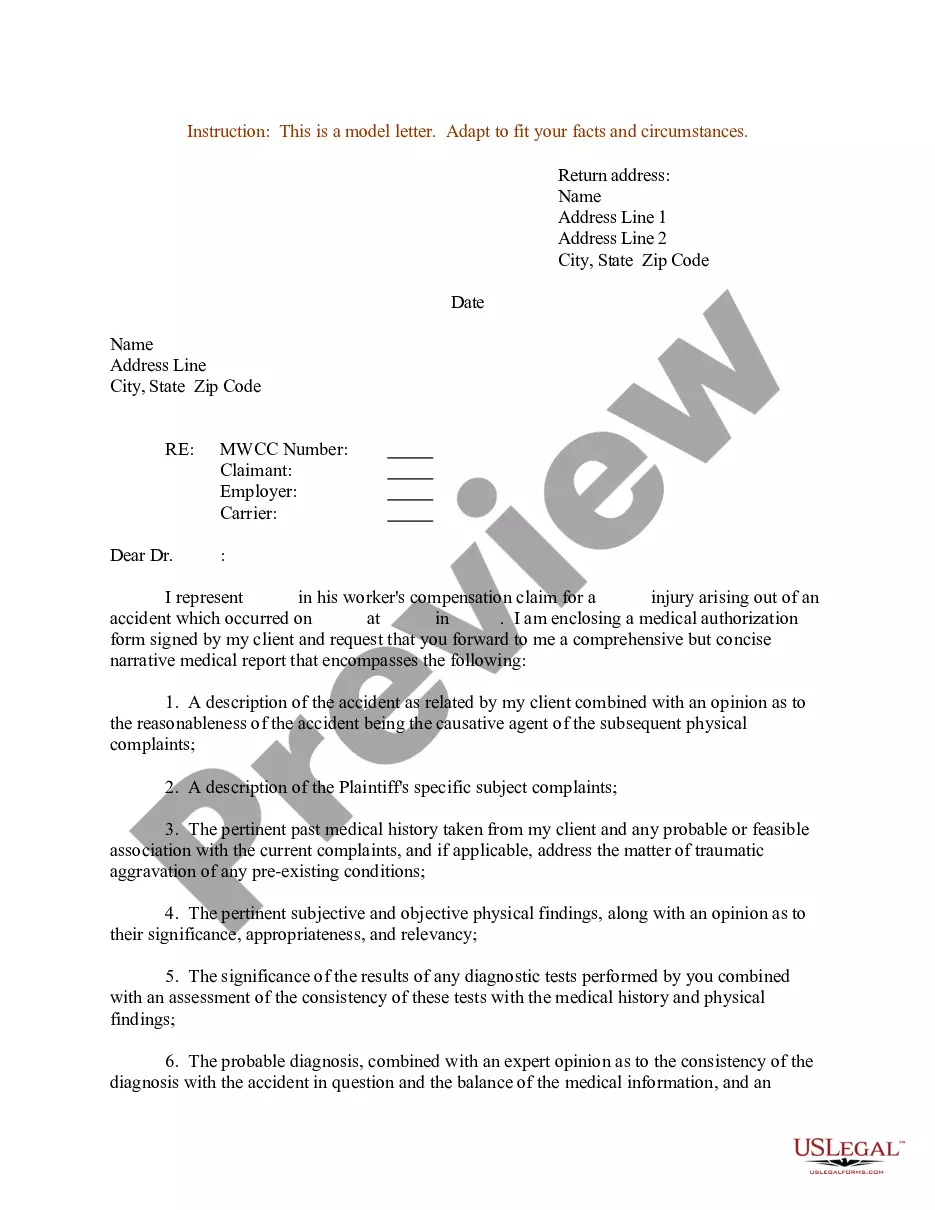

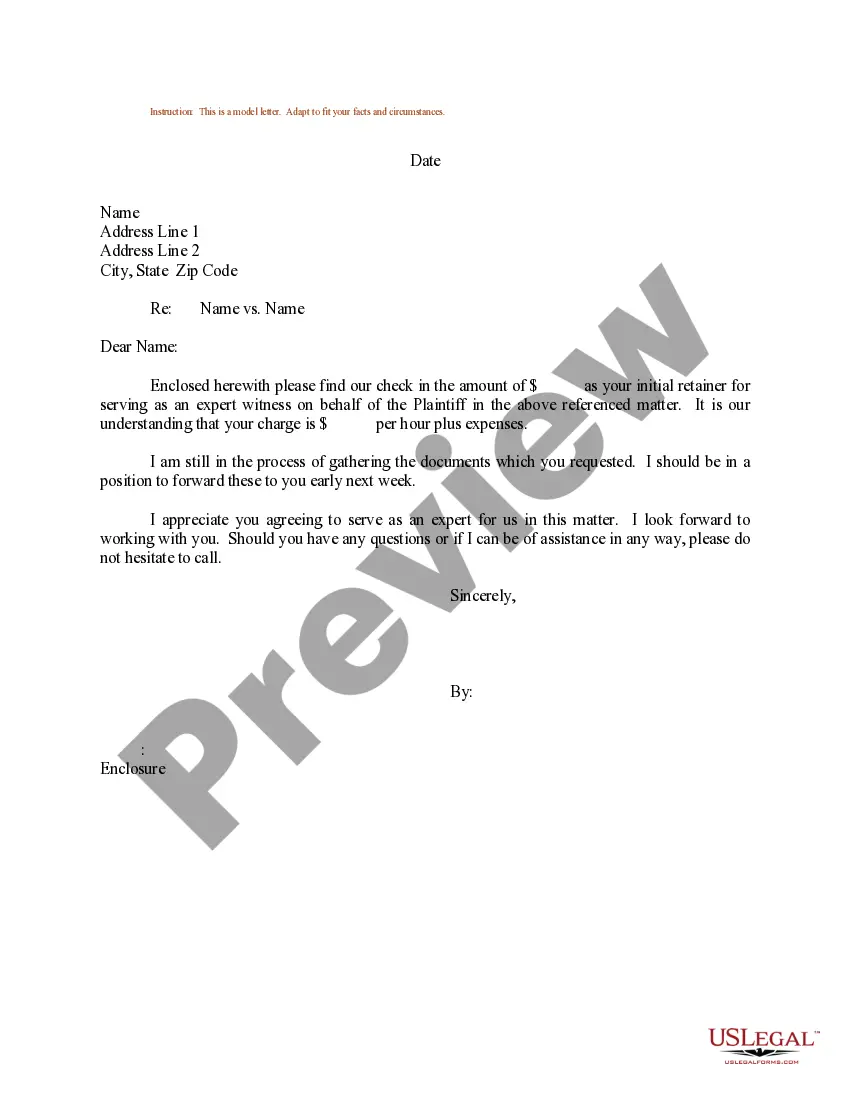
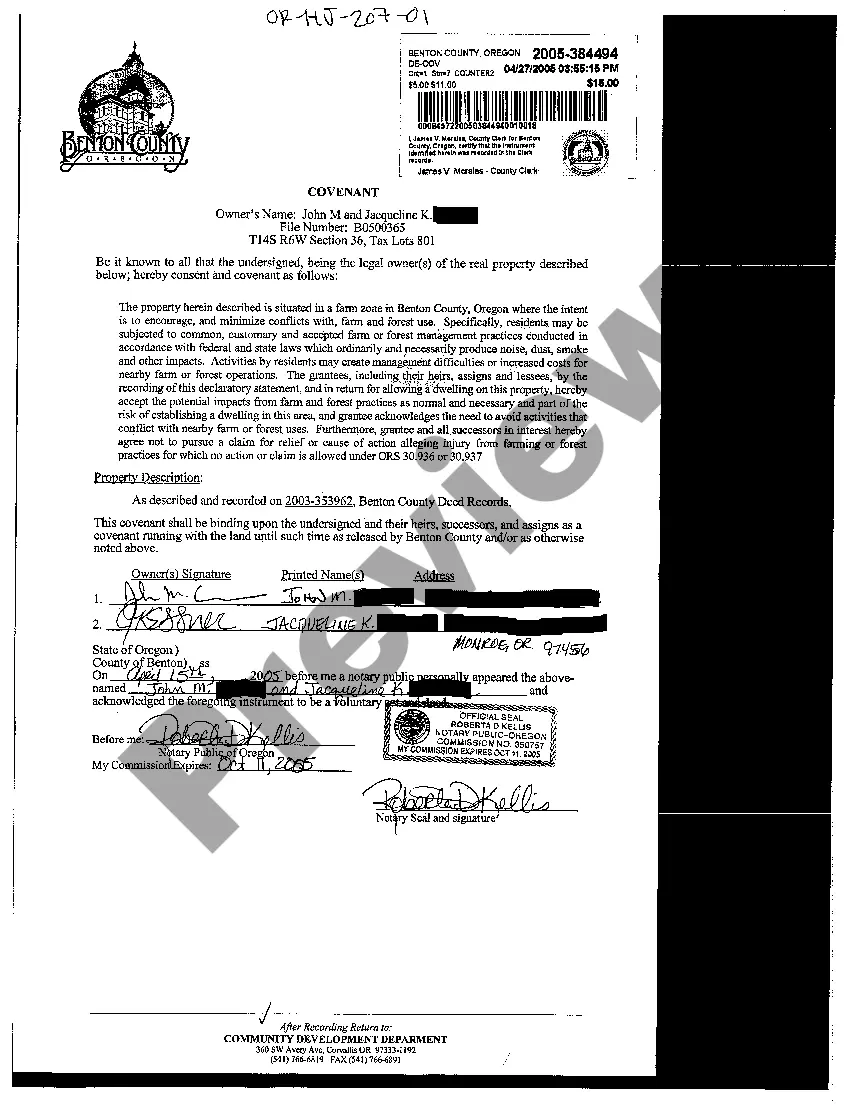
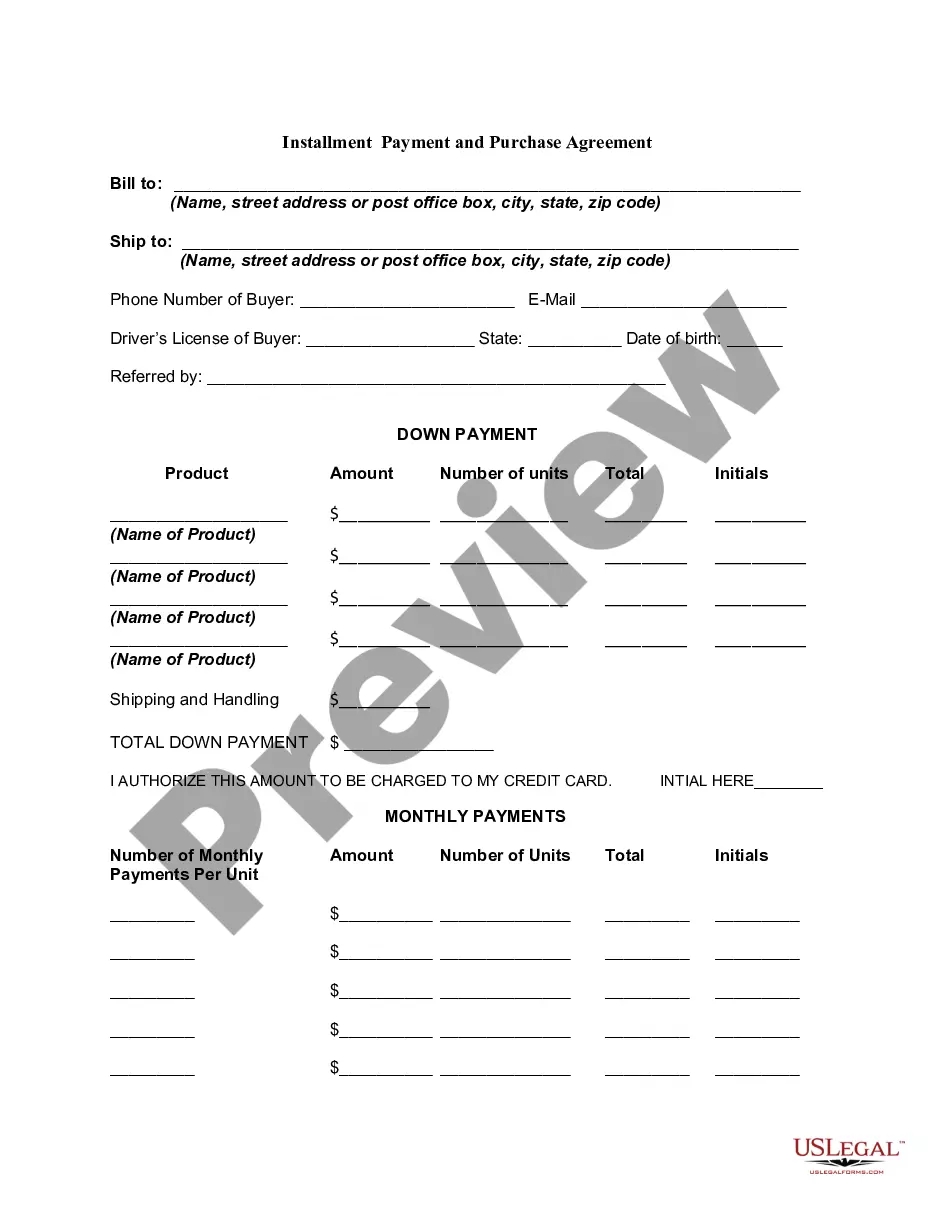

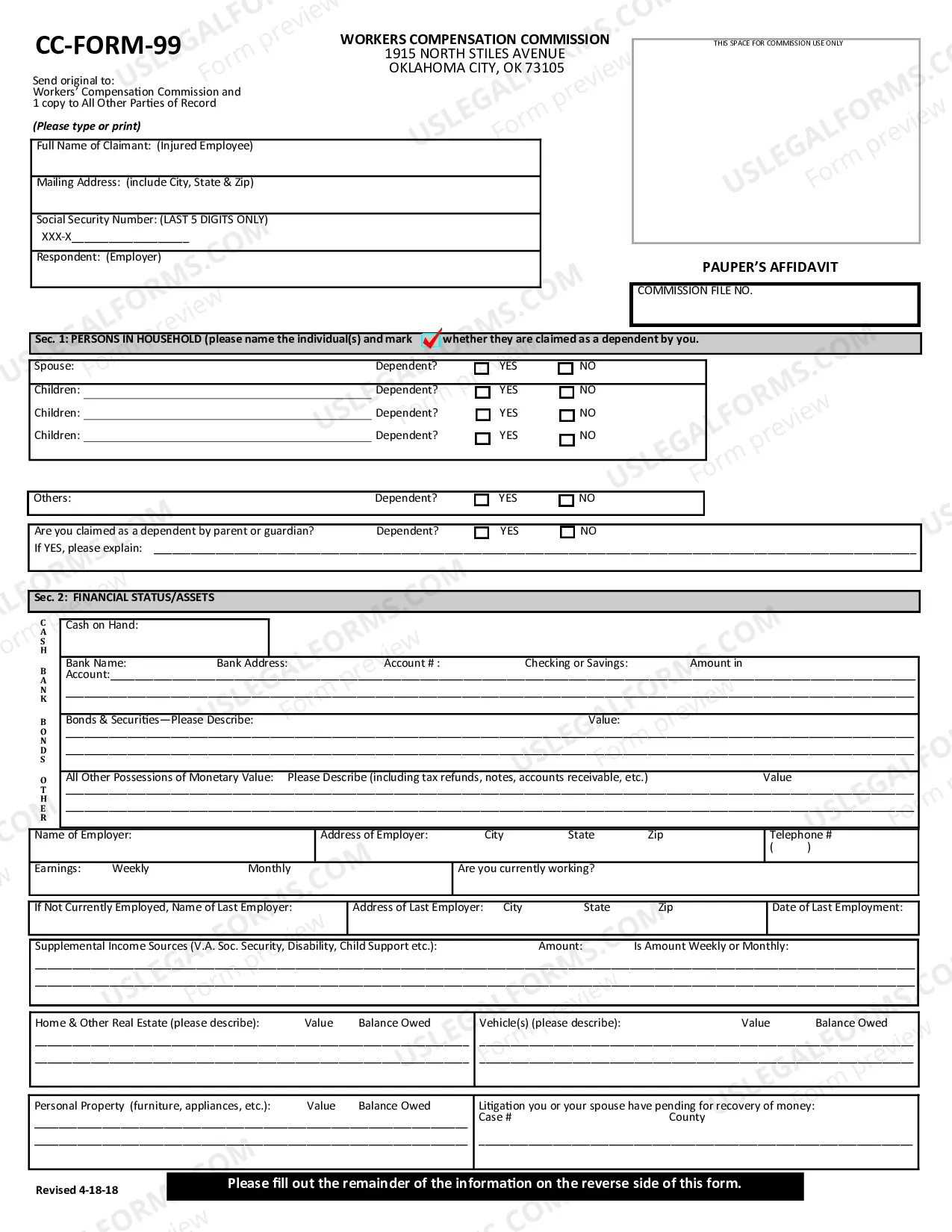
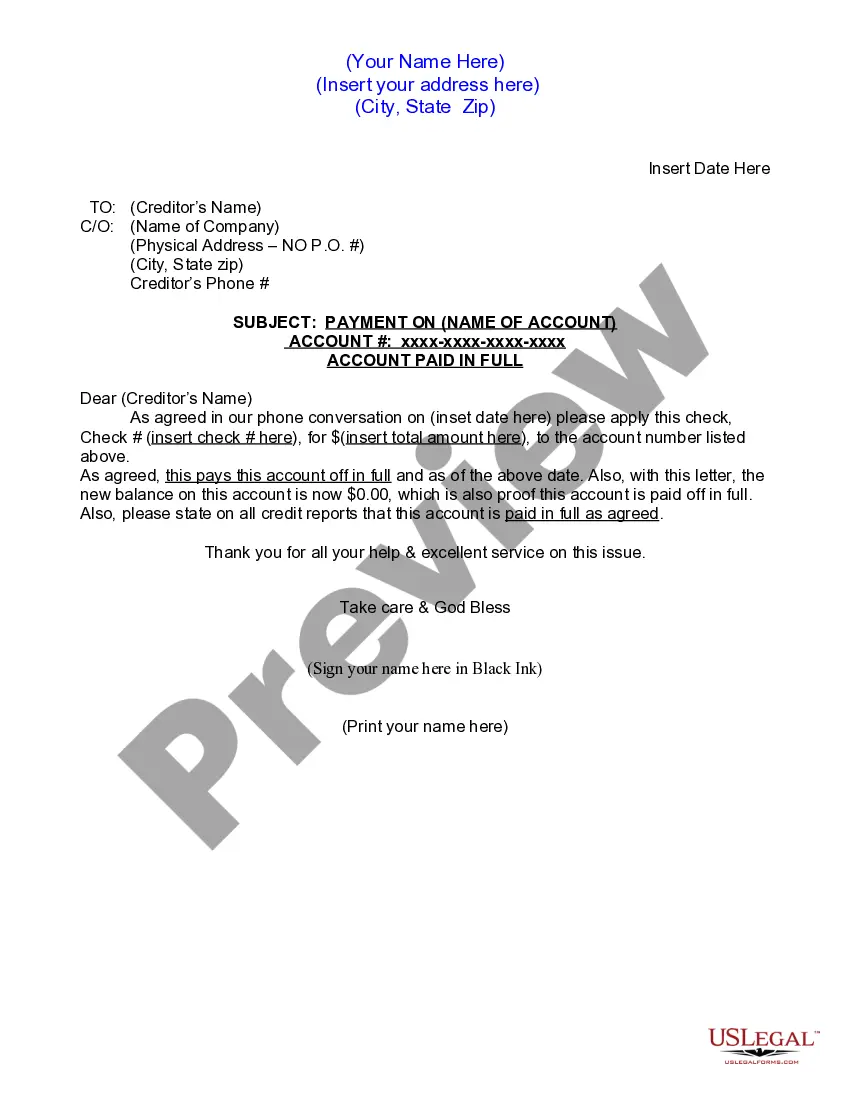
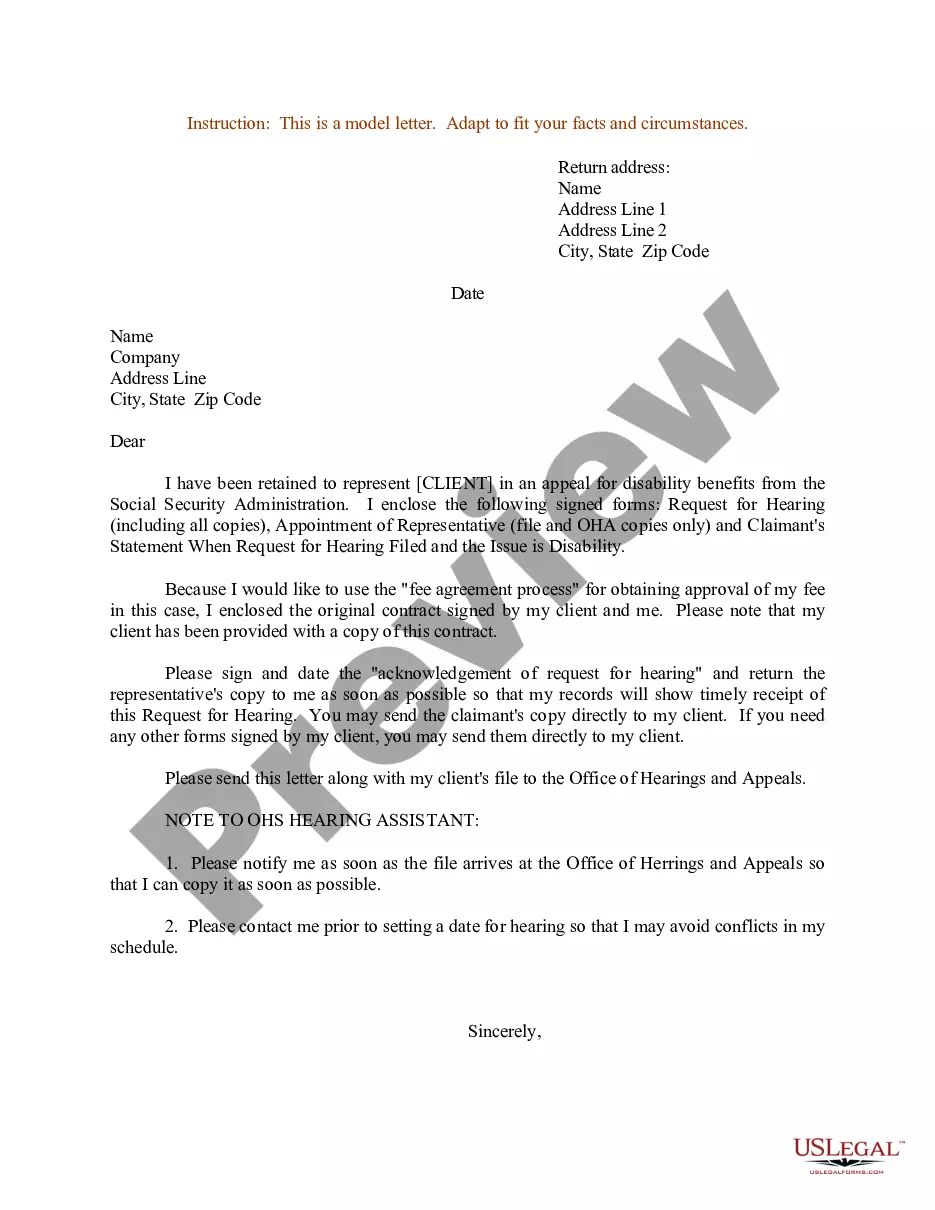
How to fill out Sample Letter For Notification Of Representation In An Appeal For Disability Benefits?
Whether for commercial reasons or personal affairs, everyone has to navigate legal issues at some point in their life.
Completing legal paperwork necessitates thorough attention, starting from choosing the correct form template.
With a vast US Legal Forms catalog available, you don’t have to waste time searching for the appropriate sample on the internet. Use the library’s straightforward navigation to find the desired template for any situation.
- Obtain the template you need by using the search bar or browsing through the catalog.
- Review the form's description to ensure it fits your circumstances, state, and county.
- Click on the form's preview to take a look at it.
- If it's the incorrect form, return to the search tool to find the Letter Disability Document For Jury Duty template you need.
- Download the template when it satisfies your requirements.
- If you already possess a US Legal Forms account, simply click Log in to access previously stored templates in My documents.
- In case you don’t have an account yet, you can acquire the form by clicking Buy now.
- Select the suitable pricing option.
- Fill out the account registration form.
- Decide your payment method: you can utilize a credit card or PayPal account.
- Select the file format you wish and download the Letter Disability Document For Jury Duty.
- Once it's downloaded, you can complete the form using editing software or print it and fill it out by hand.
Form popularity
FAQ
A hardship letter for jury duty serves as a request to be excused from jury service due to personal difficulties. An example may include a situation where a person is unable to serve because they are caring for a disabled family member. The letter should clearly state the reasons for the request and include any relevant supporting documents. Using a letter disability document for jury duty can help articulate your circumstances effectively, ensuring your request is appropriately considered.
To write a letter for an employee to be excused from jury duty, start by outlining the employee’s details and the reason for the request. Mention their medical condition and include a request for a letter disability document for jury duty from their healthcare provider. This letter should be respectful and clearly state the need for exemption due to health concerns.
A medical excuse letter for jury duty typically starts with your healthcare provider’s contact information, followed by a formal greeting. It should outline your medical condition and explain why it makes serving on a jury impossible. Including a statement about the attached letter disability document for jury duty can strengthen your case for exemption.
An example of a medical letter includes the physician's header, followed by your details and the date. It should clearly state that, due to your medical condition, you are unable to serve on jury duty. A well-drafted letter disability document for jury duty ensures clarity and effectively communicates your situation to the court.
The best excuse for jury duty often involves a legitimate medical condition that prevents you from serving effectively. If you suffer from a health issue, you should obtain a comprehensive letter disability document for jury duty from your physician. This letter clearly outlines your condition and can significantly support your request for exemption.
You received a letter in the mail for jury duty because you are being summoned to participate as a juror in court. This is a standard legal process in the United States, and everyone selected is required to respond. If you believe you have a valid reason to be excused, obtaining a letter disability document for jury duty from your doctor can help mitigate this obligation.
Several medical conditions can qualify you for exemption from jury duty, including severe anxiety, chronic illnesses, and certain disabilities. Each case is unique, so it's important to consult your healthcare provider for the appropriate letter disability document for jury duty. This ensures you have the necessary documentation to submit to the court.
Writing a medical excuse letter involves clearly stating your reasons for being unable to serve. Begin by including your personal details and the date, followed by a statement explaining your medical condition. You should also mention that you are providing a letter disability document for jury duty to support your claim, ensuring it's signed by your healthcare provider.
Yes, anxiety can be considered a disability that qualifies you for exemption from jury duty. If your anxiety affects your ability to serve, you may need a letter disability document for jury duty from your healthcare provider. This document serves as proof of your condition and helps you navigate the jury duty process effectively.
Yes, an employer can write a letter disability document for jury duty to support an employee’s request for exemption. This letter typically outlines the employee's job responsibilities and the impact of their absence on the workplace. It's essential that the letter clearly states the reasons for the request and is professionally presented. To create a compliant letter, consider using a resource like US Legal Forms, which offers customizable templates to ensure your correspondence meets legal standards.