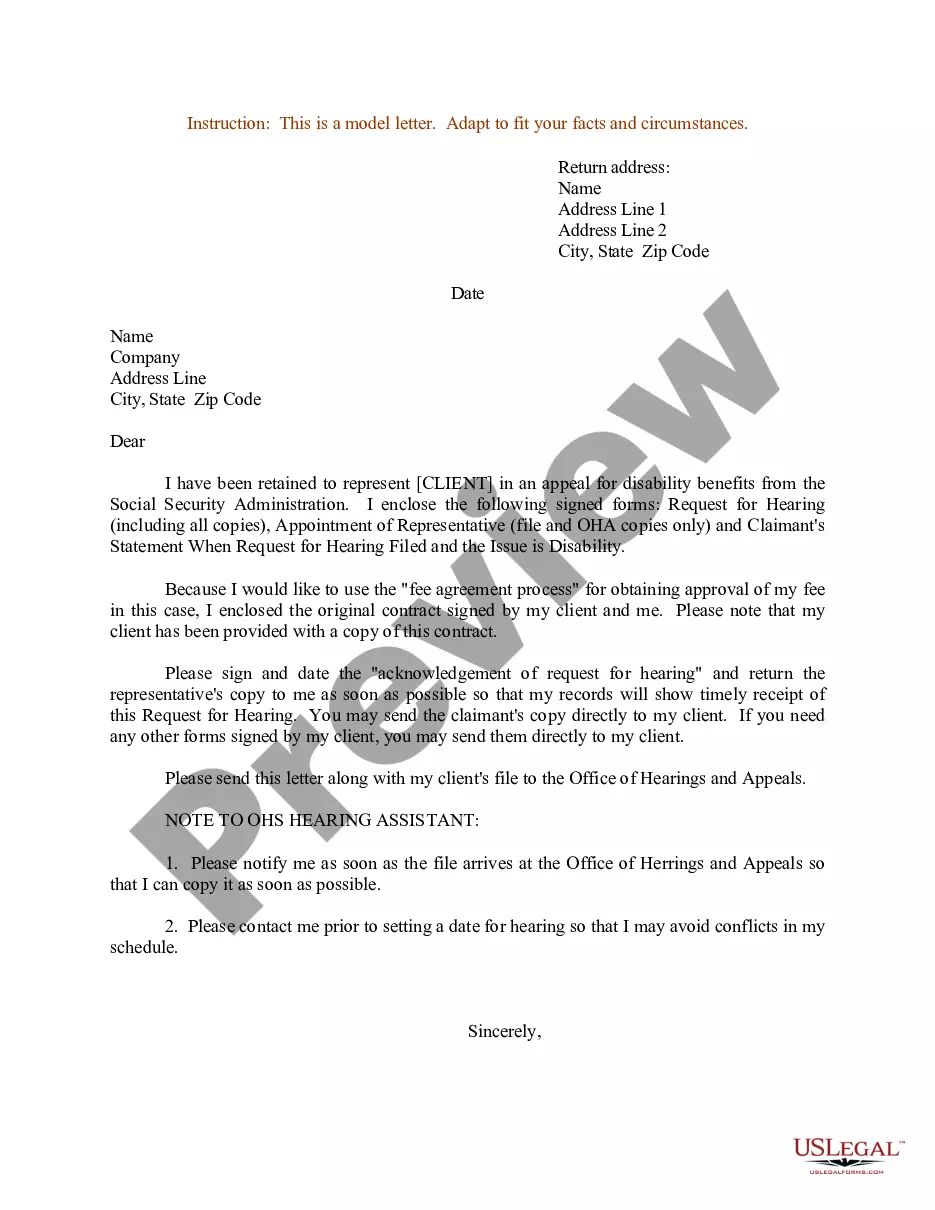
Appeal Letter For School
Description
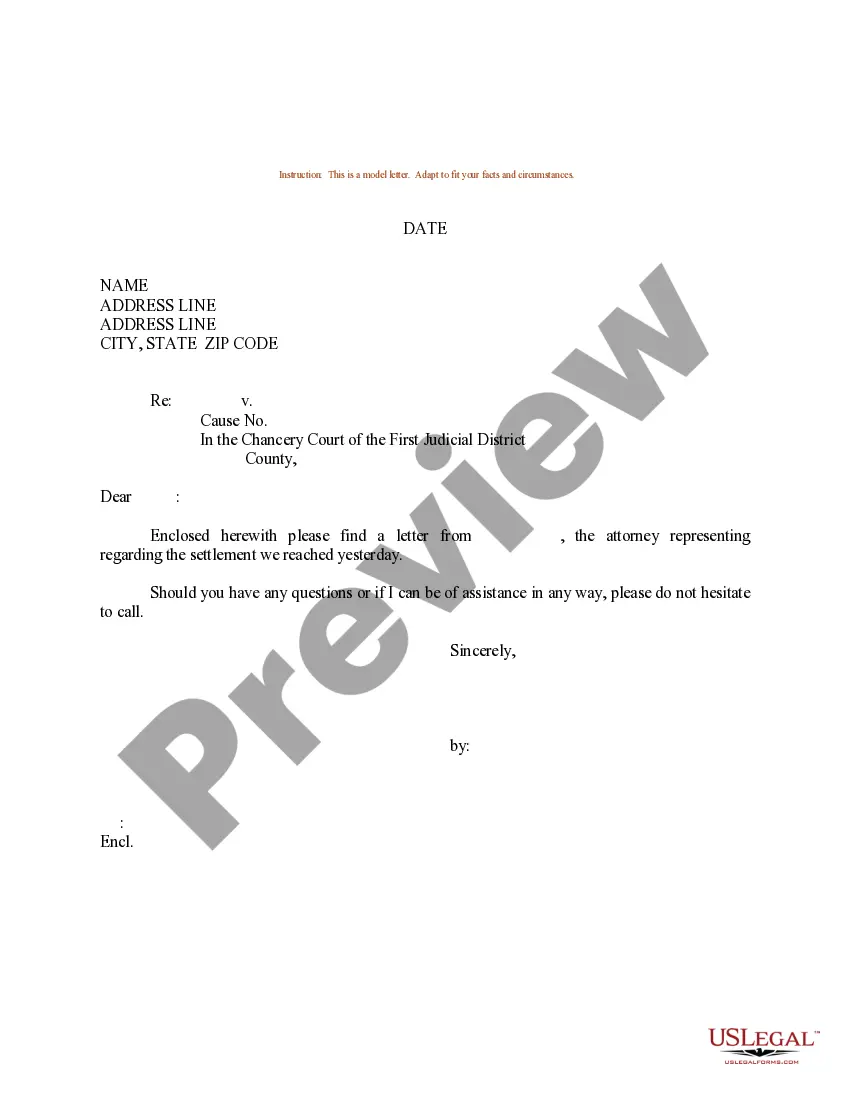
Get your form ready online
Our built-in tools help you complete, sign, share, and store your documents in one place.
Make edits, fill in missing information, and update formatting in US Legal Forms—just like you would in MS Word.
Download a copy, print it, send it by email, or mail it via USPS—whatever works best for your next step.
Sign and collect signatures with our SignNow integration. Send to multiple recipients, set reminders, and more. Go Premium to unlock E-Sign.
If this form requires notarization, complete it online through a secure video call—no need to meet a notary in person or wait for an appointment.
We protect your documents and personal data by following strict security and privacy standards.

Make edits, fill in missing information, and update formatting in US Legal Forms—just like you would in MS Word.

Download a copy, print it, send it by email, or mail it via USPS—whatever works best for your next step.

Sign and collect signatures with our SignNow integration. Send to multiple recipients, set reminders, and more. Go Premium to unlock E-Sign.

If this form requires notarization, complete it online through a secure video call—no need to meet a notary in person or wait for an appointment.

We protect your documents and personal data by following strict security and privacy standards.
Looking for another form?









How to fill out Sample Letter For Notification Of Representation In An Appeal For Disability Benefits?
- If you're an existing user, log in to your US Legal Forms account and locate the appeal letter template you need. Ensure your subscription is active; if not, renew it based on your chosen plan.
- For new users, begin by checking the preview and description of the appeal letter forms. Make sure to select the correct template that aligns with local requirements.
- If the chosen template does not meet your expectations, utilize the search function at the top of the page to find an alternative that suits your needs.
- Once satisfied, click on the 'Buy Now' option, select your subscription plan, and create an account to gain full access to the form library.
- Proceed to payment by providing your credit card details or opting for PayPal to finalize your subscription.
- Download your completed appeal letter form onto your device. You can always find it later in the 'My Forms' section of your account for future reference.
After you’ve completed your appeal letter, remember that obtaining the right form is crucial to ensuring its legality and effectiveness. US Legal Forms offers a vast collection of over 85,000 customizable documents, making it easier for you to find exactly what you need.
In conclusion, using US Legal Forms simplifies the process of drafting your appeal letter for school. With access to expert assistance and a comprehensive legal library, you can confidently take the next step. Start today to ensure your voice is heard!
Form popularity
FAQ
When writing the reason for your appeal, be honest and to the point. Clearly explain the circumstances that led to your academic struggles, focusing on facts rather than emotions. Highlight any relevant information that supports your case, such as changes in personal circumstances or unexpected challenges. This will help strengthen your appeal letter for school and may lead to a favorable outcome.
The primary reason for an academic appeal is to contest a decision made by an educational institution regarding grades, academic probation, or dismissal. Students often seek to address situations that may have affected their performance, such as personal hardships or misunderstandings. By writing an appeal letter for school, students provide a structured way to present their case, ensuring their voices are heard. This process encourages fairness and allows for reconsideration of decisions.
To write a good academic appeal, begin by clearly stating the purpose of your appeal letter for school. Use a respectful tone and include specific details about your situation. Support your request with relevant documentation, such as transcripts or medical records, if applicable. Finally, make sure to clearly express what outcome you hope to achieve, while remaining optimistic.
When writing an emotional appeal letter, tell your story sincerely, explaining how the decision affects you personally. Use specific examples to illustrate your feelings and circumstances but remain respectful and focused. A heartfelt appeal letter for school can resonate with the reader, making them more likely to empathize and consider your request.
A good example of an appeal is a student who successfully contests a failing grade due to a documented medical condition that impacted their ability to complete assignments. In their appeal letter for school, the student includes medical certificates and outlines their performance prior to the issue. Such a structured approach demonstrates the validity of their case.
Good reasons for an academic appeal include extenuating circumstances that affected your performance, such as illness or family issues, or a lack of understanding of the grading criteria. You might also appeal if there was a clerical error in the grading. Clearly stating these reasons can strengthen your appeal letter for school.
In your appeal letter for school, you should address the specific decision you are contesting and express your understanding of the issue. Clearly state your reasons for disputing that decision, and provide evidence if possible. End by kindly asking for a reconsideration of the situation.
When drafting a student appeal letter, focus on outlining the situation clearly. Explain why you believe the decision should be reversed, and include any supporting documents that back up your case. Always remember to keep your tone professional and to express gratitude for the committee's time and consideration.
To write a compelling appeal letter for school, start by including your personal information and the school's details. In the body, express your concerns or the issue you are appealing, provide supporting facts, and conclude with a polite request for reconsideration. Remember, being clear and concise will enhance the effectiveness of your letter.
The key to a successful appeal letter for school lies in clarity and thoroughness. You should clearly state your reasons for the appeal and support them with relevant evidence. Additionally, maintaining a respectful tone throughout the letter establishes a positive relationship with the decision-makers.