Debt Collection Letter For Previous Tenant
Description
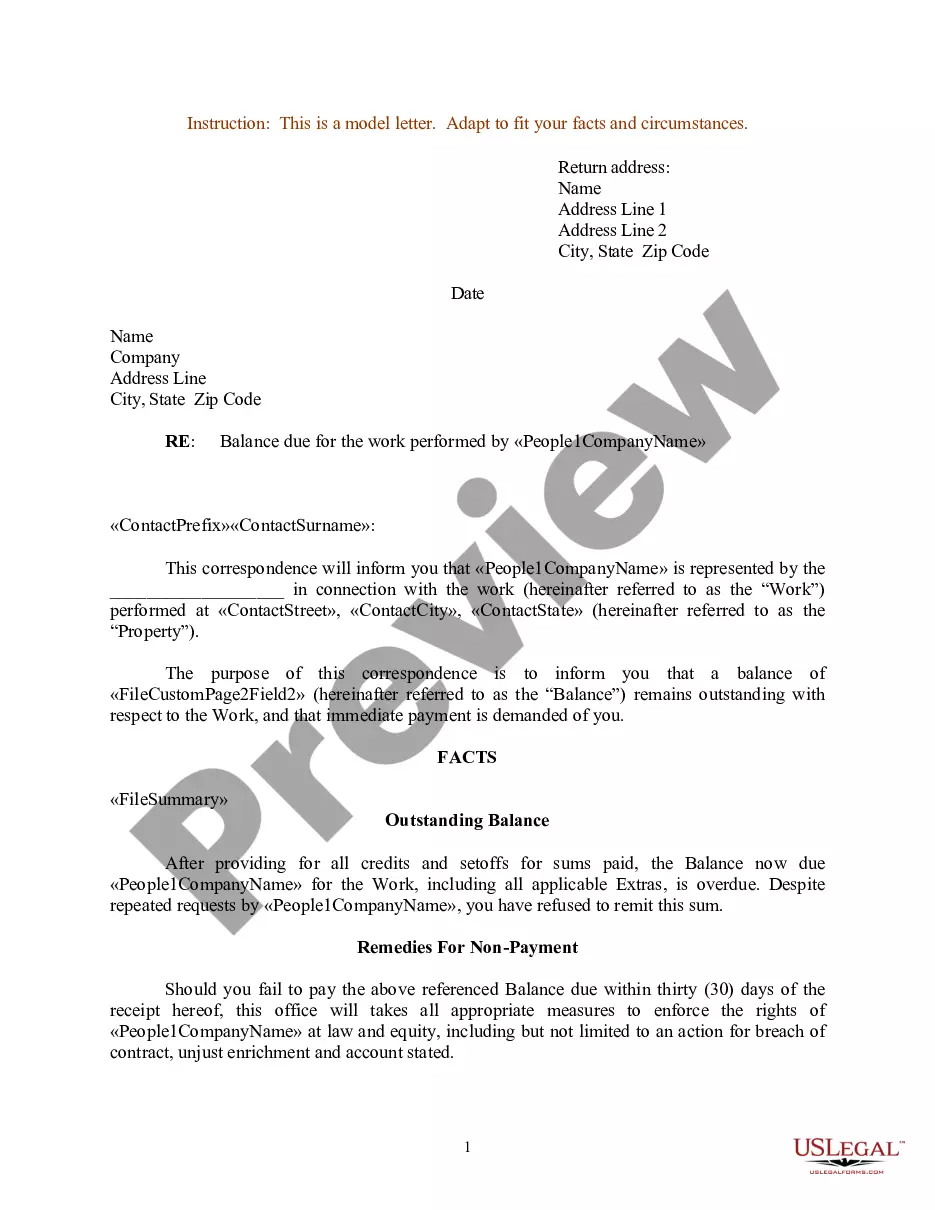
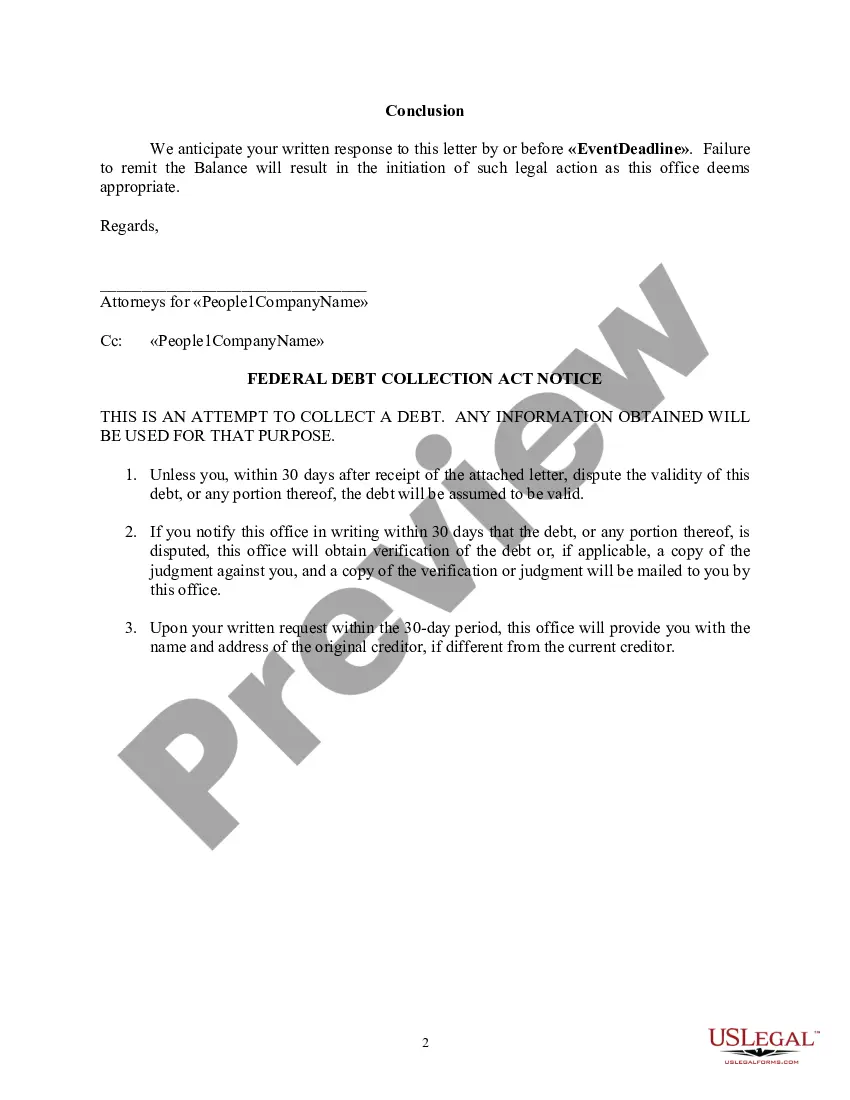
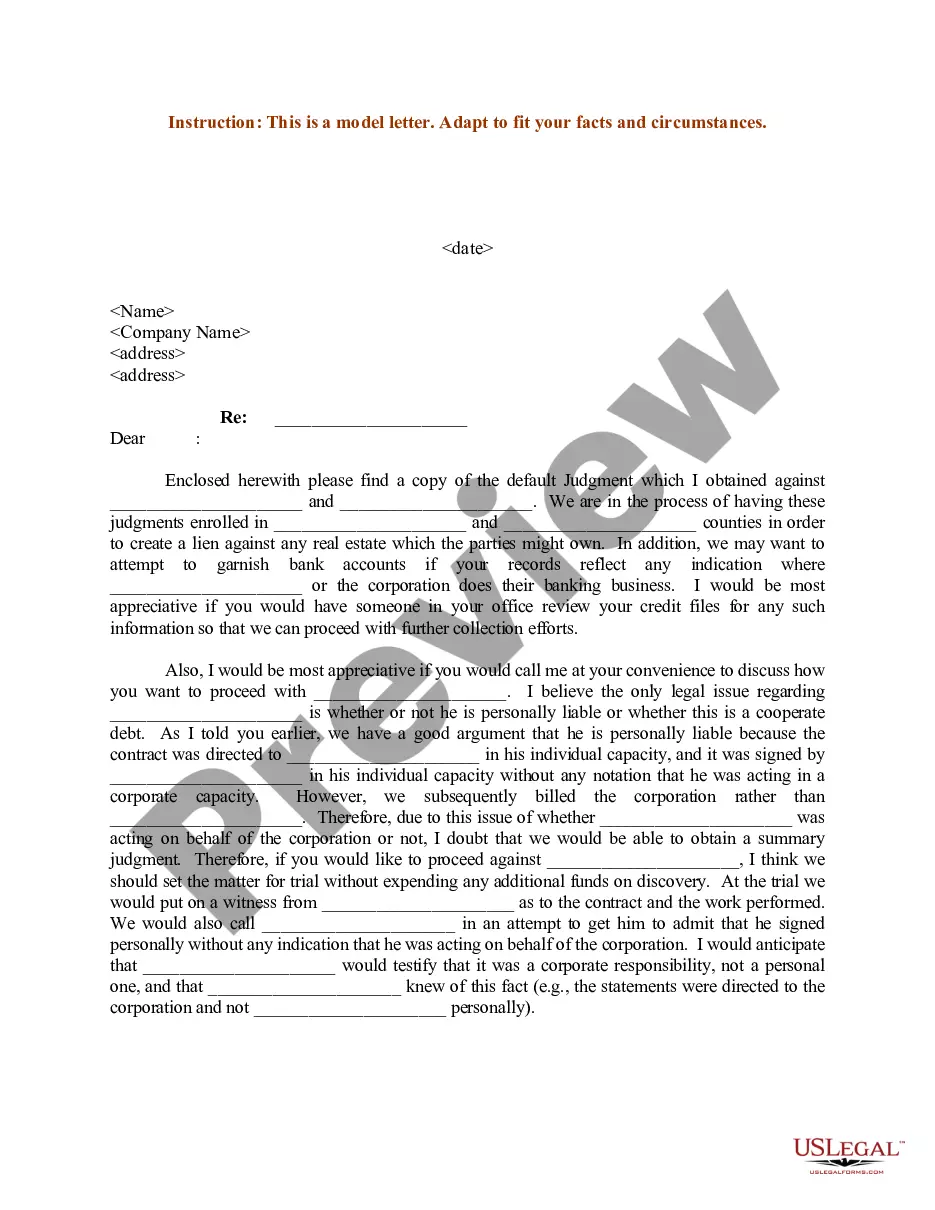
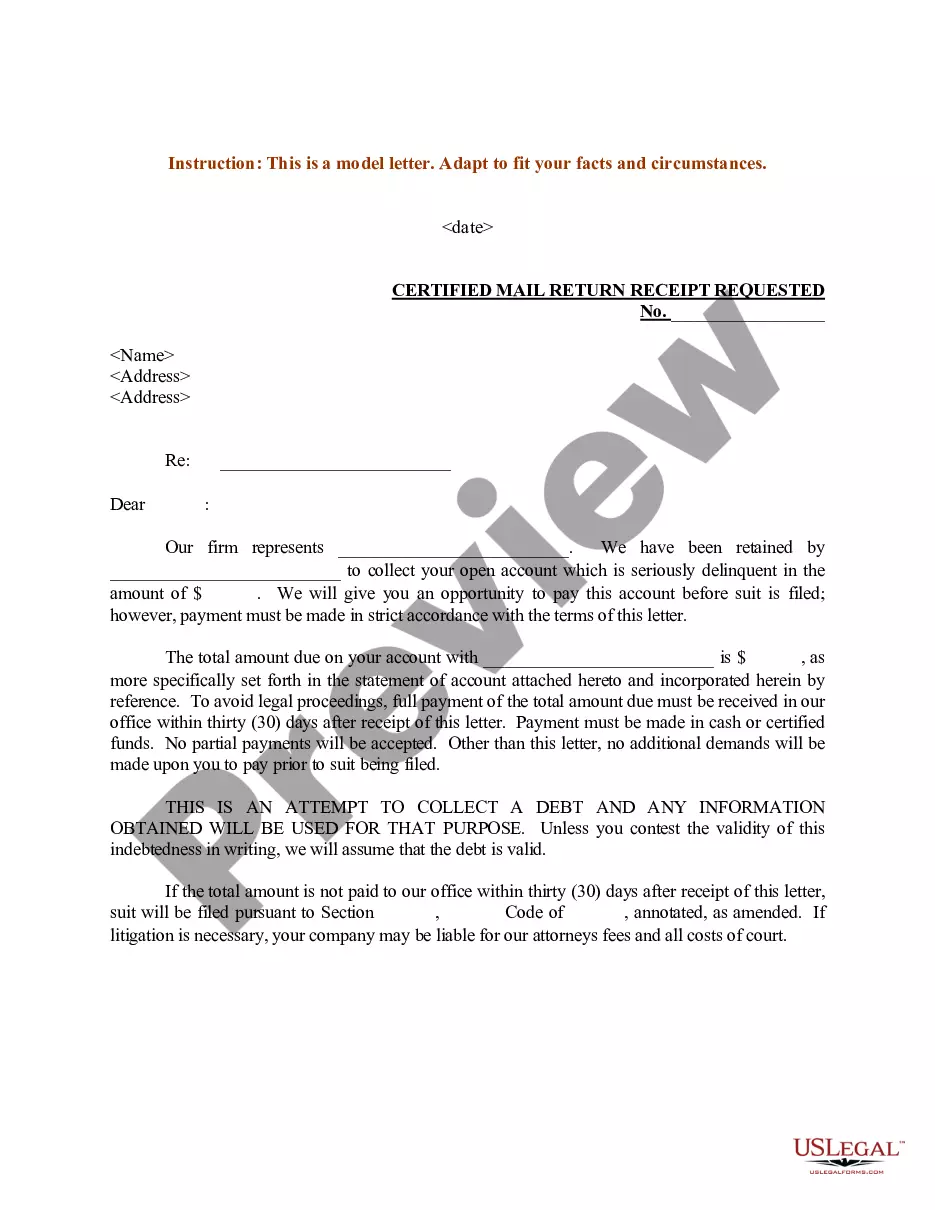
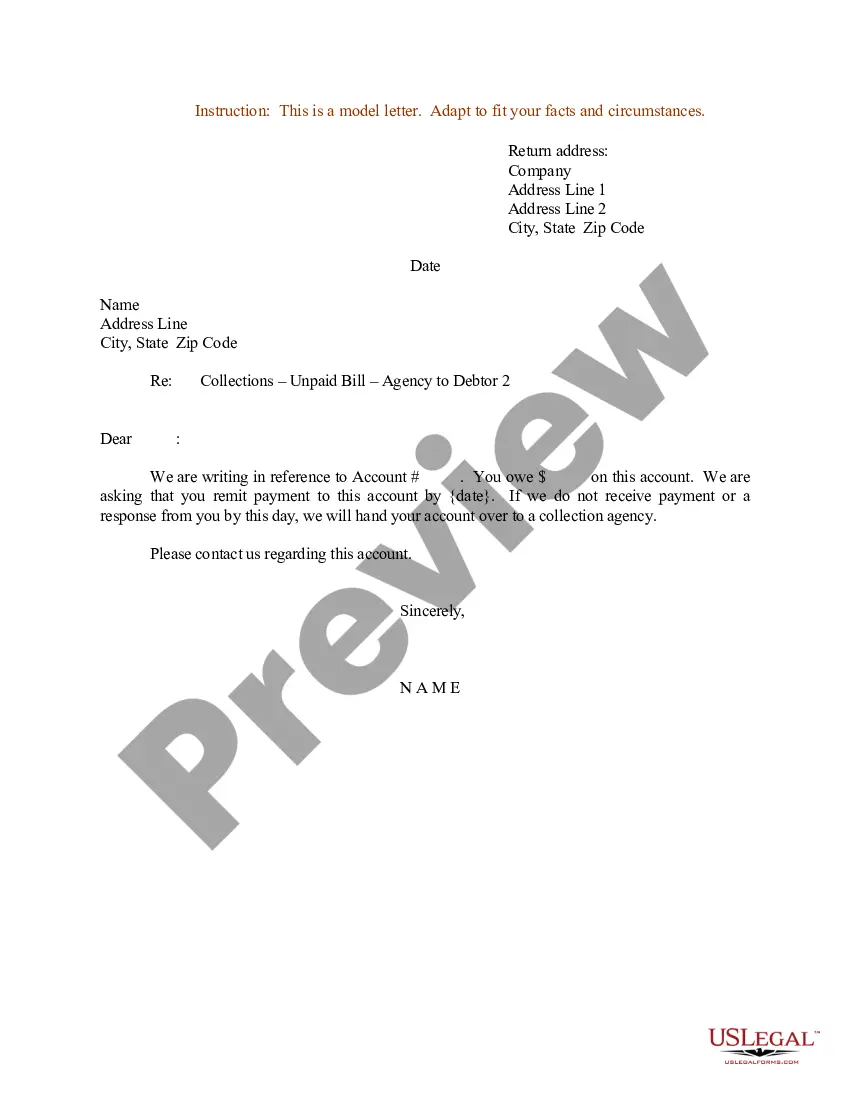
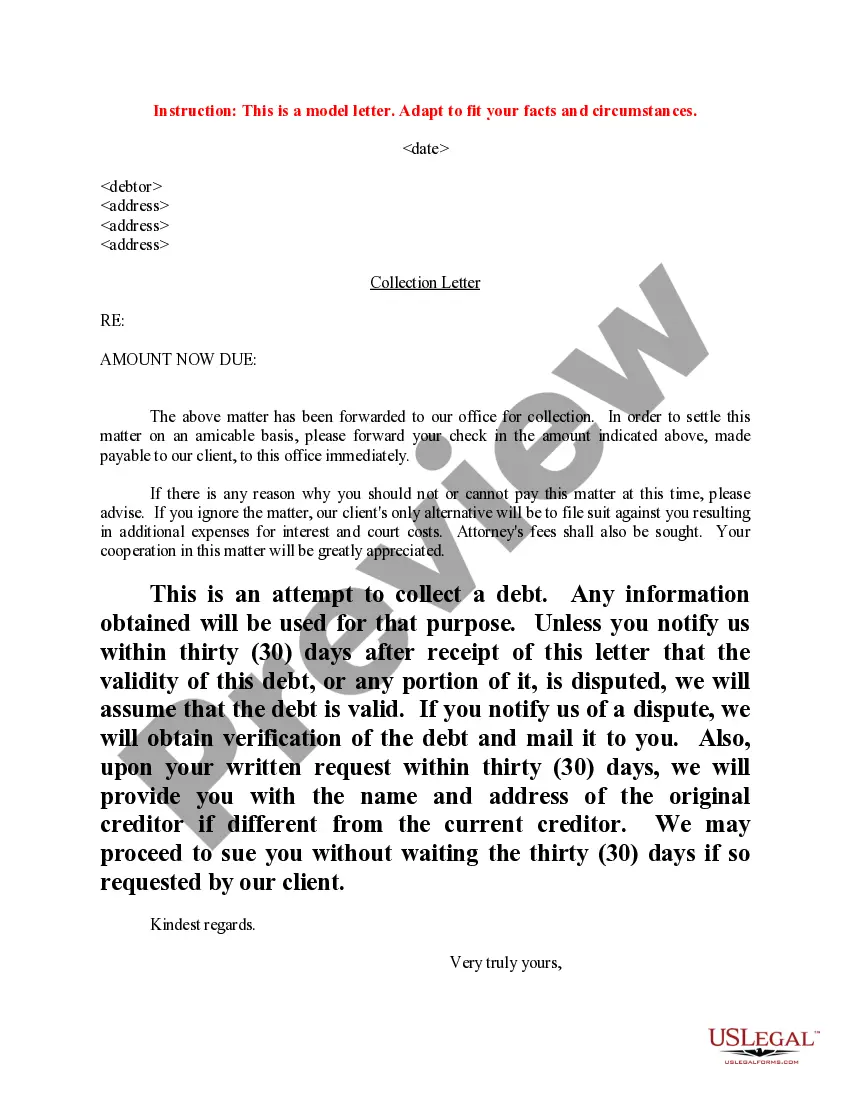
Get your form ready online
Our built-in tools help you complete, sign, share, and store your documents in one place.
Make edits, fill in missing information, and update formatting in US Legal Forms—just like you would in MS Word.
Download a copy, print it, send it by email, or mail it via USPS—whatever works best for your next step.
Sign and collect signatures with our SignNow integration. Send to multiple recipients, set reminders, and more. Go Premium to unlock E-Sign.
If this form requires notarization, complete it online through a secure video call—no need to meet a notary in person or wait for an appointment.
We protect your documents and personal data by following strict security and privacy standards.

Make edits, fill in missing information, and update formatting in US Legal Forms—just like you would in MS Word.

Download a copy, print it, send it by email, or mail it via USPS—whatever works best for your next step.

Sign and collect signatures with our SignNow integration. Send to multiple recipients, set reminders, and more. Go Premium to unlock E-Sign.

If this form requires notarization, complete it online through a secure video call—no need to meet a notary in person or wait for an appointment.

We protect your documents and personal data by following strict security and privacy standards.
Looking for another form?
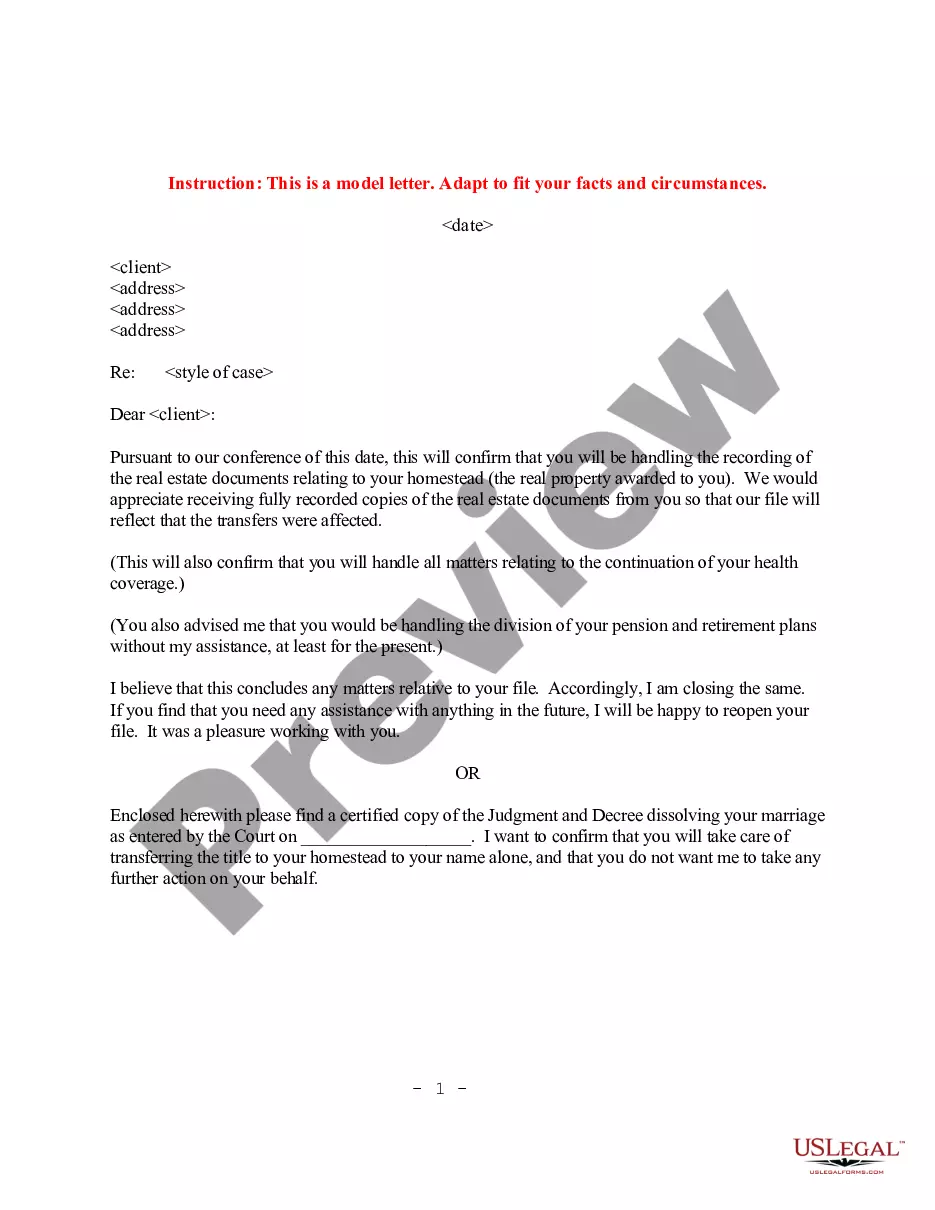
How to fill out Sample Letter For Debt Collection?
Creating legal documents from the ground up can frequently be overwhelming.
Some situations may require extensive research and significant financial investment.
If you seek a more straightforward and budget-friendly method of generating a Debt Collection Letter For Previous Tenant or any other forms without unnecessary complications, US Legal Forms is readily accessible.
Our online repository of over 85,000 current legal templates covers nearly every element of your financial, legal, and personal affairs.
Before diving directly into downloading the Debt Collection Letter For Previous Tenant, consider these recommendations: Review the document preview and descriptions to confirm that you have located the document you are after. Ensure that the template you select adheres to your state and county’s requirements. Opt for the appropriate subscription plan to acquire the Debt Collection Letter For Previous Tenant. Download the form, then complete, endorse, and print it out. US Legal Forms enjoys a solid reputation and over 25 years of experience. Join us today and make document execution an easy and efficient process!
- With just a handful of clicks, you can swiftly obtain state- and county-specific forms carefully crafted by our legal professionals.
- Utilize our platform whenever you need a dependable and trustworthy service to easily find and retrieve the Debt Collection Letter For Previous Tenant.
- If you're already familiar with our site and have created an account before, simply Log In, select the template, and download it instantly or reacquire it at any stage from the My documents section.
- Not signed up yet? No problem. It requires minimal time to register and browse through the library.
Form popularity
FAQ
To write a debt collection letter for a previous tenant, start by clearly identifying yourself and the purpose of the letter. Include specific details about the debt, such as the amount owed and the date it was due, to provide clarity. Use a professional tone, and ensure that you specify any actions required from the tenant, such as payment options or a deadline for response. Utilizing a platform like US Legal Forms can help you access templates and guidelines, making the process easier and more efficient.
When drafting a debt collection letter for a previous tenant, start by addressing the tenant clearly and including the date. Clearly state the amount owed and the reason for the debt, such as unpaid rent or damages. Additionally, provide a deadline for payment and any potential consequences if the debt remains unpaid. Ensure to be respectful yet firm, as this sets a professional tone while conveying the importance of the matter.
Similar to the previous question, the 777 rule signifies strategies employed by debt collectors to optimize communications and resolve debts efficiently. This rule emphasizes quick resolution within a seven-year window and encourages proactive engagement in discussions. If you receive a debt collection letter for a previous tenant, knowing this rule can clarify your next steps in handling the situation successfully.
The 777 rule for debt collectors is a guideline suggesting a debt should be resolved within a seven-year time frame and can be pursued within seven phone calls. Understanding this can help you navigate the debt collection process more effectively. In the case of a debt collection letter for a previous tenant, address the issue promptly to avoid future complications.
If you continue receiving debt collection letters for someone else, it’s important to address the issue. Start by writing back to the debt collector and stating that the individual does not live at your address. This prevents further unwanted communication and helps maintain your peace of mind. Platforms like US Legal Forms offer templates that can assist you in crafting a clear and professional response.
Typically, debts can become uncollectible after a period of seven years, depending on the type and state laws. After this period, debt collectors may lose their legal right to pursue the debt. If you are dealing with a debt collection letter for a previous tenant, timely action is essential to resolve these issues before they linger longer than necessary.
If you receive debt collection letters for previous tenants, first verify that the person no longer resides at your address. You can return the letter to the sender, indicating that the tenant is no longer there. Additionally, consider documenting these letters to prevent further issues. Employing the services of platforms like US Legal Forms can help you draft proper responses.