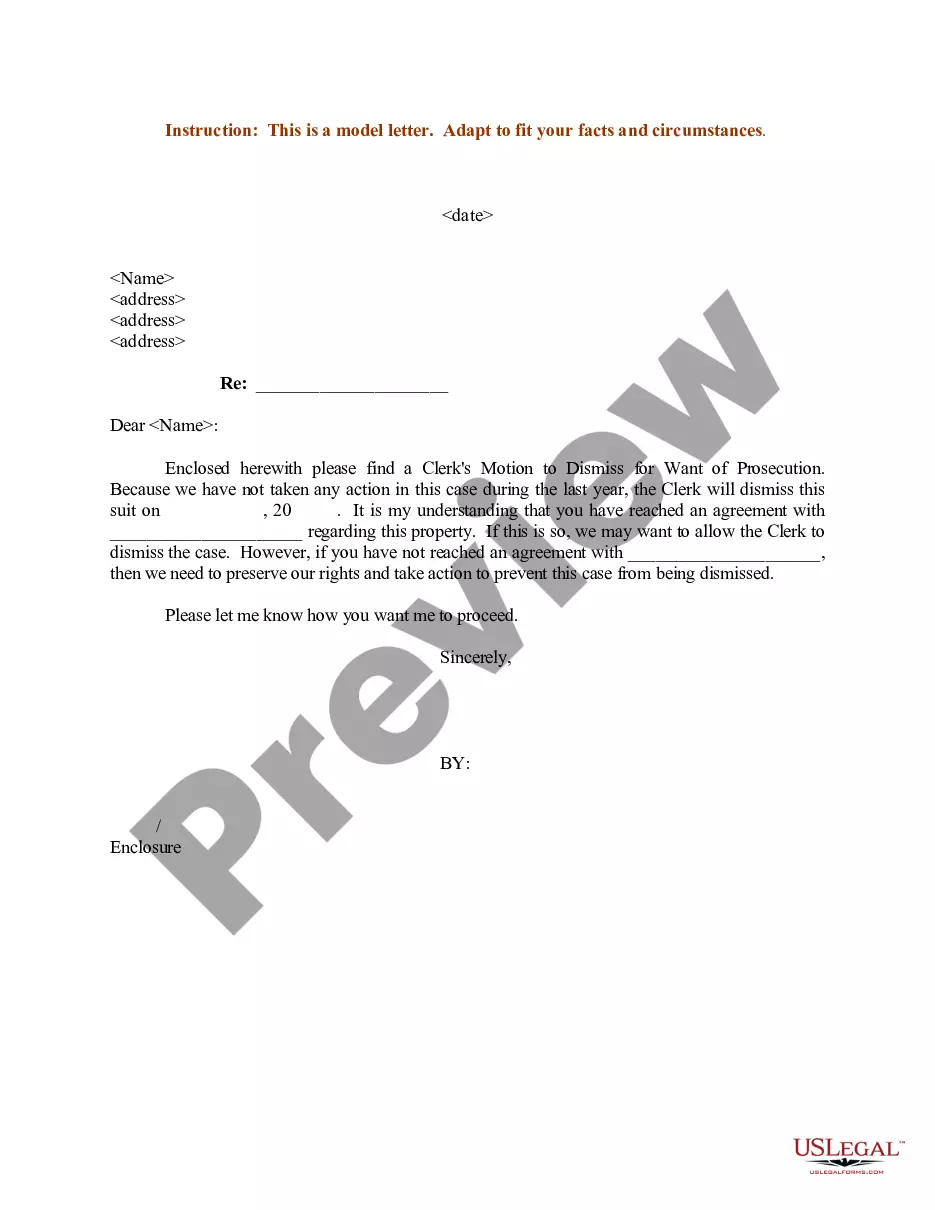
Prosecution Motion In Limine Criminal Case
Description
Get your form ready online
Our built-in tools help you complete, sign, share, and store your documents in one place.
Make edits, fill in missing information, and update formatting in US Legal Forms—just like you would in MS Word.
Download a copy, print it, send it by email, or mail it via USPS—whatever works best for your next step.
Sign and collect signatures with our SignNow integration. Send to multiple recipients, set reminders, and more. Go Premium to unlock E-Sign.
If this form requires notarization, complete it online through a secure video call—no need to meet a notary in person or wait for an appointment.
We protect your documents and personal data by following strict security and privacy standards.

Make edits, fill in missing information, and update formatting in US Legal Forms—just like you would in MS Word.

Download a copy, print it, send it by email, or mail it via USPS—whatever works best for your next step.

Sign and collect signatures with our SignNow integration. Send to multiple recipients, set reminders, and more. Go Premium to unlock E-Sign.

If this form requires notarization, complete it online through a secure video call—no need to meet a notary in person or wait for an appointment.

We protect your documents and personal data by following strict security and privacy standards.
Looking for another form?

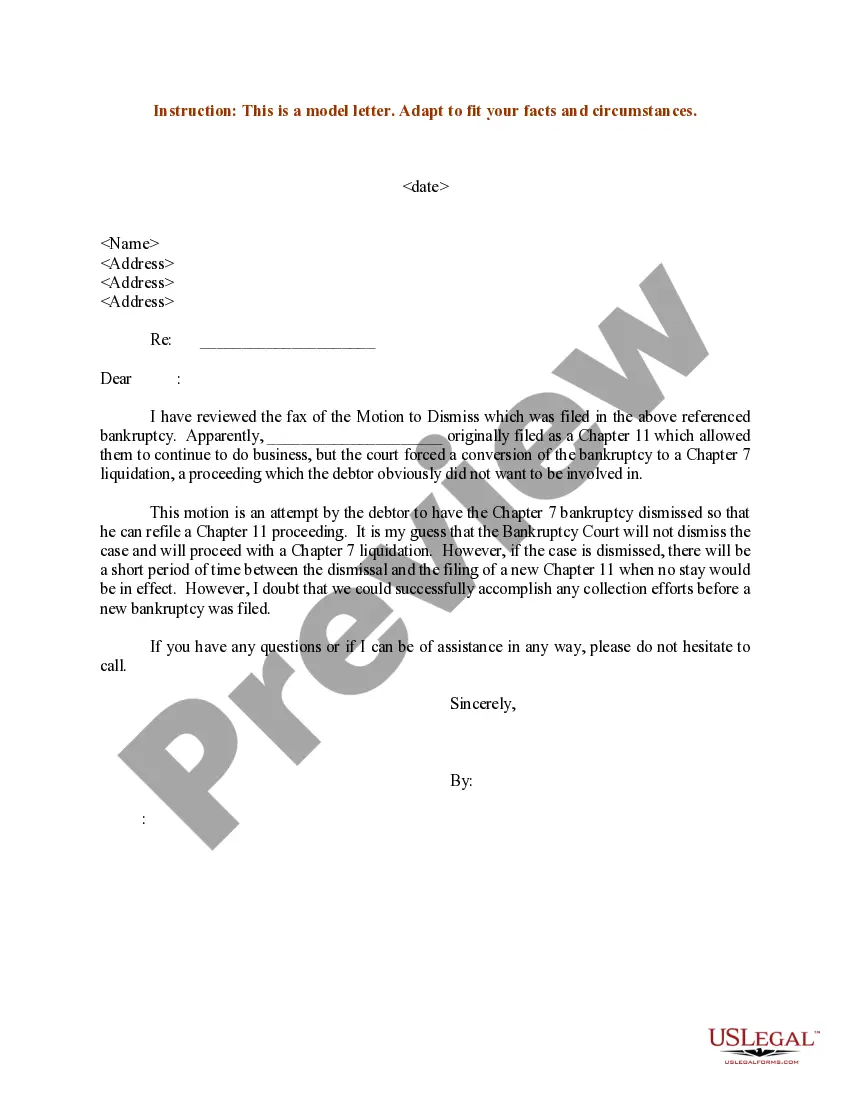
How to fill out Sample Letter For Motion To Dismiss For Want Of Prosecution?
Dealing with legal documents and processes can be a lengthy addition to your day.
Prosecution Motion In Limine Criminal Case and similar forms frequently necessitate that you find them and comprehend how to fill them out correctly.
Consequently, whether you're managing financial, legal, or personal issues, utilizing a comprehensive and practical online collection of forms when necessary will provide significant assistance.
US Legal Forms is the premier online platform for legal templates, featuring over 85,000 state-specific documents and a range of tools to help you finish your paperwork with ease.
Simply Log In to your account, find Prosecution Motion In Limine Criminal Case, and obtain it directly from the My documents section. You can also reach previously downloaded forms.
- Explore the library of relevant documents available to you with just one click.
- US Legal Forms provides state- and county-specific forms accessible at any time for download.
- Secure your document management tasks with top-notch services allowing you to create any form within minutes without any additional or hidden charges.
Form popularity
FAQ
A good motion in limine is clear, concise, and directly addresses the legal issues at hand. It should provide a logical rationale for excluding specific evidence while referencing applicable laws and previous cases. By effectively articulating these points, a prosecution motion in limine criminal case can set the stage for a fair trial, ensuring that jurors base their decisions solely on relevant and admissible evidence.
Writing a motion in limine involves several key steps. First, outline the specific evidence you want to exclude and the reasons for your request. Then, cite relevant legal standards and precedents that support your motion. A well-crafted prosecution motion in limine criminal case can significantly impact the trial's outcome, so clarity and precision are crucial.
Before a prosecutor charges a criminal case, three essential conditions must be satisfied: sufficient evidence must exist to support the charges, the evidence must be admissible in court, and there should be a reasonable belief that the defendant committed the crime. These conditions help ensure that the prosecution's case is strong and credible. Understanding these prerequisites can aid defendants and their attorneys in preparing for the trial process.
To write a good motion in limine, start by clearly stating the purpose of the motion and the specific evidence you wish to exclude. Provide a well-reasoned argument that explains how the evidence could unfairly prejudice the jury. Additionally, referencing relevant case law can strengthen your position in a prosecution motion in limine criminal case, ensuring that your arguments are grounded in legal precedent.
The golden rule motion in limine refers to a specific request made by prosecutors to prevent juries from being influenced by emotional appeals or arguments that might sway their judgment unfairly. In the context of a prosecution motion in limine criminal case, this motion aims to maintain the integrity of the trial by excluding prejudicial evidence. Understanding this concept can help attorneys effectively navigate the complexities of criminal proceedings.
A motion in limine may be denied for several reasons, such as the judge finding that the evidence is relevant and admissible. In a prosecution motion in limine criminal case, the judge assesses the potential impact of the evidence on the jury and the case's overall integrity. If the evidence can contribute to a fair trial, the judge may choose to allow it. Understanding these legal nuances can help you better navigate the complexities of the judicial process.
The primary reason prosecutors may opt not to prosecute is the lack of sufficient evidence. In a prosecution motion in limine criminal case, the strength and admissibility of evidence play a vital role in this decision. If the evidence cannot support a conviction or if it is likely to be excluded, the case may not move forward. Prosecutors must weigh the likelihood of success against the available evidence.
In a prosecution motion in limine criminal case, the grounds often include relevance, prejudicial impact, and legal sufficiency. Attorneys may argue that certain evidence is not relevant to the case or that its introduction would unfairly sway the jury. Additionally, motions may cite improper procedures or violations of legal standards. Understanding these grounds is crucial for effective legal strategy.
The time it takes to draft a motion in limine can vary based on the complexity of the case and the amount of evidence involved. Generally, it can take several hours to several days to research, write, and refine your motion. However, using ready-made templates from platforms like US Legal Forms can significantly reduce this time, allowing you to focus on building your case.
Filing a motion in limine involves drafting a formal request that outlines the evidence you wish to exclude and the reasons supporting your request. You must file this motion with the court where the case is being heard, and serve copies to other parties involved. Having a structured approach, such as using resources from US Legal Forms, can simplify this process and ensure that you meet all legal requirements.