Sample Letter Court Case Withdrawal
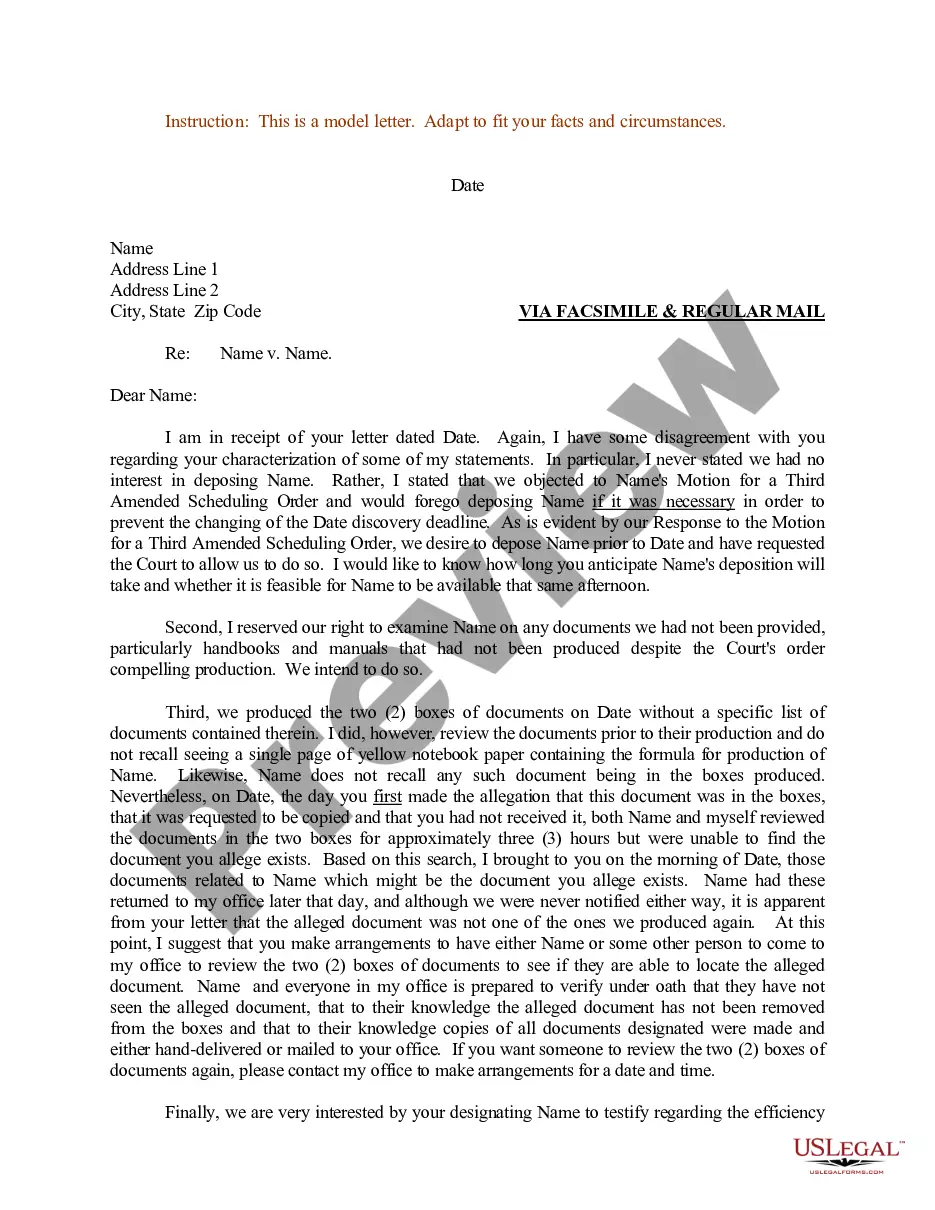
Description
Get your form ready online
Our built-in tools help you complete, sign, share, and store your documents in one place.
Make edits, fill in missing information, and update formatting in US Legal Forms—just like you would in MS Word.
Download a copy, print it, send it by email, or mail it via USPS—whatever works best for your next step.
Sign and collect signatures with our SignNow integration. Send to multiple recipients, set reminders, and more. Go Premium to unlock E-Sign.
If this form requires notarization, complete it online through a secure video call—no need to meet a notary in person or wait for an appointment.
We protect your documents and personal data by following strict security and privacy standards.

Make edits, fill in missing information, and update formatting in US Legal Forms—just like you would in MS Word.

Download a copy, print it, send it by email, or mail it via USPS—whatever works best for your next step.

Sign and collect signatures with our SignNow integration. Send to multiple recipients, set reminders, and more. Go Premium to unlock E-Sign.

If this form requires notarization, complete it online through a secure video call—no need to meet a notary in person or wait for an appointment.

We protect your documents and personal data by following strict security and privacy standards.
Looking for another form?
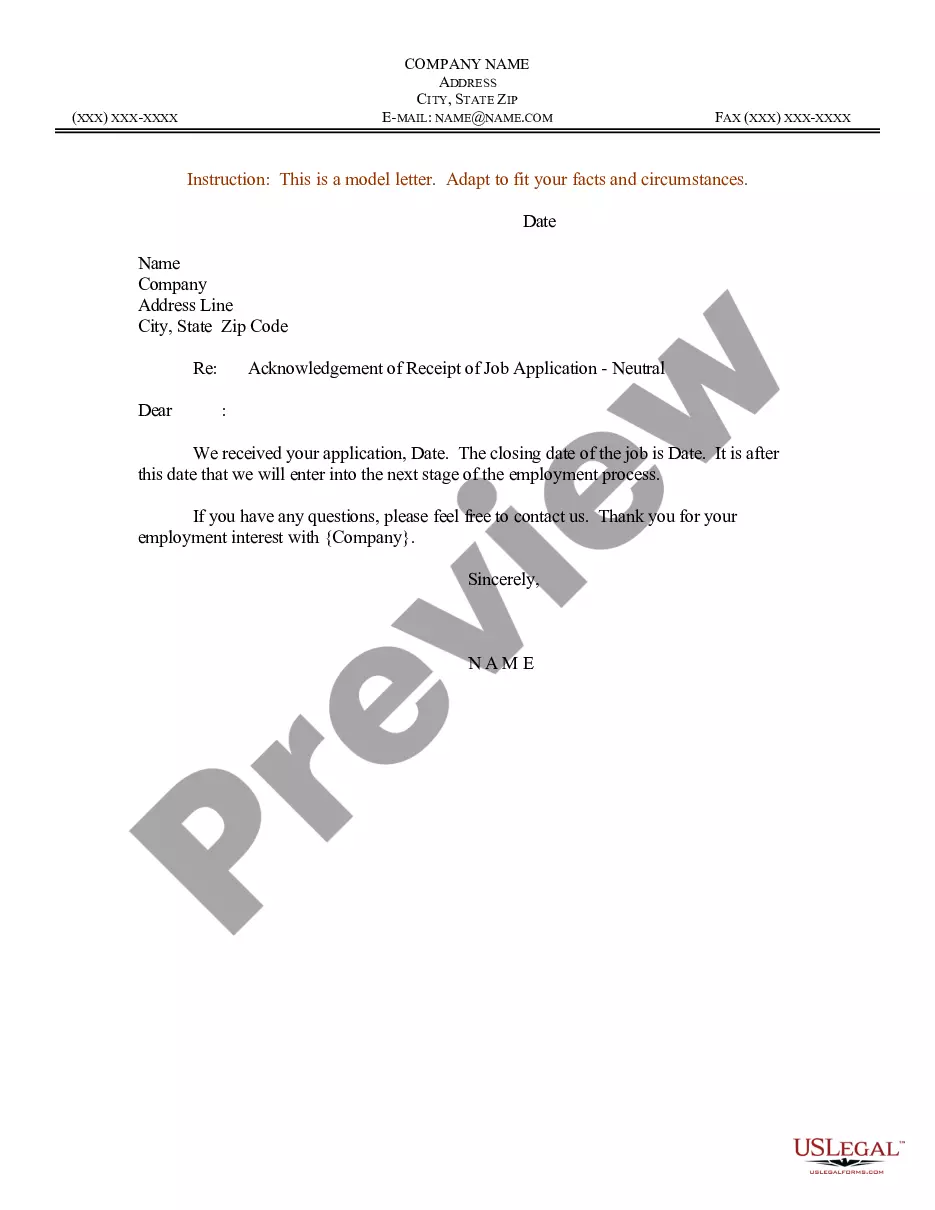
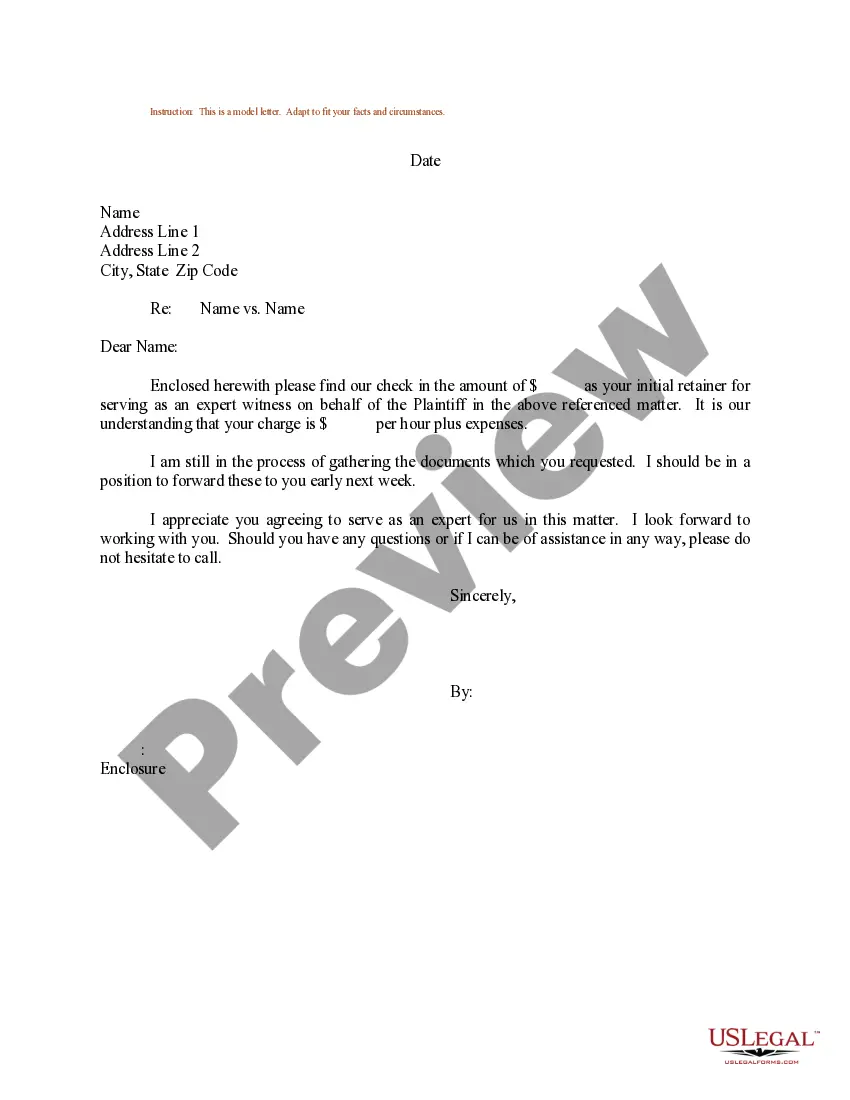
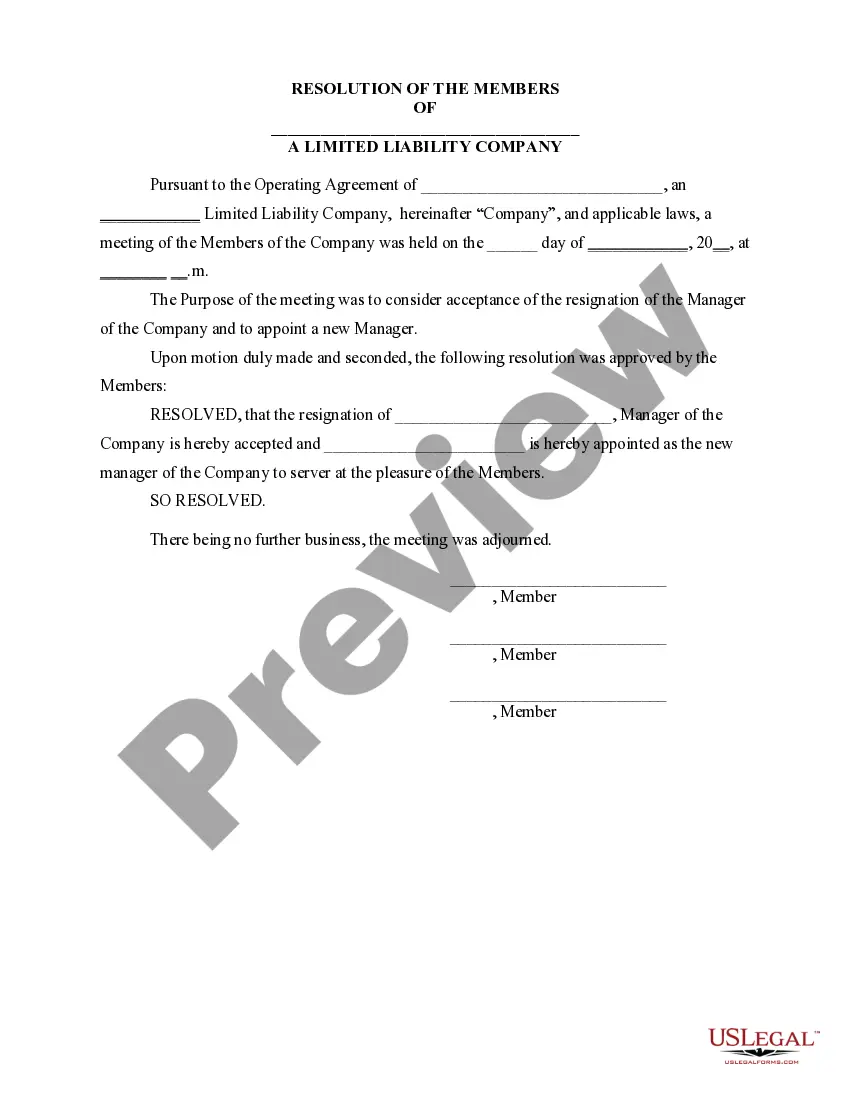
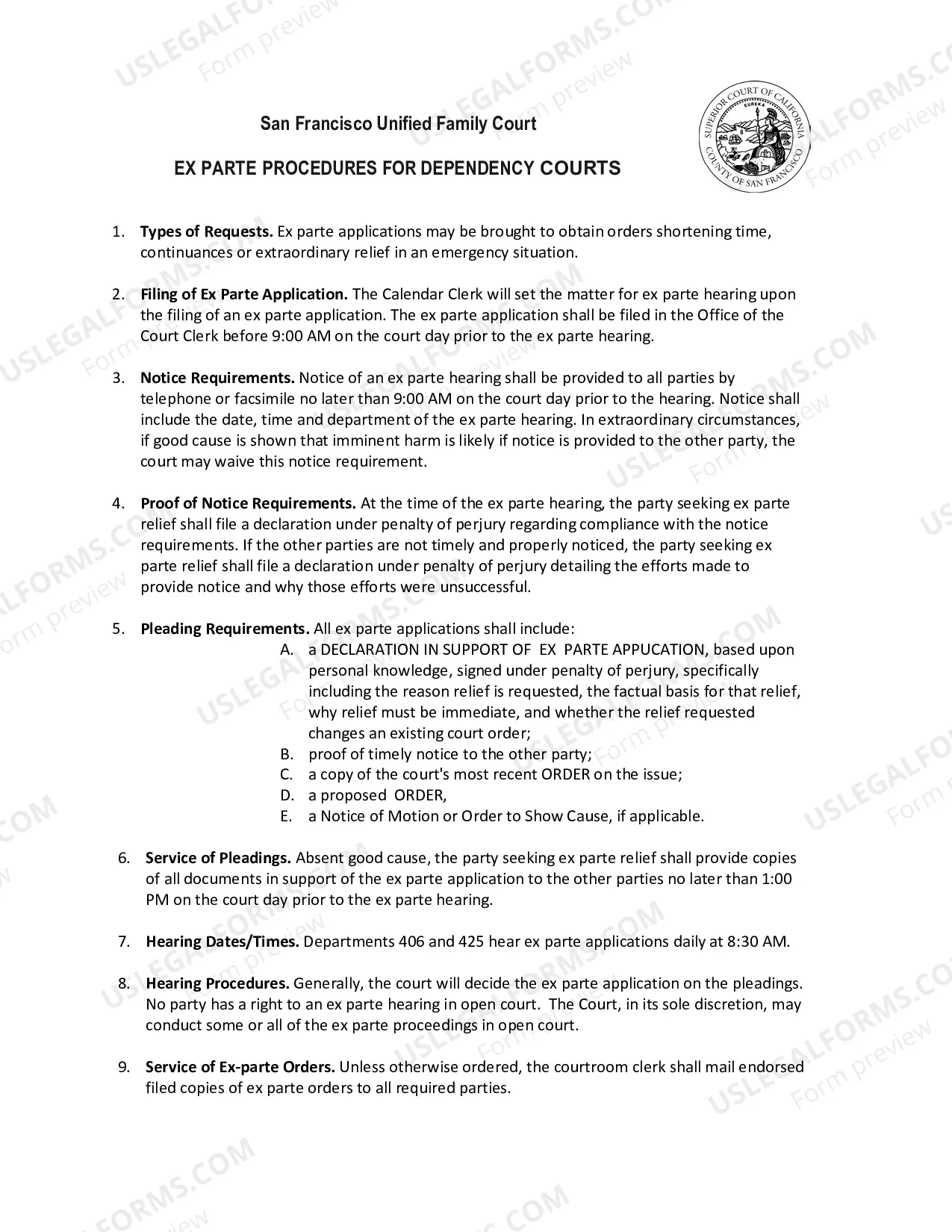
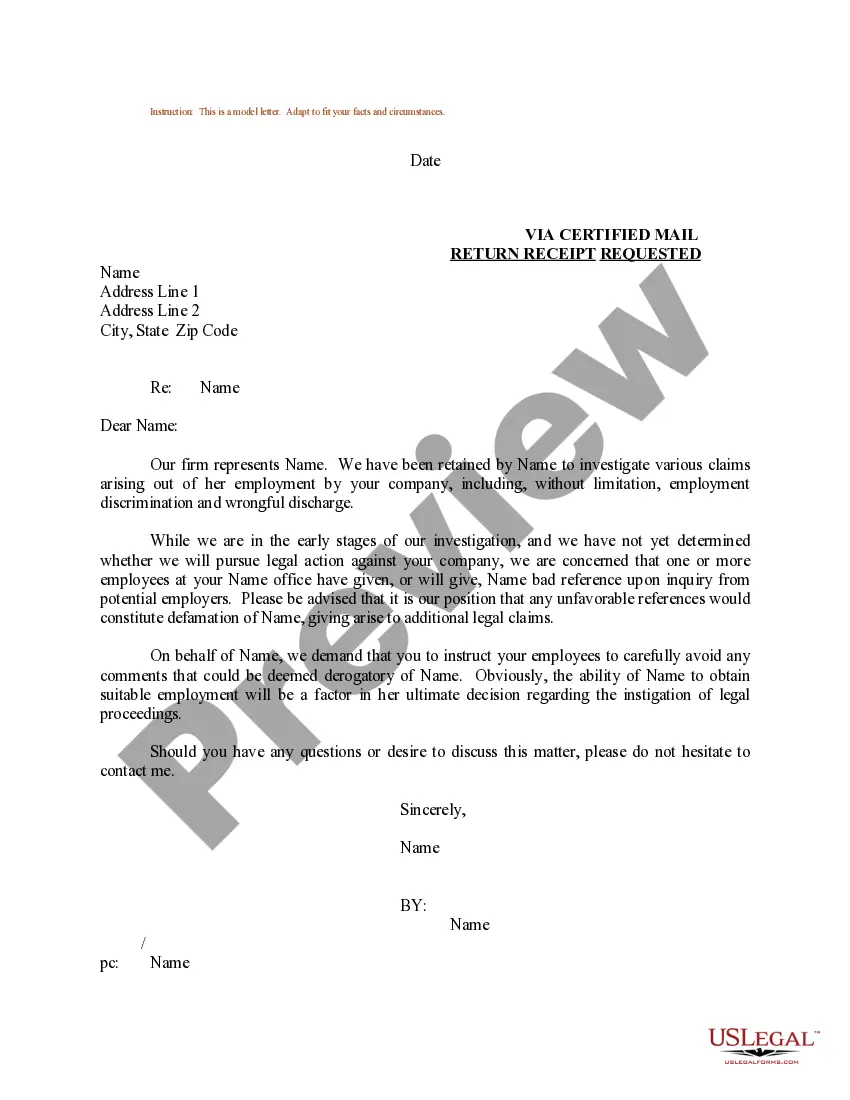
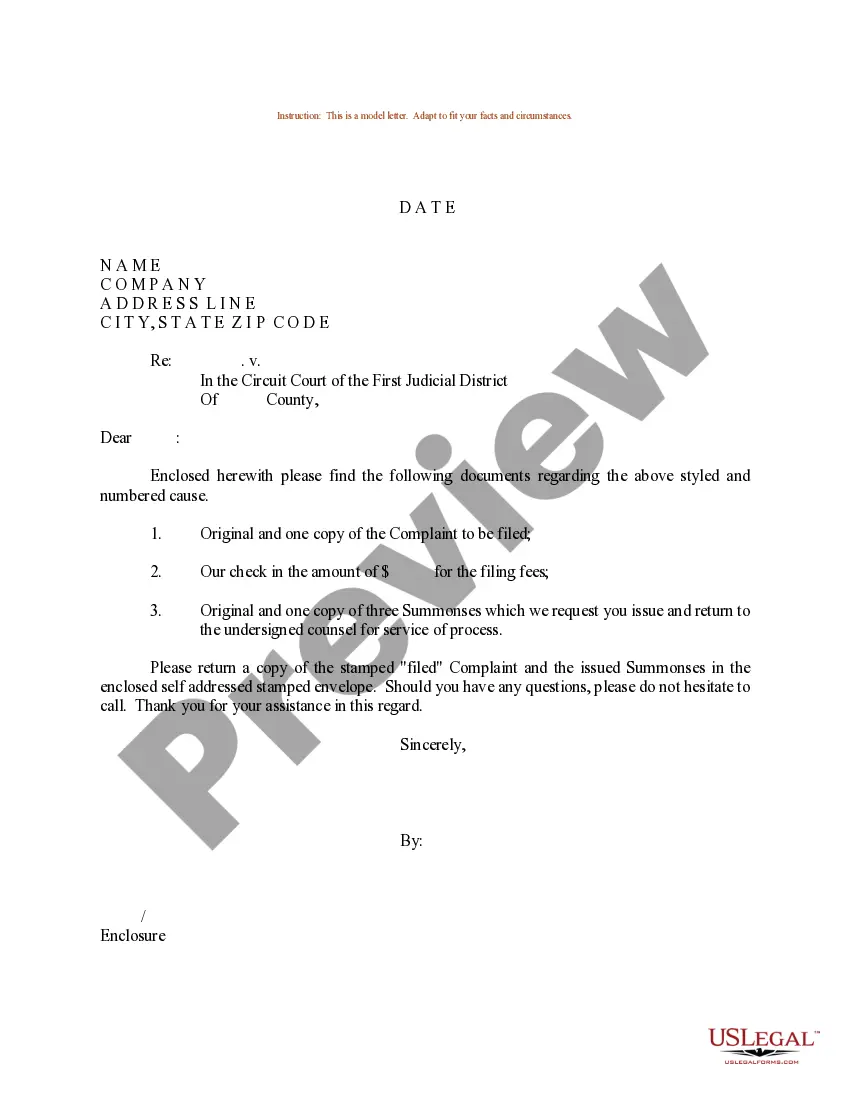
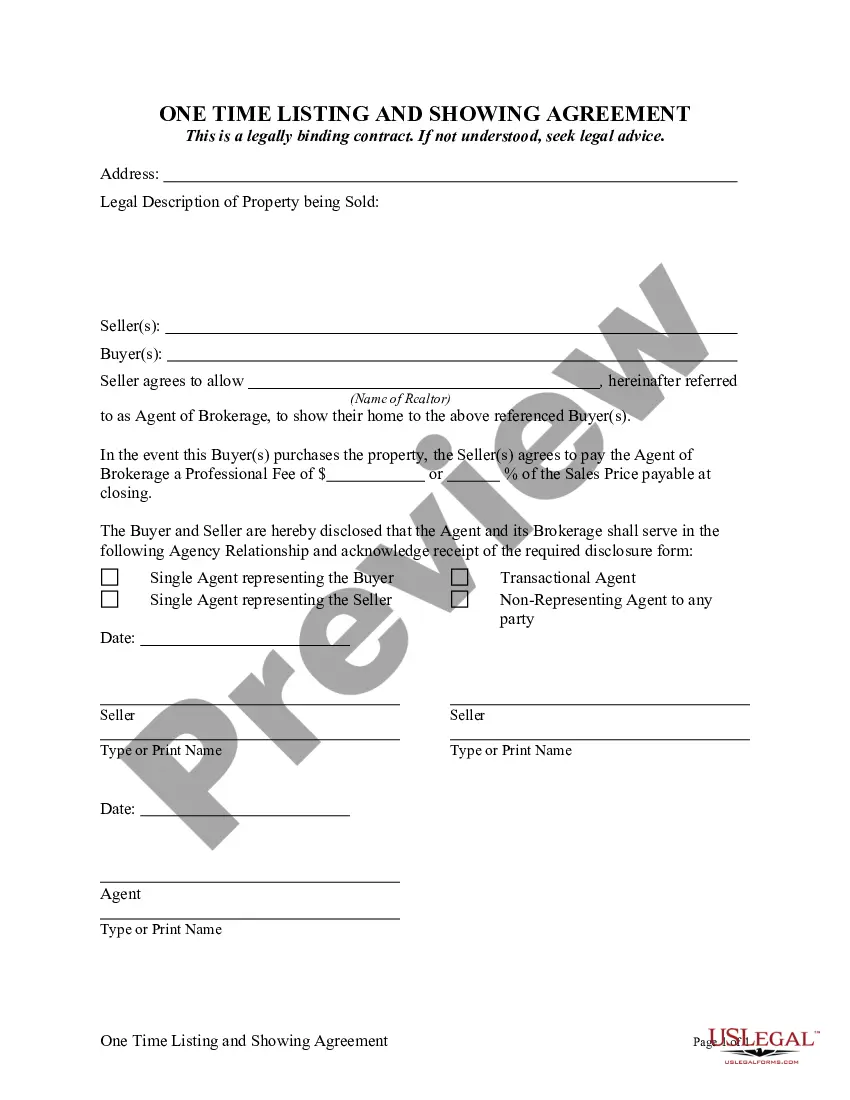
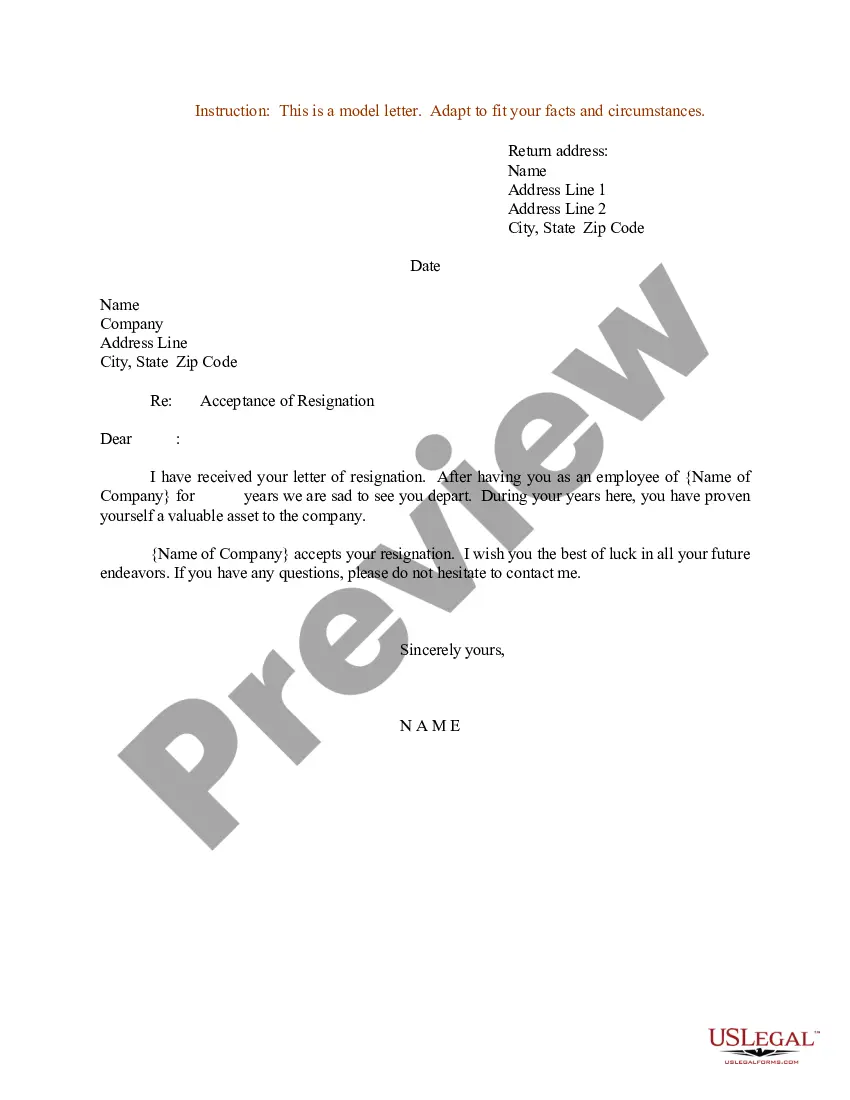
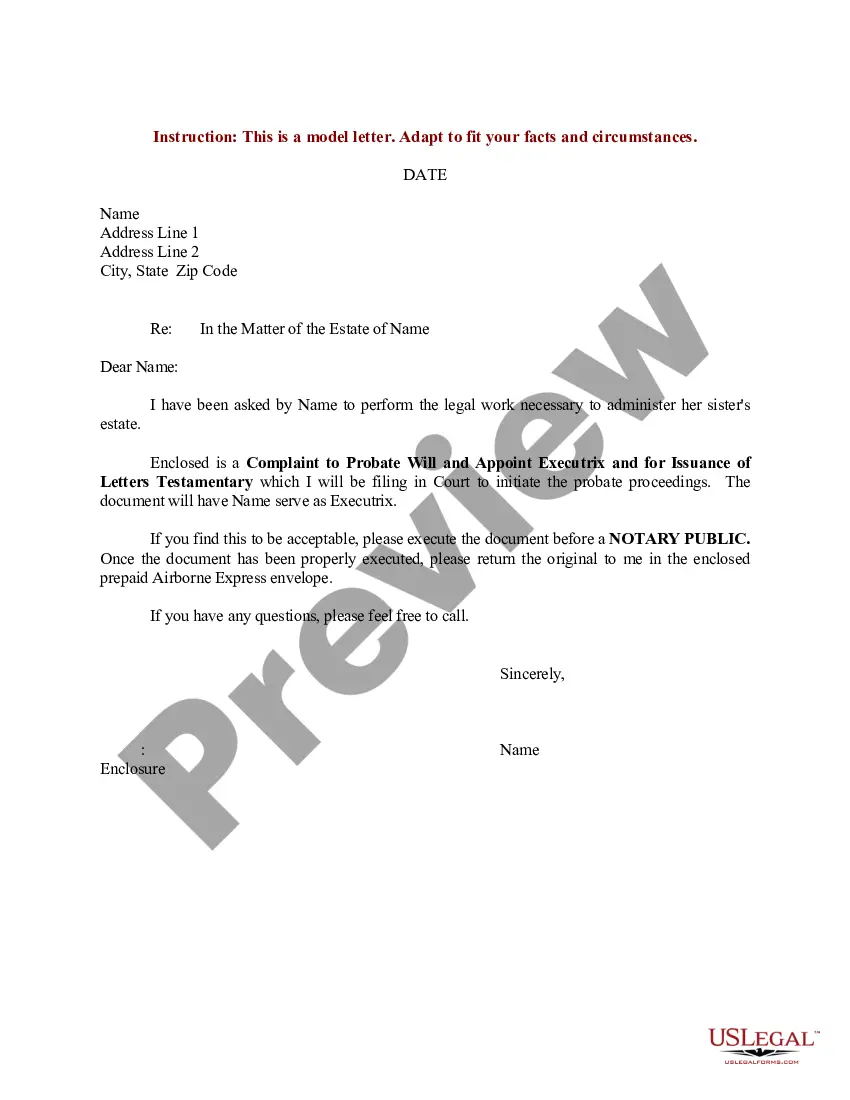
How to fill out Sample Letter For Detailed Discussion Of Items Regarding Case?
Acquiring legal documents that adhere to national and local regulations is essential, and the web provides numerous choices to select from.
However, what is the benefit of spending time searching for the suitable Sample Letter Court Case Withdrawal document online when the US Legal Forms digital library already compiles such documents in one location.
US Legal Forms is the most comprehensive online legal repository with more than 85,000 customizable documents created by attorneys for various business and personal situations.
Review the template using the Preview feature or through the text outline to ensure it satisfies your needs.
- They are simple to navigate with all forms categorized by state and intended use.
- Our experts keep up with legal updates, ensuring your documents are current and compliant when obtaining a Sample Letter Court Case Withdrawal from our platform.
- Acquiring a Sample Letter Court Case Withdrawal is straightforward and swift for both existing and new users.
- If you already possess an account with an active subscription, Log In and download the document template you need in the correct format.
- If you're a newcomer to our site, follow the instructions below.
Form popularity
FAQ
A Declaration of Trust (also referred to as a Deed of Trust) is often considered when multiple people have a stake in a property and there are no existing legal arrangements in place between them (for example, a Cohabitation Agreement) to determine what each person is entitled to and what should happen if the property ...
A declaration of trust, or nominee declaration, appoints a trustee to oversee assets for the benefit of another person or people. The declaration also describes the assets that are to be held in the trust and how they are to be managed. State laws have different requirements for the creation of a declaration of trust.
Now is also a good time to decide who you want to pass your property on to after you die. Create the trust document. You can do this by yourself through an internet program or with the help of an attorney. Sign the trust document in front of a notary public.
How to Get a Copy of a Trust Make a written demand for a copy of the Trust and its amendments, if any; Wait 60 days; and. If you do not receive a copy of the Trust within 60 days of making your written demand, file a petition with the probate court.
A trust deed ?also known as a deed of trust?is a document sometimes used in real estate transactions in the U.S. It is a document that comes into play when one party has taken out a loan from another party to purchase a property.
The Will or Trust wasn't signed as required by state law. In Michigan, the testator must sign, and two witnesses must also sign, each having witnessed the testator's signature. In addition, a notary public must witness the signatures of the testator as well as both witnesses.
What is a Trust Agreement? A trust agreement is an estate planning document that allows you to transfer ownership of your assets to a third party. In this case, your legal role is ?trustor,? while the other party's role is ?trustee.?
Trust agreement. The legal document that sets up a trust. It is sometimes called a Declaration of Trust; however, the title on the document may simply read "The Jones Family Trust," or something similar. It sets forth the names of the grantor, the trustee, and the beneficiaries.