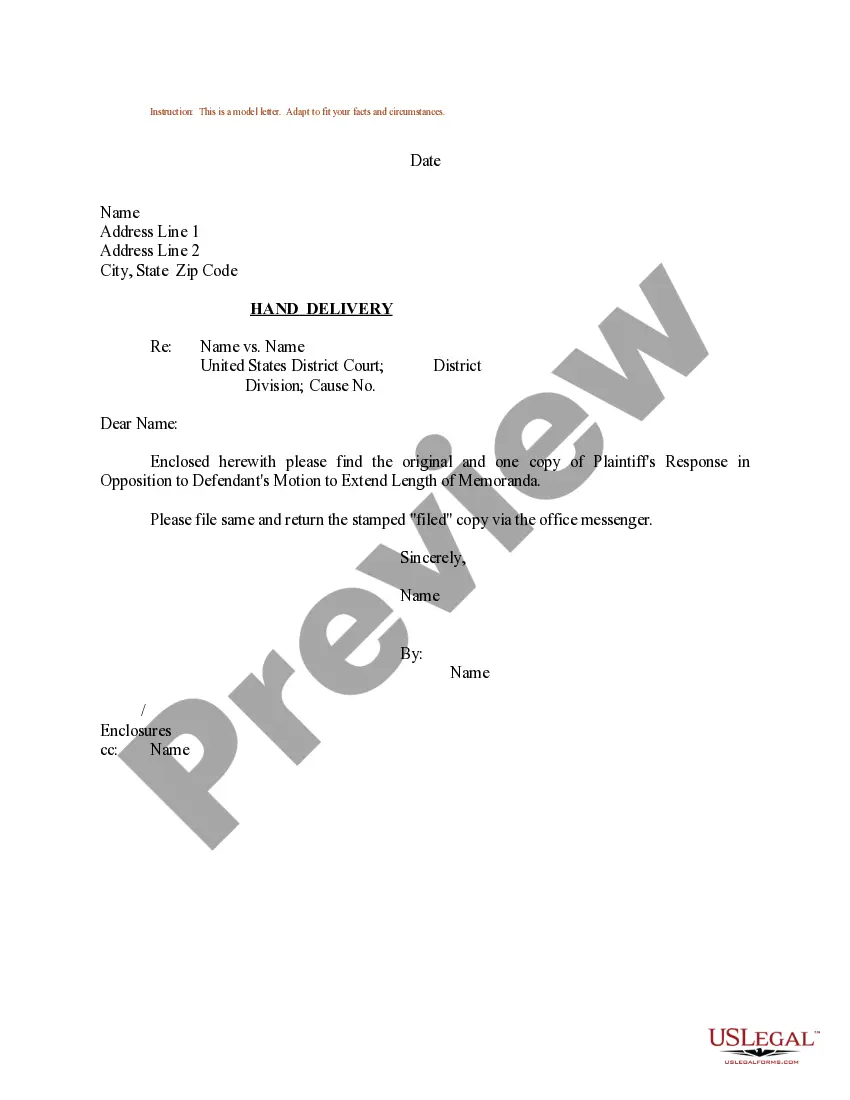
Opposition Motion Sample With Motion To Dismiss
Description
Get your form ready online
Our built-in tools help you complete, sign, share, and store your documents in one place.
Make edits, fill in missing information, and update formatting in US Legal Forms—just like you would in MS Word.
Download a copy, print it, send it by email, or mail it via USPS—whatever works best for your next step.
Sign and collect signatures with our SignNow integration. Send to multiple recipients, set reminders, and more. Go Premium to unlock E-Sign.
If this form requires notarization, complete it online through a secure video call—no need to meet a notary in person or wait for an appointment.
We protect your documents and personal data by following strict security and privacy standards.

Make edits, fill in missing information, and update formatting in US Legal Forms—just like you would in MS Word.

Download a copy, print it, send it by email, or mail it via USPS—whatever works best for your next step.

Sign and collect signatures with our SignNow integration. Send to multiple recipients, set reminders, and more. Go Premium to unlock E-Sign.

If this form requires notarization, complete it online through a secure video call—no need to meet a notary in person or wait for an appointment.

We protect your documents and personal data by following strict security and privacy standards.
Looking for another form?
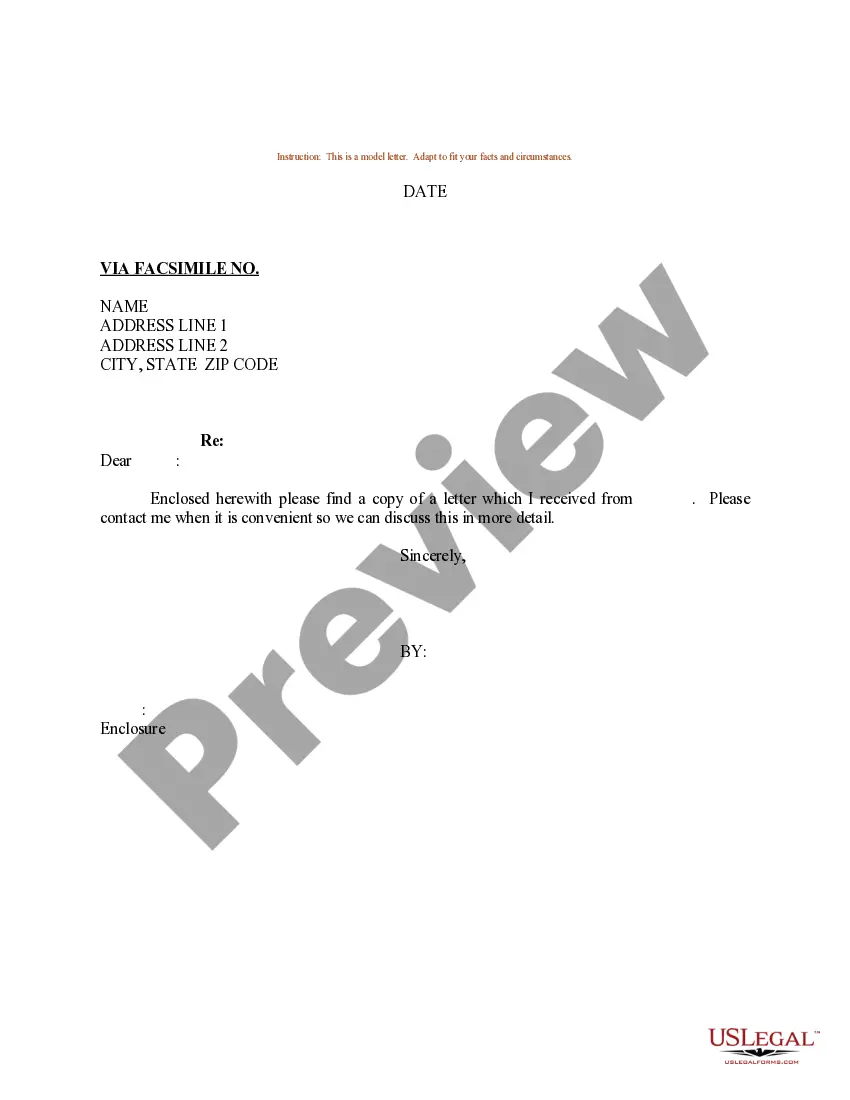
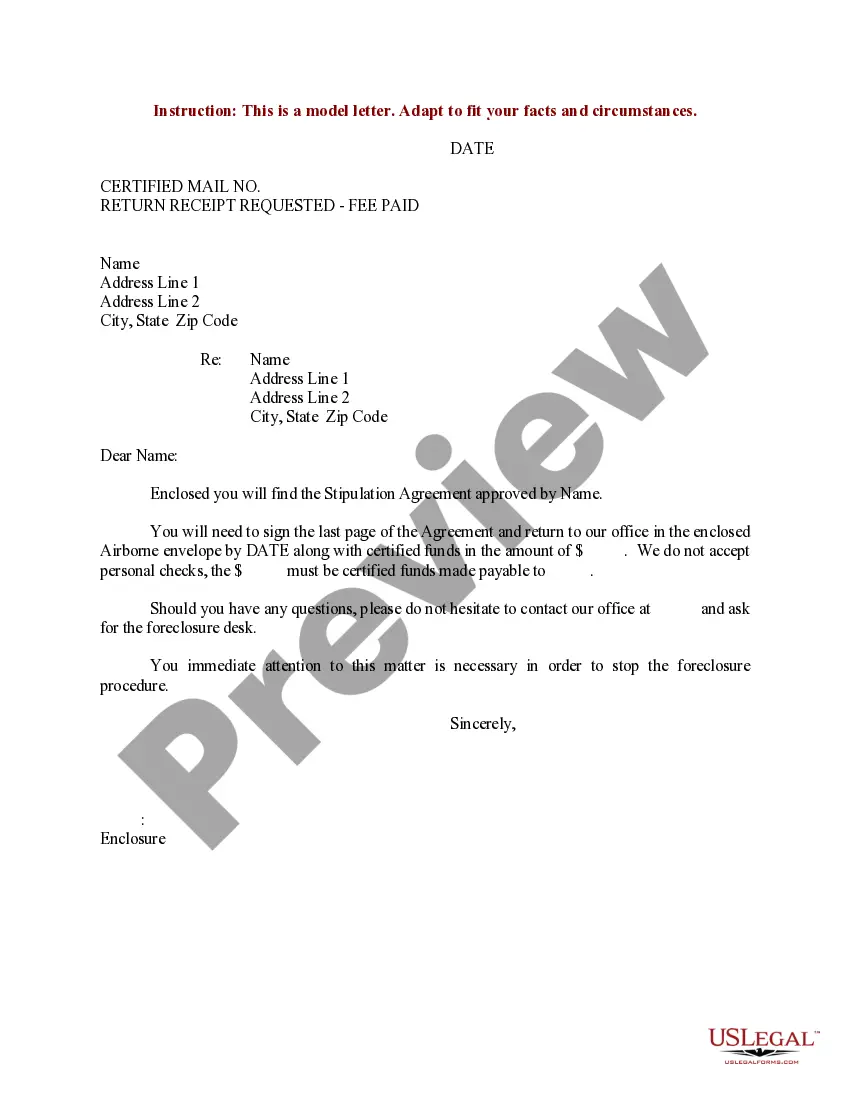
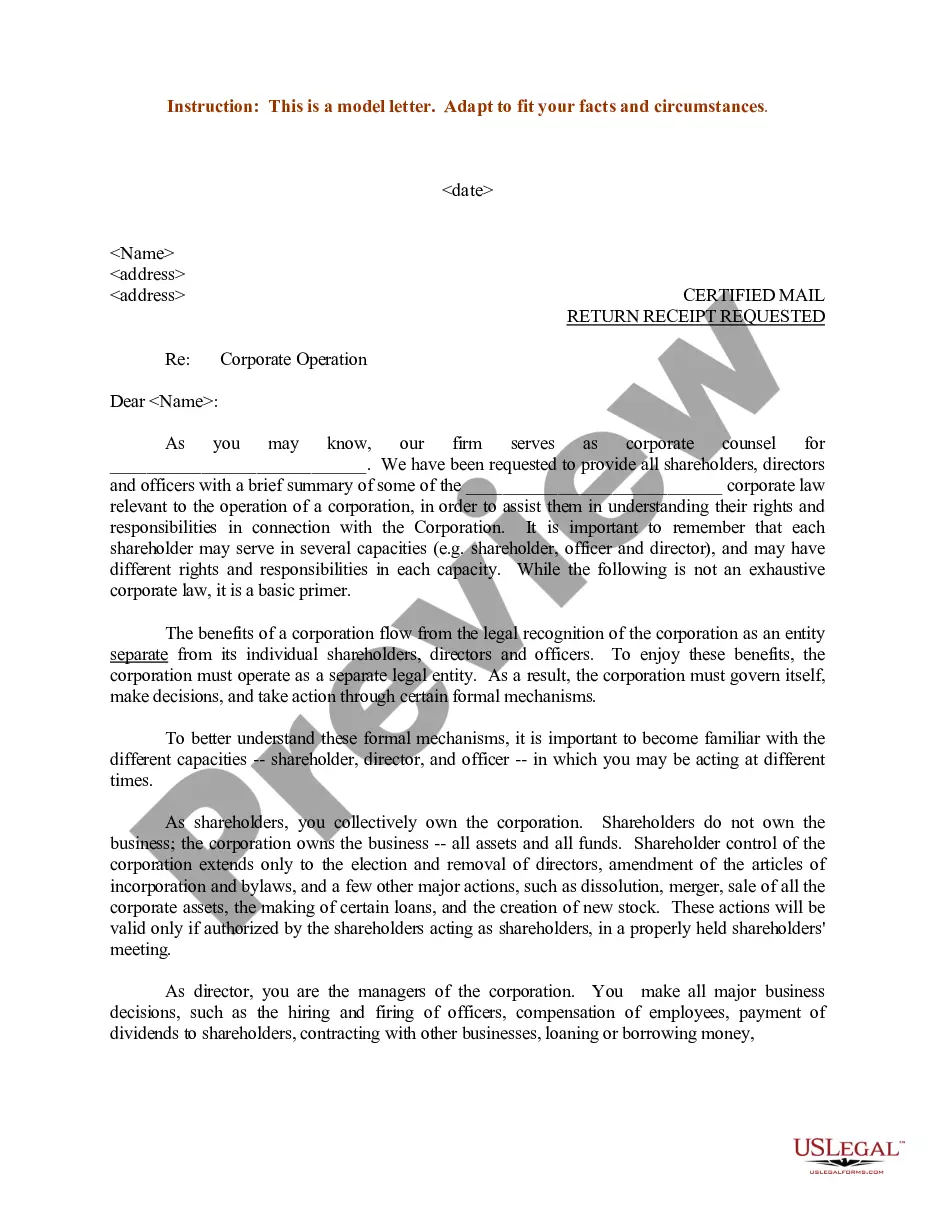
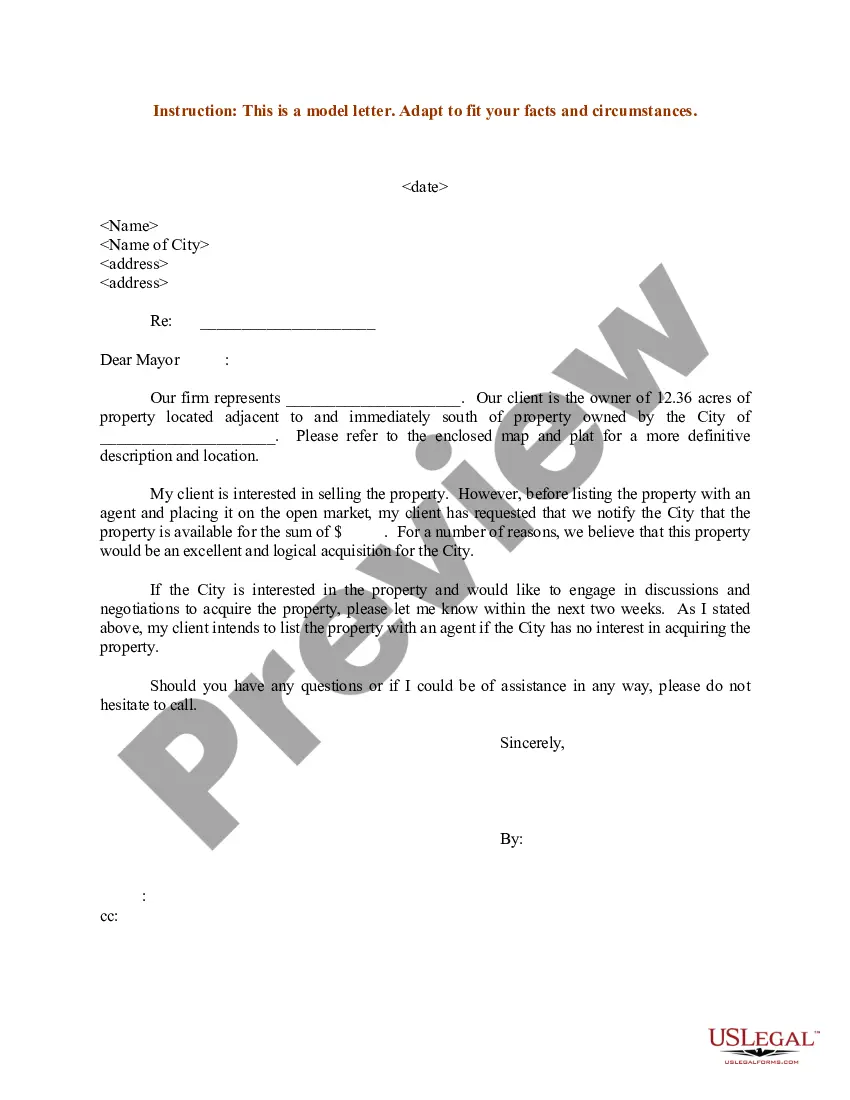
How to fill out Sample Letter For Plaintiff's Response In Opposition To Defendant's Motion To Extend Length Of Memoranda?
Managing legal documents can be exasperating, even for the most experienced experts.
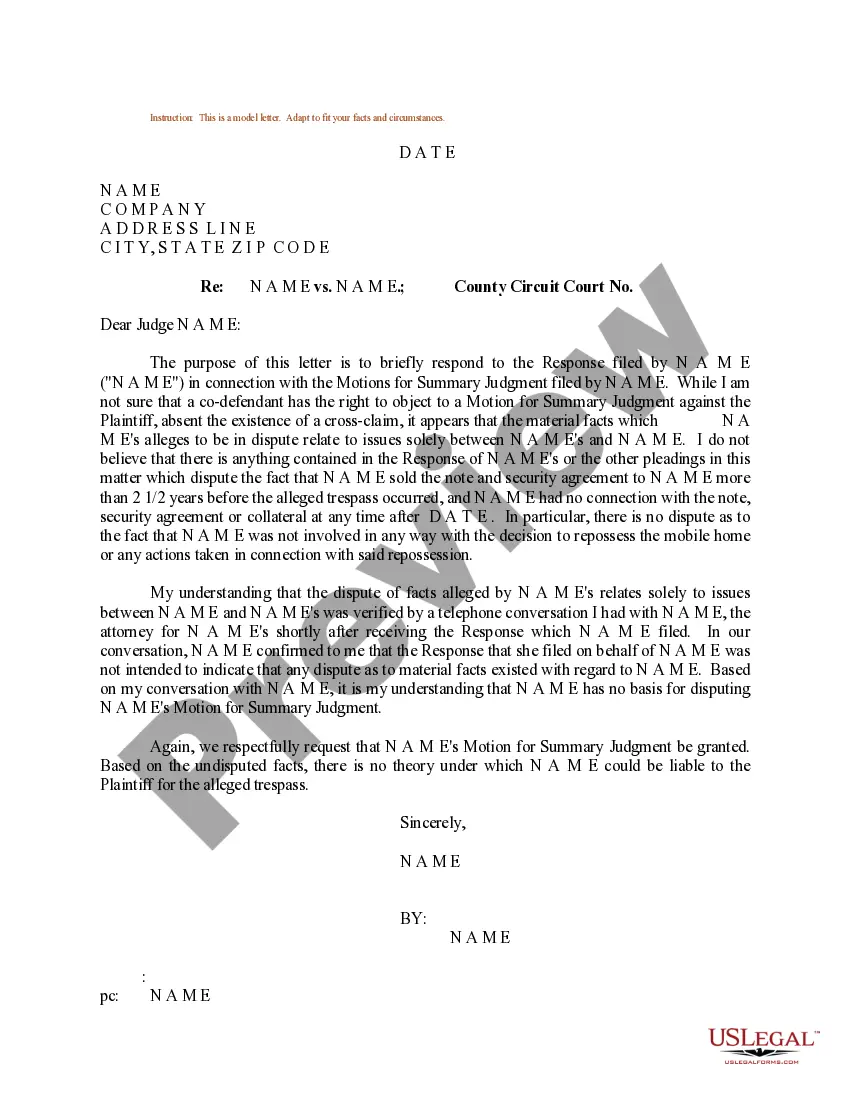
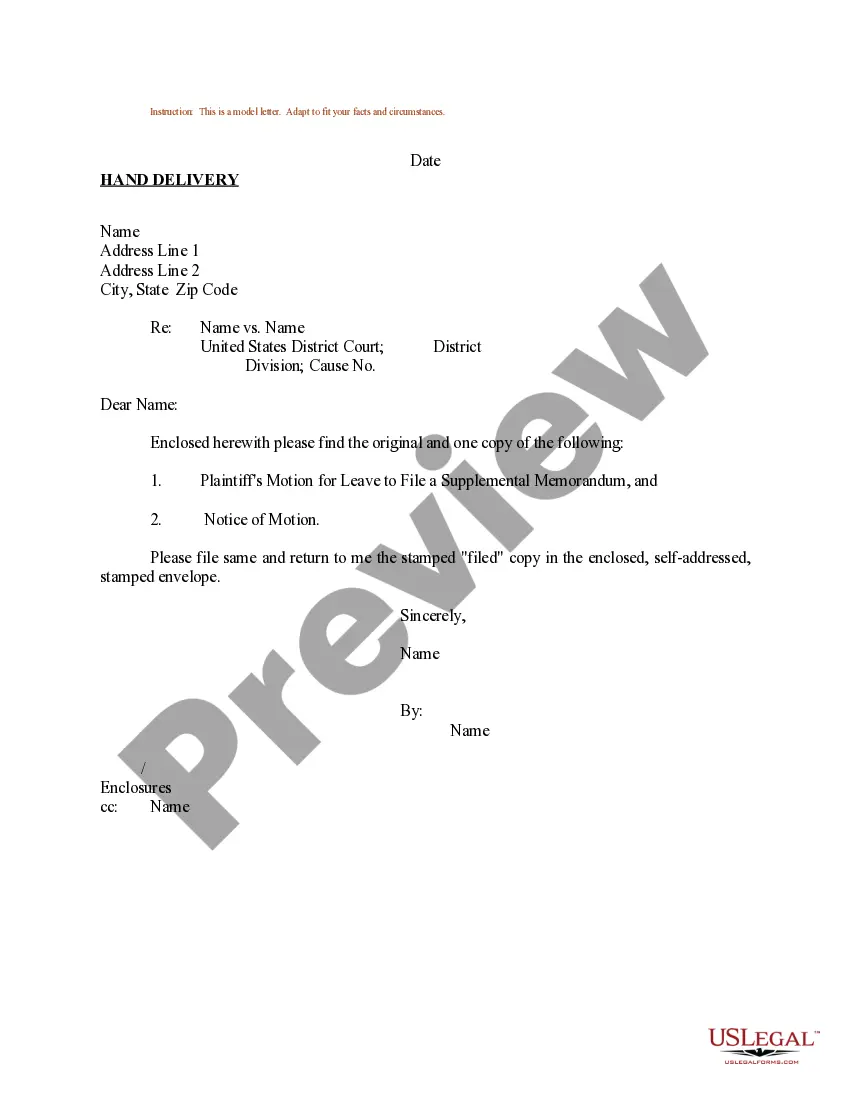
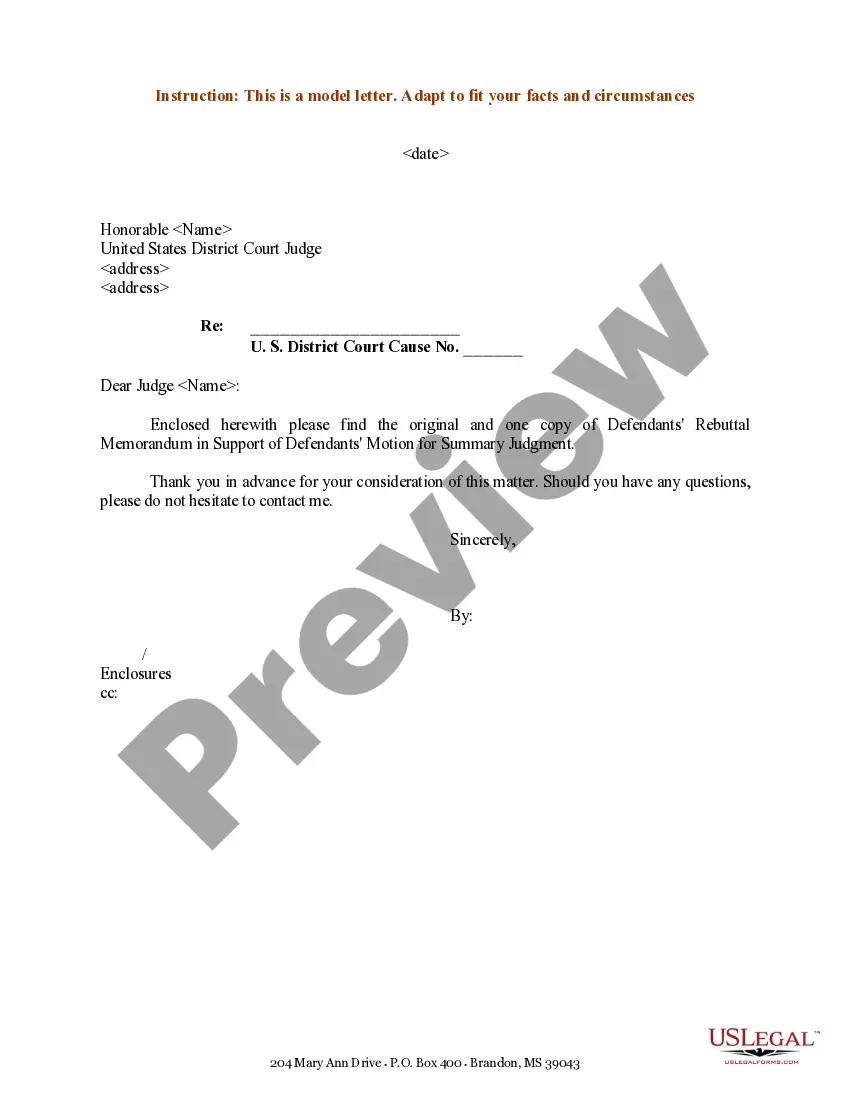
When you seek an Opposition Motion Example With Motion To Dismiss and lack the opportunity to look for the correct and current version, the process can be difficult.
Tap into a resource pool of articles, guides, and manuals relevant to your issue and requirements.
Save time and effort searching for the documents you require, and use US Legal Forms’ sophisticated search and Preview feature to locate Opposition Motion Example With Motion To Dismiss and download it.
Ensure that the template is approved in your state or area.
- If you have a subscription, Log In to your US Legal Forms account, find the document, and download it.
- Check your My documents section to see the documents you’ve saved and organize your files as needed.
- If it’s your first experience with US Legal Forms, create a free account to enjoy unlimited access to the platform’s advantages.
- Follow these steps after obtaining the necessary document.
- Confirm this is the correct document by previewing it and reviewing its details.
- Access state- or region-specific legal and business documents.
- US Legal Forms caters to all your requirements, from personal to corporate documents, in a single platform.
- Utilize cutting-edge tools to complete and oversee your Opposition Motion Example With Motion To Dismiss.
Form popularity
FAQ
Motions to Dismiss Under Rule 3.190(c)(4) Under Rule 3.190(c)(4), Florida Rules of Criminal Procedure, a defendant may, at any time, file a motion to dismiss on grounds that there are no disputed issues of material fact in the case and the undisputed facts do not amount to a prima facie case of guilt.
For example, a party can make a motion to ask to allow him or her not to give the other side the discovery that was asked for. If a party thinks that a subpoena asks for documents that have nothing to do with the case, or asks for too much information, the party can make a motion to quash the subpoena.
HOW TO OPPOSE THE MOTION: (1) State the legal reasons why the court should not enter judgment against you, including your defenses. (2) State the facts that support your defenses. (3) Attach affidavits and/or exhibits to support the facts you assert.
You must include a summary of the legal basis for your opposition, explain the reason you are opposing the motion, and state what you would like the judge to order.
The state to defeat a motion to dismiss, the state must file a traverse denying specific facts in the motion or alleging specific additional facts just as a non-movant would have to do in a counter-affidavit to defeat a motion for summary judgment.