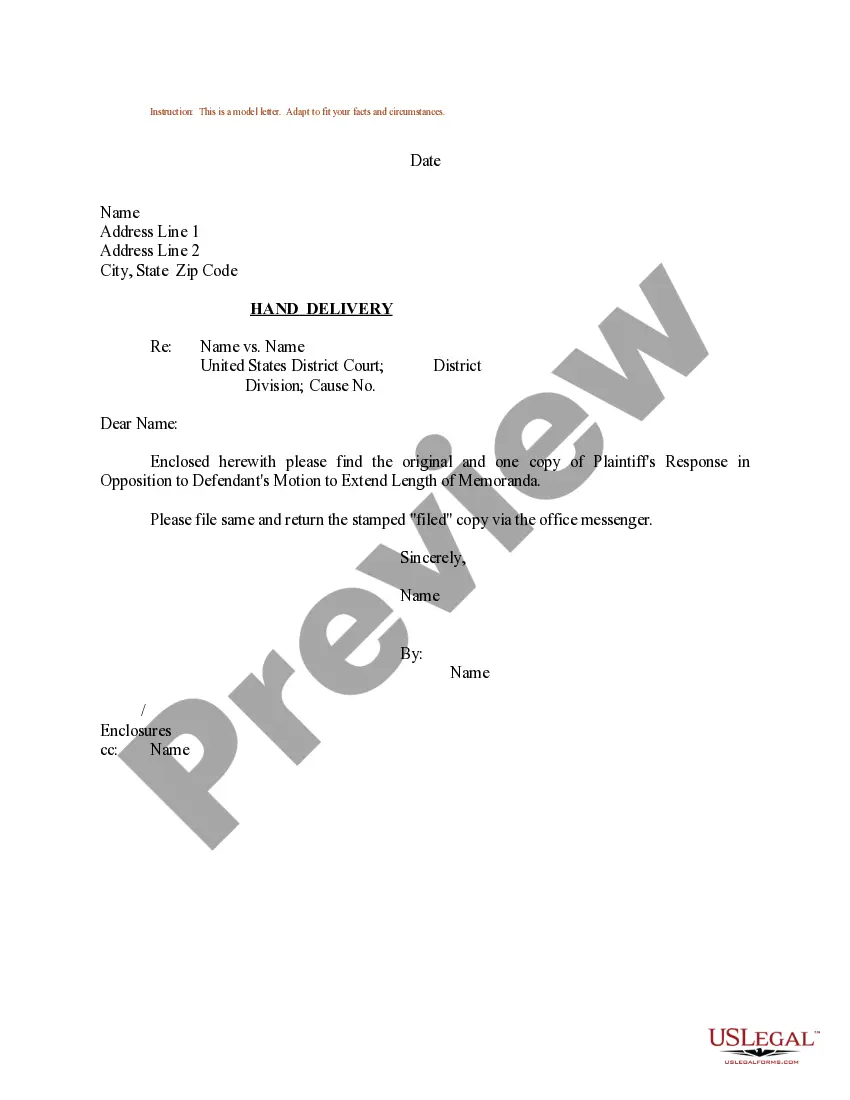
Opposition Motion Sample With Motion
Description
Get your form ready online
Our built-in tools help you complete, sign, share, and store your documents in one place.
Make edits, fill in missing information, and update formatting in US Legal Forms—just like you would in MS Word.
Download a copy, print it, send it by email, or mail it via USPS—whatever works best for your next step.
Sign and collect signatures with our SignNow integration. Send to multiple recipients, set reminders, and more. Go Premium to unlock E-Sign.
If this form requires notarization, complete it online through a secure video call—no need to meet a notary in person or wait for an appointment.
We protect your documents and personal data by following strict security and privacy standards.

Make edits, fill in missing information, and update formatting in US Legal Forms—just like you would in MS Word.

Download a copy, print it, send it by email, or mail it via USPS—whatever works best for your next step.

Sign and collect signatures with our SignNow integration. Send to multiple recipients, set reminders, and more. Go Premium to unlock E-Sign.

If this form requires notarization, complete it online through a secure video call—no need to meet a notary in person or wait for an appointment.

We protect your documents and personal data by following strict security and privacy standards.
Looking for another form?
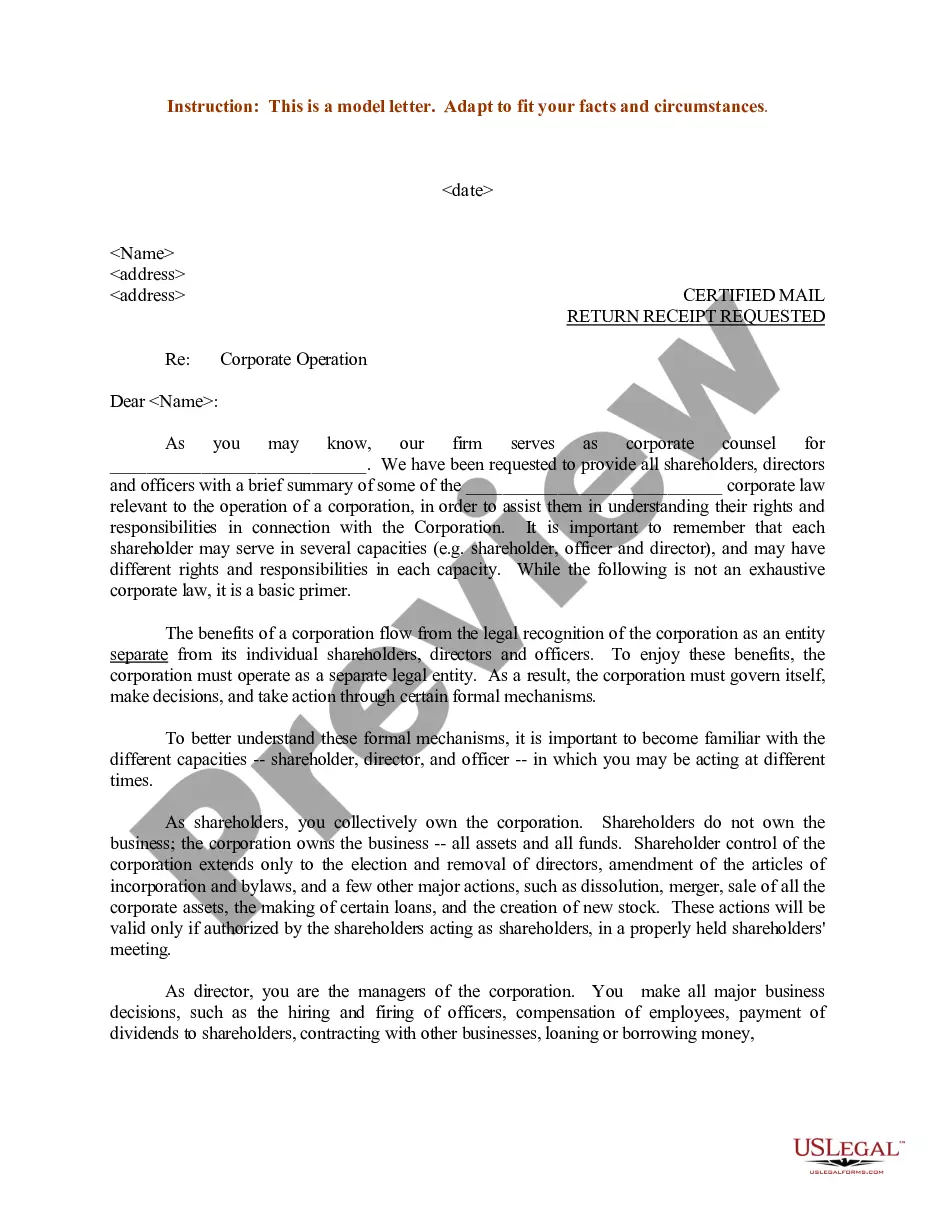
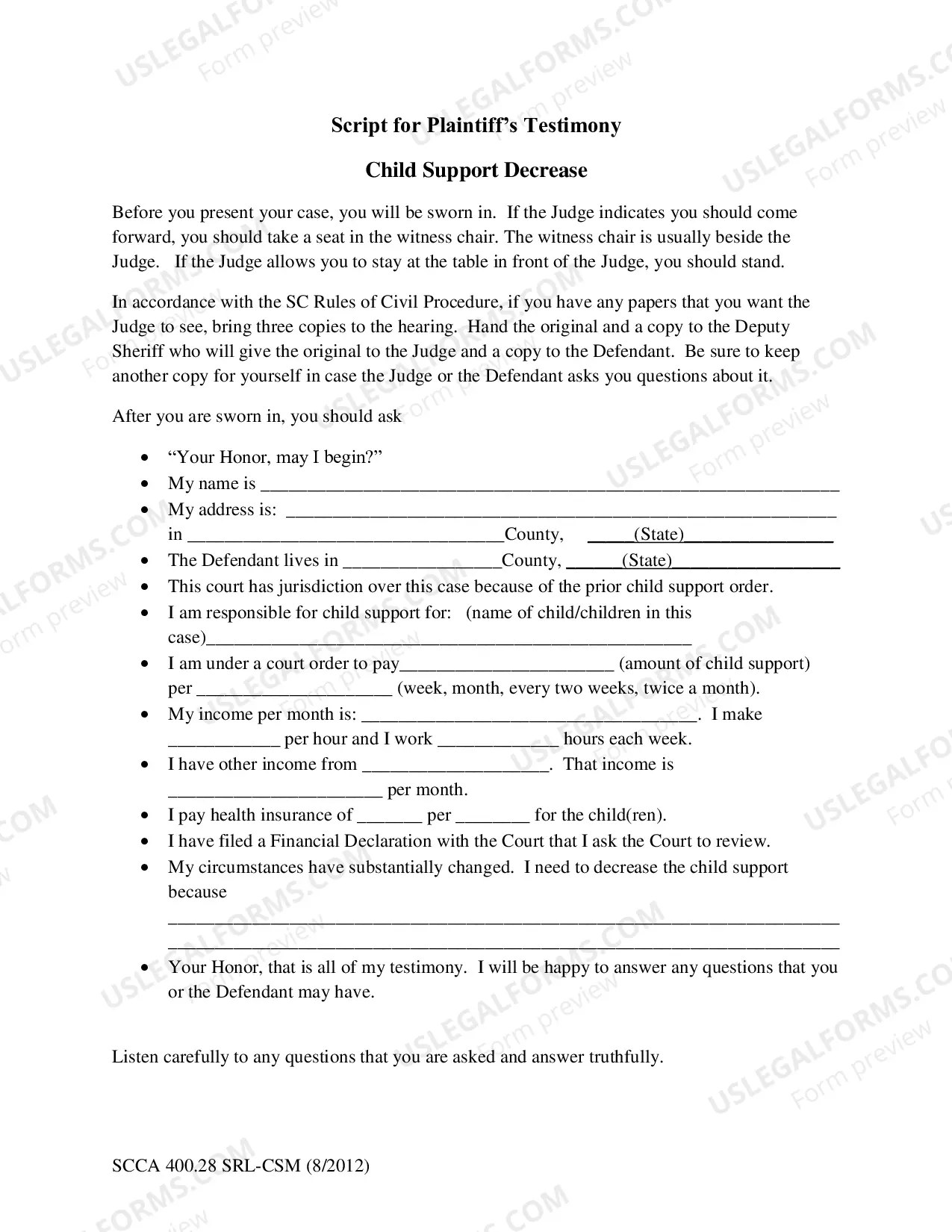
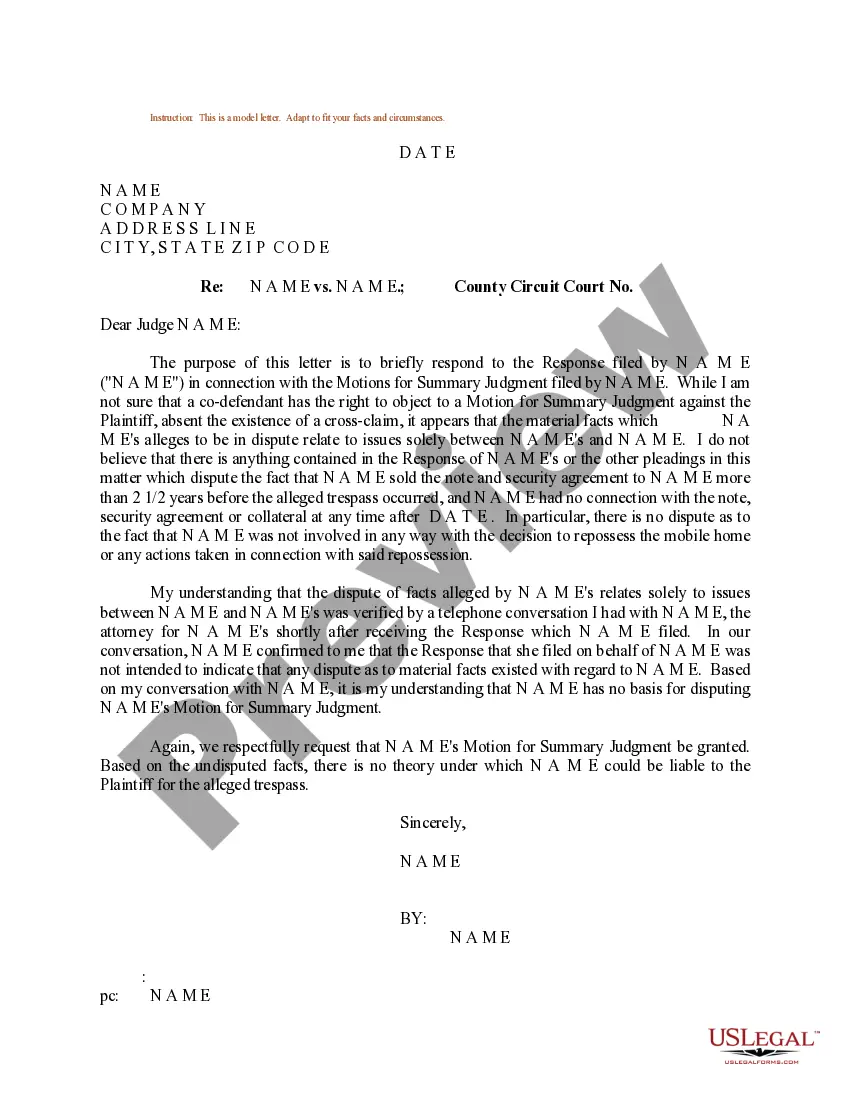
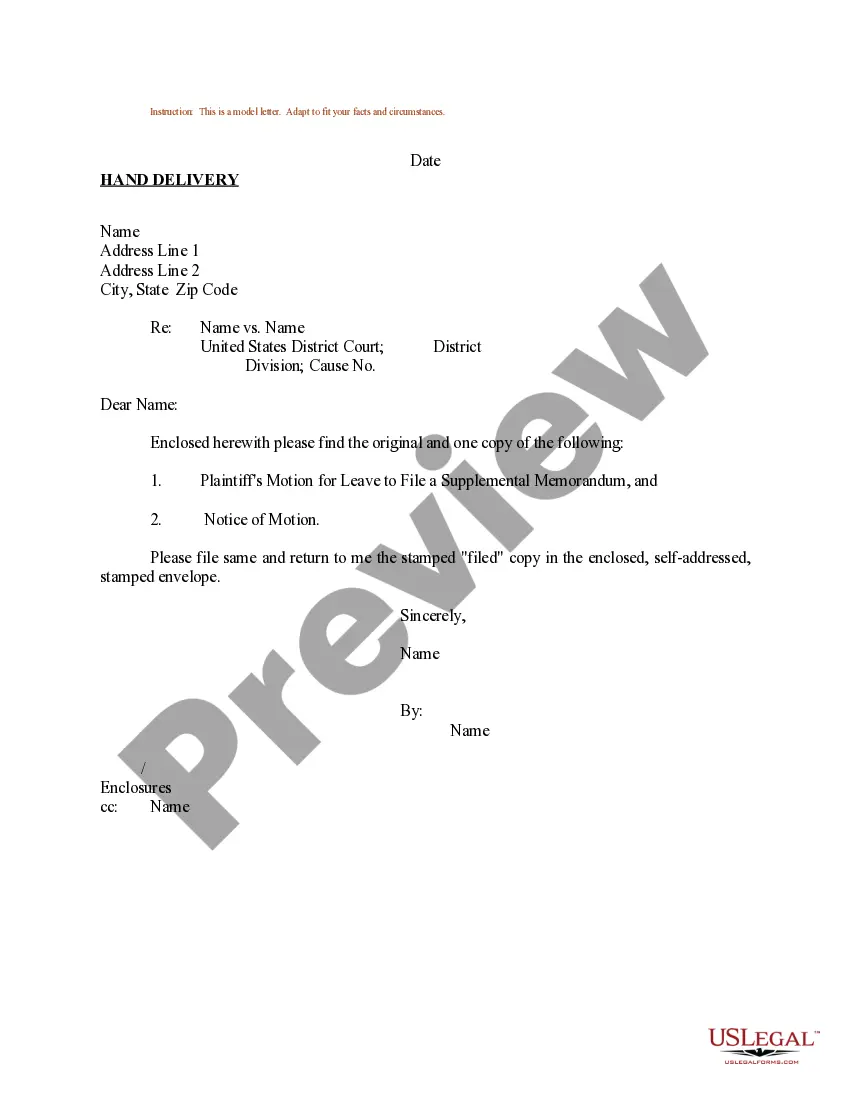
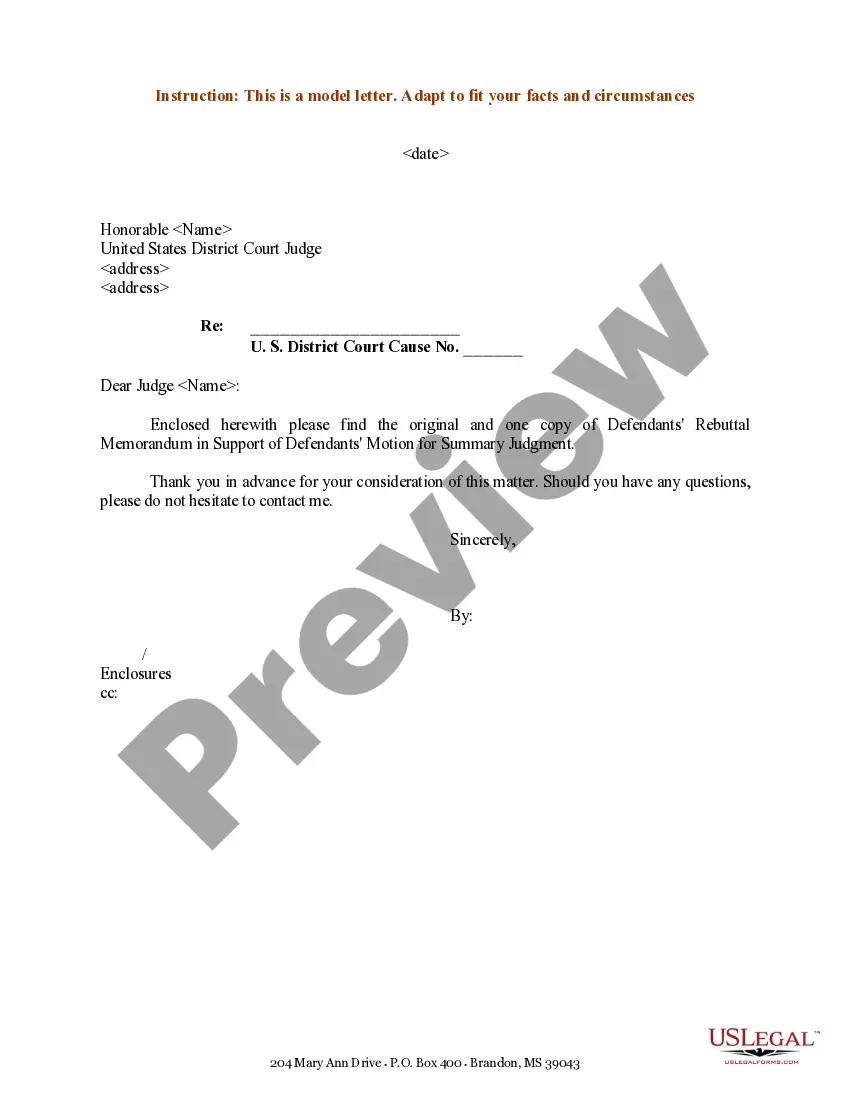
How to fill out Sample Letter For Plaintiff's Response In Opposition To Defendant's Motion To Extend Length Of Memoranda?
Whether for corporate reasons or personal matters, everyone must handle legal issues at some stage in their lifetime.
Filling out legal documents necessitates meticulous consideration, starting from selecting the suitable form template.
With an extensive US Legal Forms library available, you won't need to waste time searching for the correct template online. Take advantage of the library’s straightforward navigation to find the right form for any scenario.
- Identify the template you require utilizing the search bar or catalog browsing.
- Review the form’s details to ensure it aligns with your circumstances, state, and locality.
- Click on the form’s preview to evaluate it.
- If it turns out to be the incorrect document, return to the search tool to find the Opposition Motion Sample With Motion template you need.
- Obtain the file if it corresponds to your requirements.
- If you possess a US Legal Forms account, simply click Log in to access previously saved documents in My documents.
- If you do not yet have an account, you can acquire the form by selecting Buy now.
- Choose the appropriate payment option.
- Complete the account registration form.
- Select your payment method: you may use a credit card or a PayPal account.
- Choose the document format you desire and download the Opposition Motion Sample With Motion.
- Once downloaded, you can complete the form using editing software or print it and finalize it manually.
Form popularity
FAQ
A reply to an opposition to motion is your response to the arguments presented by the opposing party in their opposition. This document allows you to address any points they raised and to reinforce your initial motion. Using an opposition motion sample with motion can help you formulate a structured and persuasive reply.
Consider the following five approaches: Show that the motion fails to list the specific facts and law supporting summary judgment. ... Show that a dispute exists on a material fact. ... Show that the law does not support judgment on the undisputed facts.
A Response will address the Motion and provide the party's position on the points raised in the Motion. This can include a rebuttal to issues of fact or law raised in the Motion. A Reply will address the points raised in the Response and provide the party's position on the points raised in the Response.
A motion requests the Court to take action under a specific Federal Rule. To oppose a motion, you must prepare an affidavit or affirmation. You will title your submission as appropriate, for example: plaintiff s opposition to defendant's motion to dismiss or for summary judgment.
Be as persuasive as possible as you write your motion in a sequential, logical format. Express your ideas clearly, and make sure you outline what steps are necessary and how they will help your case. Use facts of the case whenever you can to avoid baseless emotional appeals.