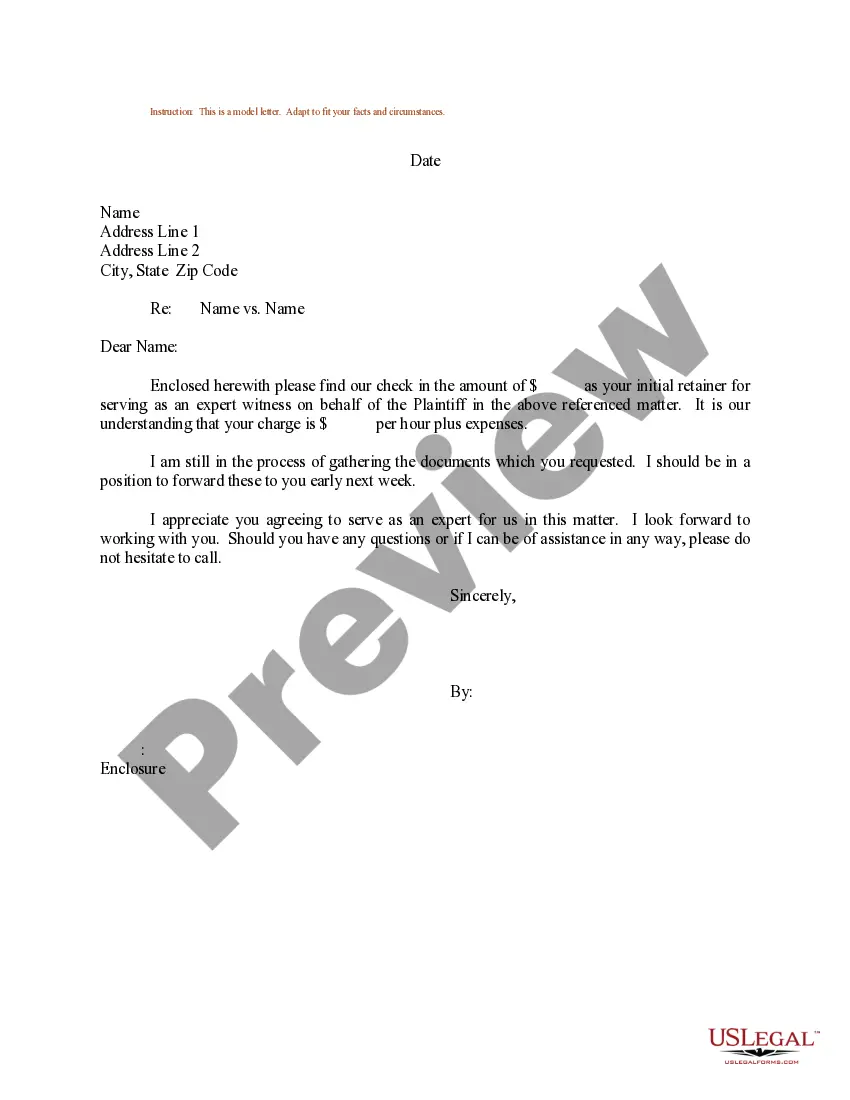
Expert Witness Statement Of Truth
Description
Get your form ready online
Our built-in tools help you complete, sign, share, and store your documents in one place.
Make edits, fill in missing information, and update formatting in US Legal Forms—just like you would in MS Word.
Download a copy, print it, send it by email, or mail it via USPS—whatever works best for your next step.
Sign and collect signatures with our SignNow integration. Send to multiple recipients, set reminders, and more. Go Premium to unlock E-Sign.
If this form requires notarization, complete it online through a secure video call—no need to meet a notary in person or wait for an appointment.
We protect your documents and personal data by following strict security and privacy standards.

Make edits, fill in missing information, and update formatting in US Legal Forms—just like you would in MS Word.

Download a copy, print it, send it by email, or mail it via USPS—whatever works best for your next step.

Sign and collect signatures with our SignNow integration. Send to multiple recipients, set reminders, and more. Go Premium to unlock E-Sign.

If this form requires notarization, complete it online through a secure video call—no need to meet a notary in person or wait for an appointment.

We protect your documents and personal data by following strict security and privacy standards.
Looking for another form?
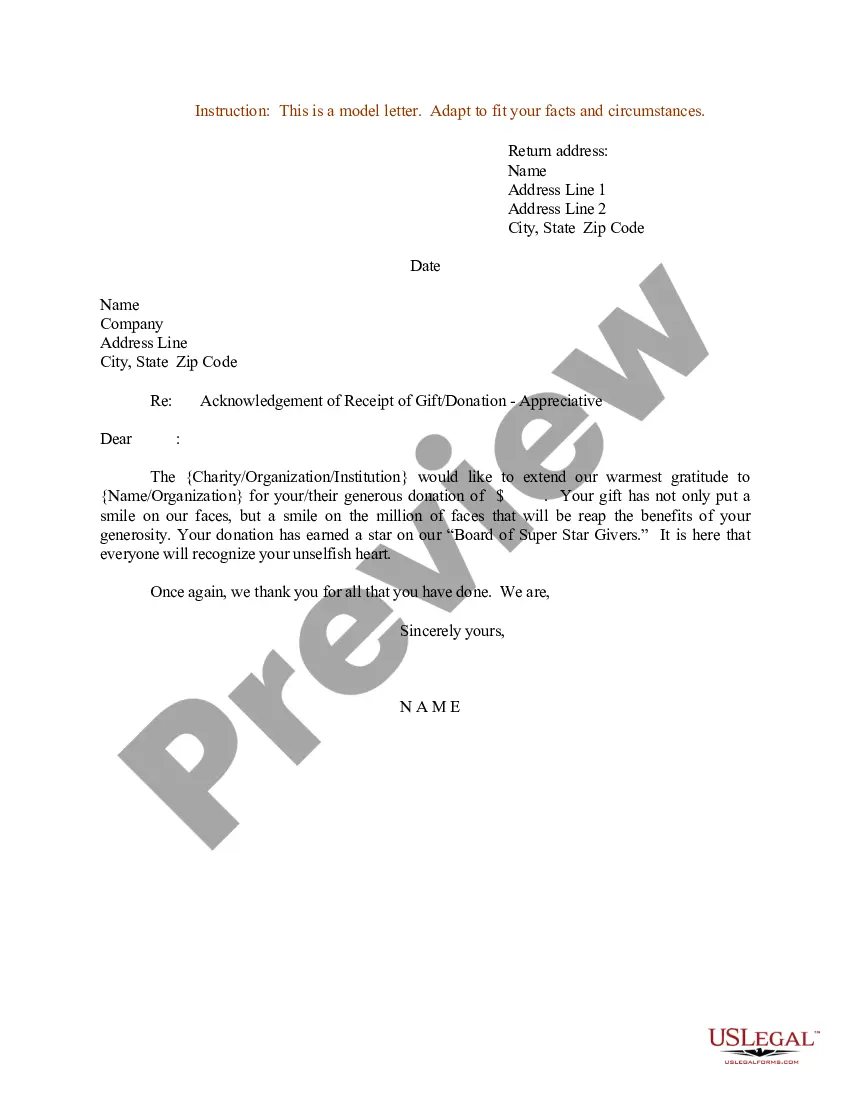
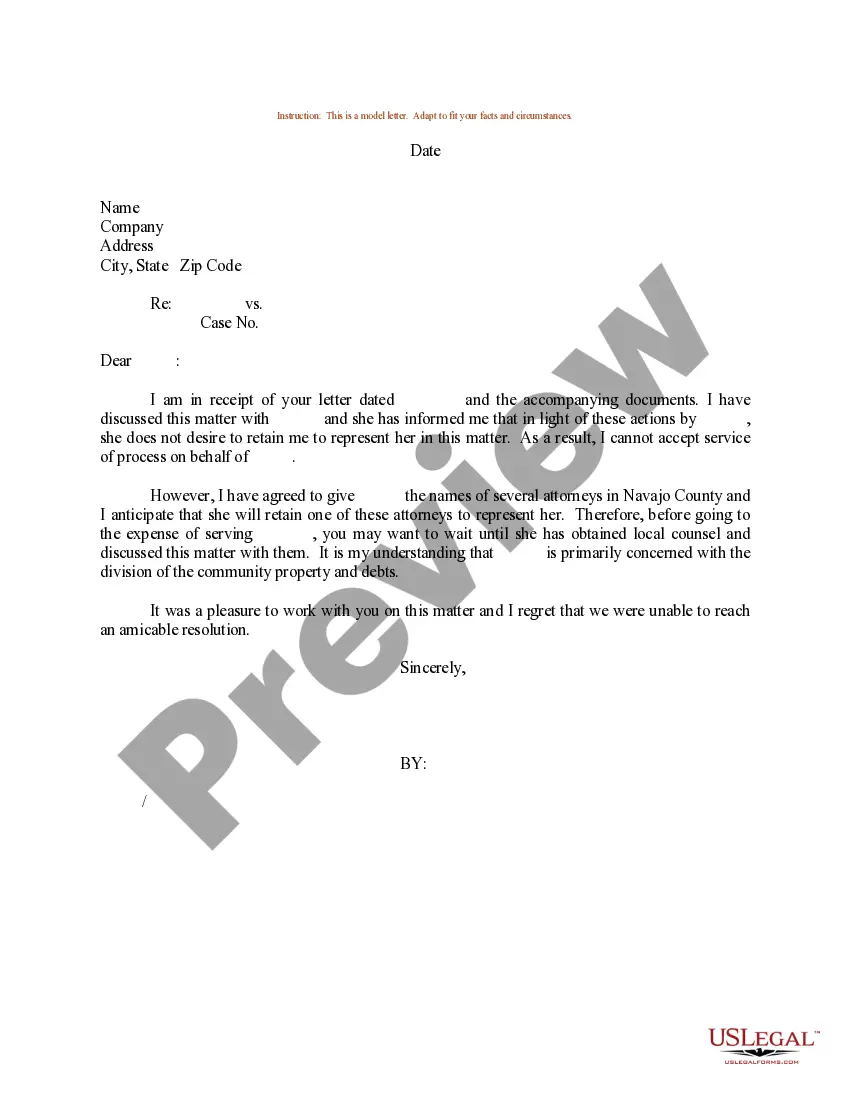
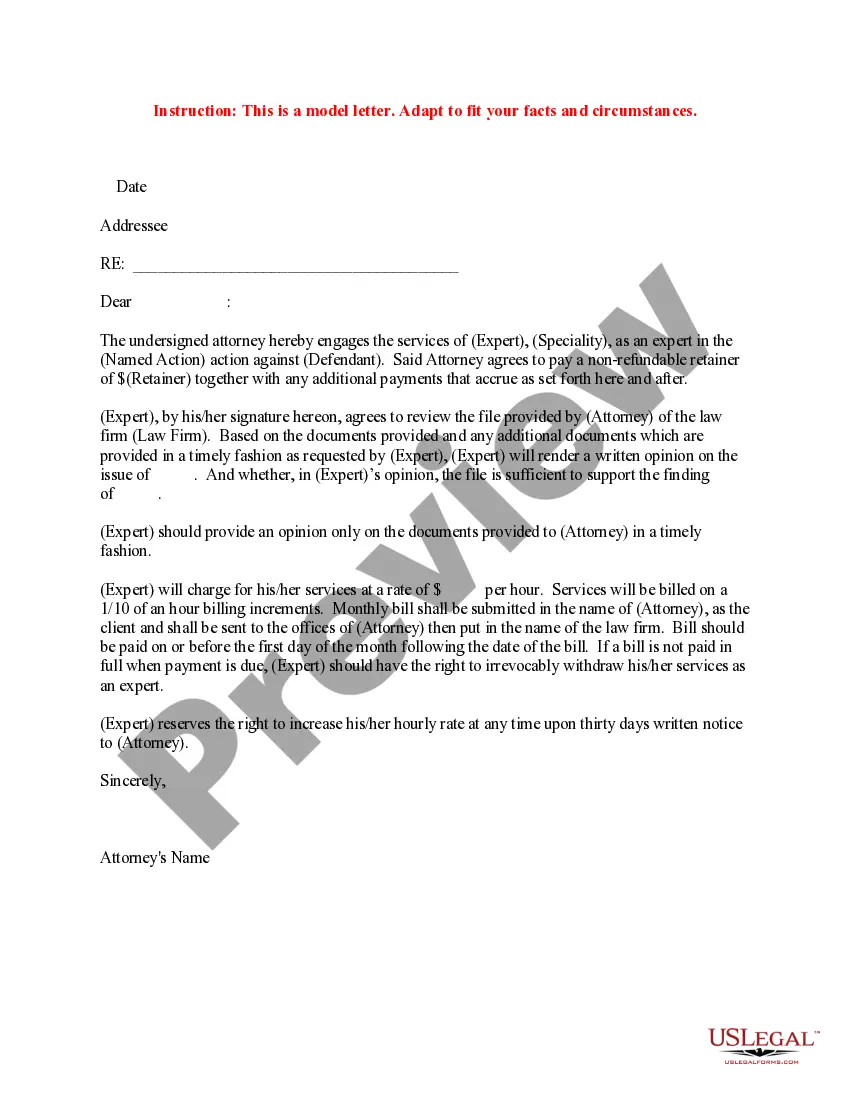
How to fill out Sample Letter For Retainer For Expert Witness?
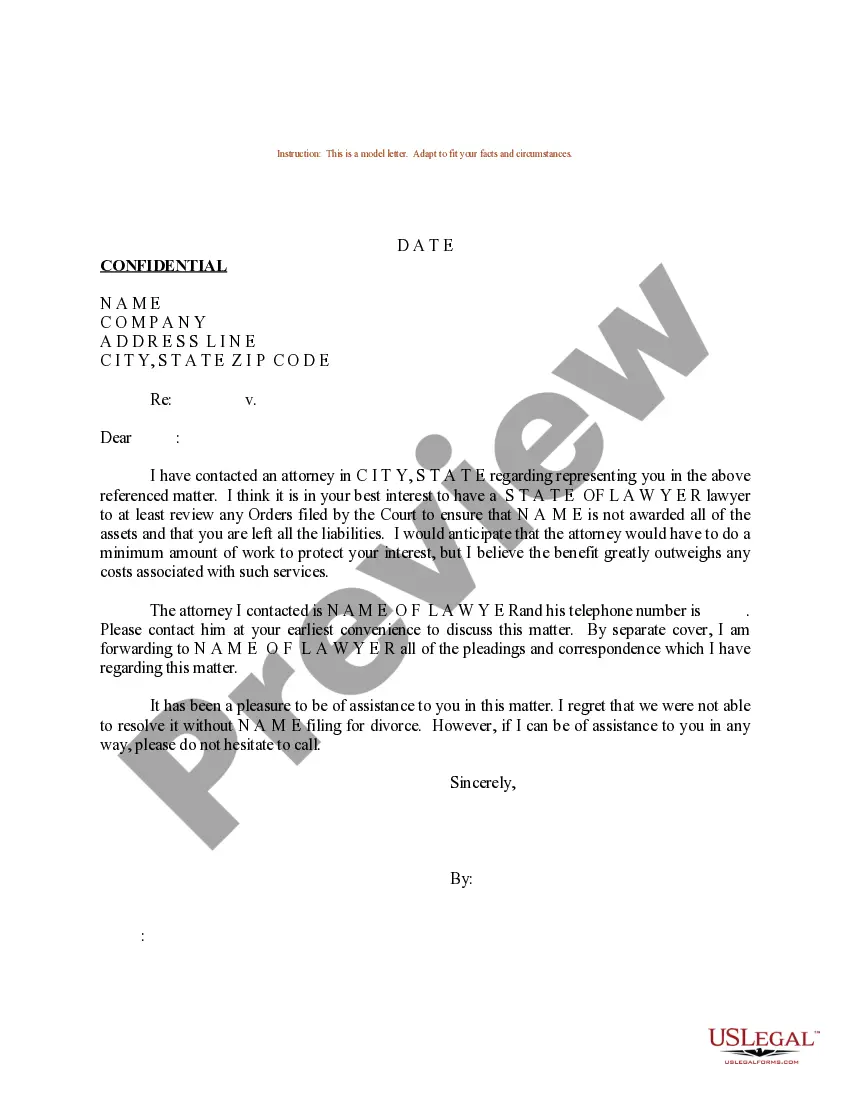
The Expert Witness Declaration of Authenticity presented on this page is a versatile legal framework crafted by experienced attorneys in accordance with federal and state laws.
For over 25 years, US Legal Forms has delivered over 85,000 validated, state-specific documents for both personal and business situations to individuals, companies, and legal professionals. It represents the fastest, easiest, and most reliable method to acquire the necessary documents, as the service ensures maximum data protection and anti-malware safeguards.
Choose the file type you prefer for your Expert Witness Declaration of Authenticity (PDF, Word, RTF) and download the specimen onto your device.
- Search for the document you require and examine it.
- Browse through the file you have queried and preview it or assess the form description to confirm it meets your needs. If it does not, utilize the search function to locate the suitable one. Click Buy Now when you find the template you want.
- Register and sign in.
- Choose the pricing option that fits your requirements and establish an account. Use PayPal or a credit card for a swift transaction. If you already possess an account, Log In and review your subscription to proceed.
- Obtain the editable template.
Form popularity
FAQ
Yes, an expert witness can also serve as a fact witness if they have firsthand knowledge of the events in question. However, it’s essential to differentiate between the two roles when presenting testimony. An expert witness statement of truth must clearly outline whether the individual is providing factual testimony or expert opinion based on their expertise.
Expert witnesses have limitations, including their scope of knowledge and the necessity of remaining impartial. They can provide insights based on their expertise, but they cannot offer definitive conclusions about legal matters. Understanding these limitations is crucial for crafting an effective expert witness statement of truth.
An expert witness report should be structured logically, typically including sections for an introduction, qualifications, findings, and conclusions. Use clear headings and bullet points to maintain readability. Remember, your expert witness statement of truth must convey complex information straightforwardly, ensuring it’s accessible to attorneys and judges.
Documenting a witness statement requires clarity and precision. Start by gathering all relevant information, including the witness's background and the details of the incident. An expert witness statement of truth should be organized, cohesive, and reflect the witness's knowledge while maintaining an objective tone.
As an expert witness, avoid offering opinions outside your area of expertise; this can undermine your credibility. Additionally, refrain from being overly biased or emotional in your testimony, as this can diminish the impact of your expert witness statement of truth. Focus on providing clear, factual, and objective information to support your case.
Expert witness testimony must adhere to certain rules to ensure that it is reliable and relevant. Federal and state rules outline the qualifications of experts, as well as the methodologies they use to develop their opinions. An expert witness statement of truth must be grounded in established principles to be deemed credible in court.
Yes, an expert witness can testify to facts within their expertise; however, they primarily offer opinions based on those facts. An expert witness statement of truth includes their analysis and interpretation of the evidence. This testimony helps the court understand complex issues that may arise during legal proceedings.
The four C's of expert witness include clarity, conciseness, credibility, and confidence. Clarity refers to presenting information that is easy to understand, while conciseness ensures that only relevant points are made. Credibility is about standing behind expertise and qualifications, and confidence involves presenting opinions assertively. Together, these elements foster a robust expert witness statement of truth that can greatly impact legal outcomes.
An example of a witness statement may involve a bystander describing a robbery they witnessed. The statement would include the details such as the location, time, and description of the suspect, as well as specific actions they observed. It is crucial that the witness ends the statement with a note that affirms all information provided is true and accurate. This clarity strengthens the statement's validity in legal contexts.
A statement of truth is a declaration declaring that the information presented is accurate to the best of one's knowledge. For instance, it can read, 'I confirm that the facts stated in this witness statement are true and I understand that this statement may be used in a court of law.' This assertion underpins the integrity of any expert witness statement of truth, ensuring it can be relied upon in legal proceedings.