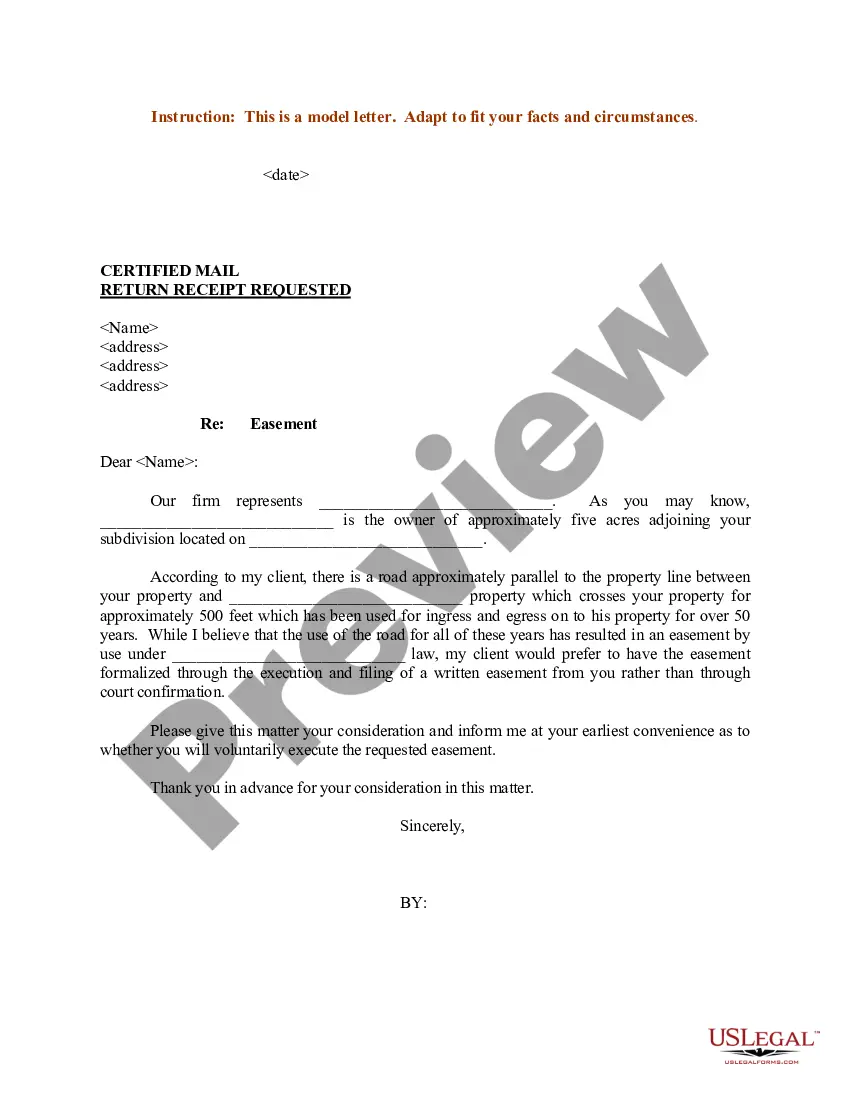
Sample Letter Of Request For Transfer Of Workplace
Description
Get your form ready online
Our built-in tools help you complete, sign, share, and store your documents in one place.
Make edits, fill in missing information, and update formatting in US Legal Forms—just like you would in MS Word.
Download a copy, print it, send it by email, or mail it via USPS—whatever works best for your next step.
Sign and collect signatures with our SignNow integration. Send to multiple recipients, set reminders, and more. Go Premium to unlock E-Sign.
If this form requires notarization, complete it online through a secure video call—no need to meet a notary in person or wait for an appointment.
We protect your documents and personal data by following strict security and privacy standards.

Make edits, fill in missing information, and update formatting in US Legal Forms—just like you would in MS Word.

Download a copy, print it, send it by email, or mail it via USPS—whatever works best for your next step.

Sign and collect signatures with our SignNow integration. Send to multiple recipients, set reminders, and more. Go Premium to unlock E-Sign.

If this form requires notarization, complete it online through a secure video call—no need to meet a notary in person or wait for an appointment.

We protect your documents and personal data by following strict security and privacy standards.
Looking for another form?
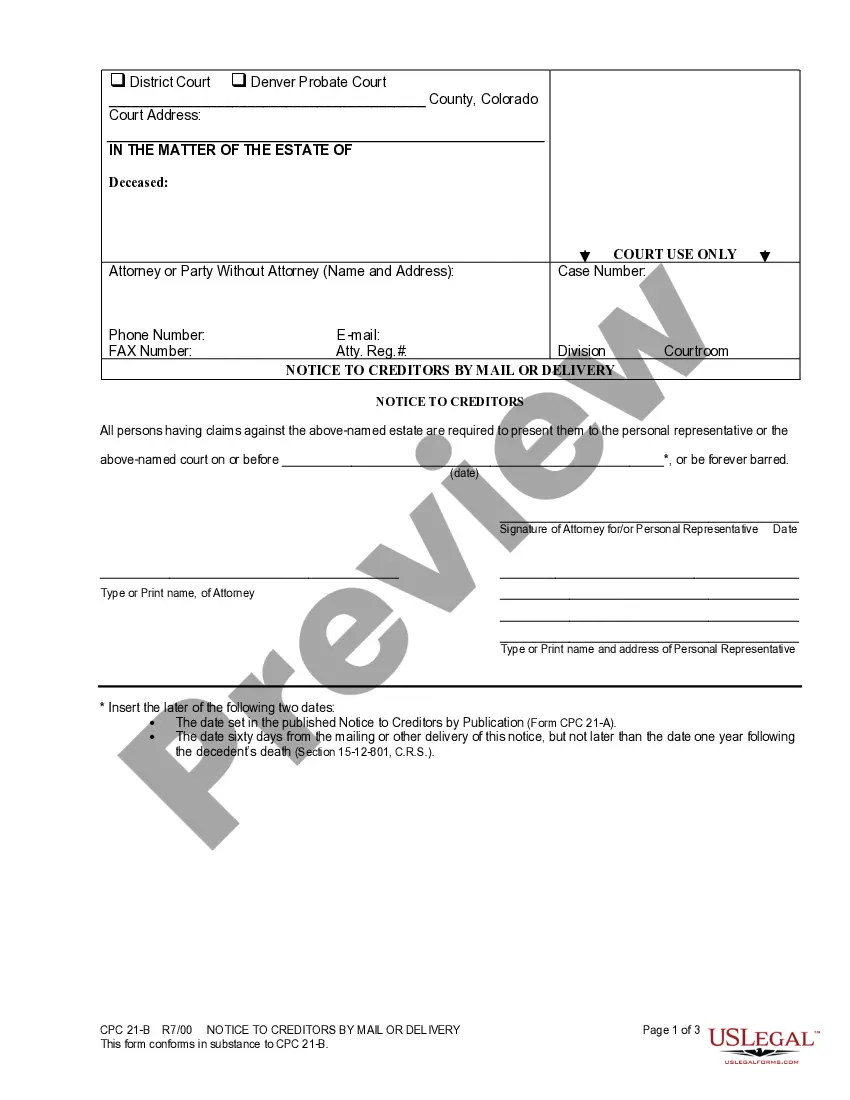

How to fill out Sample Letter For Request To Formalize Easement?
Engaging with legal documents and processes can be a lengthy addition to your daily routine.
Sample Request Letter for Workplace Transfer and similar documents generally necessitate that you search for them and understand how to fill them out accurately.
Consequently, if you are handling financial, legal, or personal issues, utilizing a comprehensive and user-friendly online directory of documents when necessary will be quite beneficial.
US Legal Forms stands as the leading online source for legal templates, providing over 85,000 state-specific documents along with various resources to assist you in completing your paperwork with ease.
Is this your first time utilizing US Legal Forms? Create and establish your account in a matter of minutes to gain access to the document library and Sample Request Letter for Workplace Transfer. Next, follow these instructions to fill out your form.
- Explore the library of pertinent documents available to you with just one click.
- US Legal Forms grants you access to state- and county-specific documents available for download at any time.
- Safeguard your document management activities by utilizing a premium service that enables you to prepare any form within moments without extra or concealed fees.
- Simply Log In to your account, locate Sample Request Letter for Workplace Transfer, and download it directly from the My documents section.
- You can also access forms you have previously downloaded.
Form popularity
FAQ
Note: Evictions can show up on public court records for much longer than 7 years. If the Court expunges your eviction case, then tenant screening agencies can't report it. When a case is expunged the Court erases the public record of it.
If the tenant must pay the last month's rent and does not pay by the due date, landlord can file an eviction case for non-payment of rent. Landlord does not have to wait until tenant fails to move out per the Notice to Vacate. Failure to pay rent creates a separate reason to file for eviction.
Eviction Notices for Nonpayment of Rent in Minnesota has more information. The only exception is that a landlord must give a 14-day notice to a tenant who fails to pay rent and is at will, meaning there is no lease or rental agreement. This applies most often to tenants who are month-to-month.
Stat. § 504B. 345. In general, an eviction from start to finish takes fewer than 30 days in Minnesota, but some cases do take longer.
Eviction Action Complaint (Form HOU102) ? A landlord must fill out and file this form to start an eviction action against a tenant. Eviction Action Answer (Form HOU202) ? To contest an eviction action, a tenant will need to file an answer within the allotted time frame.
Eviction Procedures The landlord must file a complaint against the tenant in district court. ... A court hearing must take place within 7 to 14 days after the court issues the summons. ... The judge will then deliver a decision.
Tenants can use the Minnesota Tenant Notice to Vacate Form to inform landlords and property managers of their intention to vacate the rental property at least 30 days before they intend to move out, or longer if required by the terms of their Minnesota Lease Agreement.
In order to evict a tenant, a landlord must first bring an ?Eviction Action,? or what used to be called an ?Unlawful Detainer? action, against the tenant. This is a legal proceeding conducted in district court. To bring this action the landlord must have a legitimate reason.