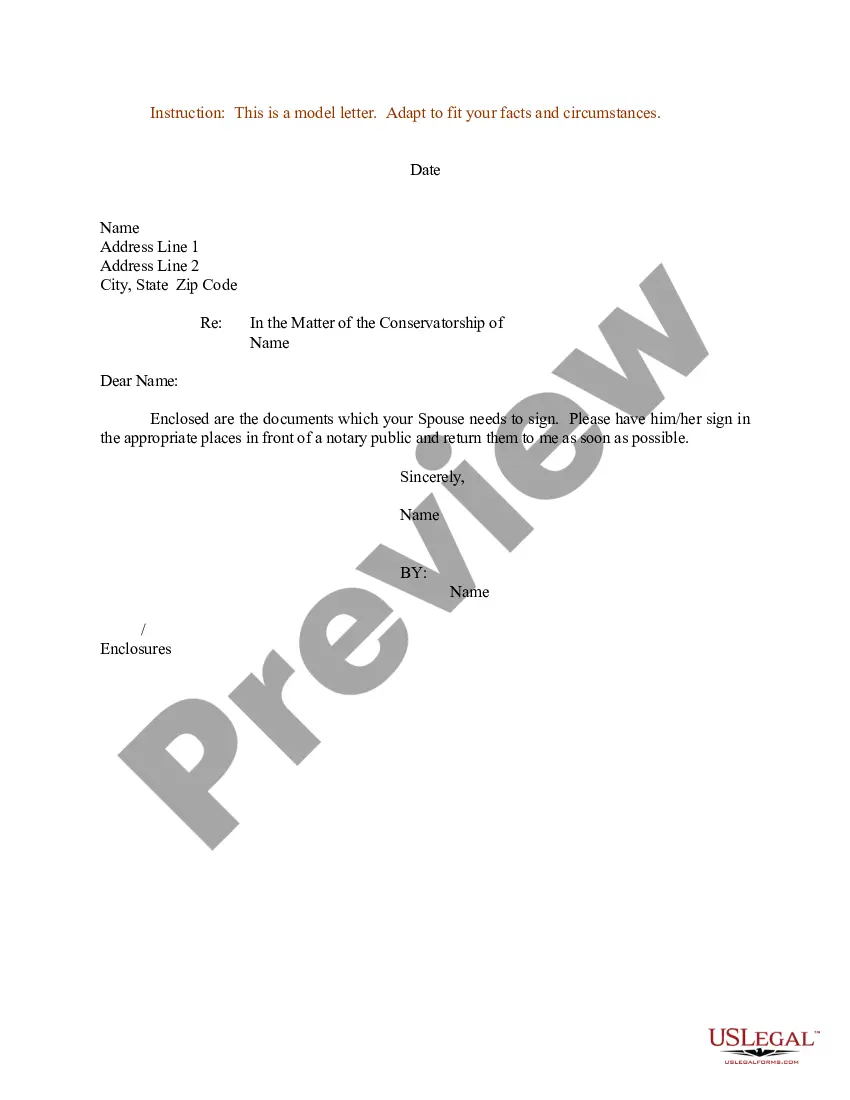
Ptsd Letter Examples For Post-traumatic Stress Disorder
Description
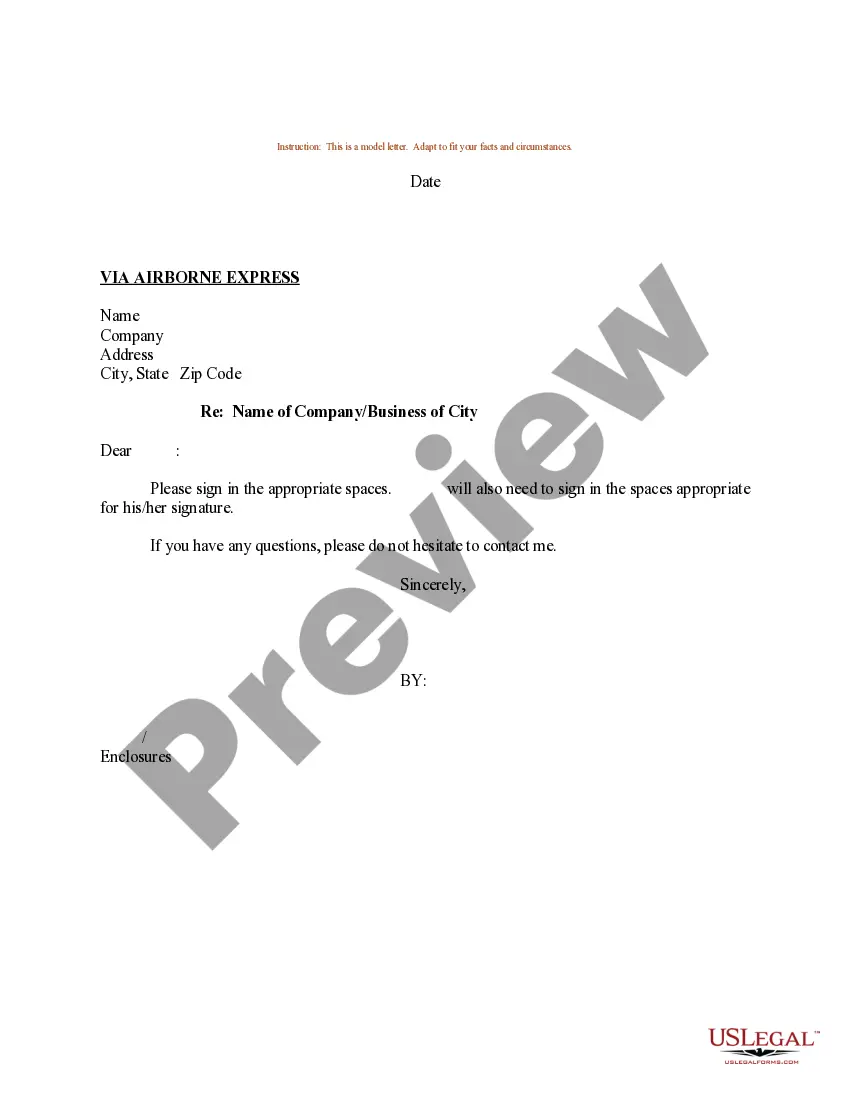
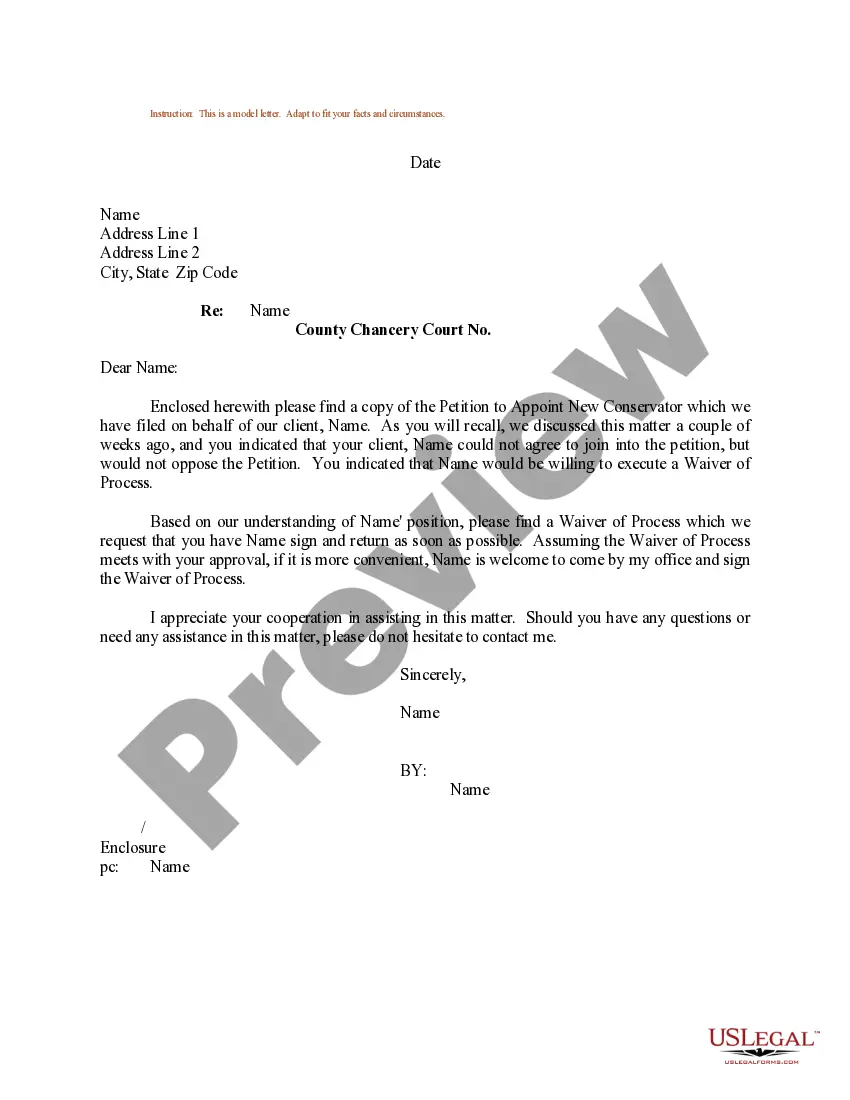
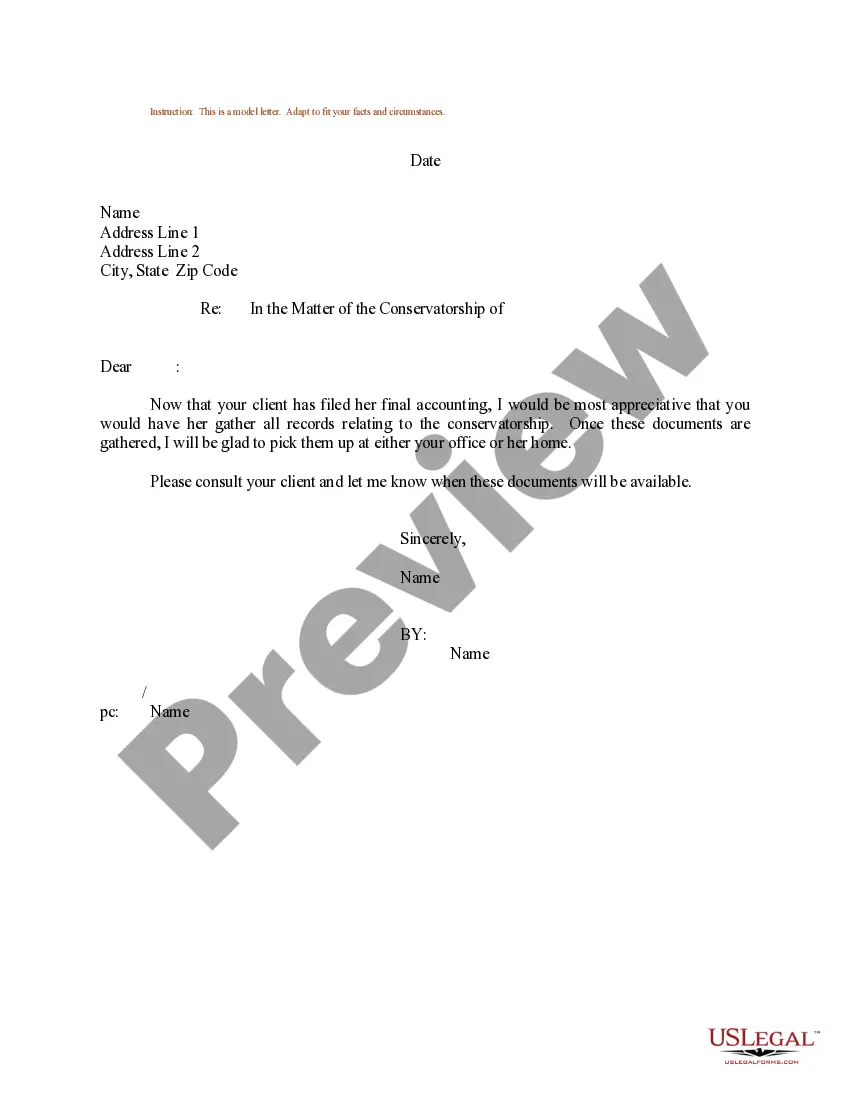
Get your form ready online
Our built-in tools help you complete, sign, share, and store your documents in one place.
Make edits, fill in missing information, and update formatting in US Legal Forms—just like you would in MS Word.
Download a copy, print it, send it by email, or mail it via USPS—whatever works best for your next step.
Sign and collect signatures with our SignNow integration. Send to multiple recipients, set reminders, and more. Go Premium to unlock E-Sign.
If this form requires notarization, complete it online through a secure video call—no need to meet a notary in person or wait for an appointment.
We protect your documents and personal data by following strict security and privacy standards.

Make edits, fill in missing information, and update formatting in US Legal Forms—just like you would in MS Word.

Download a copy, print it, send it by email, or mail it via USPS—whatever works best for your next step.

Sign and collect signatures with our SignNow integration. Send to multiple recipients, set reminders, and more. Go Premium to unlock E-Sign.

If this form requires notarization, complete it online through a secure video call—no need to meet a notary in person or wait for an appointment.

We protect your documents and personal data by following strict security and privacy standards.
Looking for another form?
How to fill out Sample Letter For Spouse Signature?
Securing a reliable location to obtain the latest and suitable legal templates is a significant part of navigating bureaucracy. Selecting the appropriate legal documents necessitates accuracy and careful consideration, which highlights the importance of obtaining Post-traumatic Stress Disorder Letter Examples solely from trustworthy providers, such as US Legal Forms. An incorrect template will squander your time and delay the situation you are facing. With US Legal Forms, you have minimal concerns.
You can access and review all the information concerning the document’s applicability and significance for your situation and within your state or county.
Once you have the form on your device, you can modify it with the editor or print it out and fill it in manually. Eliminate the hassles associated with your legal documentation. Explore the vast US Legal Forms library where you can discover legal templates, assess their relevance to your situation, and download them right away.
- Utilize the catalog navigation or search bar to find your template.
- Examine the form’s description to ensure it meets your state and local requirements.
- View the form preview, if available, to confirm the template is indeed the one you need.
- Return to the search to identify the correct document if the Post-traumatic Stress Disorder Letter Examples do not fulfill your criteria.
- If you are confident in the form’s applicability, download it.
- If you are a registered user, click Log in to verify and access your selected forms in My documents.
- If you do not have an account yet, click Buy now to acquire the template.
- Choose the pricing option that best fits your needs.
- Continue to the registration to complete your purchase.
- Conclude your purchase by selecting a payment method (credit card or PayPal).
- Select the document format for downloading Post-traumatic Stress Disorder Letter Examples.
Form popularity
FAQ
To write an effective lay statement for PTSD, begin by clearly articulating your experiences and symptoms related to post-traumatic stress disorder. Use specific details to describe how PTSD affects your daily life, relationships, and work. Incorporate personal insights and feelings to provide a deeper understanding of your situation. For inspiration, refer to PTSD letter examples for post-traumatic stress disorder, which can guide you in structuring your statement and ensuring it is compelling and informative.
When filing a PTSD claim, it is crucial to provide solid evidence to support your case. You should gather medical documentation, including diagnoses from qualified healthcare professionals, and records of any treatments you have received for your post-traumatic stress disorder. Additionally, ptsd letter examples for post-traumatic stress disorder can help illustrate your specific experiences and symptoms, making your claim stronger. Utilizing a platform like US Legal Forms can also guide you in drafting comprehensive letters that communicate your situation effectively.
On a daily basis, PTSD can manifest through various symptoms such as mood changes, anxiety, and difficulty sleeping. Individuals may experience intrusive memories and avoidance of reminders of trauma. Utilizing PTSD letter examples for post-traumatic stress disorder can help communicate these daily challenges effectively. It’s essential to understand that each person’s experience is unique and may differ in severity and occurrence.
An example of a PTSD stressor letter typically includes a detailed account of the traumatic incident you encountered, including context and personal impact. You may reference PTSD letter examples for post-traumatic stress disorder to structure your letter effectively. This letter serves to document your experiences clearly and can aid in discussions with healthcare providers or legal entities. Be straightforward and genuine in your descriptions.
To receive a diagnosis of PTSD, an individual must have experienced a traumatic event, leading to symptoms such as flashbacks, avoidance, and heightened arousal. A licensed mental health professional usually conducts this assessment. Meeting these criteria is crucial, and following PTSD letter examples for post-traumatic stress disorder can help articulate your experience. Be sure to seek professional guidance to understand the components of your diagnosis.
To write a letter for PTSD, begin with a clear introduction stating the purpose of your letter. Include specific details about your experiences and feelings, emphasizing how they relate to your diagnosis. Utilize available PTSD letter examples for post-traumatic stress disorder to guide your writing. Lastly, conclude your letter by expressing the impact of these experiences on your daily life.
Writing a PTSD Stressor Statement After introducing themselves to the reader, the claimant should describe the event chronologically. It is essential to provide the date and location of each stressful event and then describe it in as much detail as possible.
My PTSD has negatively affected my work and my personal life significantly. I got divorced from my wife and lost custody of my children. I was fired after I could not concentrate on my job and took too many days off due to my depression. I also was doing a bad job at work because of my memory issues.
100% ? ?Total occupational and social impairment, due to such symptoms as: gross impairment in thought processes or communication; persistent delusions or hallucinations; grossly inappropriate behavior; persistent danger of hurting self or others; intermittent inability to perform activities of daily living (including ...
Tell where the event happened, what unit you were in at the time, and when it happened (as best you can). Provide as much detail as you can and also describe the feelings you had about what happened. Don't diminish the stressful experience you had and don't make it seem even more severe than it was.