Response Summary Judgement Foreclosure
Description
Get your form ready online
Our built-in tools help you complete, sign, share, and store your documents in one place.
Make edits, fill in missing information, and update formatting in US Legal Forms—just like you would in MS Word.
Download a copy, print it, send it by email, or mail it via USPS—whatever works best for your next step.
Sign and collect signatures with our SignNow integration. Send to multiple recipients, set reminders, and more. Go Premium to unlock E-Sign.
If this form requires notarization, complete it online through a secure video call—no need to meet a notary in person or wait for an appointment.
We protect your documents and personal data by following strict security and privacy standards.

Make edits, fill in missing information, and update formatting in US Legal Forms—just like you would in MS Word.

Download a copy, print it, send it by email, or mail it via USPS—whatever works best for your next step.

Sign and collect signatures with our SignNow integration. Send to multiple recipients, set reminders, and more. Go Premium to unlock E-Sign.

If this form requires notarization, complete it online through a secure video call—no need to meet a notary in person or wait for an appointment.

We protect your documents and personal data by following strict security and privacy standards.
Looking for another form?
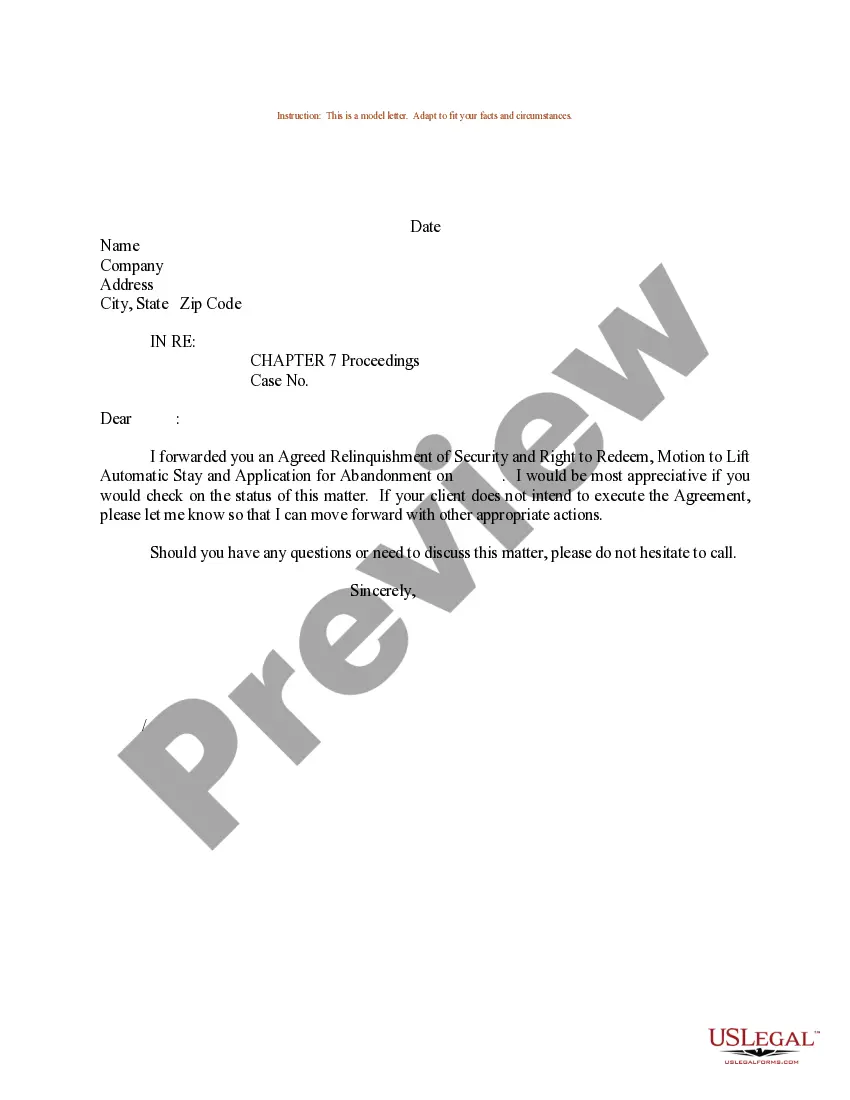
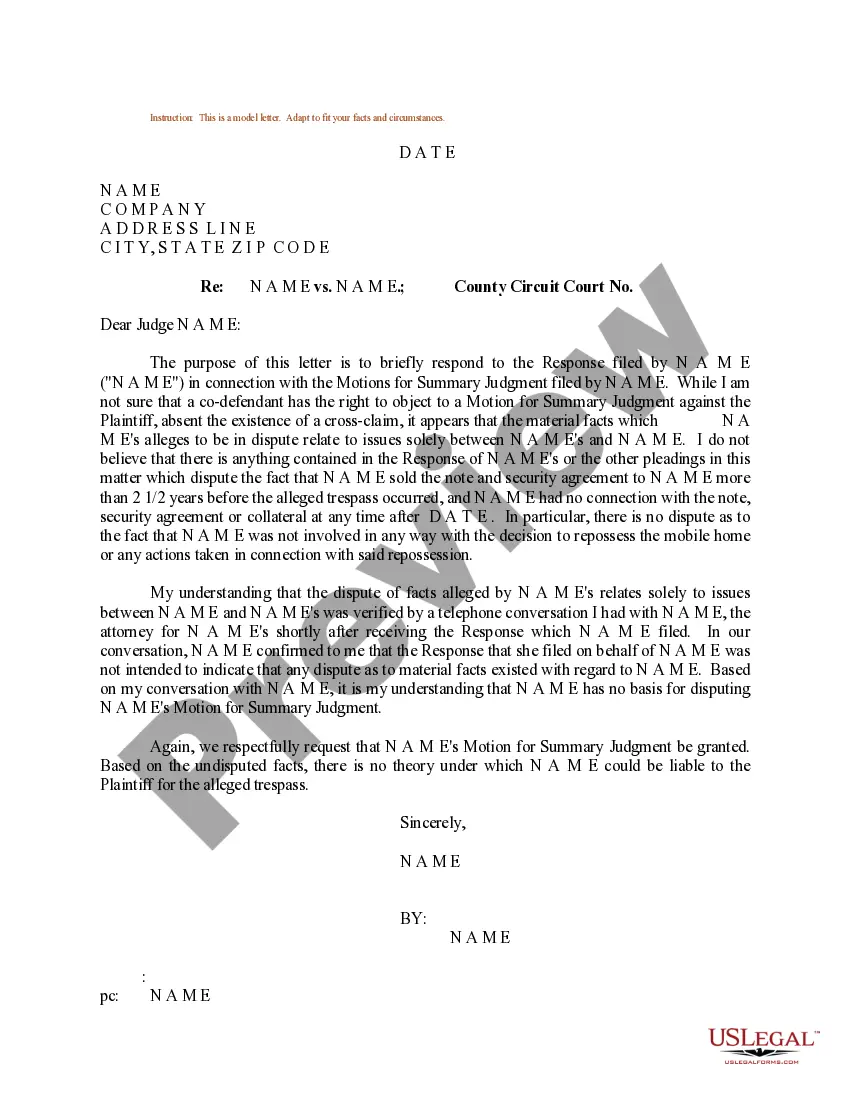
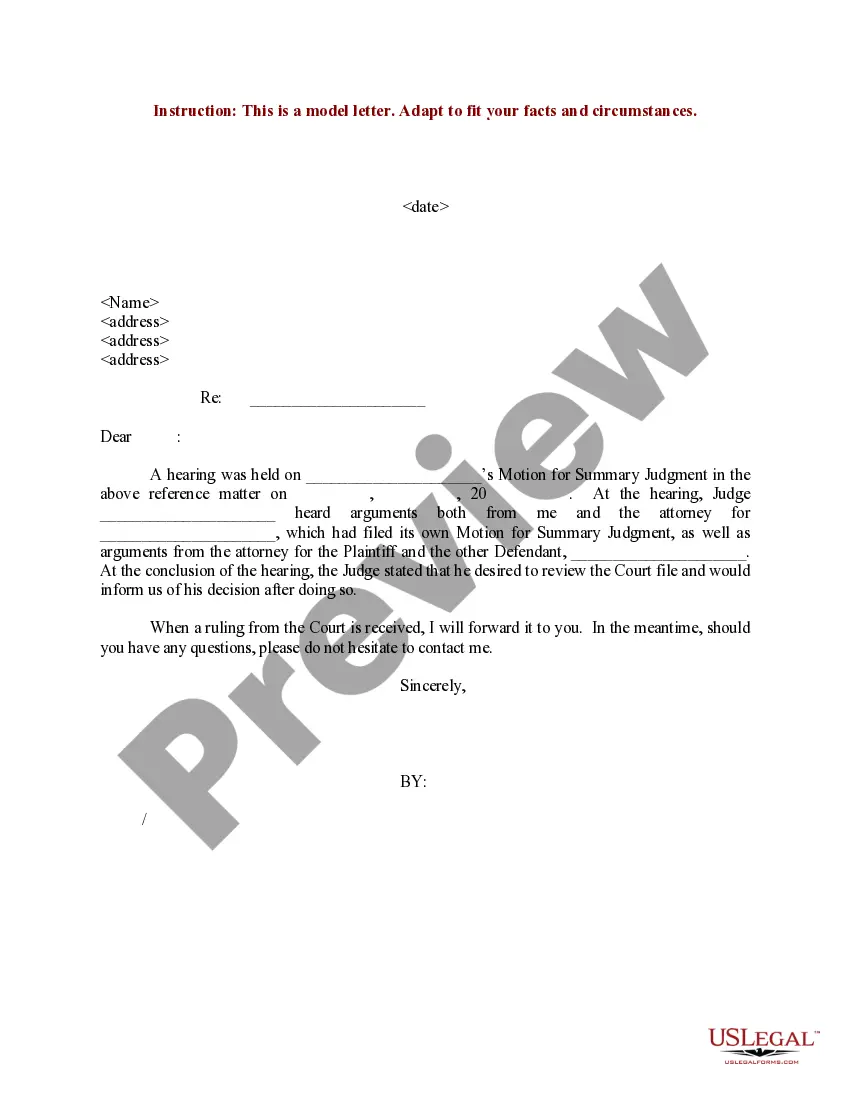
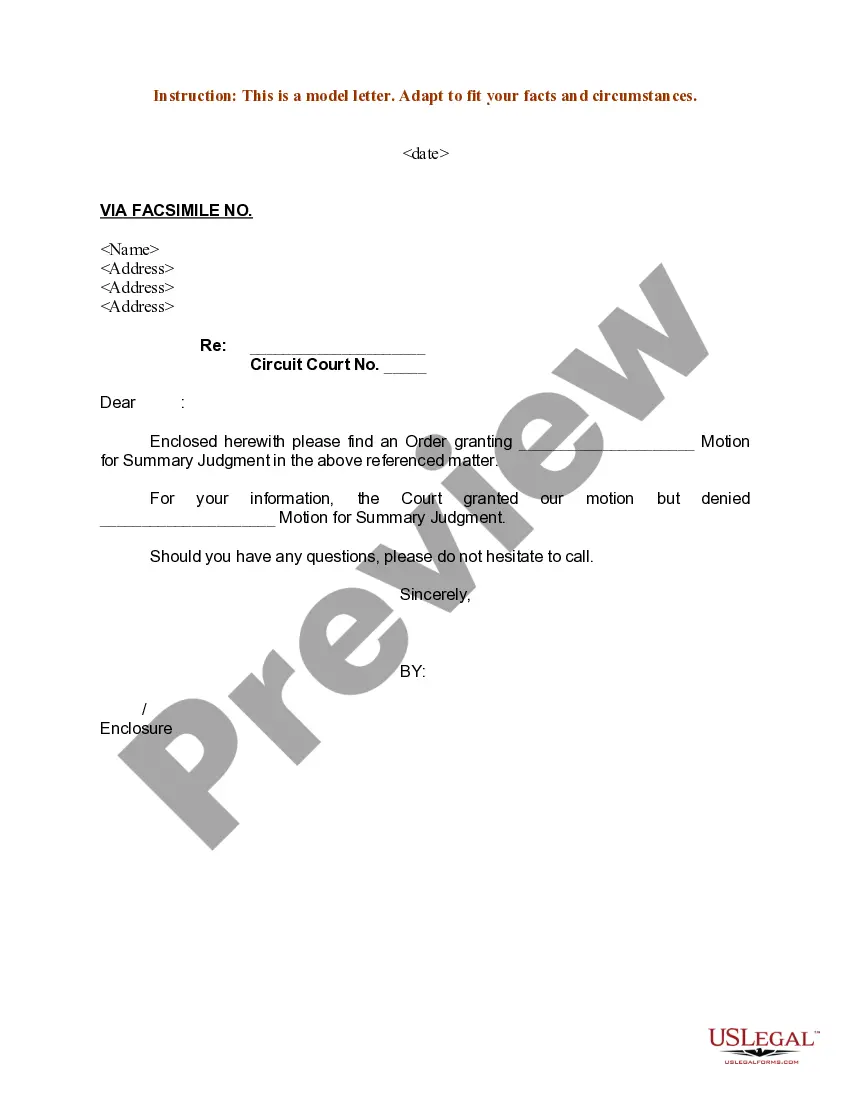
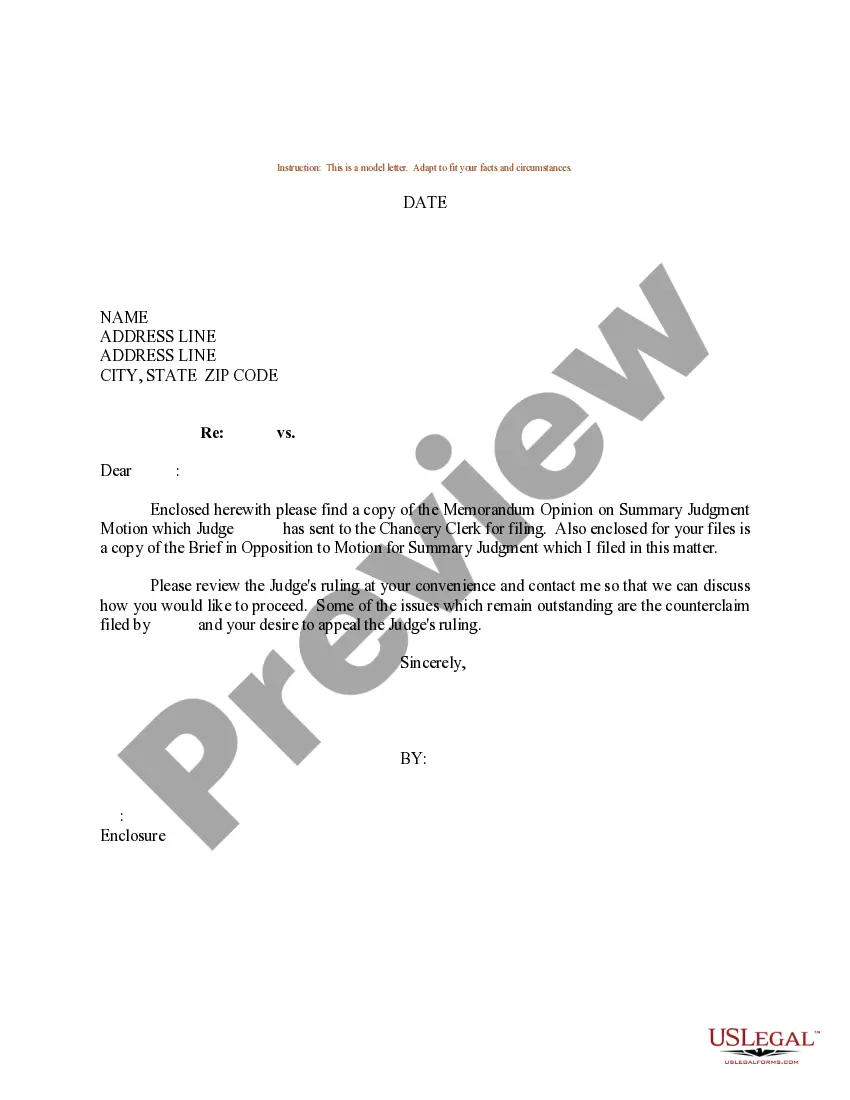
How to fill out Sample Letter For Response In Connection With Motions For Summary Judgment?
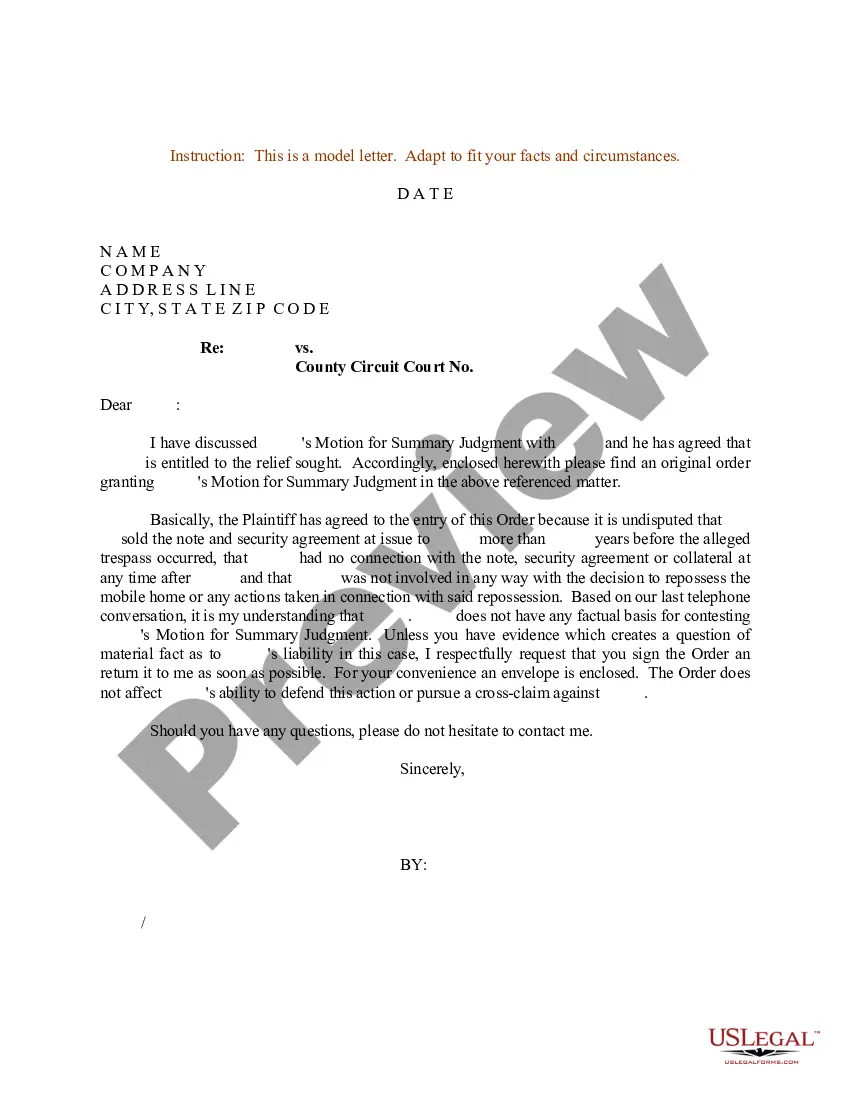
Handling legal documents and operations might be a time-consuming addition to your entire day. Response Summary Judgement Foreclosure and forms like it typically need you to search for them and understand the best way to complete them correctly. For that reason, if you are taking care of economic, legal, or individual matters, using a thorough and hassle-free online catalogue of forms at your fingertips will help a lot.
US Legal Forms is the top online platform of legal templates, featuring over 85,000 state-specific forms and a variety of resources to help you complete your documents effortlessly. Discover the catalogue of relevant documents available to you with just a single click.
US Legal Forms gives you state- and county-specific forms offered at any time for downloading. Protect your papers managing procedures by using a top-notch support that allows you to prepare any form within a few minutes without extra or hidden fees. Simply log in in your profile, identify Response Summary Judgement Foreclosure and acquire it straight away in the My Forms tab. You may also gain access to formerly saved forms.
Would it be the first time using US Legal Forms? Register and set up a free account in a few minutes and you’ll gain access to the form catalogue and Response Summary Judgement Foreclosure. Then, adhere to the steps below to complete your form:
- Ensure you have found the right form using the Review option and looking at the form information.
- Select Buy Now once ready, and choose the monthly subscription plan that suits you.
- Choose Download then complete, eSign, and print the form.
US Legal Forms has twenty five years of expertise assisting users deal with their legal documents. Discover the form you want right now and enhance any process without breaking a sweat.
Form popularity
FAQ
1. A responding party should file additional proposed findings of fact if it needs them to defeat the motion for summary judgment. 2. The purpose of additional proposed findings of fact is to SUPPLEMENT the moving party's proposed findings of fact, not to dispute any facts proposed by the moving party.
(4) A reply to the opposition shall be served and filed by the moving party not less than five days preceding the noticed or continued date of hearing, unless the court for good cause orders otherwise. (5) Evidentiary objections not made at the hearing shall be deemed waived.
In this case, you must be able to prove the amount you are owed. If you are the defendant, you can apply for summary judgment on the ground that there is no merit to all or part of the claim that the plaintiff is making against you.
Judges may grant partial summary judgment. For example, a judge might rule on some factual issues, but leave others for trial. Alternately, a judge might grant summary judgment regarding liability, but still hold a trial to determine damages.
The chance of success in these cases is less than 10% [1]. Another study found that summary judgment is mostly granted in Title VII cases, for example, cases involving equal pay or employment discrimination [2]. When it comes to federal cases, summary judgments are filed in 17% of total cases.