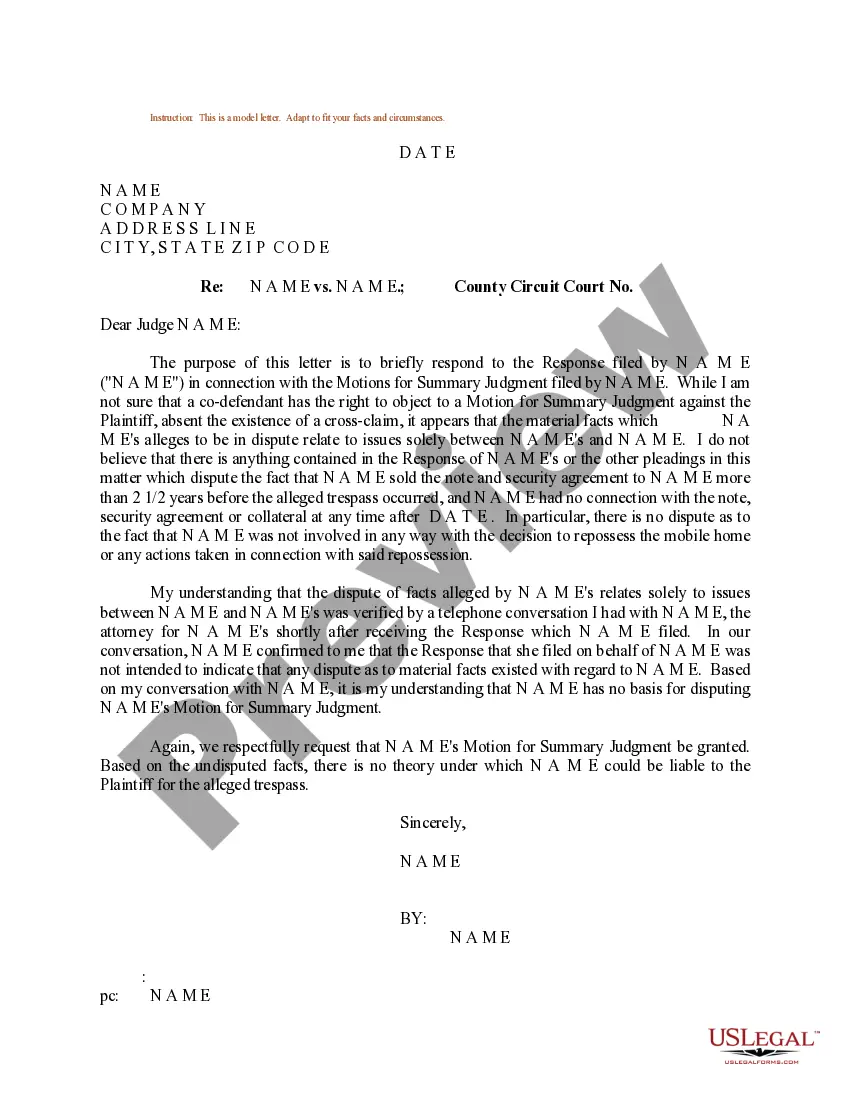
Motion For Summary Disposition
Description
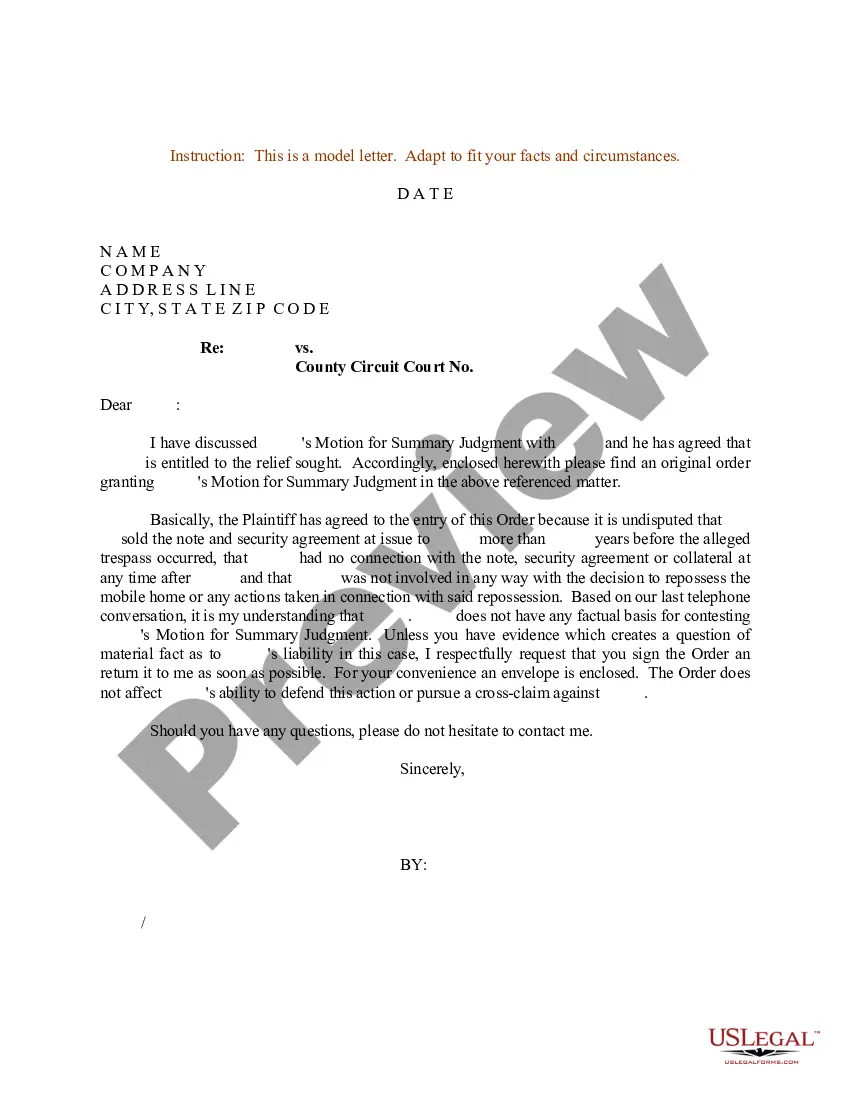
Get your form ready online
Our built-in tools help you complete, sign, share, and store your documents in one place.
Make edits, fill in missing information, and update formatting in US Legal Forms—just like you would in MS Word.
Download a copy, print it, send it by email, or mail it via USPS—whatever works best for your next step.
Sign and collect signatures with our SignNow integration. Send to multiple recipients, set reminders, and more. Go Premium to unlock E-Sign.
If this form requires notarization, complete it online through a secure video call—no need to meet a notary in person or wait for an appointment.
We protect your documents and personal data by following strict security and privacy standards.

Make edits, fill in missing information, and update formatting in US Legal Forms—just like you would in MS Word.

Download a copy, print it, send it by email, or mail it via USPS—whatever works best for your next step.

Sign and collect signatures with our SignNow integration. Send to multiple recipients, set reminders, and more. Go Premium to unlock E-Sign.

If this form requires notarization, complete it online through a secure video call—no need to meet a notary in person or wait for an appointment.

We protect your documents and personal data by following strict security and privacy standards.
Looking for another form?
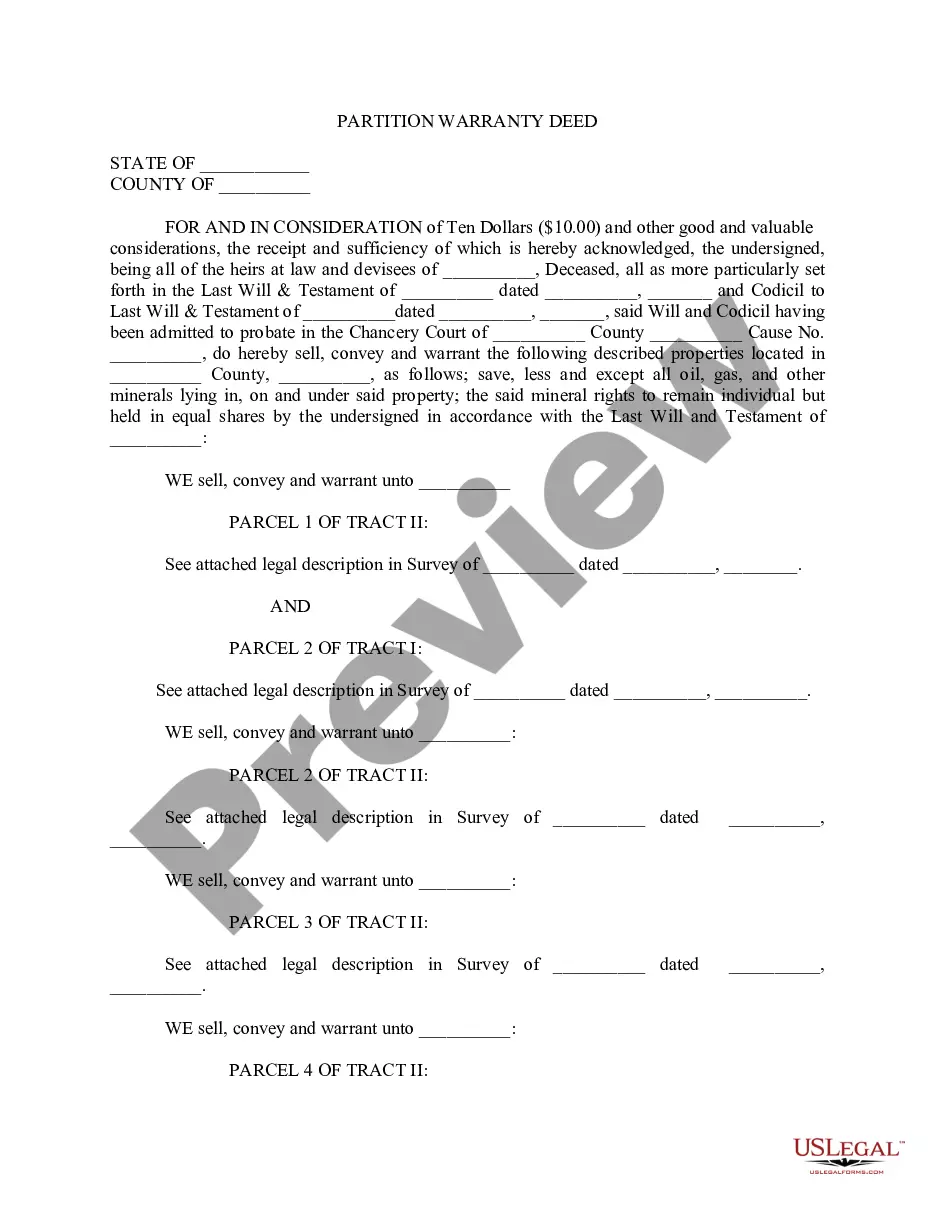
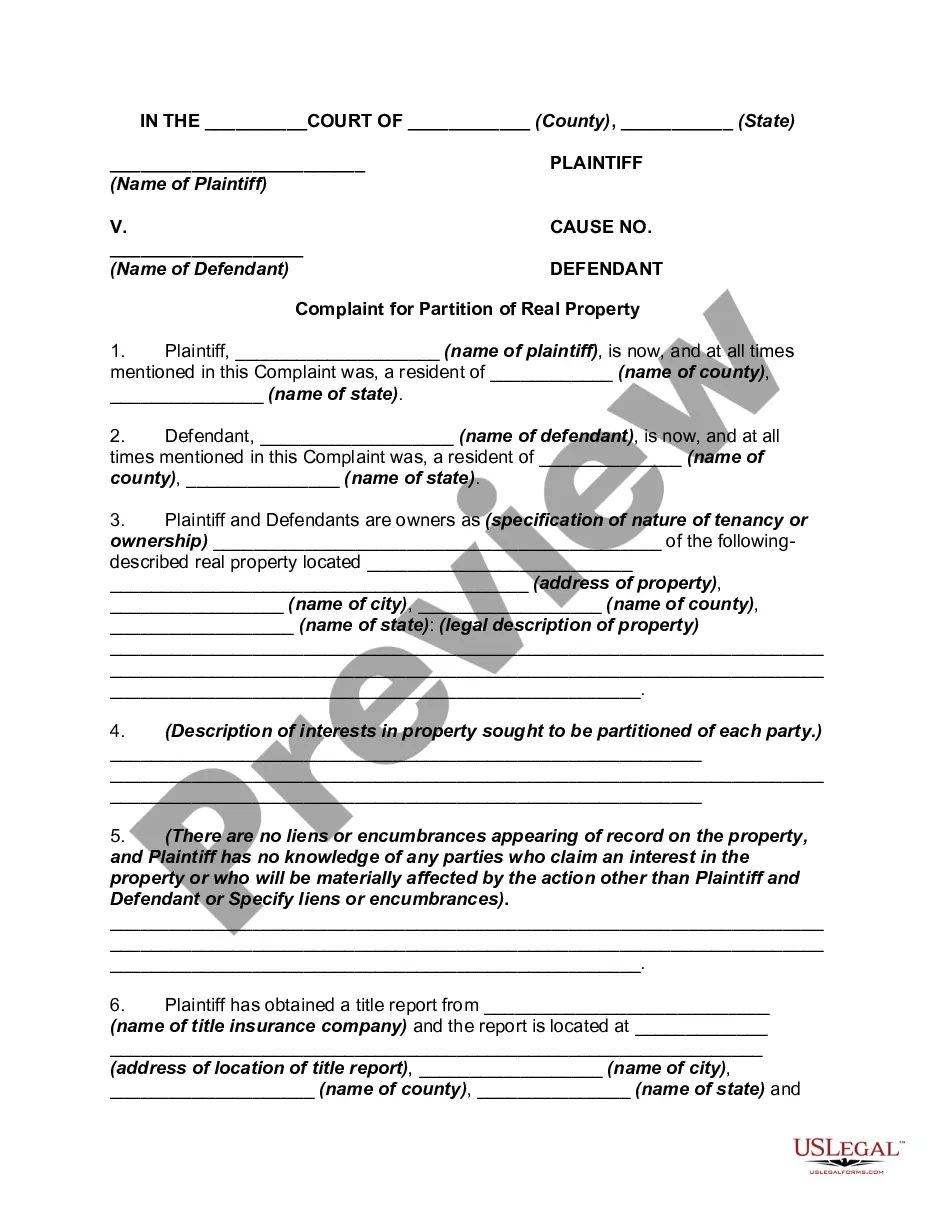
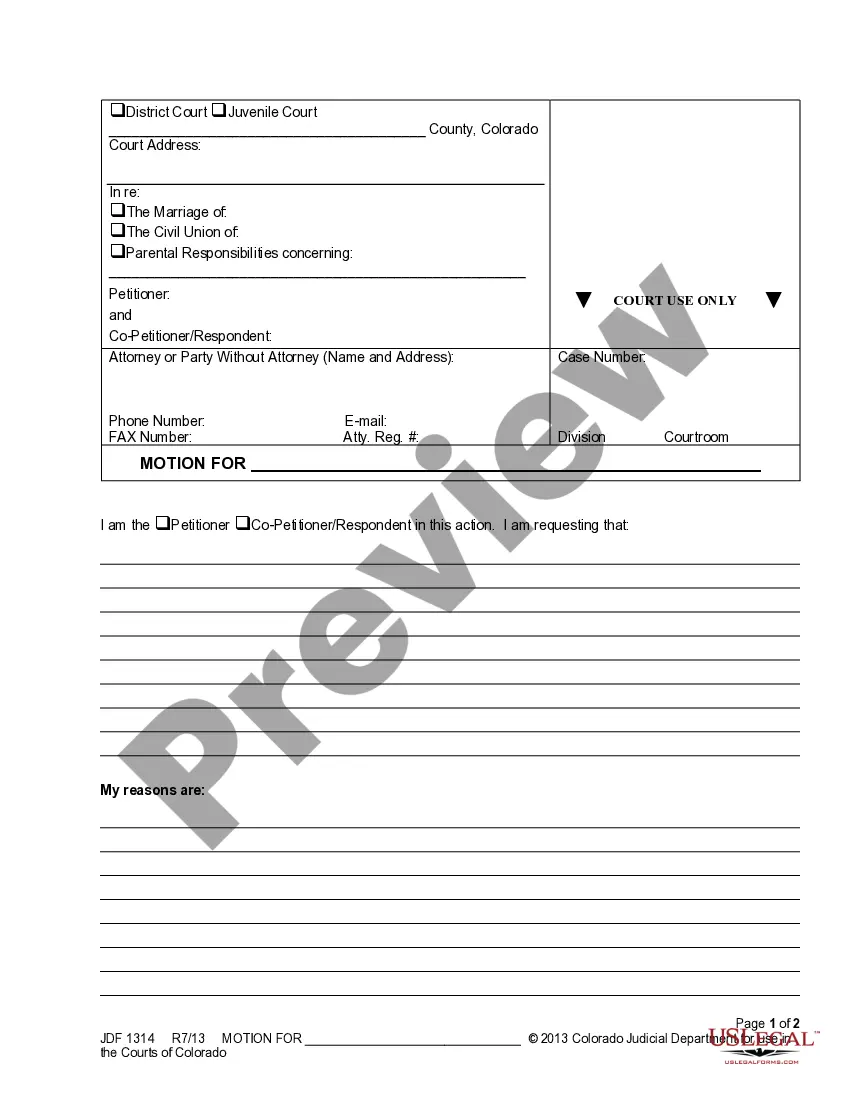
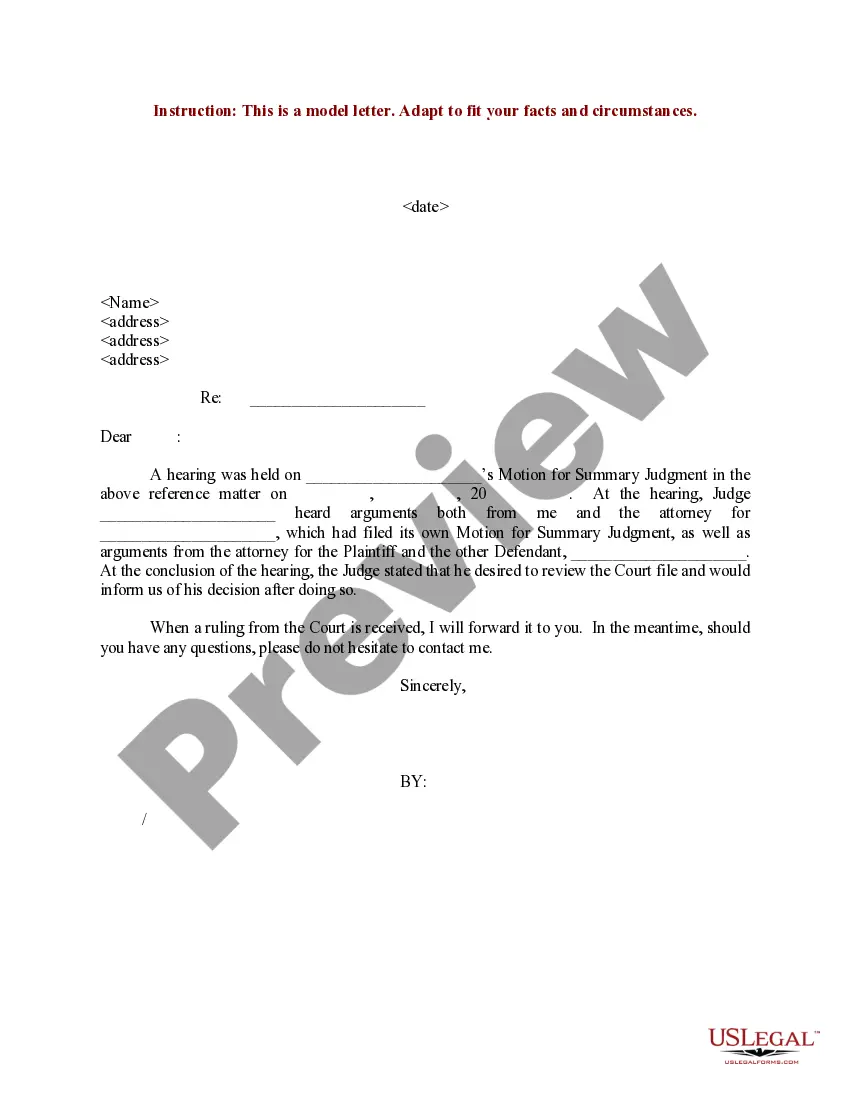
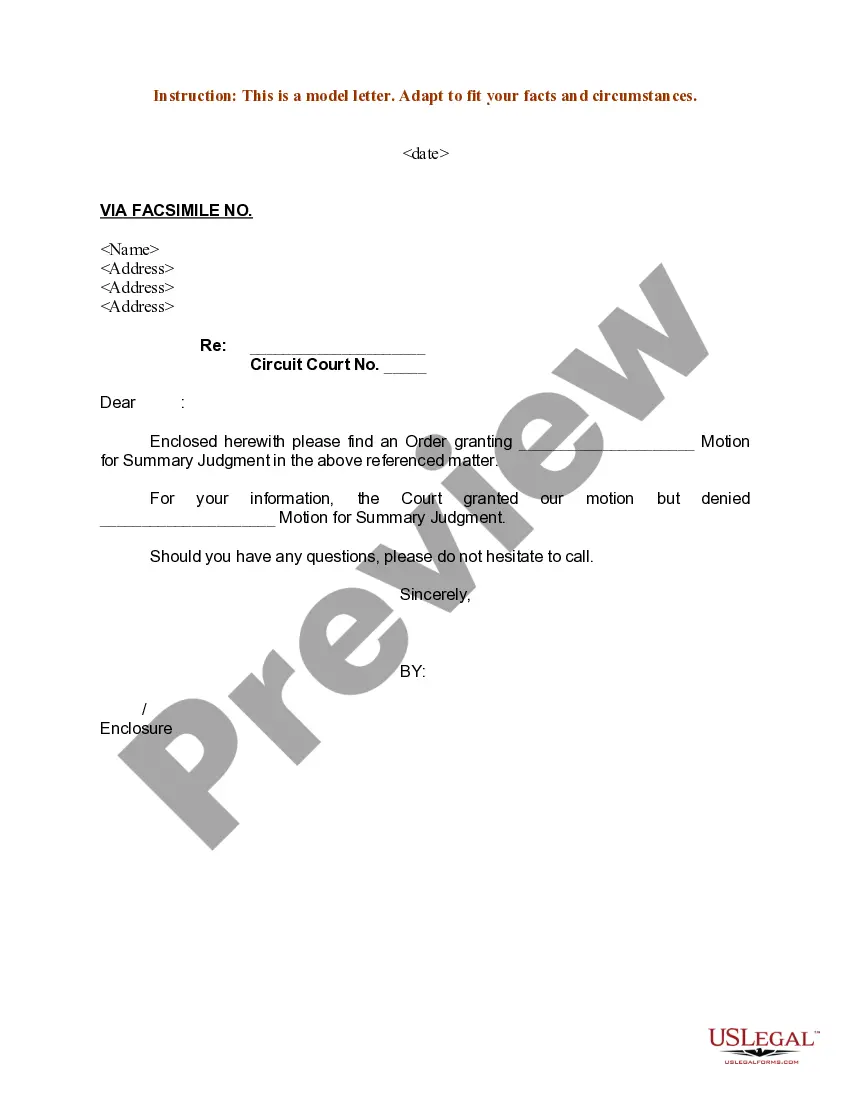
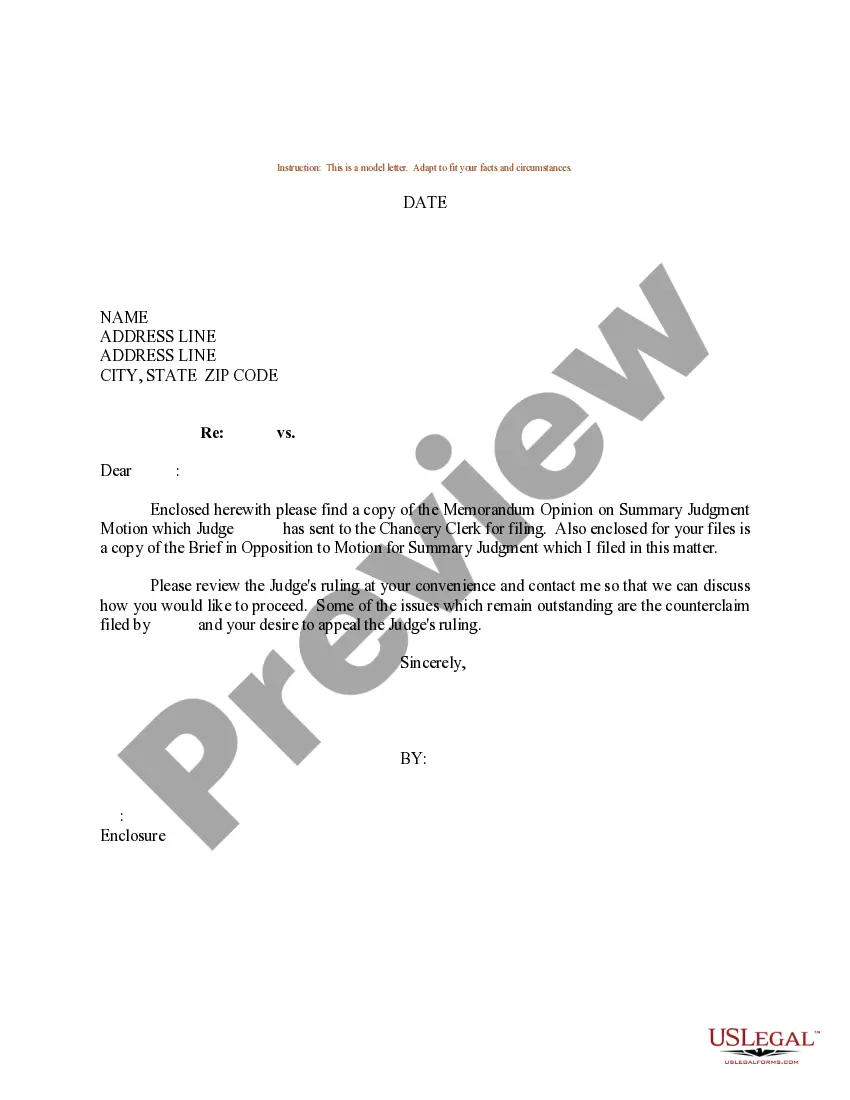
How to fill out Sample Letter For Response In Connection With Motions For Summary Judgment?
It’s clear that you cannot become a legal specialist instantly, nor can you learn how to swiftly draft a Motion For Summary Disposition without possessing a distinct set of abilities.
Producing legal documents is a lengthy undertaking that necessitates a specific education and expertise. So why not entrust the drafting of the Motion For Summary Disposition to the experts.
With US Legal Forms, one of the most extensive legal document repositories, you can access everything from court documents to templates for internal communication.
You can regain access to your documents from the My documents tab at any time. If you’re a current customer, you can simply Log In, and locate and download the template from the same tab.
Regardless of the nature of your paperwork—whether it’s financial, legal, or personal—our platform has you covered. Try US Legal Forms today!
- Locate the document you require using the search bar at the top of the page.
- Preview it (if this option is available) and review the accompanying description to ascertain whether Motion For Summary Disposition is what you’re looking for.
- Initiate your search again if you need a different template.
- Create a free account and select a subscription plan to purchase the form.
- Click Buy now. Once the payment is processed, you can obtain the Motion For Summary Disposition, fill it out, print it, and send or mail it to the specified individuals or organizations.
Form popularity
FAQ
Judges may grant partial summary judgment. For example, a judge might rule on some factual issues, but leave others for trial. Alternately, a judge might grant summary judgment regarding liability, but still hold a trial to determine damages.
Motion is the action of changing location or position. A force is any interaction that causes a change in motion, shape, or energy. A system possesses energy if it has the ability to do work. ( Work is done when a force causes a change in the energy of a system.)
Stated differently, to successfully defend against summary judgment the non-moving party (you) should seek to demonstrate that indeed there are material facts in dispute. Alternatively, the non-moving party (you) can argue that the undisputed facts support a judgment as a matter of law in your favor.
Examples of summary judgement motions John says that Linda ran a red light and caused the crash. John happens to have a video of Linda running the red light and crashing into him. John's attorney files a motion for summary judgment claiming that: There are no material facts that can be reasonably disputed.
Summary judgment is a procedure that allows a party to obtain a judgment on all or part of a claim or defence by way of a motion (where evidence is presented to a master or a judge in writing) and without having to proceed to a trial (where evidence is presented to a judge (and possibly a jury) by way of oral testimony ...