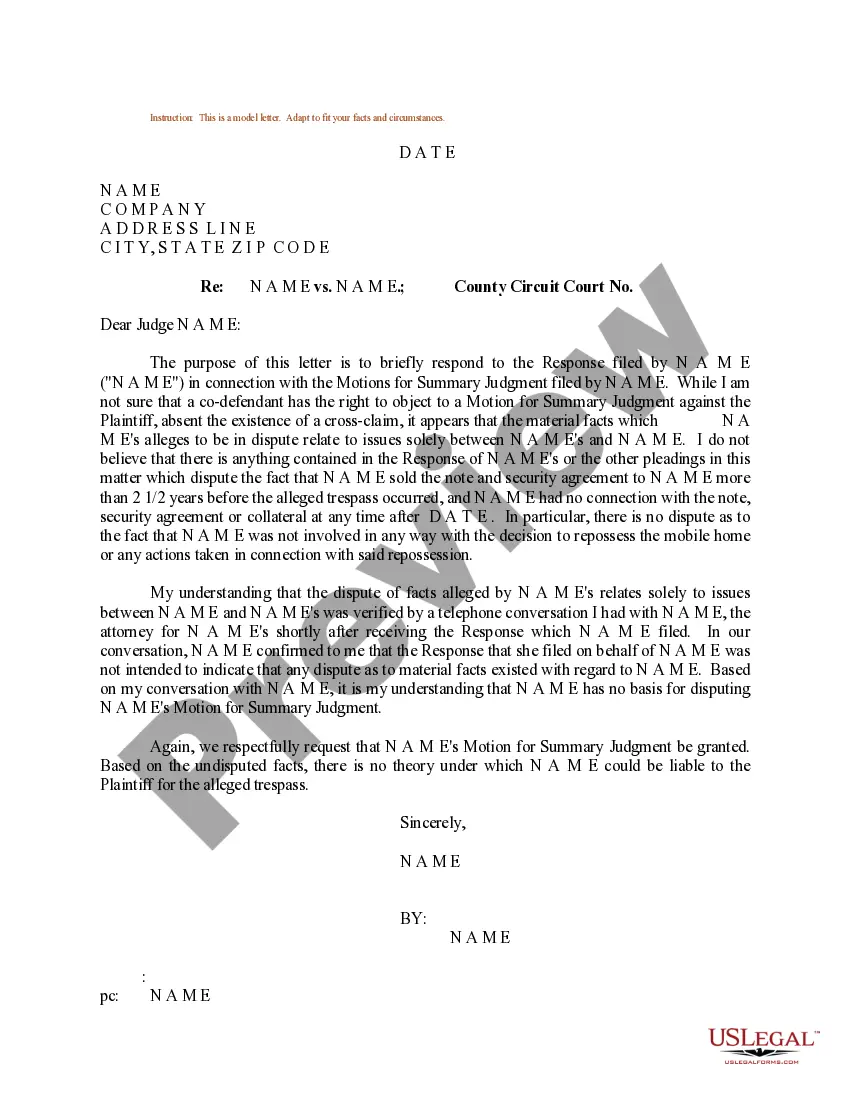
Motion For Post Trial Relief Pennsylvania
Description
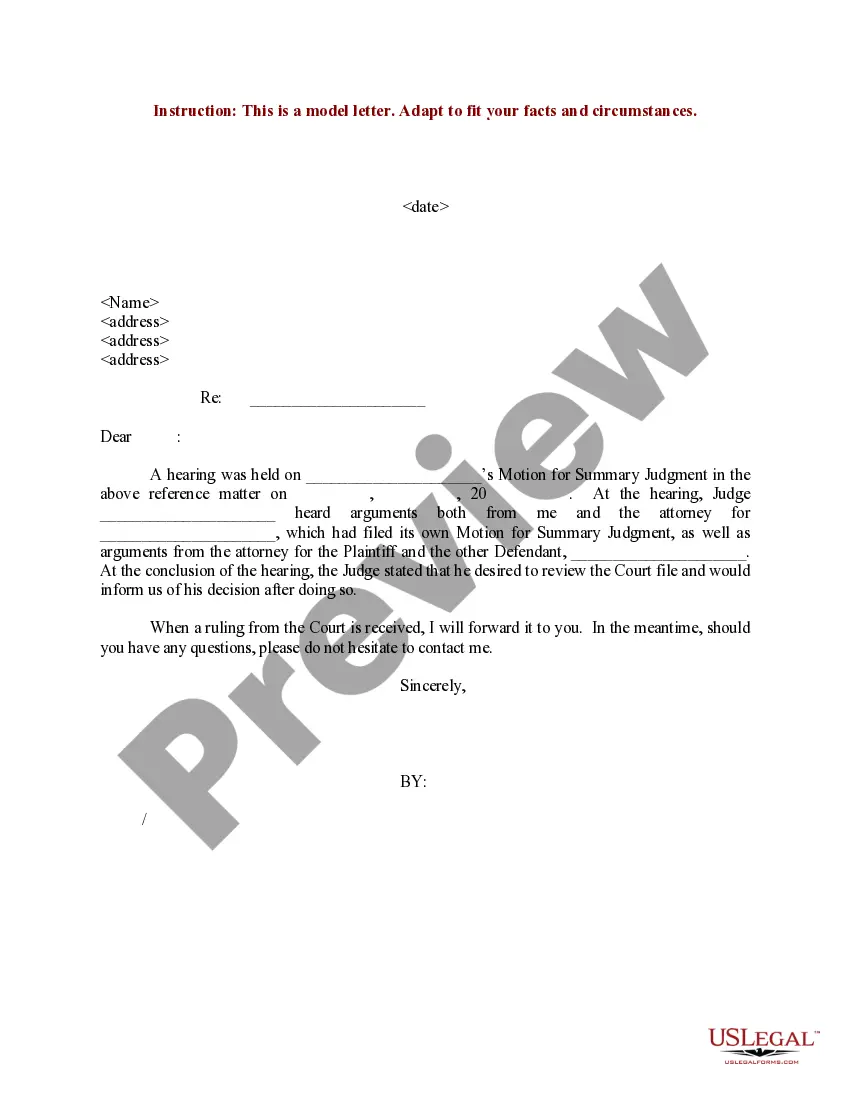
Get your form ready online
Our built-in tools help you complete, sign, share, and store your documents in one place.
Make edits, fill in missing information, and update formatting in US Legal Forms—just like you would in MS Word.
Download a copy, print it, send it by email, or mail it via USPS—whatever works best for your next step.
Sign and collect signatures with our SignNow integration. Send to multiple recipients, set reminders, and more. Go Premium to unlock E-Sign.
If this form requires notarization, complete it online through a secure video call—no need to meet a notary in person or wait for an appointment.
We protect your documents and personal data by following strict security and privacy standards.

Make edits, fill in missing information, and update formatting in US Legal Forms—just like you would in MS Word.

Download a copy, print it, send it by email, or mail it via USPS—whatever works best for your next step.

Sign and collect signatures with our SignNow integration. Send to multiple recipients, set reminders, and more. Go Premium to unlock E-Sign.

If this form requires notarization, complete it online through a secure video call—no need to meet a notary in person or wait for an appointment.

We protect your documents and personal data by following strict security and privacy standards.
Looking for another form?
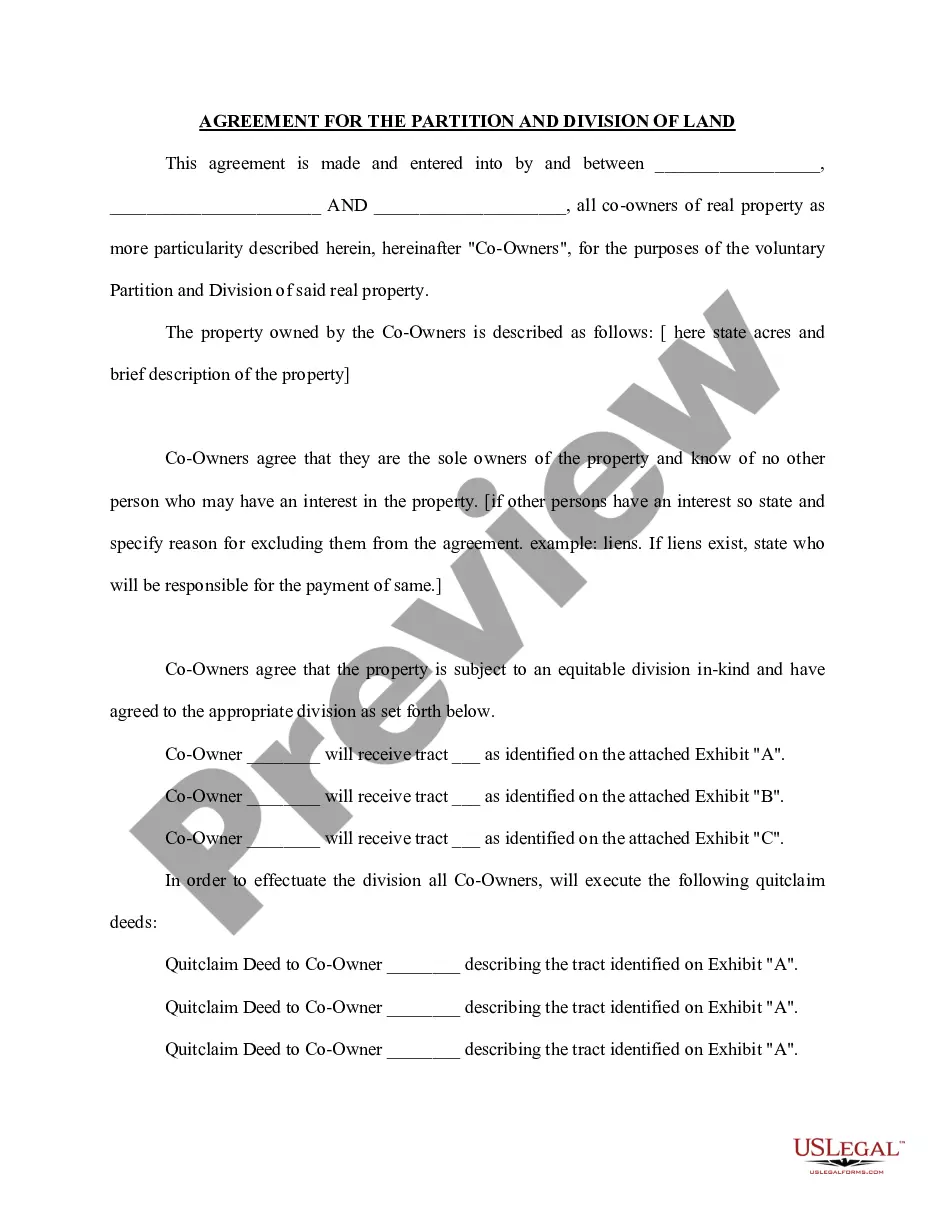
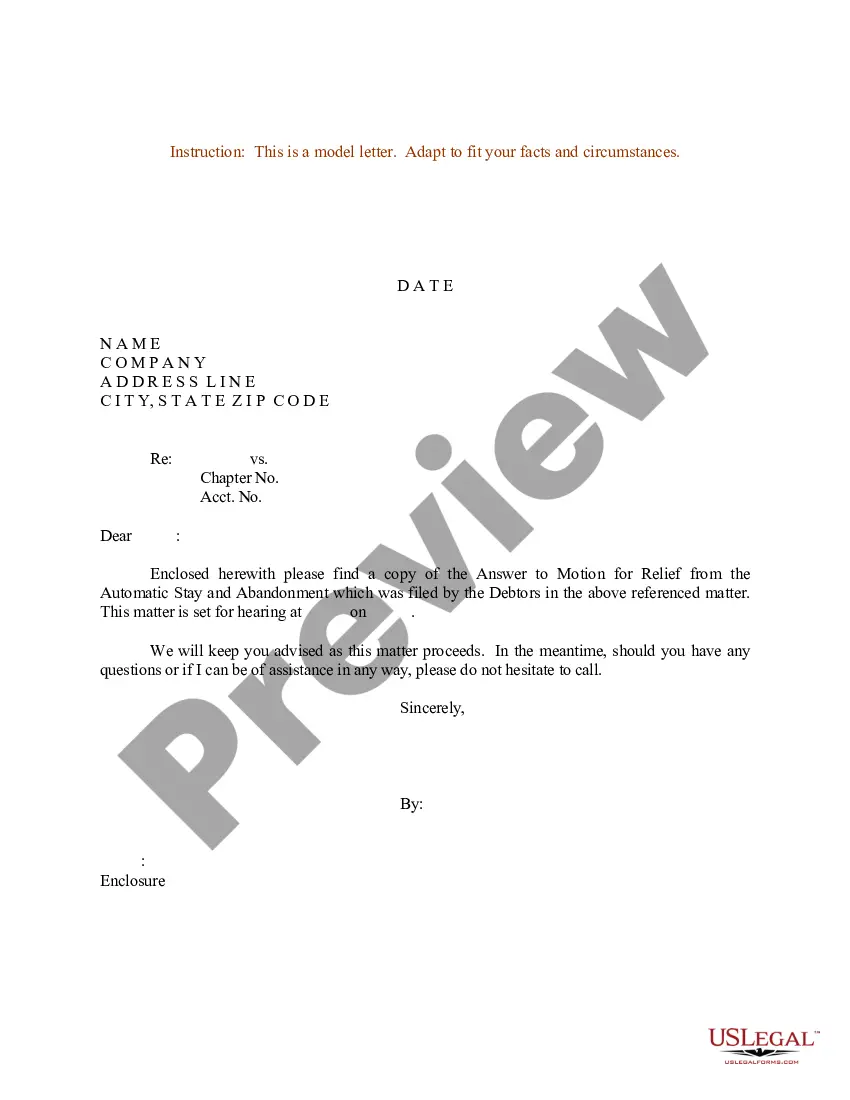
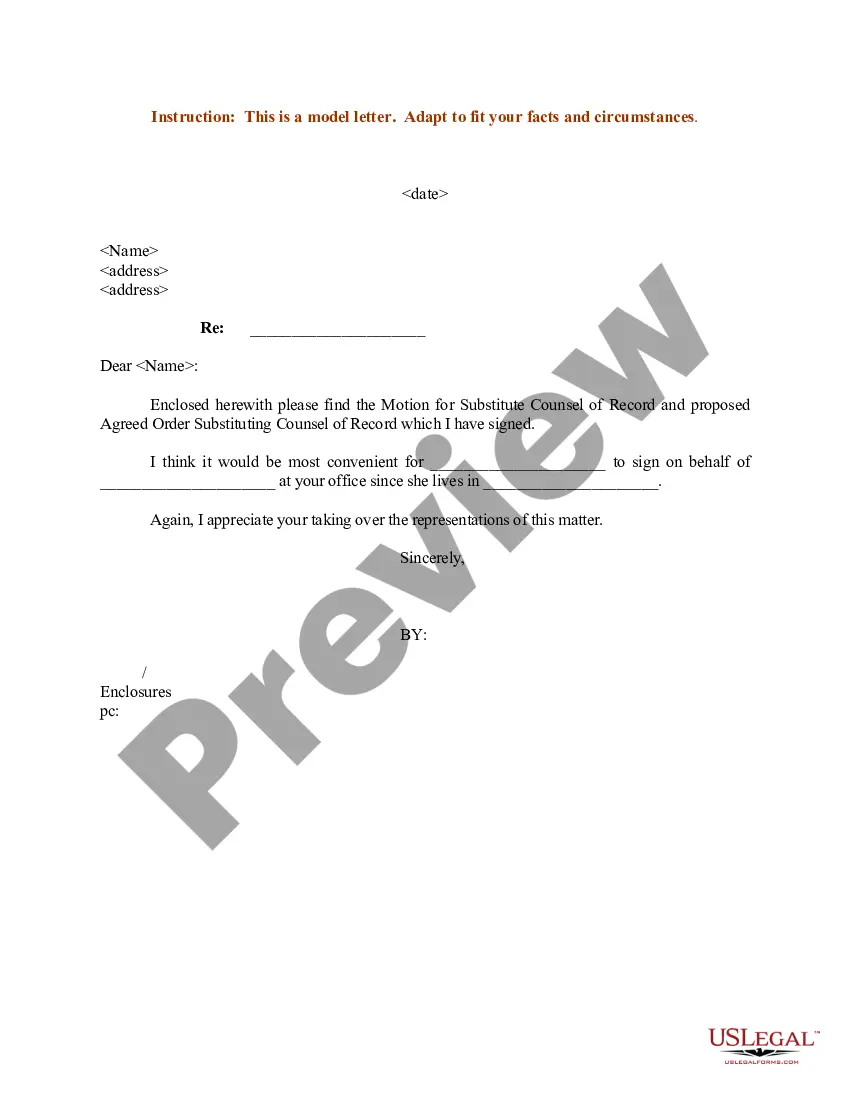
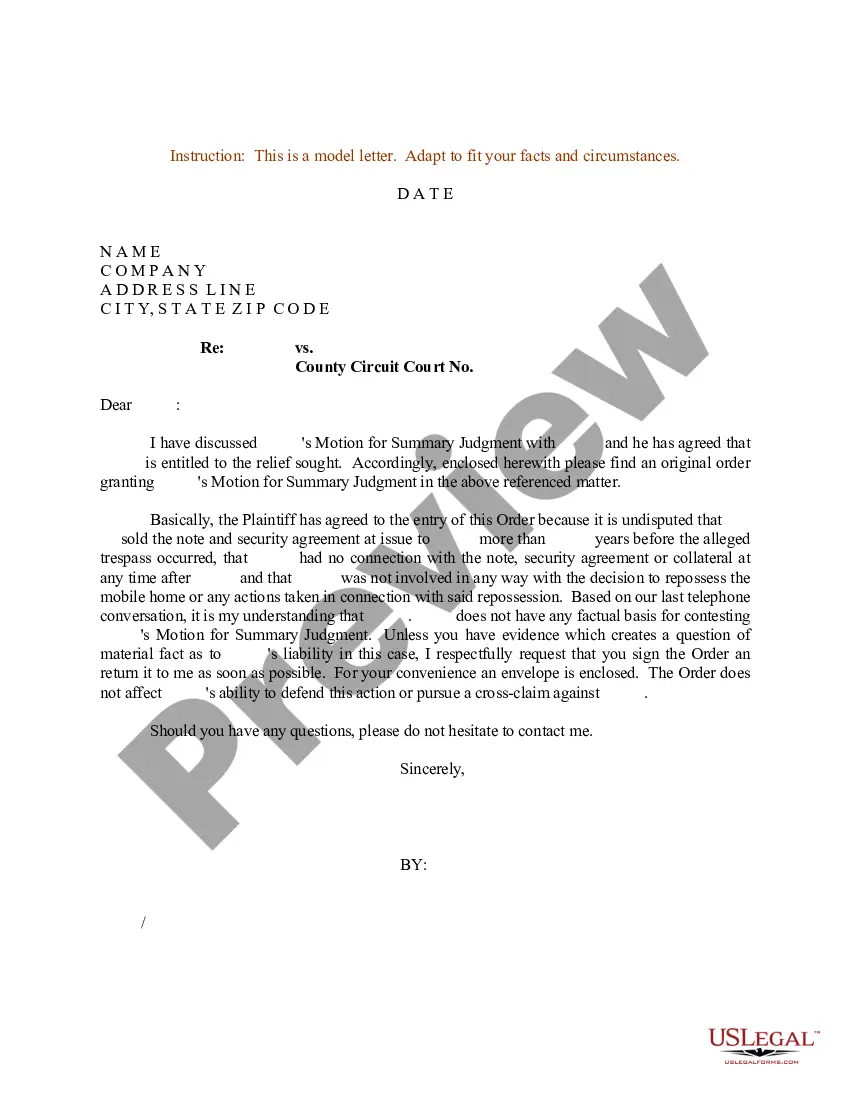
How to fill out Sample Letter For Response In Connection With Motions For Summary Judgment?
The Motion For Post Trial Relief Pennsylvania presented on this page is a reusable official template developed by experienced attorneys in accordance with federal and state laws.
For over 25 years, US Legal Forms has supplied individuals, groups, and legal experts with over 85,000 authenticated, location-specific forms for various business and personal circumstances. It is the quickest, simplest, and most reliable method to acquire the documentation you require, as the service ensures the highest standard of data protection and anti-malware safety.
Register for US Legal Forms to have genuine legal templates for all of life’s situations readily available.
- Search for the document you require and review it.
- Browse the sample you searched and preview it or review the form details to verify it meets your needs. If it doesn’t, utilize the search function to find the correct one. Click Buy Now when you have found the necessary template.
- Enroll and Log In.
- Select the pricing plan that fits you and set up an account. Utilize PayPal or a credit card for a swift payment. If you already possess an account, Log In and verify your subscription to move forward.
- Obtain the editable template.
- Select the format you prefer for your Motion For Post Trial Relief Pennsylvania (PDF, DOCX, RTF) and download the document onto your device.
- Fill out and sign the document.
- Print the template for manual completion. Alternatively, use an online multifunctional PDF editor to quickly and accurately fill out and sign your form with an eSignature.
- Redownload your documents as needed.
- Reutilize the same document anytime required. Access the My documents tab in your profile to redownload any previously saved forms.
Form popularity
FAQ
Rule 1035.2 in Pennsylvania allows for the filing of a motion for summary judgment in civil cases. While primarily applicable in civil litigation, understanding this rule enhances the knowledge base for legal practitioners, especially when drafting a Motion for post trial relief in Pennsylvania. It emphasizes the importance of presenting clear and indisputable evidence to support one's claims, which can be a critical aspect of post-conviction motions.
An example of a post-conviction relief motion is a petition for relief based on ineffective assistance of counsel. In this type of motion, a defendant argues that their lawyer's performance was so deficient that it violated their right to a fair trial. Filing such a Motion for post trial relief in Pennsylvania can highlight significant lapses in legal representation that impacted the trial's result.
Rule 4003.2 in Pennsylvania outlines the procedures for the disclosure of evidence prior to trial. This rule mandates that parties disclose evidence they intend to use at trial, ensuring fairness and transparency in legal proceedings. Understanding this rule is important when filing a Motion for post trial relief in Pennsylvania, as it establishes if any evidence was improperly withheld, potentially affecting the trial's outcome.
The most common type of post-conviction relief is a Motion for post trial relief in Pennsylvania, which focuses on errors that occurred during the trial process. This can include errors in jury instructions, evidentiary rulings, or the admission of evidence that negatively impacted the defense. These motions are crucial as they can lead to a retrial or even a dismissal of charges if substantial grounds are identified.
The purpose of a Motion for post trial relief in Pennsylvania is to provide individuals with an opportunity to challenge their convictions after the trial has concluded. It aims to address issues such as procedural errors, ineffective assistance of counsel, or newly discovered evidence that could affect the outcome of a case. This legal remedy allows defendants to seek justice and potentially overturn wrongful convictions.
Yes, motions can be made after the trial in Pennsylvania, particularly through the process known as a Motion for Post Trial Relief Pennsylvania. This type of motion enables defendants to address issues such as procedural errors, ineffective assistance of counsel, or newly discovered evidence. Utilizing such motions can provide a crucial opportunity to challenge or amend the trial's verdict. For effective filing, you might consider using resources like US Legal Forms to guide you through the process.
A Petition for the Post Conviction Relief Act in Pennsylvania allows individuals to seek a review of their conviction after the trial has concluded. This process is essential for those who believe errors occurred during their trial or sentencing. By filing this petition, you can request the court to reconsider the evidence or claims that may have affected the outcome. Understanding how to navigate this legal option can be vital for obtaining a fair resolution after your trial.
A posttrial motion refers to requests made after a trial has concluded, and one prominent example includes a motion for post trial relief in Pennsylvania. This type of motion addresses issues like claims of trial errors or seeking a new trial based on substantive arguments. If you need assistance in identifying and filing the correct posttrial motion, uslegalforms can provide the necessary resources for you.
The most common type of post verdict motion is the motion for judgment notwithstanding the verdict. This motion requests that the court override the jury’s verdict based on insufficient evidence or errors in law. Exploring the option of filing a post verdict motion can be complex, but uslegalforms offers tools to help you understand the procedure and your rights.
The three most common pretrial motions include motions to suppress evidence, motions for a change of venue, and motions for discovery. Each of these motions plays a critical role in shaping the trial process before it begins, allowing parties to address significant legal issues. To navigate pretrial motions effectively, you can utilize uslegalforms for guidance and resources.