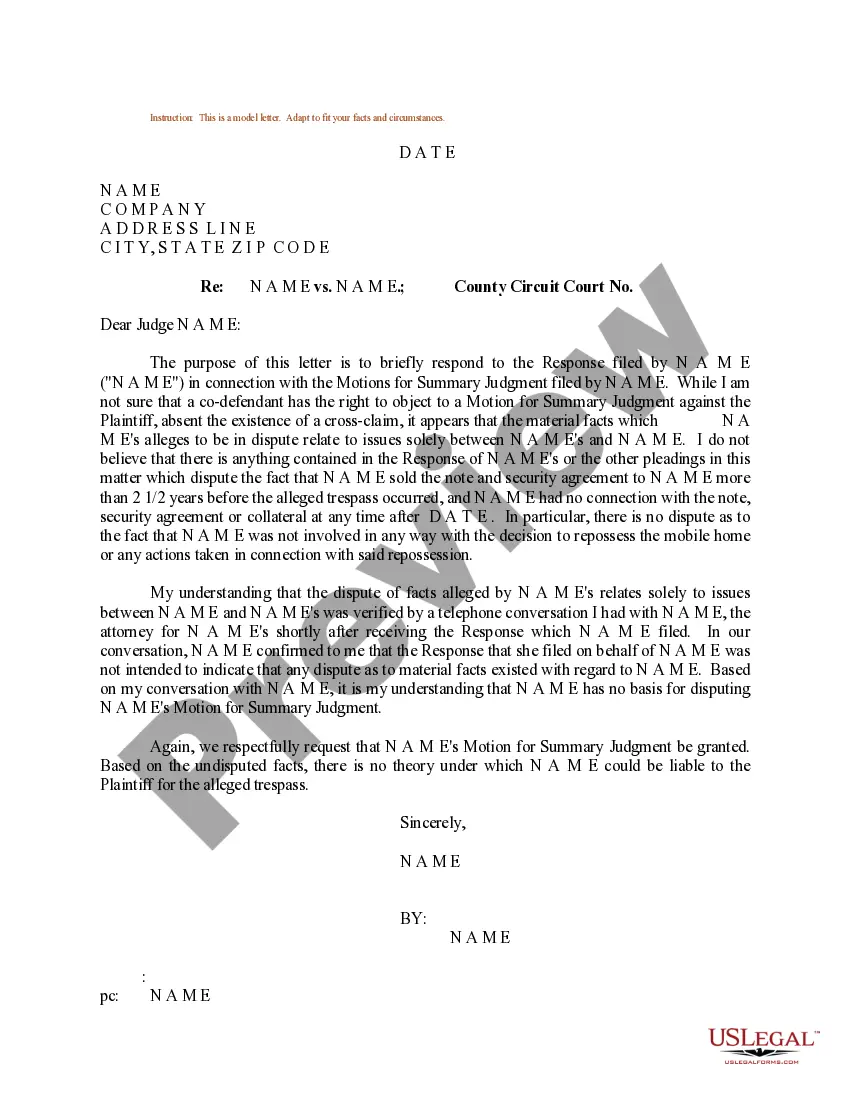
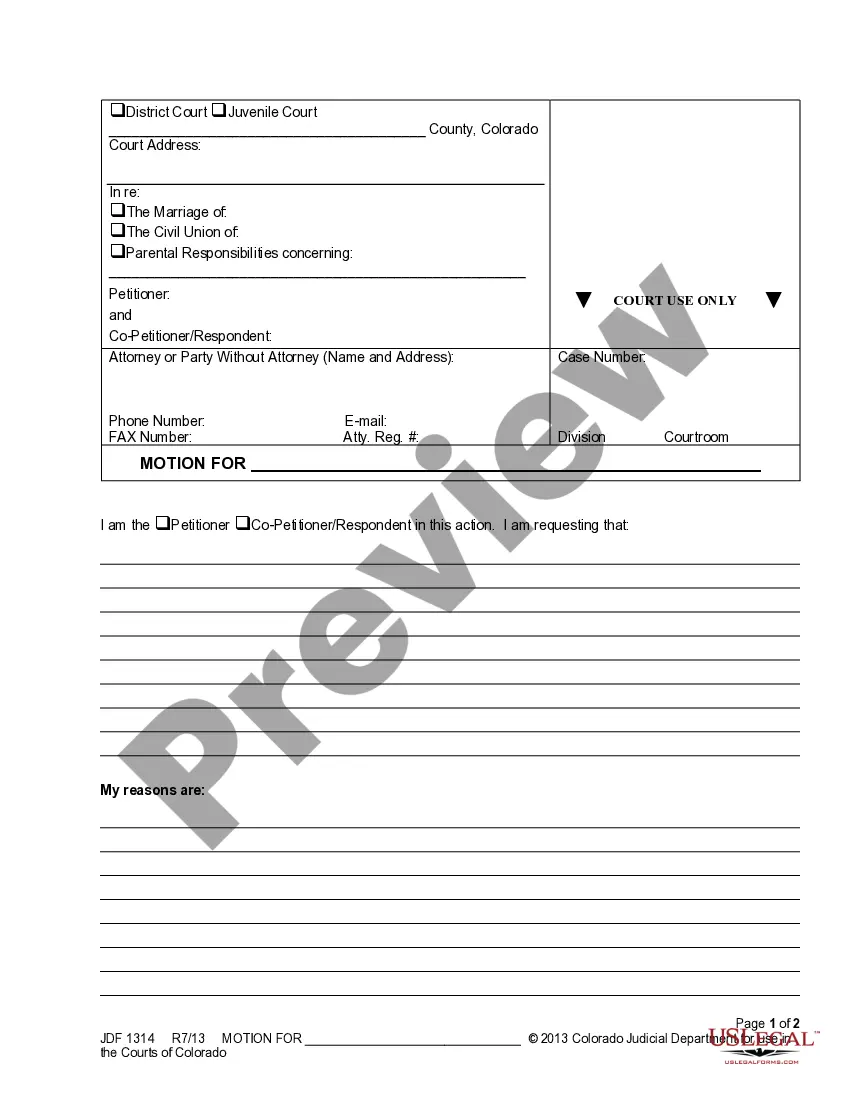
Motion For Post Trial Relief
Description
Get your form ready online
Our built-in tools help you complete, sign, share, and store your documents in one place.
Make edits, fill in missing information, and update formatting in US Legal Forms—just like you would in MS Word.
Download a copy, print it, send it by email, or mail it via USPS—whatever works best for your next step.
Sign and collect signatures with our SignNow integration. Send to multiple recipients, set reminders, and more. Go Premium to unlock E-Sign.
If this form requires notarization, complete it online through a secure video call—no need to meet a notary in person or wait for an appointment.
We protect your documents and personal data by following strict security and privacy standards.

Make edits, fill in missing information, and update formatting in US Legal Forms—just like you would in MS Word.

Download a copy, print it, send it by email, or mail it via USPS—whatever works best for your next step.

Sign and collect signatures with our SignNow integration. Send to multiple recipients, set reminders, and more. Go Premium to unlock E-Sign.

If this form requires notarization, complete it online through a secure video call—no need to meet a notary in person or wait for an appointment.

We protect your documents and personal data by following strict security and privacy standards.
Looking for another form?
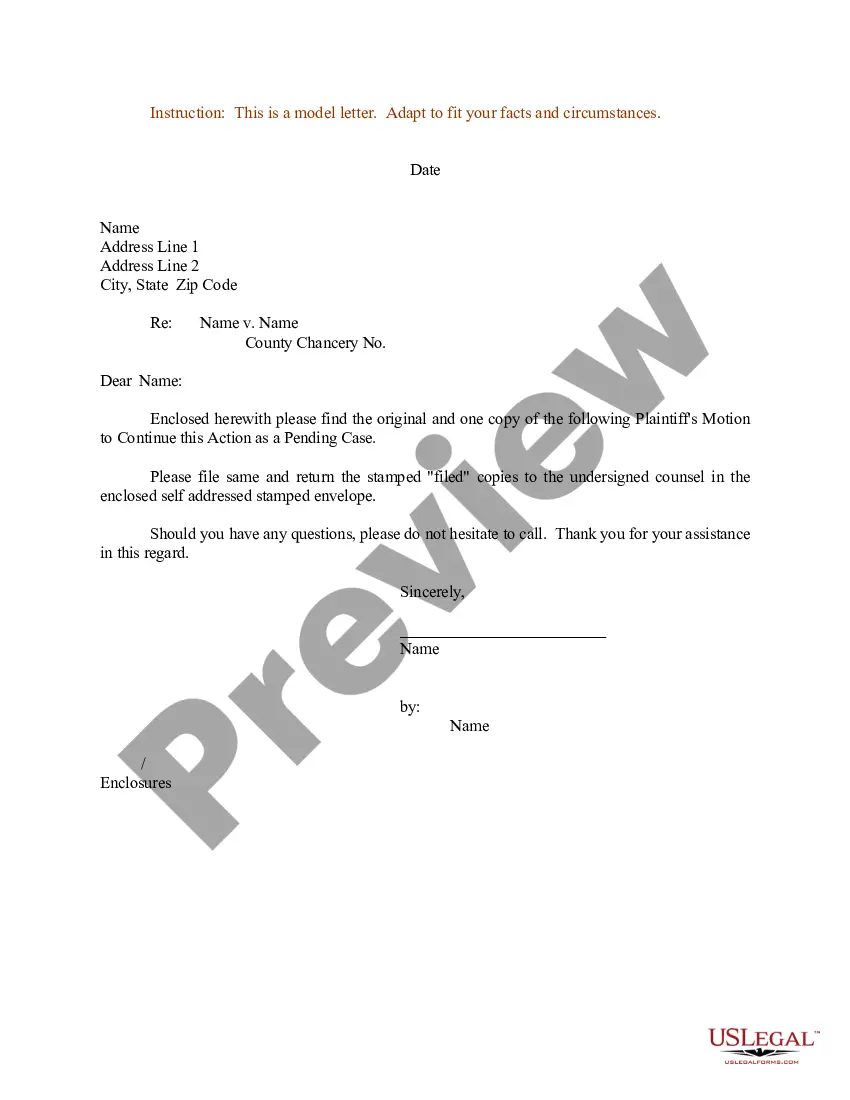
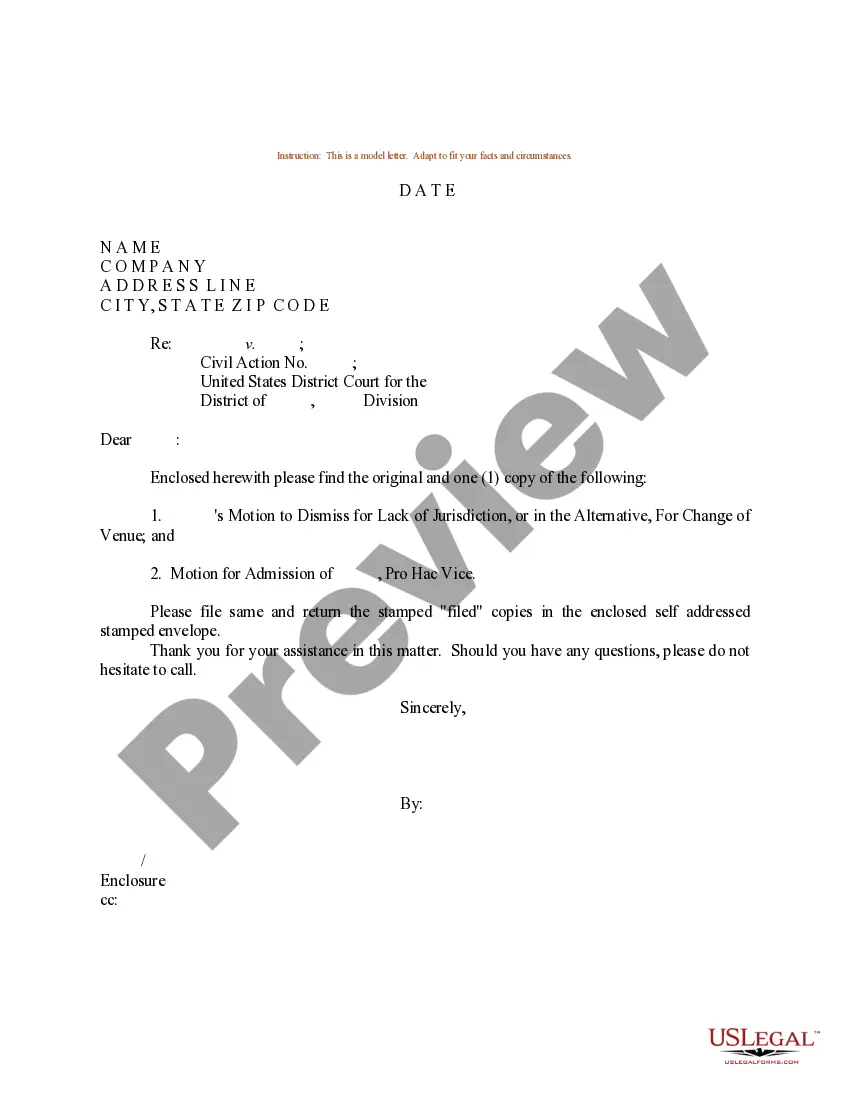
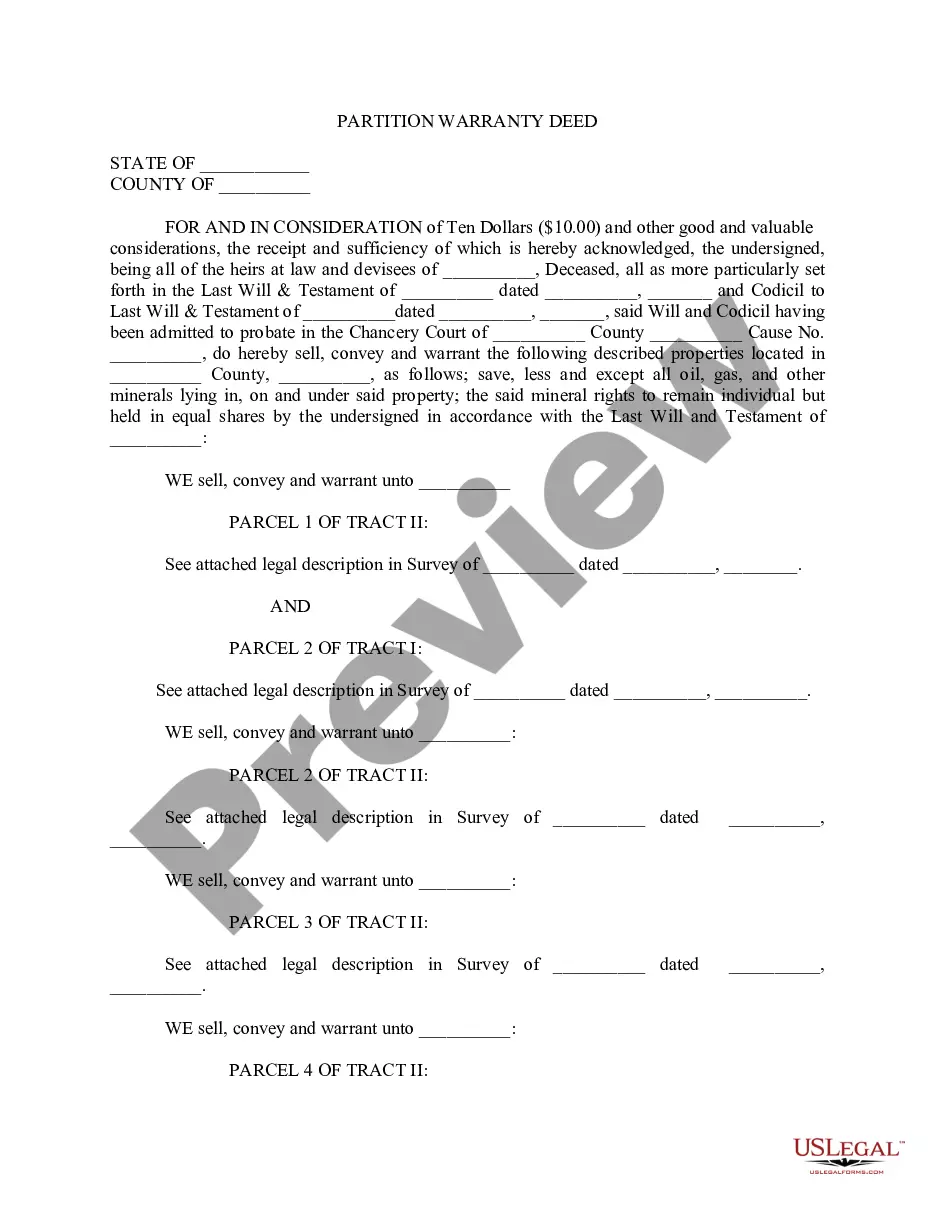
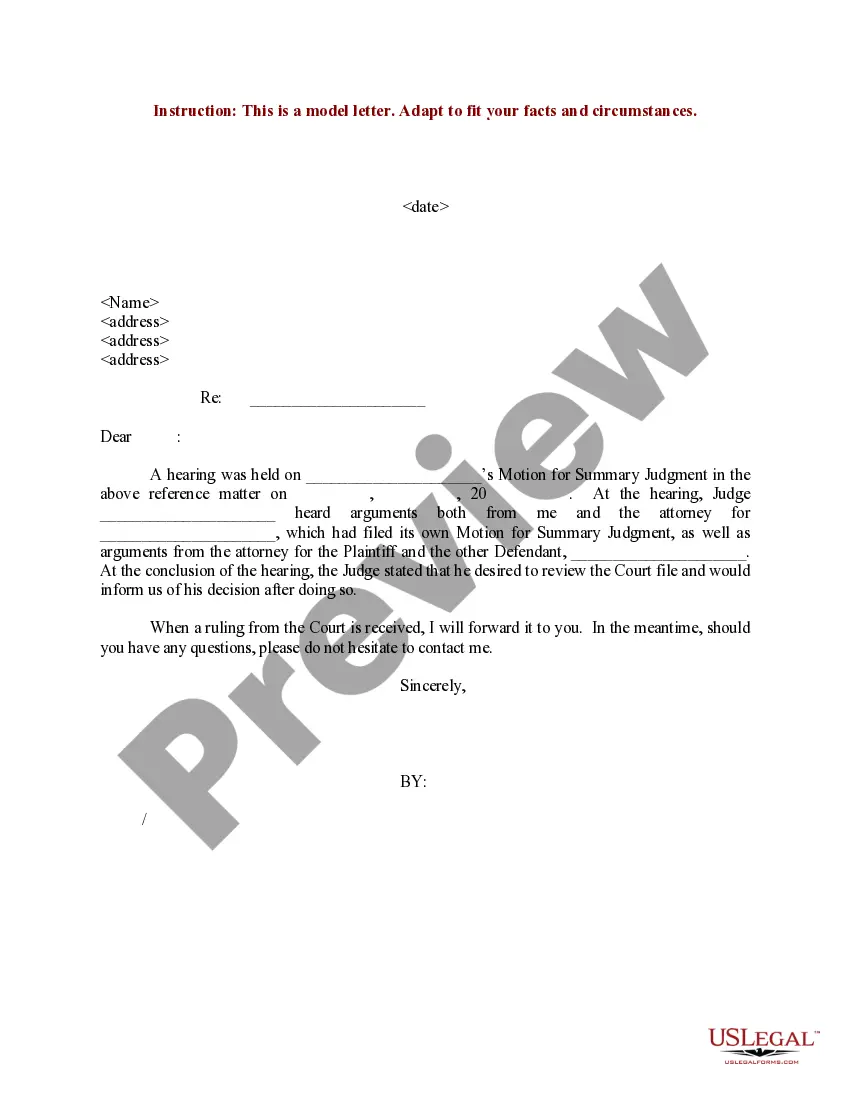
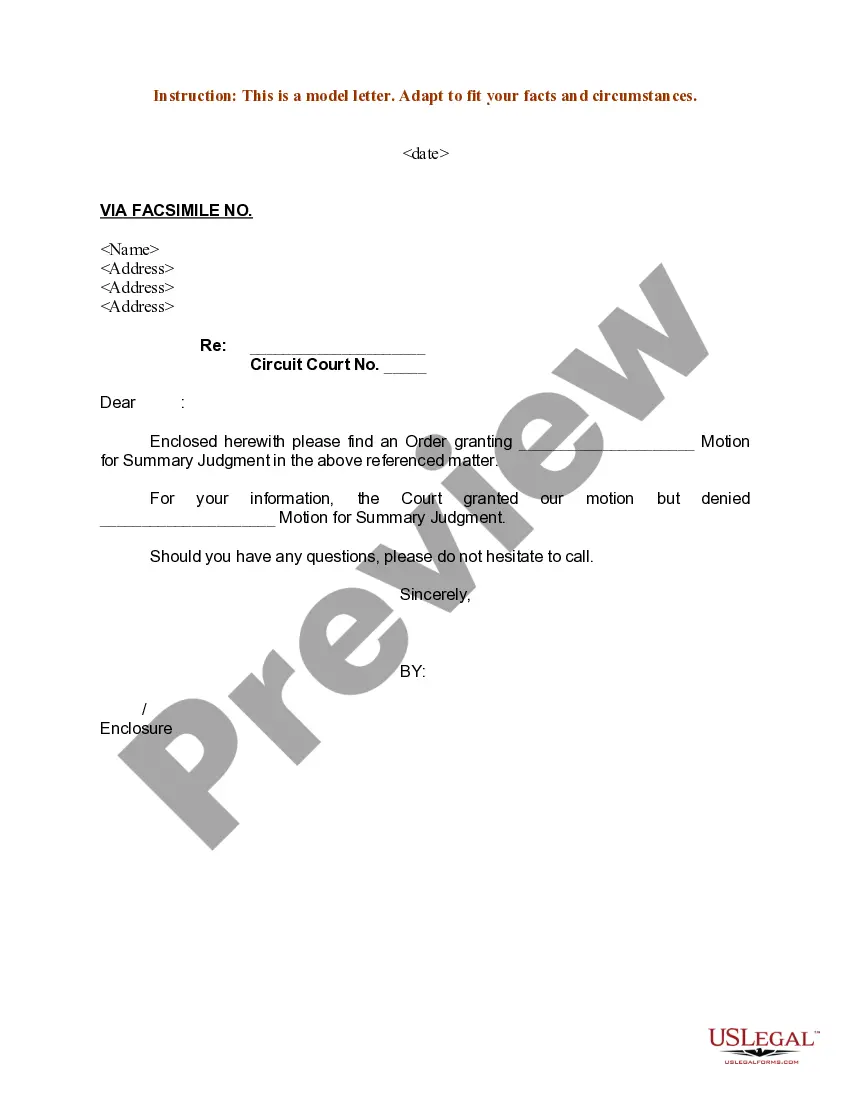
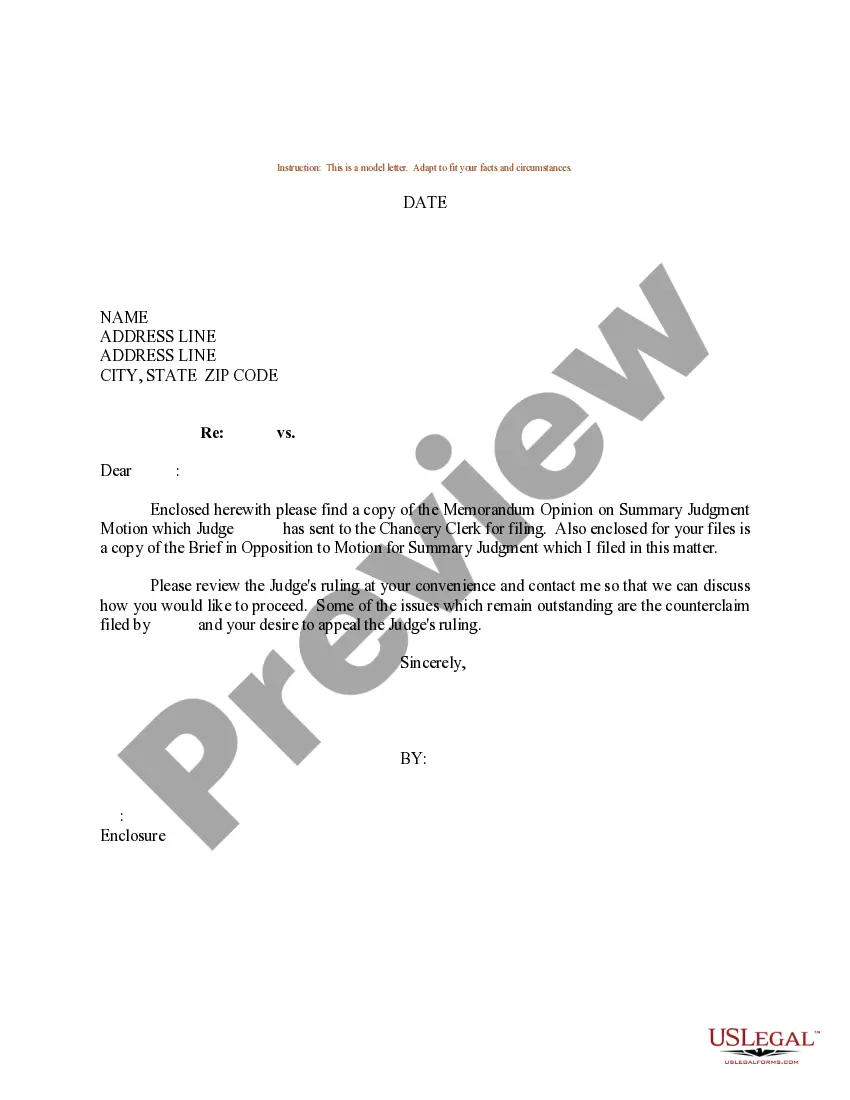
How to fill out Sample Letter For Response In Connection With Motions For Summary Judgment?
Whether for professional objectives or personal issues, everyone must confront legal matters at some point in their lives.
Filling out legal documentation necessitates meticulous care, starting with selecting the appropriate form template.
With an extensive US Legal Forms collection available, you won’t have to waste time searching for the right template online. Take advantage of the library’s straightforward navigation to find the suitable form for any situation.
- Locate the template you require using the search bar or catalog browsing.
- Review the form’s details to ensure it corresponds with your circumstances, state, and locality.
- Click on the form’s preview to inspect it.
- If it is the incorrect document, return to the search feature to find the Motion For Post Trial Relief example you need.
- Download the template once it satisfies your requirements.
- If you have a US Legal Forms account, simply click Log in to access previously saved templates in My documents.
- If you don’t have an account yet, you can acquire the form by clicking Buy now.
- Select the appropriate pricing option.
- Fill out the profile registration form.
- Choose your payment method: you can use a credit card or PayPal account.
- Select the document format you prefer and download the Motion For Post Trial Relief.
- Once it is downloaded, you can complete the form using editing software or print it out and finish it by hand.
Form popularity
FAQ
The three most common post-trial motions are for a new trial, for judgment notwithstanding the verdict, and for a directed verdict. Each of these motions serves different purposes, from challenging the jury's decision to requesting a complete redo of the trial. By understanding these motions, individuals can better navigate the post-conviction process and utilize a motion for post trial relief effectively.
An example of post-conviction relief might include a court overturning a conviction based on newly discovered evidence. In such cases, a defendant may file a motion for post trial relief to present this new information, which was not available during the original trial. This process can lead to exoneration and justice for the wrongly convicted.
An example of a post-conviction relief motion is a motion claiming ineffective assistance of counsel. In this scenario, a defendant argues that their lawyer did not provide adequate representation, impacting the trial's outcome. Such motions can serve as a valid reason to file a motion for post trial relief and potentially lead to a new trial or other remedies.
Preparing for a post-conviction relief hearing involves gathering all relevant documents and evidence that support your case. You should review the trial record, identify mistakes or procedural issues, and develop a strong legal argument. Utilizing resources like US Legal Forms can help you access the necessary forms and guidelines to effectively file a motion for post trial relief.
trial motion is a request made to a court after a trial has concluded. It allows a party to seek a change in the trial's outcome based on specific grounds, such as errors in the trial process. With a motion for post trial relief, defendants can address issues like wrongful convictions or improper jury instructions, which can lead to significant changes in their case.
Post-trial relief is a legal process that allows individuals to seek changes to a court's decision after a trial has finished. It includes various motions, such as a motion for post trial relief, which can request a new trial or alterations to sentences based on errors identified during the trial. This avenue helps maintain the integrity of the judicial process and ensures that legal rights are protected. Understanding the options for post-trial relief can empower individuals facing challenging outcomes.
The purpose of post-conviction relief is to rectify injustices that may have occurred during the original trial. This legal remedy helps ensure that every party receives a fair trial and the correct verdict is upheld. By utilizing a motion for post trial relief, individuals can challenge convictions based on new evidence or mistakes made during the trial process. The ultimate goal is to uphold justice and fairness in the legal system.
The most common type of post-conviction relief is the motion for post trial relief, which seeks to correct any legal errors that may have impacted the case's outcome. This type of motion can lead to appeals or new trials if substantial errors are identified. It serves as a crucial mechanism for safeguarding against wrongful convictions. Understanding your rights regarding post-conviction relief can help you navigate this complex legal landscape.
Post-trial refers to the period after a trial has concluded, encompassing the actions taken by a party regarding the trial's outcome. The term specifically relates to motions filed following the verdict. During this stage, parties can challenge decisions made during the trial through tools like a motion for post trial relief. It is an essential aspect of the legal process that can lead to reviewing outcomes.
The purpose of a post-trial motion is to seek a review or alteration of a trial court's decision after the trial has concluded. It allows defendants to argue that errors occurred during the trial that may have affected the verdict. By filing a motion for post trial relief, individuals can request a new trial, reduce sentences, or reverse judgments. This motion serves as an important tool to ensure justice is served.