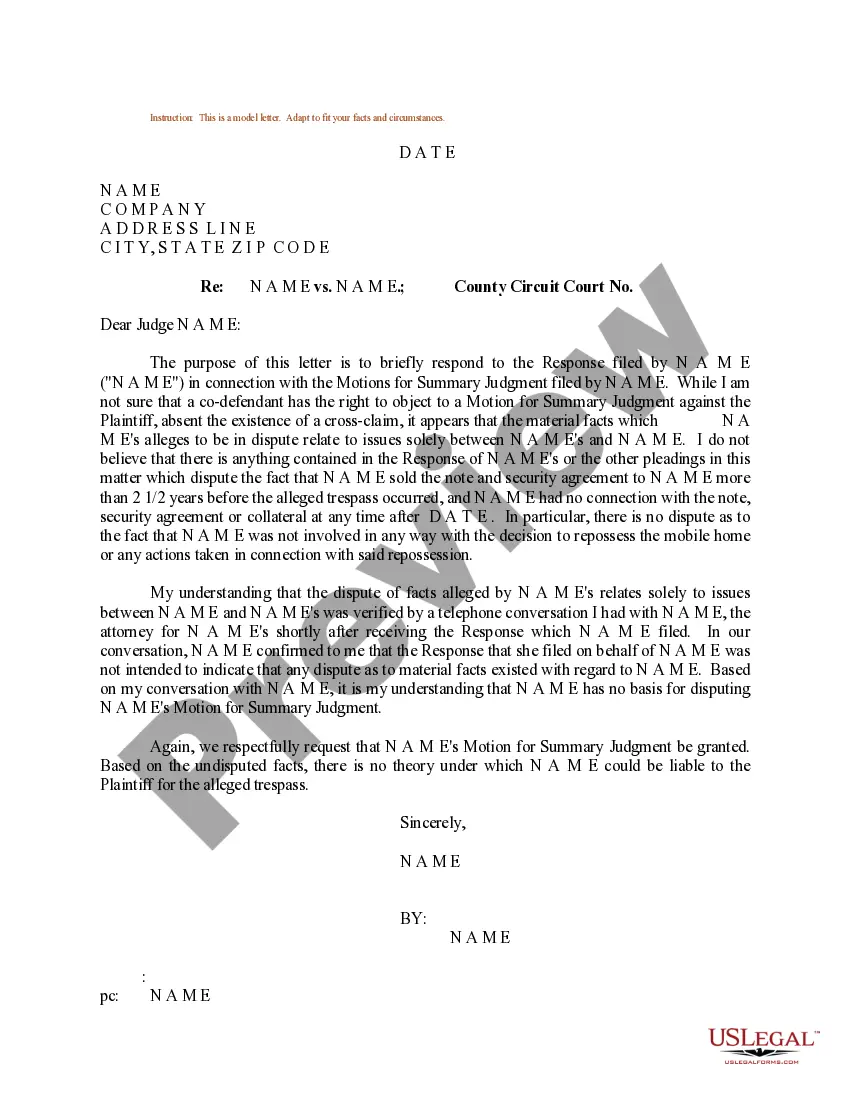
Motion For Order Vacating Proceedings Supplemental Hearing
Description
Get your form ready online
Our built-in tools help you complete, sign, share, and store your documents in one place.
Make edits, fill in missing information, and update formatting in US Legal Forms—just like you would in MS Word.
Download a copy, print it, send it by email, or mail it via USPS—whatever works best for your next step.
Sign and collect signatures with our SignNow integration. Send to multiple recipients, set reminders, and more. Go Premium to unlock E-Sign.
If this form requires notarization, complete it online through a secure video call—no need to meet a notary in person or wait for an appointment.
We protect your documents and personal data by following strict security and privacy standards.

Make edits, fill in missing information, and update formatting in US Legal Forms—just like you would in MS Word.

Download a copy, print it, send it by email, or mail it via USPS—whatever works best for your next step.

Sign and collect signatures with our SignNow integration. Send to multiple recipients, set reminders, and more. Go Premium to unlock E-Sign.

If this form requires notarization, complete it online through a secure video call—no need to meet a notary in person or wait for an appointment.

We protect your documents and personal data by following strict security and privacy standards.
Looking for another form?
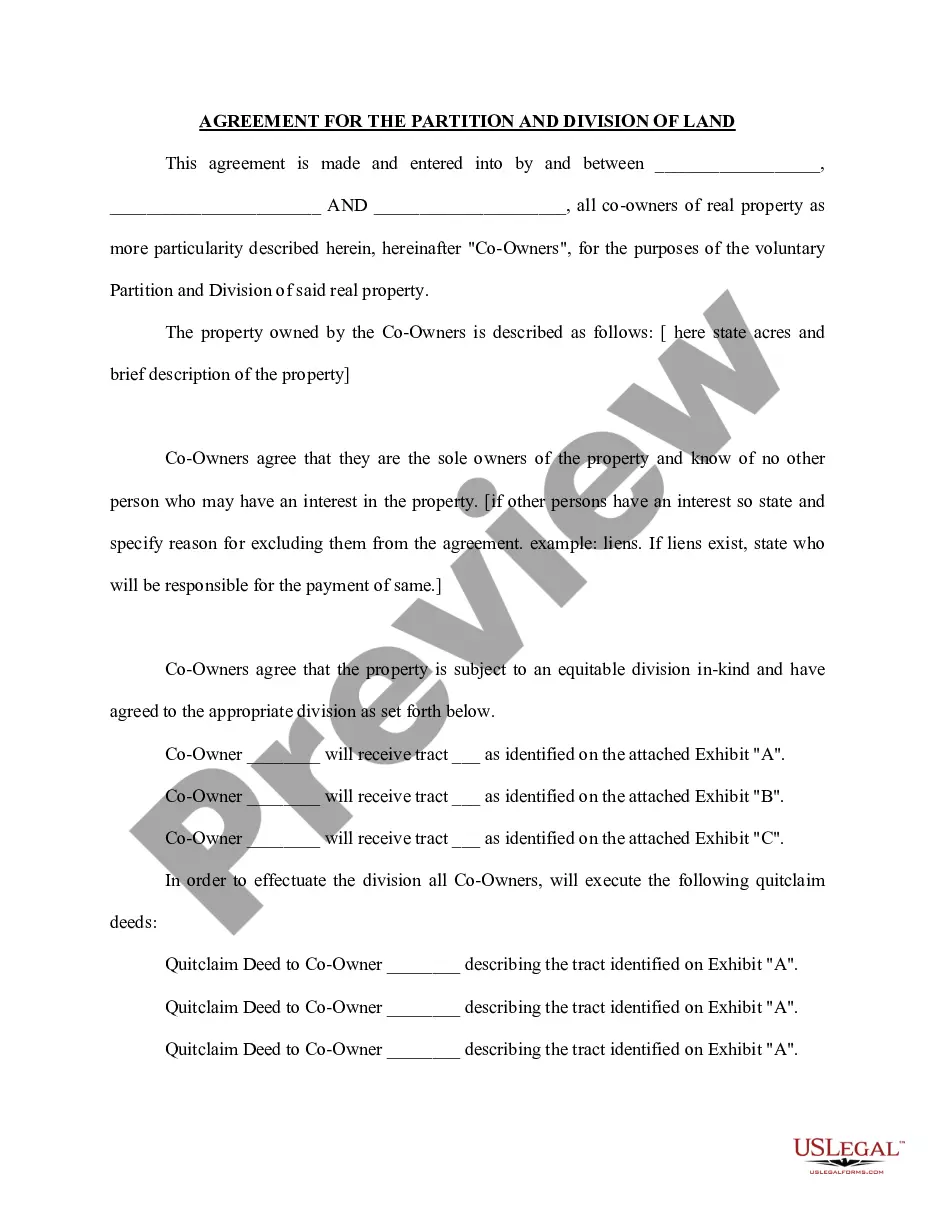
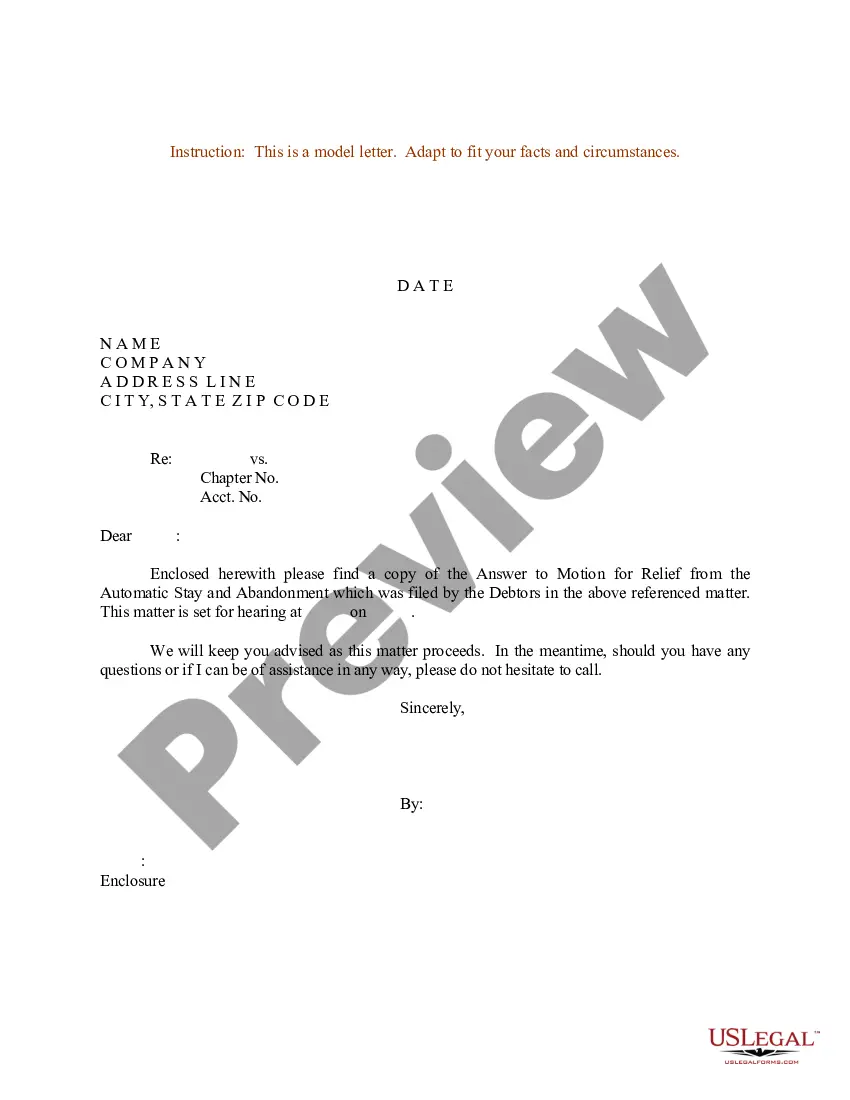
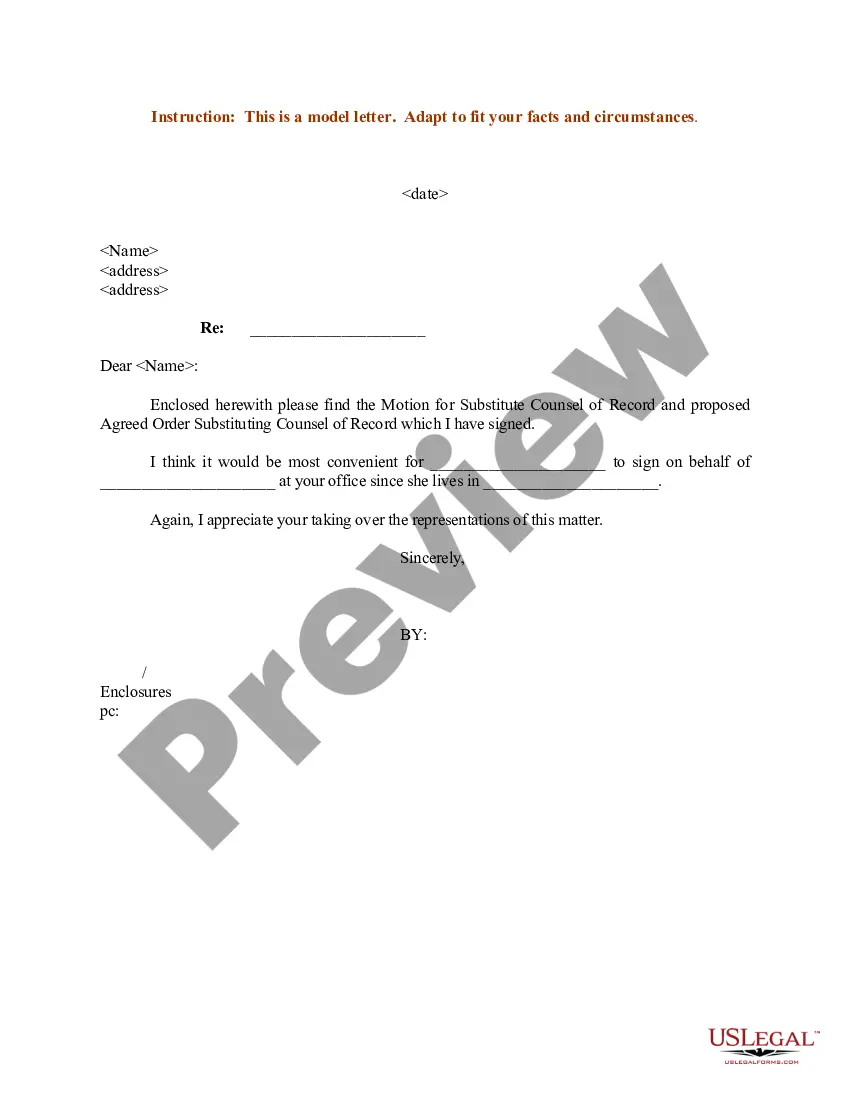
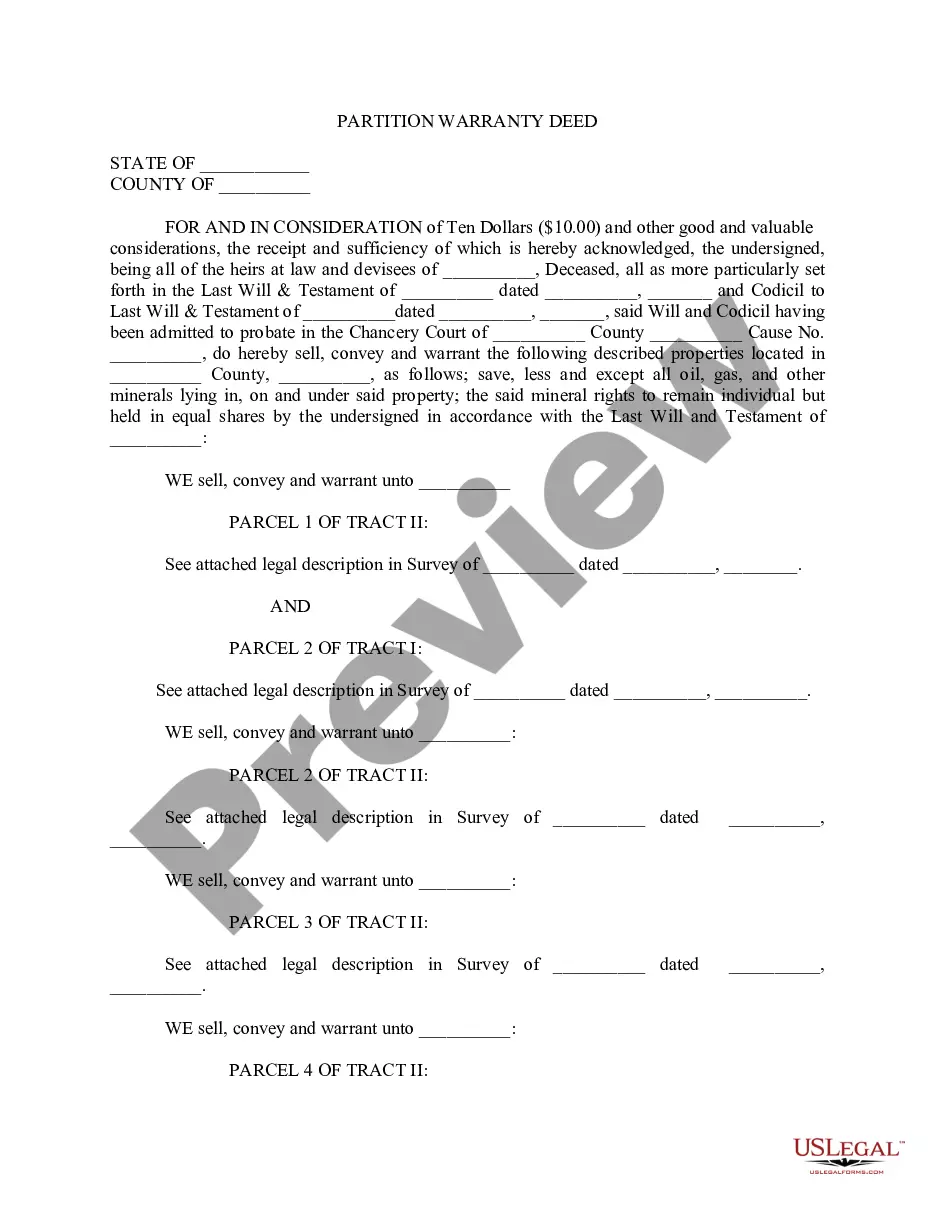
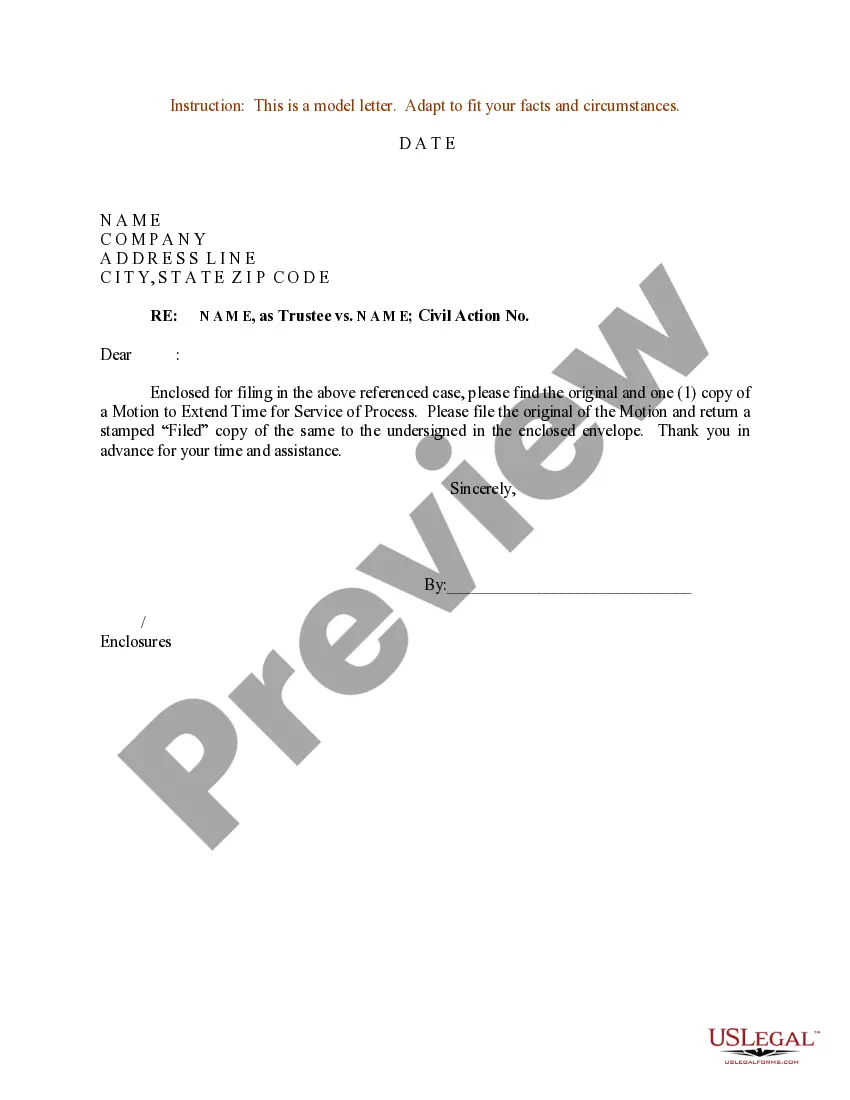
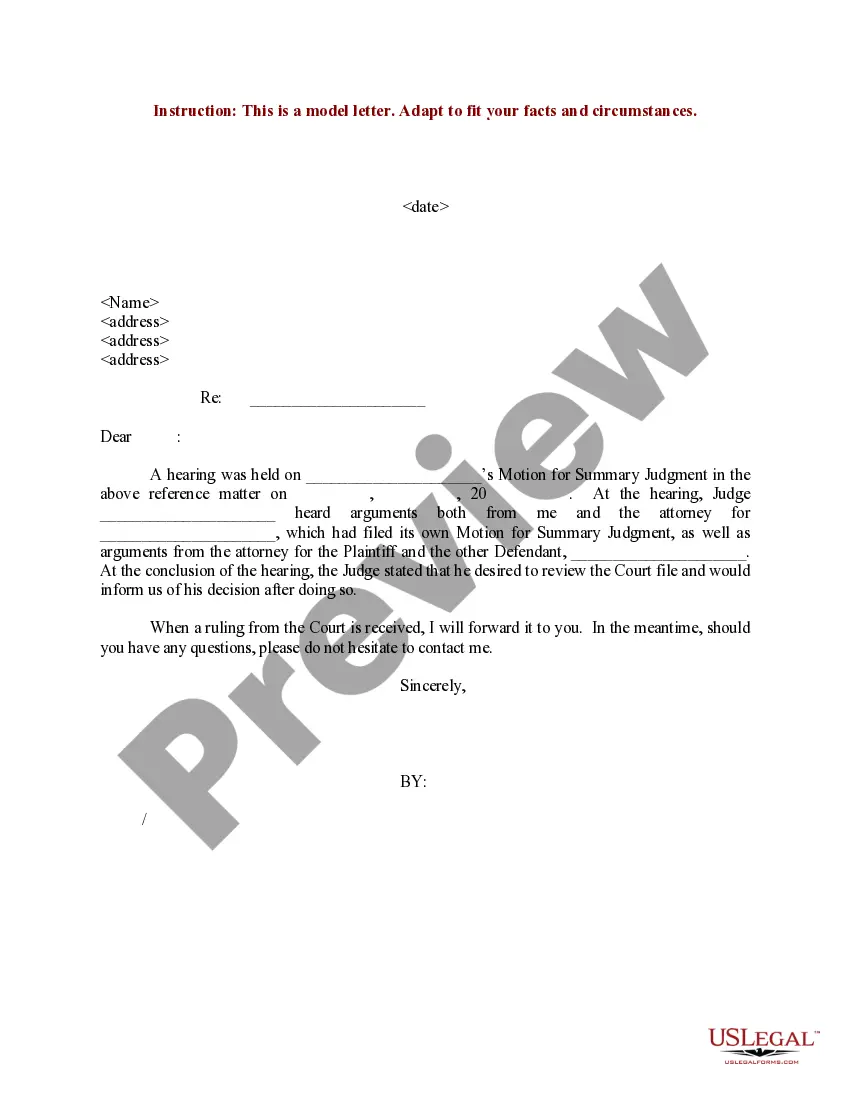
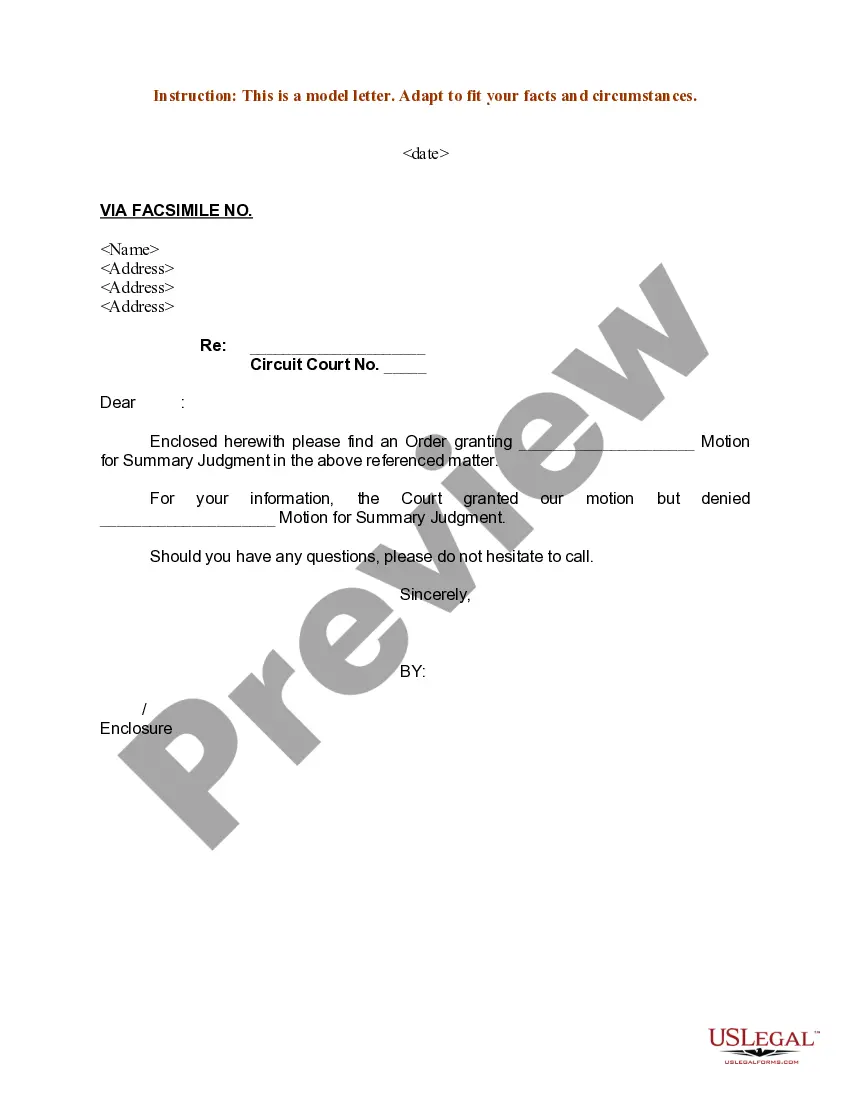
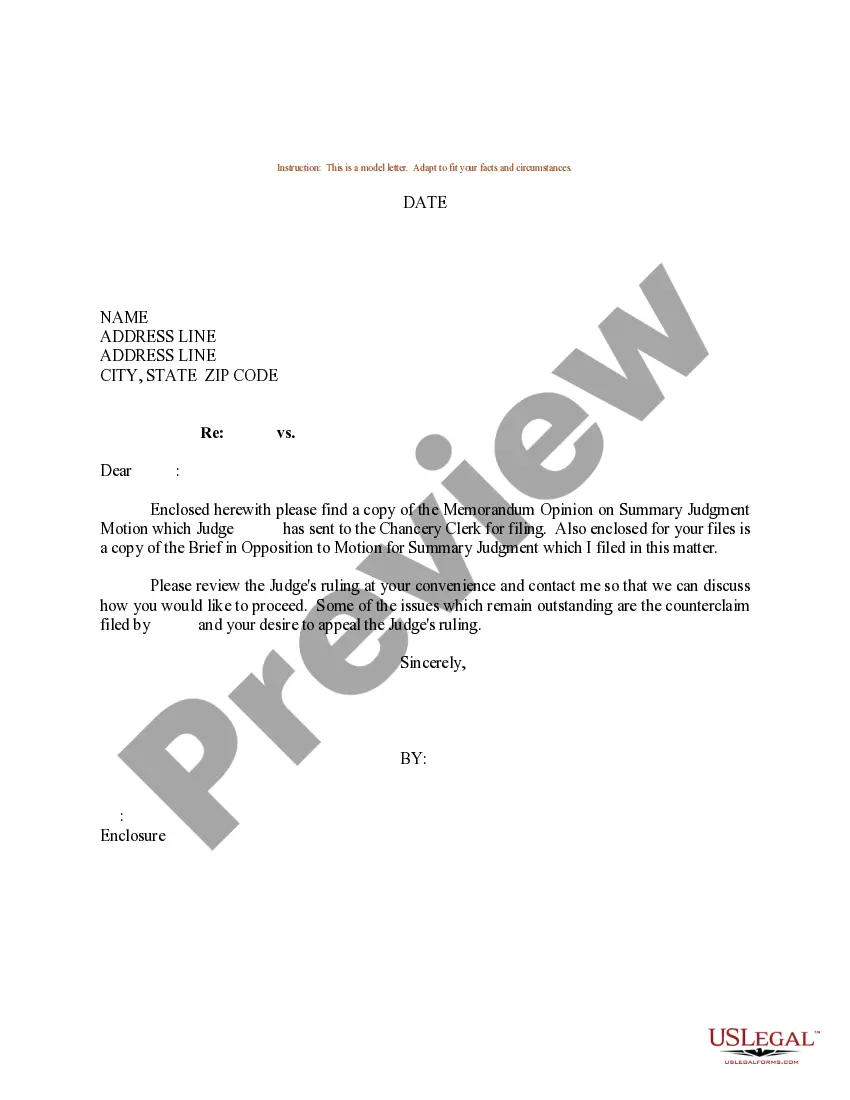
How to fill out Sample Letter For Response In Connection With Motions For Summary Judgment?
Regardless of whether for commercial reasons or individual issues, everyone must confront legal matters at some point in their life.
Completing legal paperwork requires meticulous consideration, starting with selecting the appropriate form template. For example, if you choose an incorrect version of the Motion For Order Vacating Proceedings Supplemental Hearing, it will be rejected once submitted.
With an extensive US Legal Forms library available, you won’t have to waste time searching for the correct template online. Utilize the library’s straightforward navigation to discover the right template for any circumstance.
- Locate the template you require by utilizing the search bar or catalog browsing.
- Review the description of the form to confirm it aligns with your case, state, and locality.
- Click on the form’s preview to inspect it.
- If it is the incorrect document, return to the search tool to find the Motion For Order Vacating Proceedings Supplemental Hearing template you need.
- Download the file if it satisfies your criteria.
- If you possess a US Legal Forms account, click Log in to access previously saved documents in My documents.
- If you do not yet have an account, you may acquire the form by clicking Buy now.
- Choose the suitable pricing option.
- Complete the account registration form.
- Select your payment method: you can use a credit card or PayPal account.
- Choose the document format you prefer and download the Motion For Order Vacating Proceedings Supplemental Hearing.
- Once saved, you can complete the form using editing software or print it out and finish it manually.
Form popularity
FAQ
Texas law states a clear distinction between forged deeds and fraudulent deeds. Forged deeds are declared as void, passes no title, and are treated as null. A fraudulent deed is voidable and will be passable until set aside or struck down by the Court.
Property Code, Section 11.003). recording fee, the county clerk records and indexes the deed.
Transfers of real property must be in writing and notarized. Deeds should be recorded in the county where the property is located. To ensure a legal change to the property title, you'll want the services of an attorney. A qualified attorney will prepare and file the real estate transfer deed.
FINDING TEXAS LEGISLATION The text of every bill filed since 1991 is available through the Texas Legislature Online Website, .capitol.state.tx.us.
To be legal, a deed must be in writing, signed, delivered, and accepted. A deed must be in writing. You cannot use an oral agreement to transfer real estate. The grantor must sign the deed in front of a notary or two credible witnesses.
In short, a legal document by definition is one that outlines an agreement between two or more parties that has been signed by mutual assent and in all other respects can be relied upon in court.
So, a deed, including warranty deeds and grant deeds, must always be notarized by a notary public and filed in the public records, usually with the county clerk's office; it may also need to be witnessed. This is why you should hire a notary who can render notary services to meet your needs.
However, Texas does have certain requirements in order for a deed to be deemed valid. For example, the parties should be named, the intent to convey property must be clear from the wording, the property must be sufficiently described, and the deed must be signed and acknowledged by the grantor.