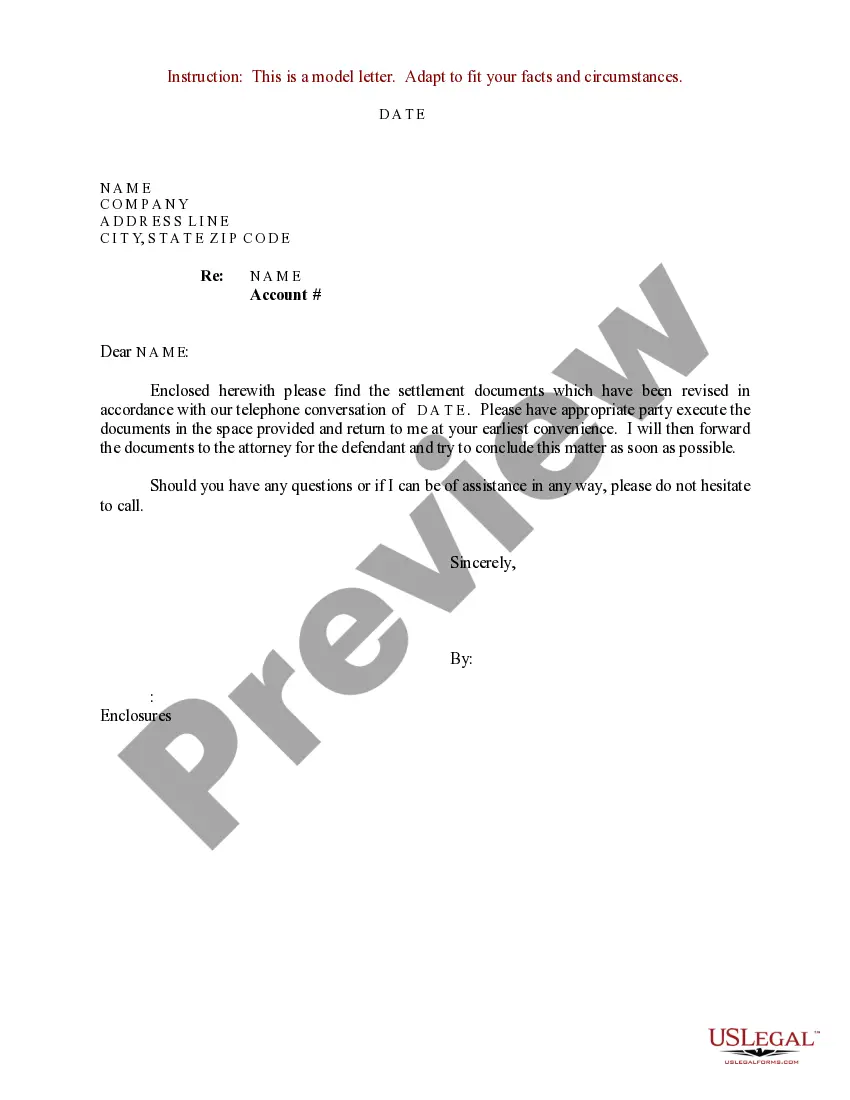
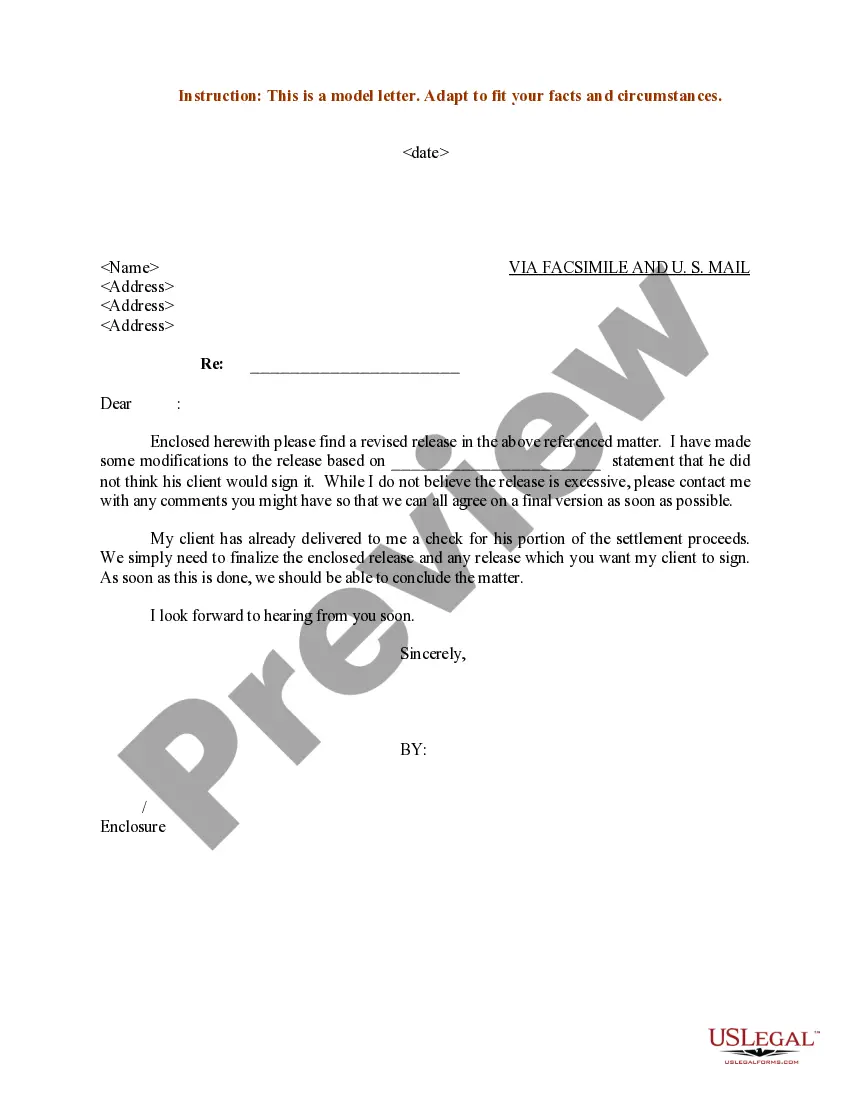
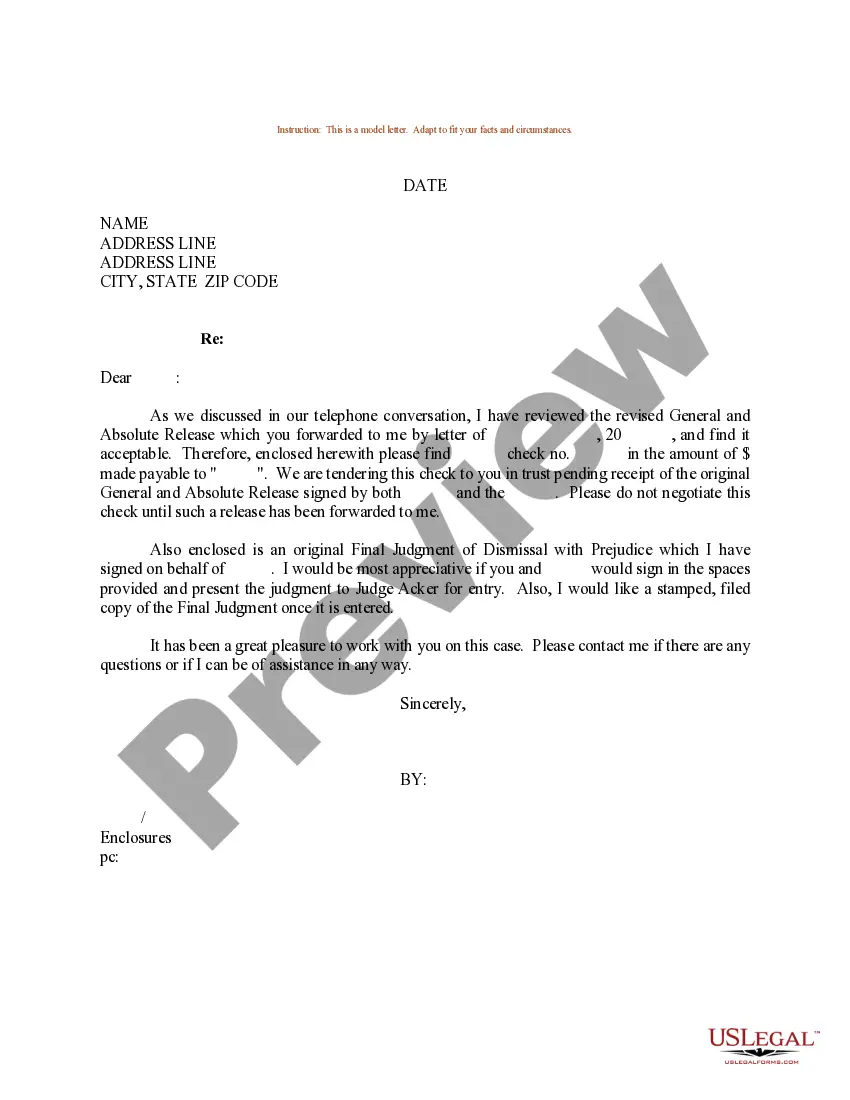
Settlement Agreement With Employer
Description
Get your form ready online
Our built-in tools help you complete, sign, share, and store your documents in one place.
Make edits, fill in missing information, and update formatting in US Legal Forms—just like you would in MS Word.
Download a copy, print it, send it by email, or mail it via USPS—whatever works best for your next step.
Sign and collect signatures with our SignNow integration. Send to multiple recipients, set reminders, and more. Go Premium to unlock E-Sign.
If this form requires notarization, complete it online through a secure video call—no need to meet a notary in person or wait for an appointment.
We protect your documents and personal data by following strict security and privacy standards.

Make edits, fill in missing information, and update formatting in US Legal Forms—just like you would in MS Word.

Download a copy, print it, send it by email, or mail it via USPS—whatever works best for your next step.

Sign and collect signatures with our SignNow integration. Send to multiple recipients, set reminders, and more. Go Premium to unlock E-Sign.

If this form requires notarization, complete it online through a secure video call—no need to meet a notary in person or wait for an appointment.

We protect your documents and personal data by following strict security and privacy standards.
Looking for another form?

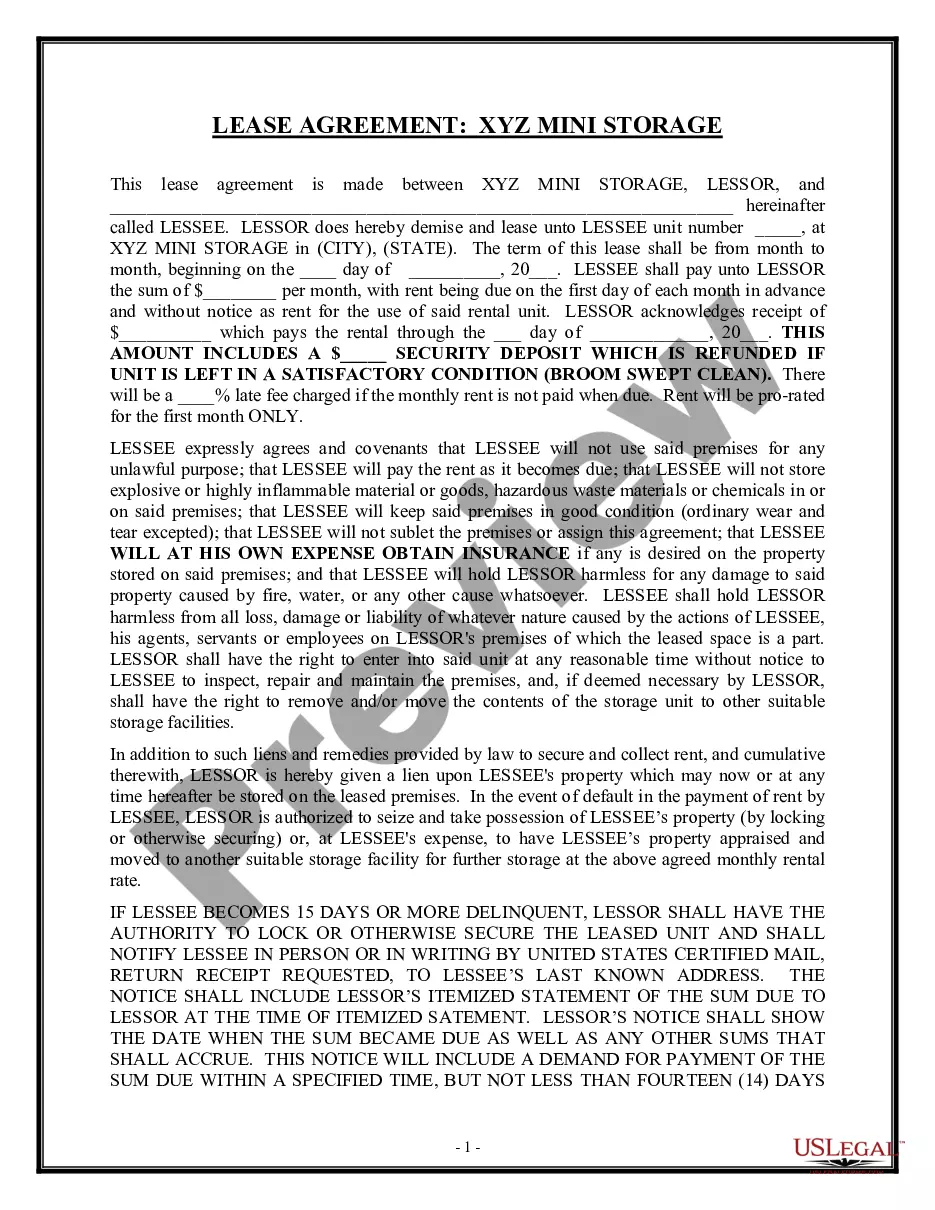
How to fill out Sample Letter For Revised Settlement Documents?
It's clear that you cannot transform into a legal expert instantly, nor can you swiftly learn how to draft a Settlement Agreement With Employer without possessing a specialized background.
Producing legal documents is a lengthy procedure that demands specific education and expertise. So why not entrust the drafting of the Settlement Agreement With Employer to the experts.
With US Legal Forms, one of the most extensive legal template collections, you can access everything from court paperwork to templates for internal communication.
If you need a different form, restart your search.
Register for a free account and select a subscription option to acquire the template. Click Buy now. Once the transaction is finalized, you can obtain the Settlement Agreement With Employer, complete it, print it, and send or mail it to the required individuals or organizations.
- We recognize how vital compliance and adherence to federal and state regulations are.
- That's why, on our platform, all templates are location-specific and current.
- Here's how to begin with our platform and obtain the document you require in just minutes.
- Locate the form you need by utilizing the search bar at the top of the page.
- Preview it (if this option is available) and review the accompanying description to determine if the Settlement Agreement With Employer is what you're looking for.
Form popularity
FAQ
One major risk of a settlement agreement with employer is that you may agree to terms that do not fully compensate you for your losses. Additionally, once you settle, you typically waive your right to pursue future claims related to the same issue. It’s crucial to understand all terms before signing, as this decision can have lasting implications.
Many companies prefer to settle out of court as it can save time, legal costs, and public scrutiny. A settlement agreement with employer allows for a controlled resolution, avoiding the unpredictability of a trial. This approach can also help maintain the company's reputation and allow both parties to move on.
Choosing to settle rather than facing dismissal can provide a quicker resolution and reduce stress. A settlement agreement with employer often allows you to negotiate terms that work for you, ensuring you receive compensation without the uncertainty of a court ruling. This choice can also preserve your professional relationships.
The process of a settlement agreement with employer usually begins with negotiations, where both parties discuss terms and conditions. Once an agreement is reached, the document is drafted, outlining the obligations of each party. After both sides review and sign, the agreement becomes legally binding, concluding the dispute.
A reasonable settlement offer typically takes into account various factors, including the specifics of your case, potential damages, and legal fees. It’s important to assess the full picture to ensure the settlement agreement with employer reflects your needs and expectations. Consulting with an attorney can help you determine what constitutes a fair offer.
Settling a dispute with a settlement agreement with employer may lead to receiving less compensation than you might win in court. Additionally, once you settle, you often cannot pursue further legal action related to the issue. This can limit your options and may not address all your concerns, especially if you feel strongly about your case.
Writing a simple settlement agreement with an employer involves clearly stating the agreement's purpose and essential terms. Include sections for the settlement amount, any obligations, and a release clause to protect both parties. Lastly, ensure that both parties sign and date the agreement to make it legally binding.
To write a simple agreement between two parties, begin by stating the names and roles of each party. Next, clearly define the purpose and terms of the agreement, making sure to cover all essential points. Conclude with a section for signatures to confirm both parties' understanding and acceptance.
When structuring a settlement agreement with an employer, start with a clear title and introductory statement. Follow with defined sections that outline the terms, obligations, and rights of both parties. Including a dispute resolution clause and a confidentiality section can also be beneficial for both sides.
To complete a settlement agreement with an employer, first, outline the terms clearly, including the settlement amount and any obligations. Next, both parties should review the document carefully to ensure understanding and agreement. Finally, both parties should sign the document to finalize the agreement, ideally in the presence of witnesses.