Trustee Trust
Description
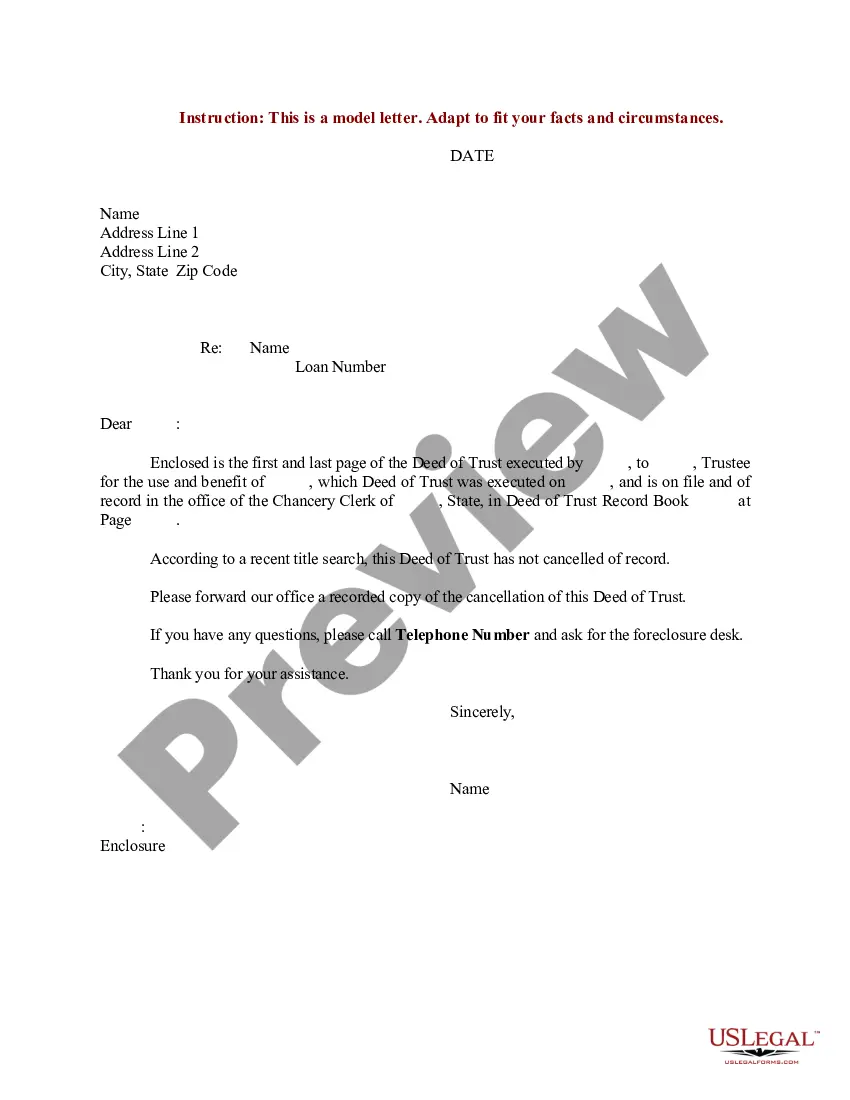
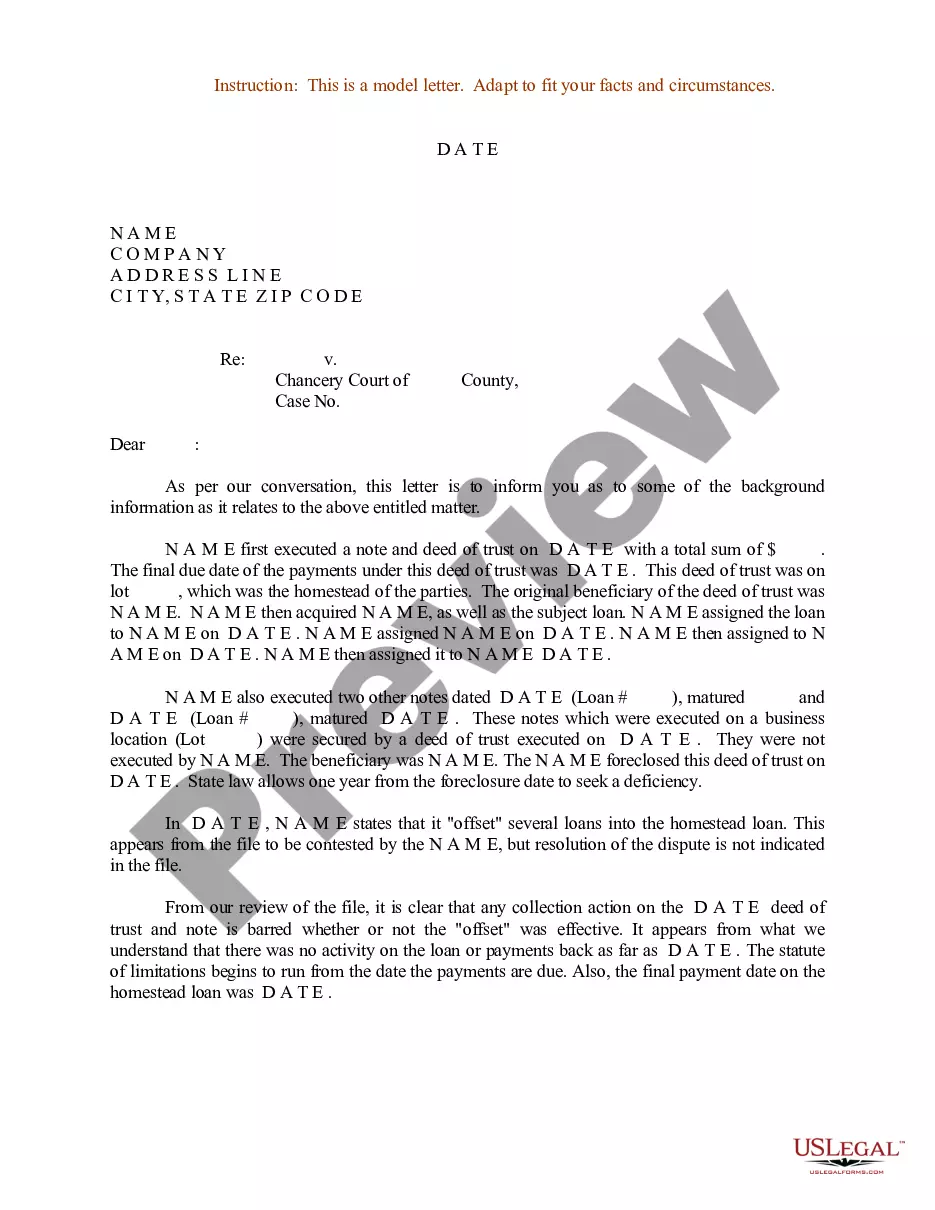
Get your form ready online
Our built-in tools help you complete, sign, share, and store your documents in one place.
Make edits, fill in missing information, and update formatting in US Legal Forms—just like you would in MS Word.
Download a copy, print it, send it by email, or mail it via USPS—whatever works best for your next step.
Sign and collect signatures with our SignNow integration. Send to multiple recipients, set reminders, and more. Go Premium to unlock E-Sign.
If this form requires notarization, complete it online through a secure video call—no need to meet a notary in person or wait for an appointment.
We protect your documents and personal data by following strict security and privacy standards.

Make edits, fill in missing information, and update formatting in US Legal Forms—just like you would in MS Word.

Download a copy, print it, send it by email, or mail it via USPS—whatever works best for your next step.

Sign and collect signatures with our SignNow integration. Send to multiple recipients, set reminders, and more. Go Premium to unlock E-Sign.

If this form requires notarization, complete it online through a secure video call—no need to meet a notary in person or wait for an appointment.

We protect your documents and personal data by following strict security and privacy standards.
Looking for another form?
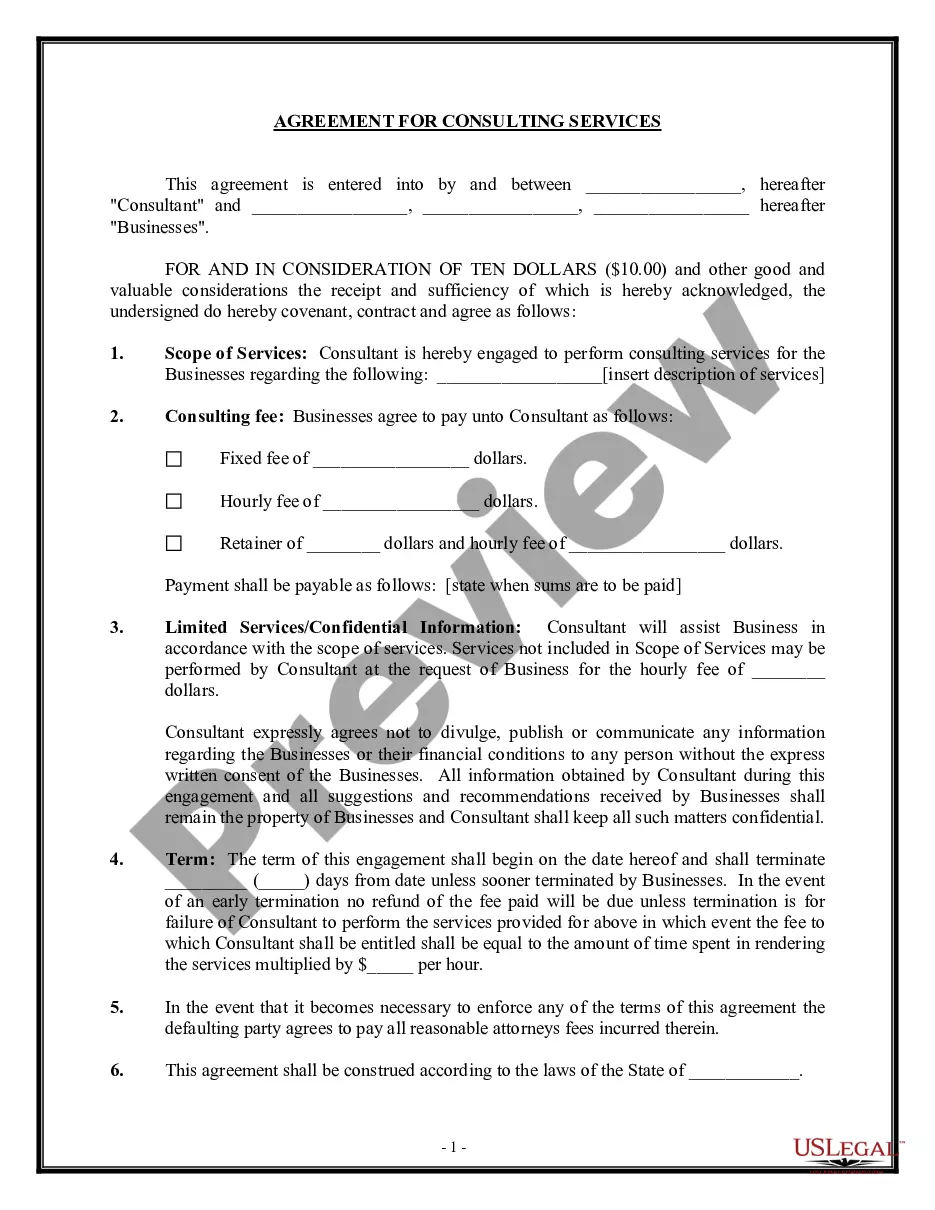
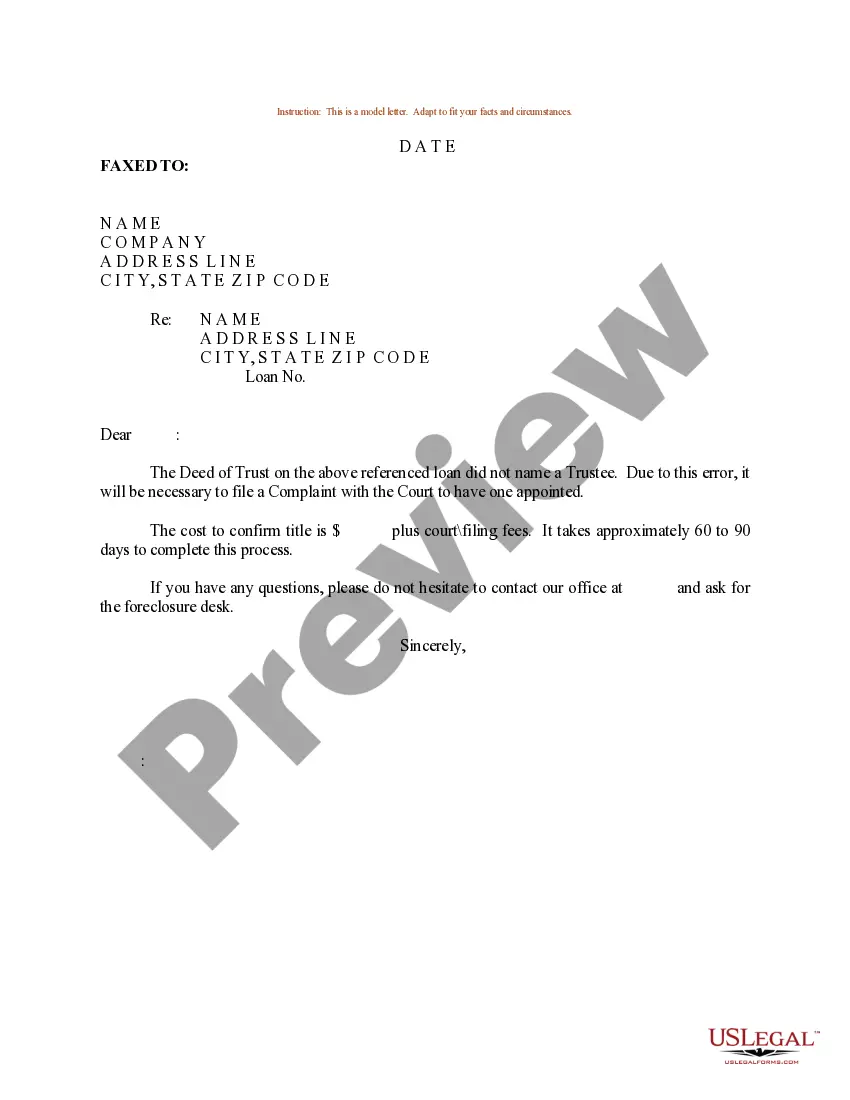
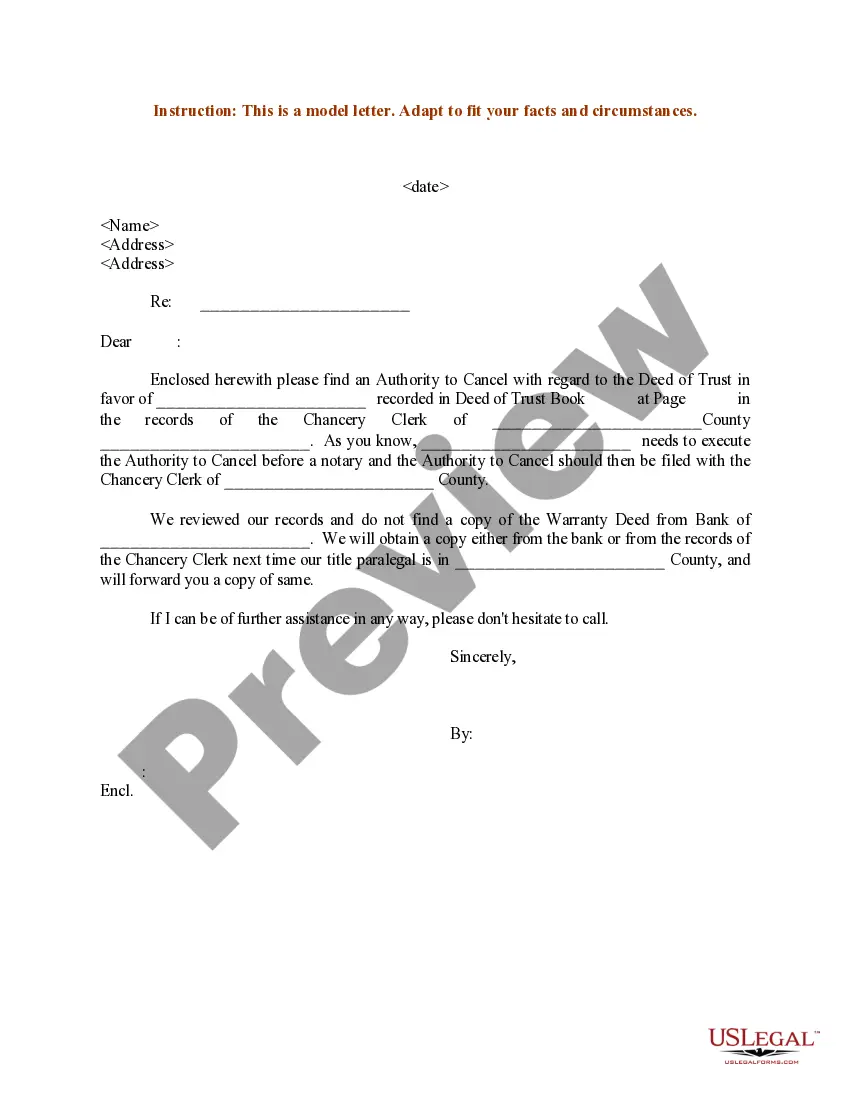
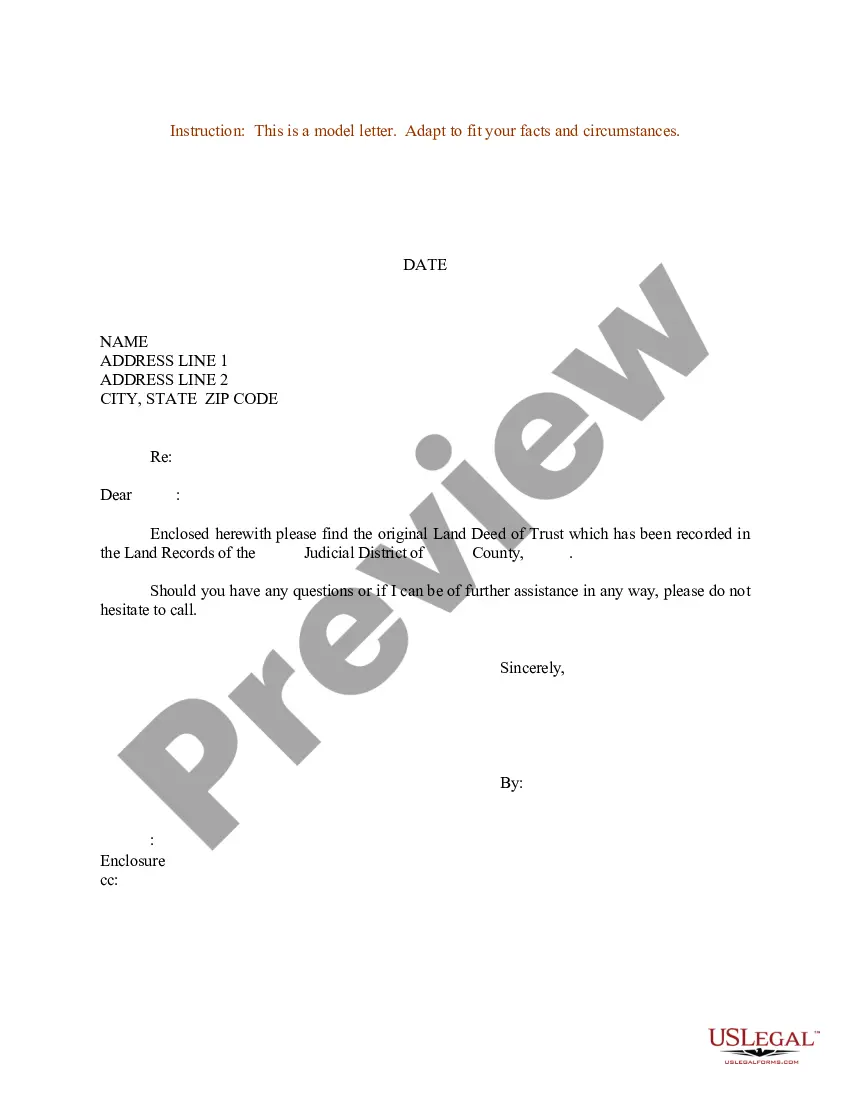
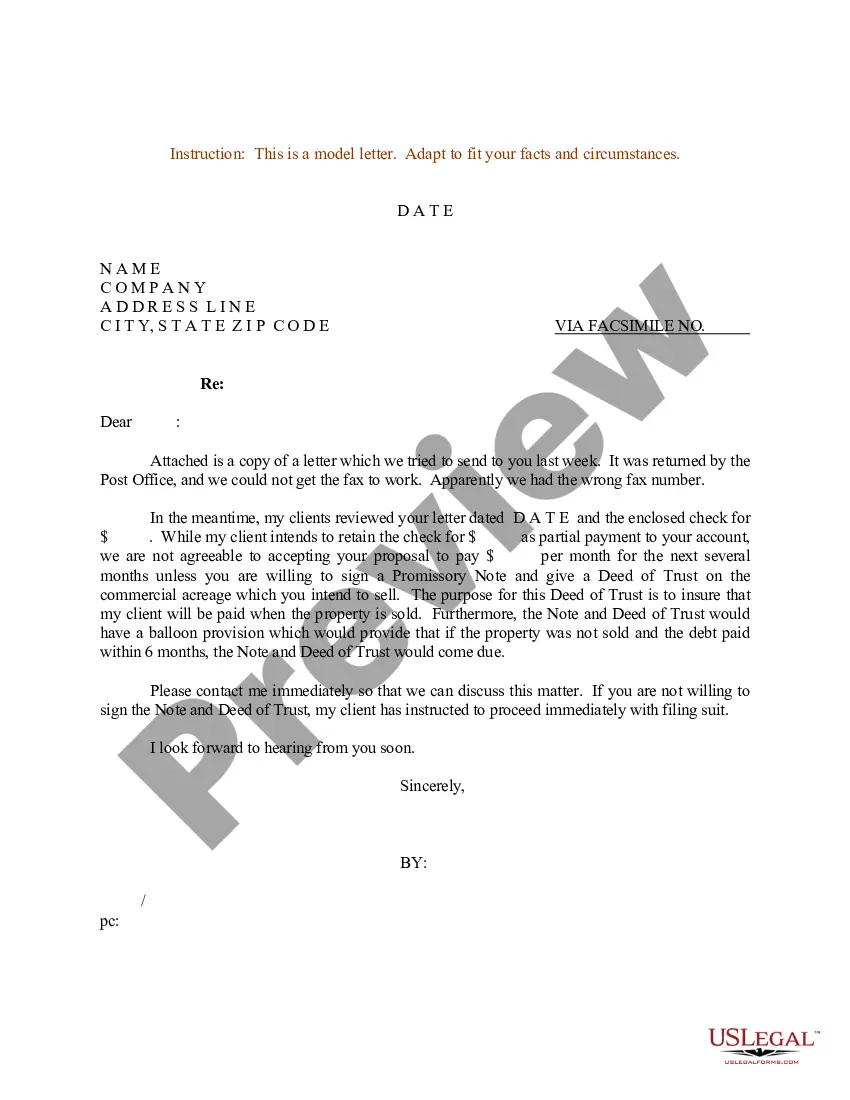
How to fill out Sample Letter For Naming A Trustee To A Deed Of Trust?
- Log into your US Legal Forms account. If you haven't registered before, create an account to get started.
- Search for the specific trustee trust template that suits your requirements. Utilize the Preview mode to ensure it meets your local jurisdiction needs.
- If the template isn’t suitable, use the Search tab to locate an alternative form that fits your specifications.
- Proceed to purchase the required document by clicking on the 'Buy Now' button, selecting your desired subscription plan.
- Complete the payment process using your credit card or PayPal account to finalize your purchase.
- Download the completed trustee trust form to your device, ensuring you access it through the 'My Forms' menu at any time.
- Seek assistance from premium experts if you have questions or need help with form completion.
By following these steps, you can quickly access the necessary forms for establishing a trustee trust with US Legal Forms.
Take control of your legal documentation today—visit US Legal Forms and get started!
Form popularity
FAQ
In theory, anyone can be a trustee of a trust, provided they meet legal requirements, such as being of legal age and having the capacity to manage the trust’s assets. However, it's crucial to select someone who has the right character and understanding to execute the trust's objectives effectively. If you're unsure, consulting the uslegalforms platform can help clarify your options and guide you toward the best decision.
Trustees of a trustee trust may encounter several disadvantages. They are often held liable for any mistakes they make while managing the trust, which can lead to personal risk. Additionally, managing a trust can be labor-intensive, requiring ongoing attention and decision-making. Recognizing these challenges is important when deciding who to appoint as a trustee.
The best person to appoint as a trustee is someone with integrity, financial acuity, and a willingness to uphold the trust's purpose. This could be a family member, a close friend, or a professional advisor. Added expertise often enhances the effectiveness of a trustee, especially if they are familiar with legal and financial matters surrounding trustee trusts. Ensure they are someone who can communicate well with beneficiaries.
Yes, being a trustee of a trustee trust carries some responsibilities that can feel overwhelming. You may face potential legal issues if you do not adhere to the terms of the trust or make poor decisions with the assets. It can also be time-consuming, as you are responsible for maintaining records and reporting to beneficiaries. Understanding these downsides helps in making a balanced decision.
To become a trustee of a trustee trust, you typically need to possess a clear understanding of the trust's terms and obligations. A trustee must be trustworthy, organized, and capable of managing assets responsibly. Additionally, it may be beneficial to have some experience in finance or law, but it is not always required. Choosing an informed path can lead to successful trust management.
The purpose of a trustee on a deed of trust is to ensure a fair transaction between the borrower and the lender. The trustee holds the title to the property and will execute the necessary actions if the borrower fails to repay the mortgage. Understanding this role highlights the importance of hiring a knowledgeable trustee to manage the deed of trust responsibly.
In a deed of trust, the trustee acts as an impartial third party who holds the legal title to the property until the borrower repays the debt. This role is crucial in real estate transactions, as the trustee safeguards the interests of the lender while allowing the borrower to retain possession of the property. Knowing how the trustee functions can help you navigate the complexities of securing loans and managing property.
The primary purpose of a trustee in a trustee trust is to ensure that the assets are managed and distributed according to the wishes of the trust creator. Trustees are responsible for overseeing the trust’s assets, paying debts, and distributing property to beneficiaries as specified in the trust document. This role requires trust, integrity, and a clear understanding of legal obligations to protect the beneficiaries' interests.
The power of a trustee in a trustee trust is significant yet limited to the terms outlined in the trust document. A trustee can manage, invest, and distribute assets, but they must act in the best interest of the beneficiaries. It's essential for the trustee to follow the guidelines set by the trust agreement, ensuring that they uphold their fiduciary duties.
No, a trustee is not the same as the owner of a trust. The trustee manages the trust assets but does not own them; the trust itself is the legal entity that holds the ownership. Understanding this distinction is crucial for beneficiaries to know who is responsible for managing the assets and how they are intended to be distributed.