Indemnification Clause For Intellectual Property
Description
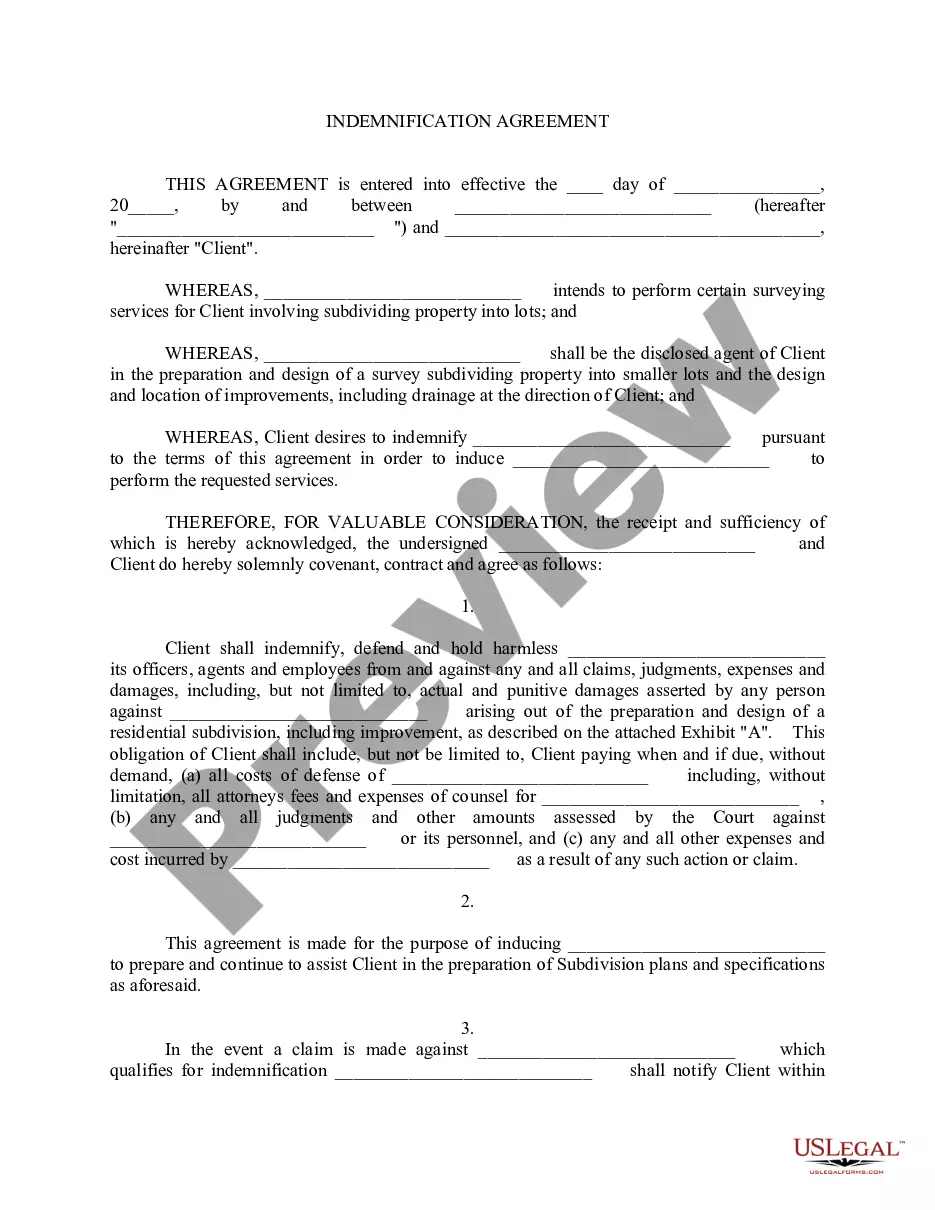
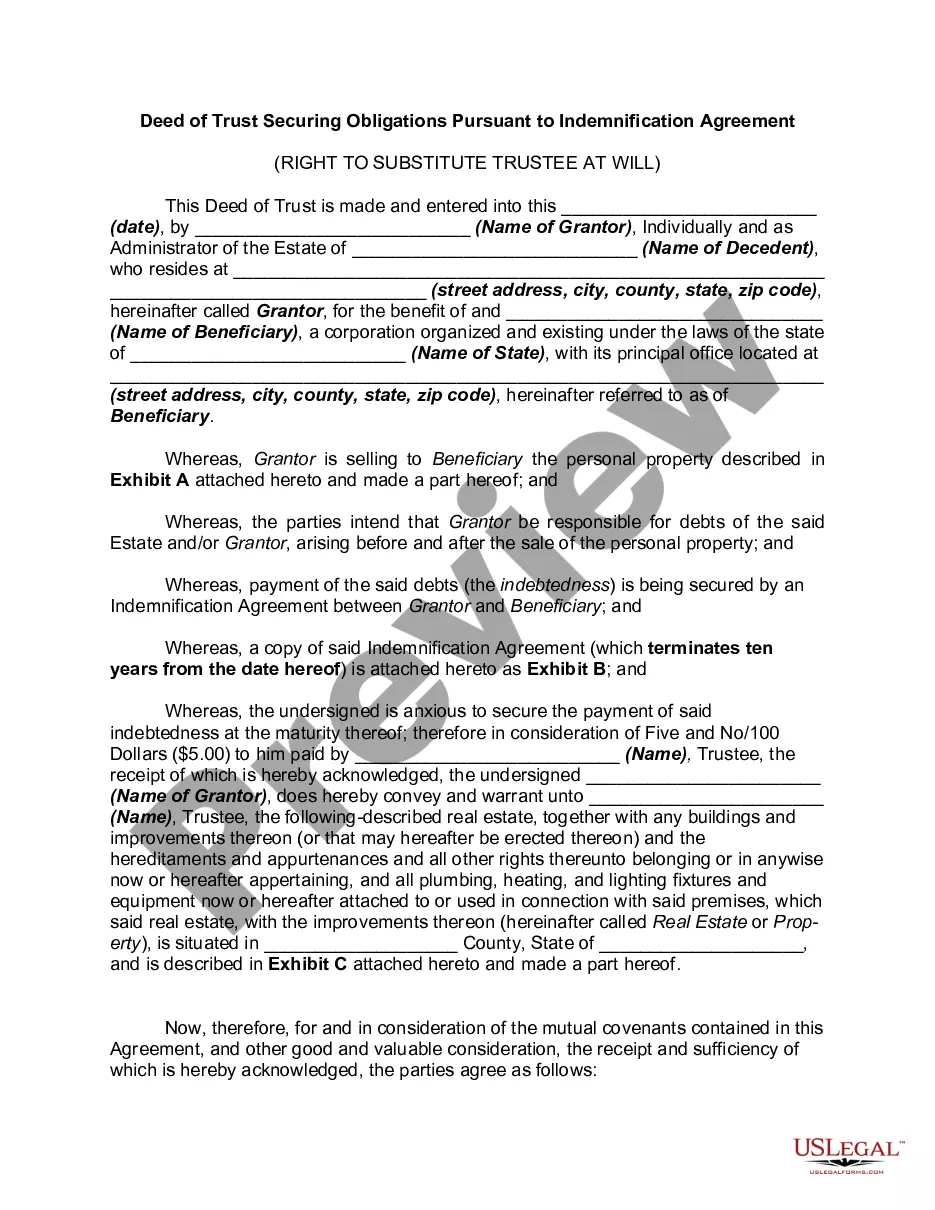
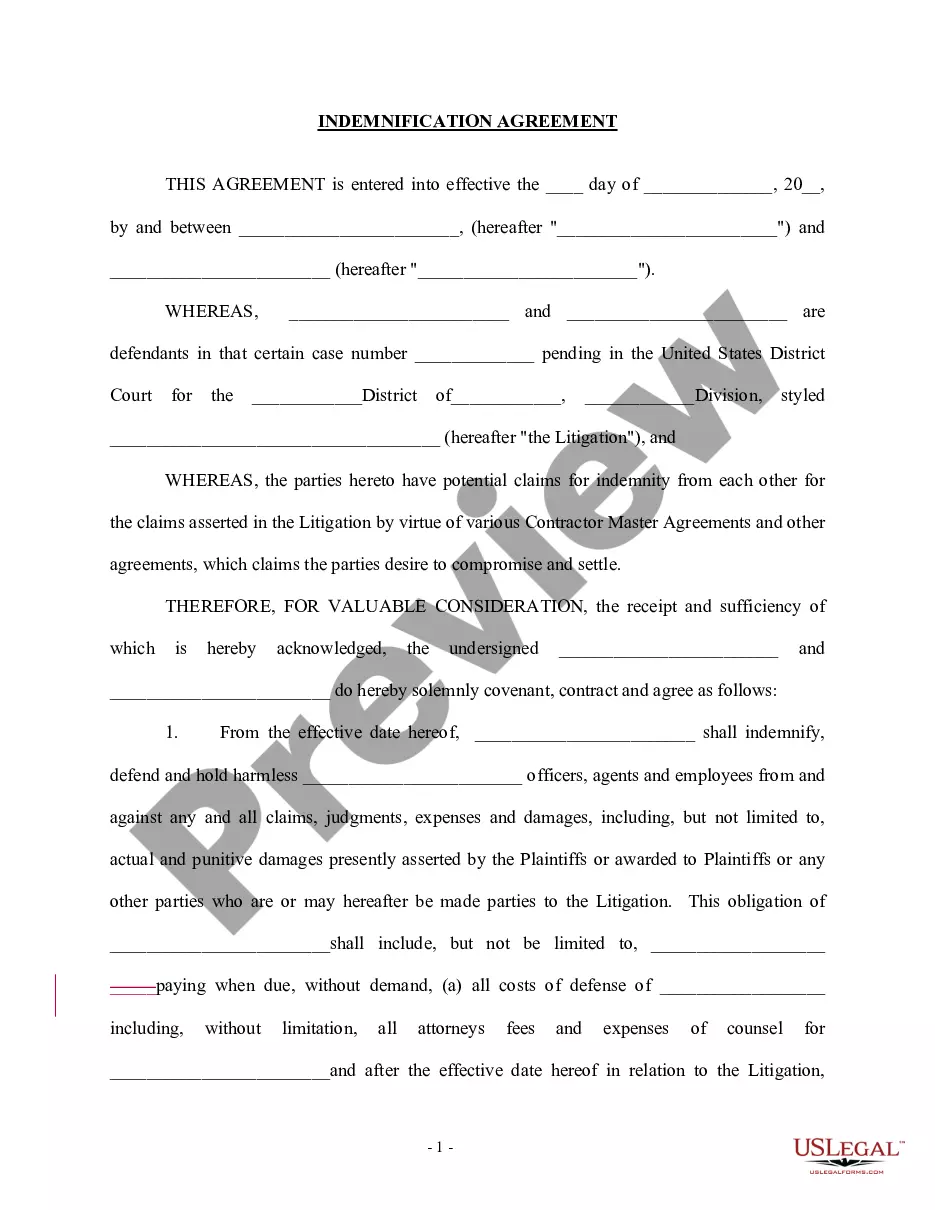




How to fill out Indemnification Agreement For A Trust?
Acquiring legal document samples that comply with federal and state regulations is crucial, and the internet provides numerous selections to consider.
However, what’s the purpose of squandering time looking for the properly formulated Indemnification Clause For Intellectual Property template online when the US Legal Forms digital library already houses such documents in one location.
US Legal Forms is the largest online legal repository with more than 85,000 fillable templates created by lawyers for any professional and personal scenario.
Review the template using the Preview function or through the text outline to ensure it fulfills your needs.
- They are easy to navigate with all documents organized by state and intended use.
- Our experts stay updated with legal amendments, ensuring you can always trust your form is current and compliant when acquiring an Indemnification Clause For Intellectual Property from our site.
- Acquiring an Indemnification Clause For Intellectual Property is quick and straightforward for both existing and new users.
- If you possess an account with an active subscription, Log In and save the document sample you need in the appropriate format.
- If you are new to our platform, adhere to the instructions outlined below.
Form popularity
FAQ
An example of IP indemnity would be a situation where a graphic designer agrees to indemnify a client if the designs used infringe on someone else's copyright. In this case, the designer takes on the responsibility for any legal issues arising from the use of the design. This kind of indemnity helps clients feel secure in their business transactions involving creative works.
A practical example of indemnity can be seen in a construction contract where the contractor agrees to indemnify the property owner for any injuries or damages that occur on the job site. This arrangement protects the owner from potential lawsuits and holds the contractor accountable for maintaining safety standards. Such agreements are commonplace and essential in managing risks in various industries.
The best example of indemnification involves a scenario where a software developer is required to indemnify a client against any claims of copyright infringement from third parties. In this case, the developer must cover legal fees and any damages resulting from such claims. It illustrates the protective nature of indemnification, ensuring that clients can use the software without fear of legal repercussions.
An example of an indemnity clause in intellectual property could be: 'The licensor shall indemnify the licensee against any claims that arise from the use of the licensed intellectual property.' This clause ensures that if the licensed property leads to a legal issue, the licensor bears the responsibility for legal costs and damages. Such protection is vital for businesses using third-party intellectual property.
An example of an indemnification clause might state that 'Party A agrees to indemnify and hold harmless Party B from any claims arising from Party A's breach of contract or negligence.' This clearly defines the responsibilities of Party A and ensures that Party B is protected from potential legal consequences. Such clauses are crucial in contracts where liabilities are likely to arise.
The indemnification clause of intellectual property rights (IPR) serves to safeguard one party against losses or damages that may occur due to violations of intellectual property laws. This clause specifies the obligations of the indemnifying party to cover legal costs and damages if a claim arises. It is essential for businesses to include this clause in contracts to minimize risks associated with intellectual property disputes.
The indemnification clause for intellectual property is a provision that protects one party from legal liability arising from the infringement of intellectual property rights. This clause typically outlines the responsibilities of the indemnifying party to defend and compensate the indemnified party against claims related to intellectual property violations. It helps enforce accountability and ensures that parties are protected in their business dealings.
Filling out an indemnification agreement involves clearly defining the parties involved, the obligations of each party, and the specific terms of indemnification. You should outline the scope of protection, detailing which liabilities and damages are covered. It's important to ensure all terms are understandable and legally enforceable. Using a reliable platform like USLegalForms can simplify this process by providing templates and guidance.