Sample Of Extrajudicial Settlement With Partition
Description
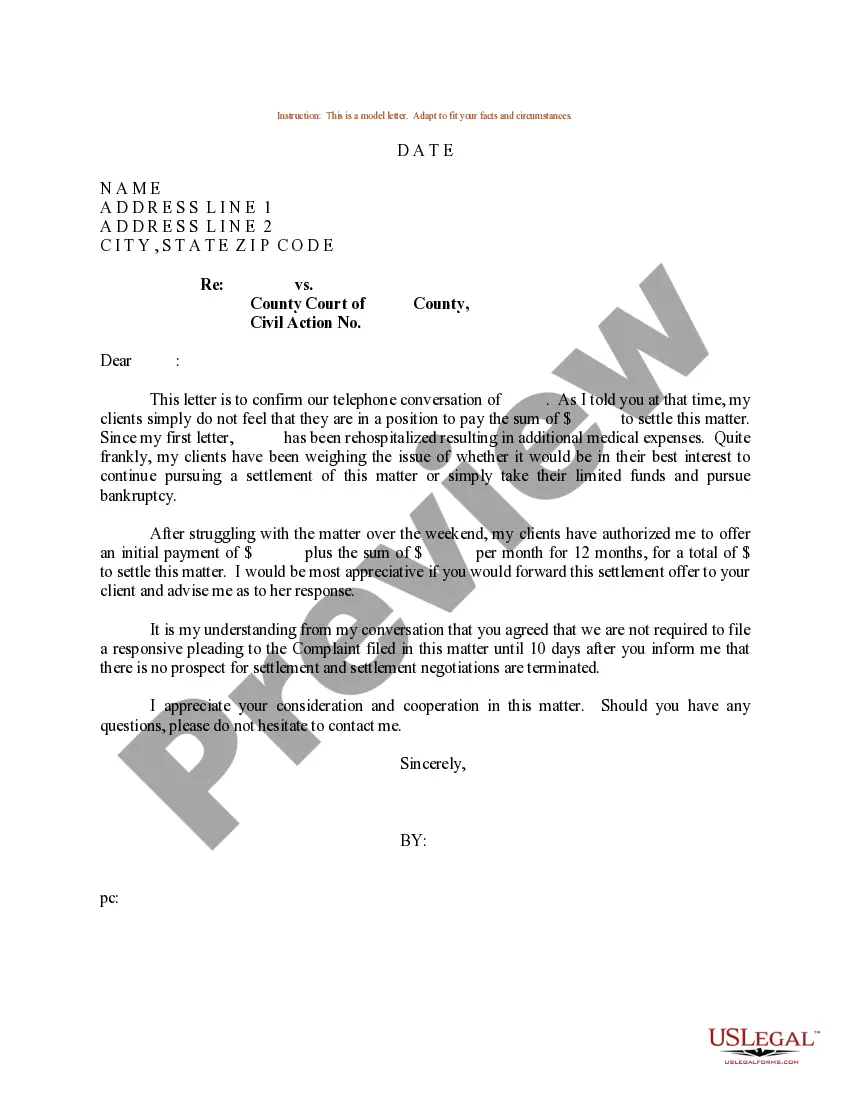
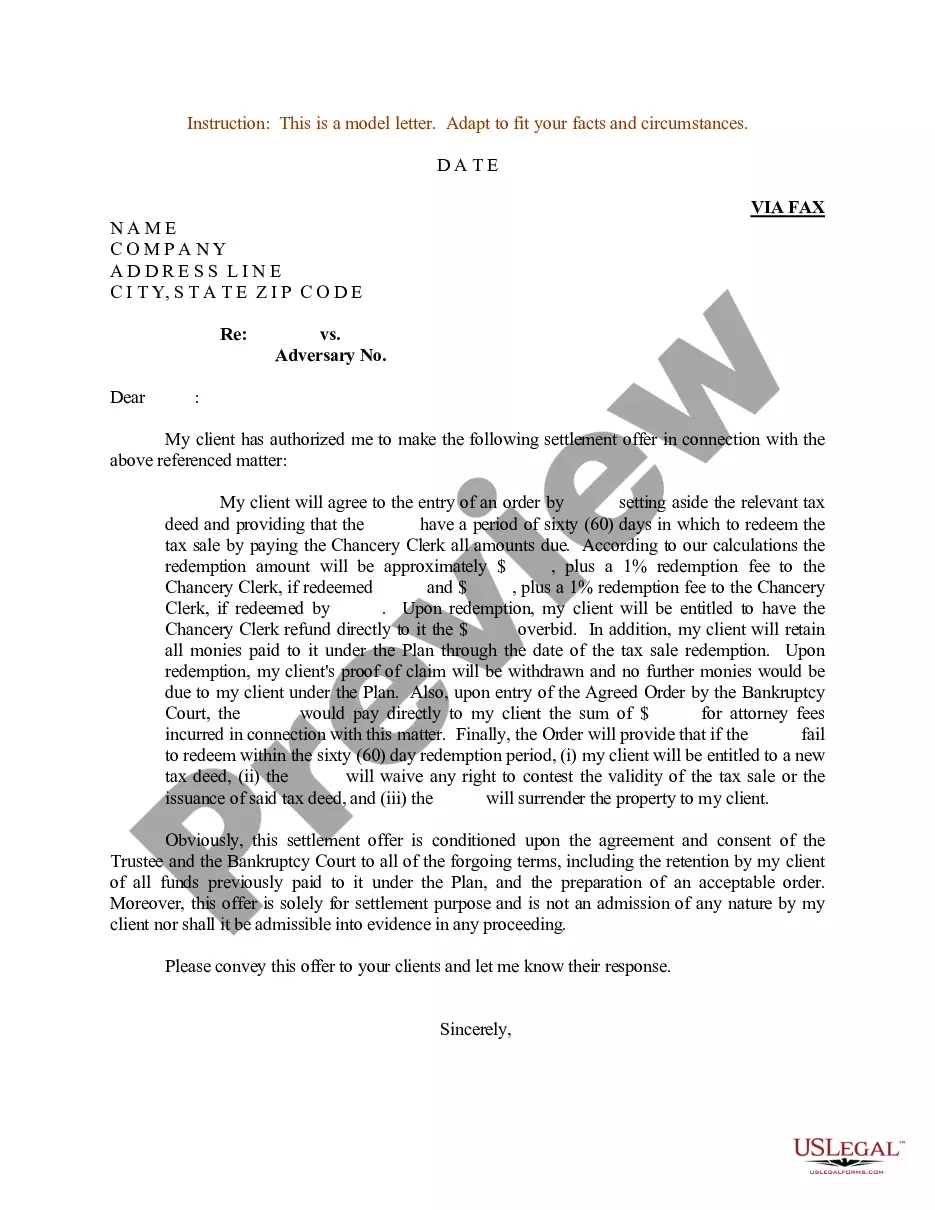
Get your form ready online
Our built-in tools help you complete, sign, share, and store your documents in one place.
Make edits, fill in missing information, and update formatting in US Legal Forms—just like you would in MS Word.
Download a copy, print it, send it by email, or mail it via USPS—whatever works best for your next step.
Sign and collect signatures with our SignNow integration. Send to multiple recipients, set reminders, and more. Go Premium to unlock E-Sign.
If this form requires notarization, complete it online through a secure video call—no need to meet a notary in person or wait for an appointment.
We protect your documents and personal data by following strict security and privacy standards.

Make edits, fill in missing information, and update formatting in US Legal Forms—just like you would in MS Word.

Download a copy, print it, send it by email, or mail it via USPS—whatever works best for your next step.

Sign and collect signatures with our SignNow integration. Send to multiple recipients, set reminders, and more. Go Premium to unlock E-Sign.

If this form requires notarization, complete it online through a secure video call—no need to meet a notary in person or wait for an appointment.

We protect your documents and personal data by following strict security and privacy standards.
Looking for another form?
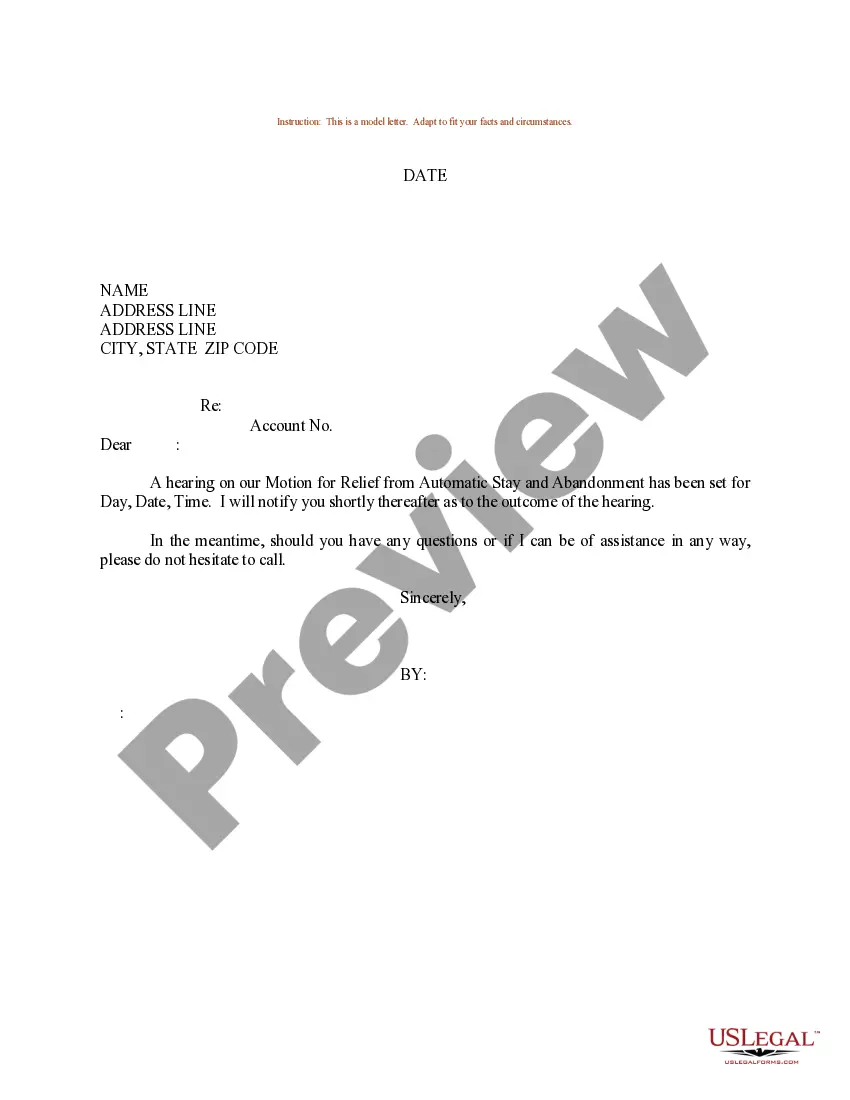
How to fill out Sample Letter For Settlement - Offer To Settle With Condition?
Managing legal documents can be daunting, even for experienced professionals.
When you are looking for a Sample Of Extrajudicial Settlement With Partition and lack the time to spend finding the correct and current version, the process can be stressful.
Access a valuable resource repository of articles, guides, handbooks and materials pertinent to your circumstances and requirements.
Save time and effort searching for the documents you need, and use US Legal Forms' advanced search and Review feature to find Sample Of Extrajudicial Settlement With Partition and acquire it.
Make sure that the sample is approved in your state or county. Click Buy Now when you are ready. Choose a monthly subscription plan. Select the format you need, and Download, complete, sign, print and send your documents. Take advantage of the US Legal Forms online library, supported by 25 years of expertise and trustworthiness. Streamline your document management into a straightforward and user-friendly process today.
- If you have a subscription, Log In to your US Legal Forms account, locate the form, and download it.
- Review your My documents tab to access the documents you previously downloaded and organize your folders as needed.
- If this is your first time with US Legal Forms, create a free account and gain unlimited access to all platform advantages.
- Here are the steps to follow after downloading the form you require.
- Verify it is the correct form by previewing it and reviewing its details.
- Access state- or county-specific legal and business documents.
- US Legal Forms addresses any requirements you might have, from personal to organizational paperwork, all in one location.
- Utilize advanced tools to complete and manage your Sample Of Extrajudicial Settlement With Partition.
Form popularity
FAQ
Choosing between a partition deed and a settlement deed generally depends on your situation and the goals of the heirs. A partition deed divides property among heirs, while a settlement deed settles monitory aspects and ownership rights. In many cases, a sample of extrajudicial settlement with partition can provide insights on which option suits your needs best. Engaging with platforms like US Legal Forms can help you access the necessary templates and information to make an informed decision.
An extrajudicial settlement with partition is a legal agreement made by heirs to divide the estate without involving the court. This process allows heirs to agree on how to divide properties and assets fairly among themselves. Utilizing a sample of extrajudicial settlement with partition as a guideline can simplify negotiations and reduce potential conflicts during the distribution process. This method is often faster and less costly than going through a judicial partition.
To create an extrajudicial settlement, gather all the heirs and reach a consensus on the distribution of the estate. Prepare a document that outlines the shares each heir will receive, and include essential details like property descriptions and values. A sample of extrajudicial settlement with partition can streamline this process, providing a clear template for your agreement. After finalization, ensure that all heirs sign the document to validate the settlement legally.
Dividing property among heirs in the Philippines usually involves an extrajudicial settlement. This process requires all heirs to agree on how to partition the estate. Creating a clear sample of extrajudicial settlement with partition helps document this agreement, ensuring that each heir receives their rightful share. Additionally, using this method can prevent disputes and simplify the transfer of property.
Filing for judicial partition of property in the Philippines involves several steps. Initially, you must prepare a petition that details the property in question and the respective shares of each party involved. This petition will serve as your legal document for a court, making it crucial to include information about a sample of extrajudicial settlement with partition if applicable. After gathering all required evidence, file the petition in the appropriate court, and be prepared for a hearing where the judge will decide on the partition.
To file an extrajudicial settlement of estate in the Philippines, you first need to gather all necessary documents, including the death certificate and the identification of heirs. Next, you must draft a sample of extrajudicial settlement with partition that outlines how the estate will be divided among the heirs. Once the document is prepared, you need to have it notarized and file it with the local Registry of Deeds. Finally, ensure you comply with tax requirements to avoid legal issues.
An Affidavit of Self-Adjudication is a written statement under oath by a sole heir (the ?affiant?) where he declares that he is the only heir of the deceased and is adjudicating the entire inheritance to himself.
Partition is the separation, division and assignment of a thing held in common among those to whom it may belong (Article 1079, New Civil Code of the Philippines). The subject of division may be the thing itself or its value.
A document called an eCAR (electronic Certificate Authorizing Registration) is needed to transfer a land title from a deceased person to a new owner. An eCAR will only be given to when the estate has been settled. An estate can be settled through a deed of extrajudicial settlement or though court.
Article 494-501 of the Civil Code of the Philippines Each co-owner may demand at any time the partition of the thing owned in common, insofar as his share is concerned. Nevertheless, an agreement to keep the thing undivided for a certain period of time, not exceeding ten years, shall be valid.
