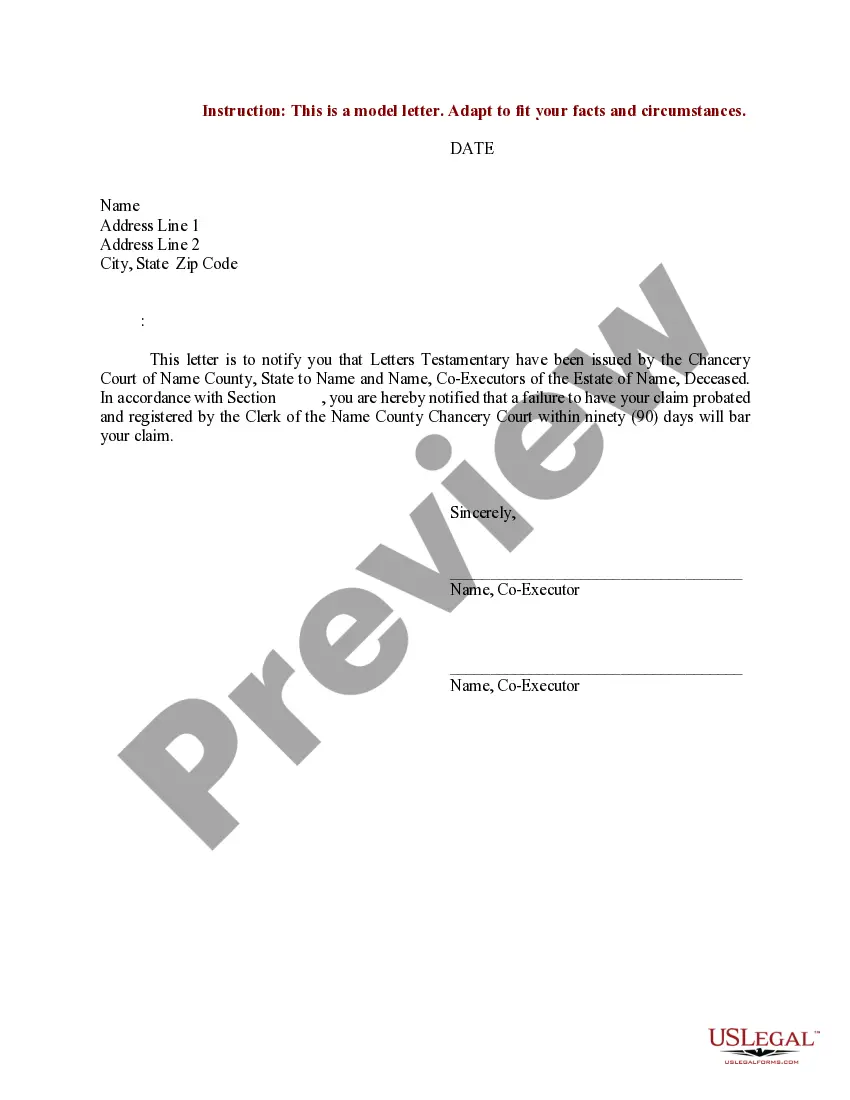
Letters Of Administration Without Will
Description
Get your form ready online
Our built-in tools help you complete, sign, share, and store your documents in one place.
Make edits, fill in missing information, and update formatting in US Legal Forms—just like you would in MS Word.
Download a copy, print it, send it by email, or mail it via USPS—whatever works best for your next step.
Sign and collect signatures with our SignNow integration. Send to multiple recipients, set reminders, and more. Go Premium to unlock E-Sign.
If this form requires notarization, complete it online through a secure video call—no need to meet a notary in person or wait for an appointment.
We protect your documents and personal data by following strict security and privacy standards.

Make edits, fill in missing information, and update formatting in US Legal Forms—just like you would in MS Word.

Download a copy, print it, send it by email, or mail it via USPS—whatever works best for your next step.

Sign and collect signatures with our SignNow integration. Send to multiple recipients, set reminders, and more. Go Premium to unlock E-Sign.

If this form requires notarization, complete it online through a secure video call—no need to meet a notary in person or wait for an appointment.

We protect your documents and personal data by following strict security and privacy standards.
Looking for another form?
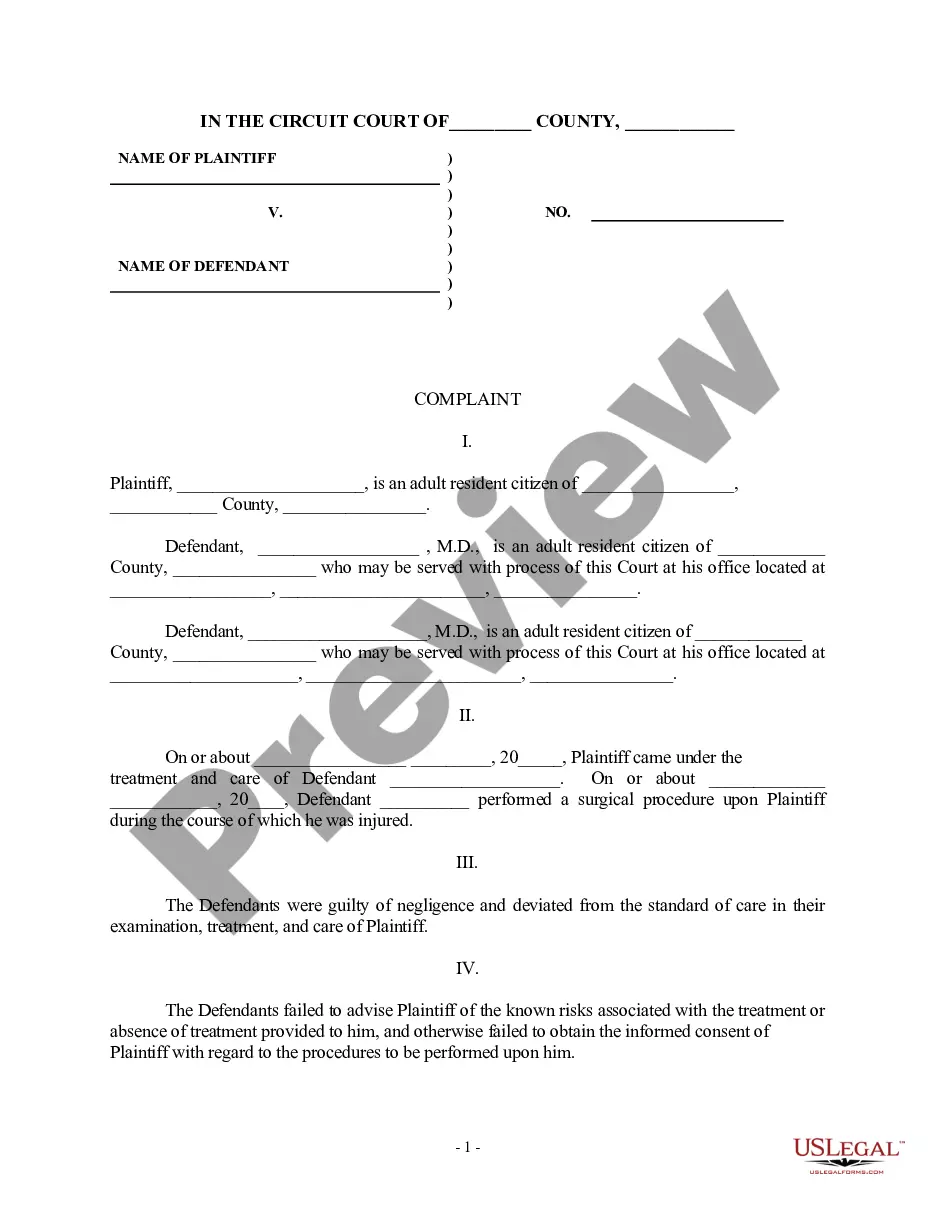
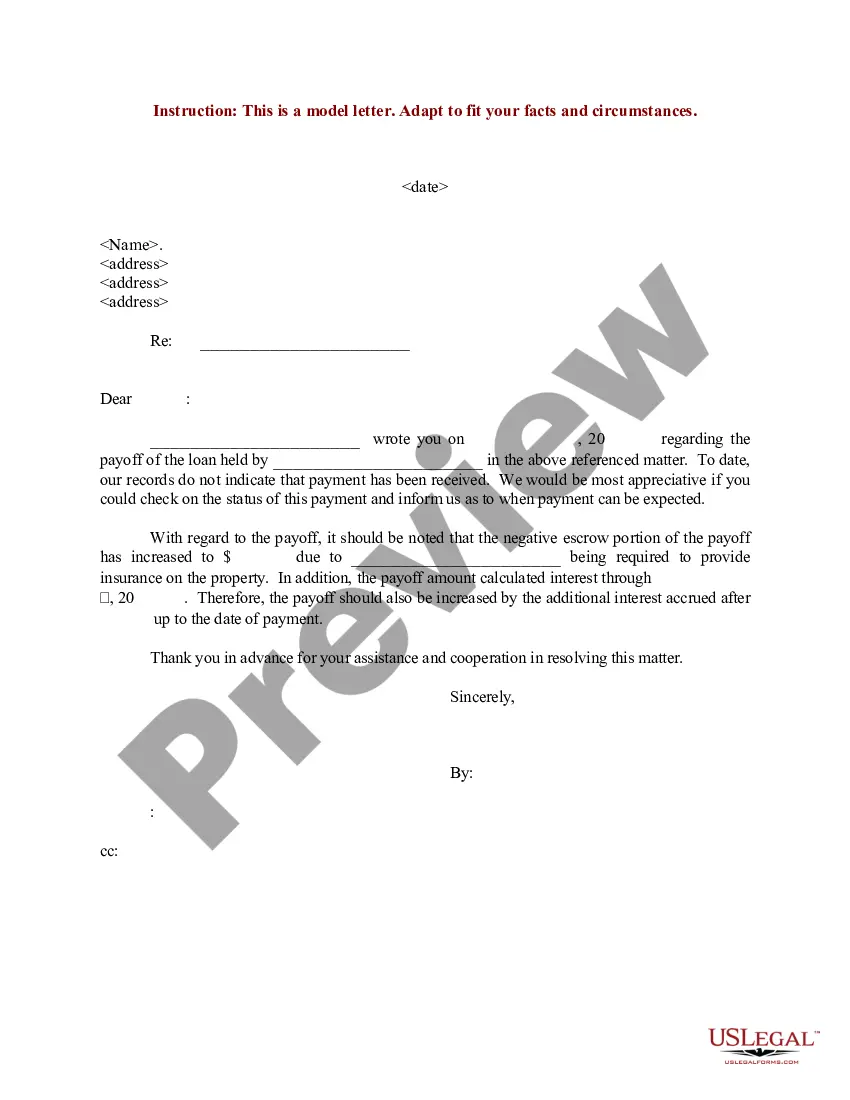
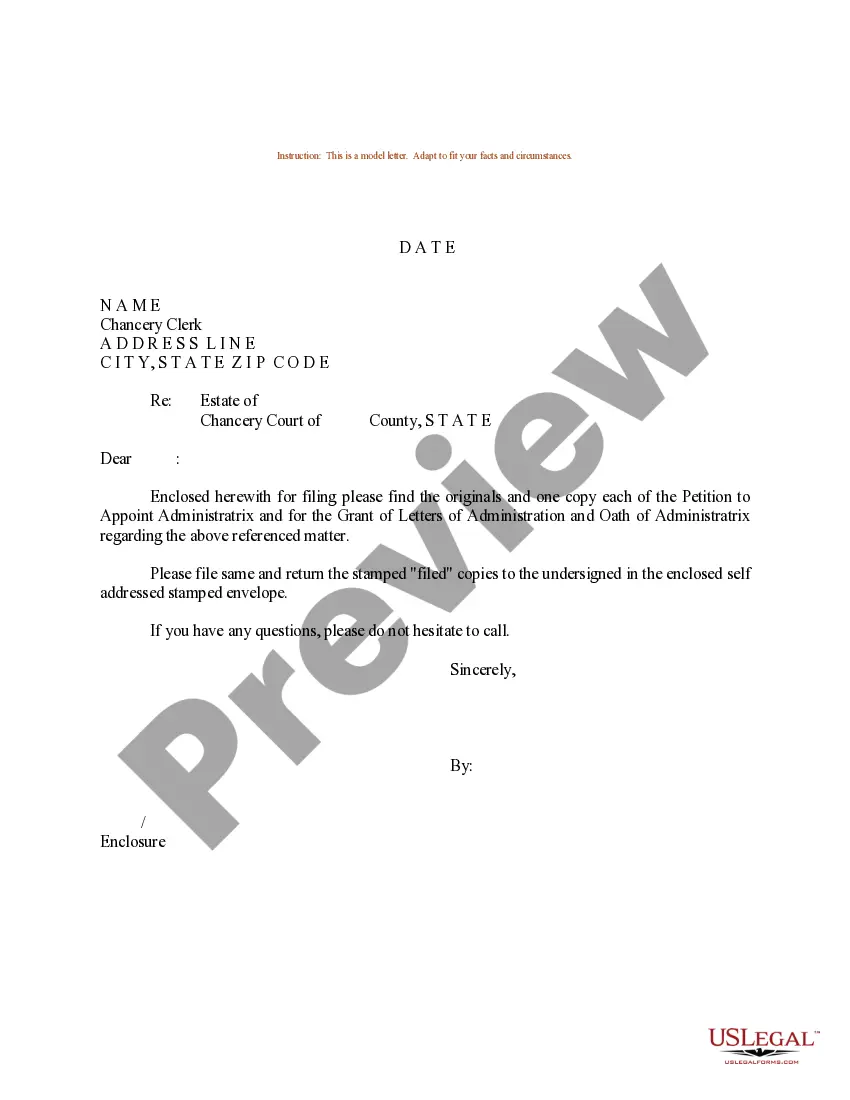
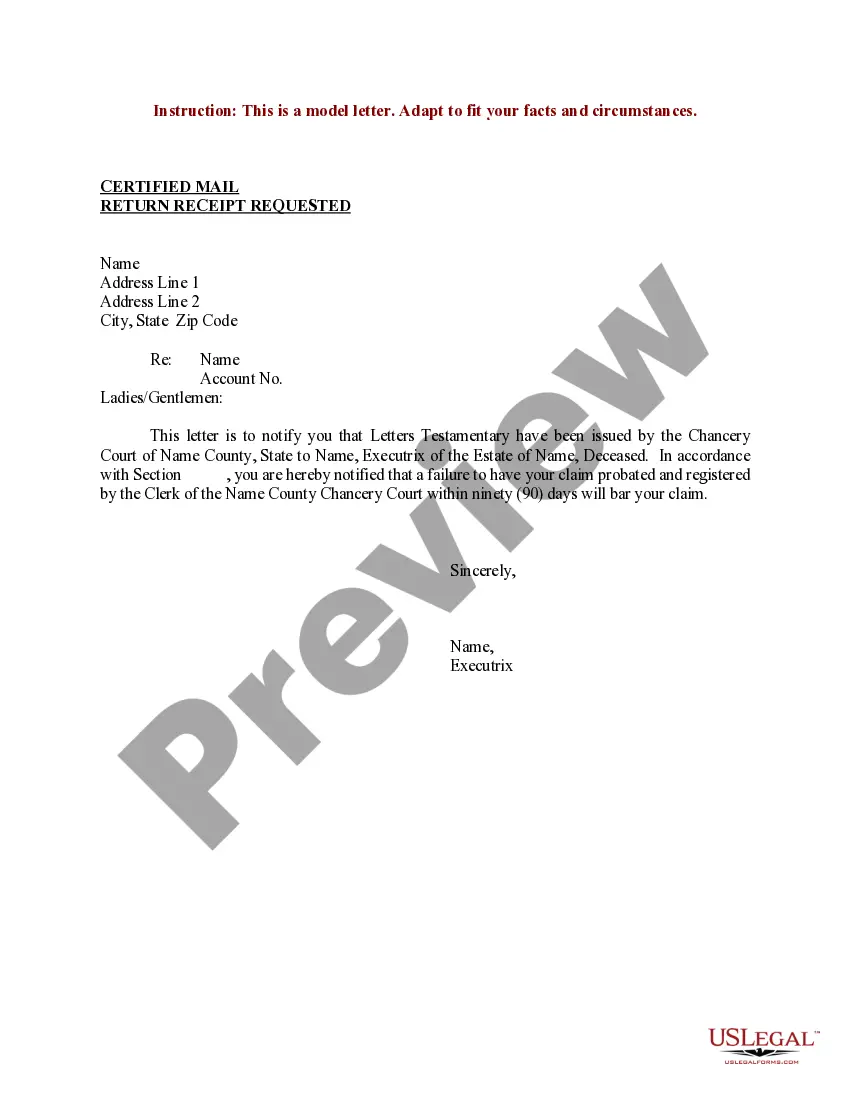
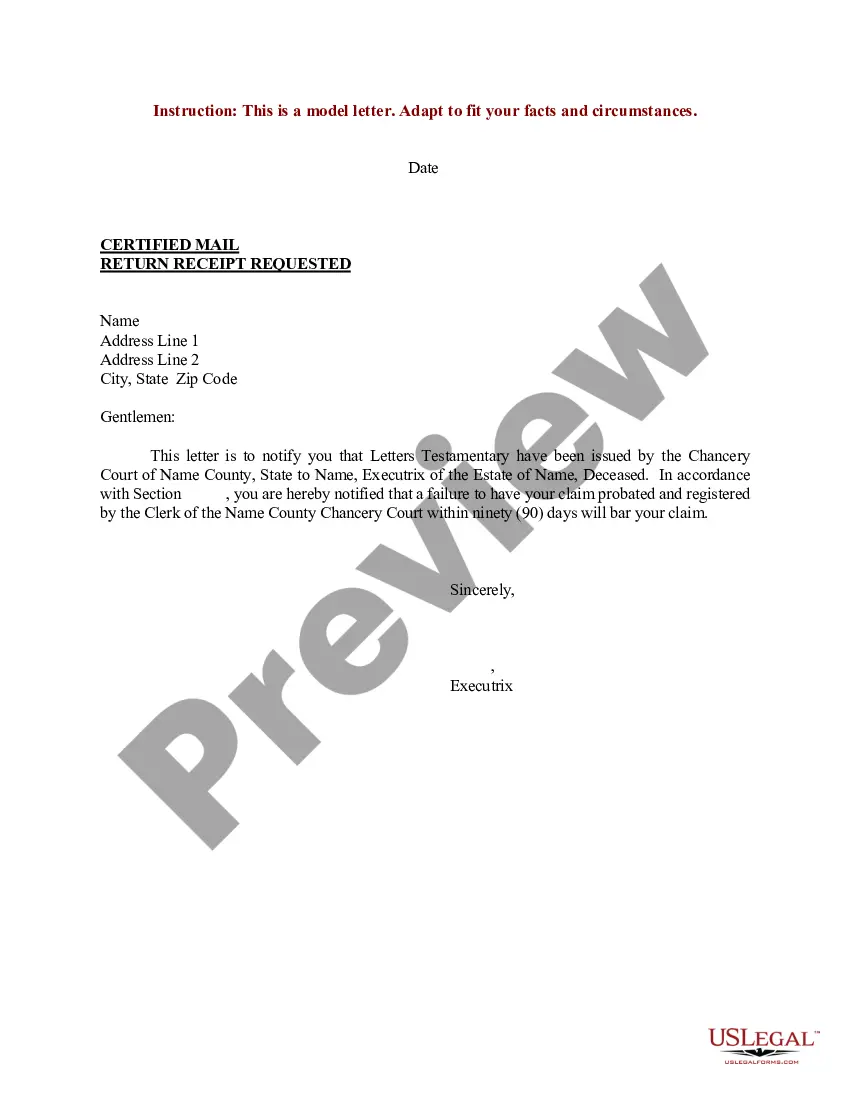
How to fill out Sample Letter For Letters Testamentary?
Creating legal documents from the ground up can occasionally be overwhelming.
Certain situations may require extensive research and significant financial resources.
If you are seeking a more straightforward and budget-friendly method of preparing Letters of Administration Without Will or any additional forms without unnecessary complications, US Legal Forms is always available for your assistance.
Our online collection of over 85,000 current legal documents covers nearly every facet of your financial, legal, and personal affairs. With just a handful of clicks, you can quickly obtain state- and county-specific forms meticulously crafted for you by our legal experts.
Examine the document preview and descriptions to confirm you have located the correct form.
- Utilize our website whenever you require trustworthy and dependable services to swiftly locate and download the Letters of Administration Without Will.
- If you are familiar with our website and have already set up an account, simply Log In, select the necessary form, and download it or retrieve it later in the My documents section.
- No account? No worries. It takes minimal time to create one and browse the library.
- Before rushing to download the Letters of Administration Without Will, consider the following suggestions.
Form popularity
FAQ
Certain assets do not go through probate, including life insurance policies, retirement accounts, and assets held in a trust. If assets are jointly owned or have designated beneficiaries, they also typically bypass the probate process. This distinction is crucial when considering how to manage a deceased person's estate. Understanding these exceptions can help guide you in dealing with Letters of Administration without a will effectively.
Completing a Letter of Administration requires filling out necessary forms accurately, including details about the deceased person, their assets, and potential heirs. You must ensure that all information complies with state laws to avoid delays in the probate process. Once completed, the forms need to be submitted to the probate court. Using resources like those from uslegalforms can help ensure your forms are filled out correctly.
Filing Letters of Administration without a will involves submitting a petition to the probate court, detailing the deceased's assets and heirs. You may also need to provide a death certificate and specific forms mandated by your local court. Following court procedures diligently will help ensure you receive the Letter of Administration smoothly. For step-by-step guidance, uslegalforms offers templates that can streamline this process.
In Georgia, when there is no will, the court initiates a process called intestate succession. This means that state laws dictate how assets will be distributed among surviving relatives. Typically, this includes the spouse, children, and sometimes other family members. Therefore, it is essential to understand how Letters of Administration without a will can help manage this process.
An administrator has significant authority over the estate, primarily if there is no will. Their role includes managing assets, settling debts, and distributing the remainder to heirs as outlined by state laws. Utilizing letters of administration without will grants them the legal backing to perform these duties effectively.
Leaving a letter instead of a will is not advisable. While you might feel an informal note communicates your wishes, it lacks enforceability. If you're looking for a solid legal framework, consider exploring letters of administration without will to ensure your estate is handled responsibly.
One of the biggest mistakes people make with wills is failing to update them regularly. Life events such as marriage, divorce, or the birth of children can necessitate changes to your will. Ensuring you have appropriate letters of administration without will in place can also help prevent complications after your passing.
In general, a handwritten letter cannot override a properly executed will. Wills have to adhere to specific legal requirements, while a handwritten note may not fulfill these criteria. If confusion arises, letters of administration without will may clarify the estate's management and address disputes.
Writing a letter to express your wishes is not sufficient for legal purposes. While you can certainly share your intentions in a letter, it lacks the legal standing that a properly drafted will holds. If estate planning is your concern, consider obtaining letters of administration without will to manage affairs more effectively.
A letter does not qualify as a will. A will typically contains specific legal language and must meet certain formalities to be valid. Letters of administration without will serve a specific legal purpose in managing an estate when a person dies intestate, which means without a valid will.