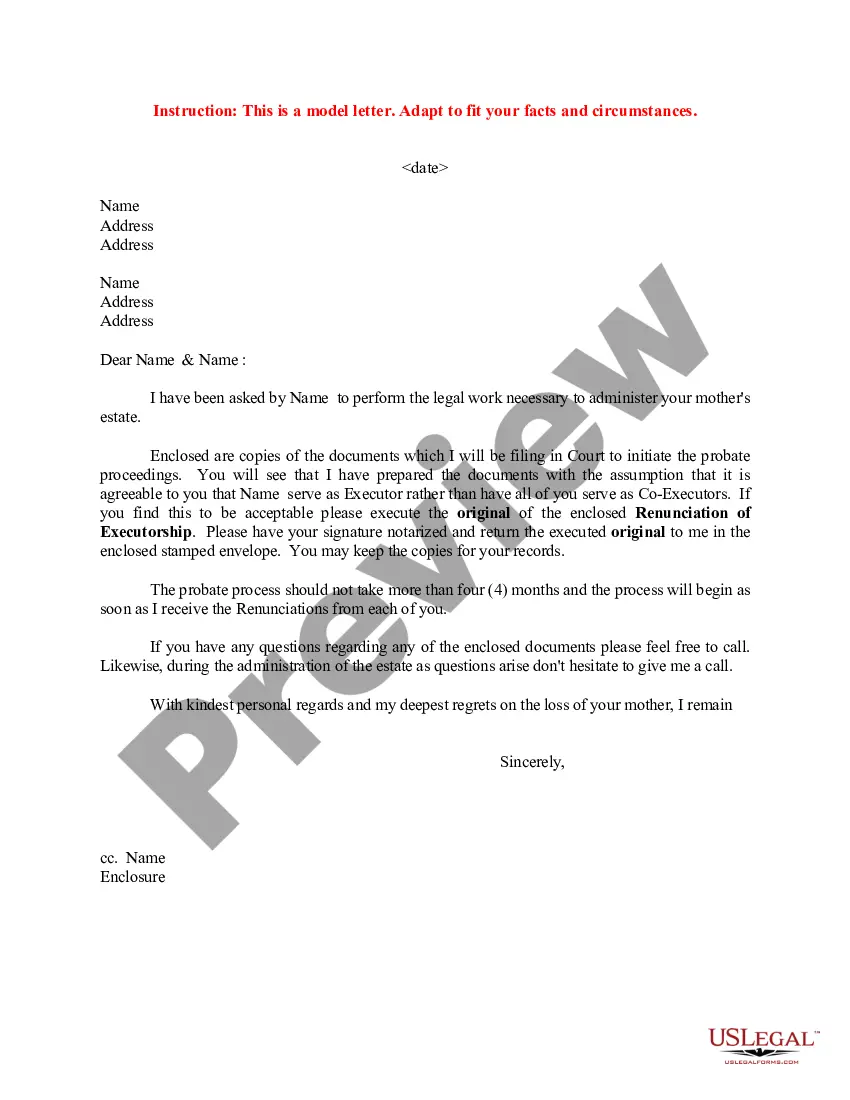
Renunciation Form For Executor
Description
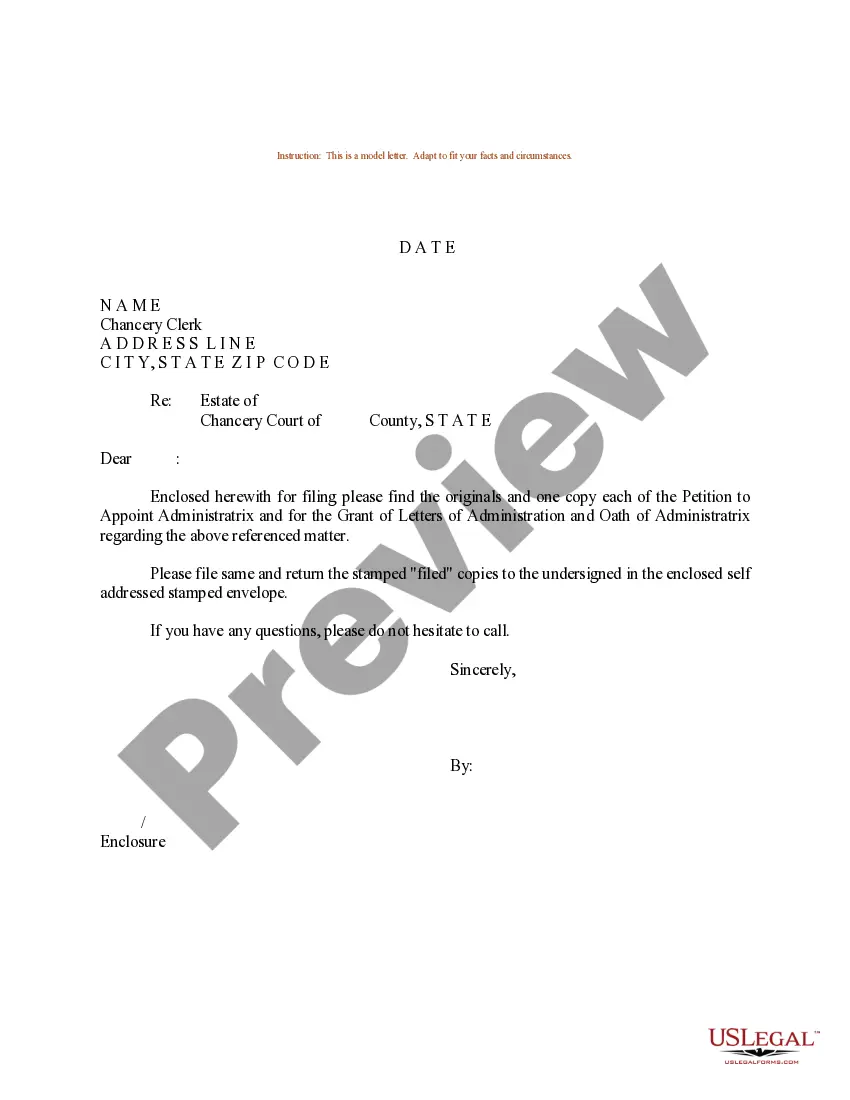
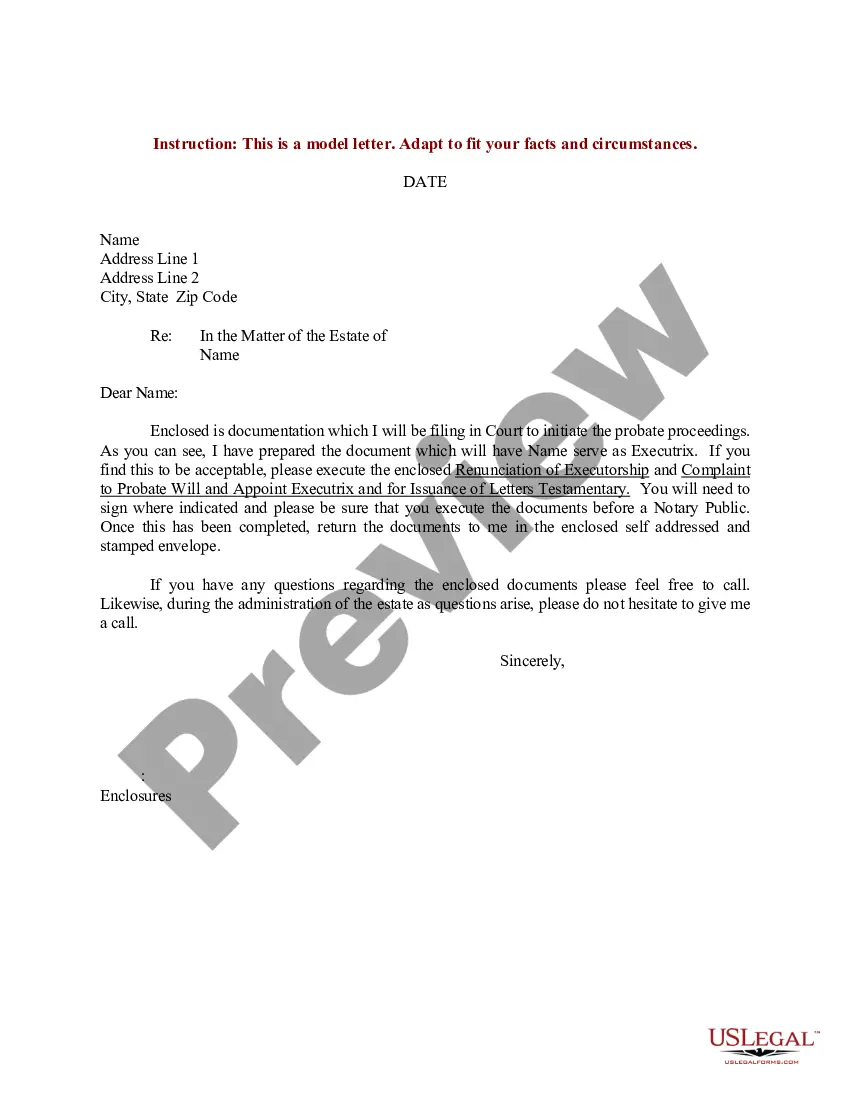
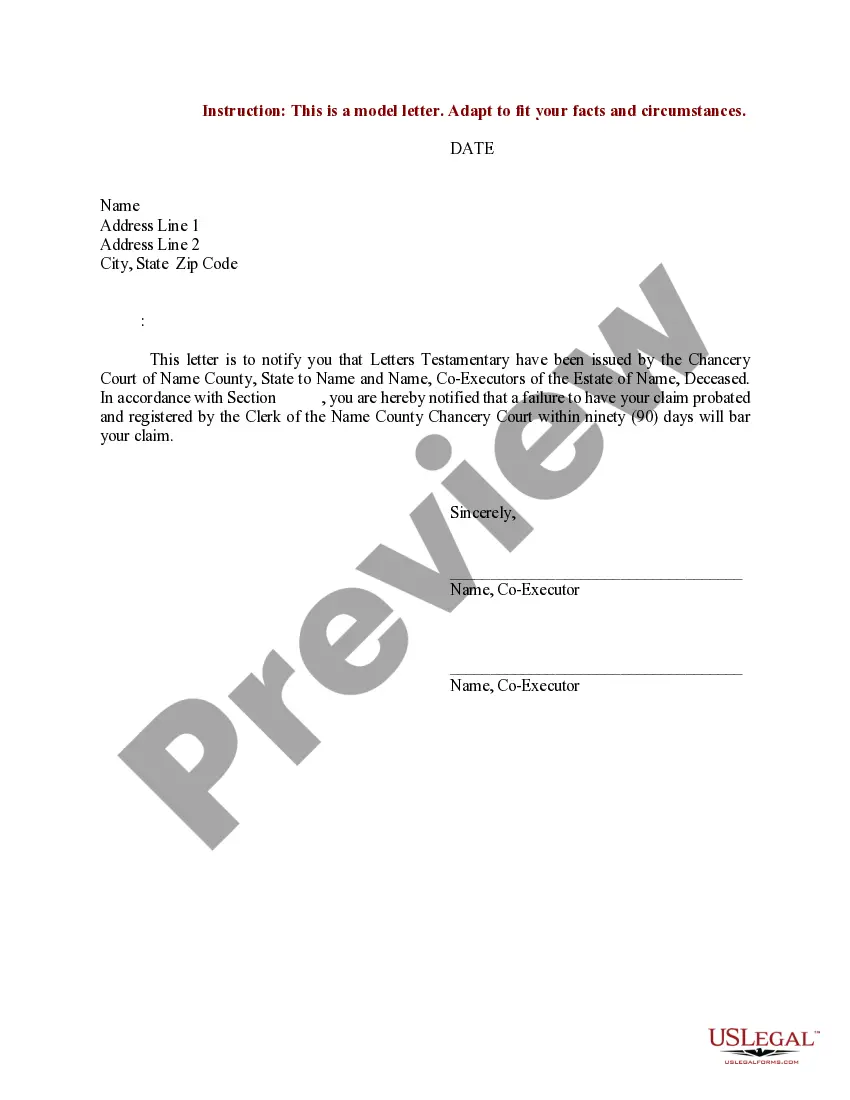
Get your form ready online
Our built-in tools help you complete, sign, share, and store your documents in one place.
Make edits, fill in missing information, and update formatting in US Legal Forms—just like you would in MS Word.
Download a copy, print it, send it by email, or mail it via USPS—whatever works best for your next step.
Sign and collect signatures with our SignNow integration. Send to multiple recipients, set reminders, and more. Go Premium to unlock E-Sign.
If this form requires notarization, complete it online through a secure video call—no need to meet a notary in person or wait for an appointment.
We protect your documents and personal data by following strict security and privacy standards.

Make edits, fill in missing information, and update formatting in US Legal Forms—just like you would in MS Word.

Download a copy, print it, send it by email, or mail it via USPS—whatever works best for your next step.

Sign and collect signatures with our SignNow integration. Send to multiple recipients, set reminders, and more. Go Premium to unlock E-Sign.

If this form requires notarization, complete it online through a secure video call—no need to meet a notary in person or wait for an appointment.

We protect your documents and personal data by following strict security and privacy standards.
Looking for another form?
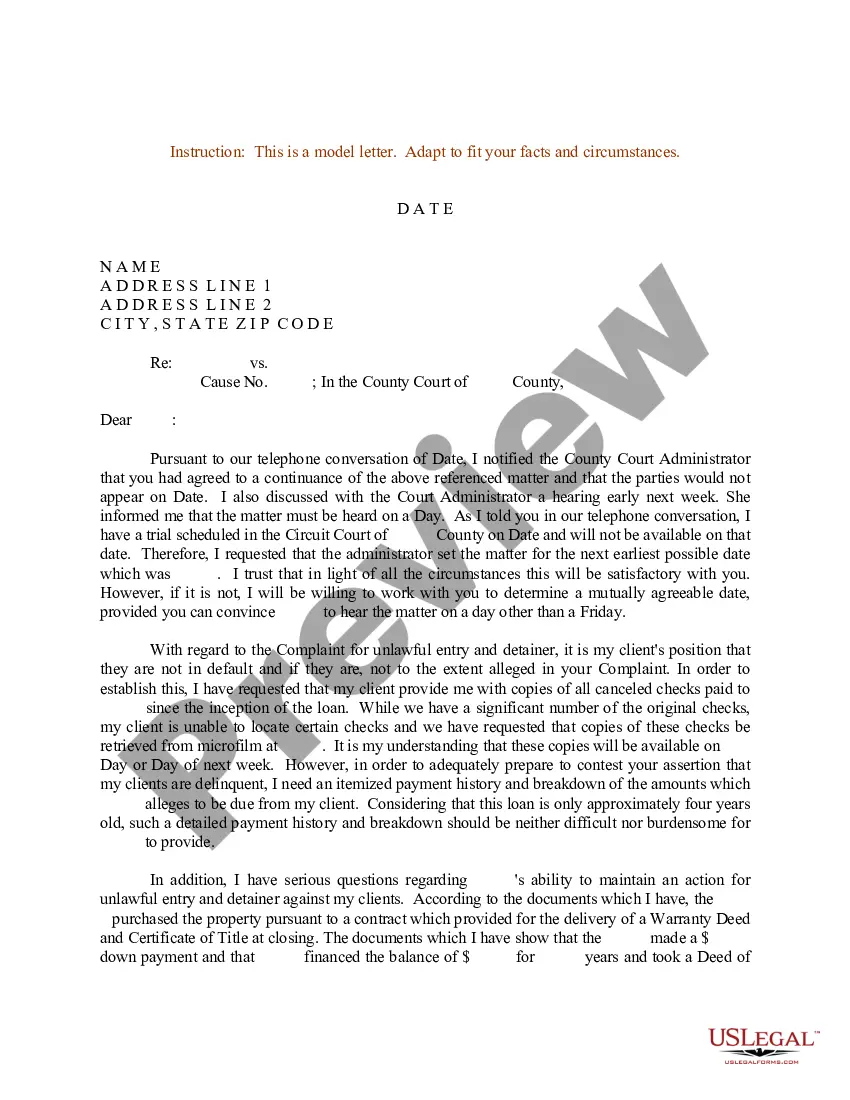
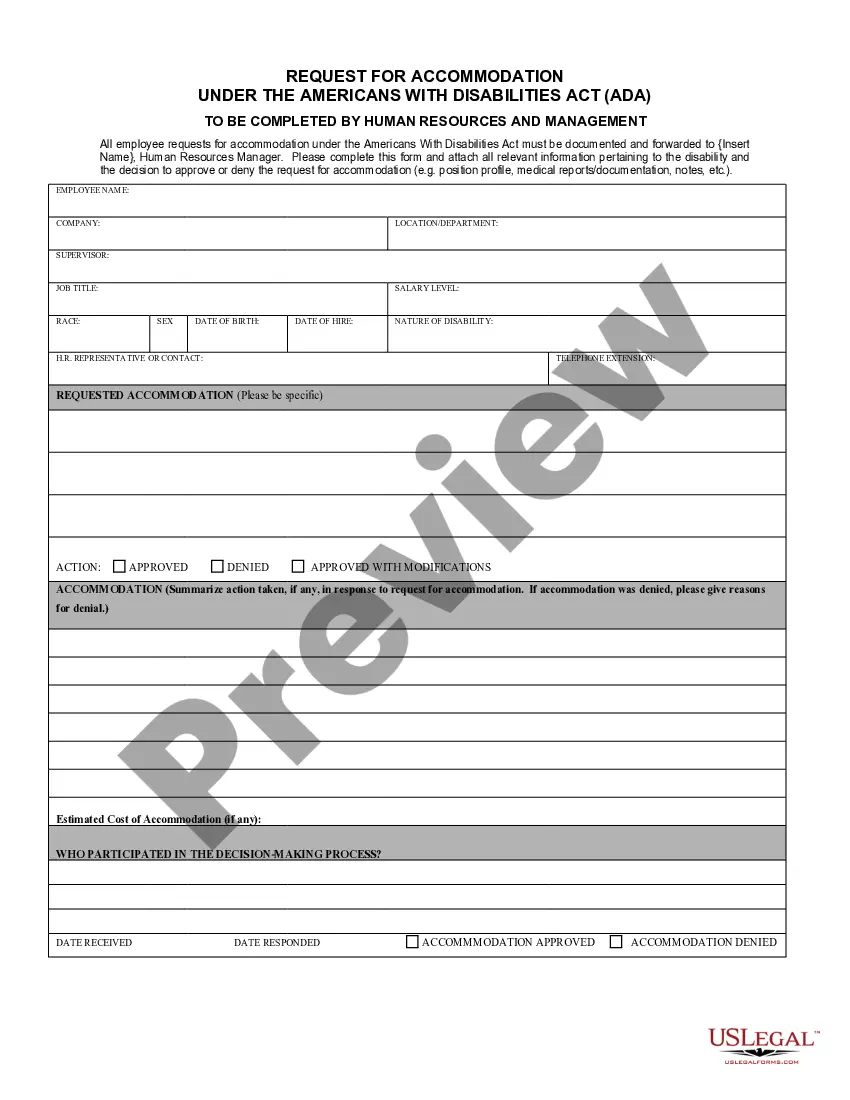
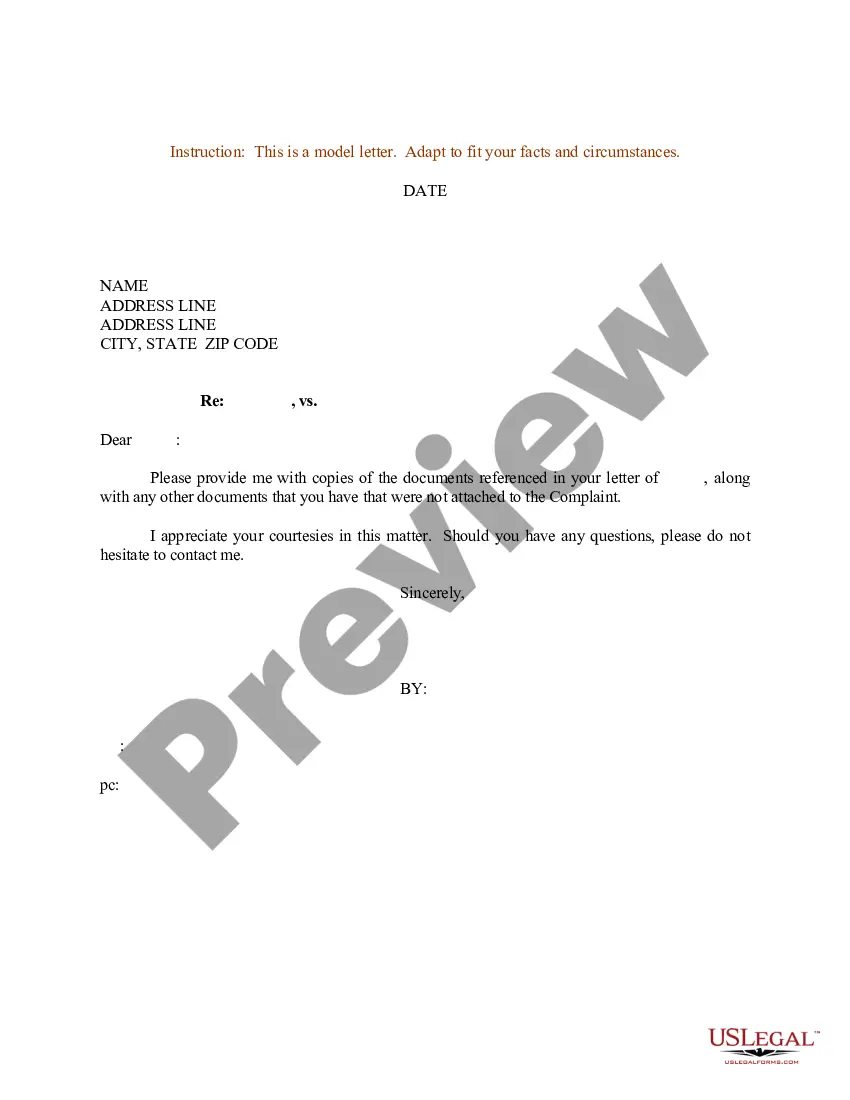
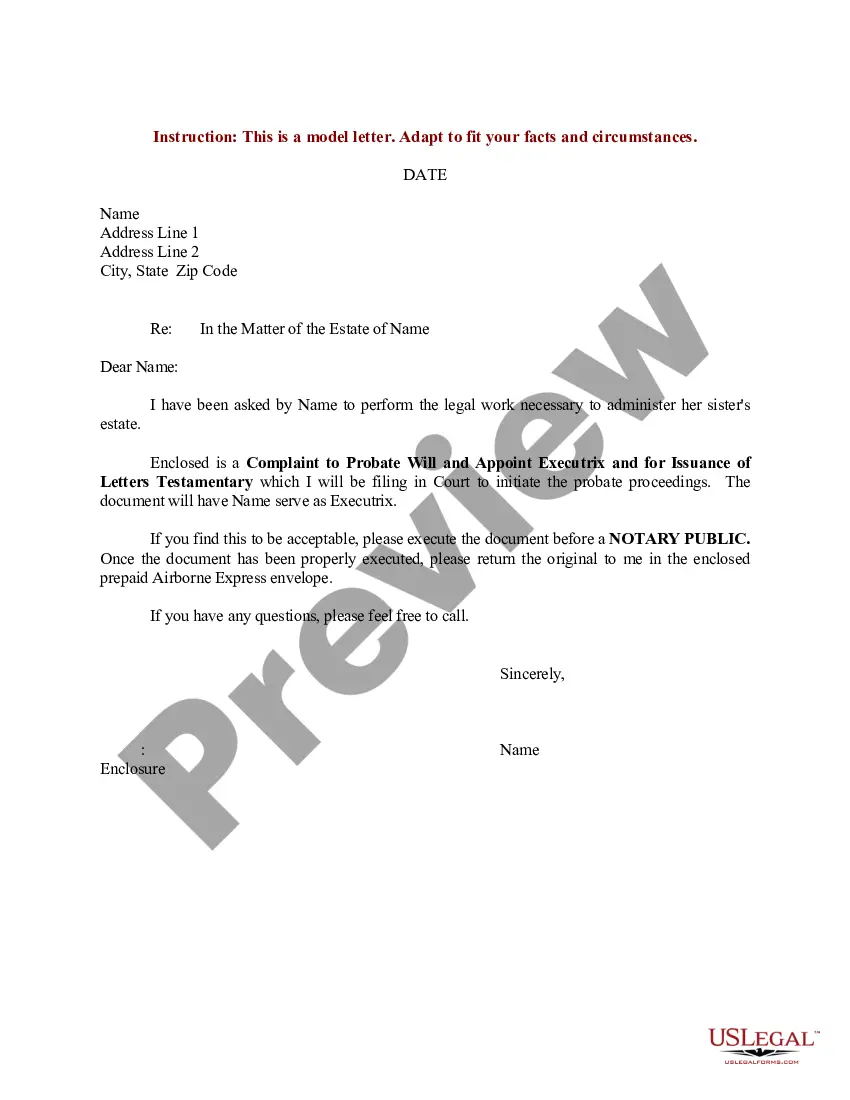
How to fill out Sample Letter For Renunciation Of Executorship?
Managing legal paperwork and activities can be a lengthy addition to your whole day.
Renunciation Document For Executor and similar forms often require you to locate them and determine the most efficient way to fill them out properly.
As a result, if you are addressing financial, legal, or personal matters, utilizing a comprehensive and user-friendly online library of forms at your disposal will significantly help.
US Legal Forms is the leading online platform for legal templates, offering over 85,000 state-specific documents and a range of tools to assist you in completing your paperwork swiftly.
Is this your initial experience with US Legal Forms? Sign up and create an account in just a few minutes, granting you access to the form library and the Renunciation Document For Executor. Then, follow the outlined steps below to fill out your form.
- Browse the assortment of relevant documents available with just one click.
- US Legal Forms provides state- and county-specific forms readily available for download at any time.
- Protect your document management processes with a premium service that allows you to create any form within minutes without additional or concealed charges.
- Simply Log In to your account, find the Renunciation Document For Executor, and obtain it instantly in the My documents section.
- You can also view previously downloaded documents.
Form popularity
FAQ
To resign from being an executor of an estate, you need to complete a Renunciation form for executor and file it with the court. This step is crucial for relieving yourself of responsibilities. Once the court processes your resignation, the estate can appoint someone else to take over your duties.
If you feel overwhelmed or unable to fulfill your duties, you can indeed get out of being an executor. The process involves filling out a Renunciation form for executor to formally resign your position. This allows the estate to appoint another executor, ensuring that everything continues to operate smoothly.
To renounce your position as executor, you should fill out a Renunciation form for executor. This document needs to be signed and submitted to the appropriate court handling the estate. After filing, the court will acknowledge your decision, allowing the process to move forward without your involvement.
Yes, you can remove yourself from the role of executor. To do this effectively, you will need to complete a Renunciation form for executor. This form formally indicates your desire to step down and can help avoid complications for the estate and beneficiaries.
An executor can renounce their position by completing a renunciation form for executor and submitting it to the probate court. This document officially communicates their decision to decline the responsibilities of the role. It’s important to also notify interested parties of this decision to avoid confusion. Utilizing platforms like uslegalforms can simplify this process, ensuring all necessary steps are correctly followed.
Yes, you can back out of being an executor by formally renouncing your role. To do this, you will need to fill out a renunciation form for executor and file it with the relevant court. This action indicates your unwillingness to accept the responsibilities and allows for the appointment of another executor. Understanding this process ensures that you can make a smooth transition away from your duties.
An executor can resign by completing and filing a renunciation form for executor with the probate court. This form must detail your decision to step down and be properly signed to ensure its validity. Once submitted, the court will recognize your resignation, allowing the estate to move forward with the appropriate executor. It’s always wise to communicate your intentions clearly to the beneficiaries to maintain transparency.
Filling out a renunciation form for executor involves providing your personal information, details about the estate, and a clear statement of your intention to renounce. The form typically requires your signature, confirming you understand the implications of renouncing your role. It's essential to read all instructions carefully to ensure your submission is complete. Resources like uslegalforms can guide you through the process and help streamline your experience.
To remove yourself as an executor, you need to file a renunciation form for executor with the appropriate probate court. This form will officially document your decision to step down from your responsibilities. It's important to ensure all interested parties are informed, as this provides transparency. Furthermore, this can facilitate the appointment of another executor without delay.
Renunciation of executor refers to the formal process by which an executor declines to act in their capacity. When someone renounces, they submit a renunciation form for executor to the probate court, indicating they do not wish to take on the responsibilities of managing the estate. This action helps clarify the executor's intentions and allows the estate to proceed with a suitable replacement. It's a vital step for both the executor and the beneficiaries.