Sub Trust
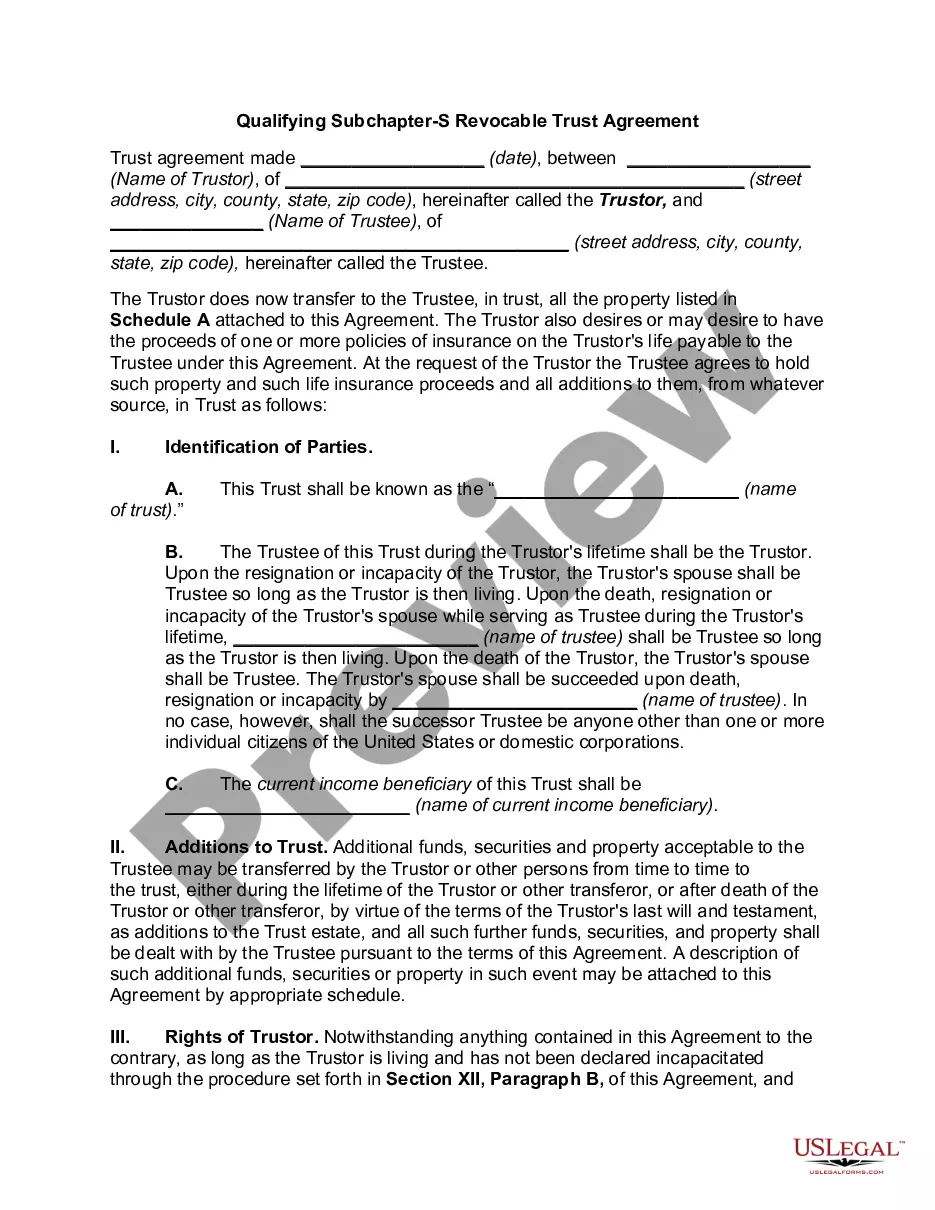
Description

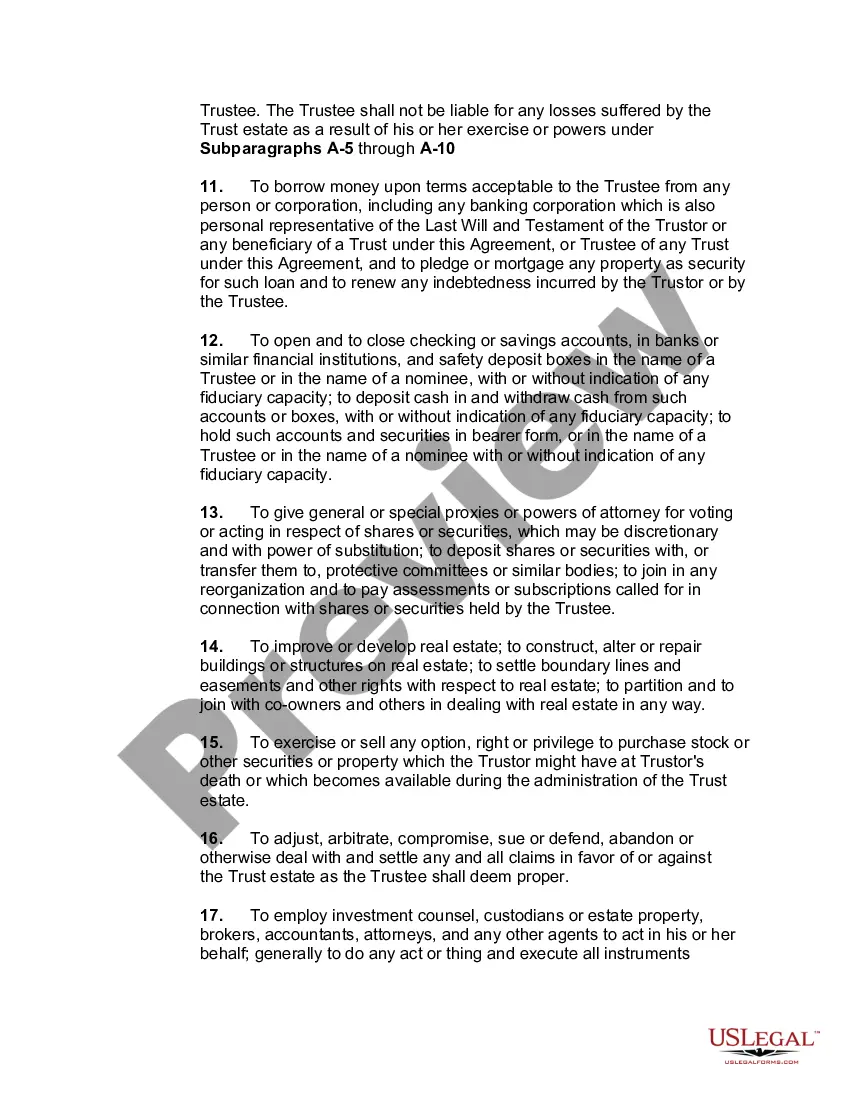
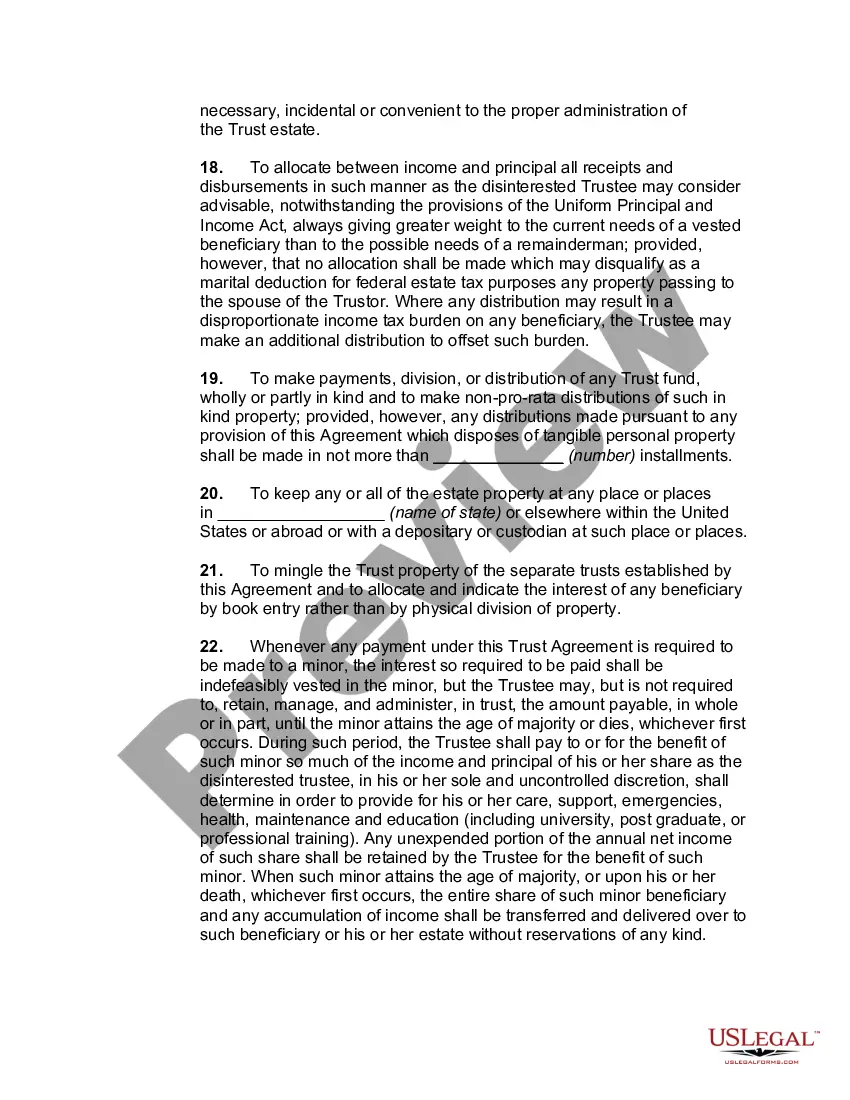
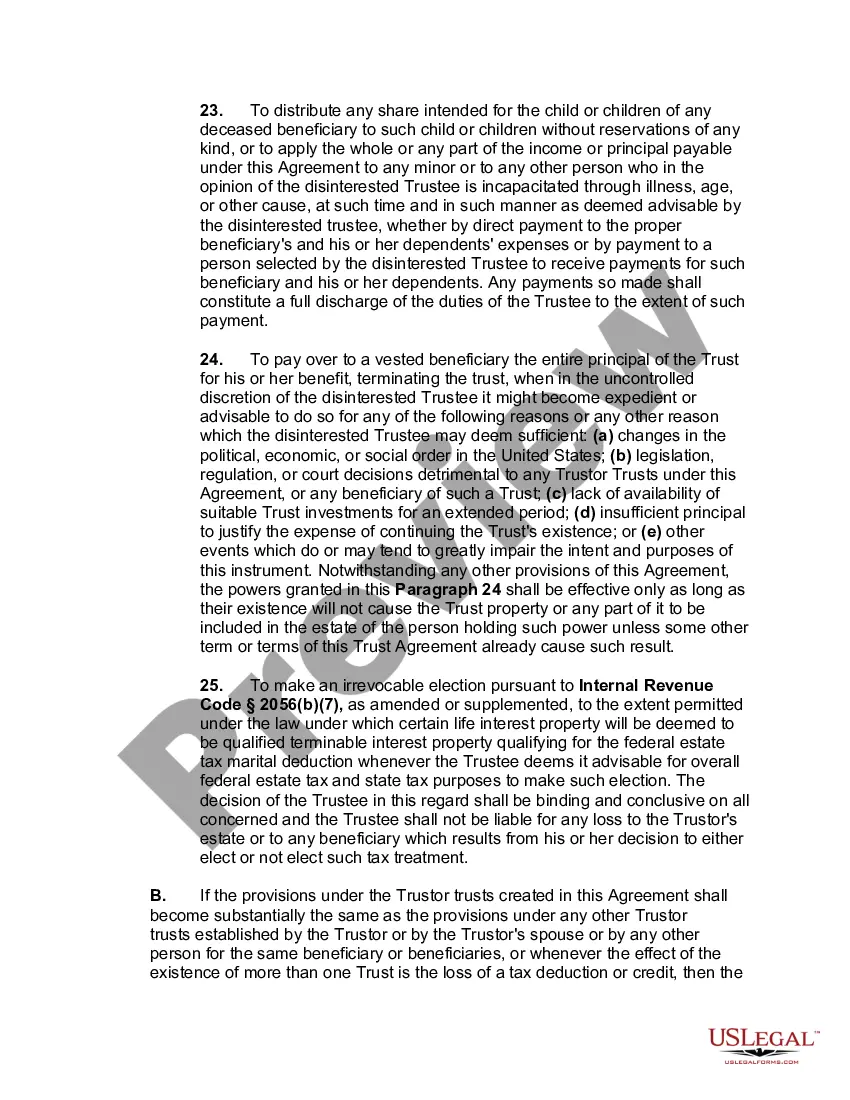
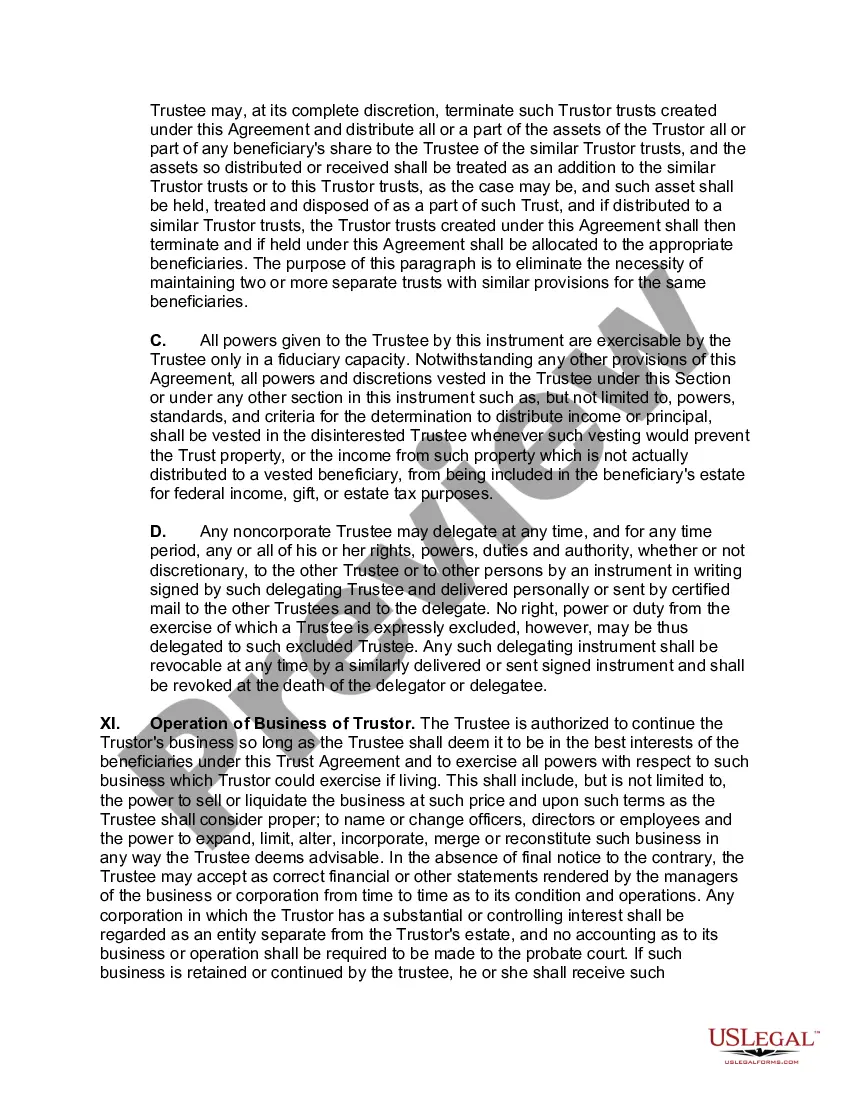
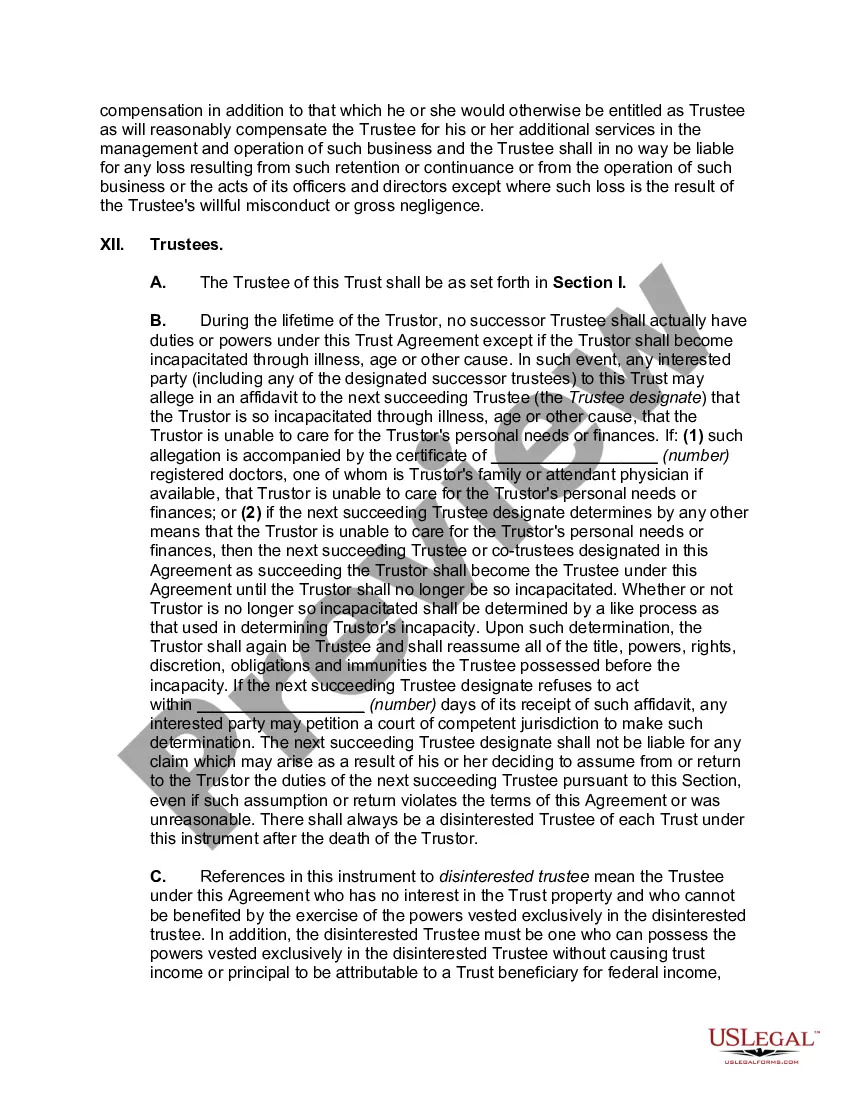

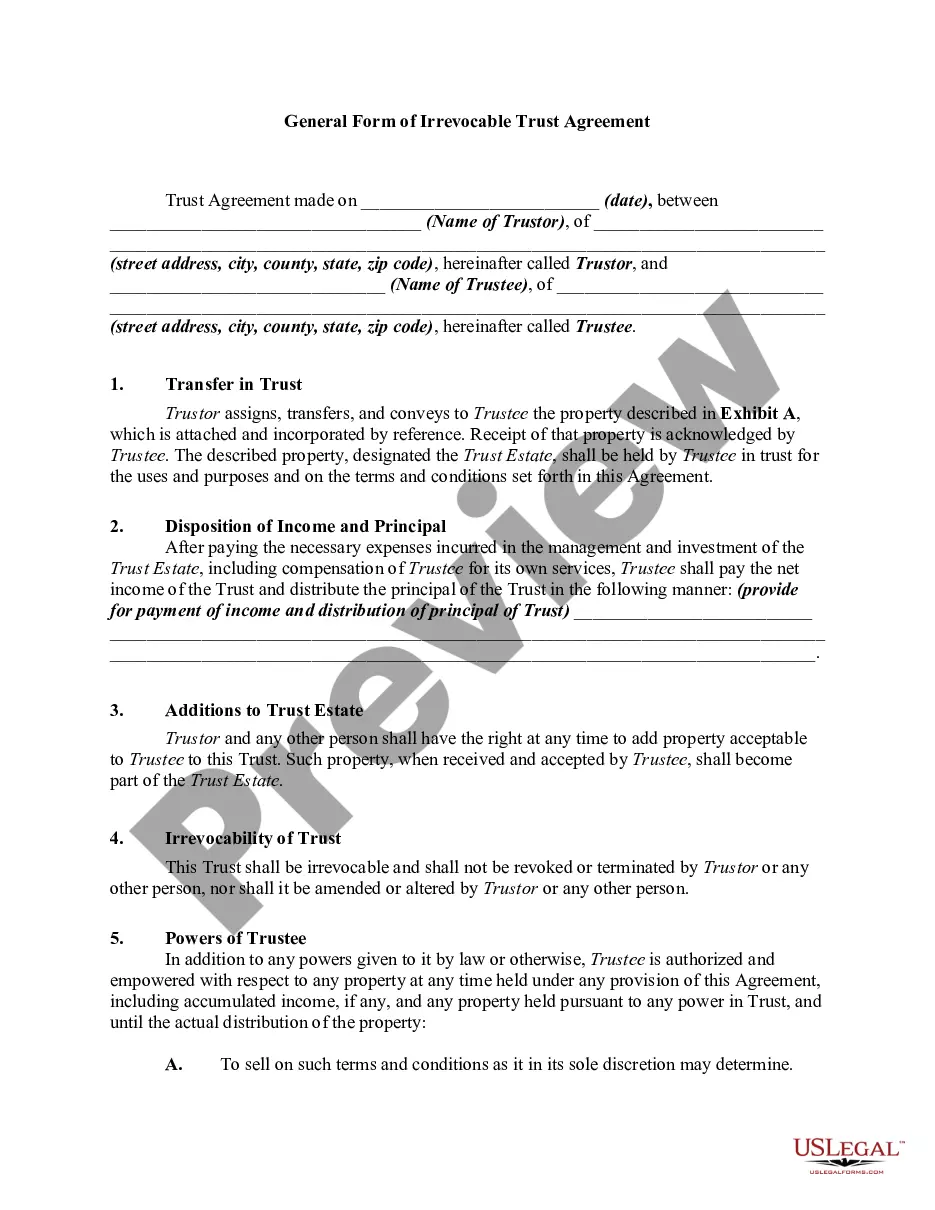
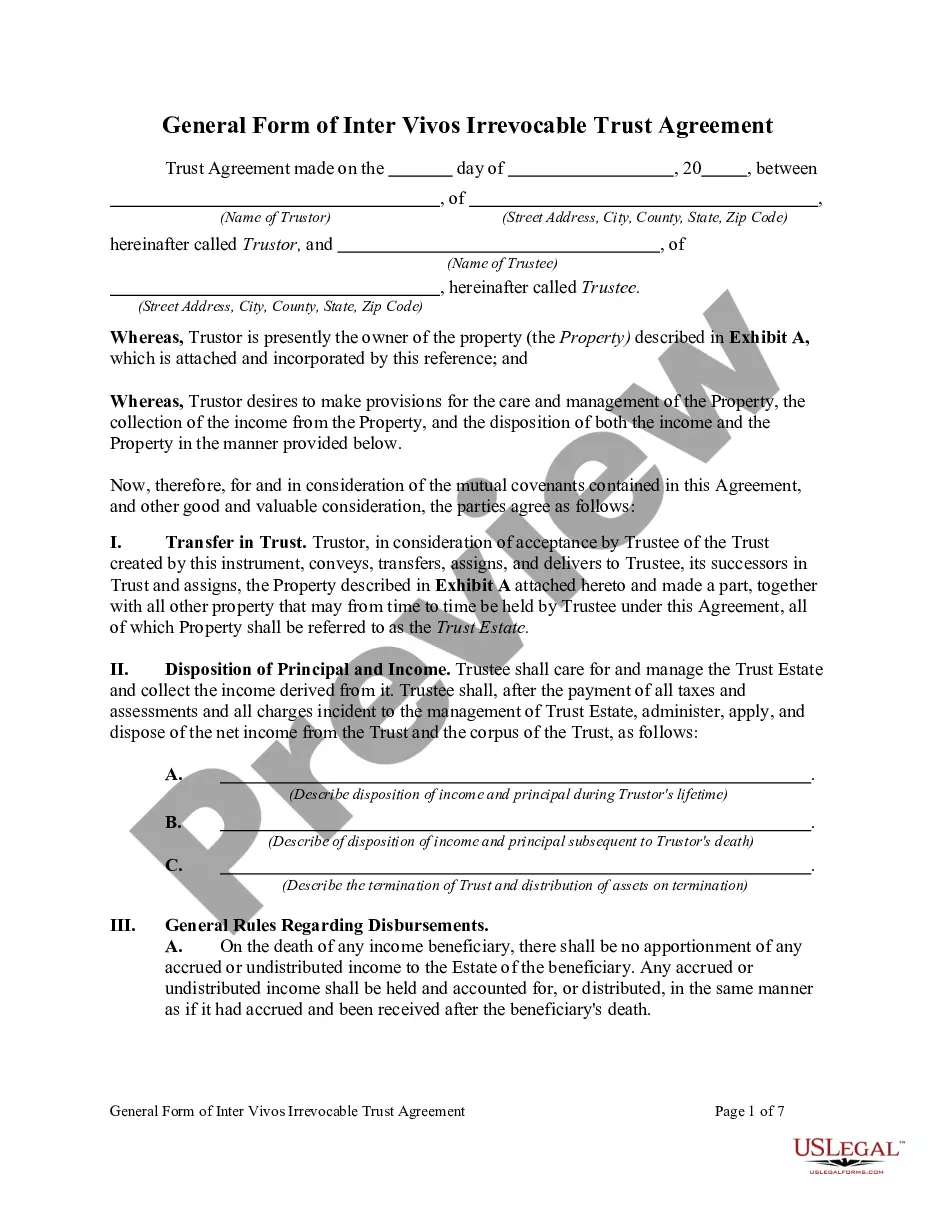
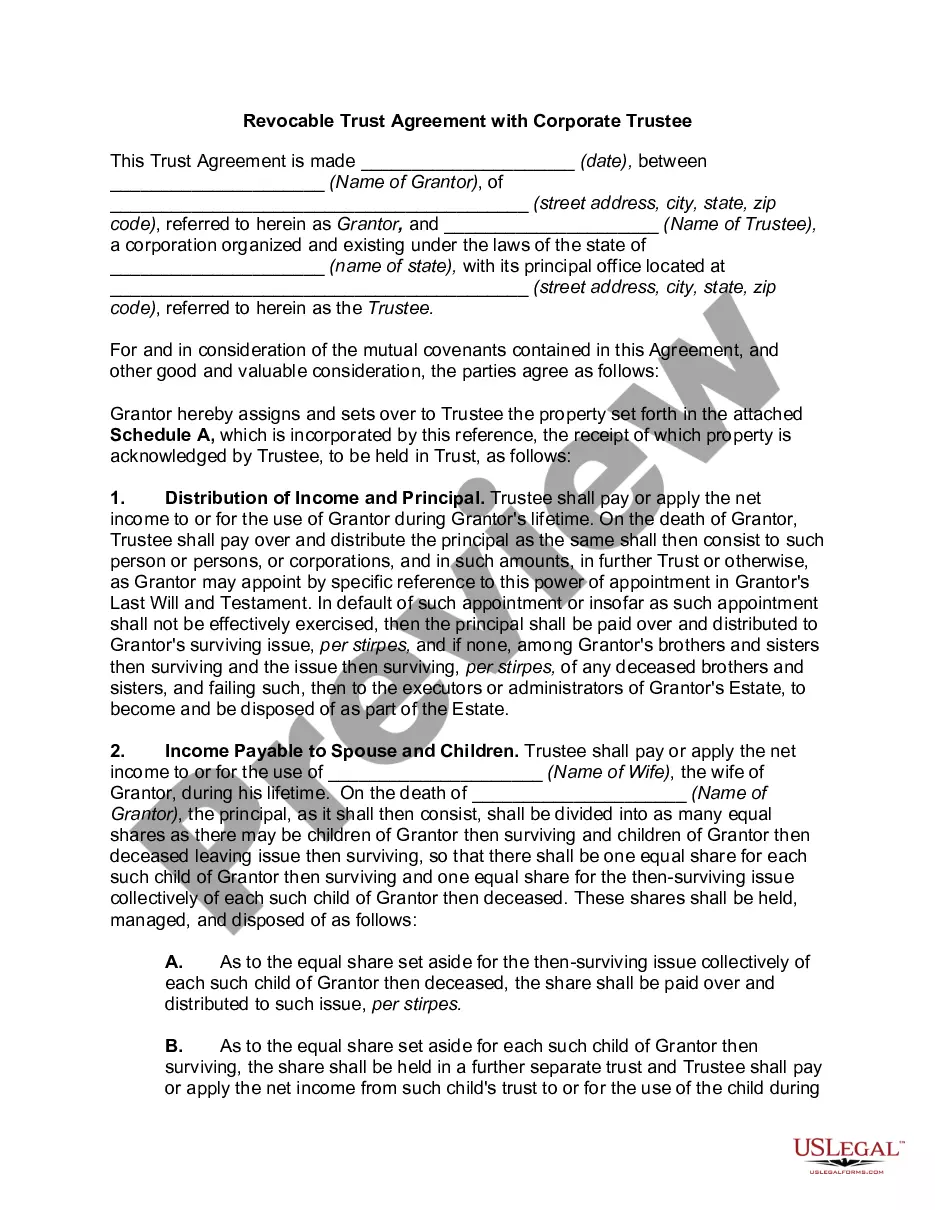
Get your form ready online
Our built-in tools help you complete, sign, share, and store your documents in one place.
Make edits, fill in missing information, and update formatting in US Legal Forms—just like you would in MS Word.
Download a copy, print it, send it by email, or mail it via USPS—whatever works best for your next step.
Sign and collect signatures with our SignNow integration. Send to multiple recipients, set reminders, and more. Go Premium to unlock E-Sign.
If this form requires notarization, complete it online through a secure video call—no need to meet a notary in person or wait for an appointment.
We protect your documents and personal data by following strict security and privacy standards.

Make edits, fill in missing information, and update formatting in US Legal Forms—just like you would in MS Word.

Download a copy, print it, send it by email, or mail it via USPS—whatever works best for your next step.

Sign and collect signatures with our SignNow integration. Send to multiple recipients, set reminders, and more. Go Premium to unlock E-Sign.

If this form requires notarization, complete it online through a secure video call—no need to meet a notary in person or wait for an appointment.

We protect your documents and personal data by following strict security and privacy standards.
Looking for another form?

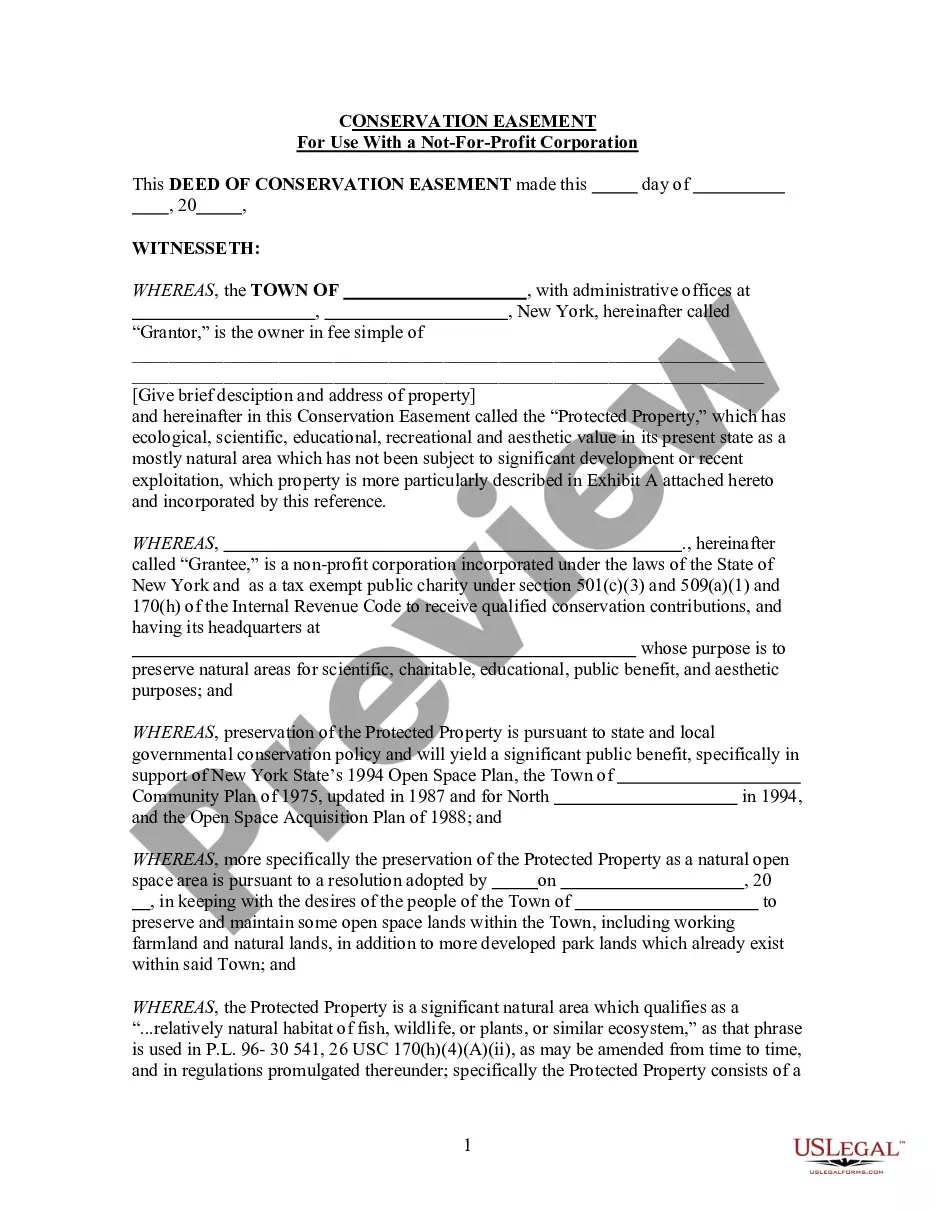






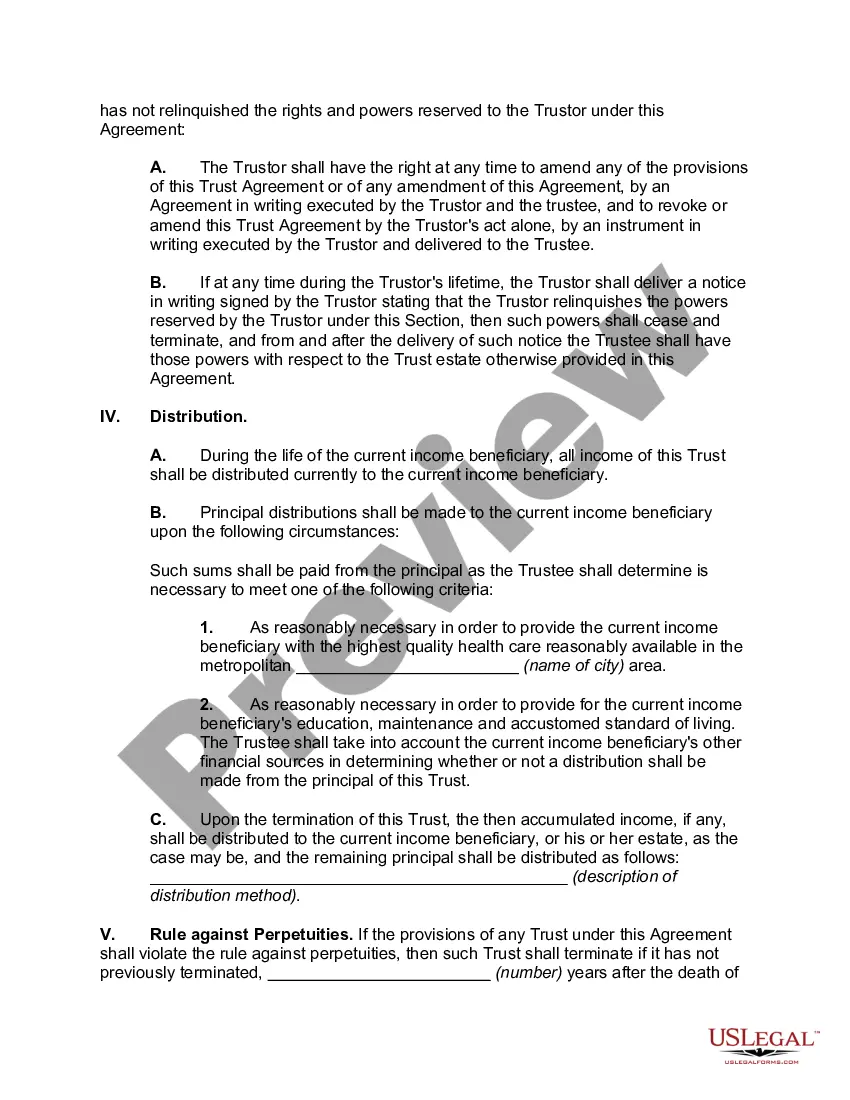
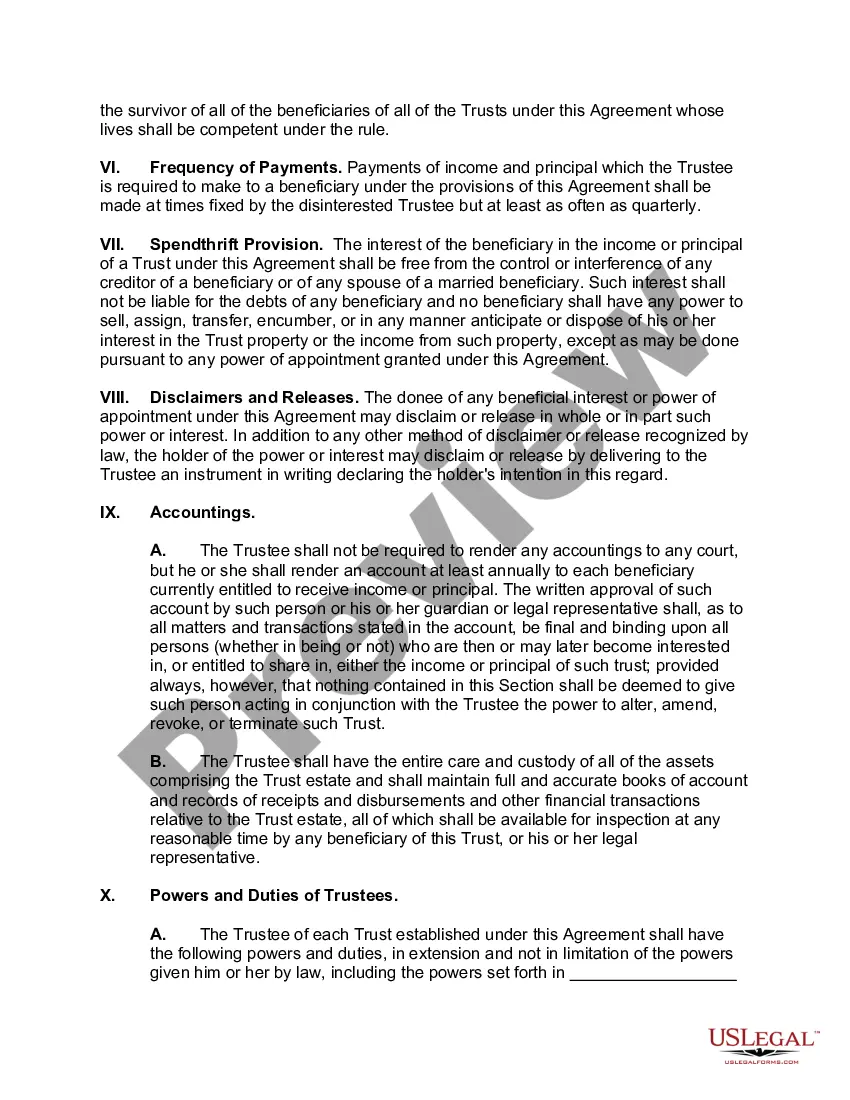
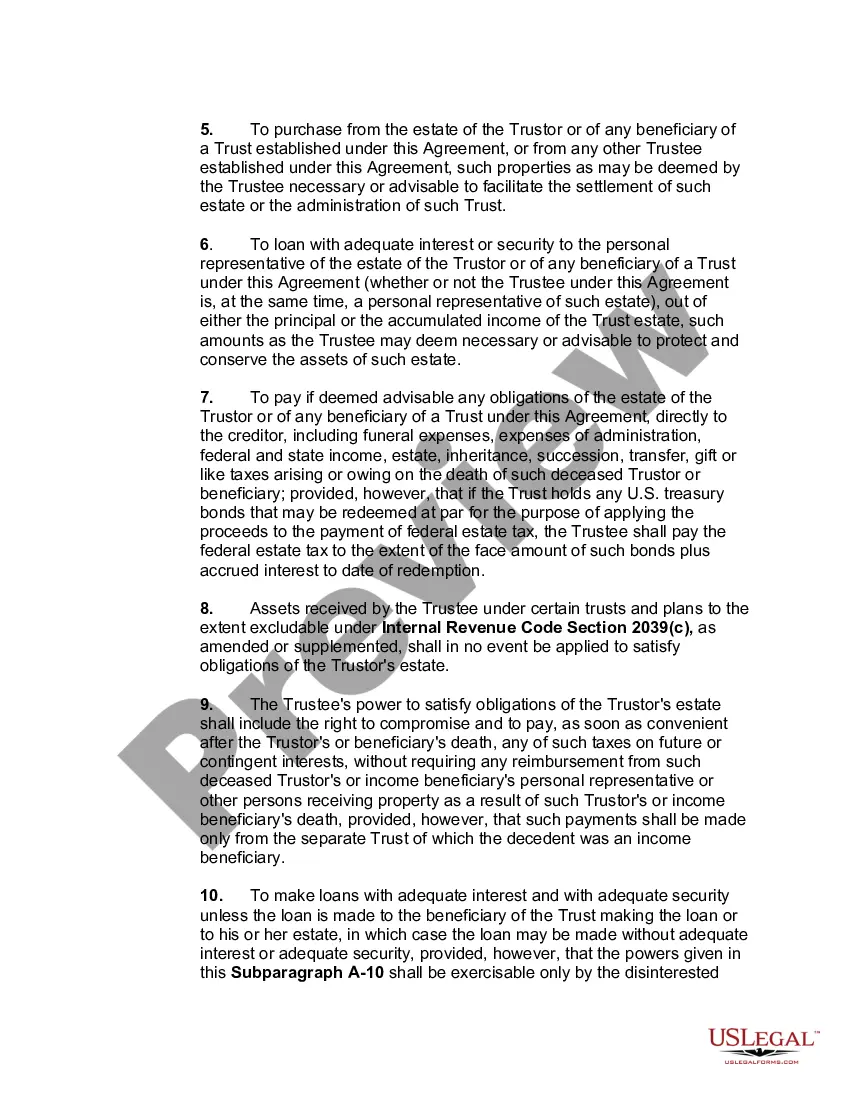
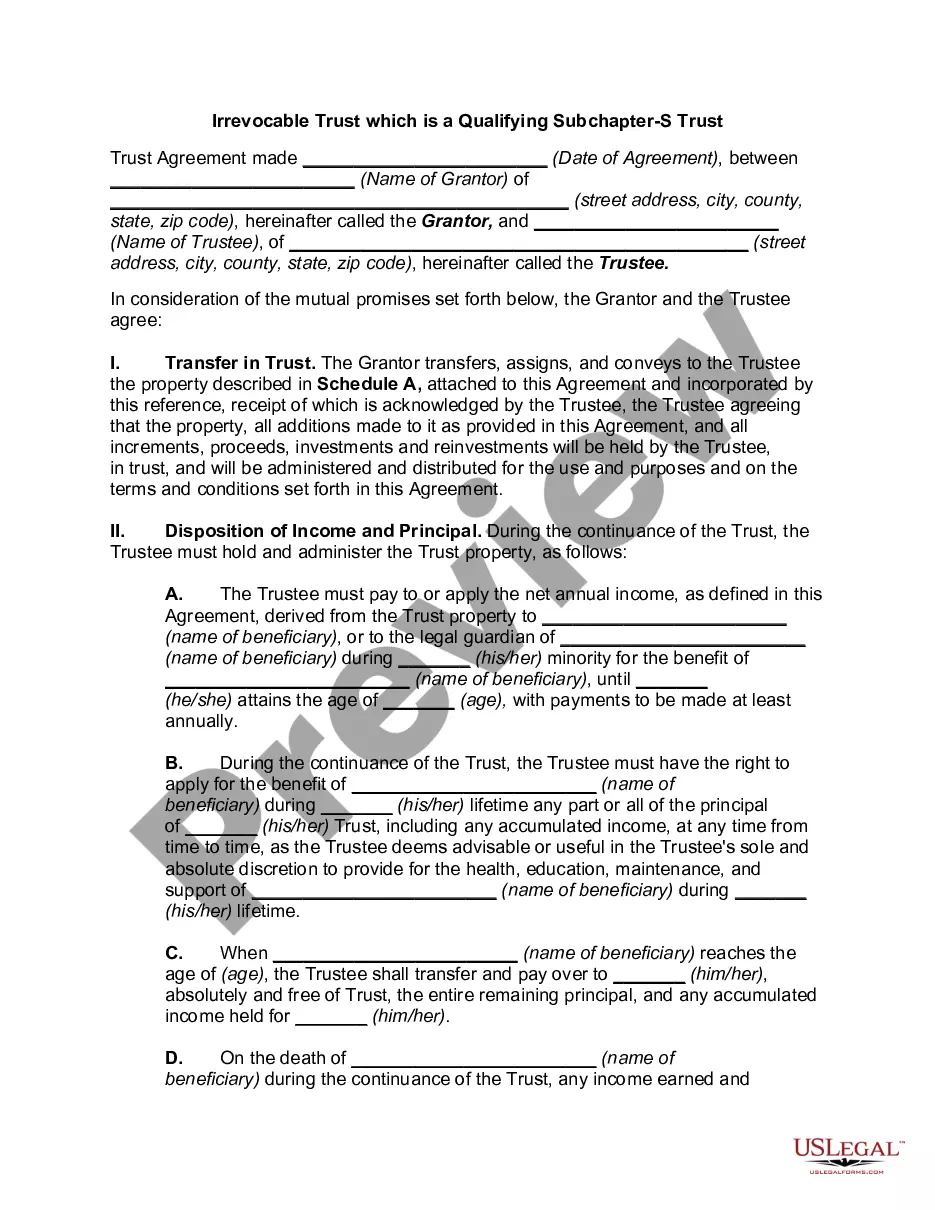
How to fill out Qualifying Subchapter-S Revocable Trust Agreement?
- Log in to your account or create a new one on the US Legal Forms website.
- Search for 'Sub trust' in the form collection, ensuring it's suitable for your jurisdiction.
- Review the form's preview and description carefully to confirm it meets your needs.
- If necessary, explore additional templates using the search feature.
- Select your desired document and click the 'Buy Now' button, choosing a subscription plan.
- Complete your purchase using a credit card or PayPal account.
- Once your order is processed, download the form directly to your device.
After downloading, you can fill out the template as required. It’s available in your 'My Forms' section for future reference.
Using US Legal Forms not only provides you with a robust collection of legal documents but also access to expert assistance. Don't hesitate—start creating your Sub trust today!
Form popularity
FAQ
The purpose of a sub trust is to provide a focused way to manage and distribute assets according to specific terms defined by the trust creator. It helps segregate assets based on various objectives, such as caring for dependents or managing charitable donations. Establishing a sub trust can simplify complex estate planning, allowing you to maintain control over your assets while addressing the needs of your beneficiaries.
fund of a trust refers to a division within a larger trust that holds specific assets or resources for particular purposes. This arrangement allows for clearer management and allocation of funds based on distinct needs or objectives. By utilizing sub funds, you can create a more organized approach to your estate planning, ensuring that assets are managed as you intend.
Using a sub trust offers numerous benefits, such as asset protection and tailored distributions. A sub trust can help manage assets more effectively, ensuring that funds are allocated according to your wishes. Additionally, it provides a structured way to address the specific needs of beneficiaries, making it a valuable tool in estate planning.
The purpose of a supplemental needs trust (SNT) is to provide financial support to individuals with disabilities without jeopardizing their eligibility for government assistance. By using a sub trust structure, funds can be set aside for additional needs, such as medical expenses, personal care, and education. This allows beneficiaries to maintain their quality of life while receiving the benefits they are entitled to.
A child sub trust is a specific type of trust designed to hold and manage assets for the benefit of a minor child. This sub trust ensures that funds are used in the child's best interest, providing for education, healthcare, and necessary living expenses. By establishing a child sub trust, parents can have peace of mind, knowing that their child’s financial future is secure.
Filling out a trust fund involves several key steps. First, gather all necessary information regarding your assets and beneficiaries. Next, you will need to determine the terms of the sub trust, including how assets will be managed and distributed. Using platforms like US Legal Forms can simplify this process, as they provide templates and guidance tailored to create a sub trust effectively.
The settlor of a sub trust is the individual who creates the sub trust within a larger trust framework. This person transfers assets into the sub trust and specifies how those assets will be managed and distributed. Understanding the role of the settlor is essential for effective estate planning. US Legal Forms offers resources to help you clearly define your role and responsibilities when establishing a sub trust.
Generally, an irrevocable trust does not require court approval or filing to be valid. However, filing may be necessary if the trust holds certain types of assets or avoids probate in complex situations. Consulting with a legal expert can help you navigate the specific requirements for your situation. Utilizing platforms like US Legal Forms can guide you in creating the necessary documents for your irrevocable trust.
There are three main types of trusts to consider: revocable trusts, irrevocable trusts, and sub trusts. A revocable trust allows the settlor to retain control over the assets during their lifetime. In contrast, an irrevocable trust transfers assets out of the settlor’s control, providing potential tax benefits. A sub trust is a specialized form of trust created within a larger trust, often designed to manage specific assets or provide for unique needs.
Yes, it is possible to have a trust without an EIN, particularly if the trust is revocable and the grantor is alive. In this case, the trust's income is reported under the grantor's Social Security Number. However, for irrevocable trusts or those that generate income, obtaining an EIN is advisable to ensure proper tax handling. If you have specific needs regarding a sub trust, consult a professional for the best course of action.