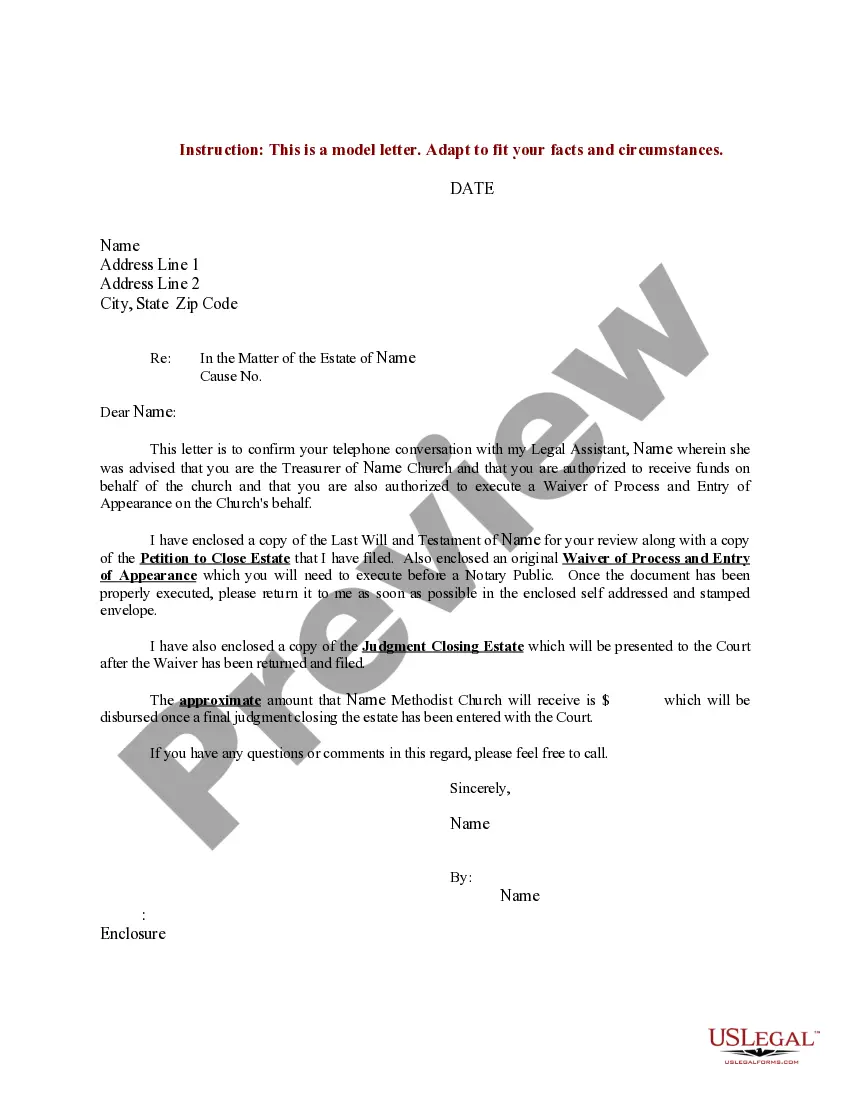
Estate Distribution Letter To Beneficiaries With Trust
Description
Get your form ready online
Our built-in tools help you complete, sign, share, and store your documents in one place.
Make edits, fill in missing information, and update formatting in US Legal Forms—just like you would in MS Word.
Download a copy, print it, send it by email, or mail it via USPS—whatever works best for your next step.
Sign and collect signatures with our SignNow integration. Send to multiple recipients, set reminders, and more. Go Premium to unlock E-Sign.
If this form requires notarization, complete it online through a secure video call—no need to meet a notary in person or wait for an appointment.
We protect your documents and personal data by following strict security and privacy standards.

Make edits, fill in missing information, and update formatting in US Legal Forms—just like you would in MS Word.

Download a copy, print it, send it by email, or mail it via USPS—whatever works best for your next step.

Sign and collect signatures with our SignNow integration. Send to multiple recipients, set reminders, and more. Go Premium to unlock E-Sign.

If this form requires notarization, complete it online through a secure video call—no need to meet a notary in person or wait for an appointment.

We protect your documents and personal data by following strict security and privacy standards.
Looking for another form?


How to fill out Sample Letter For Distribution Of Estate To Church?
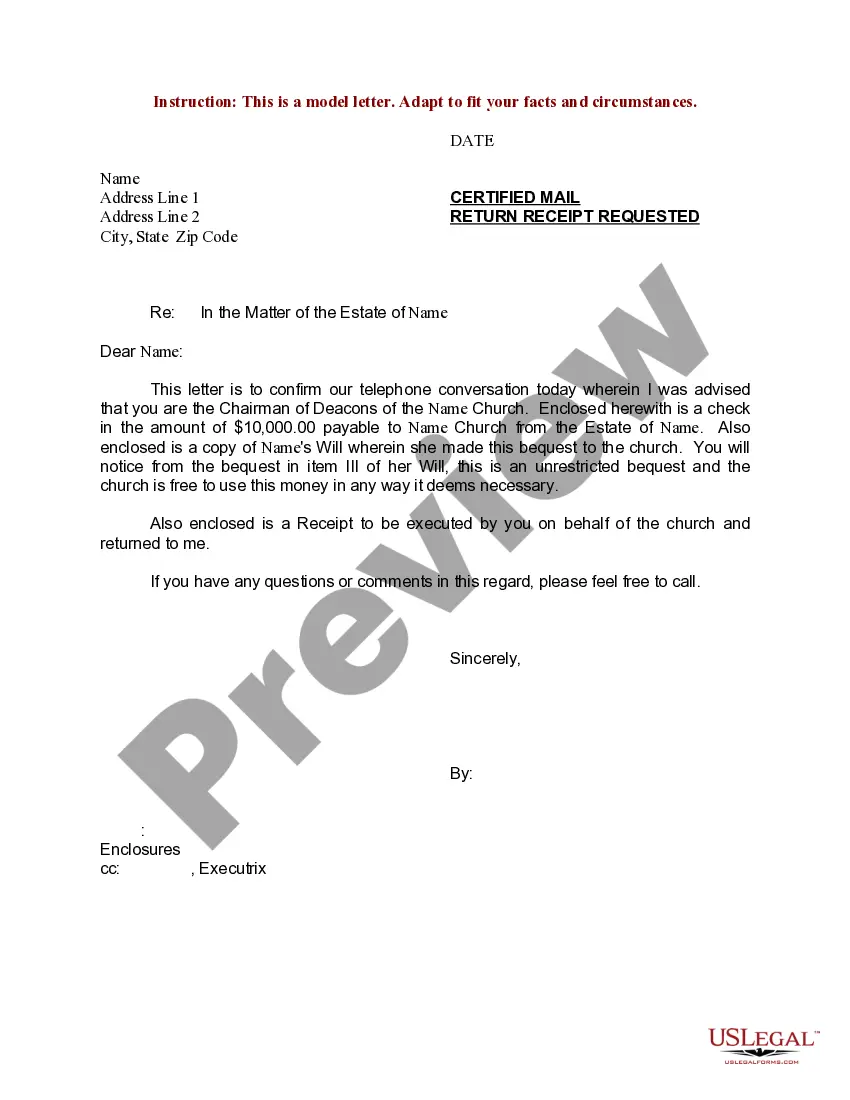
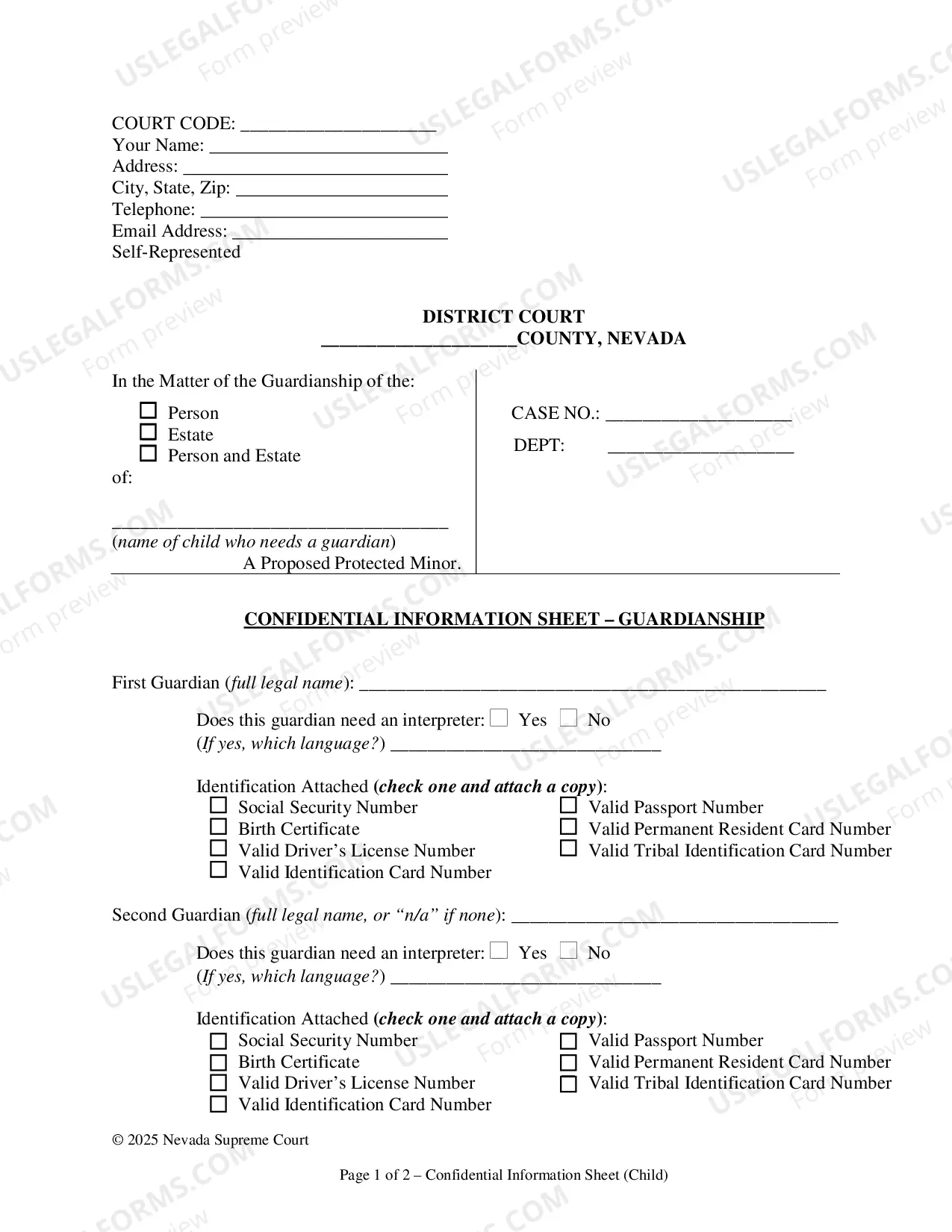
Securing legal documents that adhere to federal and regional laws is crucial, and the web provides a plethora of choices to choose from.
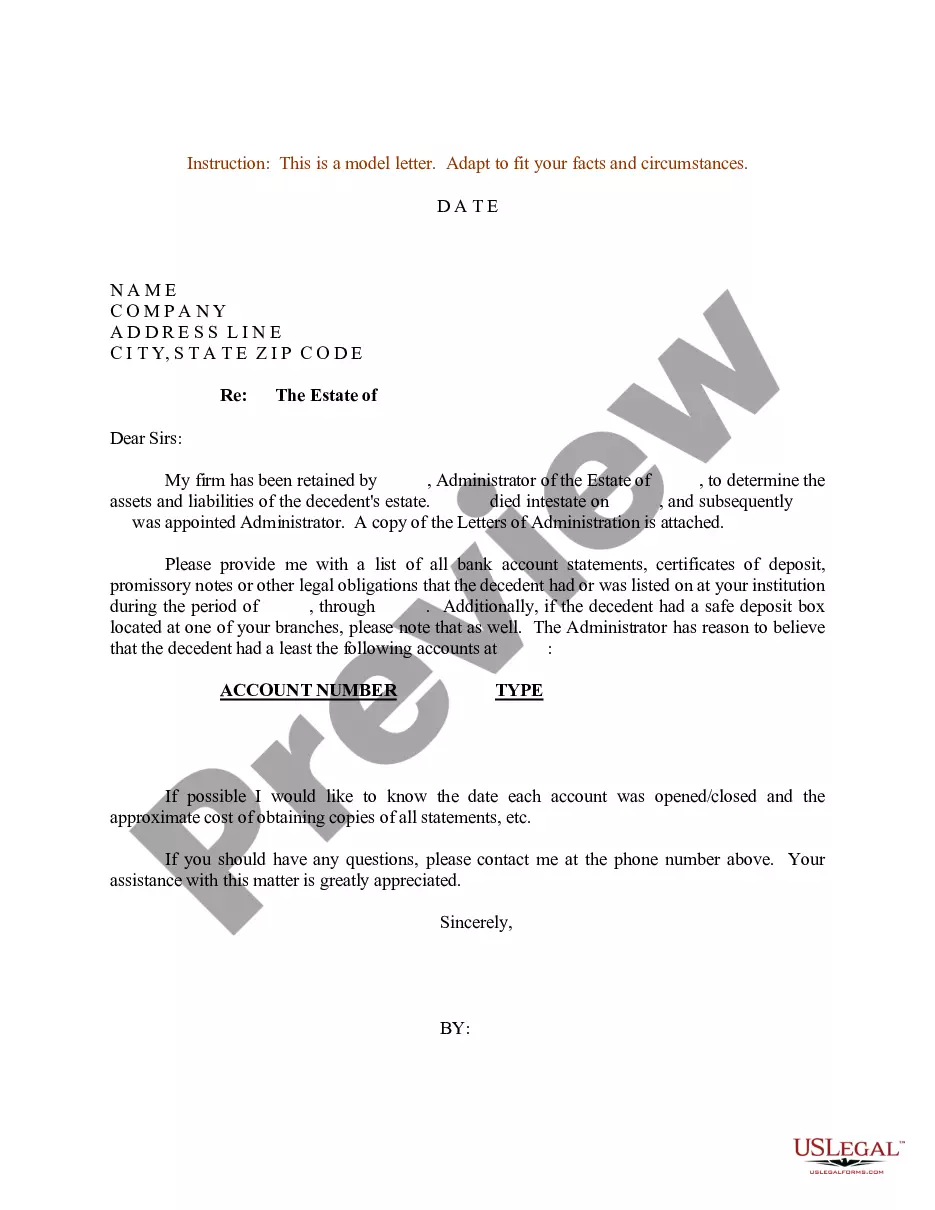
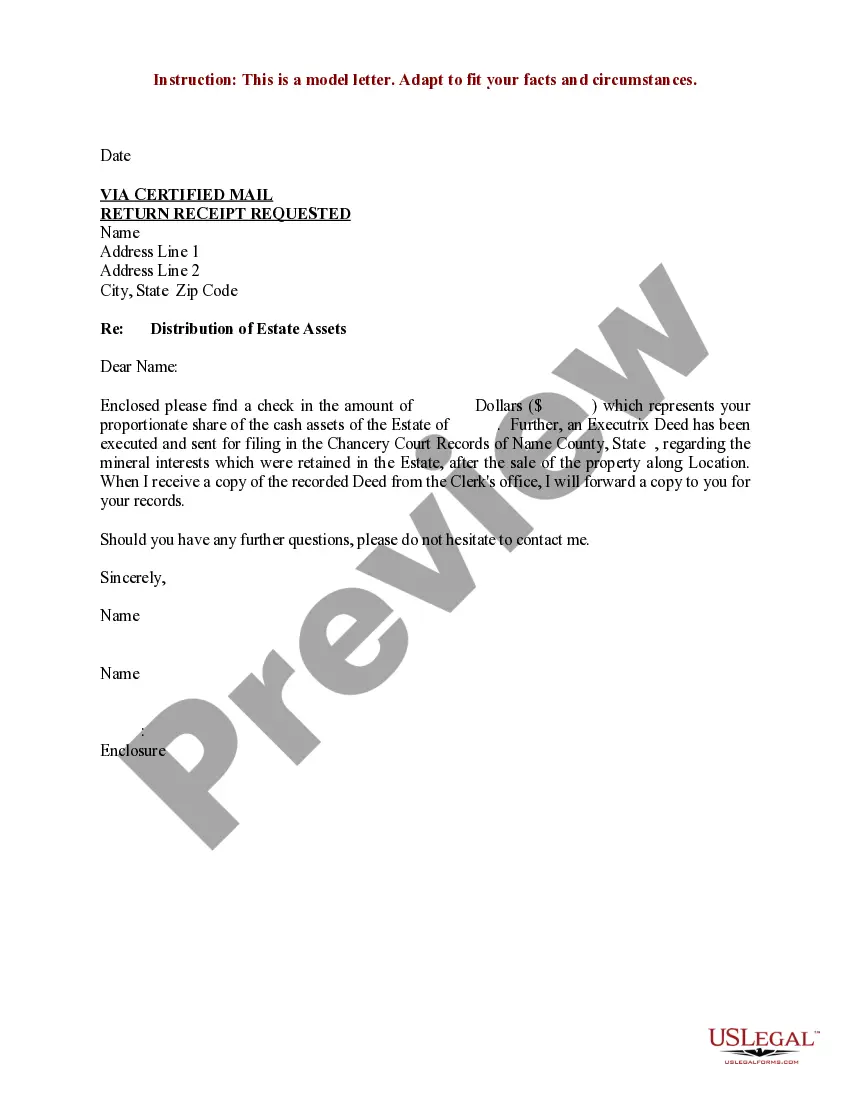
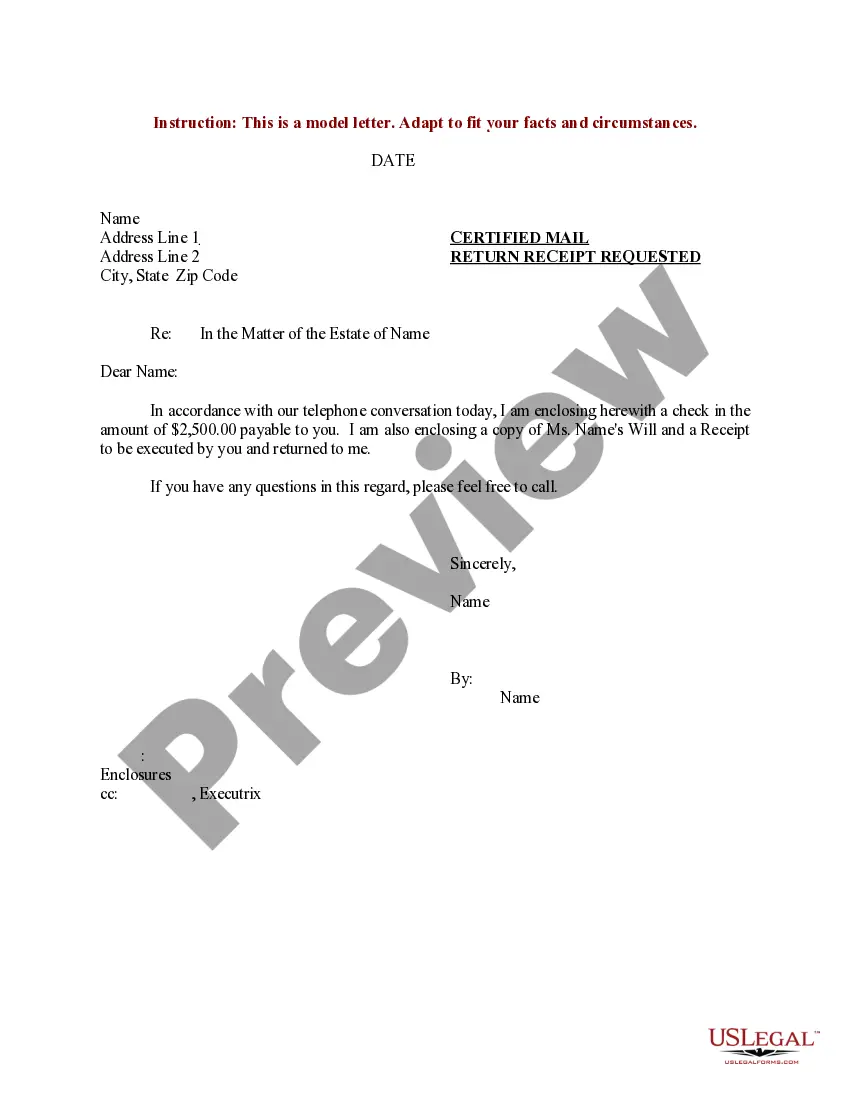
However, what’s the advantage of spending time finding the ideal Estate Distribution Letter To Beneficiaries With Trust example online when the US Legal Forms digital library has such documents gathered in one location.
US Legal Forms is the largest online legal repository with more than 85,000 editable documents created by attorneys for any commercial and personal situation.
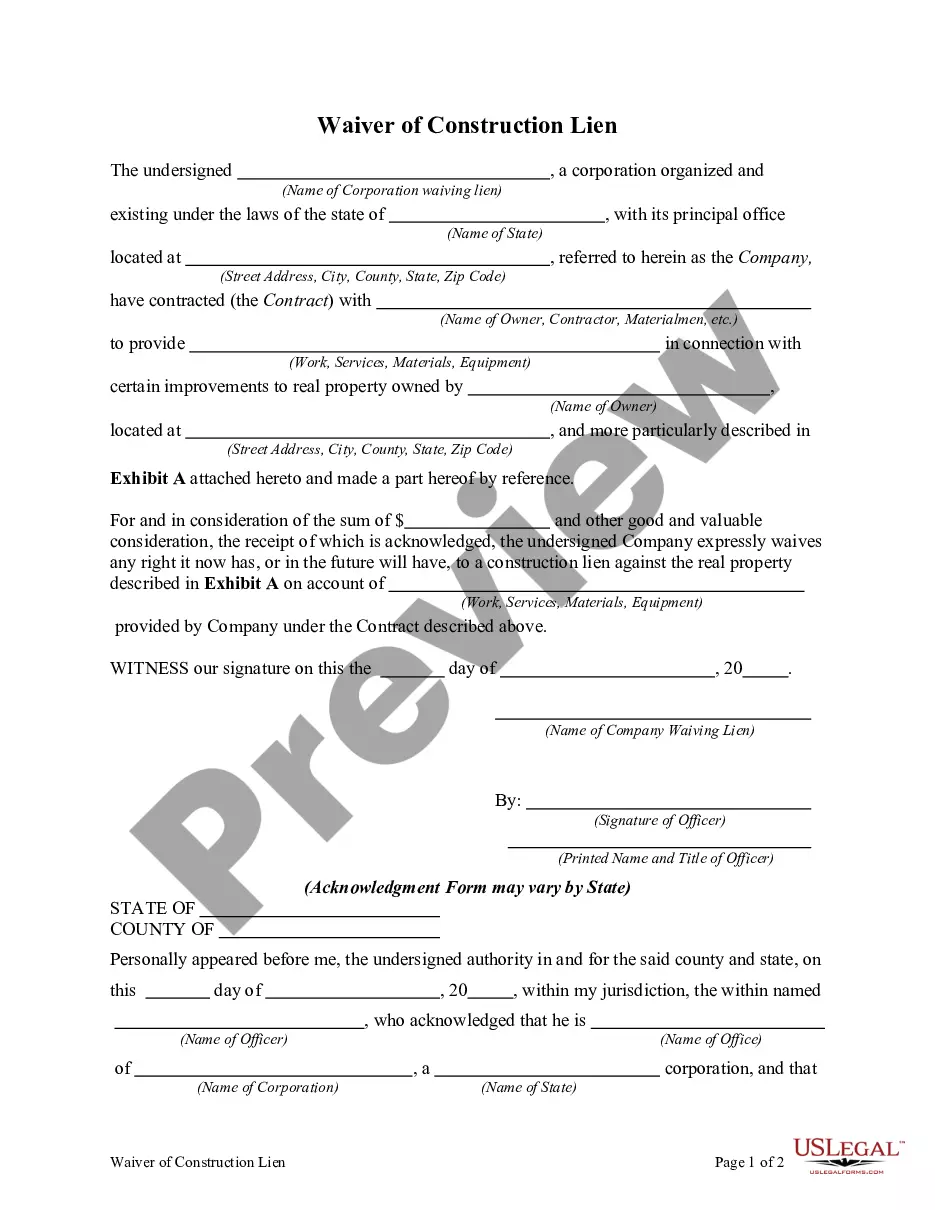
Review the template using the Preview feature or through the text description to ensure it fulfills your requirements.
- They are easy to navigate with all files categorized by state and intended usage.
- Our experts stay updated with legal developments, so you can consistently trust your form is current and compliant when obtaining an Estate Distribution Letter To Beneficiaries With Trust from our platform.
- Acquiring an Estate Distribution Letter To Beneficiaries With Trust is straightforward and quick for both existing and new users.
- If you already possess an account with a valid subscription, Log In and save the template you require in the appropriate format.
- If you are new to our platform, follow the steps below.
Form popularity
FAQ
Typically, beneficiaries are notified of their status in a trust, especially after the trust creator's passing. You should receive an estate distribution letter to beneficiaries with trust, which informs you of your benefits and any actions required. However, the exact process can depend on state laws and the specifics laid out in the trust. If you suspect you are a beneficiary but have not received notice, consulting an attorney can provide clarity.
Transferring assets from a trust to a beneficiary involves formally documenting the transfer in line with the trust’s instructions. Start by reviewing the trust document and preparing an estate distribution letter to beneficiaries with trust. This letter should detail the assets being transferred, the method of transfer, and any necessary instructions. In many cases, working with a legal professional ensures a smooth transfer process and meets all legal requirements.
Yes, distributions from a trust can potentially be taxable to the beneficiaries. Generally, beneficiaries may need to report income derived from trust distributions on their tax returns. However, distributions of principal from the trust typically do not trigger taxes. For clarity on tax implications, consult an expert or include tax considerations in your estate distribution letter to beneficiaries with trust.
Distributing trust funds to beneficiaries begins with reviewing the trust document to understand its terms. Once you identify the beneficiaries and their respective shares, you can prepare an estate distribution letter to beneficiaries with trust. This letter outlines the distribution details and confirms the amounts or assets each beneficiary will receive. It's also advisable to consult a legal professional to ensure compliance with applicable laws.
Inheritance distribution to beneficiaries usually follows the terms set forth in a will or trust. An estate distribution letter to beneficiaries with trust can facilitate smooth communication regarding what beneficiaries will inherit, whether it be property, financial accounts, or other assets. The trustee or executor reviews the document, gathers the assets, and then distributes them according to the established guidelines. Utilizing platforms like uslegalforms can help streamline this process by providing templates that guide users in drafting these essential documents.
To write an inheritance letter to a beneficiary, start by clearly stating the purpose of the letter. Include details about the estate distribution letter to beneficiaries with trust, outlining what the beneficiary is receiving. It is important to be transparent about any conditions or expectations associated with the inheritance. For a professional approach, consider using services like UsLegalForms to help you draft a properly formatted and legally sound letter.
To write an inheritance letter to a beneficiary, begin with a respectful salutation and clearly state that you are informing them of their inheritance. Provide specifics, including asset descriptions, values, and any conditions tied to the distribution. Always remember to conclude with your contact information for any questions, reinforcing the clarity expected in an estate distribution letter to beneficiaries with trust.
A beneficiary letter typically includes sections detailing the trust's name, the beneficiary's information, and the specifics of the distribution. It should have a professional tone and clearly itemize the assets being distributed. The estate distribution letter to beneficiaries with trust is crucial for ensuring that all parties understand the terms and amounts involved moving forward.
An example of an inheritance letter for a beneficiary outlines the assets and values that the beneficiary will receive. It usually starts with a formal greeting, identifies the trust, and provides detailed information about each inherited asset. This format can enhance clarity, and it serves as an important piece within the estate distribution letter to beneficiaries with trust.
To write a trust distribution letter, start by clearly stating the purpose of the letter. Include the trust’s name, date, and information about the beneficiaries receiving distributions. Detail the assets being distributed and their values, and conclude with any next steps that beneficiaries should consider. This letter acts as an essential communication tool for trust distributions.