Trustor With With A Will
Description
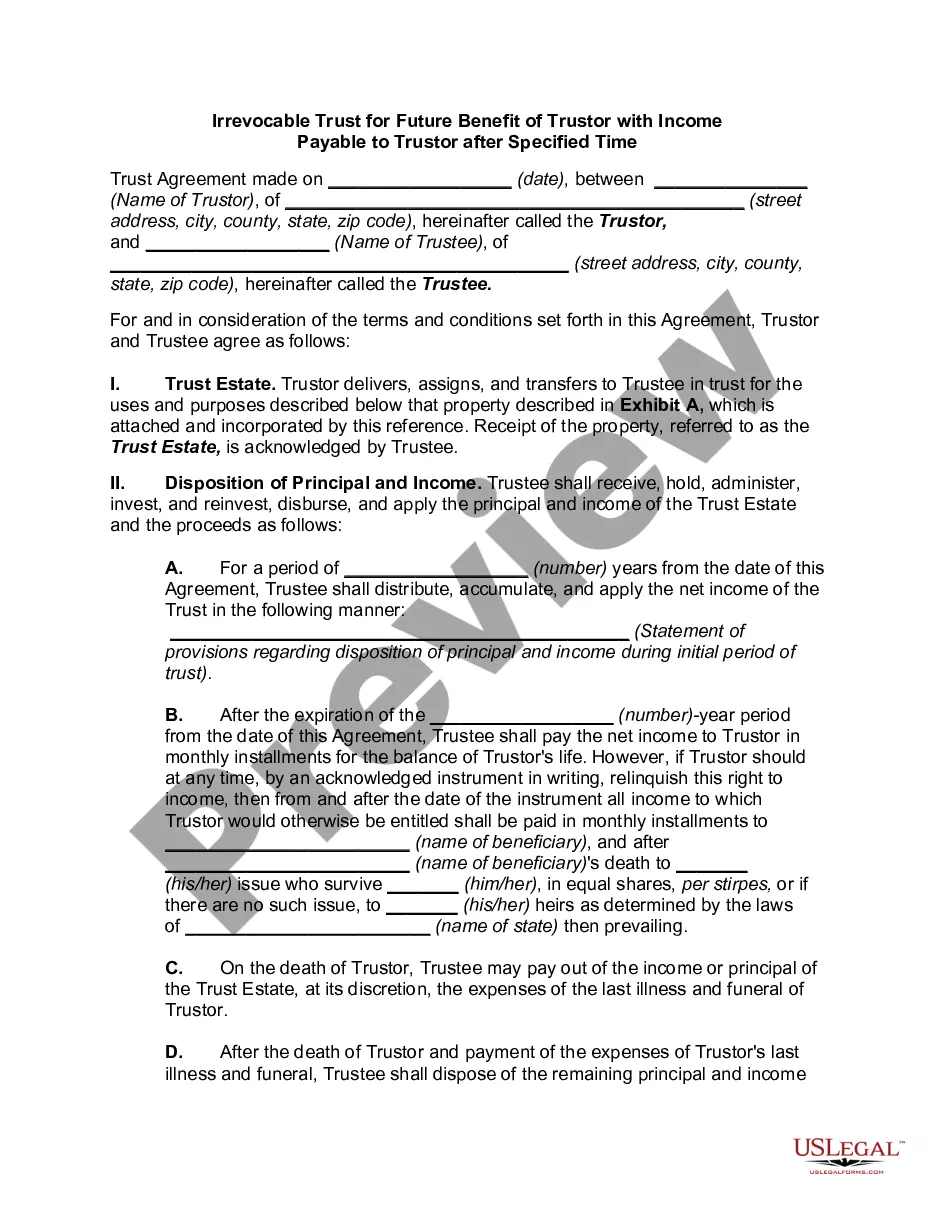
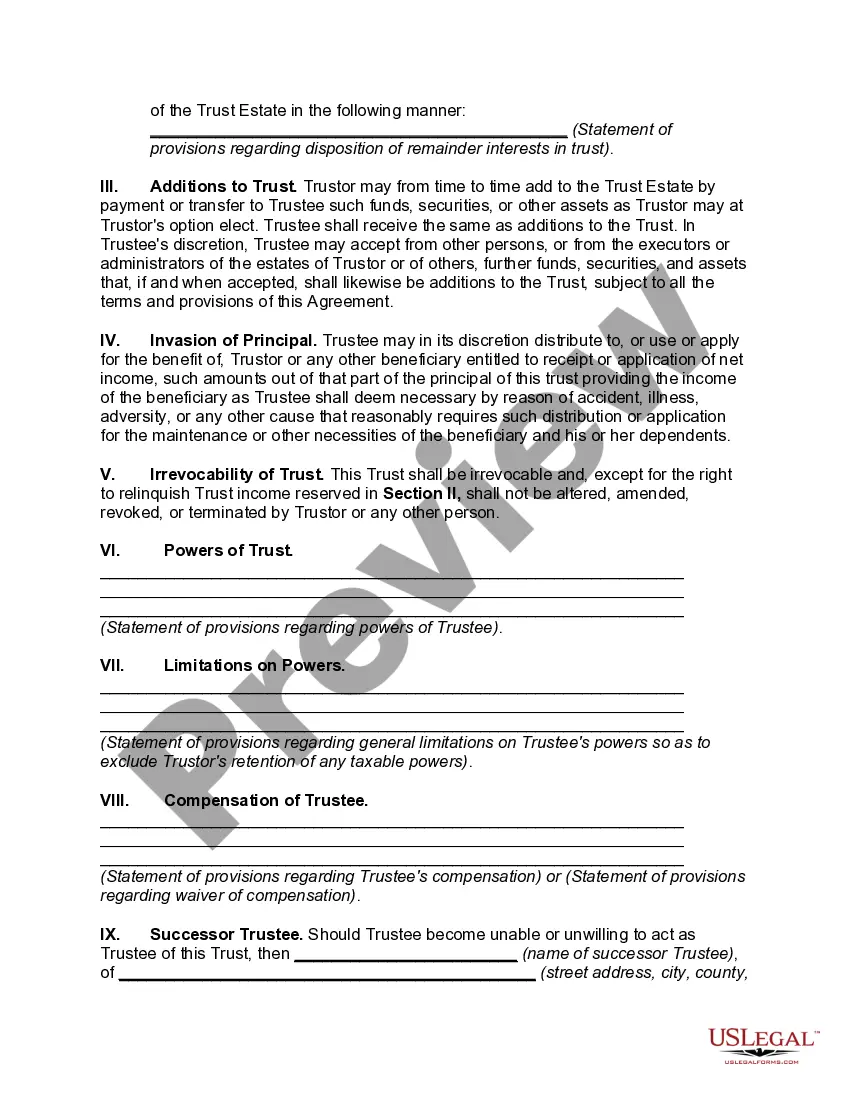
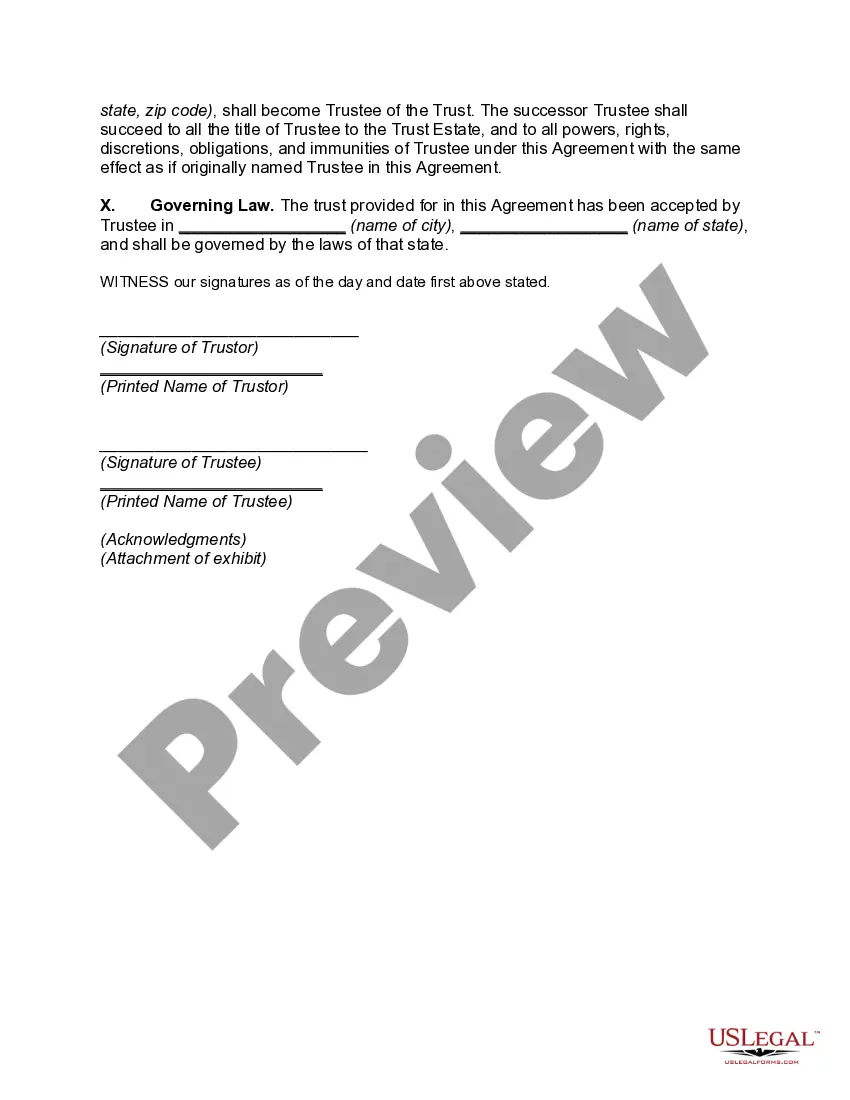
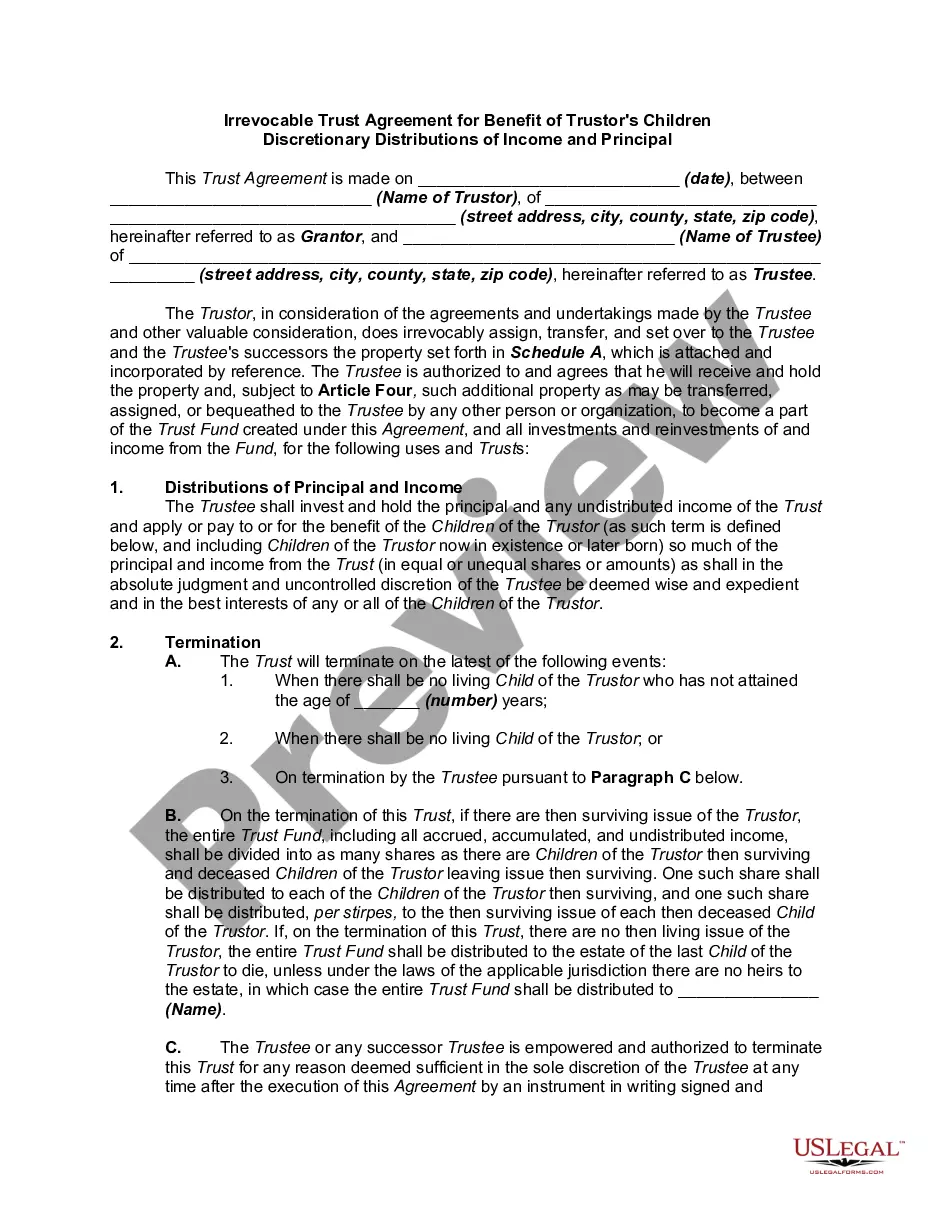
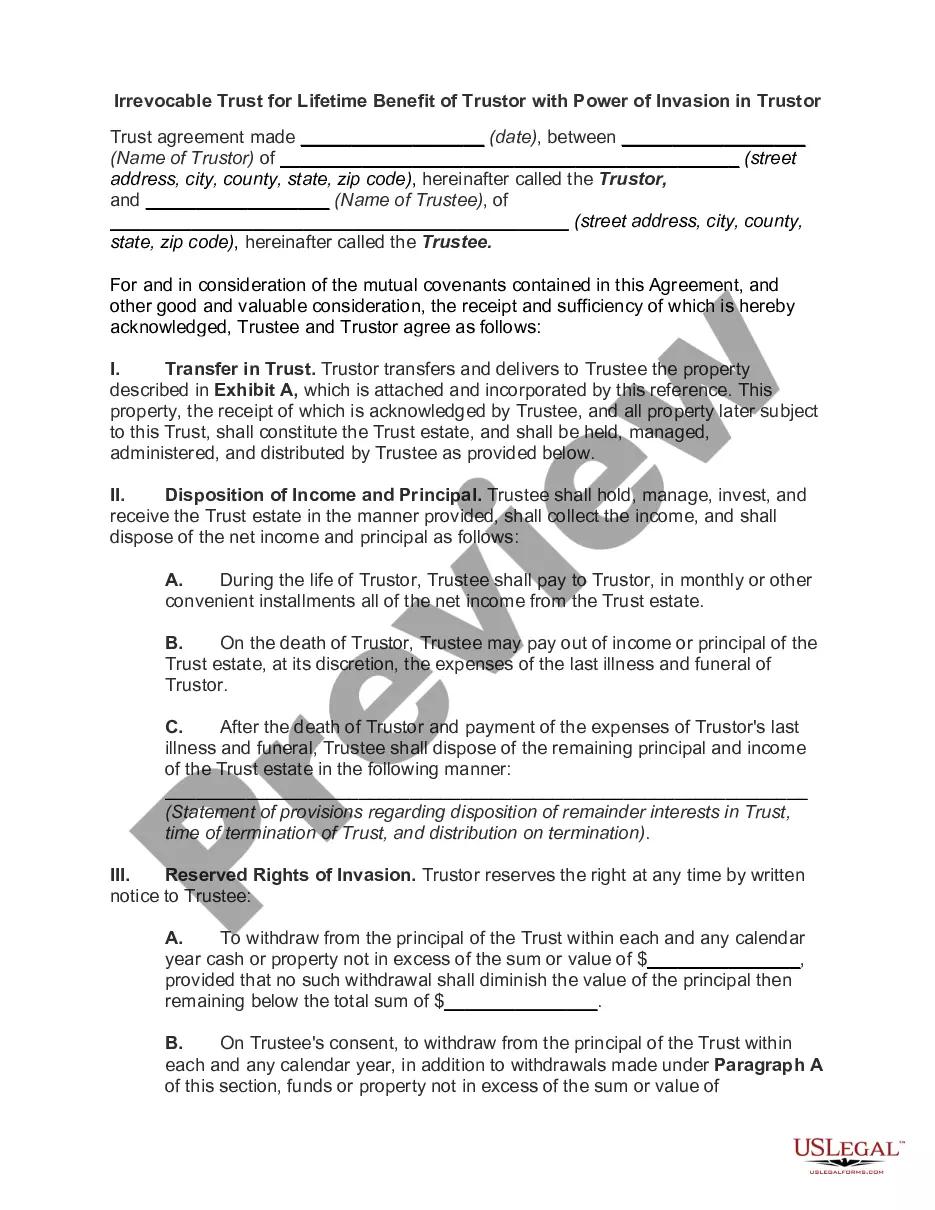
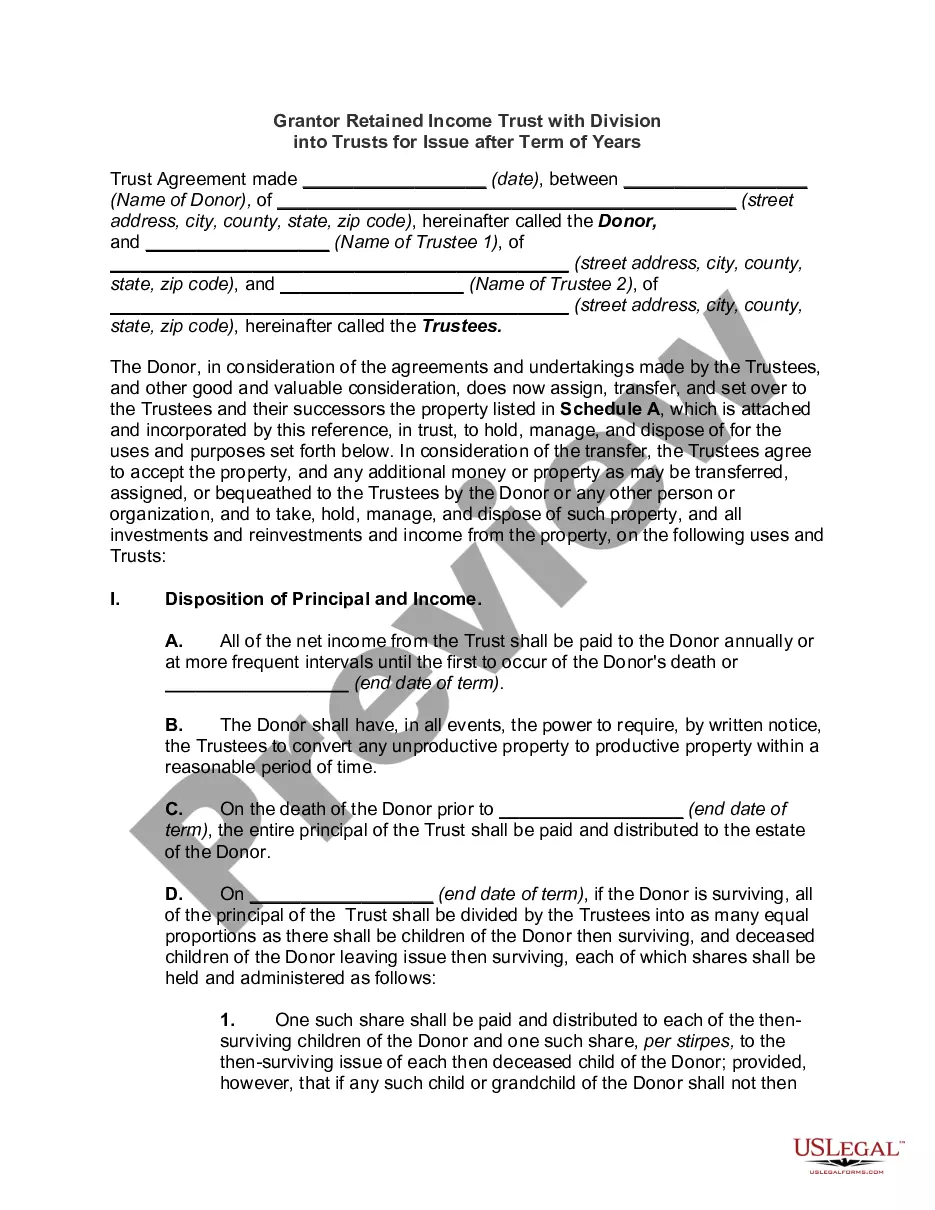
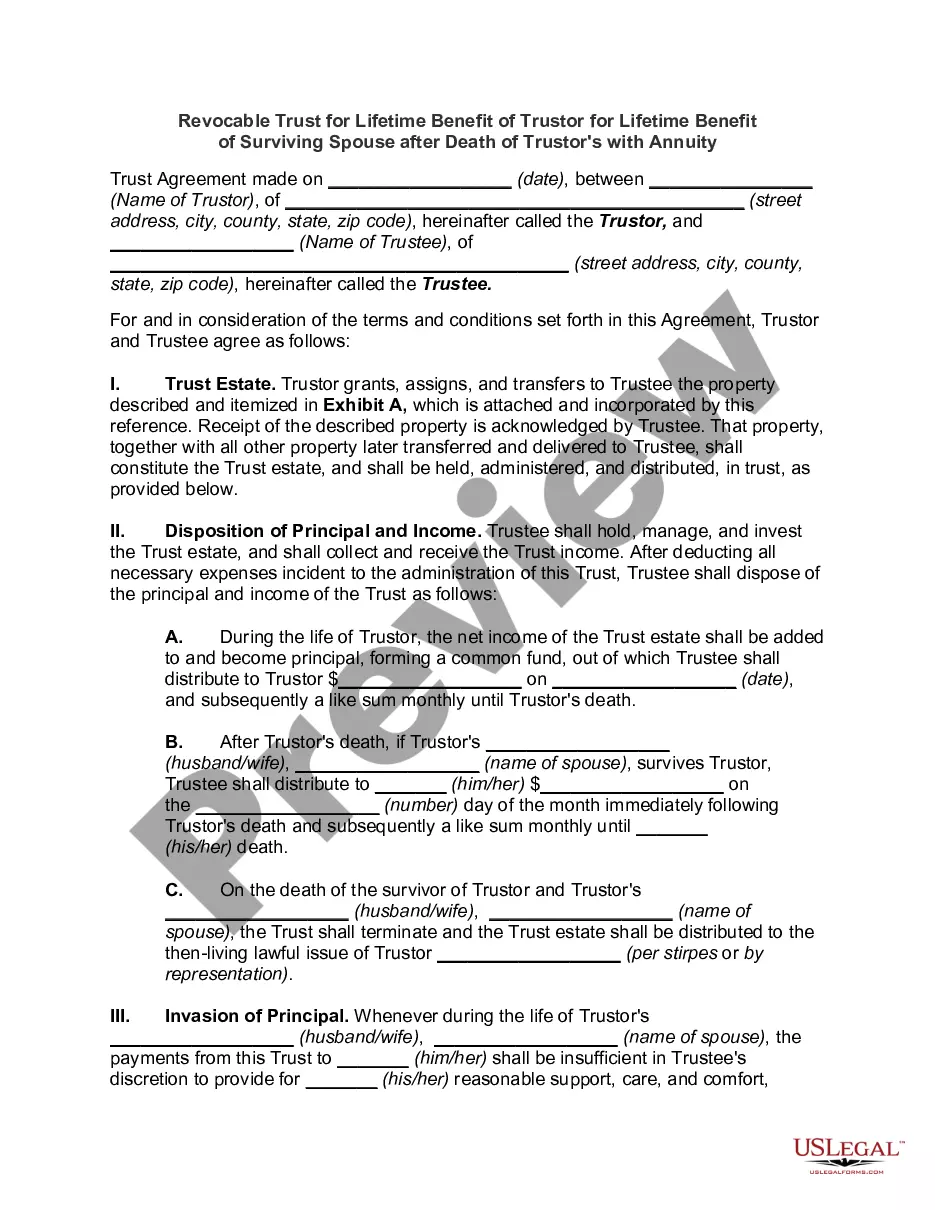
Get your form ready online
Our built-in tools help you complete, sign, share, and store your documents in one place.
Make edits, fill in missing information, and update formatting in US Legal Forms—just like you would in MS Word.
Download a copy, print it, send it by email, or mail it via USPS—whatever works best for your next step.
Sign and collect signatures with our SignNow integration. Send to multiple recipients, set reminders, and more. Go Premium to unlock E-Sign.
If this form requires notarization, complete it online through a secure video call—no need to meet a notary in person or wait for an appointment.
We protect your documents and personal data by following strict security and privacy standards.

Make edits, fill in missing information, and update formatting in US Legal Forms—just like you would in MS Word.

Download a copy, print it, send it by email, or mail it via USPS—whatever works best for your next step.

Sign and collect signatures with our SignNow integration. Send to multiple recipients, set reminders, and more. Go Premium to unlock E-Sign.

If this form requires notarization, complete it online through a secure video call—no need to meet a notary in person or wait for an appointment.

We protect your documents and personal data by following strict security and privacy standards.
Looking for another form?





How to fill out Irrevocable Trust For Future Benefit Of Trustor With Income Payable To Trustor After Specified Time?
- Log in to your existing account on US Legal Forms. If you haven't yet registered, sign up to access a vast library of resources.
- Preview the form descriptions and ensure you select the correct one that aligns with your needs and local requirements.
- If necessary, utilize the search feature to find alternative templates that might better suit your circumstances.
- After finding the right document, proceed to purchase by clicking on the Buy Now button and selecting your subscription plan.
- Complete the payment process using your credit card or PayPal to finalize your purchase.
- Download the form to your device for easy access and completion, which you can also find under the My Forms section whenever you need it.
By using US Legal Forms, you benefit from a robust collection of forms, far exceeding competitors while ensuring accuracy through expert assistance. This resource not only saves time but also guarantees that your legal documents are tailored to your specific needs.
Get started today and empower yourself with the right legal forms as a Trustor with a will. Visit US Legal Forms now to simplify your legal documentation process.
Form popularity
FAQ
The power of a will versus a trust largely depends on your personal situation and goals. Trusts typically provide more control over asset distribution and can avoid probate, while wills are often simpler and more straightforward. Evaluating your estate planning needs will help determine which option is more beneficial for you.
To set up a trust within a will, you first need to clearly outline your objectives for the trust. Next, specify the assets that will be included and name a trusted individual or institution as the trustee. For assistance, platforms like US Legal Forms offer resources to help you create a trust that aligns with your goals.
No, the trustor is not the same as the trustee. The trustor creates the trust and provides the instructions, while the trustee is the person or entity responsible for managing the trust. Understanding the distinction between these roles helps in structuring a trust that meets your needs.
A will does not automatically override a trust after death; they work together to fulfill your estate plan. If a trust is properly established, its provisions generally take precedence over the will. However, creating a comprehensive plan with both documents is key for clarity and to achieve your goals.
In the context of a will, a trustor is the individual who establishes a trust as part of their estate plan. This allows for the distribution of assets according to specific instructions after death. By doing so, the trustor can ensure that their wishes are honored and that beneficiaries receive their inheritance as intended.
The trustor is the person who creates the trust and outlines its terms, often within a will. This individual sets the rules for how the trust assets will be managed and distributed upon their passing. As the creator, the trustor retains control until they choose to execute the trust, making the role crucial in estate planning.
Yes, the trustor, trustee, and beneficiary can indeed be the same person. This typically occurs in what is known as a revocable living trust. However, it's important to understand the implications of each role and how they interact. While this setup offers flexibility, it can also complicate your estate planning.
When naming a trust in a will, use a clear, descriptive title that reflects your intentions. For instance, you could title it 'The Johnson Family Trust.' As a Trustor with a will, including the trustee's name and the trust's purpose strengthens the document’s purpose. Clear naming helps avoid confusion and facilitates smoother execution of your estate plan.
To title a trust under a will, you must clearly name the trust in the will and specify that the trust will come into effect upon your passing. A Trustor with a will should include the trust's legal name, alongside any relevant details. This clear identification helps ensure that your assets are distributed according to your intentions, easing the administration for your trustee.
Trusts are typically titled in the name of the trust itself, followed by the name of the trustee. For example, if you are a Trustor with a will, your trust may be titled 'The Smith Family Trust, John Smith, Trustee.' Proper titling ensures that assets are correctly managed and transferred under the trust terms. Be sure to check for compliance with local laws.