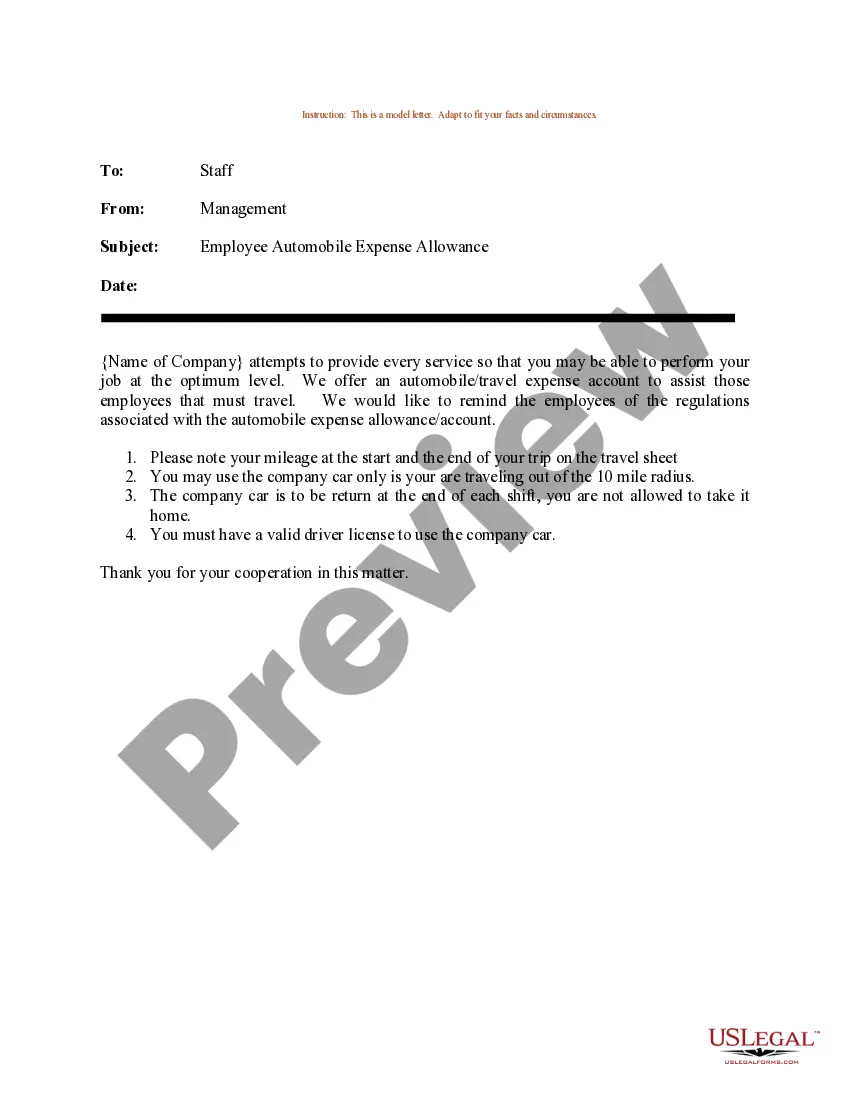
Request For Car Allowance
Description
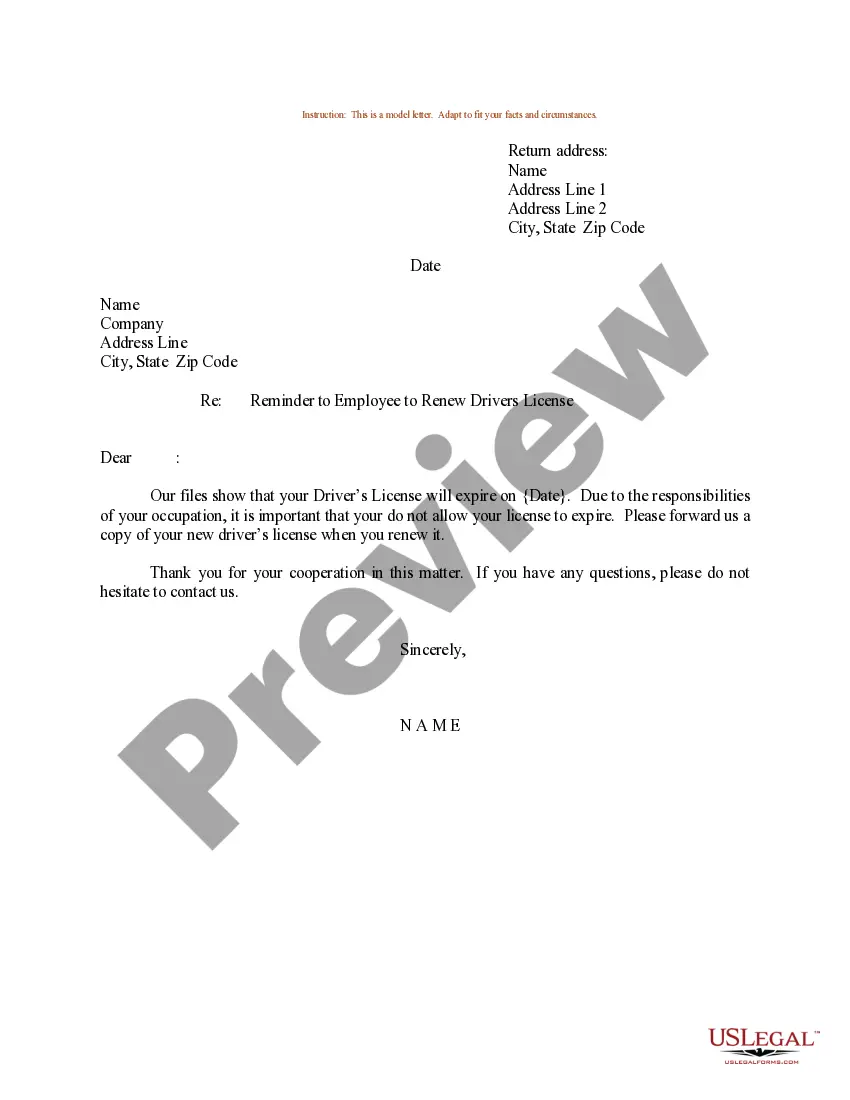
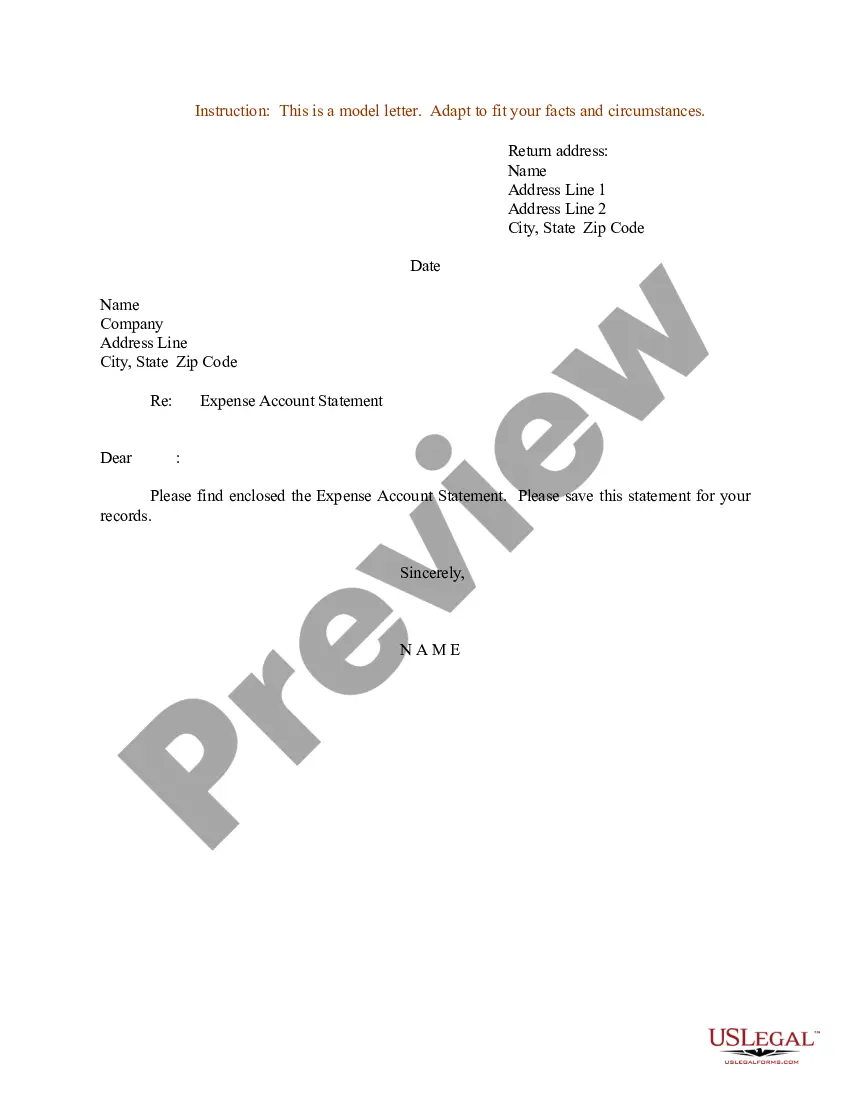
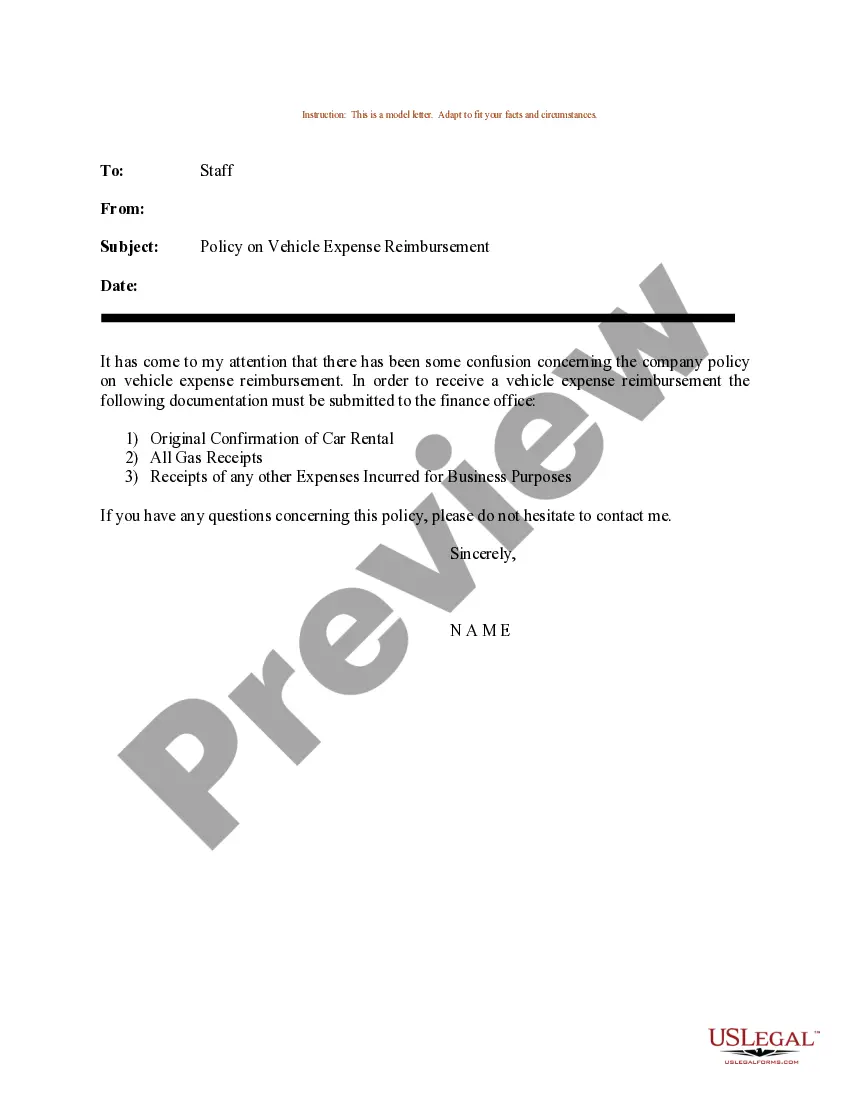
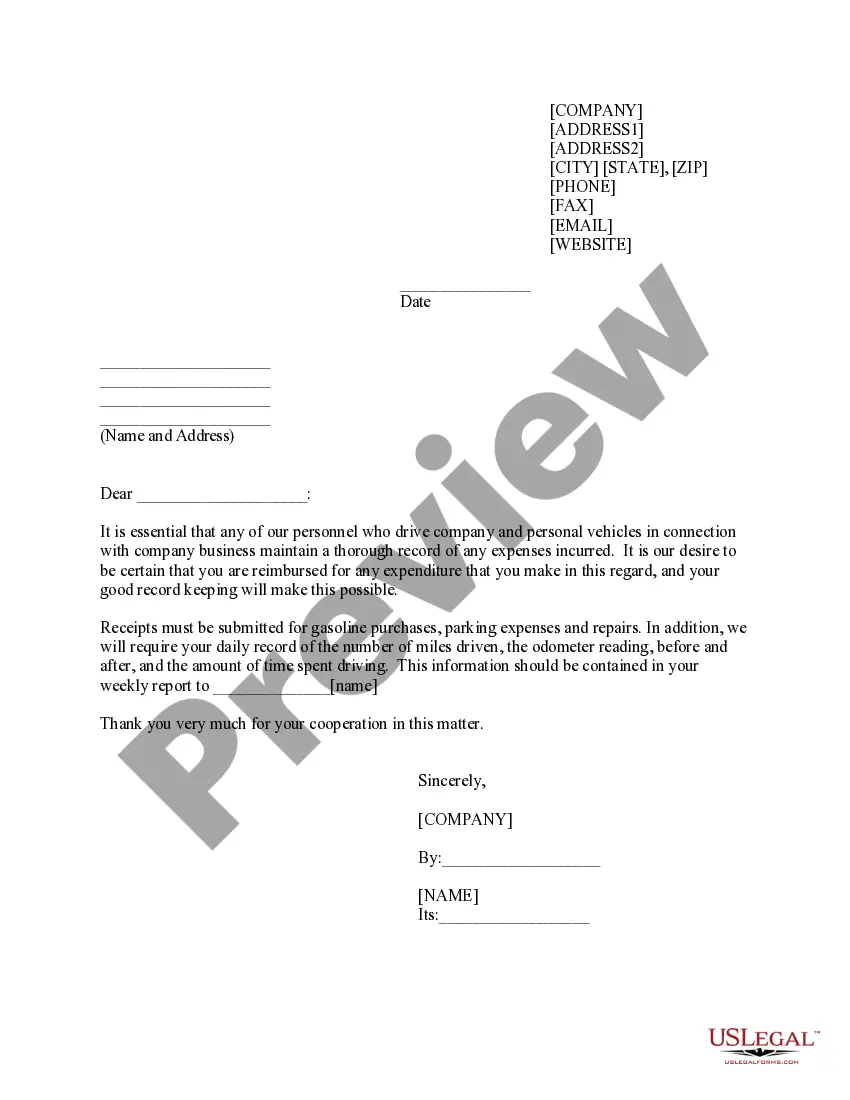
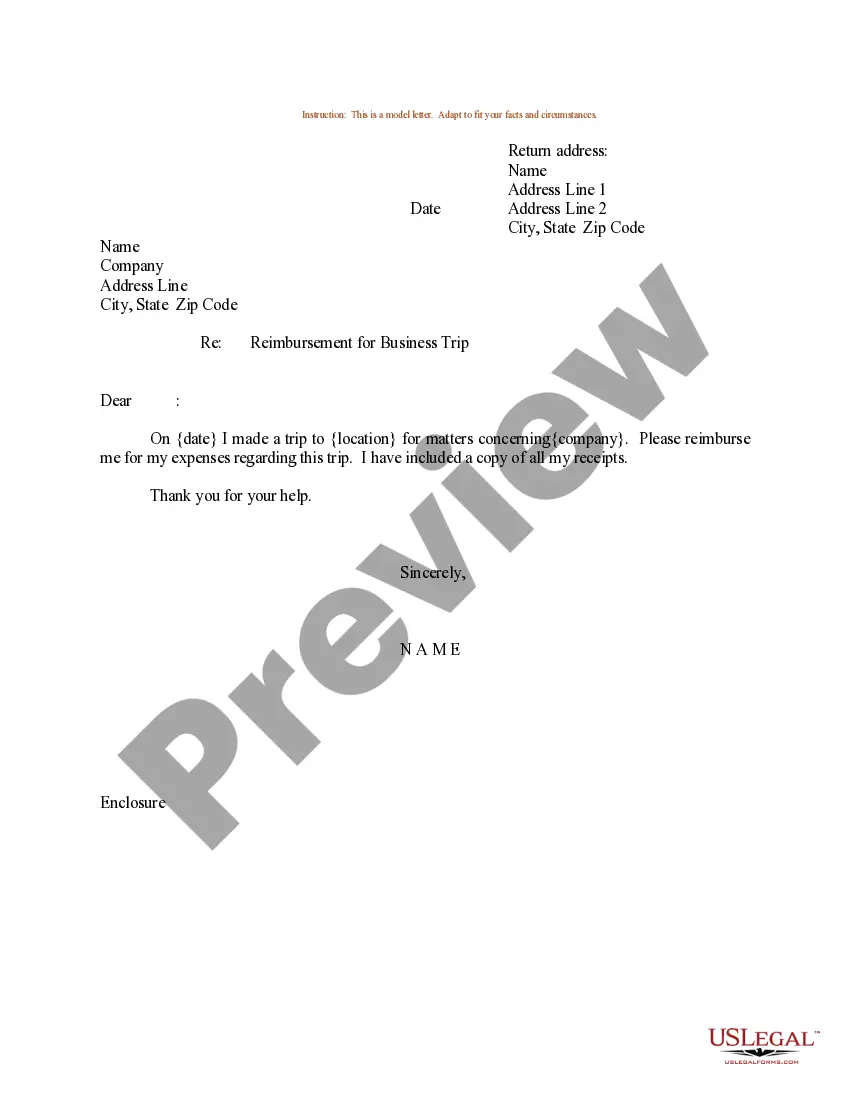


How to fill out Sample Letter For Employee Automobile Expense Allowance?
It’s well known that you can’t instantly become a legal authority, nor can you swiftly learn how to draft a Request For Car Allowance without possessing a specialized background.
Assembling legal documents is a lengthy process that requires specific training and expertise. So why not entrust the preparation of the Request For Car Allowance to the experts.
With US Legal Forms, which boasts one of the most extensive legal document collections, you can discover everything from court forms to templates for in-office correspondence. We understand how vital compliance and following federal and state regulations are. That’s why, on our site, all forms are location-specific and current.
You can revisit your forms from the My documents tab at any time. If you are a returning customer, you can simply Log In and find and download the template from the same tab.
Regardless of the intent of your forms—be it financial and legal, or personal—our platform has you covered. Experience US Legal Forms today!
- Locate the form you need using the search box at the top of the page.
- Examine it (if this option is available) and review the accompanying description to determine if Request For Car Allowance is what you require.
- If you need another form, commence your search again.
- Create a free account and select a subscription plan to purchase the form.
- Click Buy now. Once the payment is completed, you can acquire the Request For Car Allowance, complete it, print it, and send it or mail it to the appropriate parties or organizations.
Form popularity
FAQ
The average car allowance in 2023 is $575. And, believe it or not, the average car allowance in 2020, 2021 and 2022 was also $575.
When calculating a fair car allowance, what counts as a reasonable cost? First, the operational costs. Adding business use to a personal vehicle means increased fuel consumption and increased wear and tear, with more frequent changes of oil, tires, brake pads, etc. Second, the ownership costs.
Estimate actual employee vehicle expenses and compare these with your current allowance amount. Then calculate the car allowance amount needed to close any gaps. If you're paying a taxable car allowance, calculate how much your organization could save by switching to a tax-free plan.
A car allowance is a set amount that you give to your employees to cover a period of time. This car allowance is intended to cover typical costs of owning a vehicle, such as maintenance, wear-and-tear, insurance, fuel and depreciation.
A standard car allowance is considered taxable because it does not substantiate business use. A mileage reimbursement remains non-taxable if it does not exceed the amount set by the IRS business mileage rate.