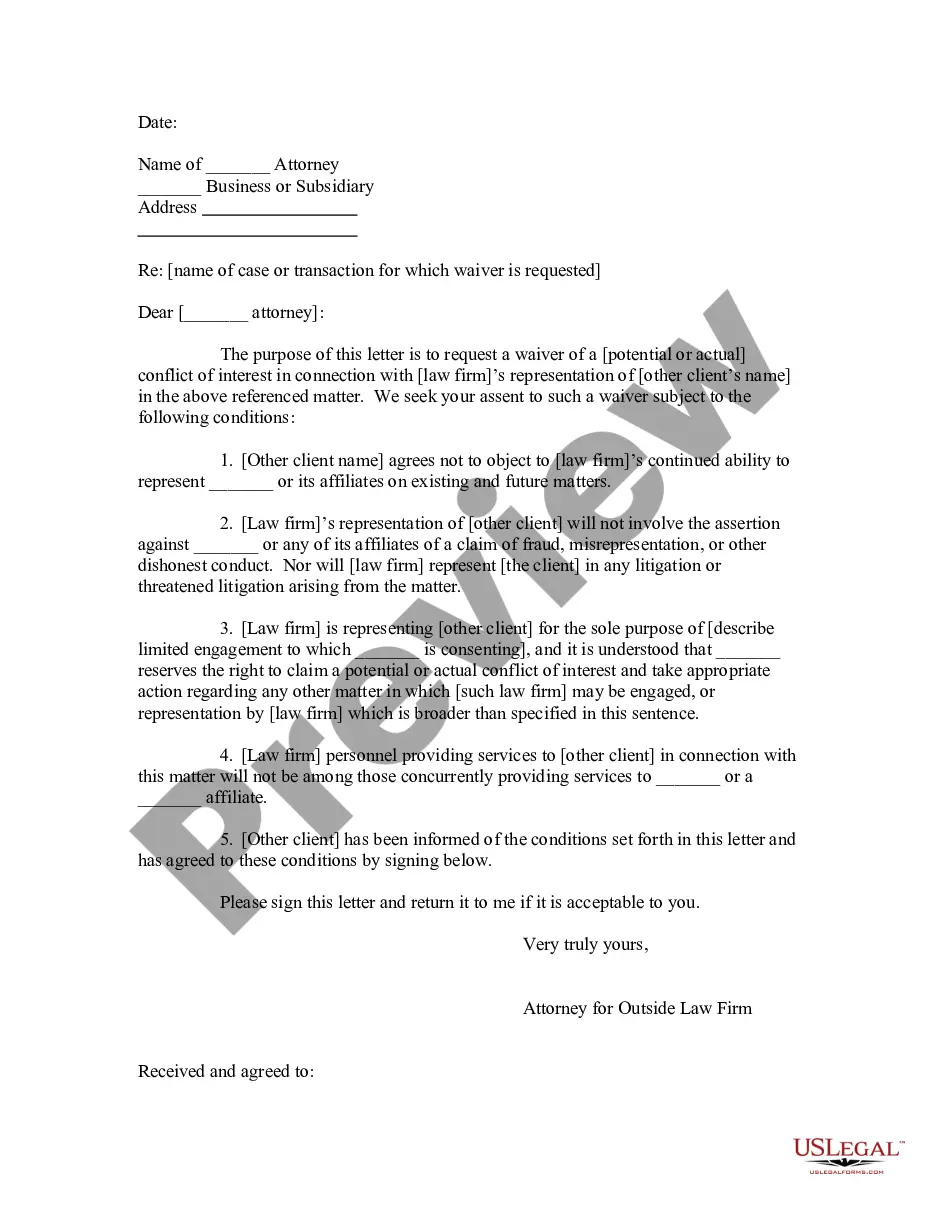
Conflict Waiver Letter For Penalty Charges
Description
Get your form ready online
Our built-in tools help you complete, sign, share, and store your documents in one place.
Make edits, fill in missing information, and update formatting in US Legal Forms—just like you would in MS Word.
Download a copy, print it, send it by email, or mail it via USPS—whatever works best for your next step.
Sign and collect signatures with our SignNow integration. Send to multiple recipients, set reminders, and more. Go Premium to unlock E-Sign.
If this form requires notarization, complete it online through a secure video call—no need to meet a notary in person or wait for an appointment.
We protect your documents and personal data by following strict security and privacy standards.

Make edits, fill in missing information, and update formatting in US Legal Forms—just like you would in MS Word.

Download a copy, print it, send it by email, or mail it via USPS—whatever works best for your next step.

Sign and collect signatures with our SignNow integration. Send to multiple recipients, set reminders, and more. Go Premium to unlock E-Sign.

If this form requires notarization, complete it online through a secure video call—no need to meet a notary in person or wait for an appointment.

We protect your documents and personal data by following strict security and privacy standards.
Looking for another form?
How to fill out Sample Attorney Conflict Of Interest Waiver Letter?
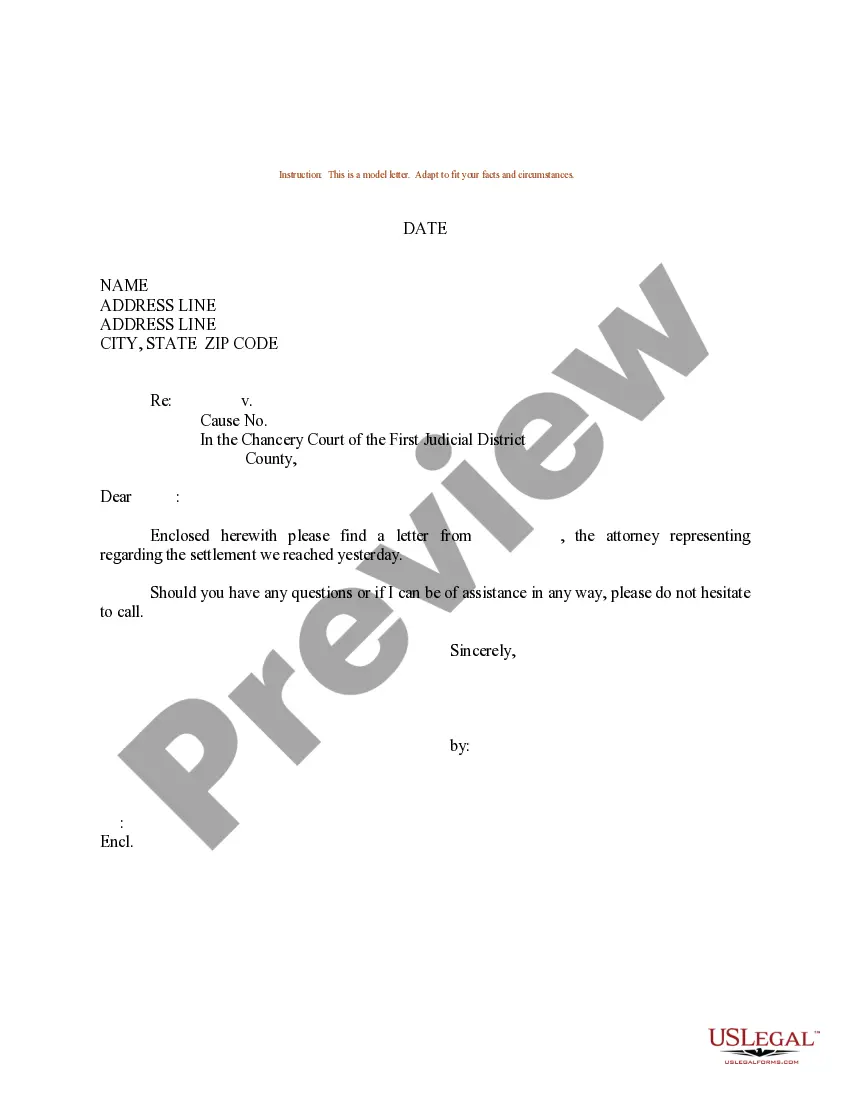
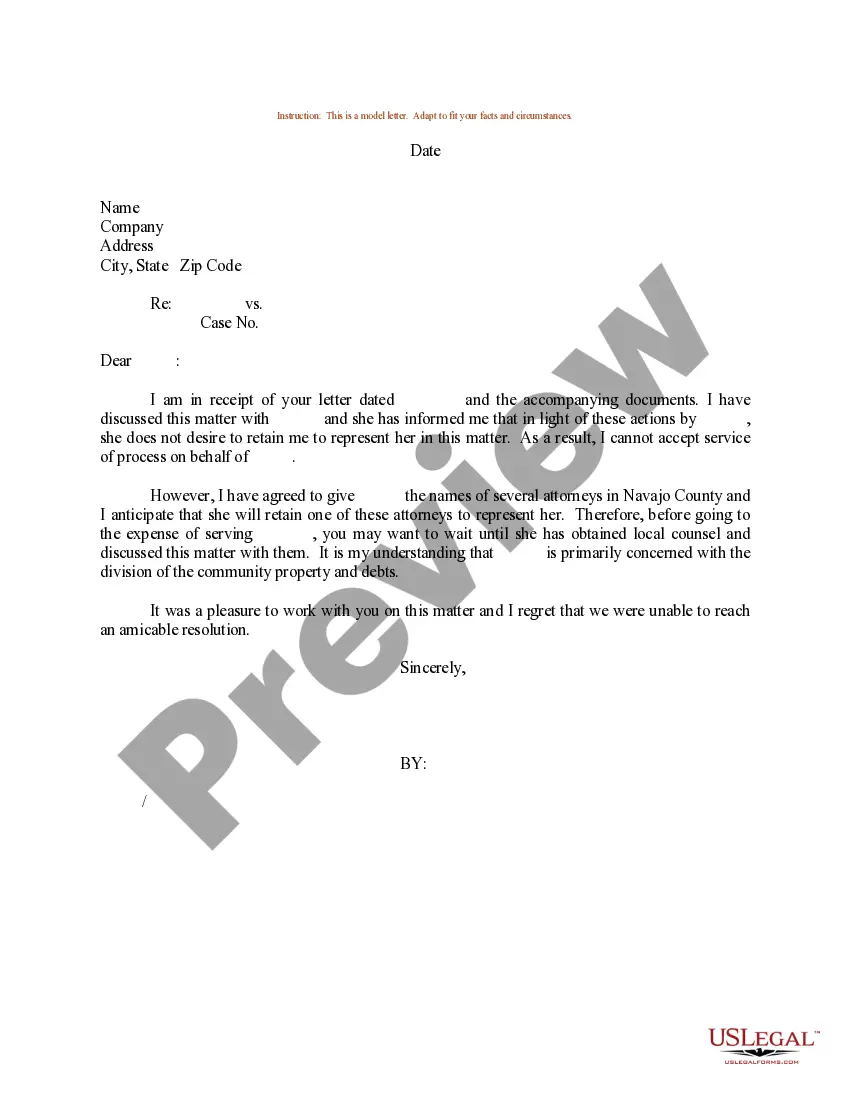
The Conflict Waiver Document For Penalty Fees displayed on this page is a reusable legal template crafted by expert attorneys in accordance with federal and local laws and regulations.
For over 25 years, US Legal Forms has offered individuals, companies, and legal professionals more than 85,000 validated, state-specific forms for any business and personal situation. It’s the quickest, simplest, and most dependable way to acquire the documentation you require, as the service guarantees bank-level data security and anti-malware safeguards.
Enroll in US Legal Forms to have verified legal templates for all of life’s situations readily available.
- Explore the document you seek and review it.
- Examine the file you searched and preview it or scrutinize the form description to confirm it meets your requirements. If it doesn’t, use the search functionality to find the correct one. Click Buy Now when you have found the template you need.
- Select and Log In to your account. Choose the pricing option that fits your needs and create an account. Utilize PayPal or a credit card for a swift payment. If you already possess an account, Log In and verify your subscription to proceed.
- Obtain the editable template. Choose the format you prefer for your Conflict Waiver Document For Penalty Fees (PDF, DOCX, RTF) and store the sample on your device.
- Complete and sign the documentation. Print the template to fill it out manually. Alternatively, use an online multi-functional PDF editor to quickly and accurately fill out and sign your form with an electronic signature.
- Retrieve your documents again. Use the same document again whenever necessary. Access the My documents tab in your profile to redownload any previously saved forms.
Form popularity
FAQ
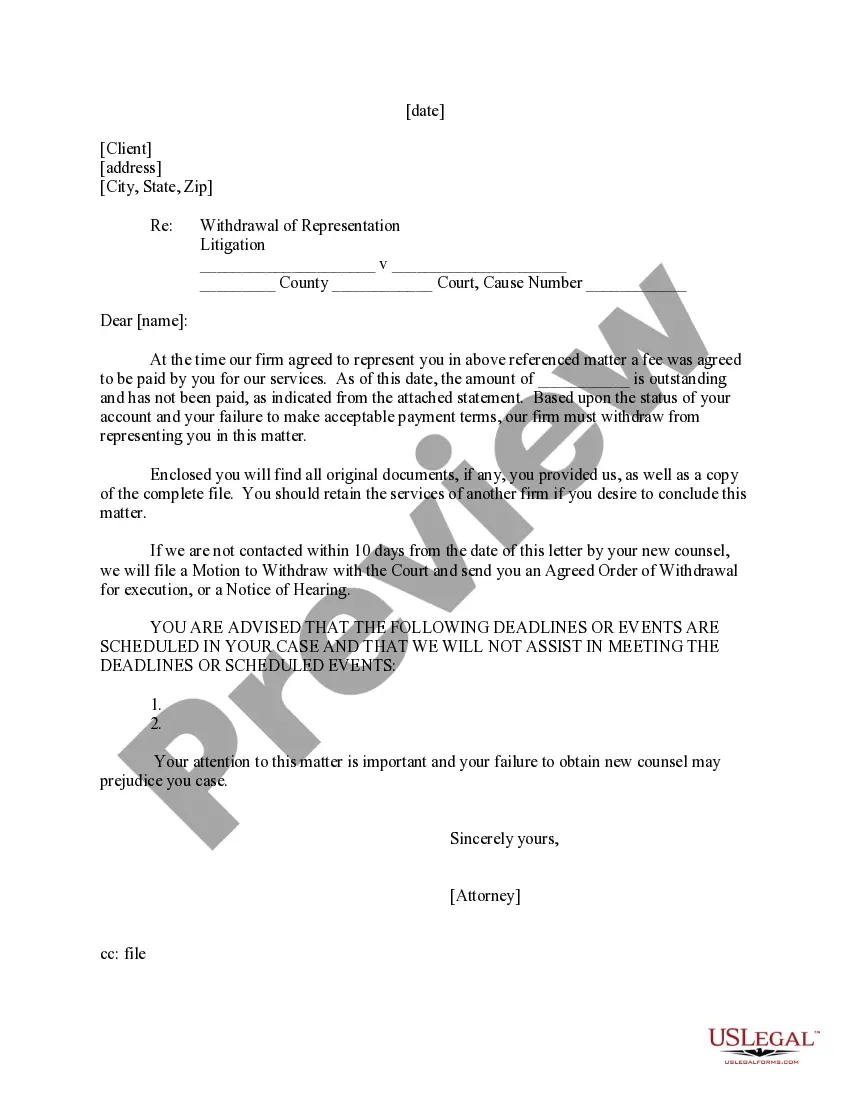
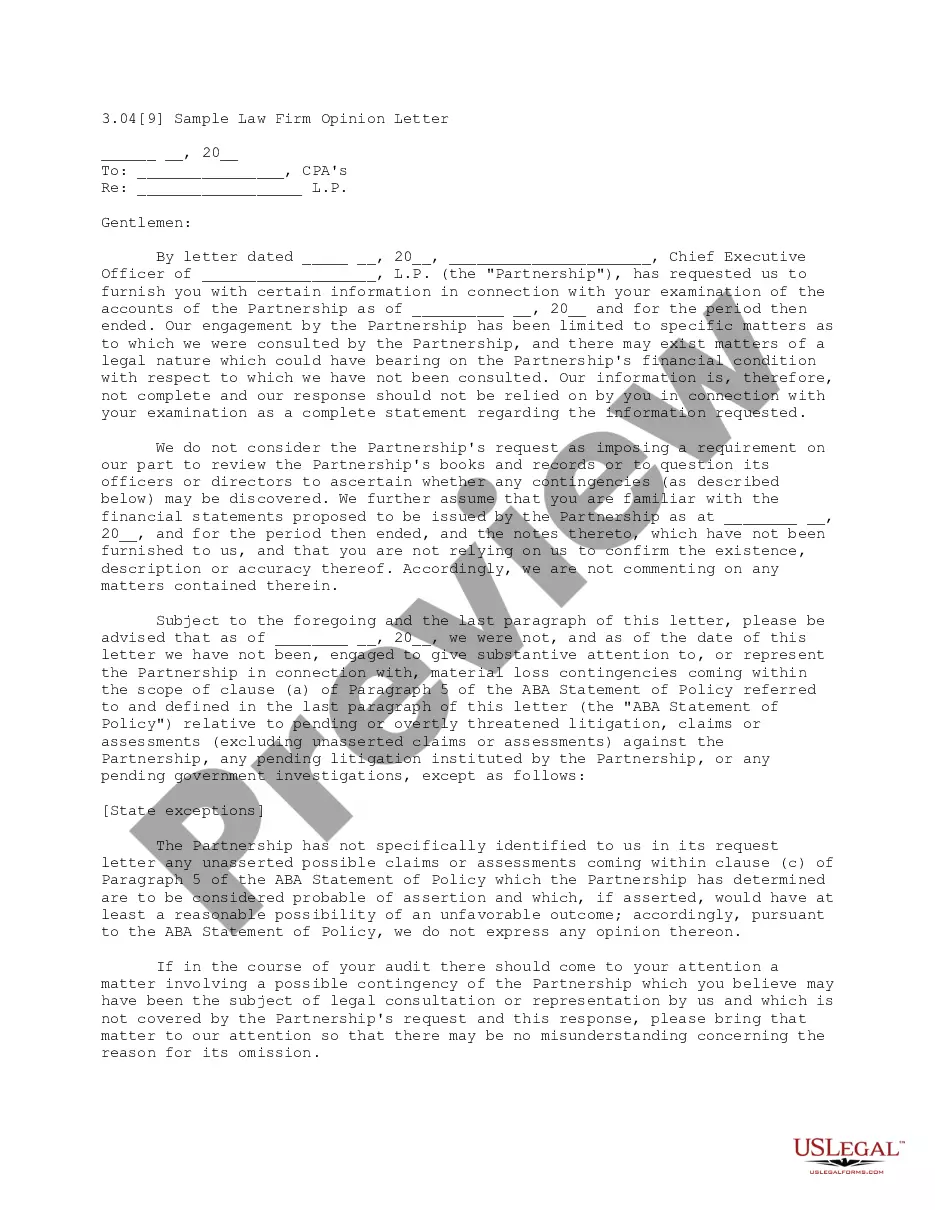
An advance conflict waiver is a legal document that helps prevent conflicts of interest between parties engaged in a transaction or representation. This letter outlines consent to certain potential conflicts that may arise, particularly in relationship to penalty charges. With a well-crafted conflict waiver letter for penalty charges, parties can ensure transparency and manage expectations effectively. Using a service like US Legal Forms can simplify the process of creating an enforceable conflict waiver tailored to your specific needs.
An effective example of a conflict of interest statement could include a declaration such as, 'I hereby disclose my personal interests that may influence my decisions in this matter.' This ensures all parties understand potential biases. Similarly, it is valuable to discuss why you request a conflict waiver letter for penalty charges to demonstrate your commitment to transparency and ethical standards.
When drafting a conflict of interest waiver, clearly state the nature of the conflict and its implications. Provide complete transparency about your relationship with the involved parties. Include a specific request for a waiver, detailing the circumstances under which it applies. This clarity fosters trust and promotes understanding in sensitive situations involving penalty charges.
To write an effective conflict waiver letter for penalty charges, start with a clear introduction stating your intent. Outline the specific penalties and circumstances leading to the waiver request. Then, express your reasons for seeking the waiver, ensuring to highlight any relevant supporting documentation. Ending with a polite closing statement can enhance your appeal.
To waive a conflict means that one or more parties choose to overlook a conflict of interest that could otherwise hinder their legal relationship. This action often involves a formal agreement, such as a conflict waiver letter for penalty charges, which outlines the specifics and acknowledges that parties agree to move forward. Understanding this process can lead to smoother transactions and clearer communications among involved parties.
A conflict of interest can be waived when all parties acknowledge the issue and agree to proceed despite the potential complications. Typically, this occurs in situations where the benefit of continuing the relationship outweighs the risks. Utilizing a conflict waiver letter for penalty charges helps clarify this agreement and ensures that all parties are aware of the terms.
A waiver is generally signed by the individuals or parties who are directly affected by the conflict. This often includes clients or legal representatives who agree to the terms outlined in the conflict waiver letter for penalty charges. It is important that everyone signs voluntarily, understanding the implications of waiving their rights related to the situation.
Yes, a conflict of interest can be waived under certain conditions. Parties involved can choose to waive their right to raise the conflict if they feel comfortable proceeding without the concern affecting their interests. In such cases, drafting a conflict waiver letter for penalty charges can formalize this agreement, protecting all involved parties.
Writing a letter requesting a waiver requires clarity and specificity. Start with an introduction that states your purpose, then detail the circumstances of the conflict and the reasons for the waiver. It is crucial to reference relevant documents related to the conflict waiver letter for penalty charges, ensuring the recipient understands the context and importance of their decision.
Typically, a conflict waiver is signed by the parties involved in a legal matter. This includes clients, attorneys, or other stakeholders who may face potential conflicts of interest. When drafting a conflict waiver letter for penalty charges, it is essential that all parties understand the implications of signing the document, as their agreement helps to clarify the course of action.