Grantor Retained Annuity Trusts
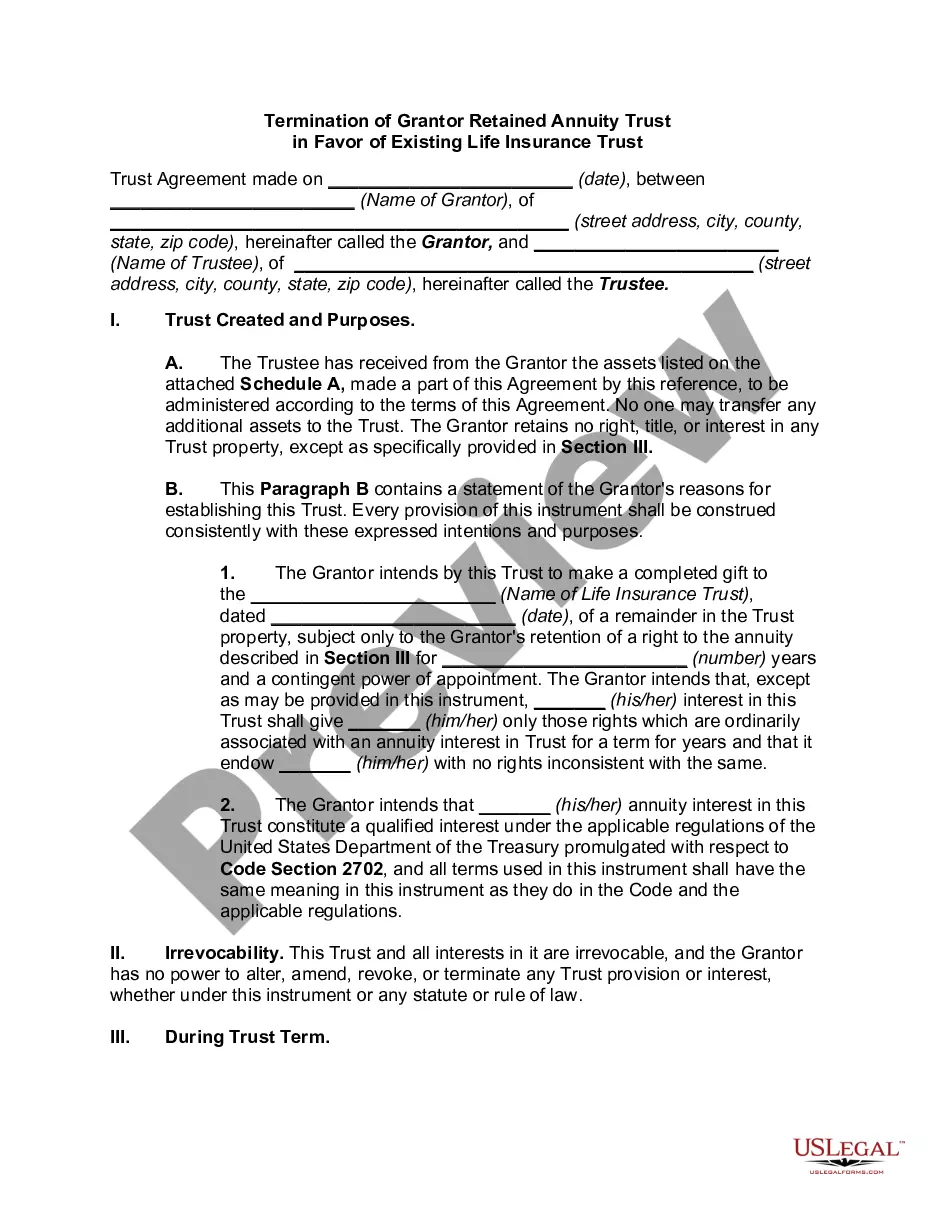
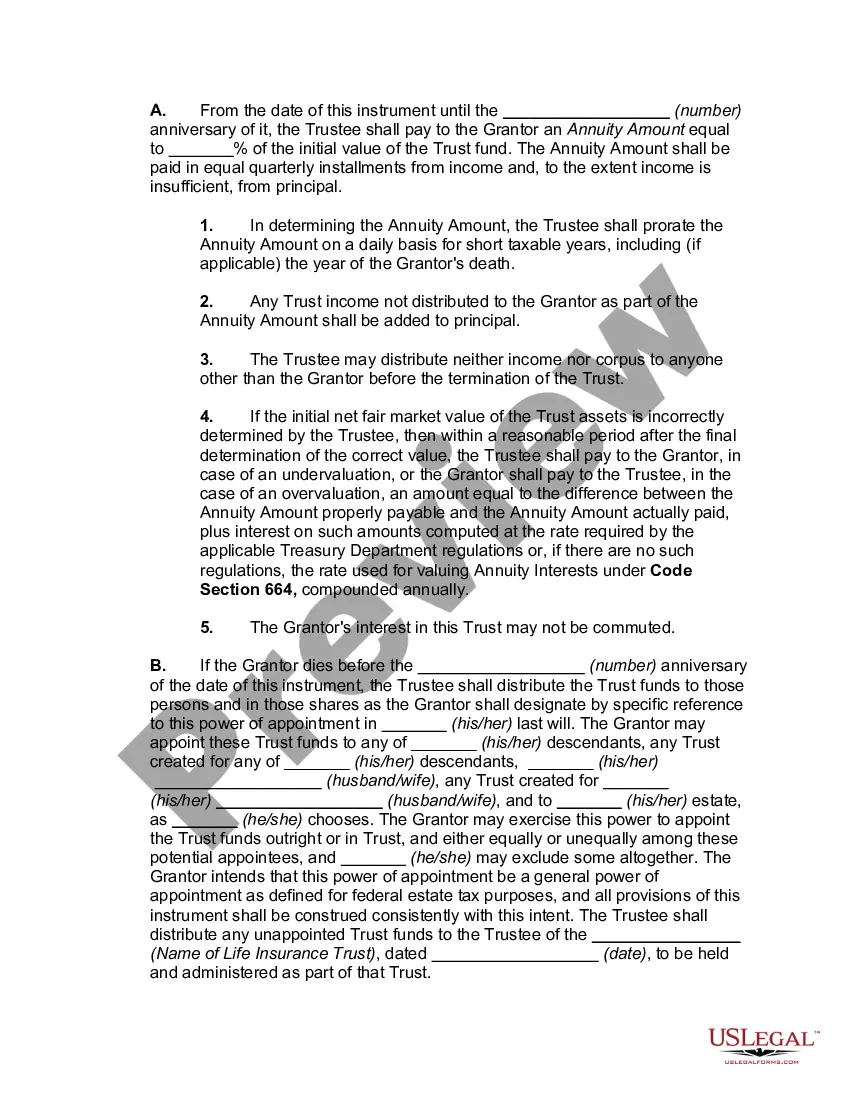
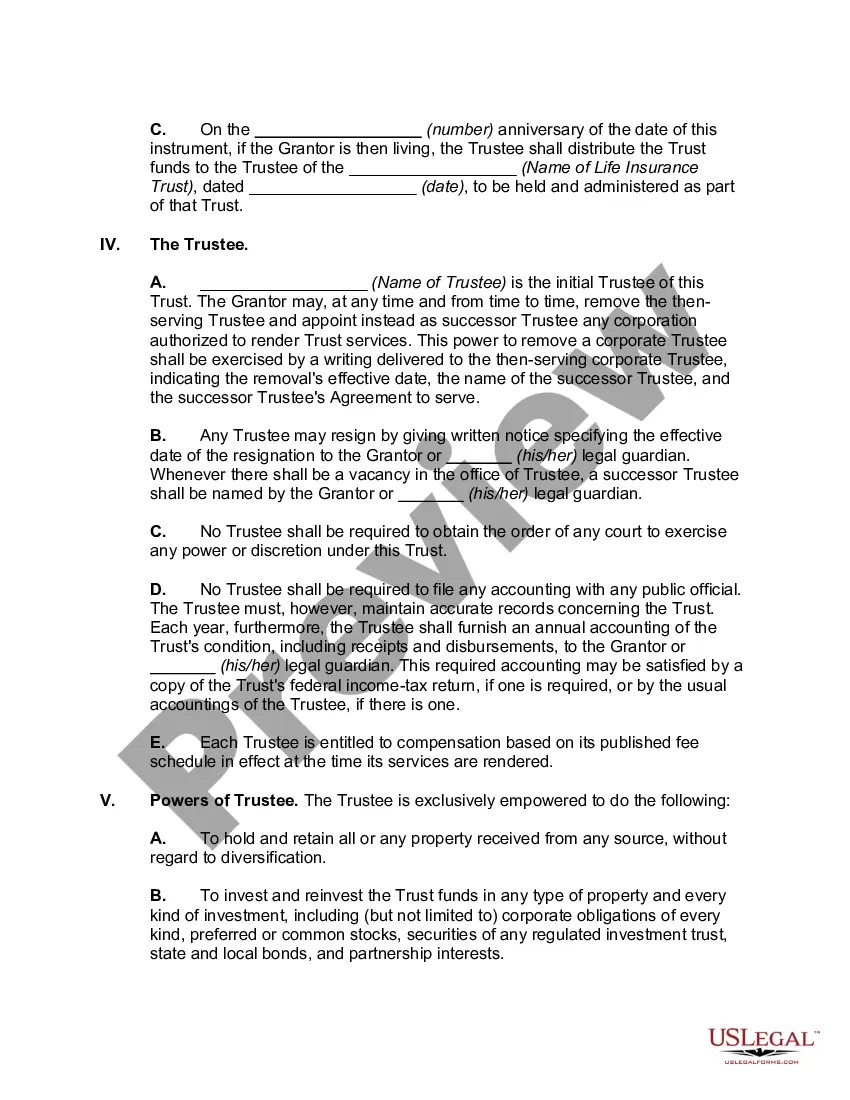
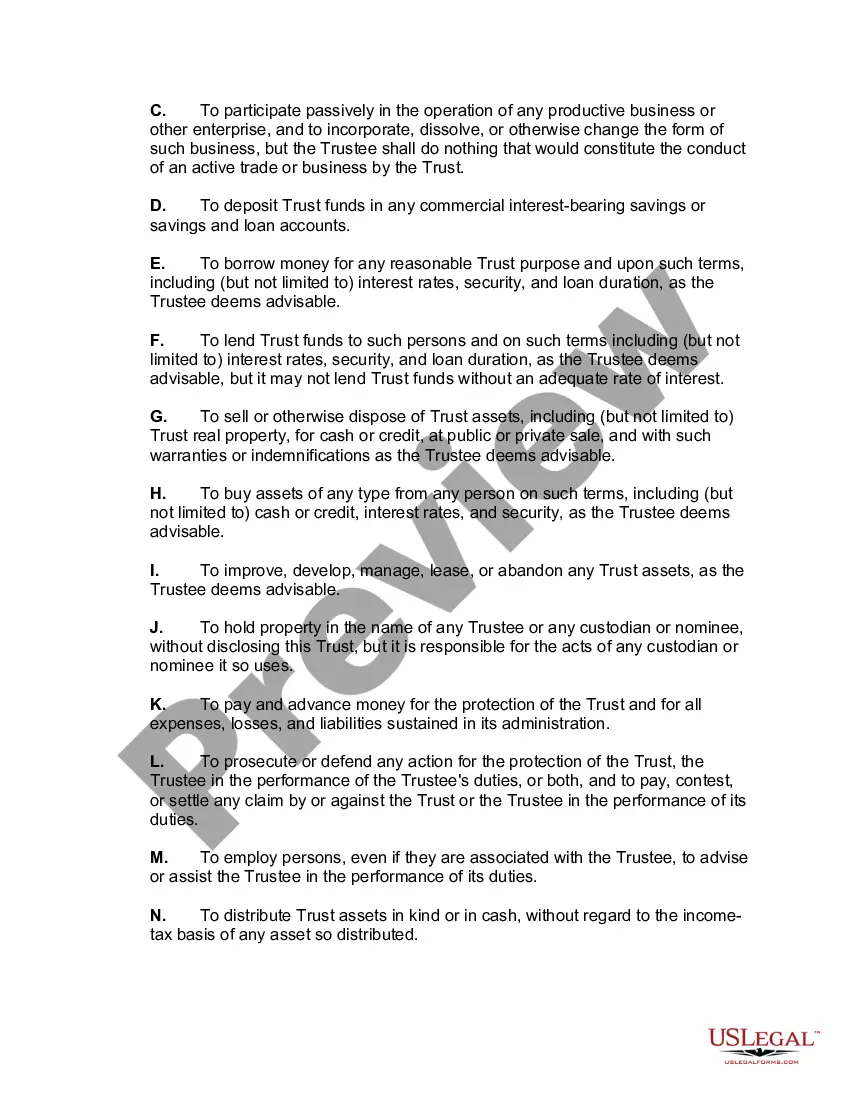
Description
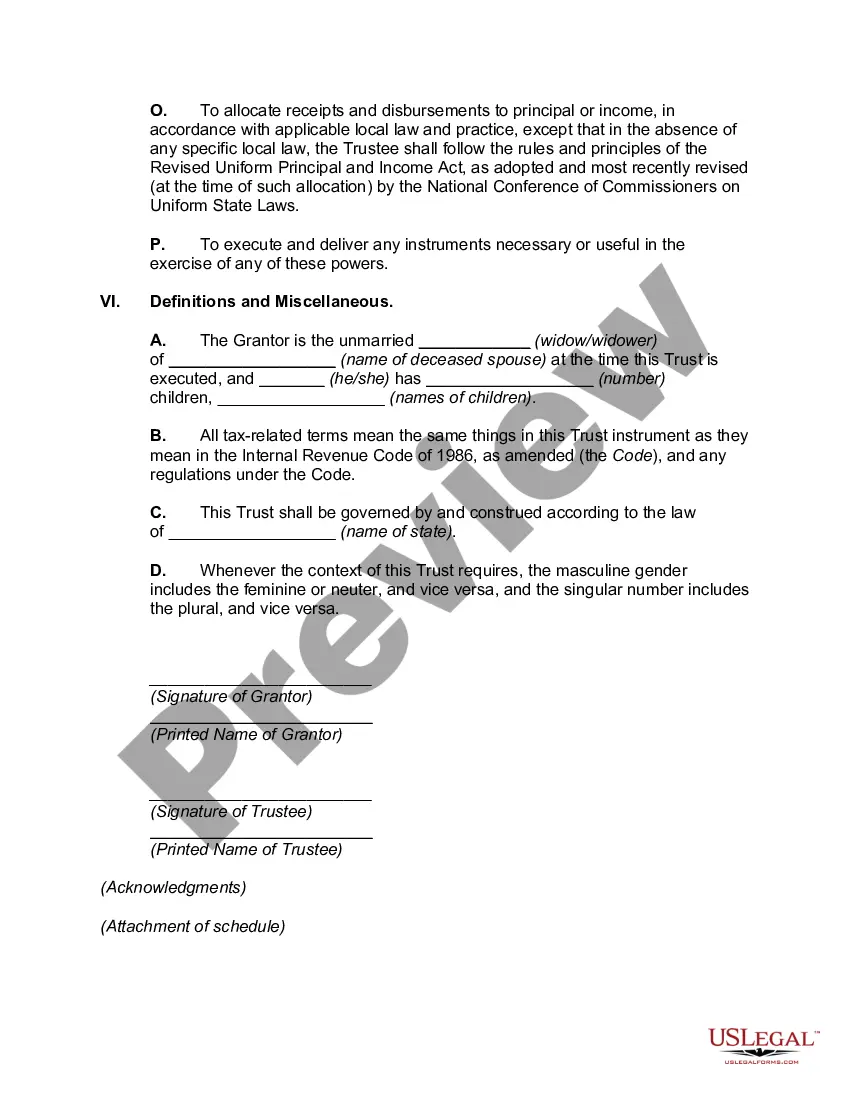
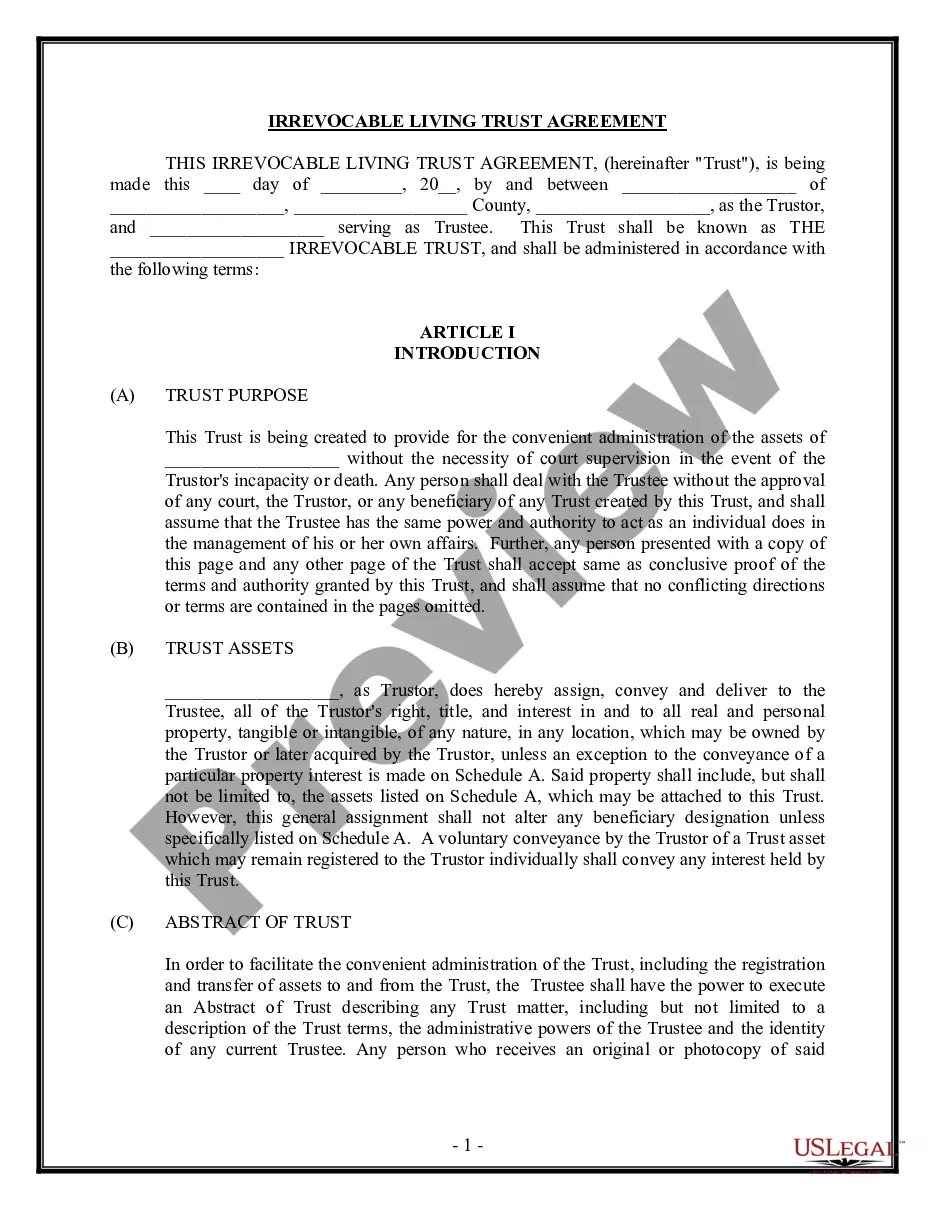
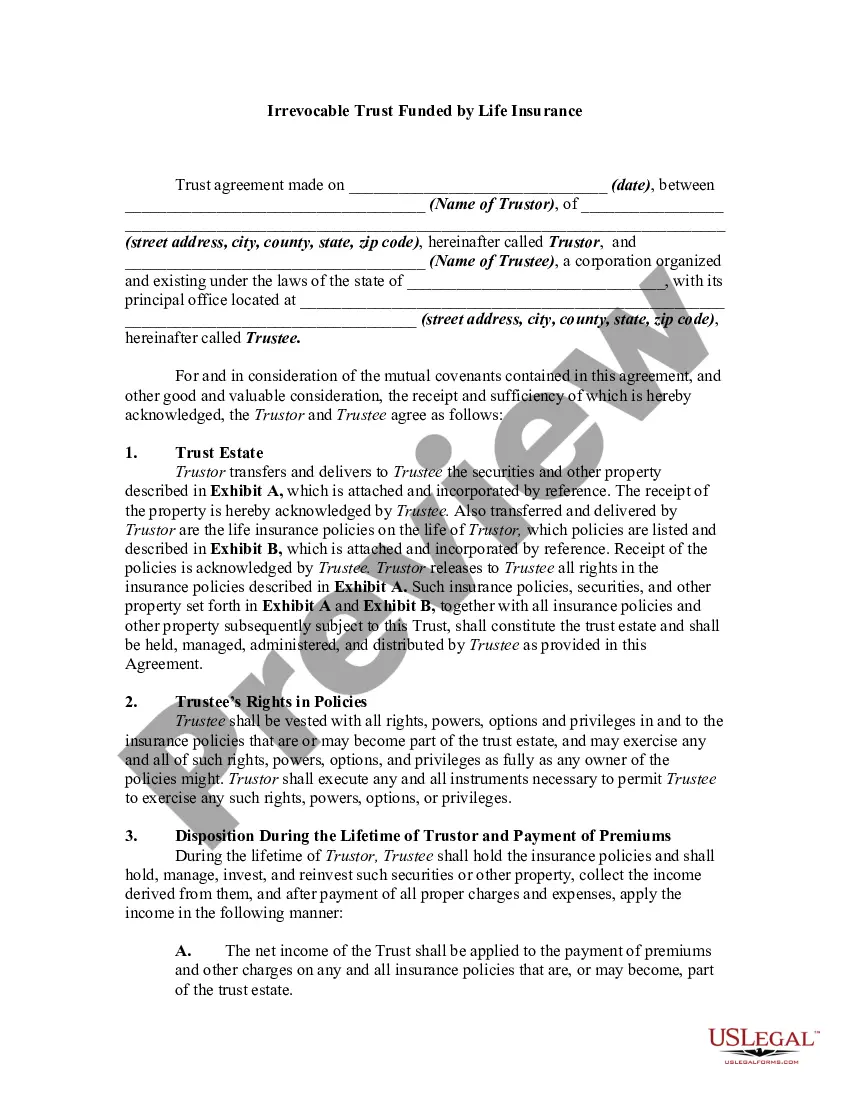
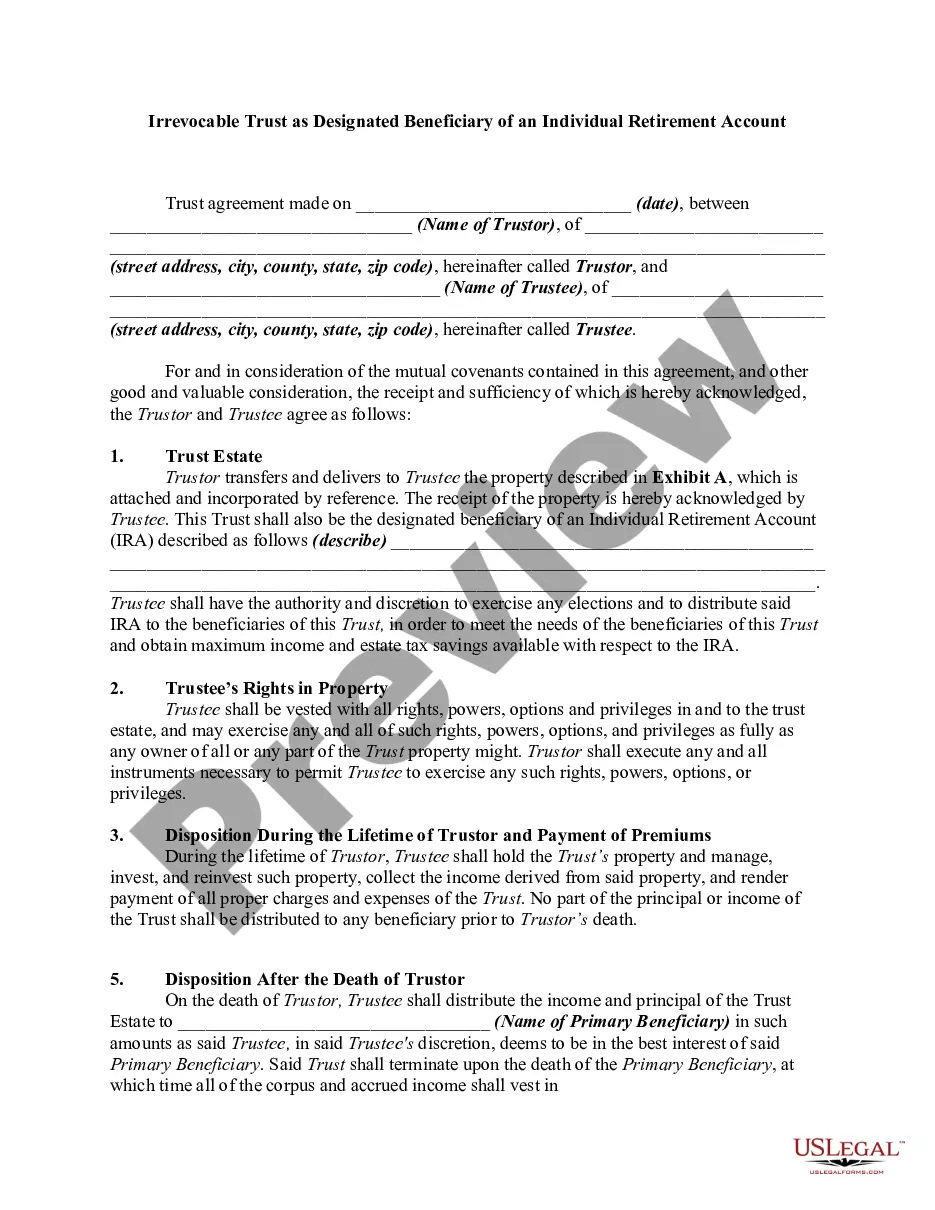
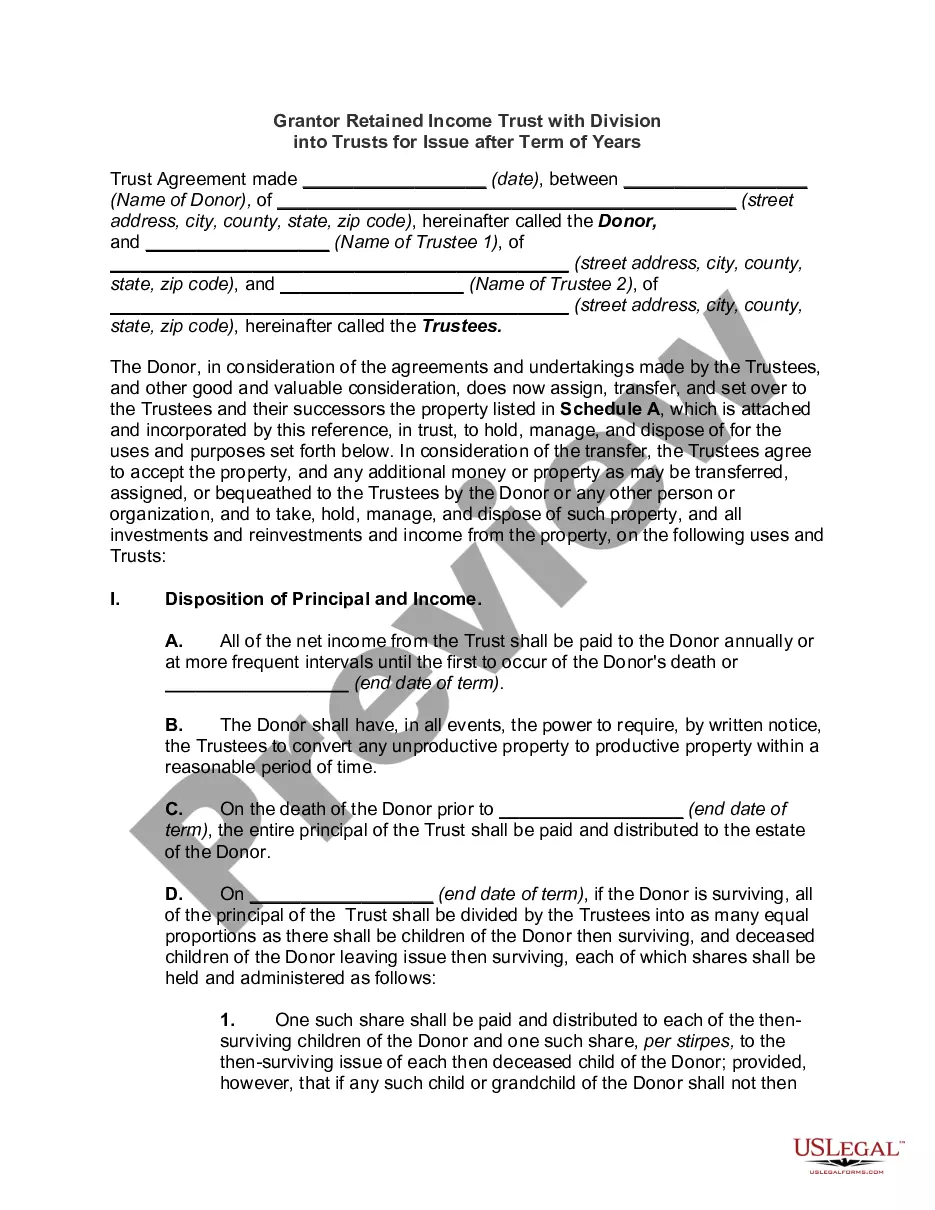
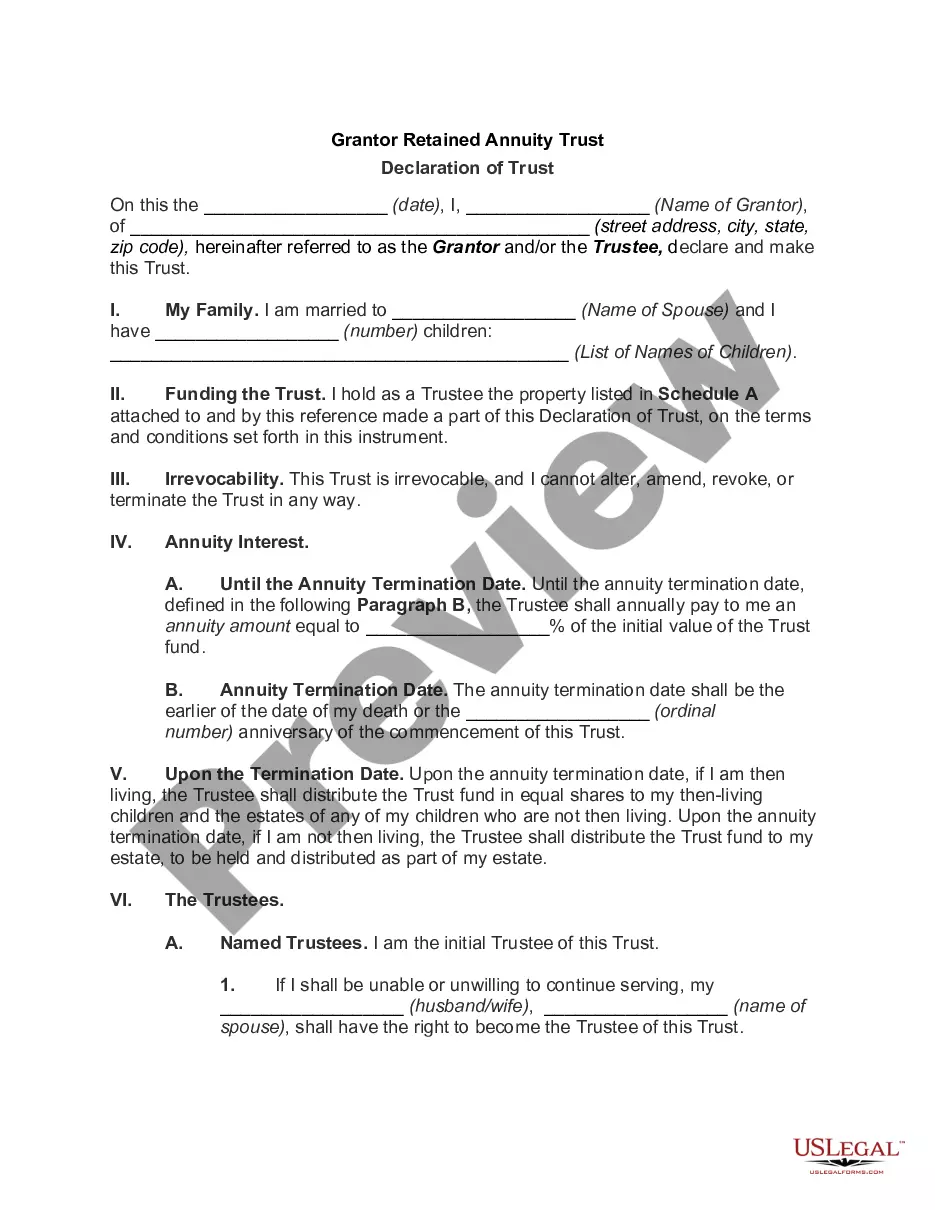
Get your form ready online
Our built-in tools help you complete, sign, share, and store your documents in one place.
Make edits, fill in missing information, and update formatting in US Legal Forms—just like you would in MS Word.
Download a copy, print it, send it by email, or mail it via USPS—whatever works best for your next step.
Sign and collect signatures with our SignNow integration. Send to multiple recipients, set reminders, and more. Go Premium to unlock E-Sign.
If this form requires notarization, complete it online through a secure video call—no need to meet a notary in person or wait for an appointment.
We protect your documents and personal data by following strict security and privacy standards.

Make edits, fill in missing information, and update formatting in US Legal Forms—just like you would in MS Word.

Download a copy, print it, send it by email, or mail it via USPS—whatever works best for your next step.

Sign and collect signatures with our SignNow integration. Send to multiple recipients, set reminders, and more. Go Premium to unlock E-Sign.

If this form requires notarization, complete it online through a secure video call—no need to meet a notary in person or wait for an appointment.

We protect your documents and personal data by following strict security and privacy standards.
Looking for another form?





How to fill out Termination Of Grantor Retained Annuity Trust In Favor Of Existing Life Insurance Trust?
- Log in to your US Legal Forms account if you're already a member, or create a new account for first-time users.
- Browse the extensive online library and check the details of your desired GRAT template to ensure it meets your legal requirements.
- If the selected template is not a perfect fit, utilize the search function to find other applicable forms.
- Once you have the right form, click the 'Buy Now' button and select a subscription plan that suits your needs.
- Complete the purchase by entering your payment information, either via credit card or PayPal.
- Download the GRAT document and save it on your device for future reference or modification.
With US Legal Forms, you gain access to a vast resource of over 85,000 legal forms, ensuring that you can find precisely what you need for your estate planning.
Start today to experience the advantages of US Legal Forms, and take control of your estate planning with ease!
Form popularity
FAQ
A trust qualifies as a grantor trust when the grantor retains certain powers or control, such as the right to income or the right to revoke the trust. With grantor retained annuity trusts, this retention is integral to their design, helping to provide tax advantages. Understanding these qualifications is essential for effective estate planning and trust management.
Yes, a Grantor Retained Annuity Trust can also function as a Generation-Skipping Trust (GST). This involves transferring assets to beneficiaries who are two or more generations below the grantor. Combining these trusts allows for strategic estate planning, often maximizing tax benefits while preserving wealth across generations.
Yes, a grantor retained annuity trust is indeed a type of grantor trust. The grantor retains rights to receive annuity payments, thus maintaining control over some aspects of the trust. This arrangement allows for certain tax benefits while still providing for beneficiaries, showcasing the flexibility of grantor retained annuity trusts.
When you report income from an irrevocable grantor trust, you generally do so on your personal tax return, as the income is treated as belonging to you. This occurs because grantor retained annuity trusts are designed to ensure the grantor remains liable for the taxes on trust income. Always consult a tax professional to ensure accurate filing.
A GRAT, or Grantor Retained Annuity Trust, allows the grantor to receive annuity payments for a specified term, after which the remaining assets pass to beneficiaries. In contrast, a GRUT, or Grantor Retained Unitrust, provides income based on a fixed percentage of the trust's value, which can fluctuate. Both serve similar purposes, but the key distinction lies in how they distribute income.
To determine if a trust is a grantor or non-grantor trust, you need to analyze the trust's terms and the grantor's control. In grantor retained annuity trusts, the grantor retains certain powers or controls, while non-grantor trusts generally do not allow this level of control. Thus, if the grantor retains rights to income or property, it’s likely a grantor trust.
A grantor retained trust is a type of trust where the grantor maintains certain rights, such as receiving income or assets for a specified period. This arrangement allows the grantor to realize tax advantages while planning their estate. Grantor retained trusts are closely associated with grantor retained annuity trusts, as they share similar mechanisms for valuing and transferring gifts.
An example of a grantor annuity trust might be similar to a GRAT, where the grantor gives $500,000 in assets to the trust, receiving annuity payments each year. This arrangement allows the grantor to benefit from regular income while eventually transferring the remaining assets to beneficiaries. Thus, grantor annuity trusts serve as effective tools for estate planning.
Yes, grantor retained annuity trusts do file a tax return. However, the grantor typically reports any income generated within the trust on their personal tax return. Since the grantor retains certain rights, they remain responsible for the trust's tax obligations, highlighting the importance of understanding these responsibilities.
One downside of grantor retained annuity trusts is that they require precise planning to avoid tax penalties. If the grantor dies during the term, the assets may become part of the estate and could incur taxes. Additionally, if the assets do not appreciate as expected, the tax benefits may diminish, making careful evaluation essential.