Grantor Trusts Sample With Beneficiaries
Description
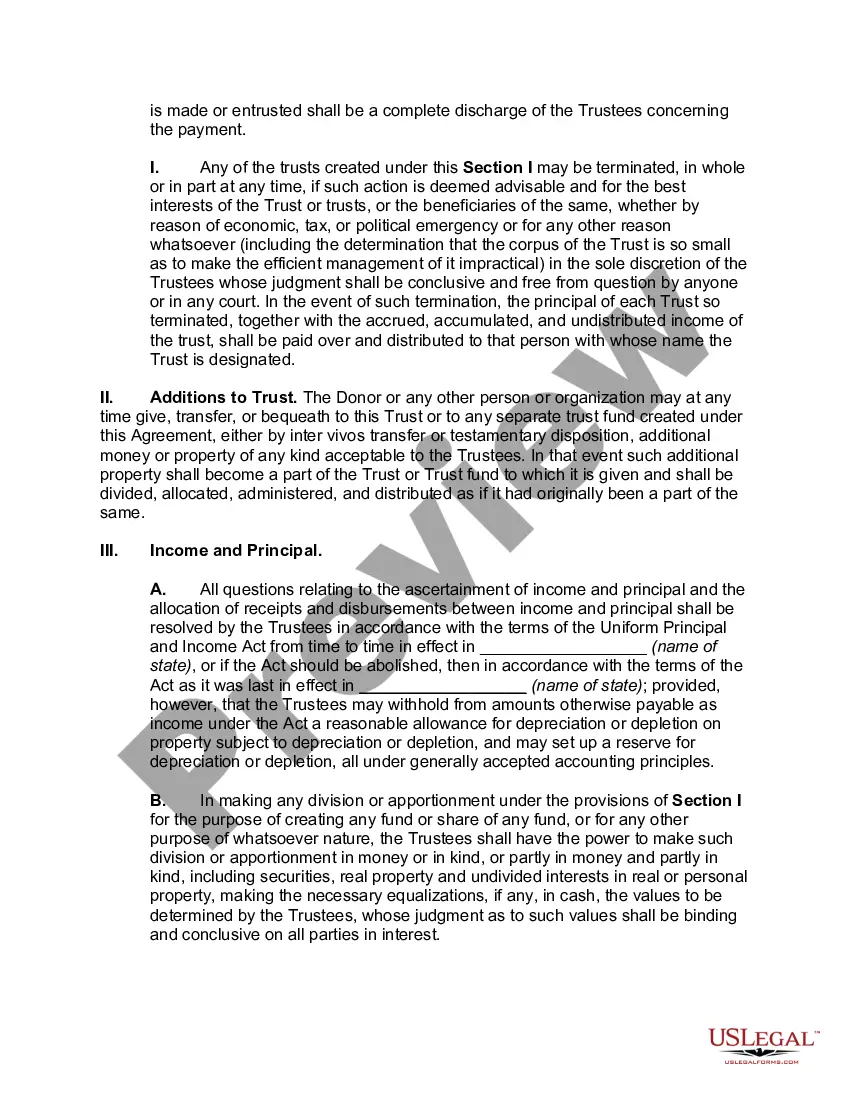
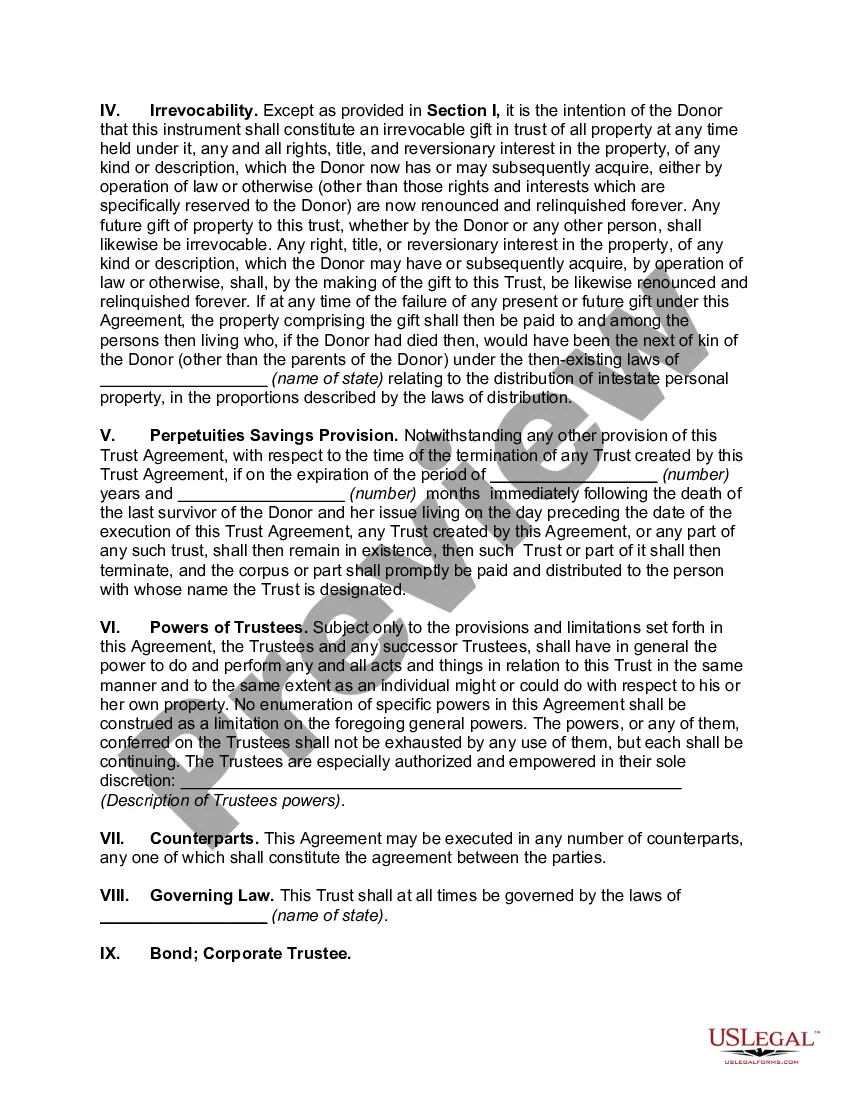
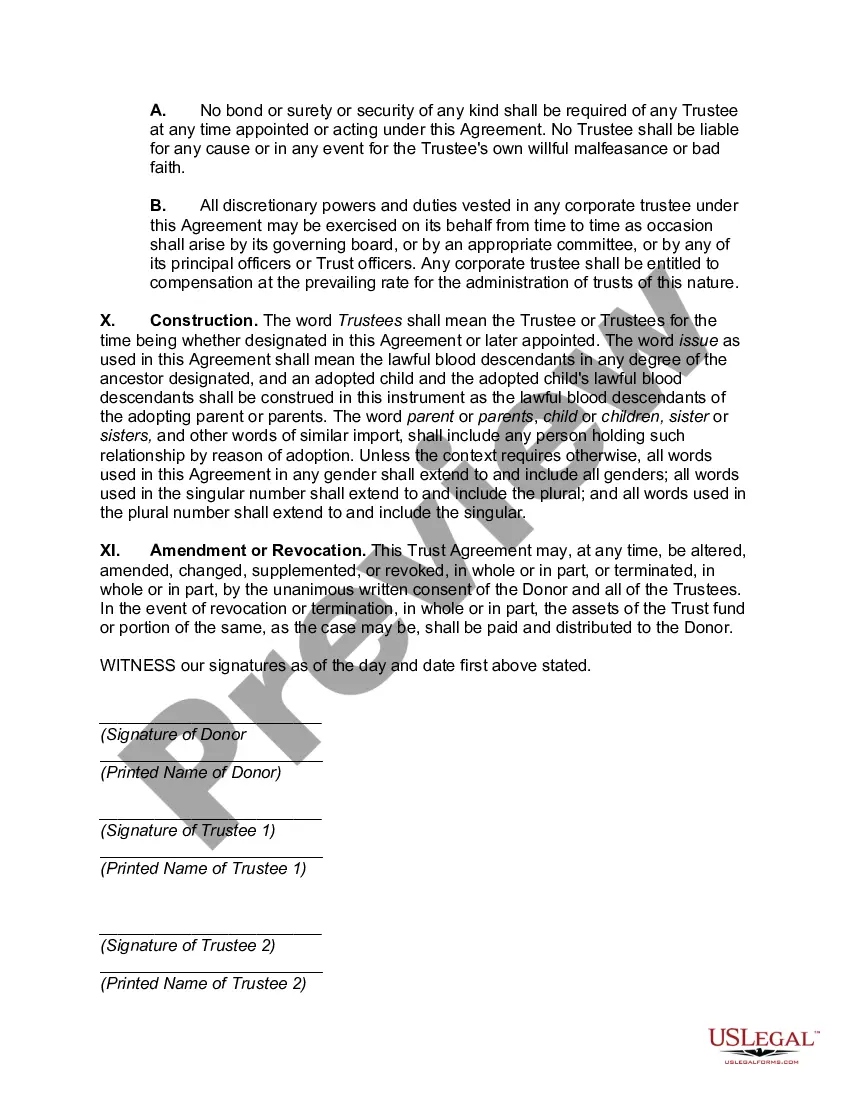

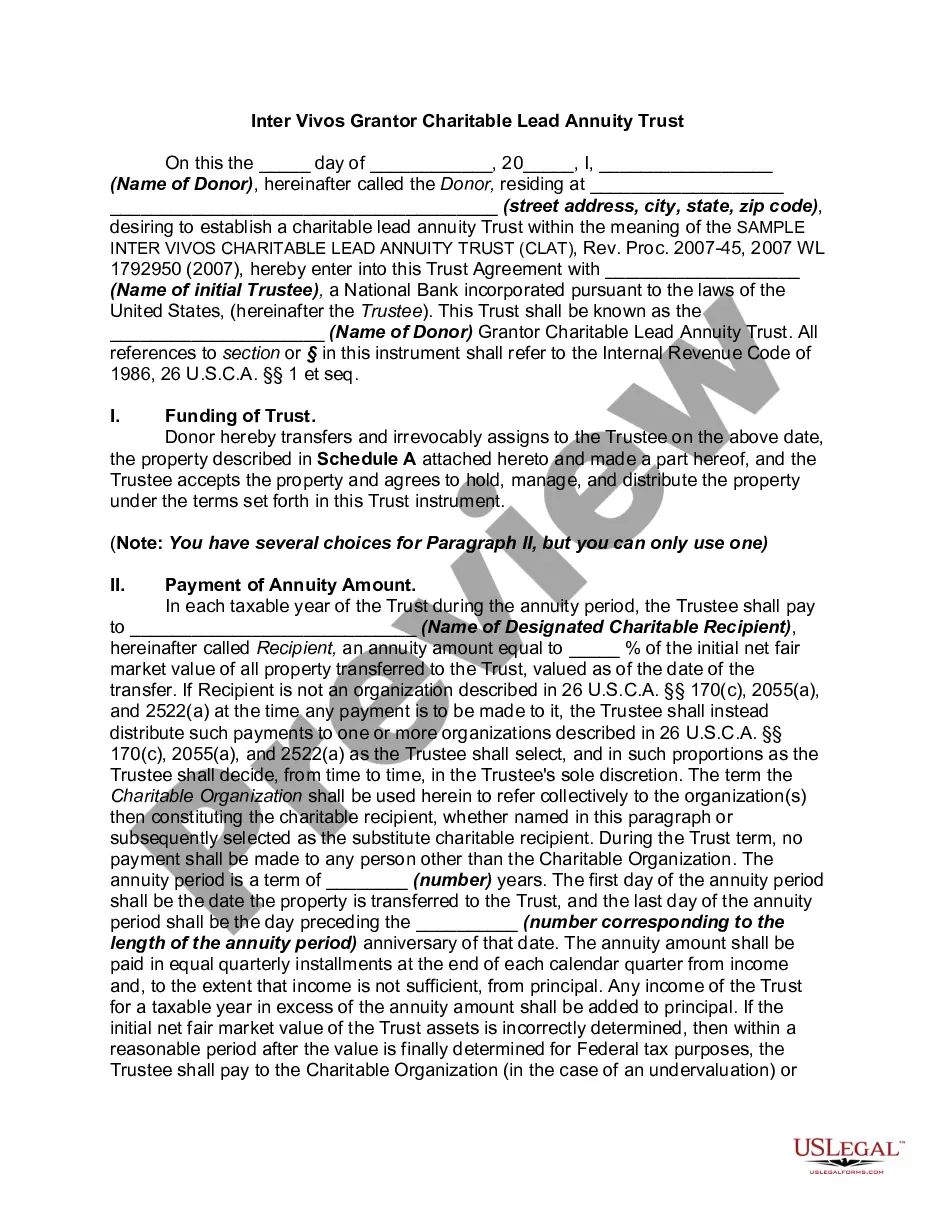
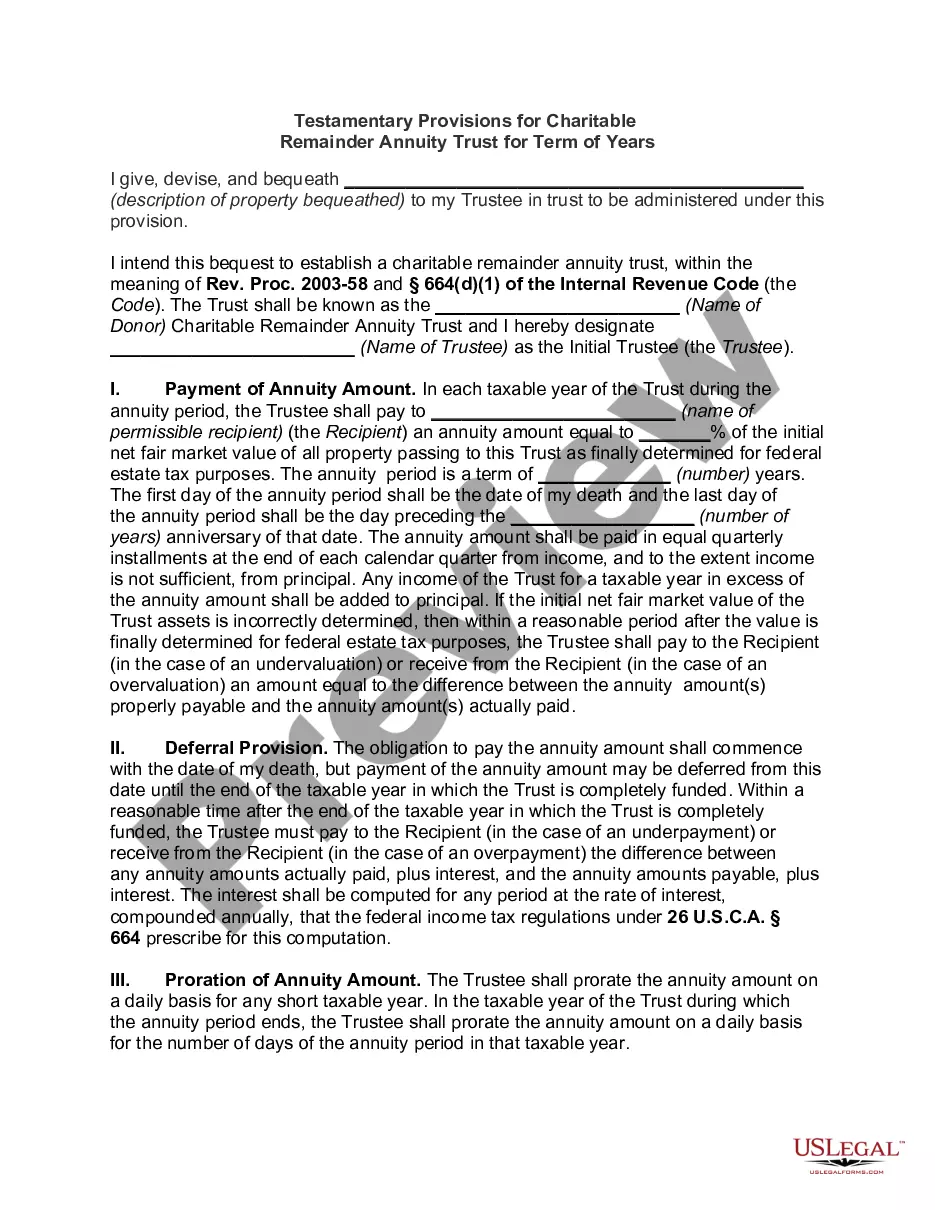
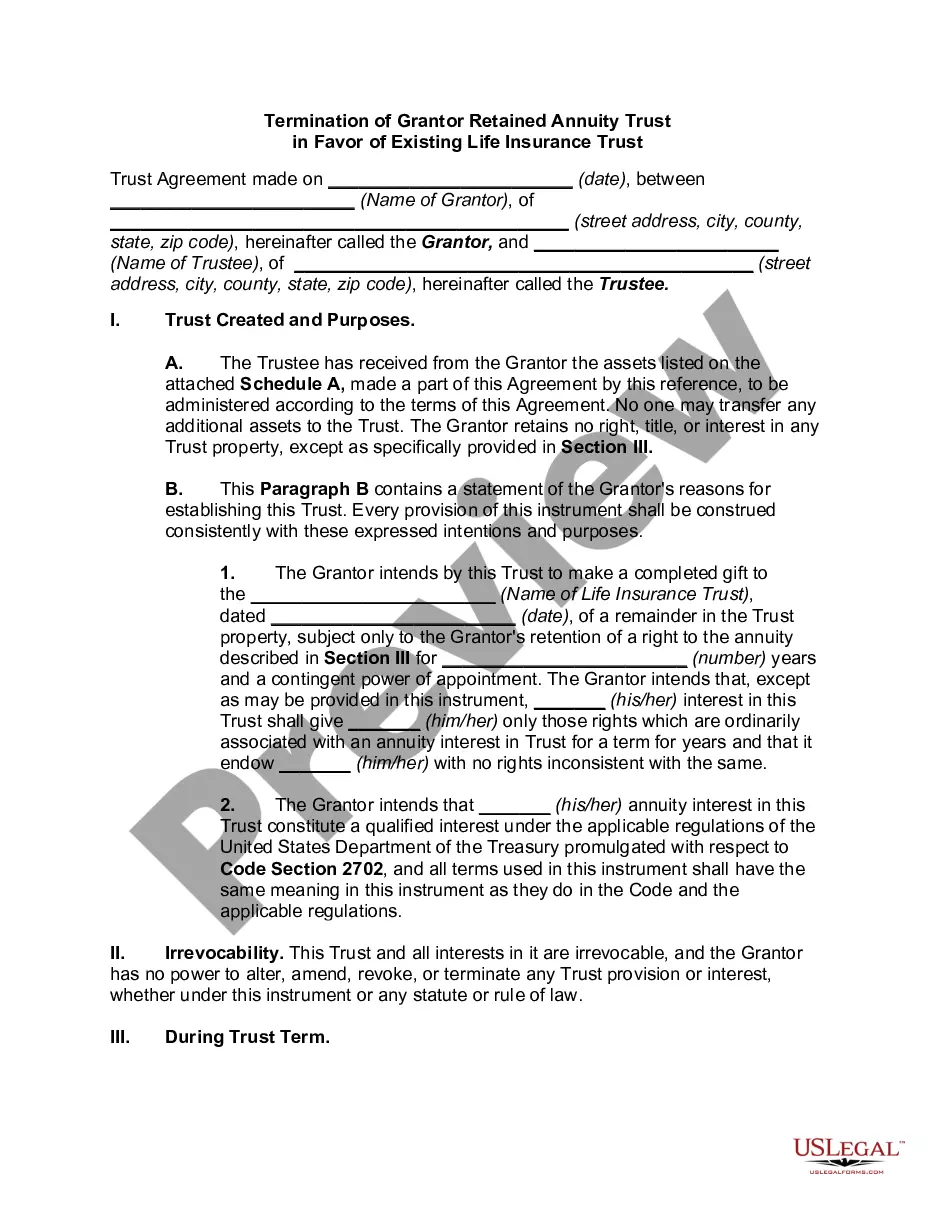
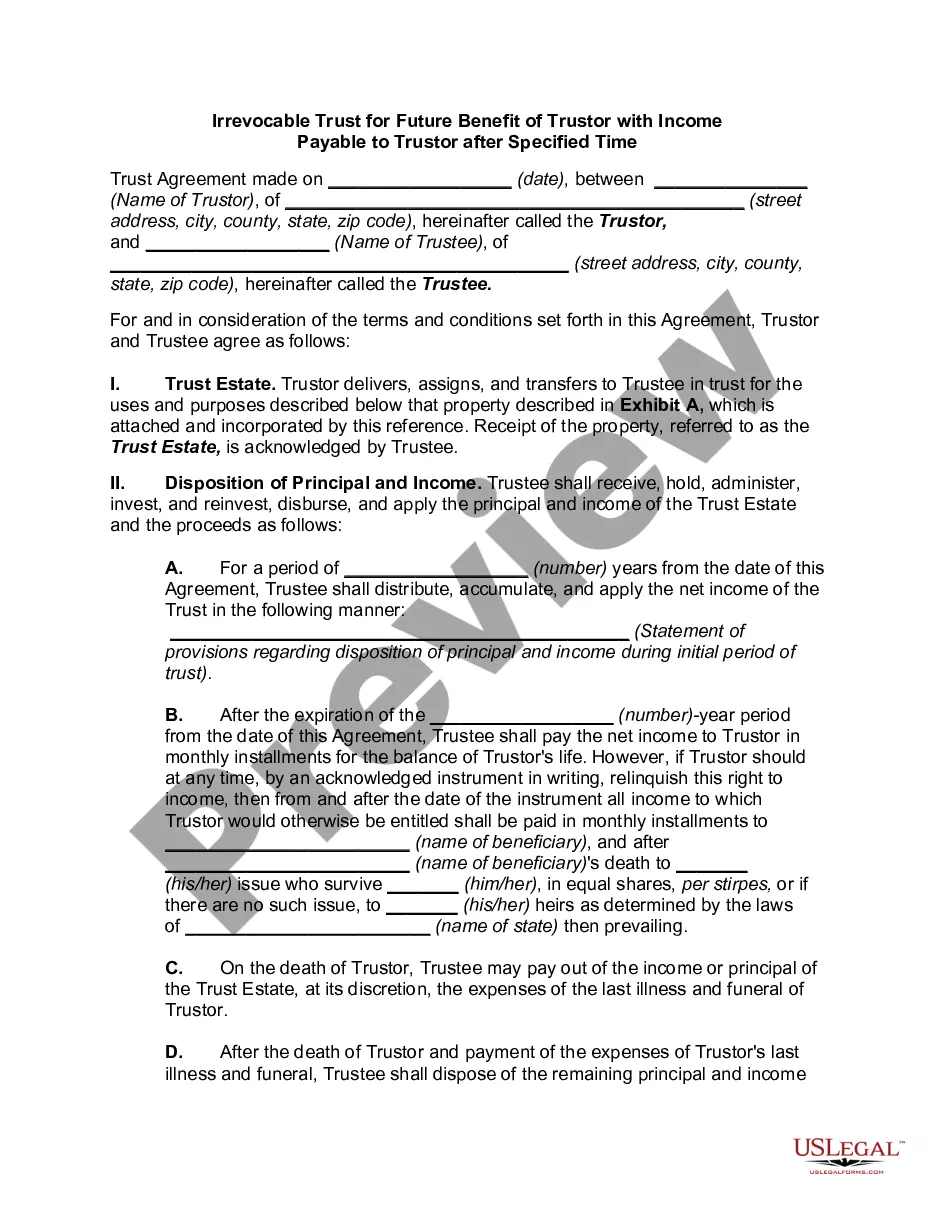
Get your form ready online
Our built-in tools help you complete, sign, share, and store your documents in one place.
Make edits, fill in missing information, and update formatting in US Legal Forms—just like you would in MS Word.
Download a copy, print it, send it by email, or mail it via USPS—whatever works best for your next step.
Sign and collect signatures with our SignNow integration. Send to multiple recipients, set reminders, and more. Go Premium to unlock E-Sign.
If this form requires notarization, complete it online through a secure video call—no need to meet a notary in person or wait for an appointment.
We protect your documents and personal data by following strict security and privacy standards.

Make edits, fill in missing information, and update formatting in US Legal Forms—just like you would in MS Word.

Download a copy, print it, send it by email, or mail it via USPS—whatever works best for your next step.

Sign and collect signatures with our SignNow integration. Send to multiple recipients, set reminders, and more. Go Premium to unlock E-Sign.

If this form requires notarization, complete it online through a secure video call—no need to meet a notary in person or wait for an appointment.

We protect your documents and personal data by following strict security and privacy standards.
Looking for another form?




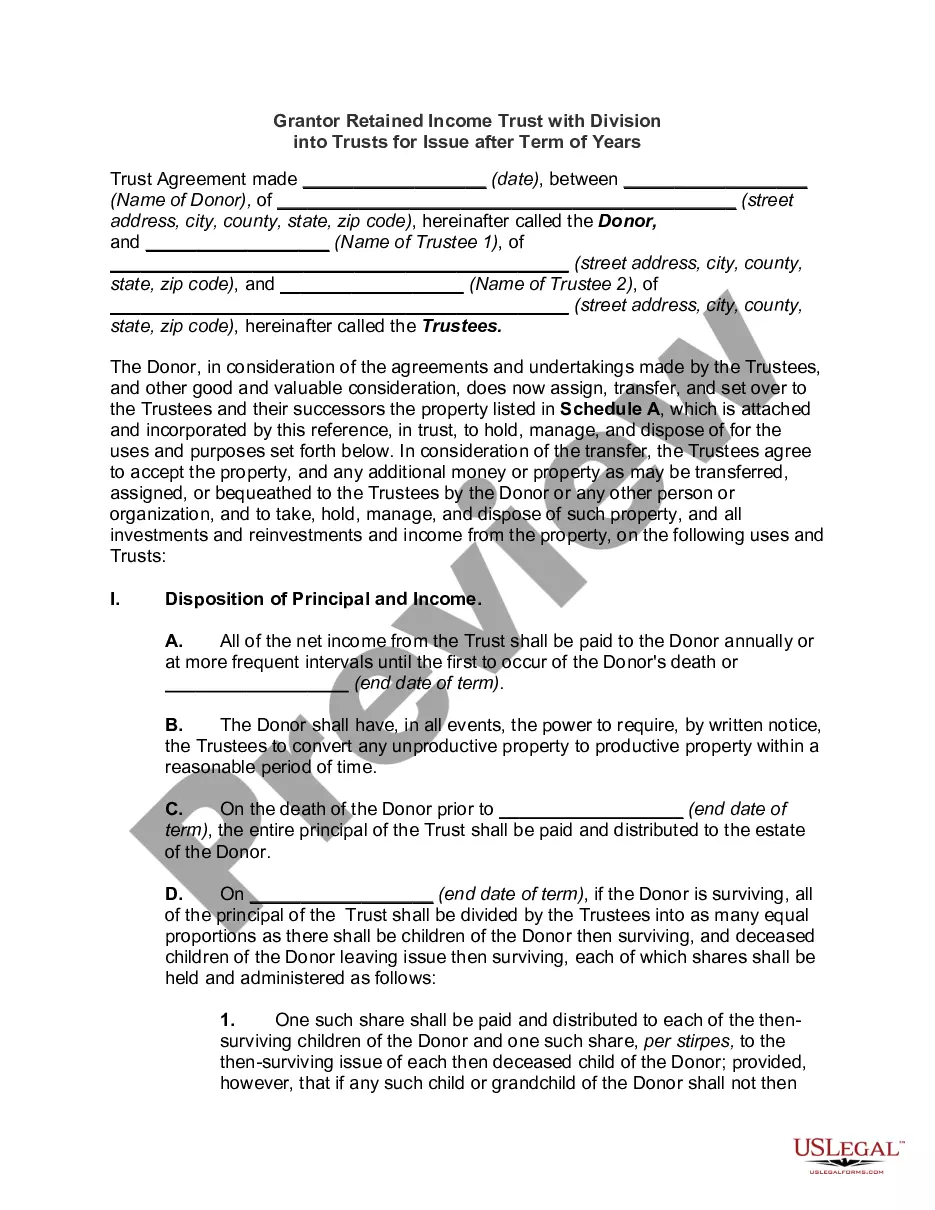
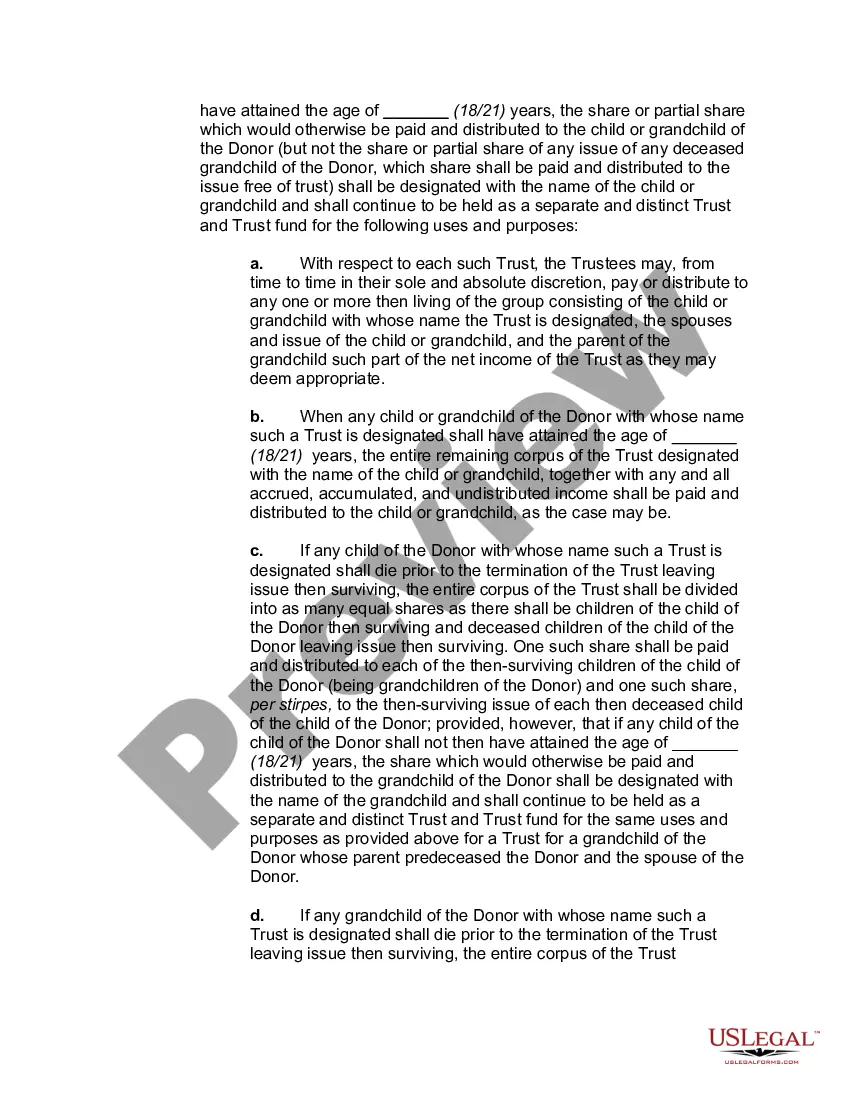
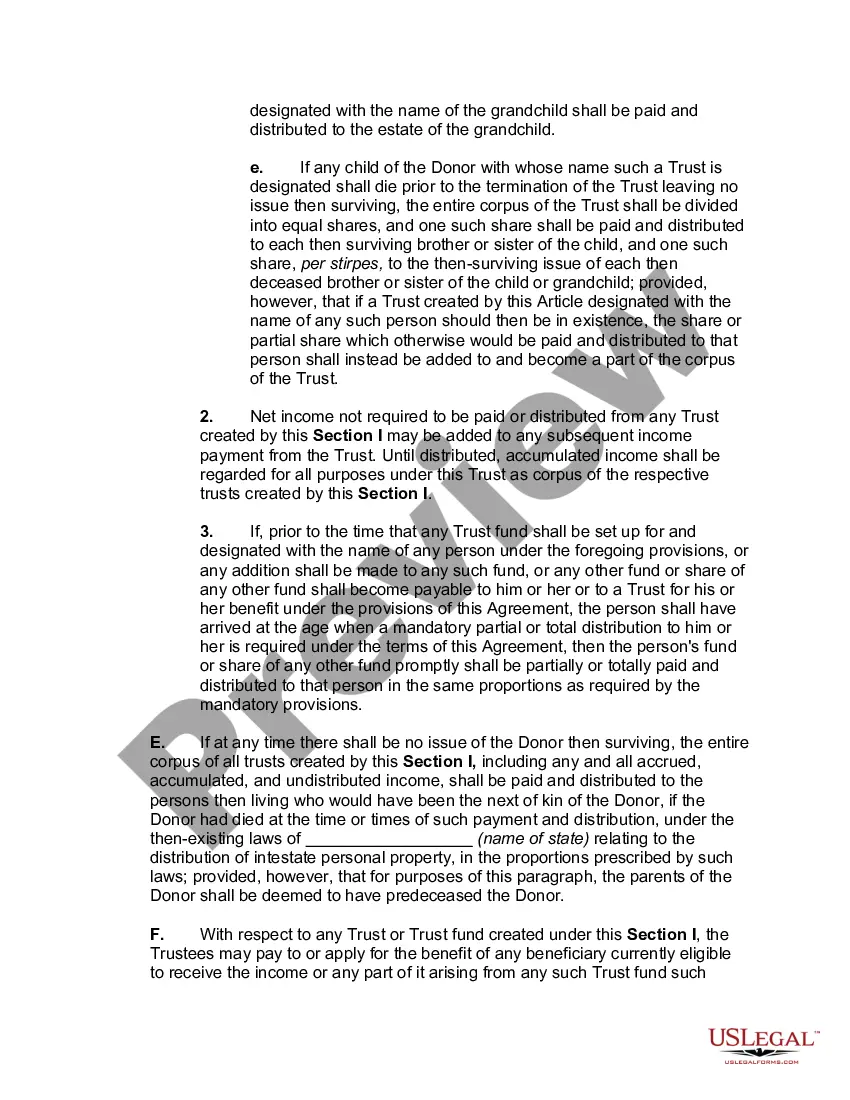
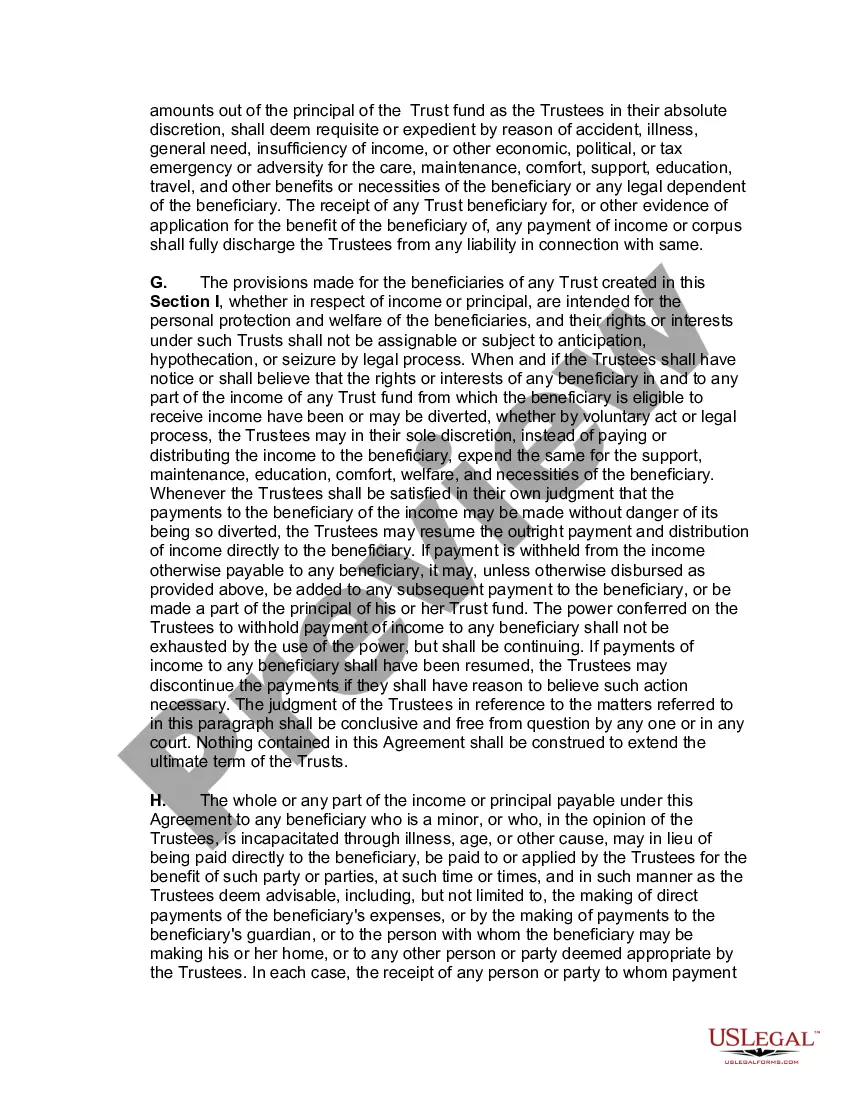
How to fill out Grantor Retained Income Trust With Division Into Trusts For Issue After Term Of Years?
It’s obvious that you can’t become a legal professional overnight, nor can you learn how to quickly prepare Grantor Trusts Sample With Beneficiaries without the need of a specialized background. Putting together legal documents is a time-consuming process requiring a certain education and skills. So why not leave the preparation of the Grantor Trusts Sample With Beneficiaries to the specialists?
With US Legal Forms, one of the most comprehensive legal template libraries, you can find anything from court paperwork to templates for internal corporate communication. We understand how crucial compliance and adherence to federal and state laws are. That’s why, on our platform, all templates are location specific and up to date.
Here’s how you can get started with our website and obtain the form you require in mere minutes:
- Find the form you need by using the search bar at the top of the page.
- Preview it (if this option provided) and read the supporting description to determine whether Grantor Trusts Sample With Beneficiaries is what you’re looking for.
- Begin your search over if you need a different template.
- Register for a free account and choose a subscription option to purchase the template.
- Pick Buy now. As soon as the payment is through, you can get the Grantor Trusts Sample With Beneficiaries, fill it out, print it, and send or mail it to the designated people or entities.
You can re-gain access to your forms from the My Forms tab at any time. If you’re an existing customer, you can simply log in, and find and download the template from the same tab.
Regardless of the purpose of your forms-be it financial and legal, or personal-our website has you covered. Try US Legal Forms now!
Form popularity
FAQ
Key Takeaways. A grantor is the entity that establishes a trust and legally transfers control of those assets to a trustee, who manages it for one or more beneficiaries. In certain types of trusts, the grantor may also be the beneficiary, the trustee, or both.
Typically, the beneficiaries in a discretionary trust can be changed by preparing a Deed of Amendment. However, many older discretionary trust deeds fail to make it clear whether a specific person can be removed and/or appointed as a beneficiary.
The beneficiary has a right to inspect and take copies of the instrument of the trust, the documents of title relating solely to the trust property , the accounts of the trust property and the vouchers if any by which they are supported and as well the cases submitted and opinions taken by the trustee from the court ...
So, when asking the question ?can you change beneficiaries in an irrevocable trust?? the answer is generally ?no? you normally cannot change the aspects of an irrevocable trust, like changing beneficiaries. However, as with many things, there are always certain exceptions.
For example, a revocable living trust (i.e., a common com- ponent of a basic estate plan) would be treated as a grantor trust for income tax purposes under Section 676 of the Code due to the grantor's ability to revoke the trust during life and re-vest the assets in the grantor's name.