Grantor Trusts For Trusts
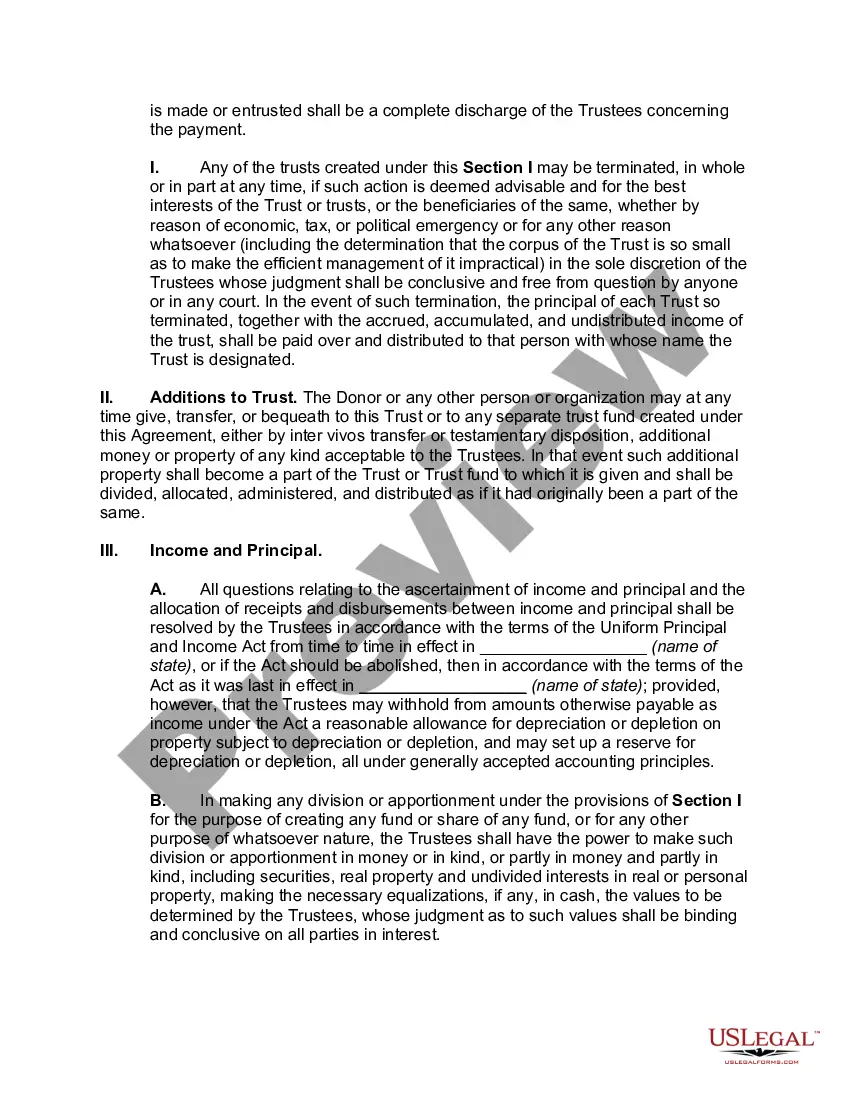
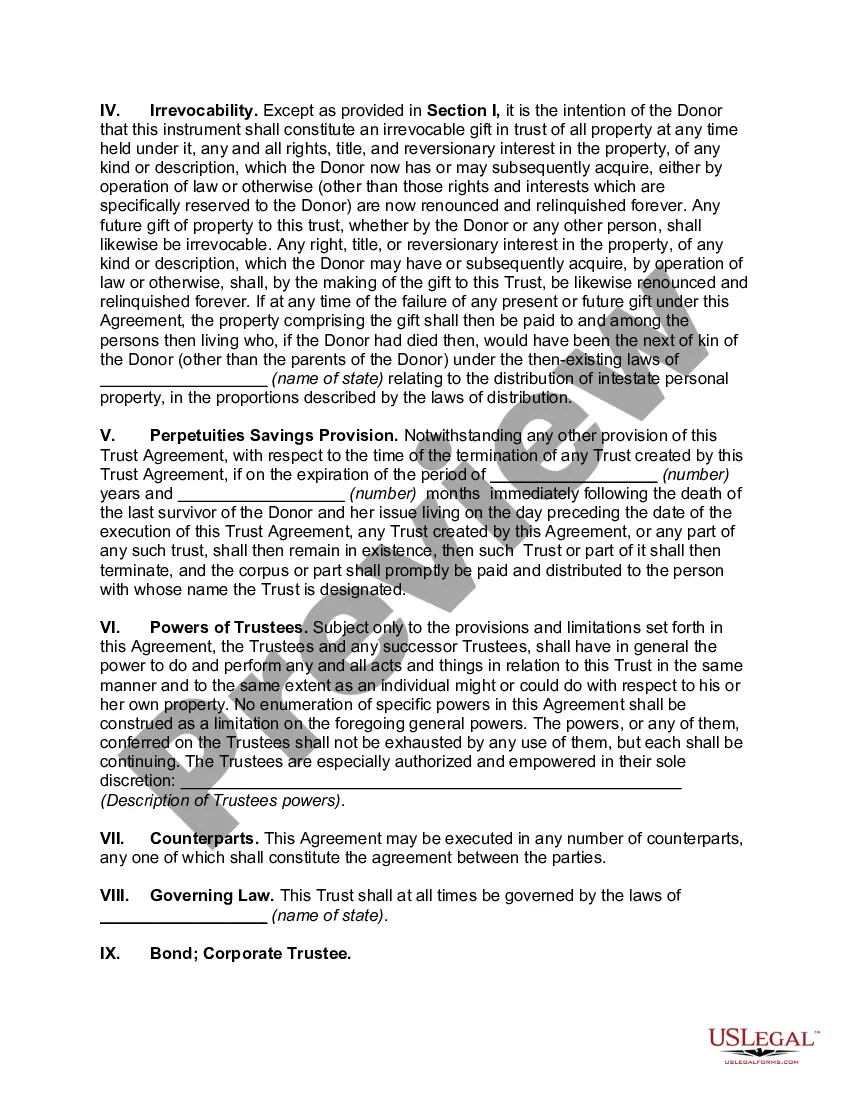
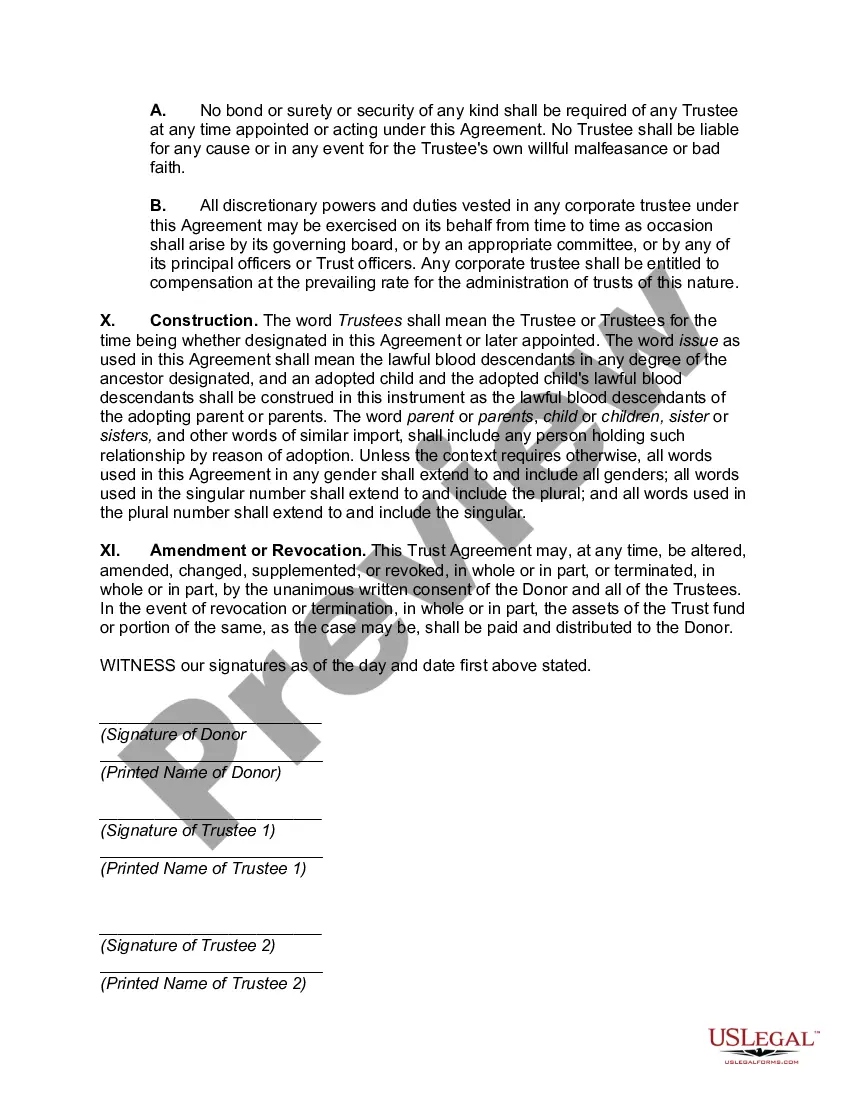
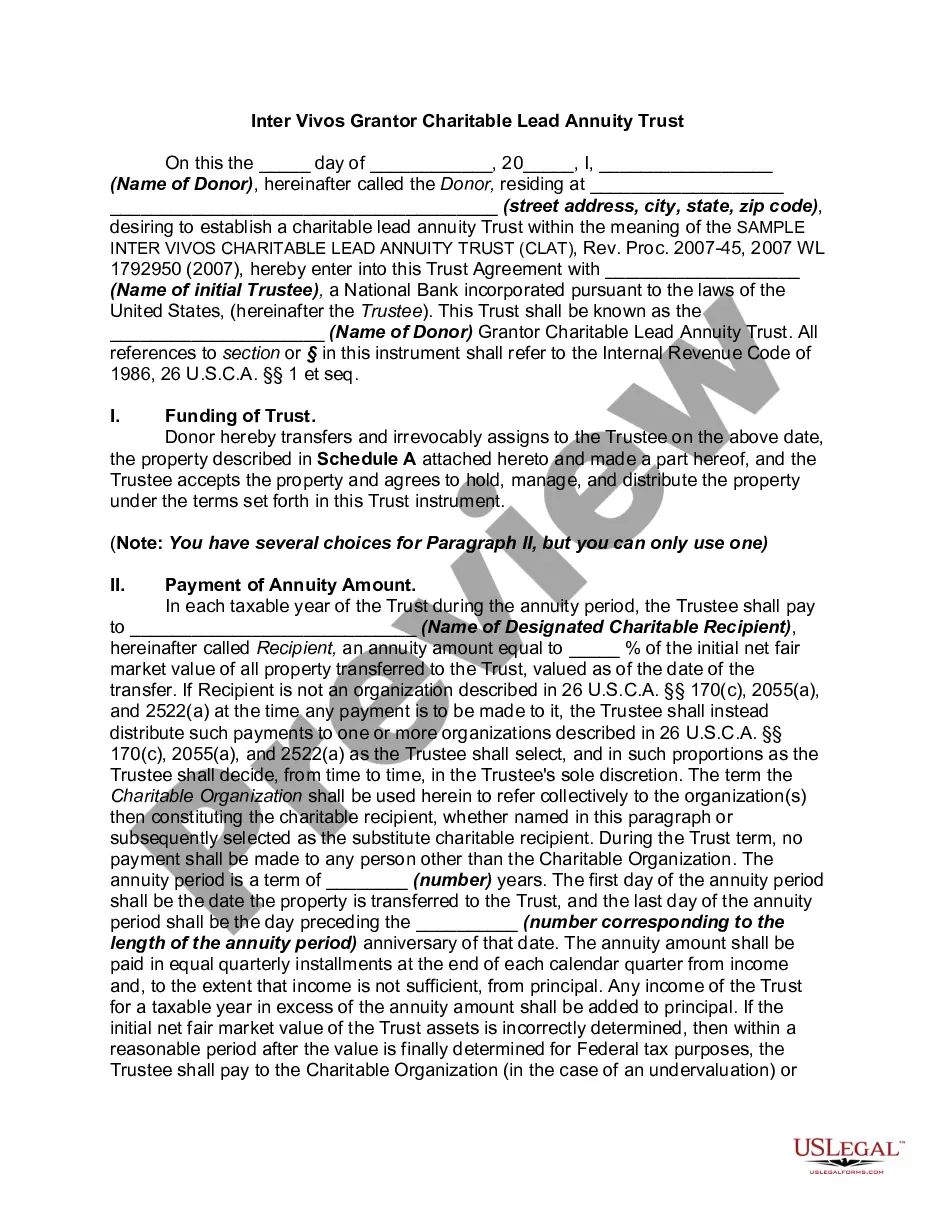
Description

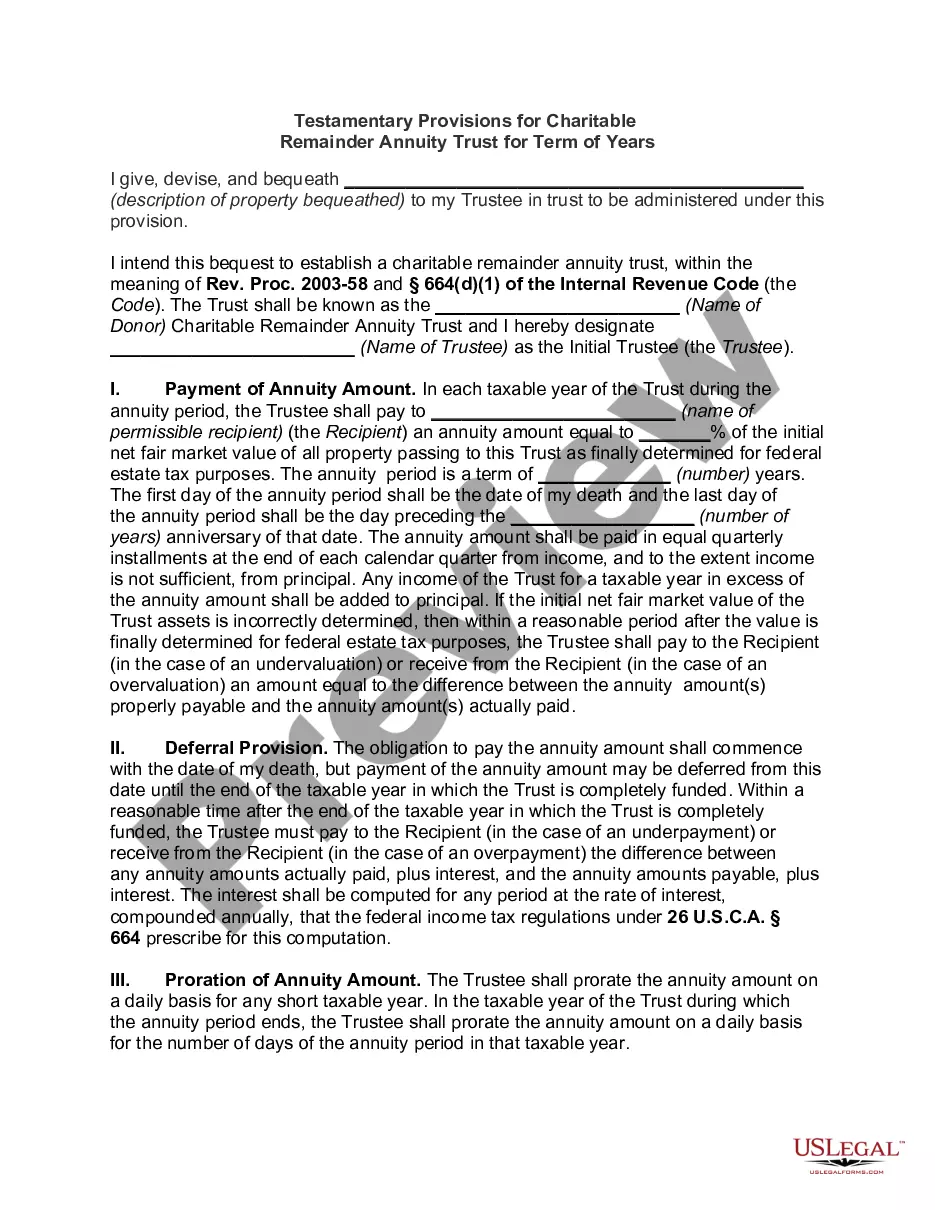
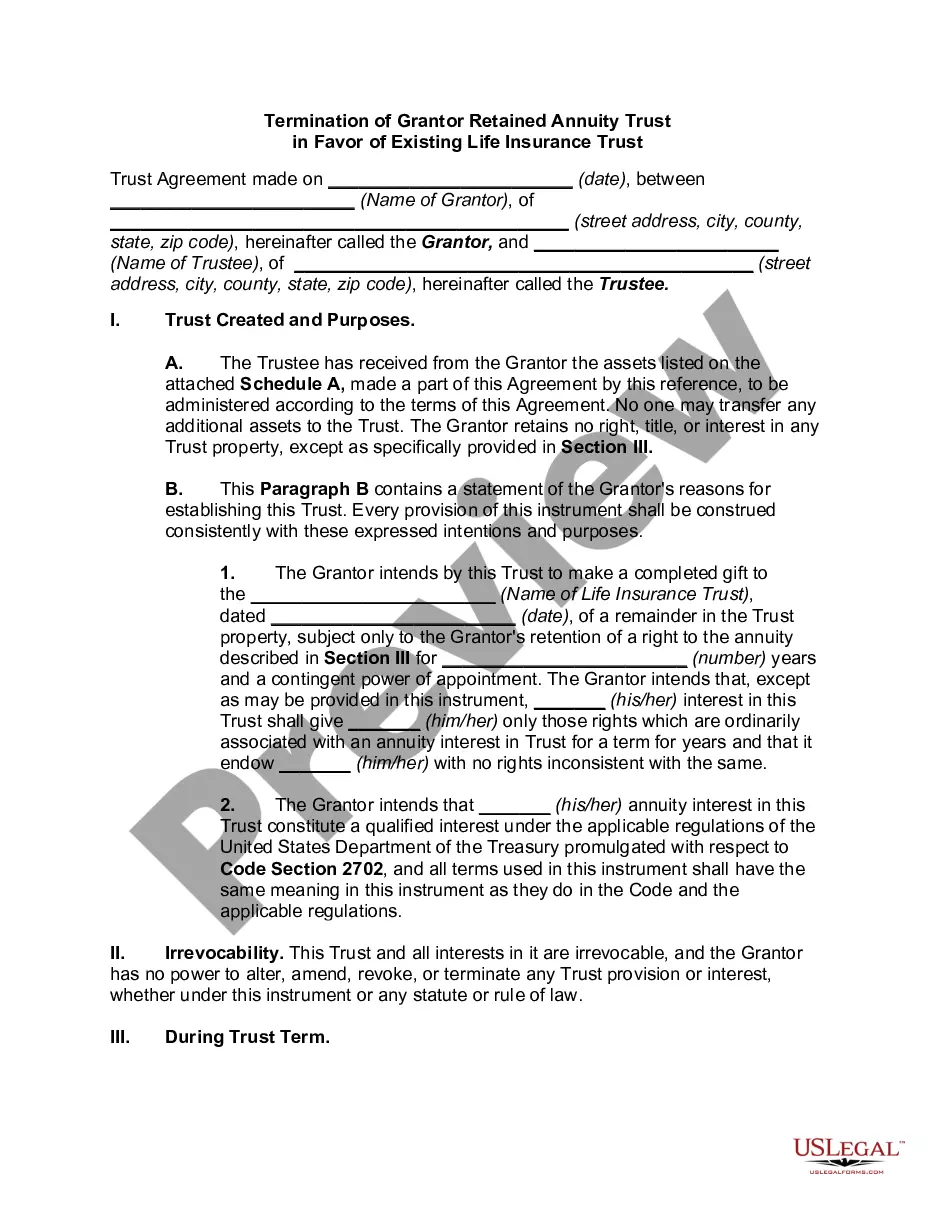
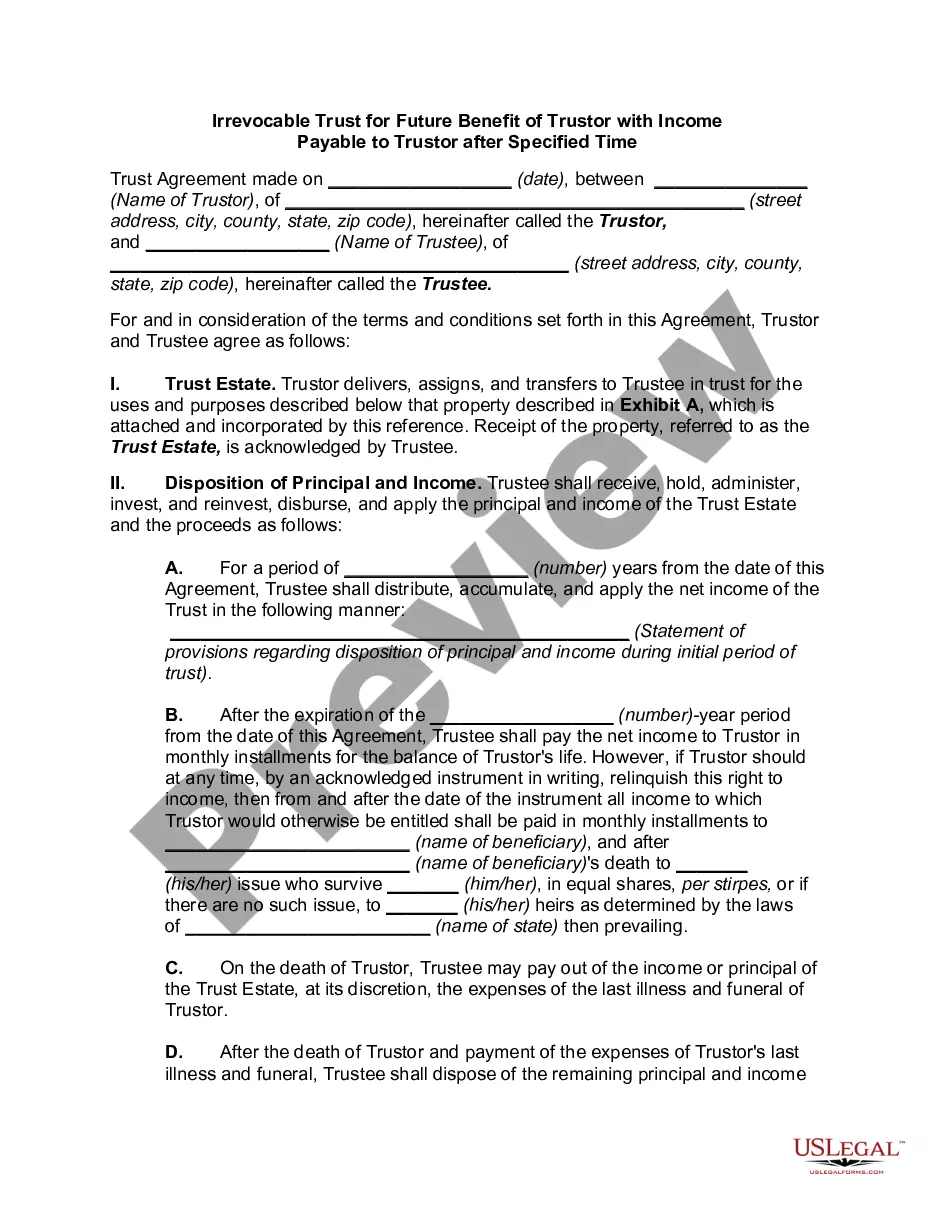
Get your form ready online
Our built-in tools help you complete, sign, share, and store your documents in one place.
Make edits, fill in missing information, and update formatting in US Legal Forms—just like you would in MS Word.
Download a copy, print it, send it by email, or mail it via USPS—whatever works best for your next step.
Sign and collect signatures with our SignNow integration. Send to multiple recipients, set reminders, and more. Go Premium to unlock E-Sign.
If this form requires notarization, complete it online through a secure video call—no need to meet a notary in person or wait for an appointment.
We protect your documents and personal data by following strict security and privacy standards.

Make edits, fill in missing information, and update formatting in US Legal Forms—just like you would in MS Word.

Download a copy, print it, send it by email, or mail it via USPS—whatever works best for your next step.

Sign and collect signatures with our SignNow integration. Send to multiple recipients, set reminders, and more. Go Premium to unlock E-Sign.

If this form requires notarization, complete it online through a secure video call—no need to meet a notary in person or wait for an appointment.

We protect your documents and personal data by following strict security and privacy standards.
Looking for another form?





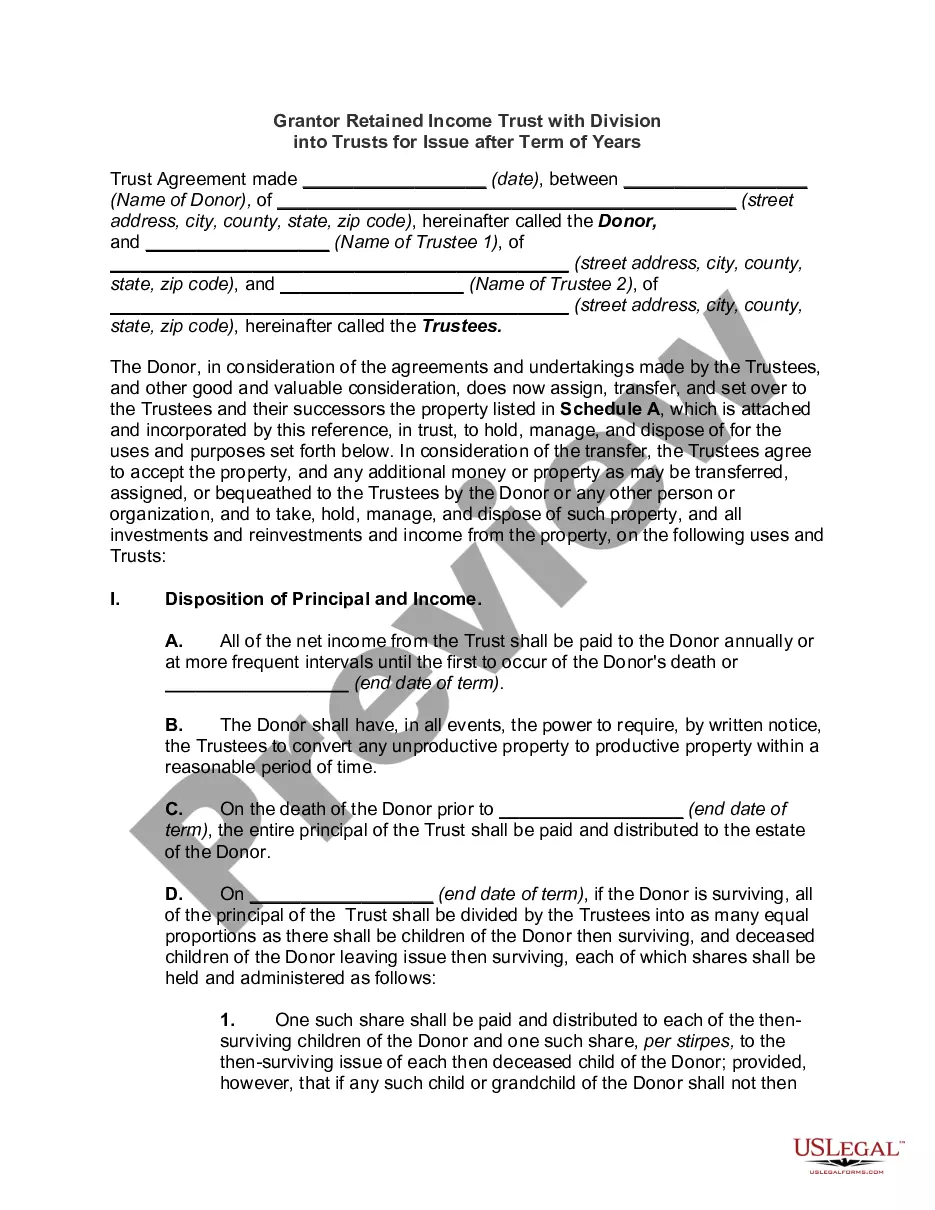
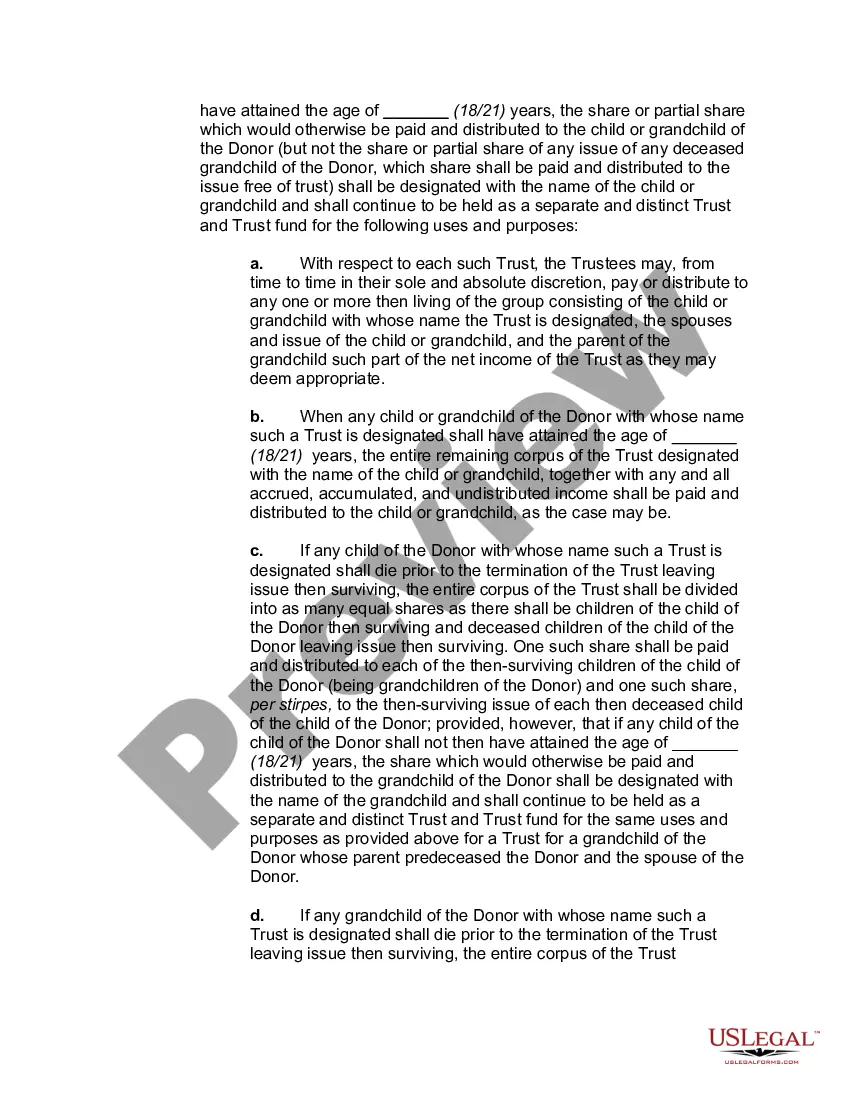
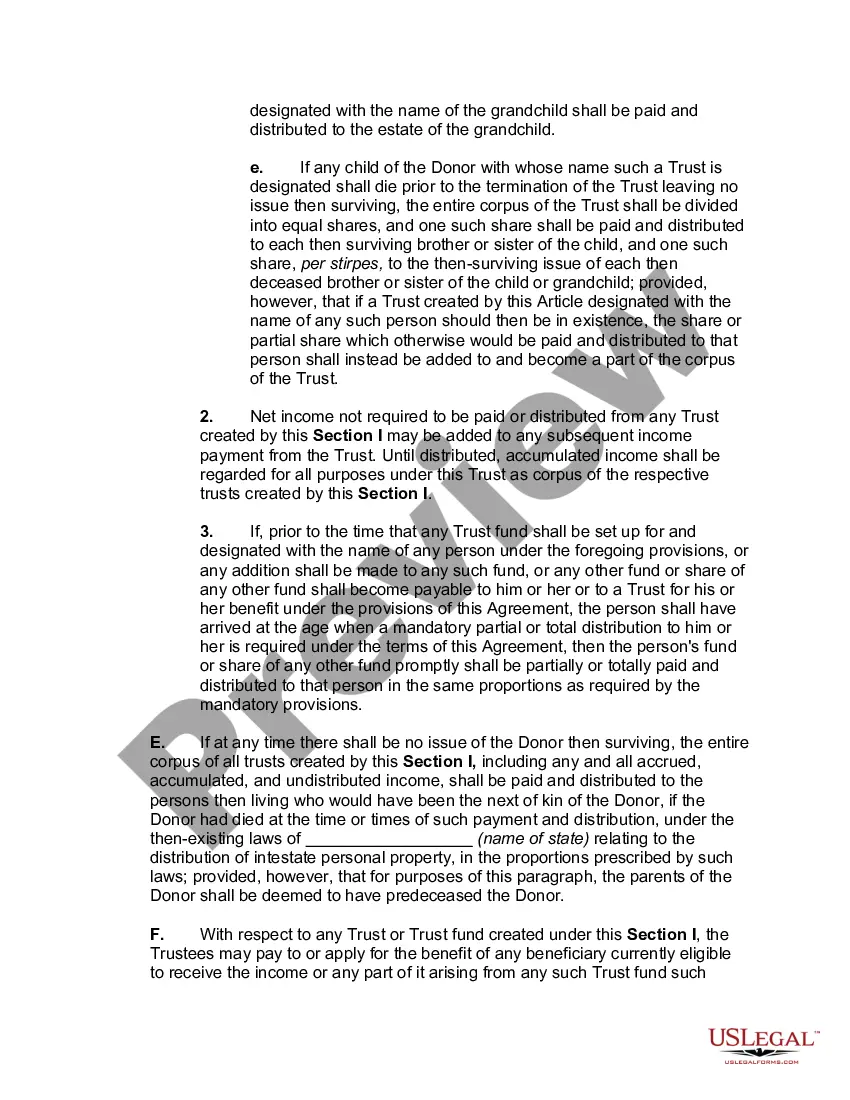
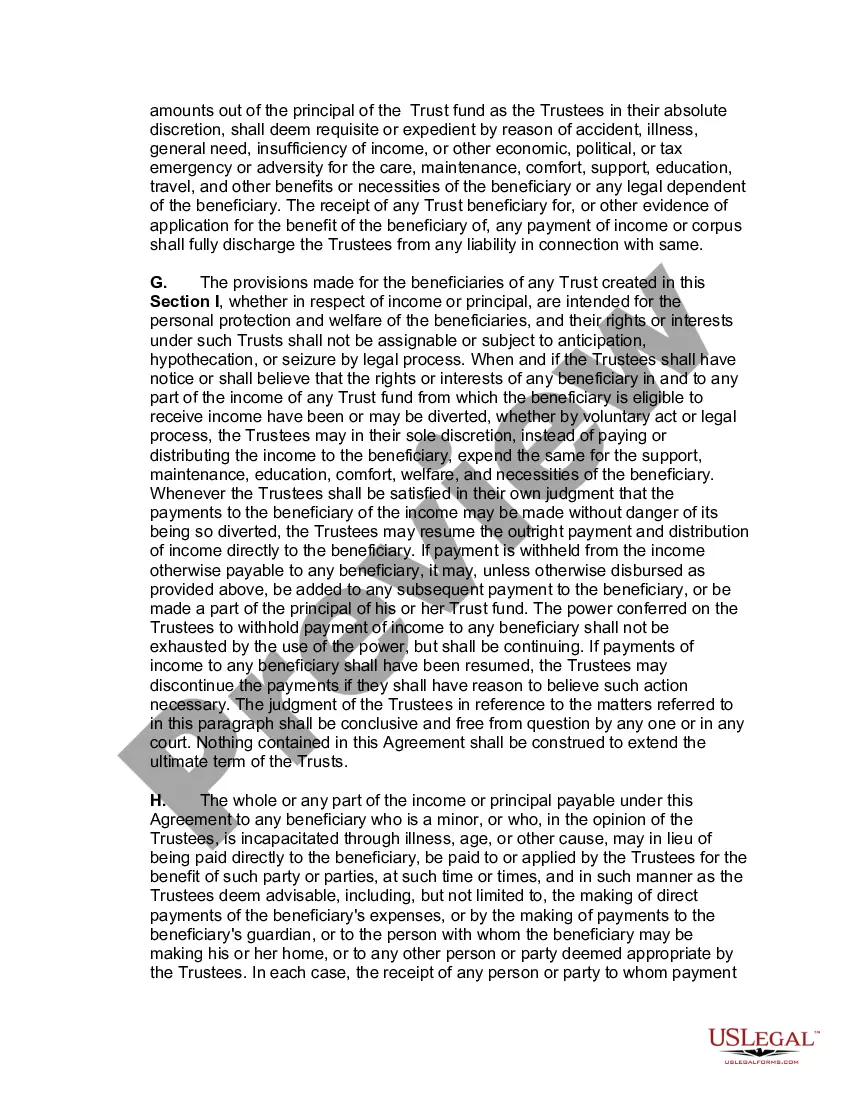
How to fill out Grantor Retained Income Trust With Division Into Trusts For Issue After Term Of Years?
- Log in to your US Legal Forms account if you're a returning user. Ensure your subscription is active and download the required form by clicking the Download button.
- For first-time users, start by browsing the Preview mode to examine the form details. Confirm that it matches your needs and complies with your local jurisdiction.
- If the selected form isn't suitable, utilize the Search tab to find alternative templates that better meet your requirements.
- Once you have the right document, click on the Buy Now button, select your preferred subscription plan, and create an account for access.
- Complete your purchase by providing your payment details through credit card or PayPal.
- After payment is complete, download the form to your device. You can also find it anytime in the My Forms section of your profile.
In conclusion, US Legal Forms empowers users to navigate the complexities of legal documentation with ease. Whether for personal or professional use, you can confidently create grantor trusts for trusts with the right resources.
Start your journey today and explore our vast library to find the perfect legal forms for your needs!
Form popularity
FAQ
You can determine if a trust is a grantor trust by reviewing the trust's terms for specific powers retained by the grantor, such as the ability to revoke or amend the trust. Additionally, if the grantor pays taxes on the trust's income, it is likely a grantor trust. Understanding these features is crucial for managing your trust effectively. US Legal Forms provides forms and guidance that can help clarify these distinctions.
An example of a grantor trust includes a revocable living trust, where the grantor maintains control over the assets during their lifetime. This type of trust allows the grantor to make changes as needed, providing flexibility and ease of management. Grantor trusts for trusts often provide tax benefits, as the income generated is taxed to the grantor, not the trust. US Legal Forms can assist you in drafting this type of trust effectively.
One significant mistake parents make is failing to clearly communicate their intentions regarding the trust fund to their children. This lack of communication can lead to confusion and disputes later on. Additionally, some parents neglect to update their trust documents as circumstances change, which can result in unintended outcomes. Consulting with legal experts through US Legal Forms can help you avoid these pitfalls.
Typically, the person establishing the trust should be the grantor, often a parent or grandparent concerned about asset management for their heirs. It is essential for the grantor to be someone who understands the trust's purpose and wishes to effectively manage and dictate its terms. Involving a legal professional can ensure that the grantor's intentions align with their expectations. US Legal Forms offers templates and resources to help you navigate this process.
The grantor of a trust is the individual who creates the trust and contributes assets to it. In a grantor trust, this person retains certain powers, such as the right to revoke the trust or access its income. Understanding your role as the grantor is crucial for effective trust management and estate planning. US Legal Forms can provide you with the necessary documents and guidance.
Yes, you can be both the grantor and the trustee of a grantor trust. This arrangement allows you to maintain control over the trust's assets while also enjoying the benefits of the trust structure. It is important to understand that while you have control, this may impact how the trust is treated for tax purposes. Consulting with a legal expert can help clarify your specific situation.
To trigger a grantor trust status, you must retain specific powers, such as the ability to revoke or modify the trust. This status arises when you, as the grantor, maintain enough control over the assets to comply with IRS guidelines. Understanding how these elements align is crucial when working with grantor trusts for trusts, ensuring you maximize their benefits.
Establishing a grantor trust involves several key steps: choosing the right assets, drafting a detailed trust document, and funding the trust with your selected assets. Be sure to decide which powers you wish to retain as the grantor. Resources like uslegalforms can make it easier for you to navigate these steps when dealing with grantor trusts for trusts.
A grantor trust can serve multiple purposes, including wealth management and estate planning. It allows you to maintain control over your assets while benefiting from certain tax advantages. Considering grantor trusts for trusts can enhance flexibility and help you meet your financial goals more efficiently.
To set up a grantor trust, you need to draft a trust agreement that specifies the terms and conditions. This document should outline how the trust will operate and the powers retained by you, the grantor. Utilizing platforms like uslegalforms can streamline this process and ensure that you have everything in place for effective management of grantor trusts for trusts.