Grantor Trust To Beneficiary
Description
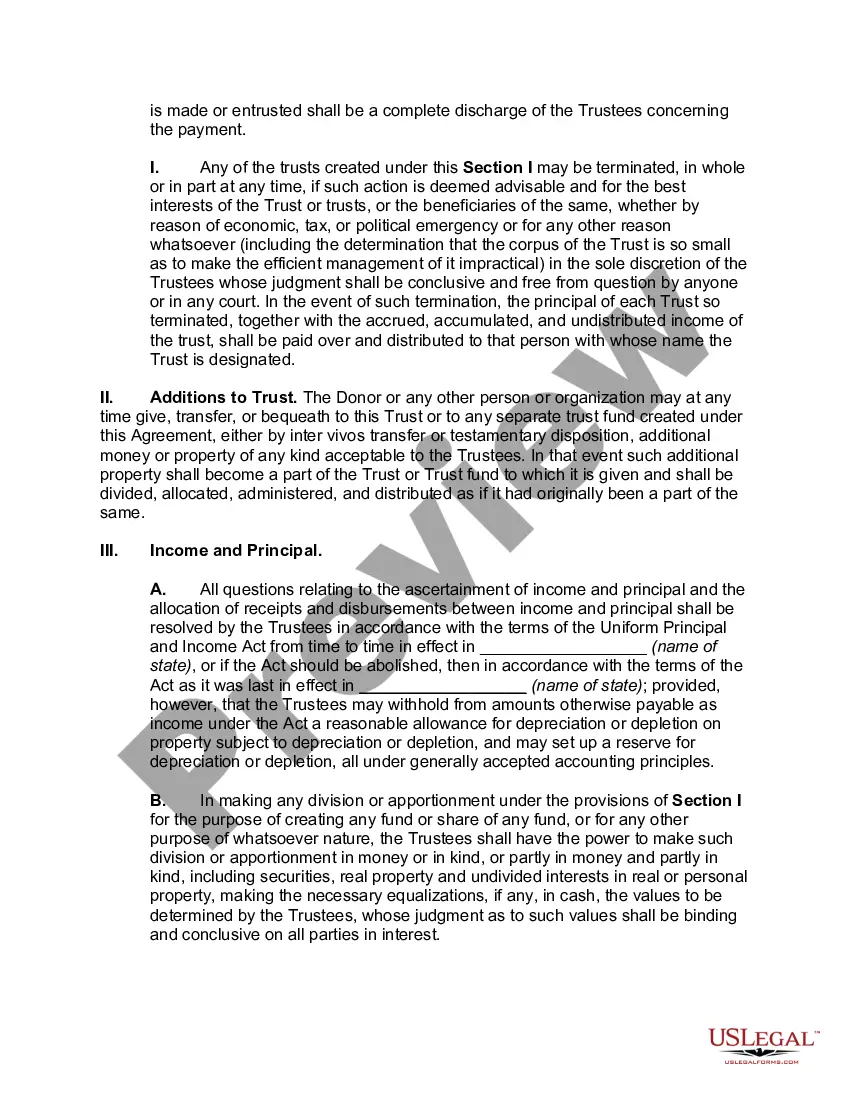
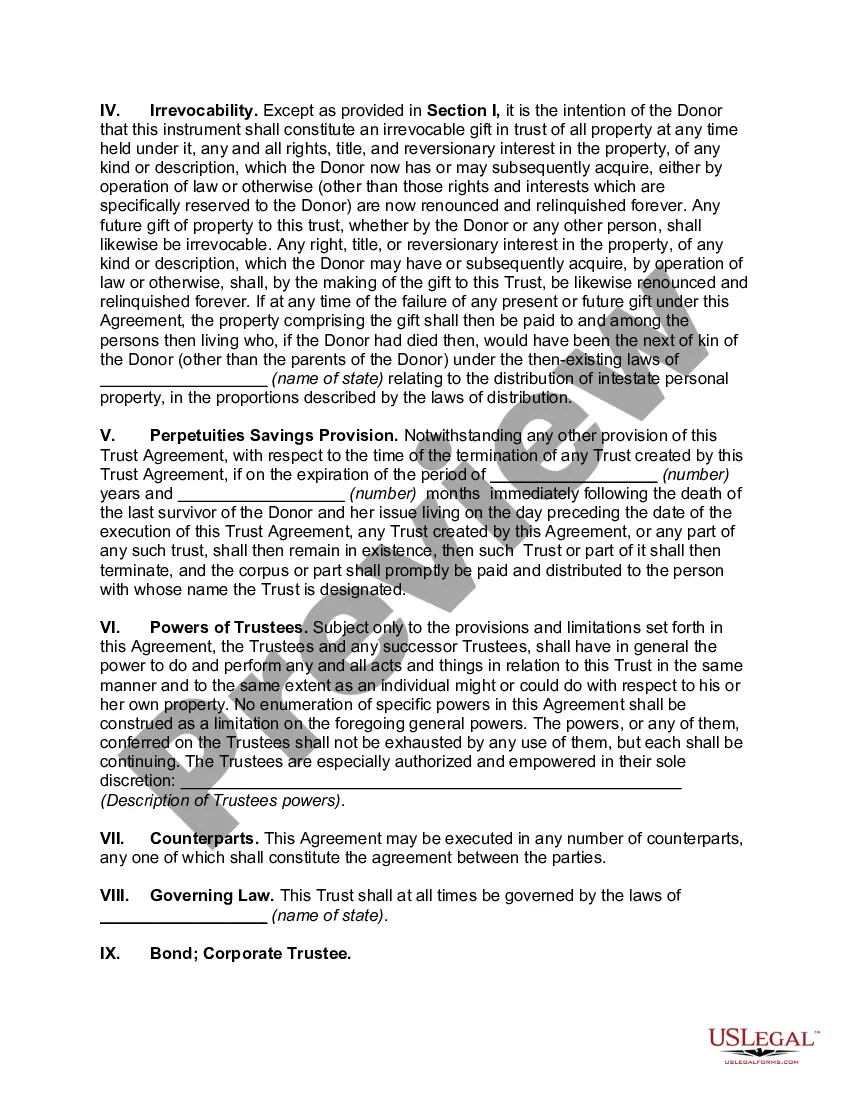
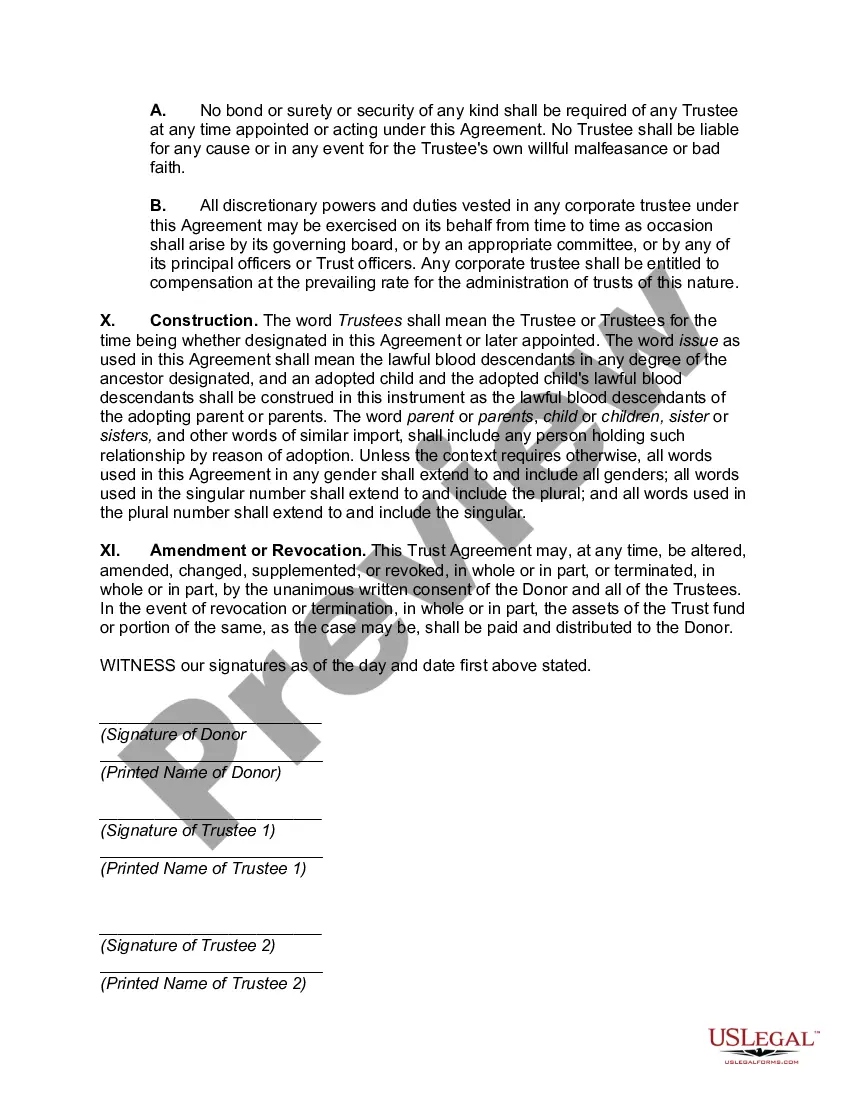

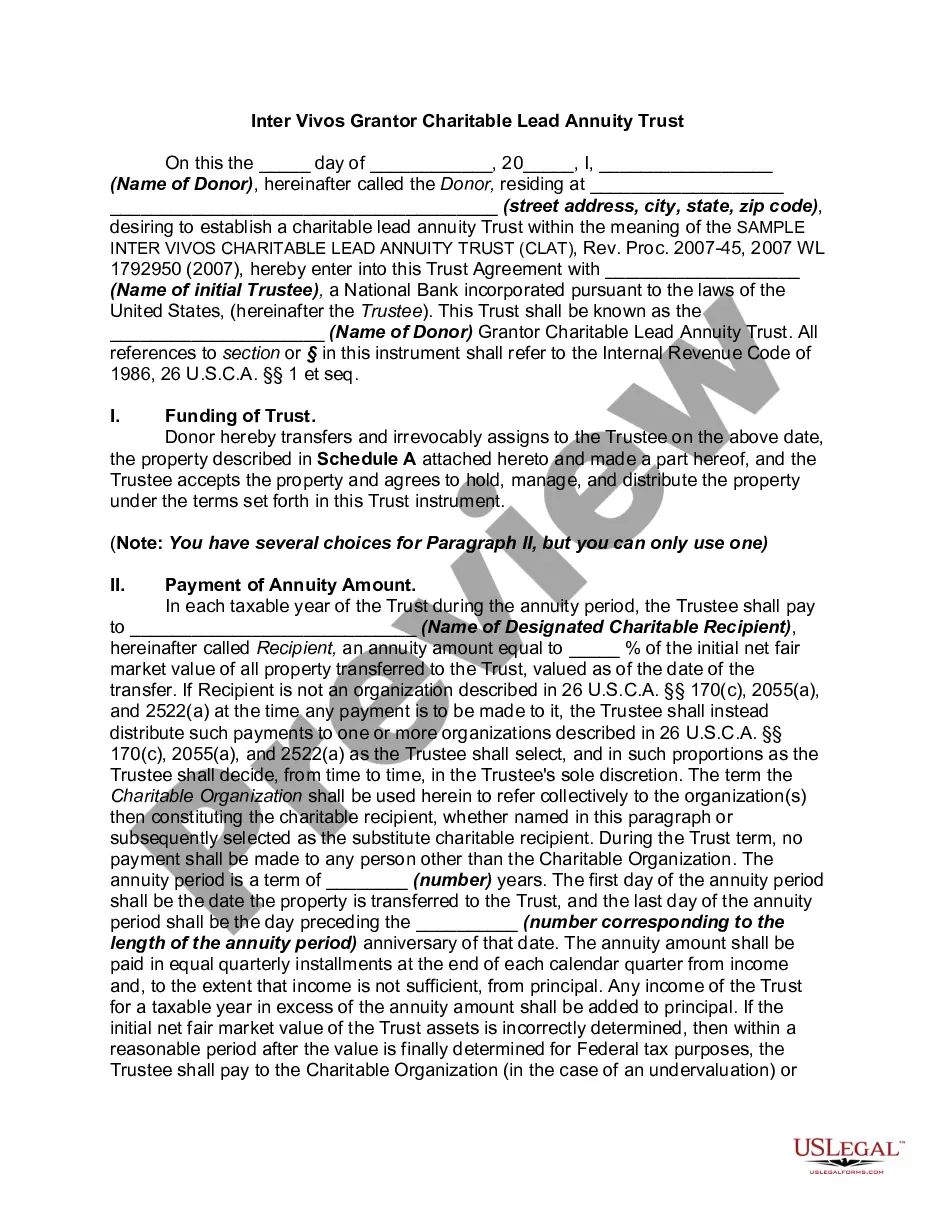
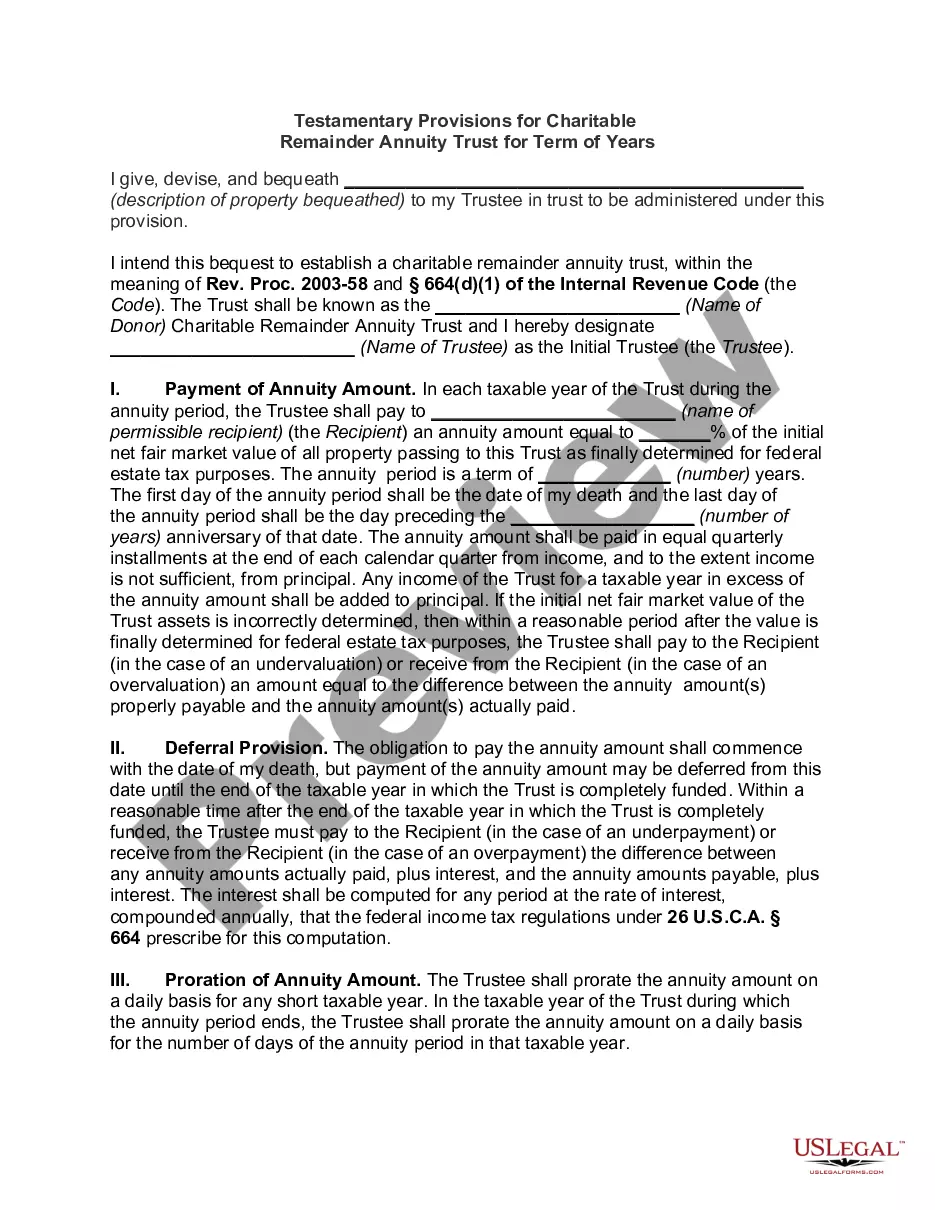
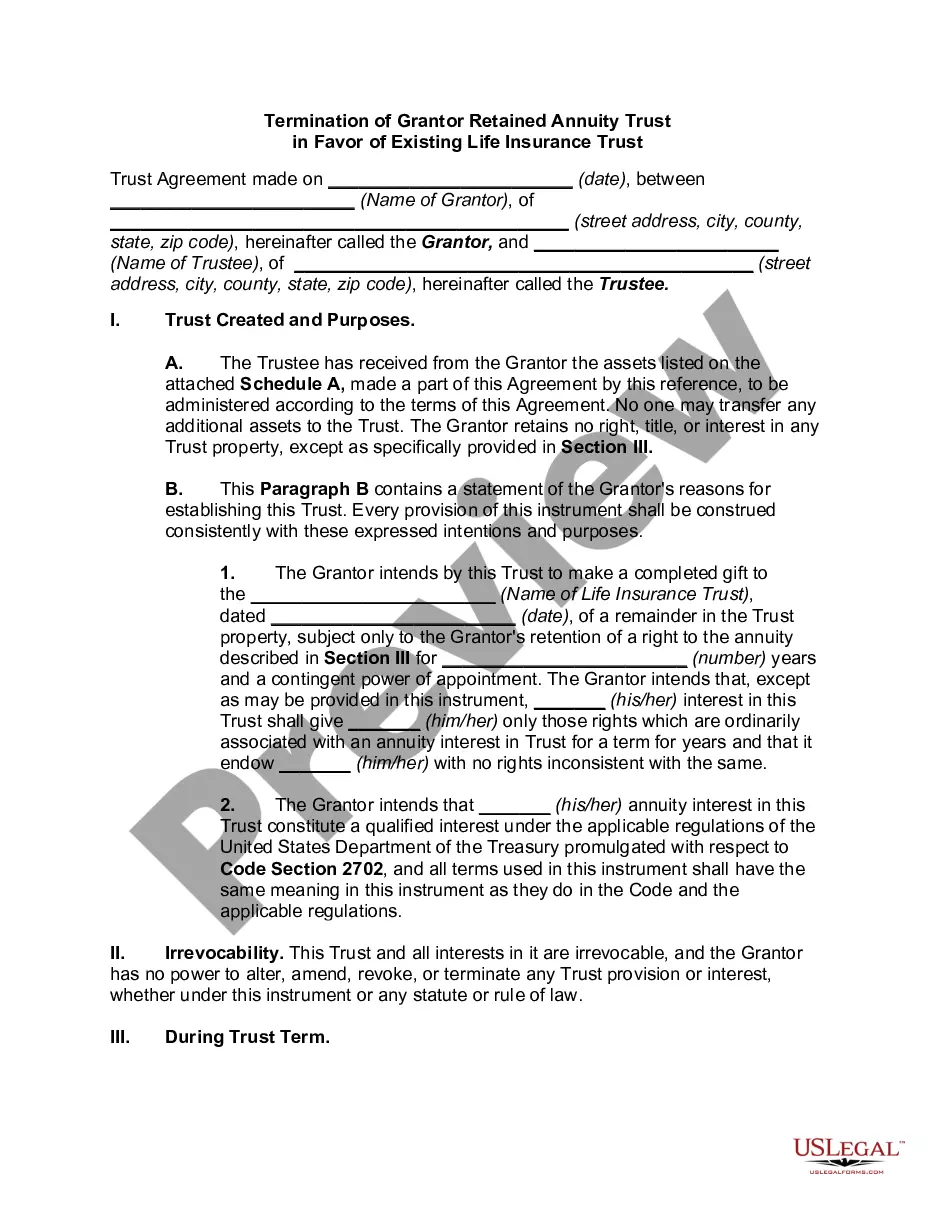
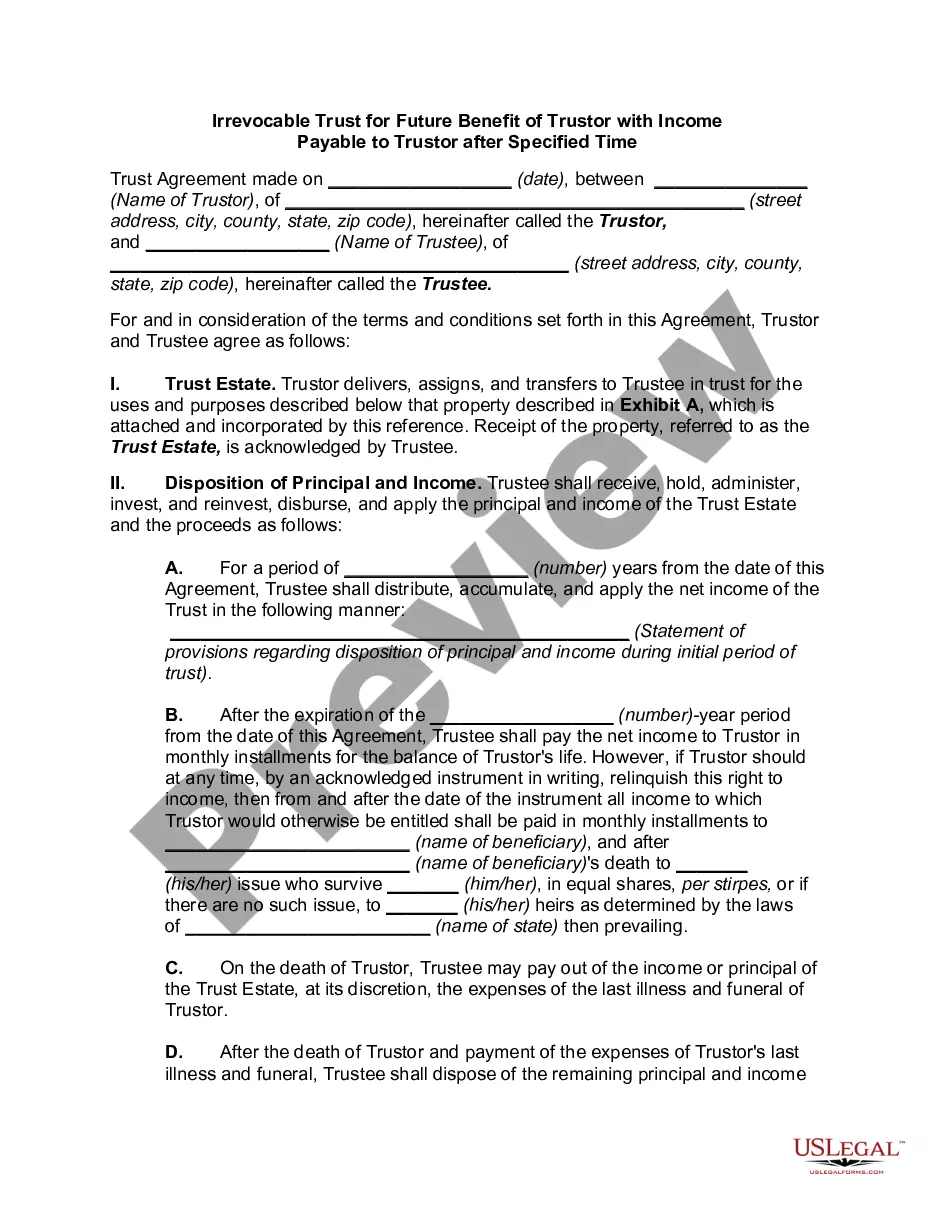
Get your form ready online
Our built-in tools help you complete, sign, share, and store your documents in one place.
Make edits, fill in missing information, and update formatting in US Legal Forms—just like you would in MS Word.
Download a copy, print it, send it by email, or mail it via USPS—whatever works best for your next step.
Sign and collect signatures with our SignNow integration. Send to multiple recipients, set reminders, and more. Go Premium to unlock E-Sign.
If this form requires notarization, complete it online through a secure video call—no need to meet a notary in person or wait for an appointment.
We protect your documents and personal data by following strict security and privacy standards.

Make edits, fill in missing information, and update formatting in US Legal Forms—just like you would in MS Word.

Download a copy, print it, send it by email, or mail it via USPS—whatever works best for your next step.

Sign and collect signatures with our SignNow integration. Send to multiple recipients, set reminders, and more. Go Premium to unlock E-Sign.

If this form requires notarization, complete it online through a secure video call—no need to meet a notary in person or wait for an appointment.

We protect your documents and personal data by following strict security and privacy standards.
Looking for another form?

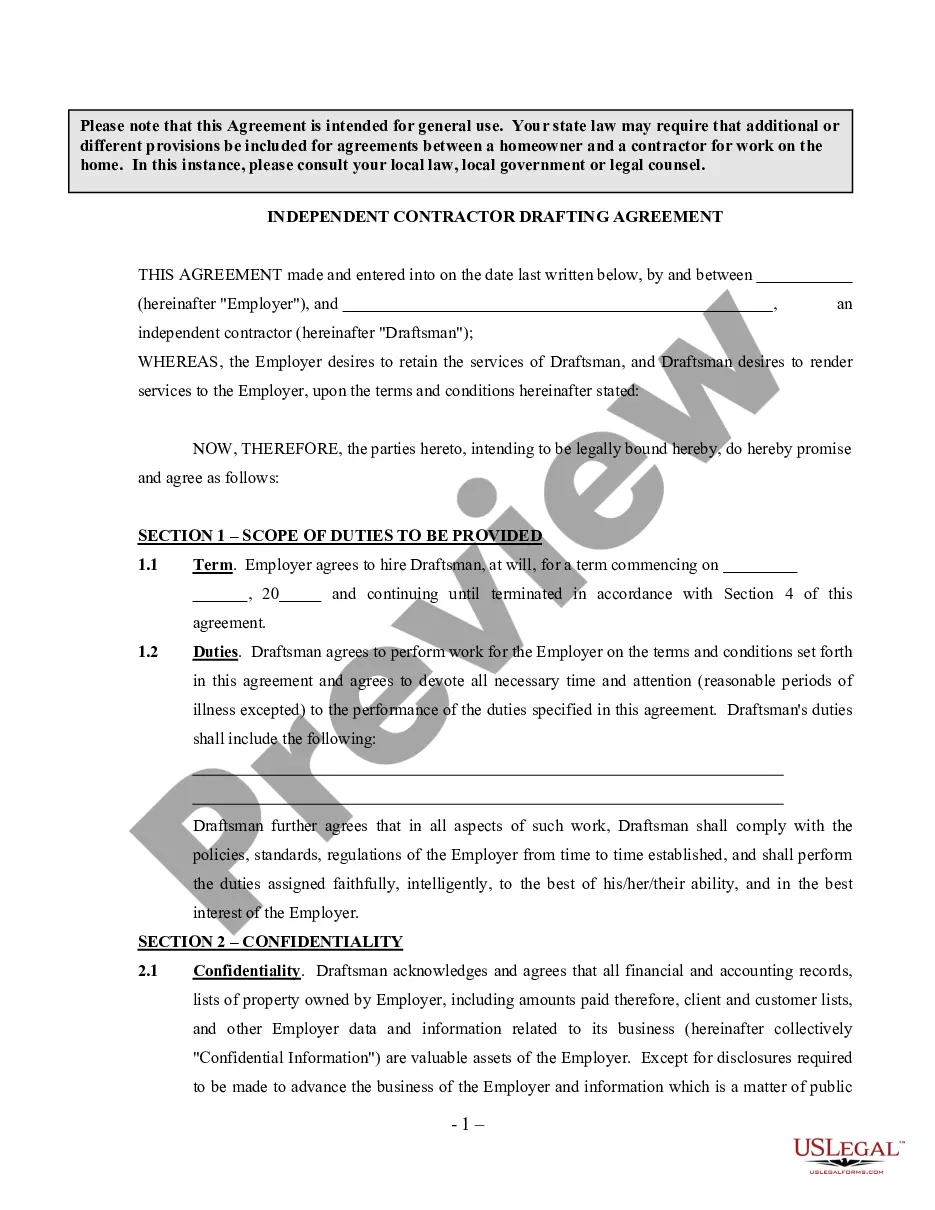








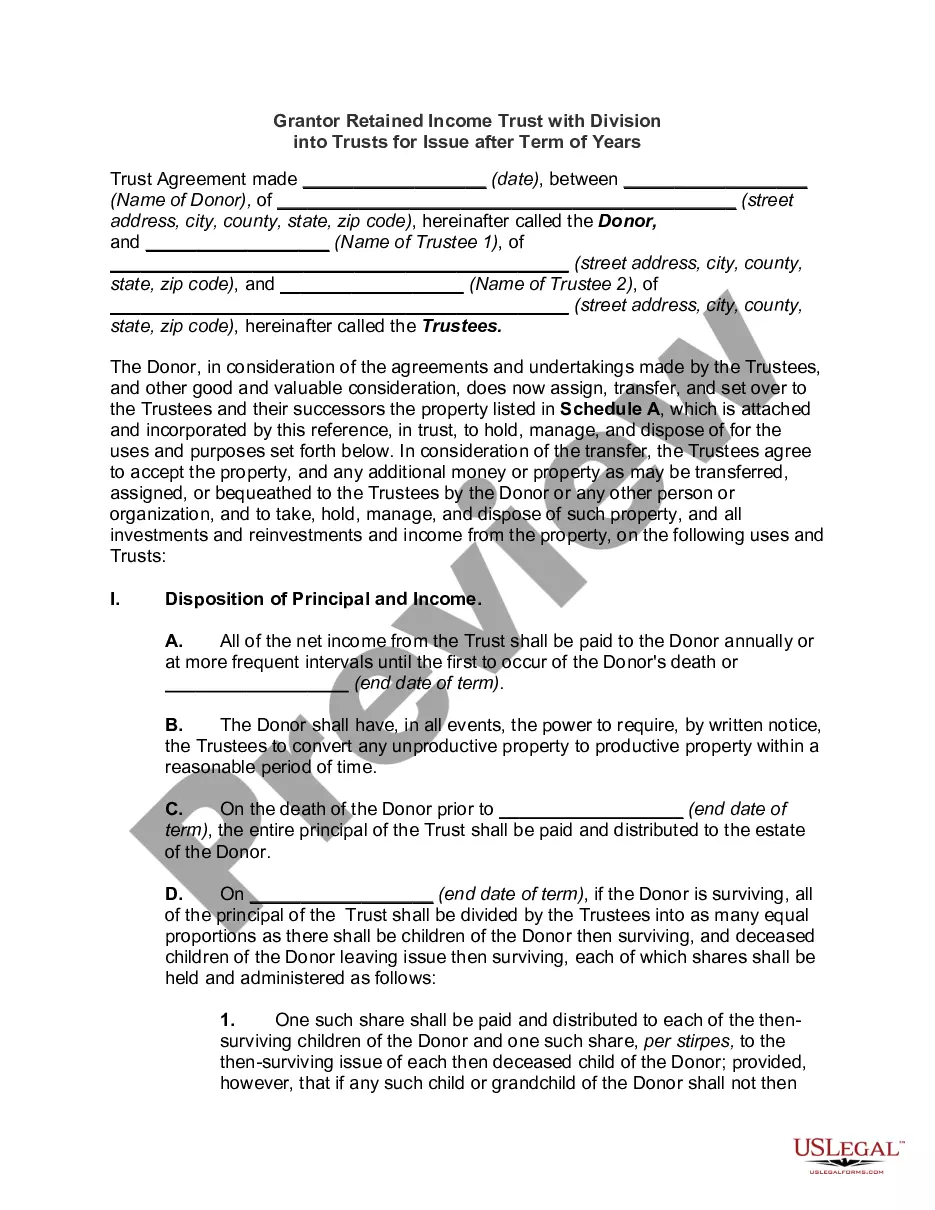
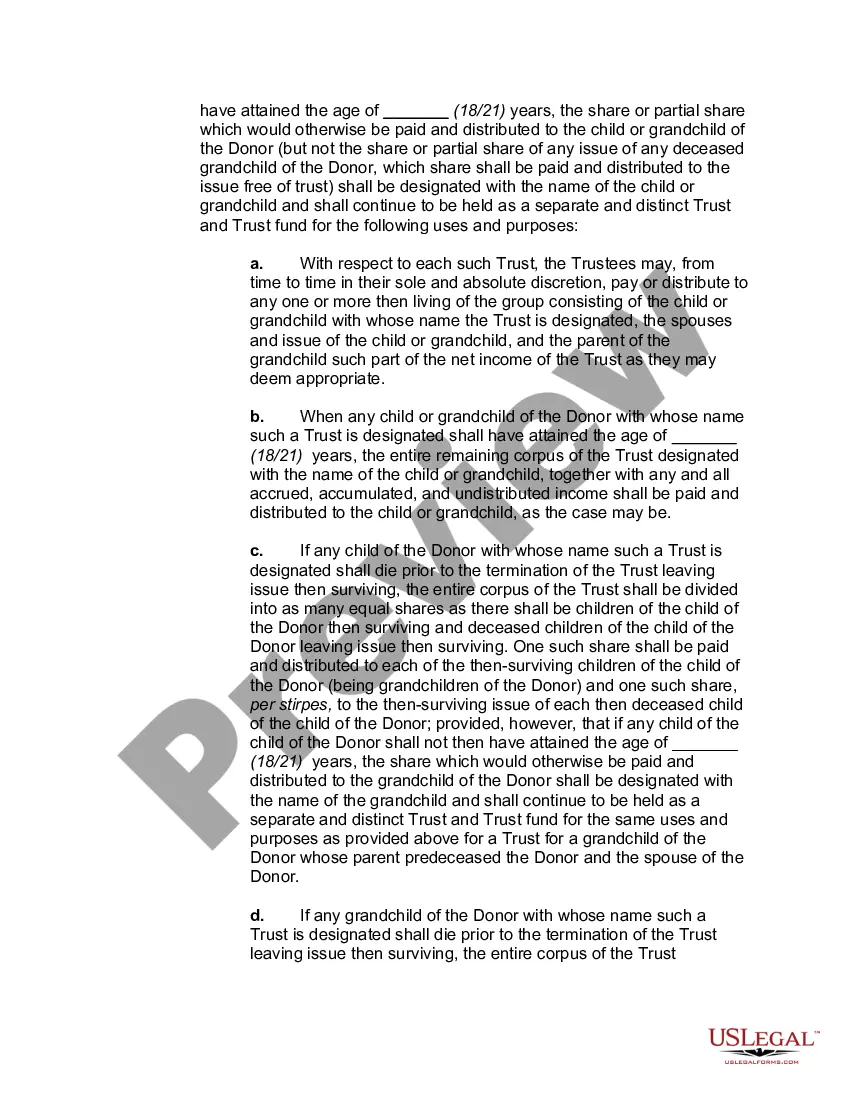
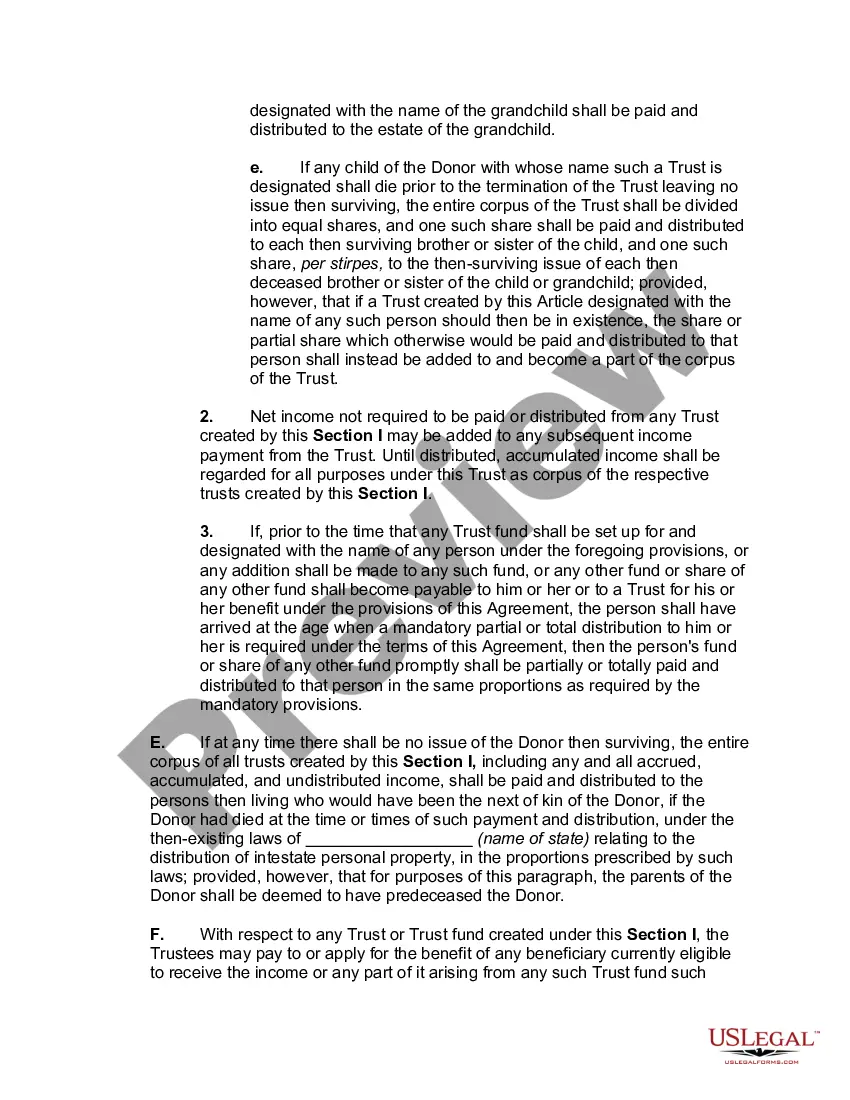
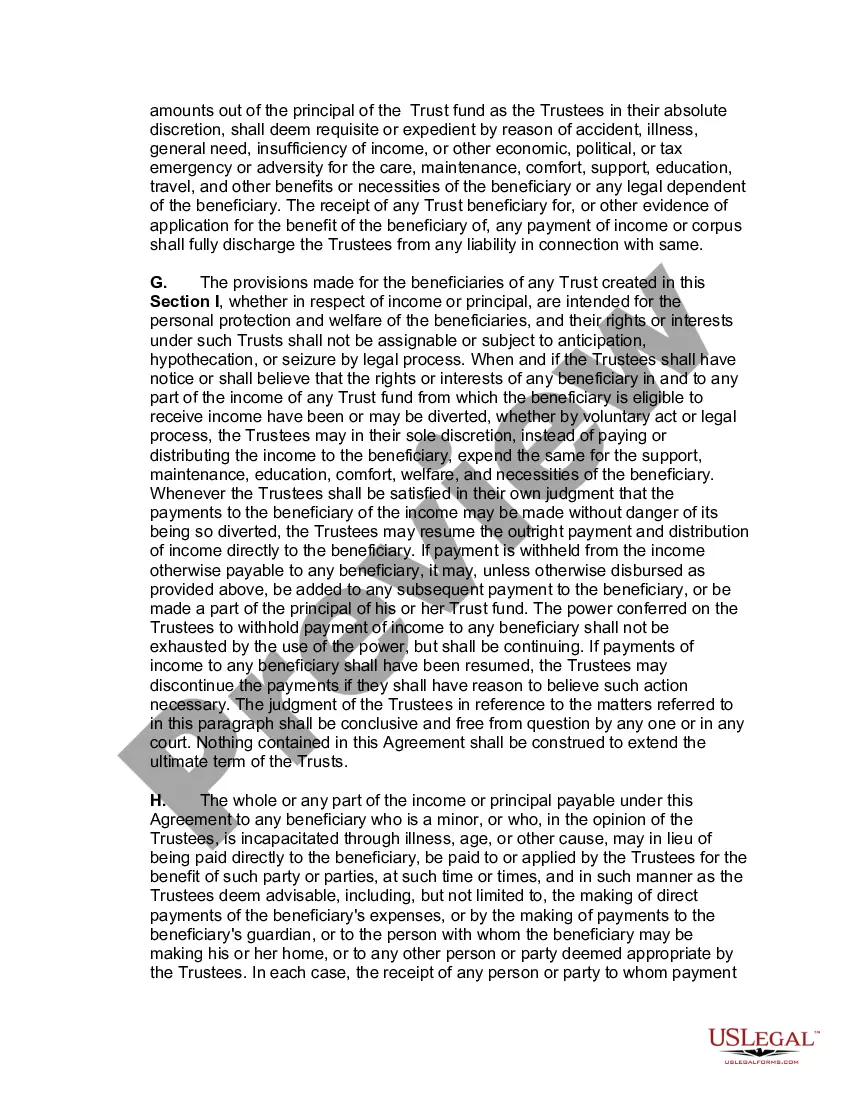
How to fill out Grantor Retained Income Trust With Division Into Trusts For Issue After Term Of Years?
- Log in to your existing US Legal Forms account by clicking here and verify that your subscription is active before downloading the necessary form template.
- If this is your first time using US Legal Forms, start by reviewing the available form descriptions to choose the grantor trust form that aligns with your requirements.
- If you can't find exactly what you need, utilize the Search function to look for additional templates suited to your legal situation.
- Once you have identified the correct form, proceed to click the Buy Now button, select your desired subscription plan, and create an account for full access.
- Complete your purchase by entering your payment information, whether it’s a credit card or PayPal.
- After payment, download the selected form and save it on your device. You can also access it anytime from the My Forms section of your profile.
In conclusion, US Legal Forms empowers users to efficiently obtain and manage legal documents, ensuring you have the tools needed for seamless transactions.
Start your journey today and explore the extensive resources available to make your legal documentation stress-free.
Form popularity
FAQ
Not all trusts need to file Form 1041. Only irrevocable trusts and certain other types of trusts that are treated as separate tax entities have filing obligations. Grantor trusts, on the other hand, do not have this requirement, as their income is reported by the grantor. Understanding the differences in trust classifications can empower you in financial planning.
The income of a grantor trust is reported by the grantor on their personal tax return, not by the trust itself. This means that any earnings, losses, or deductions flow through to the grantor. For beneficiaries, this can provide clarity on income taxation, making financial planning easier. Familiarizing yourself with the grantor trust to beneficiary income reporting can enhance your understanding of tax responsibilities.
Generally, a grantor trust does not need to file Form 1041 since the grantor retains control over the income and assets. Instead, the grantor reports the trust's income on their personal tax return. However, if the trust becomes a separate entity, it may need to file. Understanding when to file for a grantor trust to beneficiary situation can prevent tax issues.
The beneficiary of a grantor trust is usually the individual or entity designated by the grantor to receive the trust's assets. This could be a family member, friend, or charity, depending on the grantor's intentions. Beneficiaries receive benefits or distributions according to the trust agreement. Knowing the relationship between a grantor trust to beneficiary can help clarify expectations.
A grantor trust typically does not file Form 1041 because it is treated as a disregarded entity for tax purposes. Income generated by the trust flows directly to the grantor, who reports it on their individual tax return. Therefore, the trust itself does not file a separate tax return. Understanding the tax obligations of a grantor trust to beneficiary can simplify your tax planning.
Generally, grantor trust distributions are not taxable to the beneficiary as the income is typically taxed to the grantor. This tax treatment simplifies the process for beneficiaries receiving distributions from the trust. Understanding these nuances can help in effective tax planning and compliance. To better grasp the tax implications of grantor trust to beneficiary distributions, consider seeking advice from tax professionals or using informative platforms.
Absolutely, a grantor of a trust can also qualify as a beneficiary. This scenario allows the grantor to access trust assets while still controlling the trust's terms. It offers flexibility but may raise questions about the trust's taxation and its impact on estate planning. Using detailed documentation and platforms like uslegalforms can help clarify these decisions regarding grantor trust to beneficiary relationships.
In many cases, the grantor is considered the beneficial owner of their trust. This means the grantor retains certain rights and benefits from the trust assets. It's essential to understand that this relationship affects how distributions are managed and taxed. For detailed information on grantor trust to beneficiary ownership, exploring resources can be beneficial.
Yes, the grantor of a trust can indeed be the beneficiary. This setup can provide the grantor with certain controls and benefits during their lifetime. However, it's important to consider future tax implications and the overall structure of the trust when navigating this arrangement. Consulting with a knowledgeable expert on grantor trust to beneficiary dynamics can provide clarity.
Yes, a grantor trust can distribute assets to beneficiaries as outlined in the trust document. These distributions can occur throughout the grantor's life or after their passing, depending on the terms set forth in the trust. Understanding how distributions are made from a grantor trust to beneficiary is important for both financial planning and tax purposes. Using platforms like uslegalforms can simplify the management of these distributions.