Grantor Of Trust Deceased
Description

Get your form ready online
Our built-in tools help you complete, sign, share, and store your documents in one place.
Make edits, fill in missing information, and update formatting in US Legal Forms—just like you would in MS Word.
Download a copy, print it, send it by email, or mail it via USPS—whatever works best for your next step.
Sign and collect signatures with our SignNow integration. Send to multiple recipients, set reminders, and more. Go Premium to unlock E-Sign.
If this form requires notarization, complete it online through a secure video call—no need to meet a notary in person or wait for an appointment.
We protect your documents and personal data by following strict security and privacy standards.

Make edits, fill in missing information, and update formatting in US Legal Forms—just like you would in MS Word.

Download a copy, print it, send it by email, or mail it via USPS—whatever works best for your next step.

Sign and collect signatures with our SignNow integration. Send to multiple recipients, set reminders, and more. Go Premium to unlock E-Sign.

If this form requires notarization, complete it online through a secure video call—no need to meet a notary in person or wait for an appointment.

We protect your documents and personal data by following strict security and privacy standards.
Looking for another form?







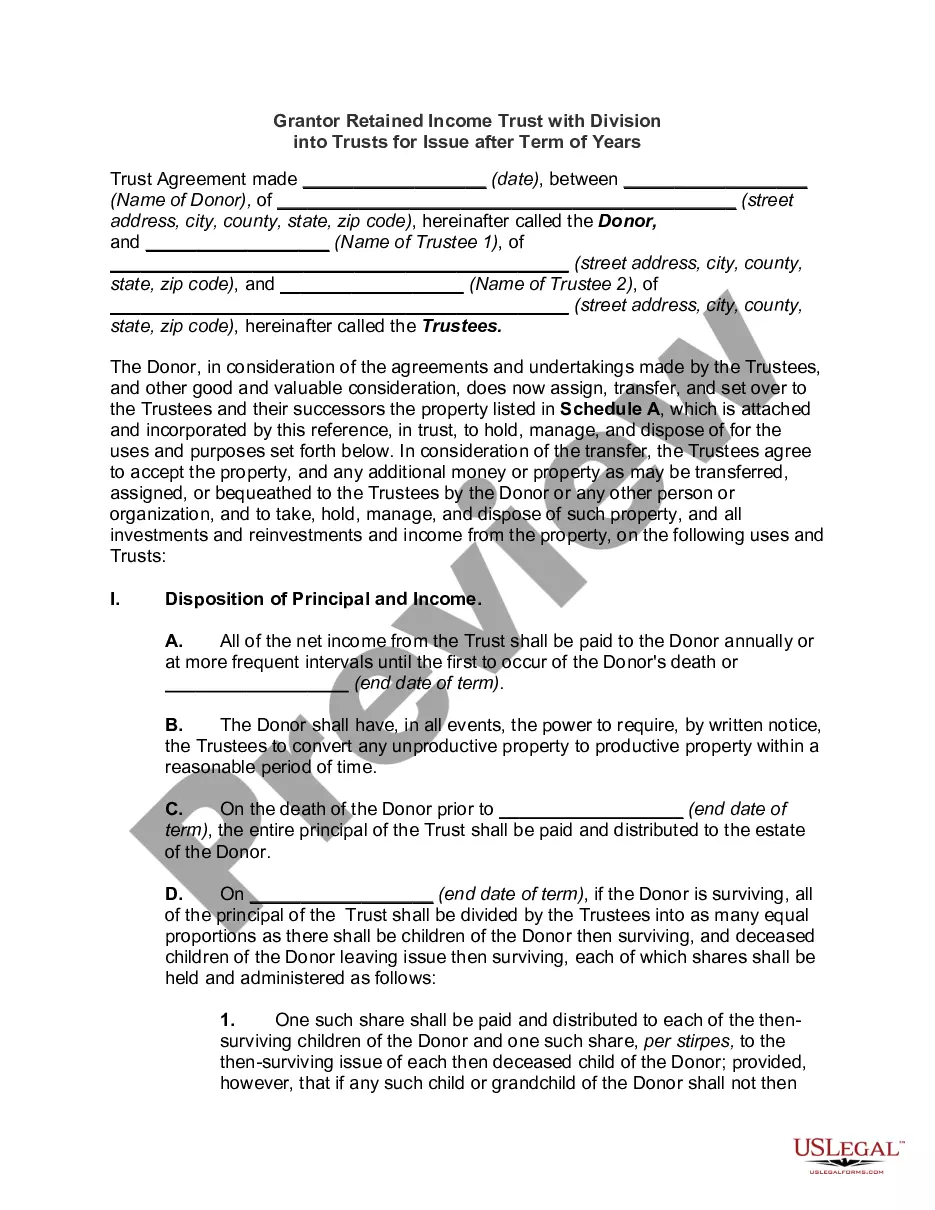
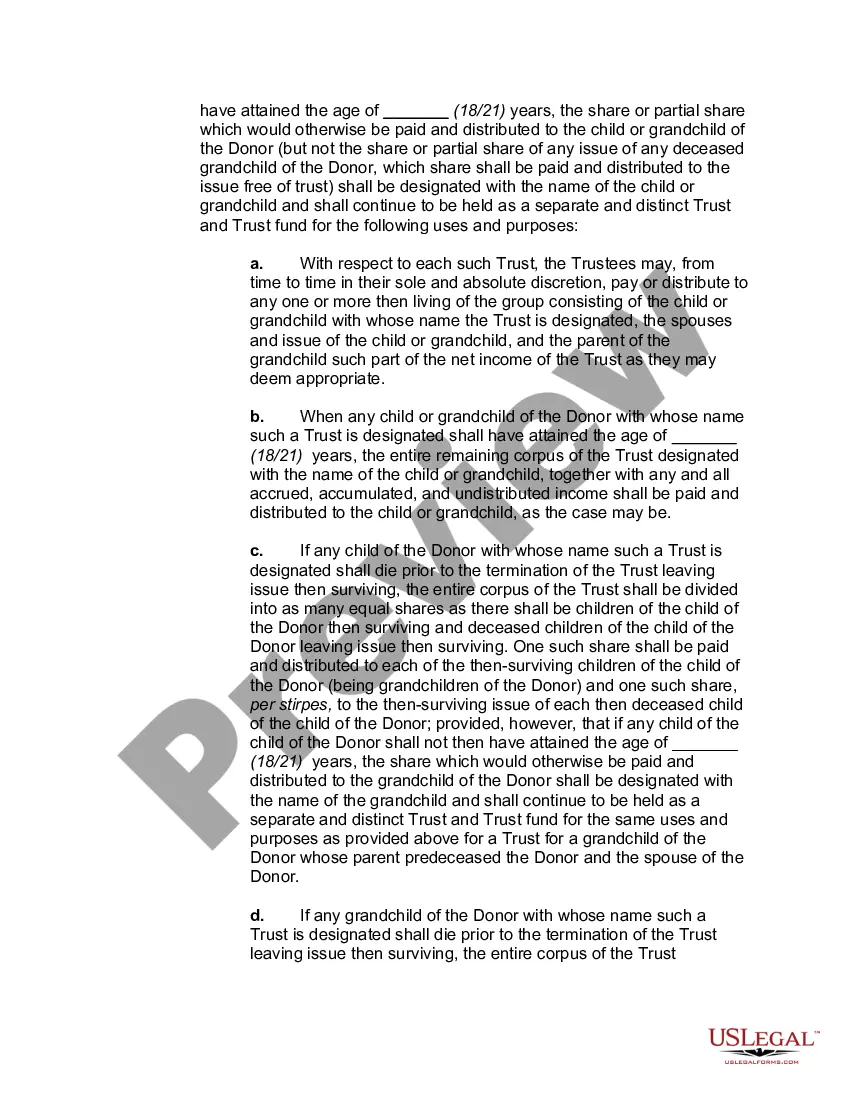
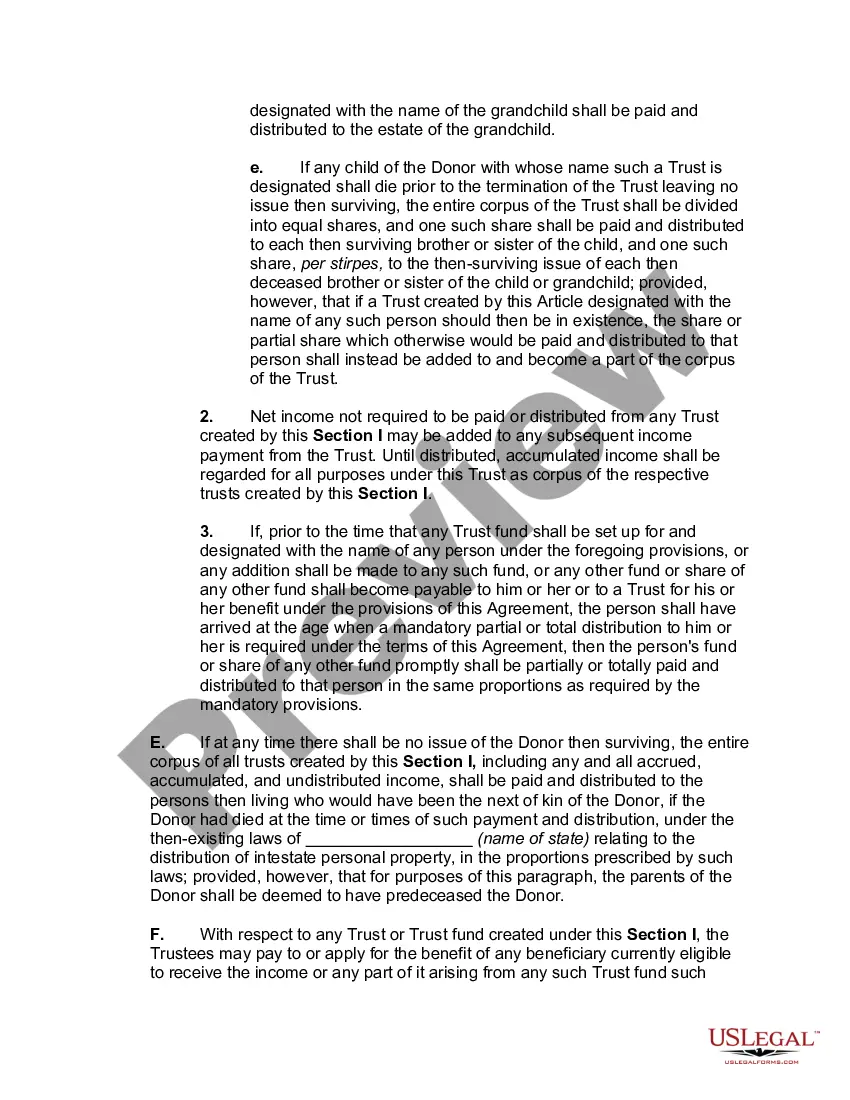
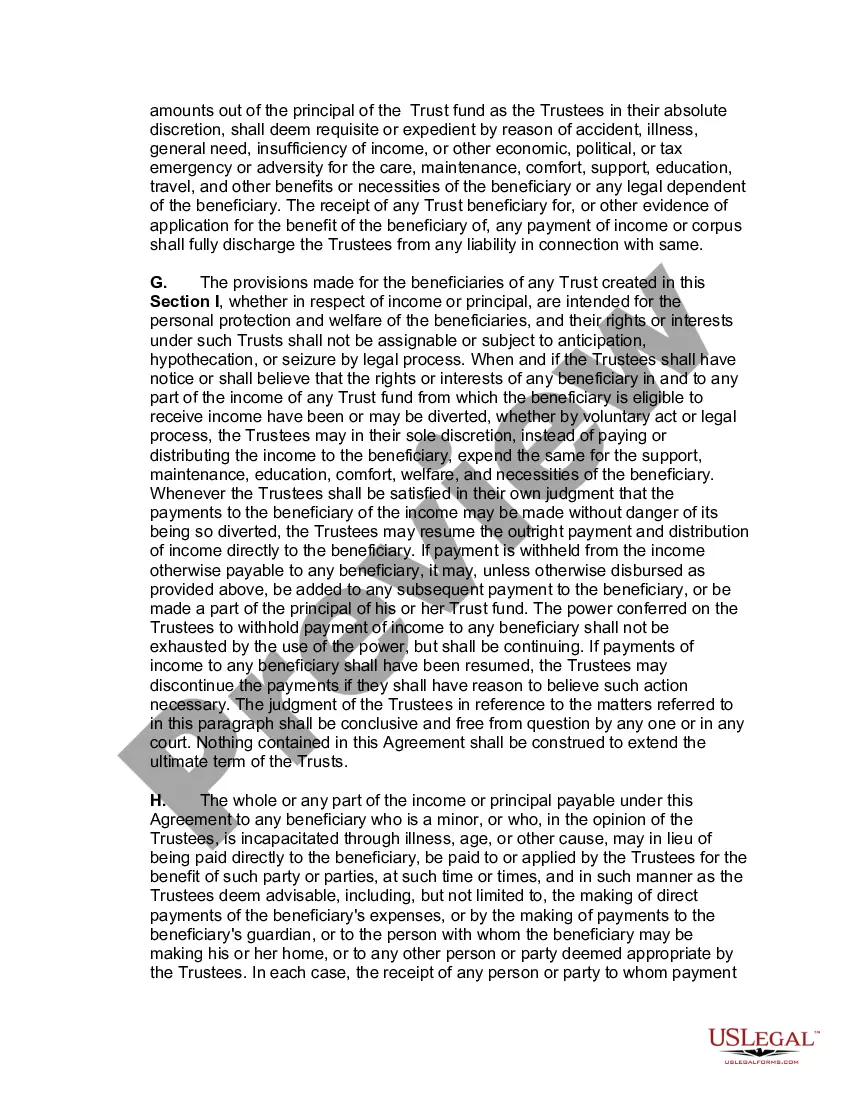
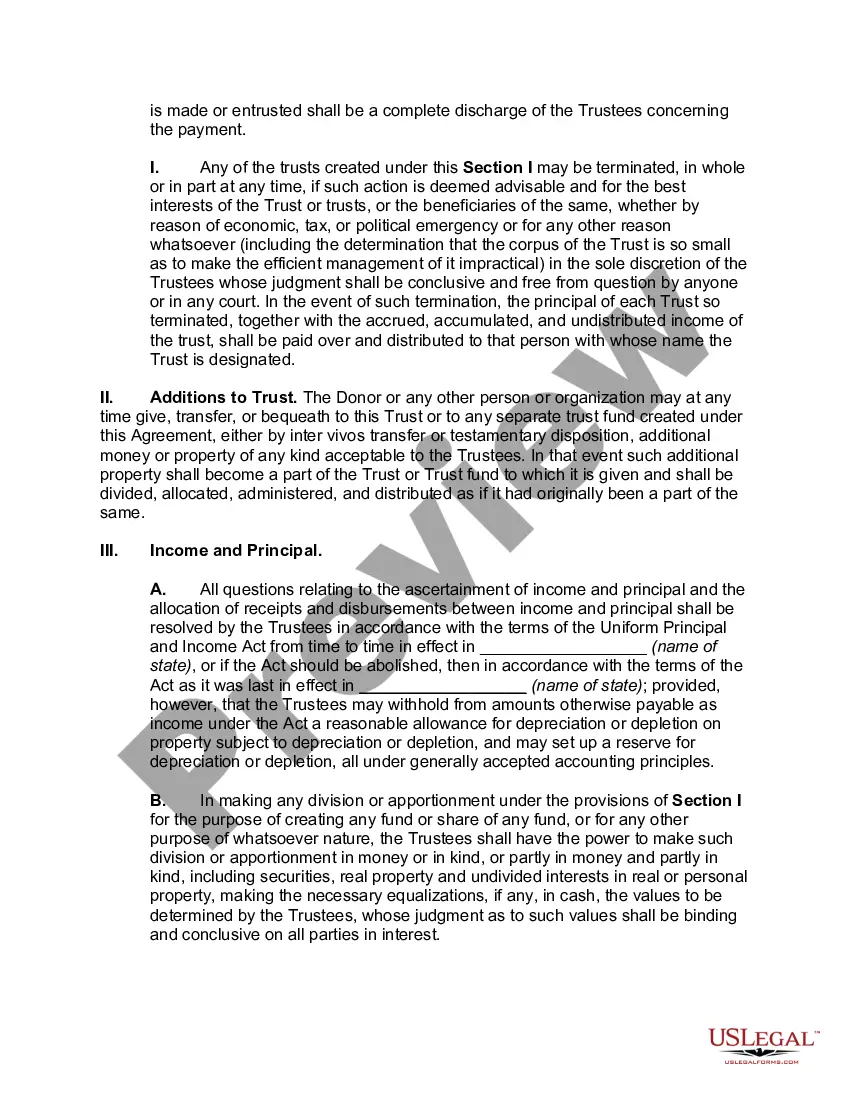
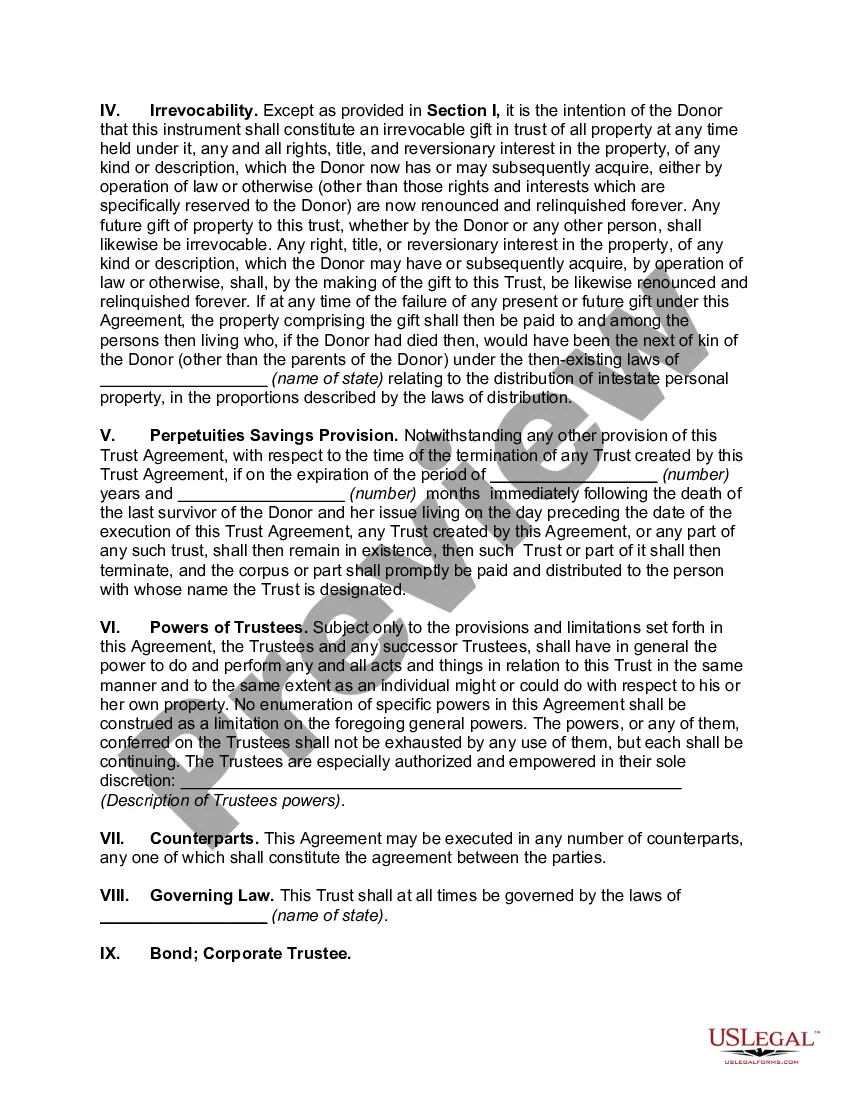
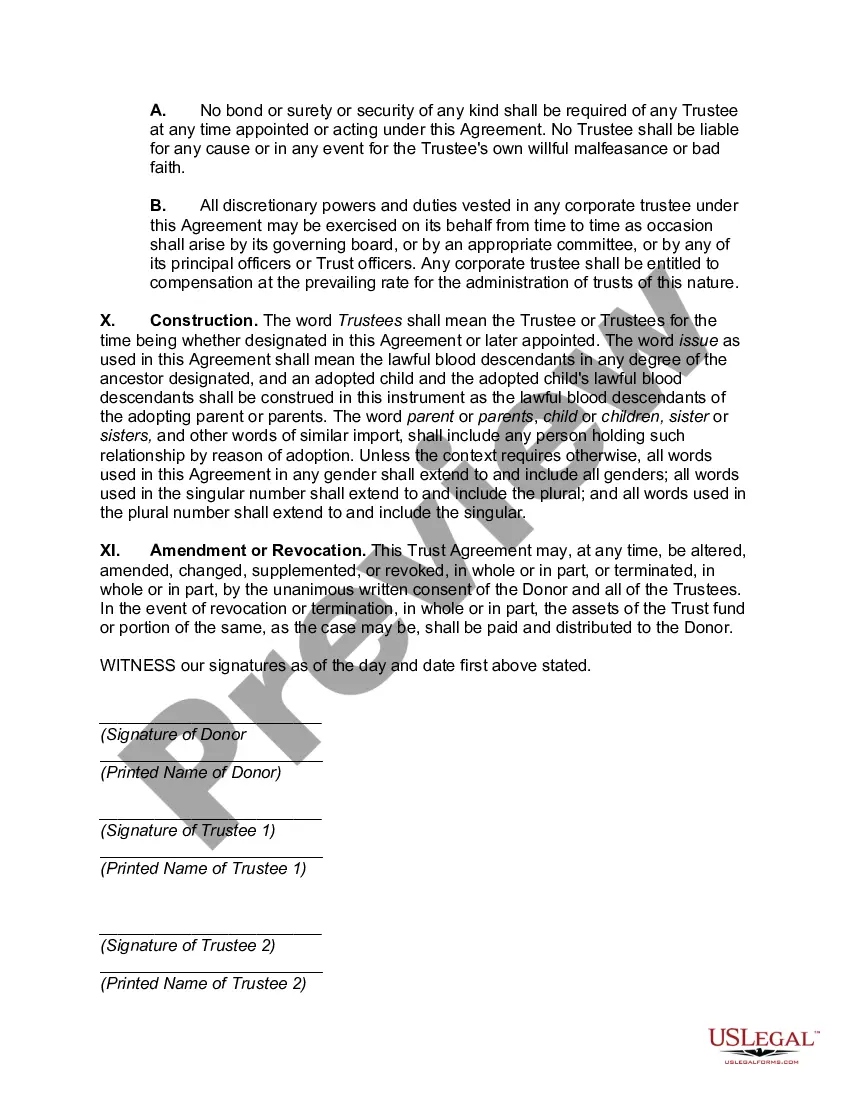
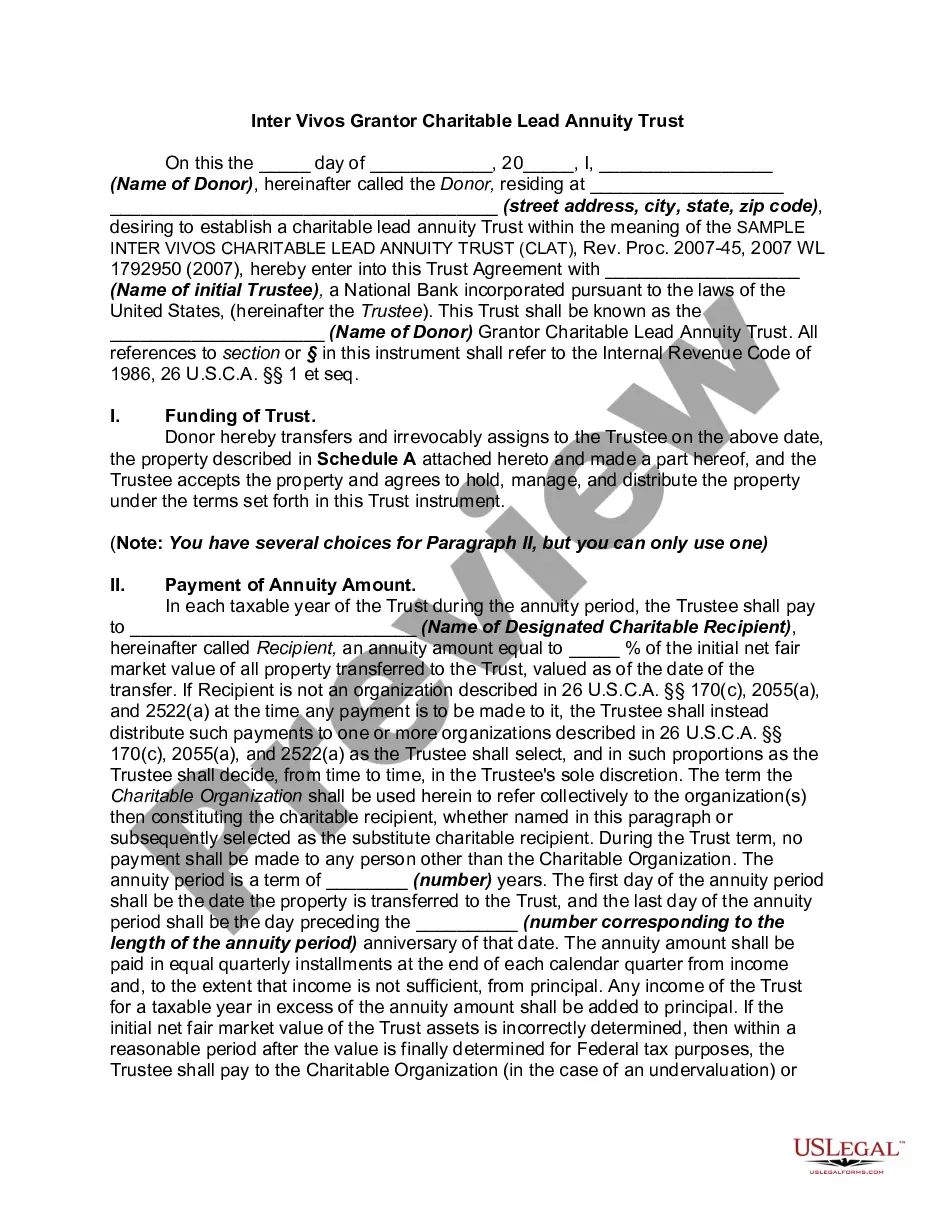
How to fill out Grantor Retained Income Trust With Division Into Trusts For Issue After Term Of Years?
- If you're a returning user, first log in to your account and check that your subscription is active. If not, renew it as per your chosen payment plan.
- In case you are a new user, begin by exploring the Preview mode to review the form descriptions. Verify that the selected template aligns with your legal requirements.
- Should you need a different template, utilize the Search tab to find suitable options that meet your needs, and proceed only when you find the right document.
- Once you have identified the appropriate form, click on the 'Buy Now' button and select your desired subscription plan to continue.
- Complete your purchase by entering your payment details, whether via credit card or PayPal, to finalize the transaction.
- After your payment is confirmed, download the template directly to your device. You can also access it later in the My Forms section of your profile.
With US Legal Forms, you gain access to a rich collection of more than 85,000 editable legal forms, ensuring you can find precisely what you need.
Don't hesitate to utilize premium expert support for assistance with form completion, guaranteeing that your documents are accurate and legally sound. Take the first step towards efficient legal documentation today!
Form popularity
FAQ
To apply for an EIN for a trust after the grantor of trust deceased, you need to complete IRS Form SS-4. This form requires specific information about the trust and its new trustee. It's important to remember that the trust will need its own EIN to file tax returns and manage any income generated from its assets. You can find step-by-step instructions and resources on US Legal Forms to help streamline the application process.
If the grantor of a trust dies, the trust typically becomes irrevocable, and the successor trustee takes over management of the trust assets. This means the trustee will now distribute assets according to the terms laid out in the trust document, ensuring beneficiaries receive their intended shares. It's essential to follow state regulations and the trust's provisions during this time. For practical assistance, US Legal Forms can offer resources to help navigate this transition smoothly.
When the grantor of trust dies, the first step is to review the trust document thoroughly. This document outlines the procedure for managing the trust's assets and appointing a successor trustee. It is crucial to notify beneficiaries and other involved parties about the grantor's passing. To simplify this process, you can utilize services like US Legal Forms, which provide templates and guidance for trust administration.
When the trustee of a trust dies, the resolution relies on the instructions within the trust agreement. Typically, a successor trustee assumes the trustee's responsibilities to maintain the trust's purpose and protect the assets. This transition is crucial for honoring the wishes of the grantor of trust deceased and keeping the process seamless for the beneficiaries. If you're facing this challenge, consider consulting US Legal Forms for the necessary legal forms and guidance.
After the grantor of an irrevocable trust is deceased, the trust continues to exist according to its terms. The irrevocable nature of the trust means that the grantor cannot change its terms, even in death. The trustee must manage the trust following established guidelines while ensuring that beneficiaries receive their benefits. Should you need help understanding these dynamics, the US Legal Forms platform provides valuable resources to navigate this process.
If the trustee of a trust passes away, the trust document usually provides for a successor trustee to take over their duties. This ensures that the trust administration continues smoothly even in the absence of the original trustee. The responsibilities of the successor trustee include managing the trust assets and following the instructions set forth by the grantor of trust deceased. If you're unsure about how to handle this situation, US Legal Forms can assist you in finding the right forms and solutions.
When the grantor of the trust is deceased, the distribution of the trust assets begins according to the trust document. The appointed trustee must follow the instructions laid out in the trust, ensuring that beneficiaries receive their designated shares. The process typically involves settling any debts and taxes before distributing the remaining assets. If you need guidance in this area, consider exploring resources on the US Legal Forms platform.
When a grantor of trust deceased, the trust typically continues to operate with the appointed trustee assuming control. The trustee is responsible for following the trust’s instructions and ensuring the assets are distributed appropriately. This setup often bypasses the lengthy probate process, providing a streamlined transfer of assets. If you need assistance navigating this, consider using US Legal Forms for reliable templates and advice.
In general, a will does not override a trust if the trust is valid and properly established. When a grantor of trust deceased, the terms of the trust usually govern the distribution of assets. However, if the will includes assets that were not placed in the trust, those assets will be addressed as per the will’s instructions. It's important to coordinate both documents for clarity.
No, a trust does not simply go away when its grantor of trust deceased. The trust remains in effect, allowing the trustee to manage its assets efficiently. The trust continues to operate under the guidelines set forth by the grantor. This helps protect the assets and facilitates their distribution as intended.