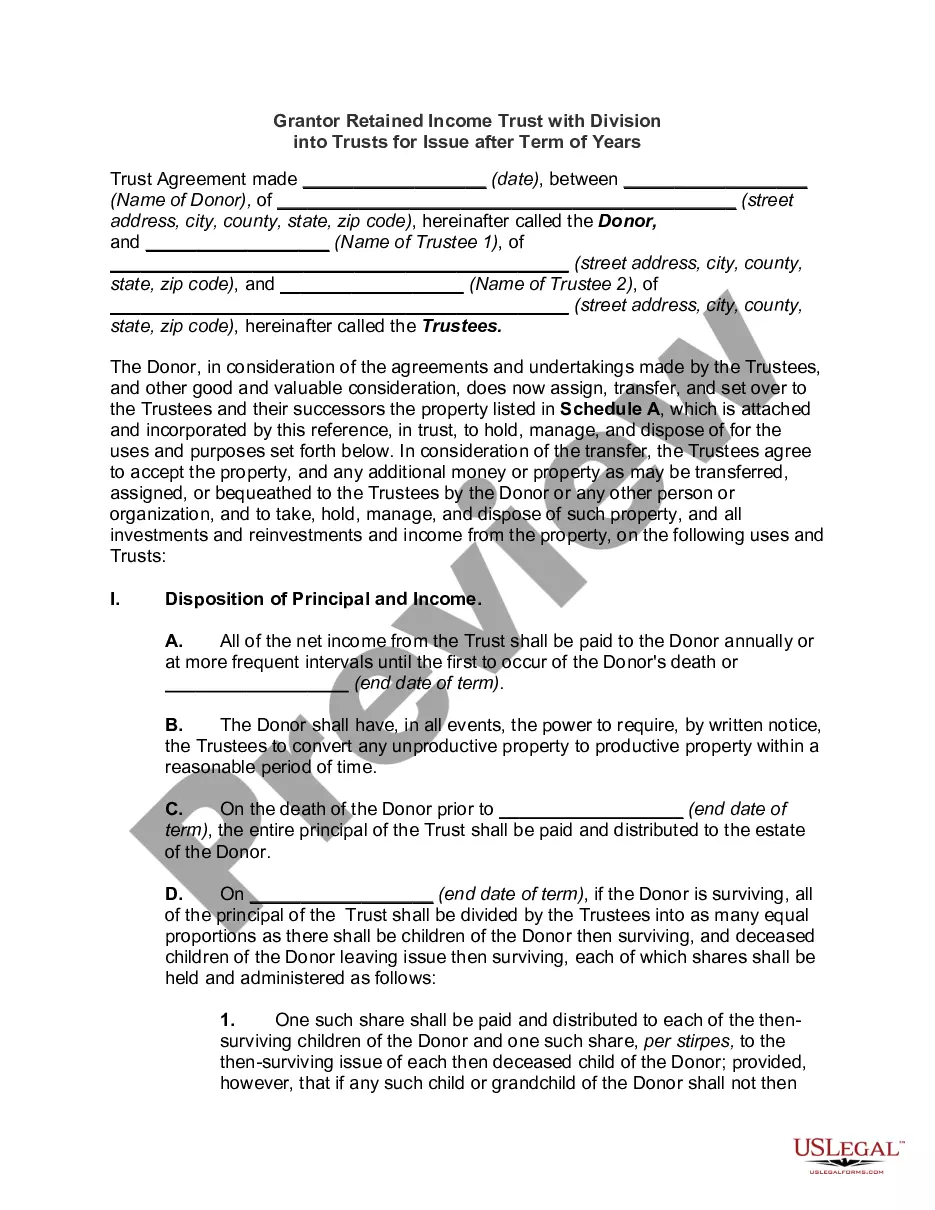
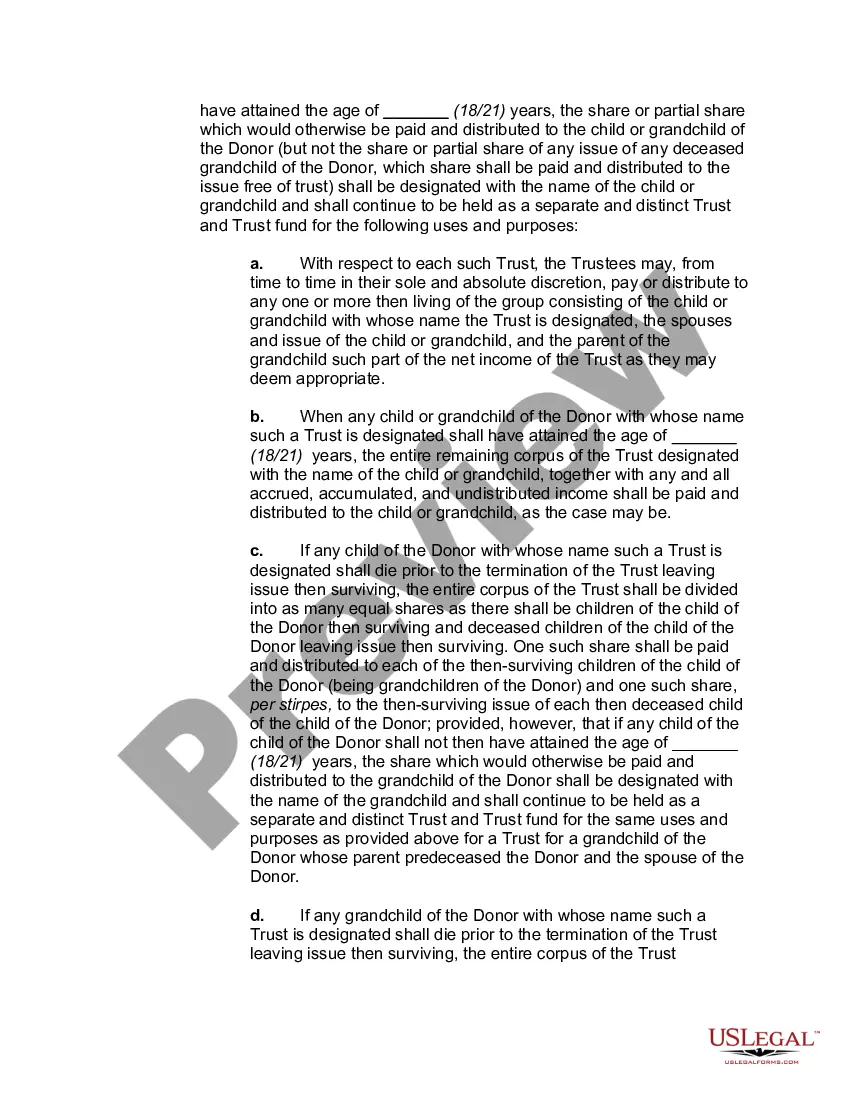
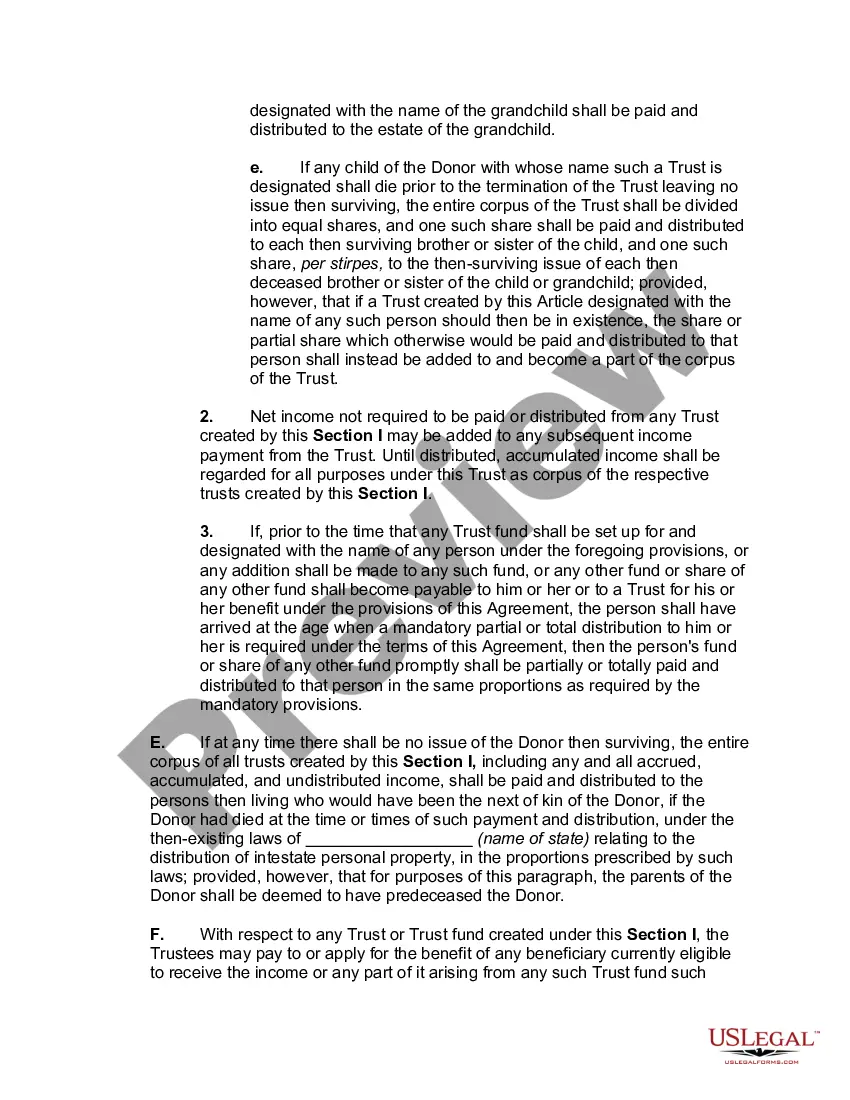
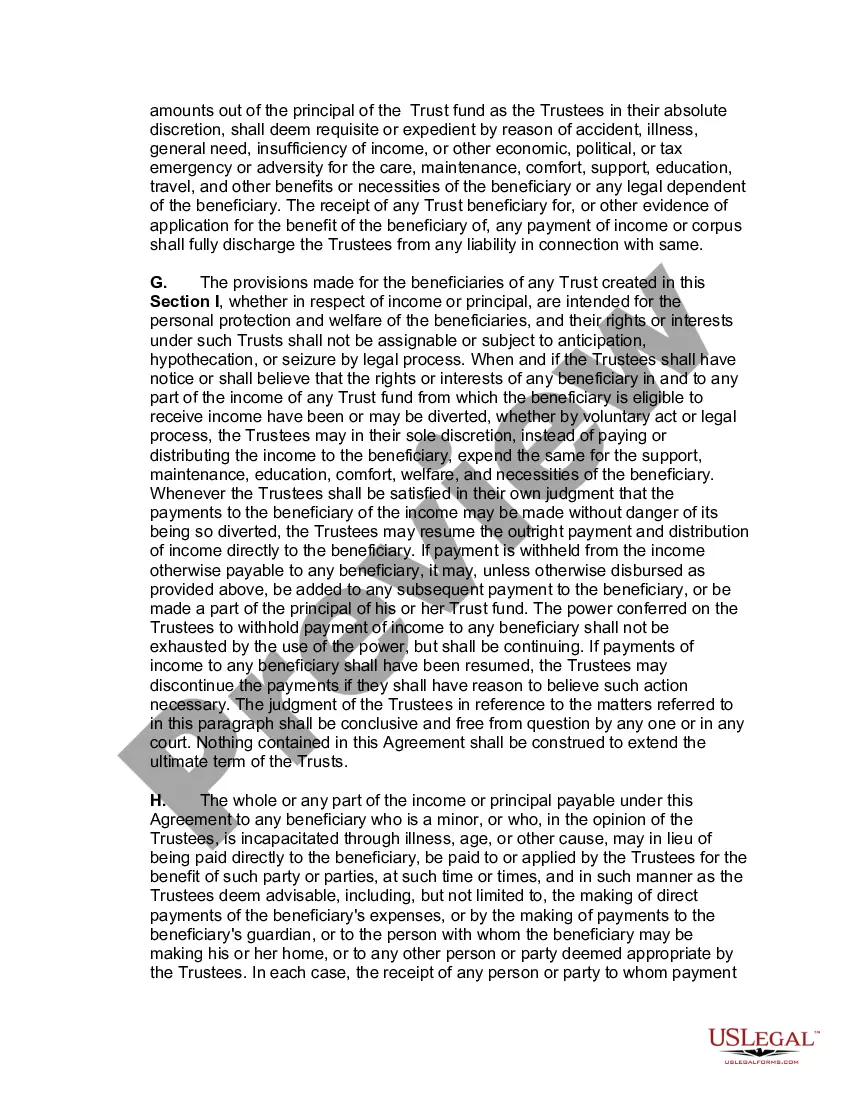
Grantor Income Trust With Trust
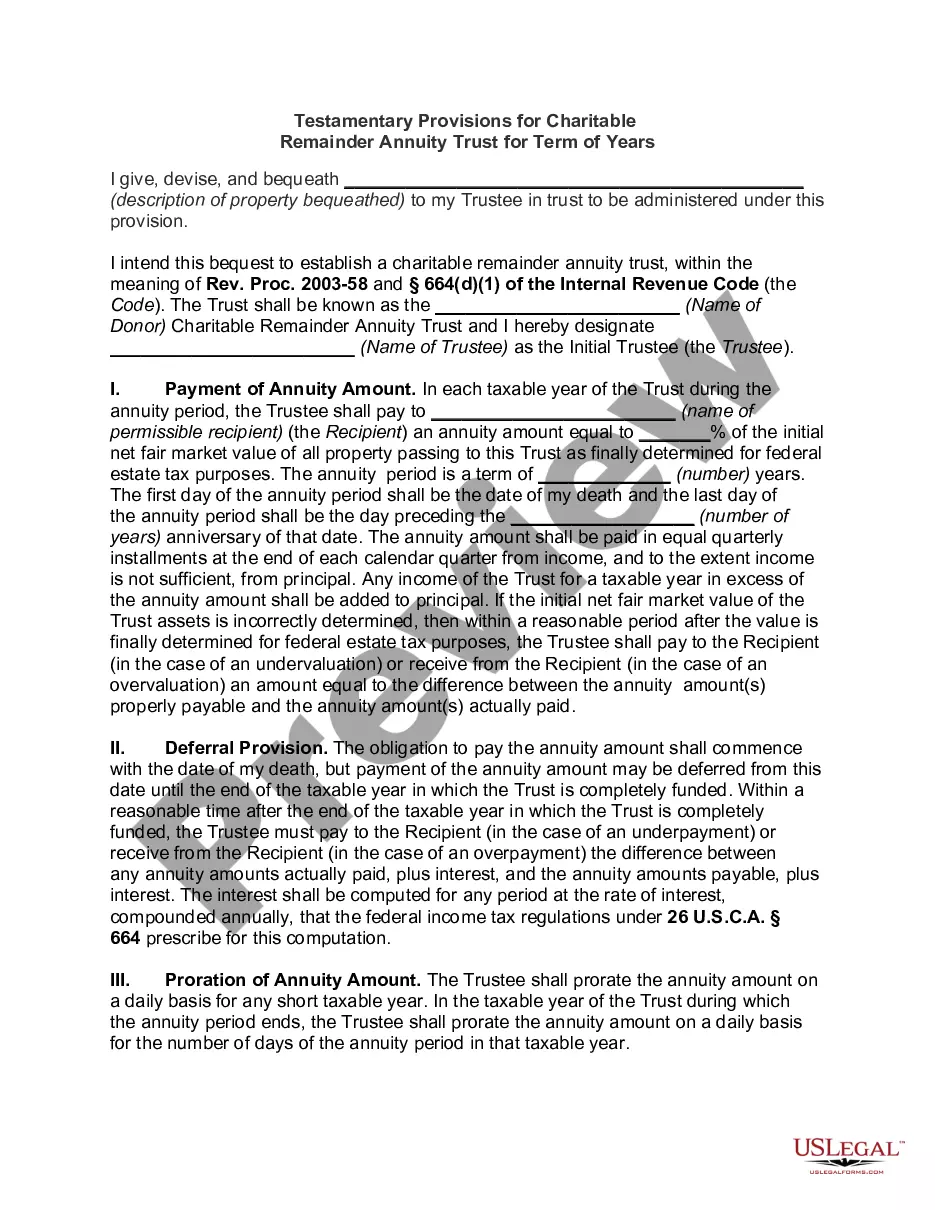
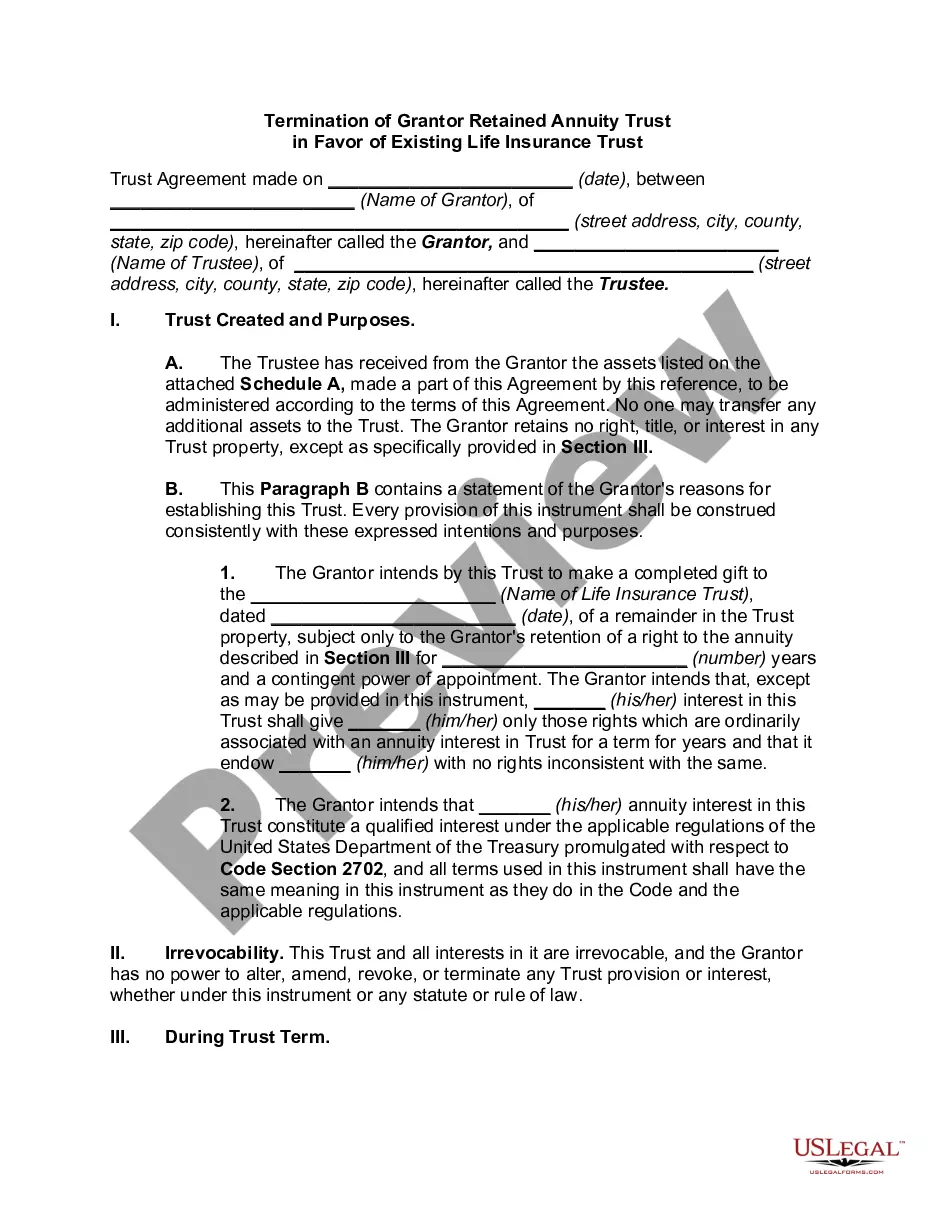
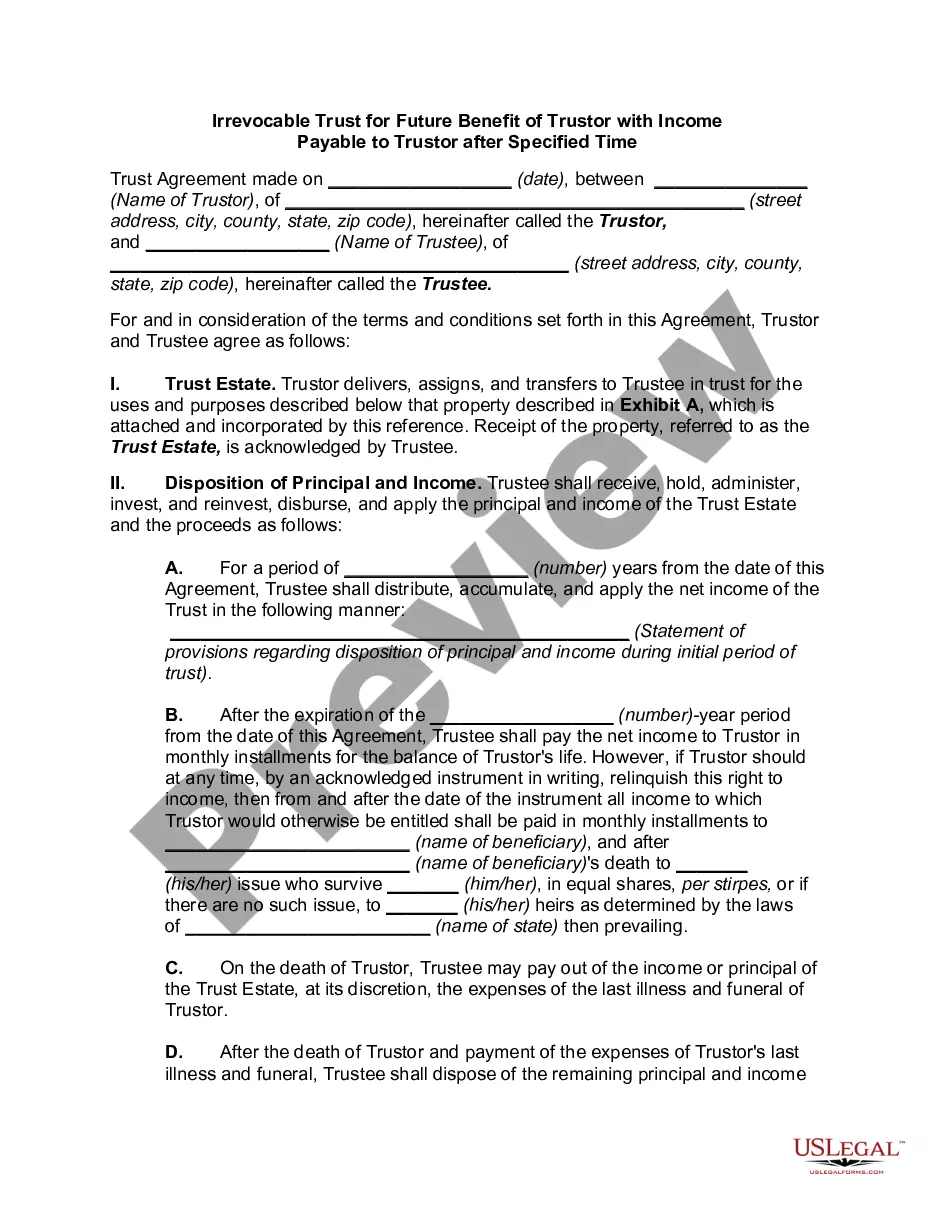
Description
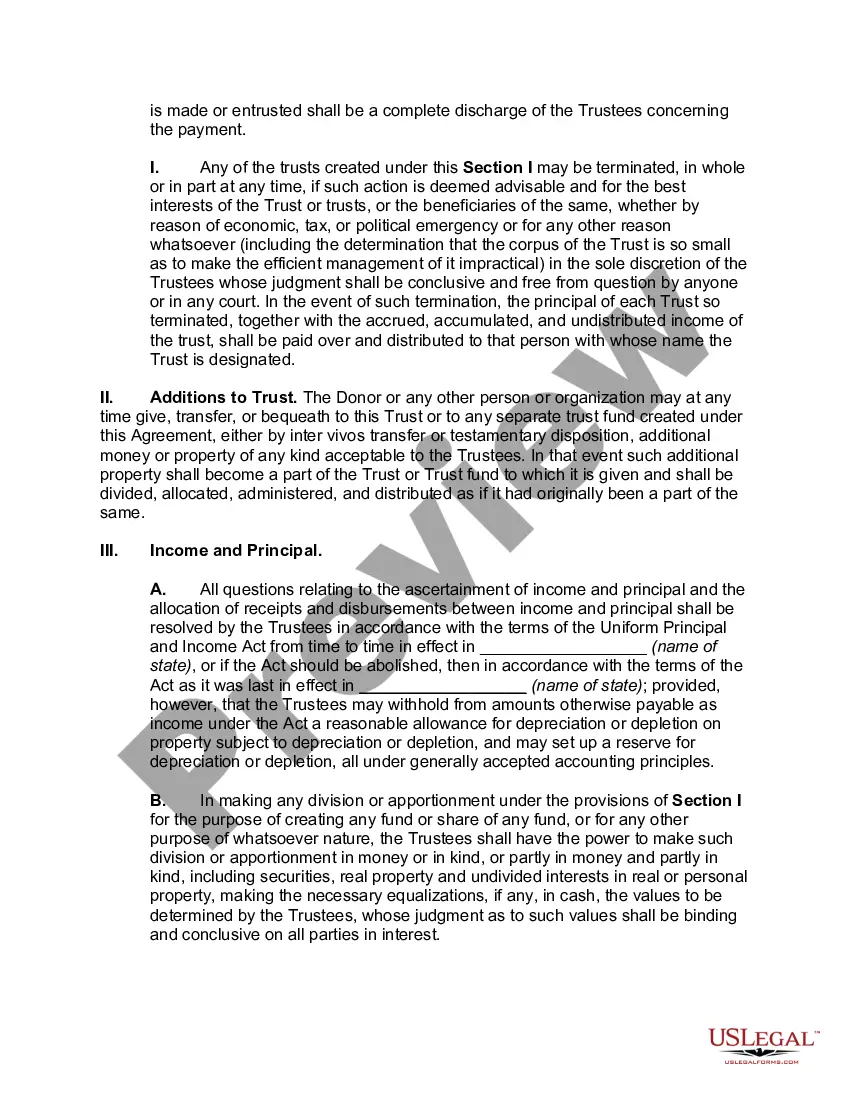
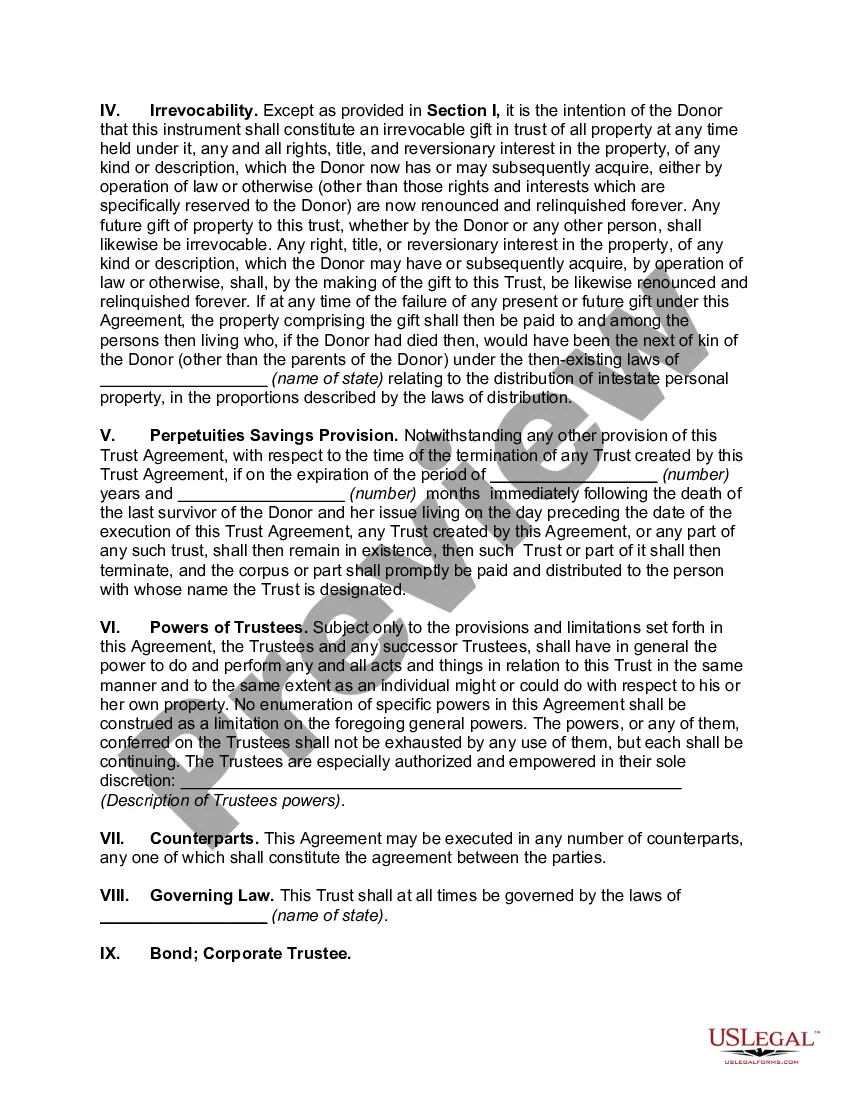
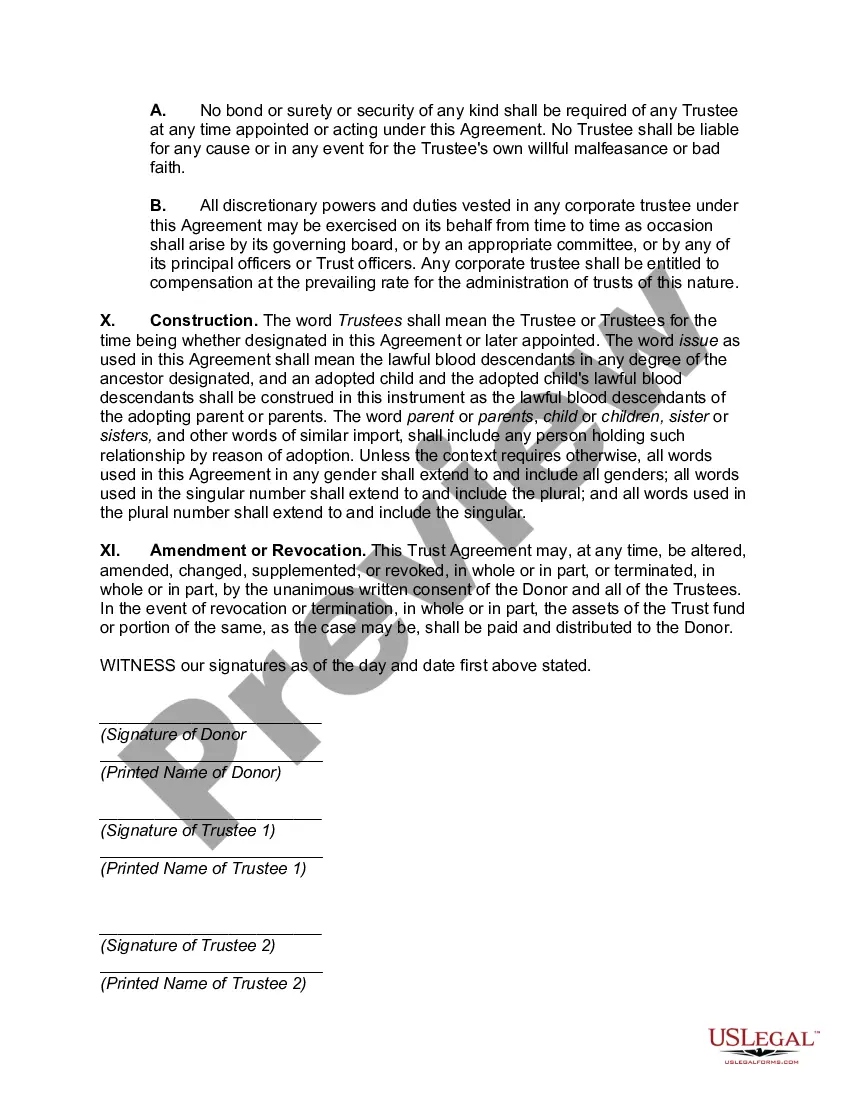

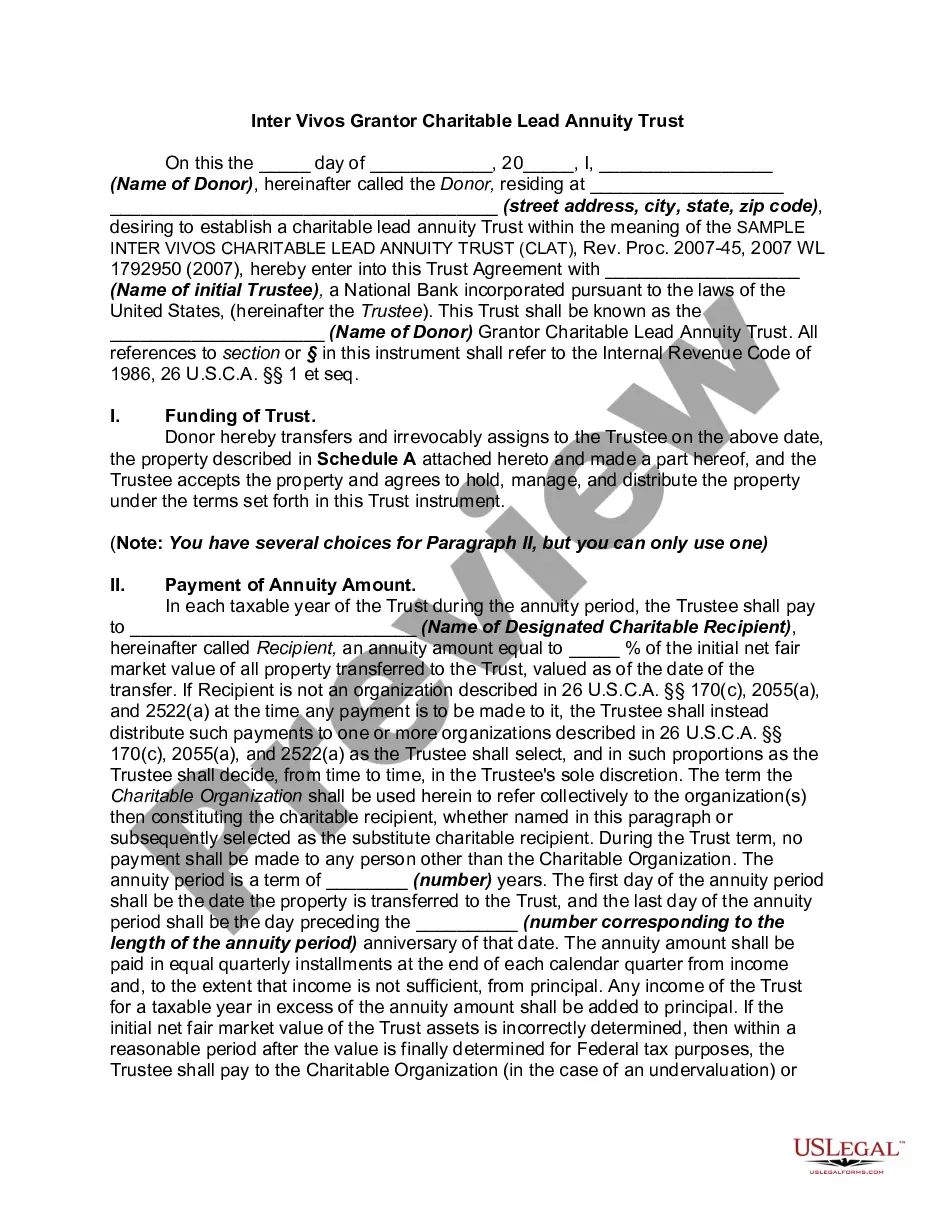
Get your form ready online
Our built-in tools help you complete, sign, share, and store your documents in one place.
Make edits, fill in missing information, and update formatting in US Legal Forms—just like you would in MS Word.
Download a copy, print it, send it by email, or mail it via USPS—whatever works best for your next step.
Sign and collect signatures with our SignNow integration. Send to multiple recipients, set reminders, and more. Go Premium to unlock E-Sign.
If this form requires notarization, complete it online through a secure video call—no need to meet a notary in person or wait for an appointment.
We protect your documents and personal data by following strict security and privacy standards.

Make edits, fill in missing information, and update formatting in US Legal Forms—just like you would in MS Word.

Download a copy, print it, send it by email, or mail it via USPS—whatever works best for your next step.

Sign and collect signatures with our SignNow integration. Send to multiple recipients, set reminders, and more. Go Premium to unlock E-Sign.

If this form requires notarization, complete it online through a secure video call—no need to meet a notary in person or wait for an appointment.

We protect your documents and personal data by following strict security and privacy standards.
Looking for another form?








How to fill out Grantor Retained Income Trust With Division Into Trusts For Issue After Term Of Years?
It’s clear that you cannot become a legal authority instantly, nor can you learn how to swiftly create Grantor Income Trust With Trust without possessing a specialized education.
Assembling legal documents is a lengthy undertaking that necessitates specific knowledge and expertise. So why not entrust the development of the Grantor Income Trust With Trust to the specialists.
With US Legal Forms, one of the most comprehensive legal document collections, you can obtain anything from court forms to templates for internal communication.
If you need a different template, restart your search.
Sign up for a complimentary account and choose a subscription plan to buy the form. Click Buy now. Once the purchase is finalized, you can obtain the Grantor Income Trust With Trust, complete it, print it, and deliver it or send it by mail to the relevant individuals or organizations.
- We recognize the importance of compliance and adherence to federal and state regulations.
- That’s why, on our platform, all templates are region-specific and current.
- Here’s how to begin with our website and acquire the form you require in just a few minutes.
- Locate the document you need using the search bar at the top of the page.
- Preview it (if this option is available) and review the accompanying description to determine if Grantor Income Trust With Trust is what you’re seeking.
Form popularity
FAQ
Yes, a grantor can receive income from a trust if it is structured as a grantor income trust with trust. In this arrangement, the income generated by the trust is reported on the grantor's personal tax return, allowing them to benefit from the trust's earnings directly. However, it is essential to ensure that the trust complies with IRS regulations to maintain its grantor status. A well-drafted trust can provide flexibility and financial advantages while adhering to legal requirements.
To make a trust a grantor trust, you must include specific provisions in the trust document that give the grantor certain powers. For instance, the grantor can retain the right to revoke the trust, control income distributions, or change beneficiaries. These features ensure that the trust is classified as a grantor income trust with trust, allowing the grantor to report the trust's income on their personal tax return. Utilizing a platform like USLegalForms can simplify the process, offering templates and guidance to create a compliant trust.
A grantor of an irrevocable trust should avoid being a trustee to maintain the trust's status as a grantor income trust with trust. When a grantor serves as a trustee, they may unintentionally retain too much control, which can jeopardize the trust's tax benefits and legal protections. By appointing an independent trustee, the grantor can ensure that the trust operates as intended, providing financial benefits while protecting assets from creditors. This separation of roles enhances the trust's effectiveness in achieving its goals.
Trusts and estates report their income and deductions on Form 1041 as well as the income distributed to beneficiaries of the trust or estate.
Grantor trust status can apply to either a revocable or an irrevocable trust. Under the general rule, the trust serves as an information reporter. The trust must obtain its own taxpayer identification number (TIN). However, income is not reported on the trust's Form 1041.
The trustee must give the trust's name, TIN, and address to all payors for the taxable year, and the trustee must file Forms 1099 with the IRS and appropriately attribute the income of the trust among the grantors in proportion to their deemed ownership.
Funds received from a trust are subject to different taxation than funds from ordinary investment accounts. Trust beneficiaries must pay taxes on income and other distributions from a trust. Trust beneficiaries don't have to pay taxes on returned principal from the trust's assets.