Trust Agreement
Description
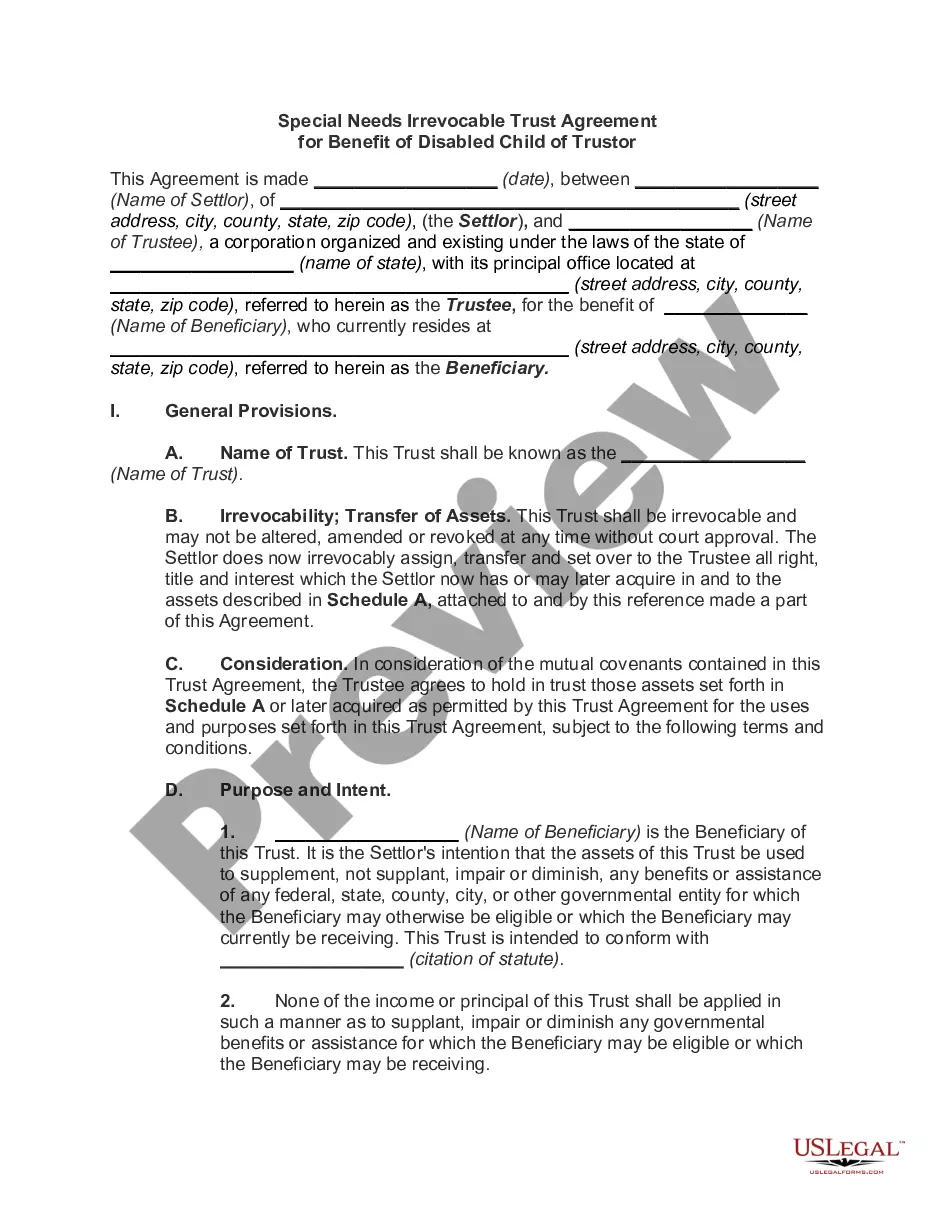
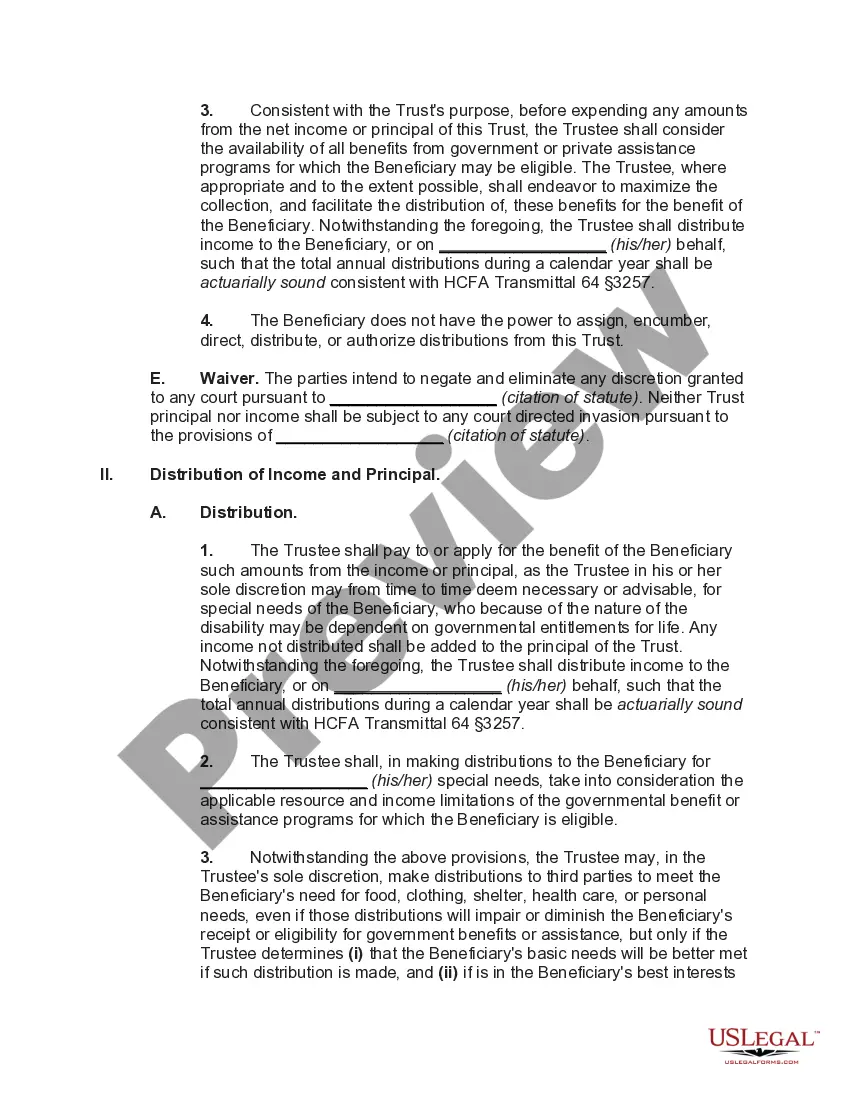
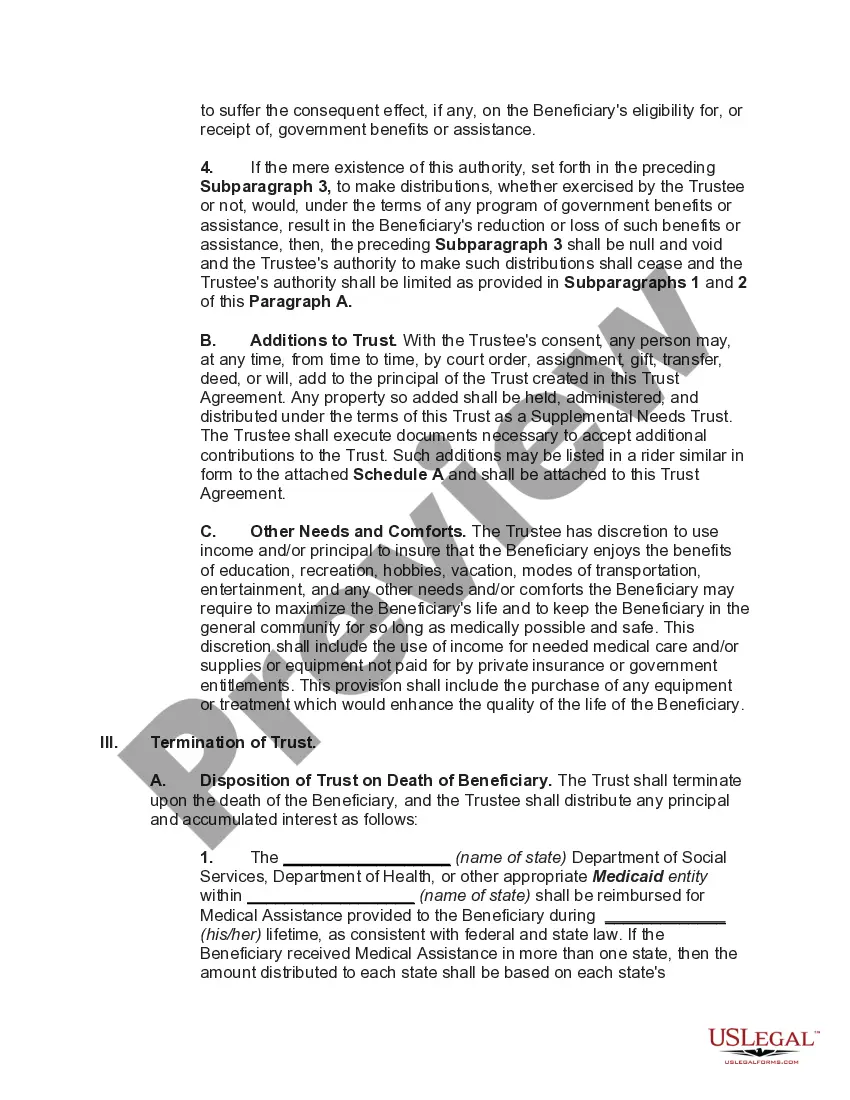
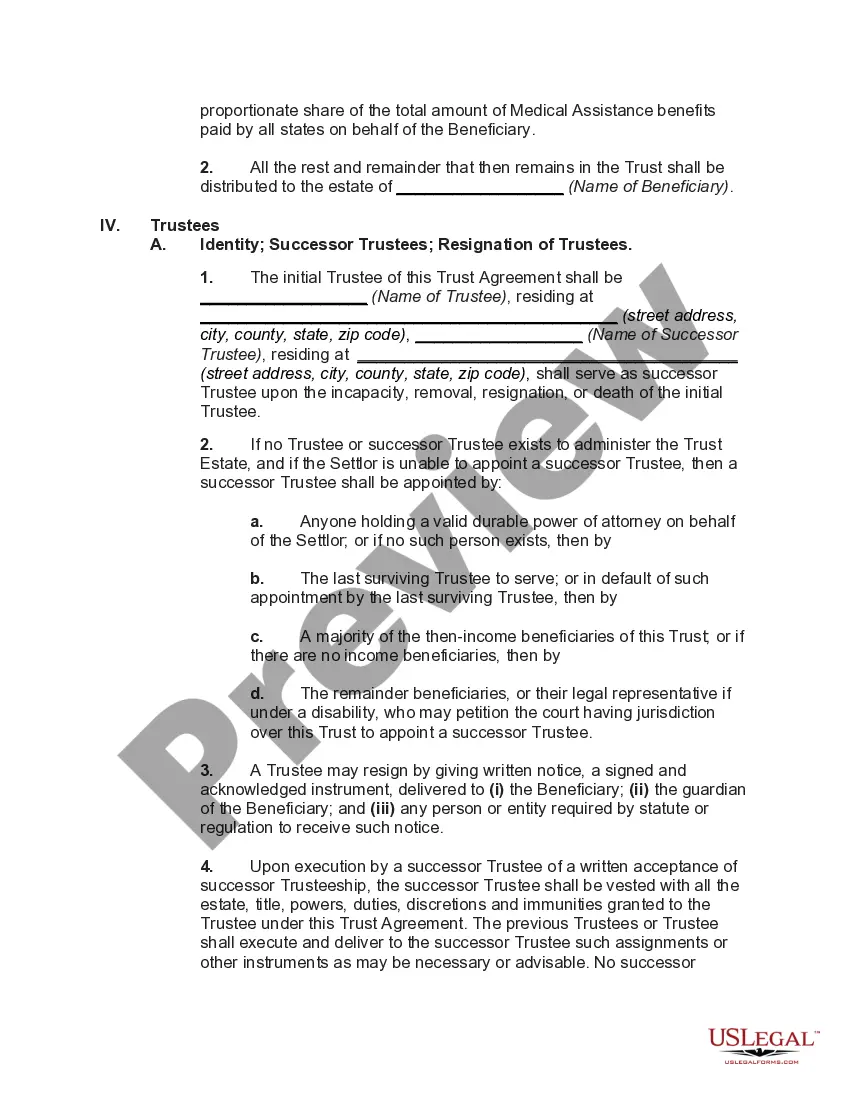
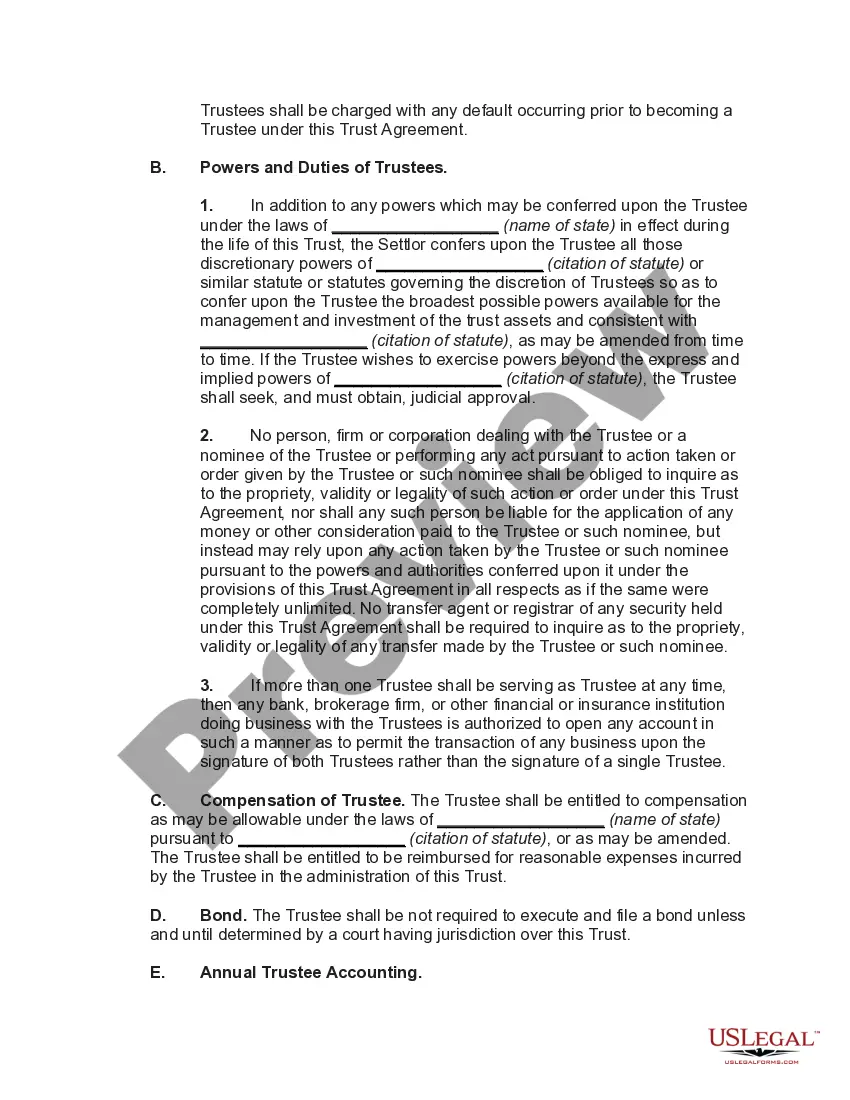
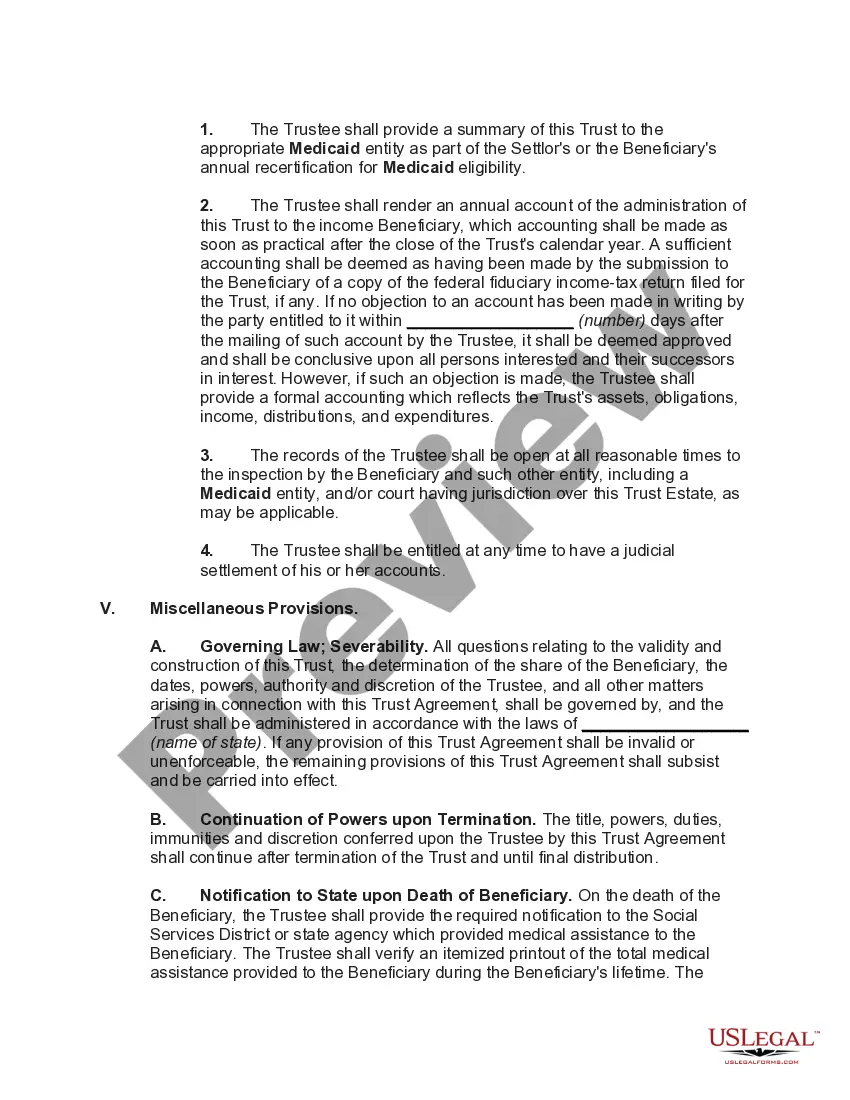
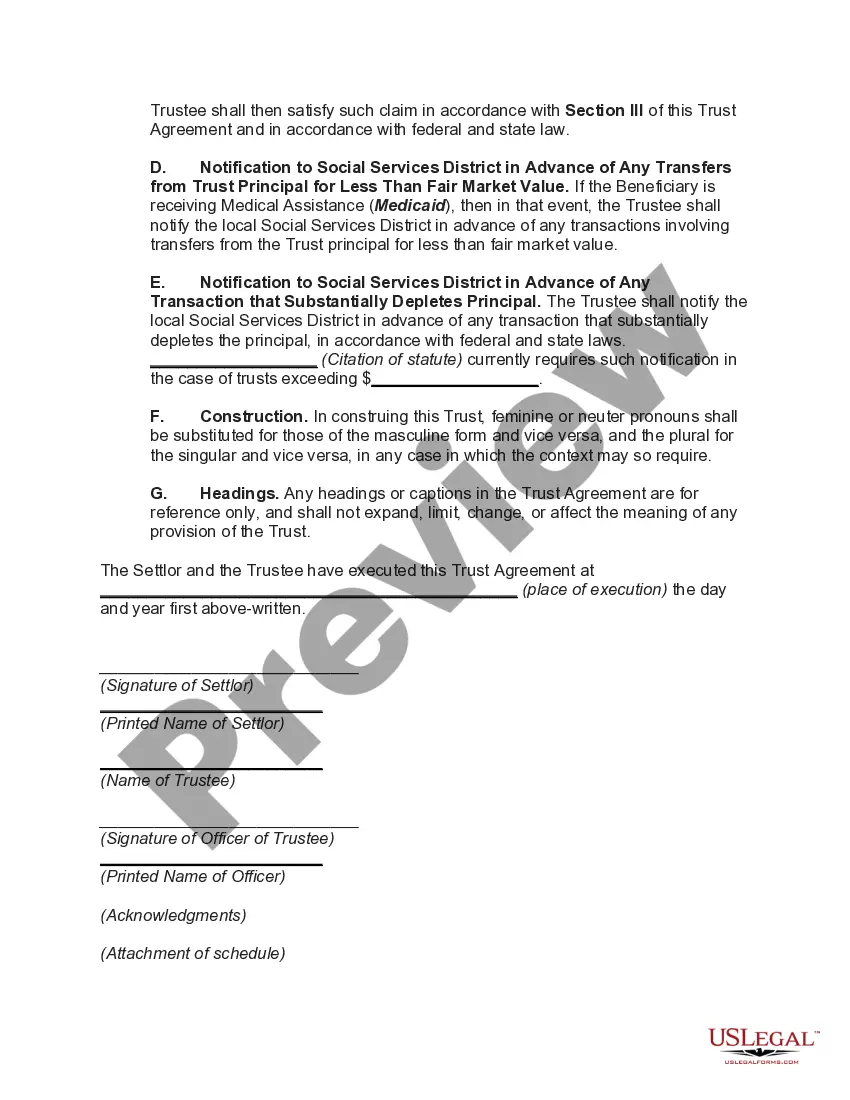
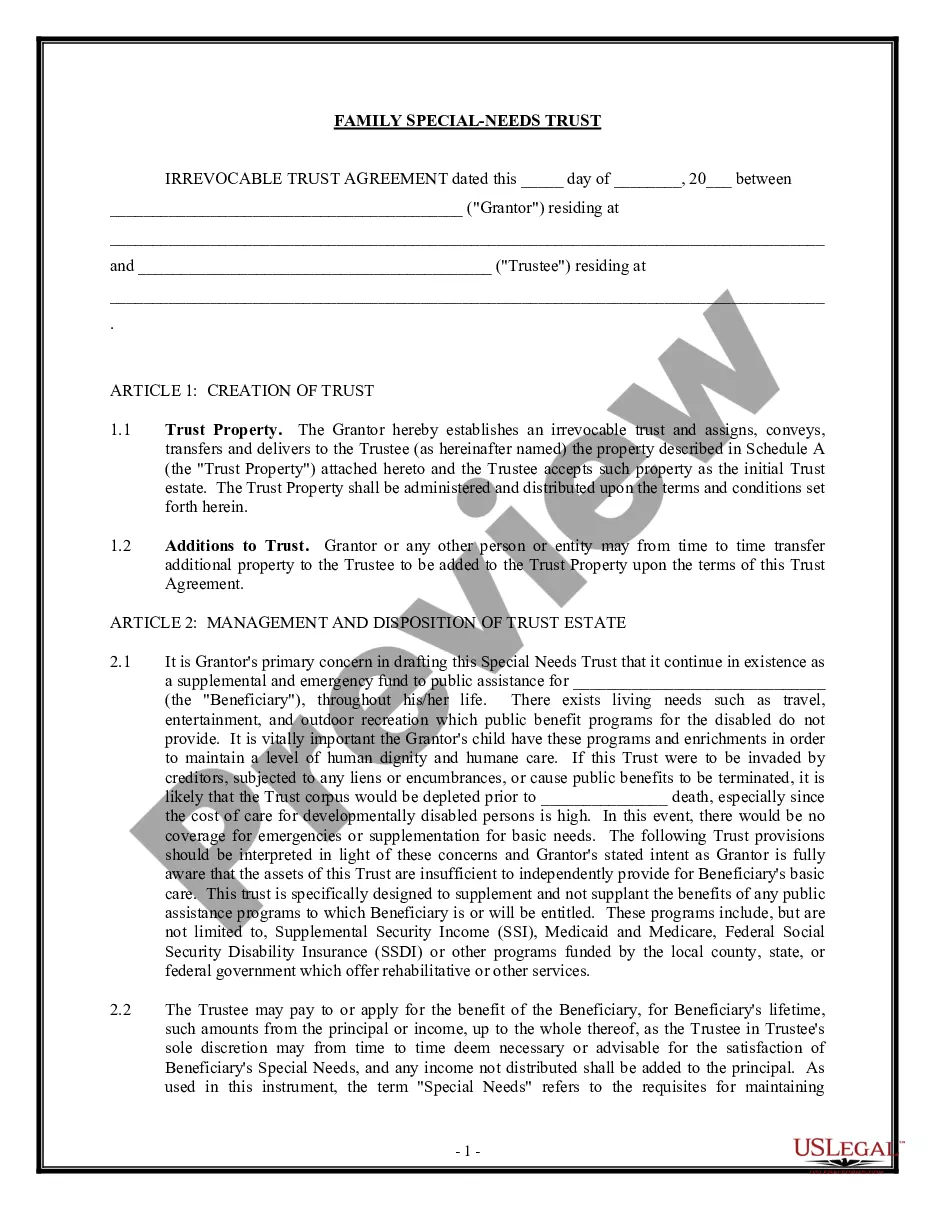



Get your form ready online
Our built-in tools help you complete, sign, share, and store your documents in one place.
Make edits, fill in missing information, and update formatting in US Legal Forms—just like you would in MS Word.
Download a copy, print it, send it by email, or mail it via USPS—whatever works best for your next step.
Sign and collect signatures with our SignNow integration. Send to multiple recipients, set reminders, and more. Go Premium to unlock E-Sign.
If this form requires notarization, complete it online through a secure video call—no need to meet a notary in person or wait for an appointment.
We protect your documents and personal data by following strict security and privacy standards.

Make edits, fill in missing information, and update formatting in US Legal Forms—just like you would in MS Word.

Download a copy, print it, send it by email, or mail it via USPS—whatever works best for your next step.

Sign and collect signatures with our SignNow integration. Send to multiple recipients, set reminders, and more. Go Premium to unlock E-Sign.

If this form requires notarization, complete it online through a secure video call—no need to meet a notary in person or wait for an appointment.

We protect your documents and personal data by following strict security and privacy standards.
Looking for another form?






How to fill out Special Needs Irrevocable Trust Agreement For Benefit Of Disabled Child Of Trustor?
- If you're a returning user, log in to your account and select the trust agreement template you need. Ensure your subscription is active; otherwise, renew it.
- For first-time visitors, begin by browsing the extensive collection of trust agreement forms available. Use the Preview mode to review details and confirm it fits your jurisdiction's requirements.
- If you don't find an appropriate template, utilize the Search feature at the top to locate a suitable alternative.
- Once you identify the correct form, click 'Buy Now' to select your preferred subscription plan. Create an account to access the comprehensive library.
- Input your payment information, which can include credit card details or a PayPal account to finalize your subscription.
- After the purchase, download the trust agreement form to your device. You can access it anytime in the My Forms section of your profile.
US Legal Forms stands out with its robust collection of over 85,000 fillable legal forms and packages, empowering users to create precise documents effortlessly.
Start your journey to secure your assets with the perfect trust agreement today, by leveraging the resources available on US Legal Forms.
Form popularity
FAQ
A certificate of trust is typically created by the trustee or a legal professional. This document summarizes the key aspects of the trust agreement without revealing all its terms. A certificate of trust can simplify transactions and provide proof of the trust's existence, making it easier to manage assets as outlined in the trust agreement.
To obtain proof of trust, you will need to request a copy of the trust agreement from your trustee. This document serves as the official proof of the existence of the trust and outlines the terms established by the grantor. If you are unsure about accessing this document, the professionals at USLegalForms can guide you in obtaining the necessary paperwork.
The individual who creates a trust is called the grantor or trustor. This person sets forth the conditions and instructions within the trust agreement. Understanding your role as a grantor is critical because you will dictate how the trust operates, who benefits, and the management of the trust assets.
The trust agreement is usually prepared by a legal professional, specifically a lawyer specializing in estate planning. They will tailor the trust agreement to your needs, ensuring that all legal requirements are met. By utilizing a professional, you can create a robust trust agreement that effectively serves its purpose and safeguards your assets.
Typically, a trust is set up by a lawyer, as they possess the necessary legal expertise to draft a trust agreement that meets state laws and accurately reflects your intentions. While accountants can offer valuable financial insights, a lawyer ensures that the trust covers all legal aspects and provides the necessary protection for your assets. Choosing a qualified lawyer will make the process of establishing your trust straightforward and compliant.
To create a valid trust agreement, you need a clear intent to create a trust, a specific and definite trust purpose, a designated trustee to manage the trust assets, identifiable beneficiaries who will benefit from the trust, and trust property that can be transferred into the trust. Each of these elements is essential to ensure that the trust operates smoothly according to your wishes. Ensuring all these requirements are met will lead to a strong and effective trust agreement.
You file Form 1041, the U.S. Income Tax Return for Estates and Trusts, to report income for a trust. This form allows you to indicate how much income the trust generated and how it was distributed to beneficiaries. Having a well-prepared trust agreement enables accuracy in filing, as you will clearly define responsibilities and distributions, making it easier to complete the form.
To report the income generated by your trust, you typically need to file Form 1041 at the federal level. Depending on your state, additional forms may apply, which require the details stipulated in your trust agreement. It's beneficial to consult with professionals like USLegalForms for tailored guidance on the correct forms needed for your specific trust situation.
Form 10B is specifically used in some jurisdictions to report the income or distributions of the trust. It provides detailed information about the financial activities of the trust, enhancing clarity on how the assets are managed. Your trust agreement should outline the responsibility of the trustee to ensure compliance with this requirement and to simplify the filing process.
Yes, if your trust generates taxable income, you need to file Form 1041, also known as the U.S. Income Tax Return for Estates and Trusts. This requirement ensures that the trust fulfills its tax obligations as stated in its trust agreement. Moreover, the filing is essential for tracking how income is allocated to beneficiaries and reporting it to the IRS.