Special Trust Disabled Contract With The Bank
Description

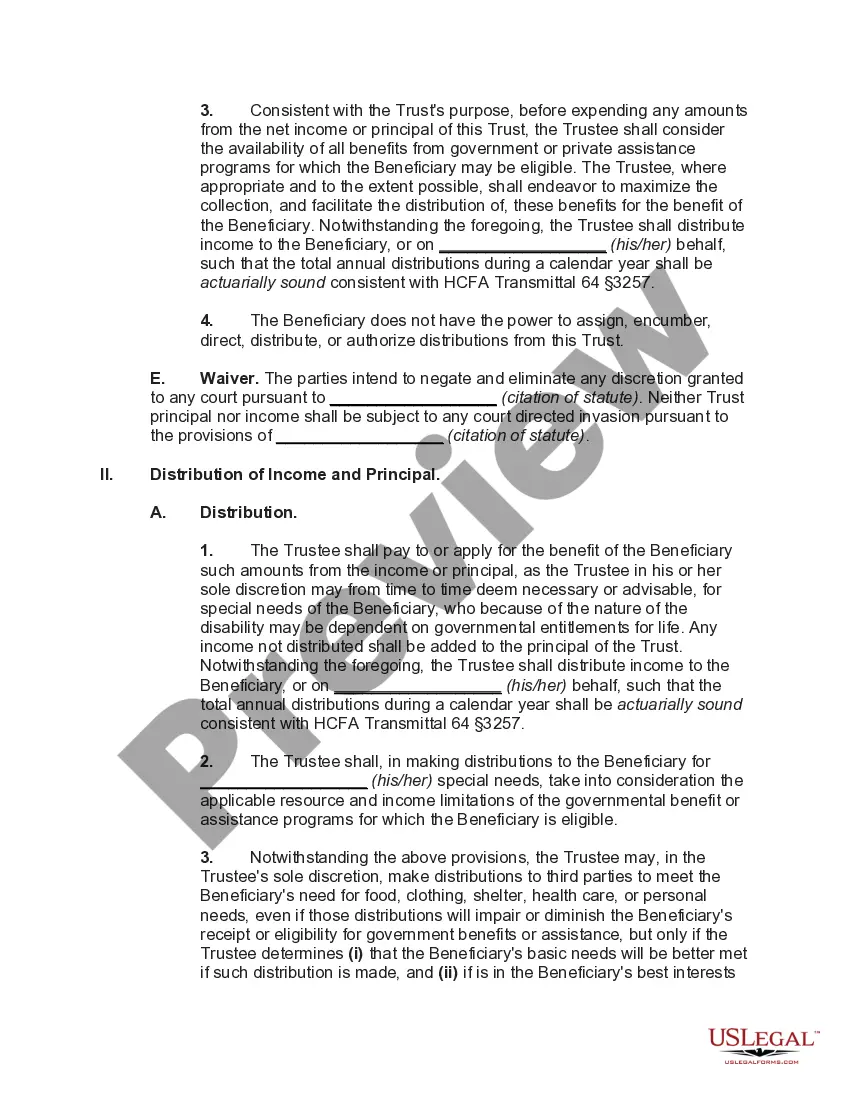
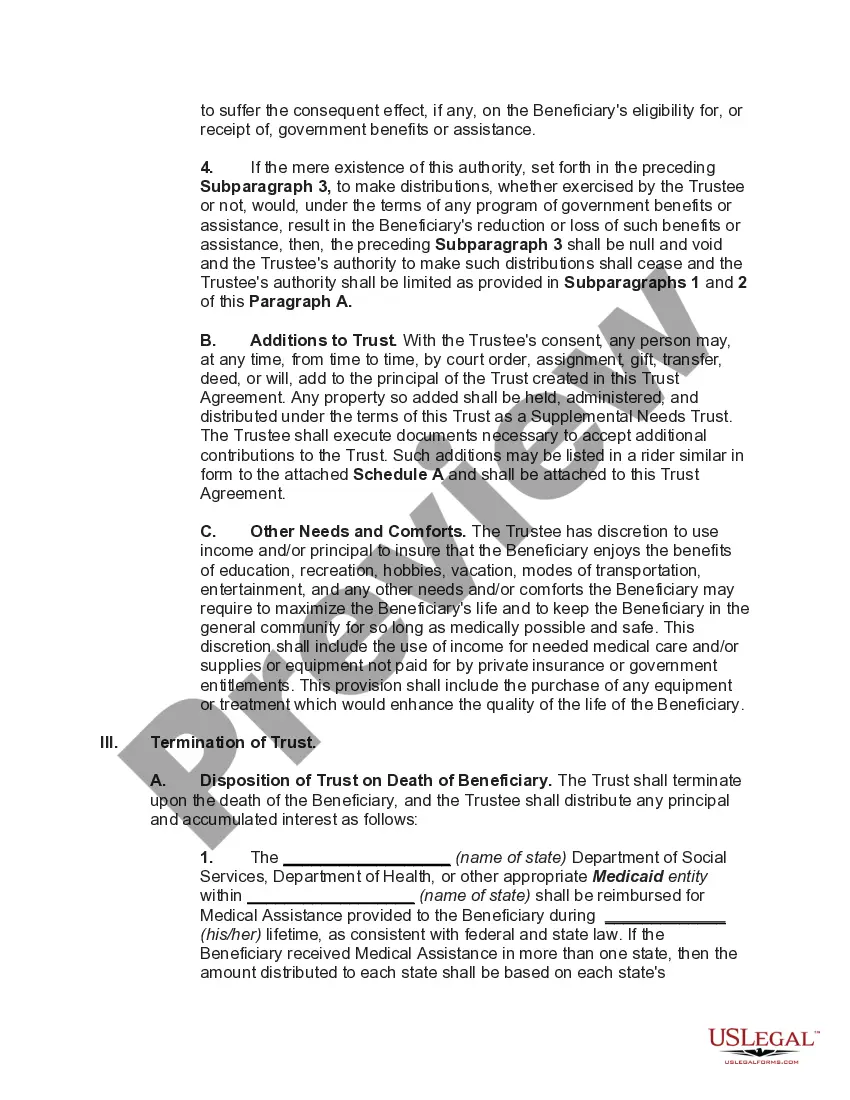
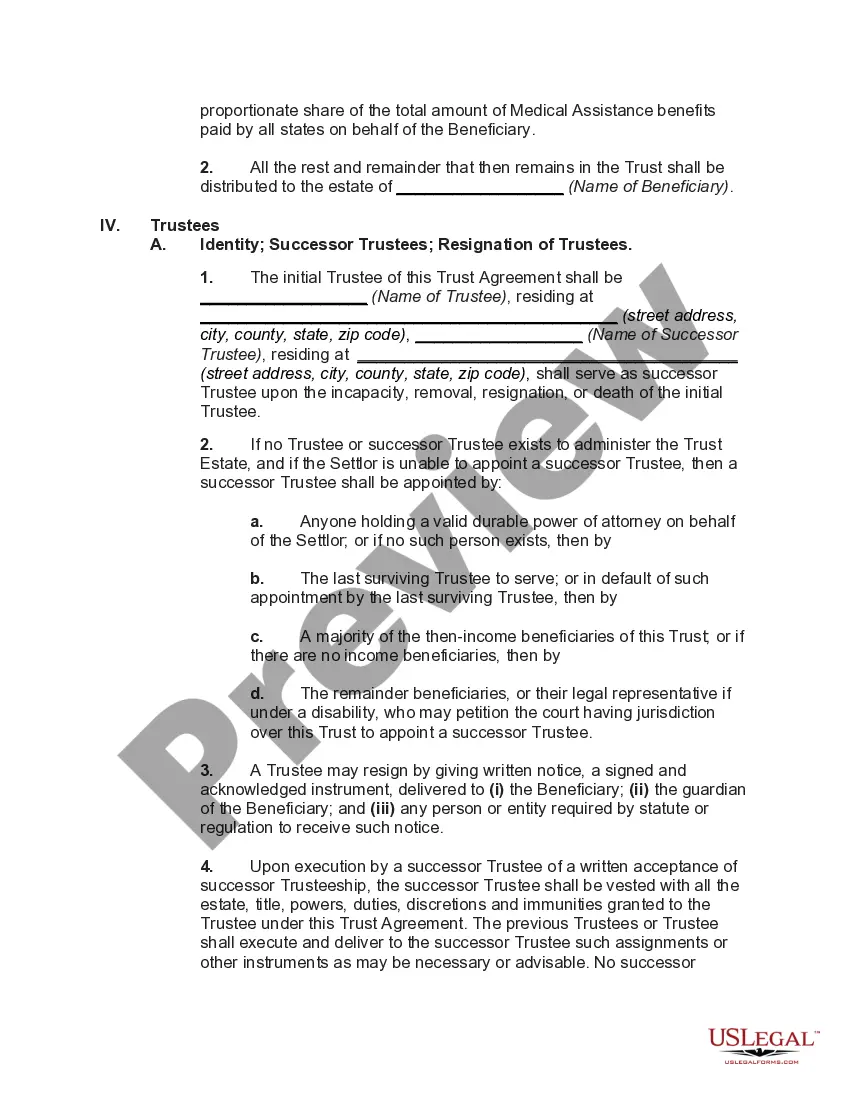
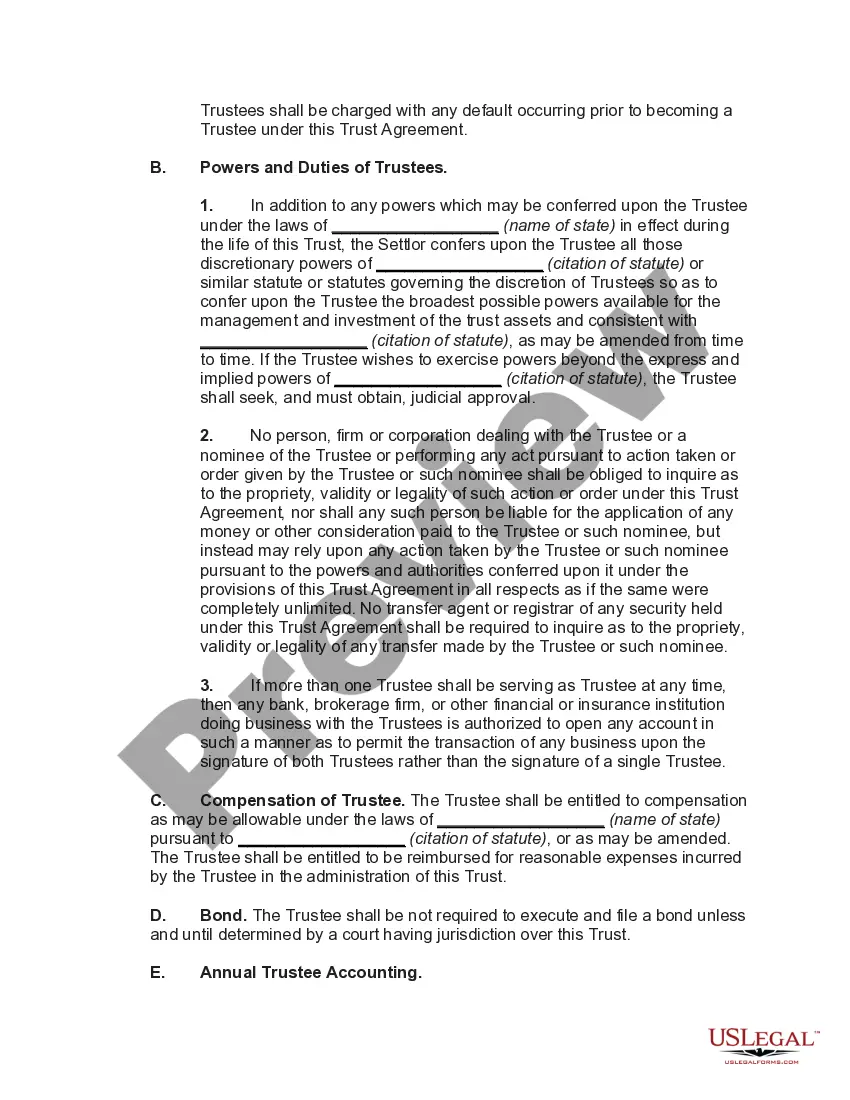




Get your form ready online
Our built-in tools help you complete, sign, share, and store your documents in one place.
Make edits, fill in missing information, and update formatting in US Legal Forms—just like you would in MS Word.
Download a copy, print it, send it by email, or mail it via USPS—whatever works best for your next step.
Sign and collect signatures with our SignNow integration. Send to multiple recipients, set reminders, and more. Go Premium to unlock E-Sign.
If this form requires notarization, complete it online through a secure video call—no need to meet a notary in person or wait for an appointment.
We protect your documents and personal data by following strict security and privacy standards.

Make edits, fill in missing information, and update formatting in US Legal Forms—just like you would in MS Word.

Download a copy, print it, send it by email, or mail it via USPS—whatever works best for your next step.

Sign and collect signatures with our SignNow integration. Send to multiple recipients, set reminders, and more. Go Premium to unlock E-Sign.

If this form requires notarization, complete it online through a secure video call—no need to meet a notary in person or wait for an appointment.

We protect your documents and personal data by following strict security and privacy standards.
Looking for another form?








How to fill out Special Needs Irrevocable Trust Agreement For Benefit Of Disabled Child Of Trustor?
- If you are a returning user, log in to your account and download the required form by clicking the Download button. Ensure your subscription is still active; renew it if necessary.
- For first-time users, start by exploring the Preview mode and form description to confirm you’ve selected the right document that aligns with your needs and local jurisdiction.
- In case of any discrepancies, use the Search tab to look for alternative templates. If you find a suitable match, proceed to the next step.
- Purchase the document by clicking on the Buy Now button and selecting a subscription plan that fits your requirements. An account registration is needed to access the resources.
- Complete your purchase by entering your credit card or PayPal information for the subscription payment.
- Lastly, download your form and save it on your device. You can also access it later through the My Forms section of your profile.
With US Legal Forms, you benefit from a vast collection of forms, ensuring you have access to more options for a similar cost compared to competitors. Furthermore, you can consult premium experts for assistance, guaranteeing your documents are accurate and legally sound.
Don't navigate your legal document needs alone—start your journey with US Legal Forms today and take advantage of their extensive resources!
Form popularity
FAQ
Yes, a trust requires a special bank account to manage its assets properly, particularly when dealing with a special trust disabled contract with the bank. This specific account ensures that the trust's funds remain distinct from personal finances. It also helps in documenting transactions clearly, which is crucial for maintaining transparency and compliance. Using such an account simplifies the trust management process for all parties involved.
To open a bank account for a special needs trust, start by gathering necessary documentation, such as the trust agreement and identification. Visit a bank that supports special trust disabled contracts with the bank, as they will understand the unique requirements. During the application process, provide complete information to ensure your account meets the trust's needs. This process protects your assets and supports effective management of funds.
When establishing a special trust disabled contract with the bank, you should open a dedicated trust account. A trust account separates your trust's assets from personal funds, ensuring clear management. This type of account helps in adhering to legal requirements and simplifies tax matters related to the trust. Choosing the right bank can provide additional services that benefit your trust's goals.
One significant mistake parents make is not fully understanding the specific needs of their disabled child when creating a trust fund. This oversight can result in a special trust disabled contract with the bank that does not adequately cover all anticipated expenses. Proper planning and consultation with experts can help ensure that the trust fund complies with legal requirements and effectively supports long-term care.
While a special needs trust is beneficial, it has some potential downsides, including setup and maintenance costs. Additionally, strict regulations govern how funds can be used, which might limit flexibility in spending. If not established correctly, a special trust disabled contract with the bank can lead to complications, making it crucial to work with knowledgeable professionals.
An alternative to a special needs trust is a special trust disabled contract with the bank, which can provide some benefits without needing a formal trust structure. This option allows for tailored management of funds while protecting eligibility for government benefits. It also enables families to maintain control over the funds, ensuring they are used appropriately for the disabled individual's needs.
Yes, many banks offer special needs trust services, providing professional management of assets for disabled individuals. Establishing a special trust disabled contract with the bank can ensure that funds are allocated effectively and meet legal standards. It’s beneficial to research various institutions to find a bank that suits your specific needs and understand their expertise in handling special needs trusts.
The downside of a special needs trust can include the costs associated with establishing and maintaining the trust. Furthermore, if not structured correctly, it may inadvertently impact the beneficiary's access to government aid. Employing a special trust disabled contract with the bank can help address these concerns. Regular consultation with a legal expert can also ensure the trust remains compliant and serves its intended purpose.
One common issue with special needs trusts is the complexity in adhering to legal requirements, which can vary by state. Additionally, some may encounter challenges in correctly managing the funds, leading to unintended loss of government benefits. A special trust disabled contract with the bank can help mitigate these issues by providing clear guidelines and expert management. It’s important to stay informed and seek professional advice.
Yes, Wells Fargo offers special needs trusts tailored to meet the specific needs of disabled individuals. These trusts help protect assets while allowing beneficiaries to maintain access to essential government benefits. Using a special trust disabled contract with the bank can help ensure that your trust aligns with both financial and legal requirements. It’s advisable to discuss your options with a Wells Fargo representative for detailed information.