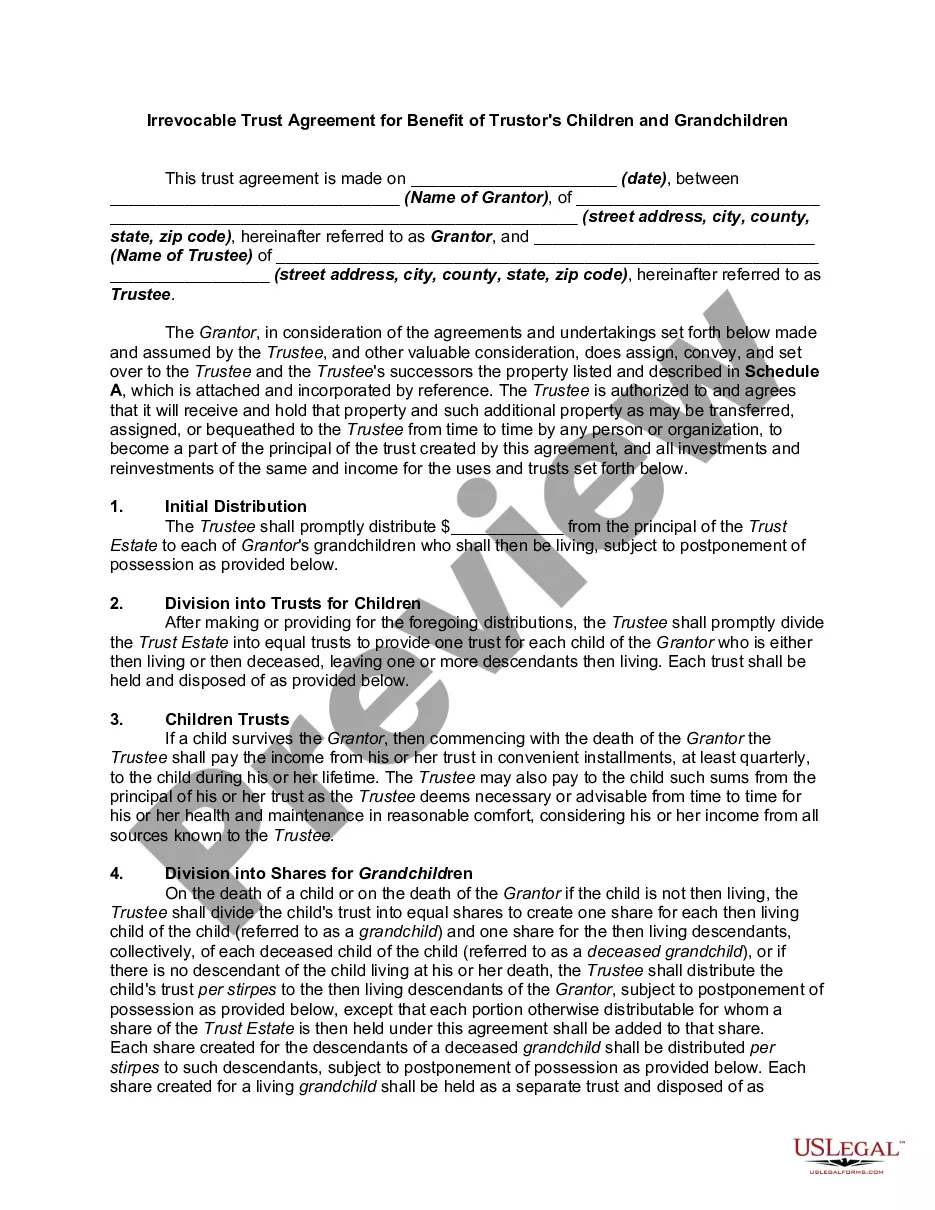
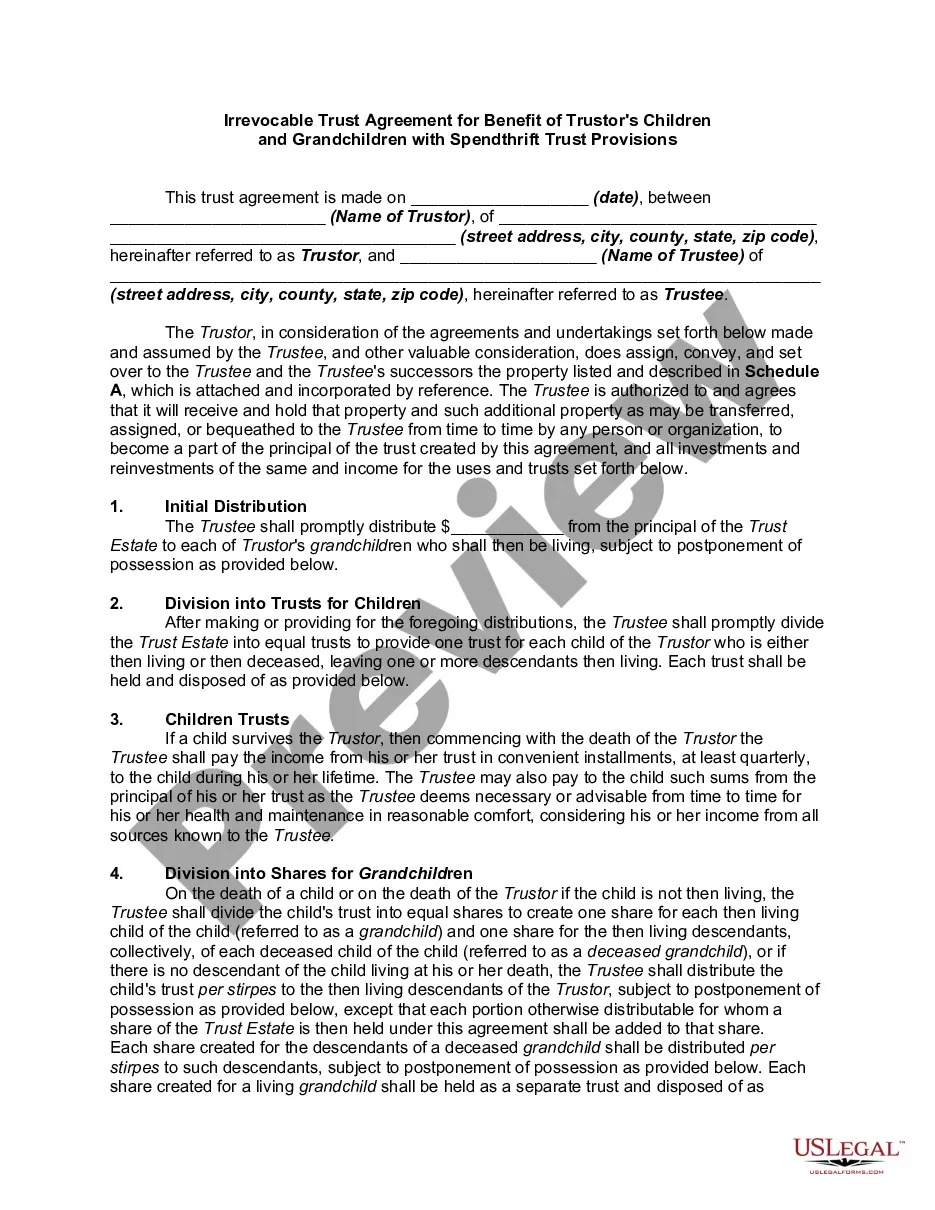
Special Trust Disabled Contract For Business
Description
Get your form ready online
Our built-in tools help you complete, sign, share, and store your documents in one place.
Make edits, fill in missing information, and update formatting in US Legal Forms—just like you would in MS Word.
Download a copy, print it, send it by email, or mail it via USPS—whatever works best for your next step.
Sign and collect signatures with our SignNow integration. Send to multiple recipients, set reminders, and more. Go Premium to unlock E-Sign.
If this form requires notarization, complete it online through a secure video call—no need to meet a notary in person or wait for an appointment.
We protect your documents and personal data by following strict security and privacy standards.

Make edits, fill in missing information, and update formatting in US Legal Forms—just like you would in MS Word.

Download a copy, print it, send it by email, or mail it via USPS—whatever works best for your next step.

Sign and collect signatures with our SignNow integration. Send to multiple recipients, set reminders, and more. Go Premium to unlock E-Sign.

If this form requires notarization, complete it online through a secure video call—no need to meet a notary in person or wait for an appointment.

We protect your documents and personal data by following strict security and privacy standards.
Looking for another form?








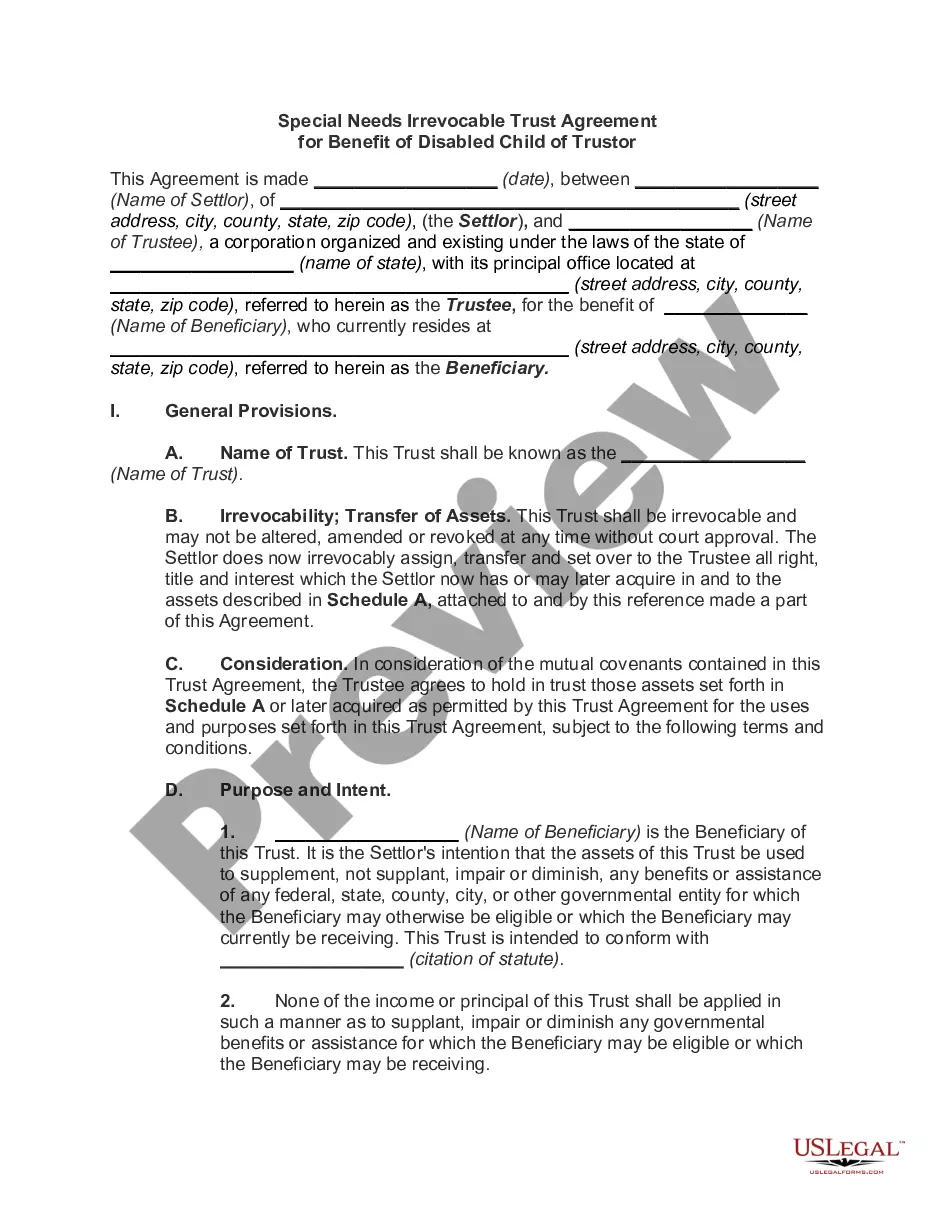
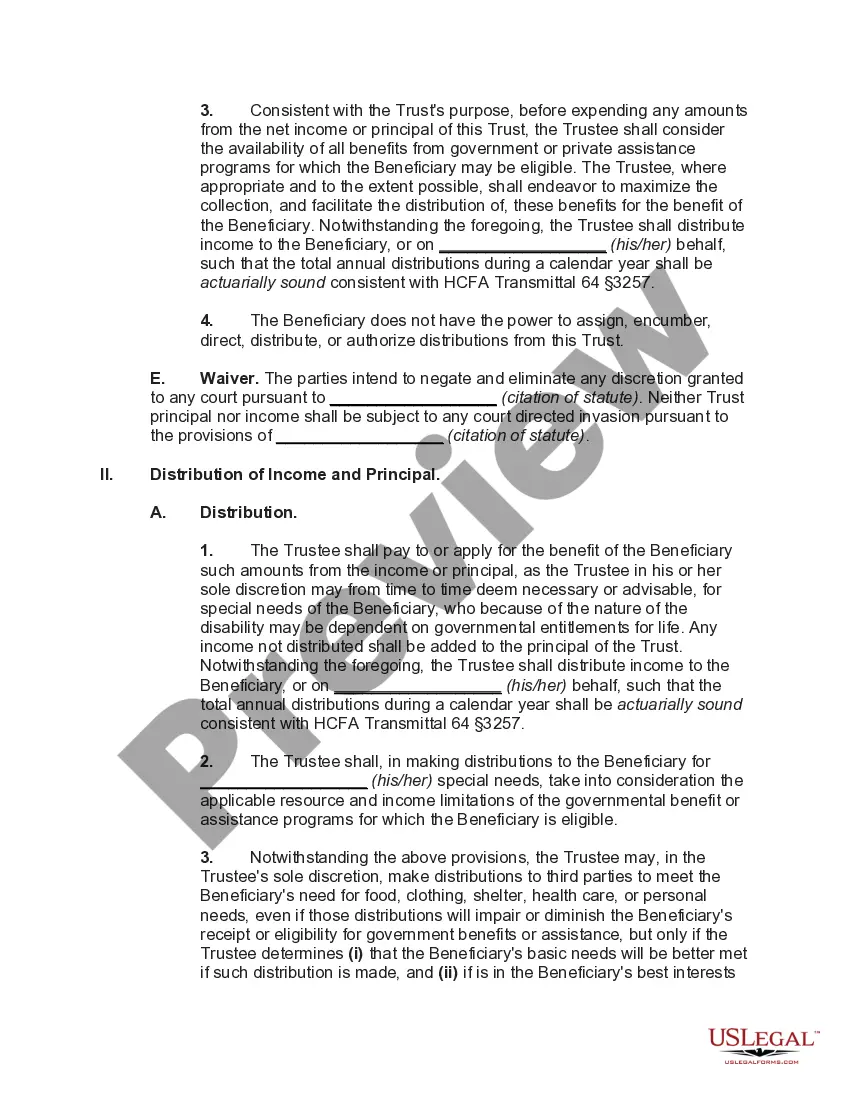
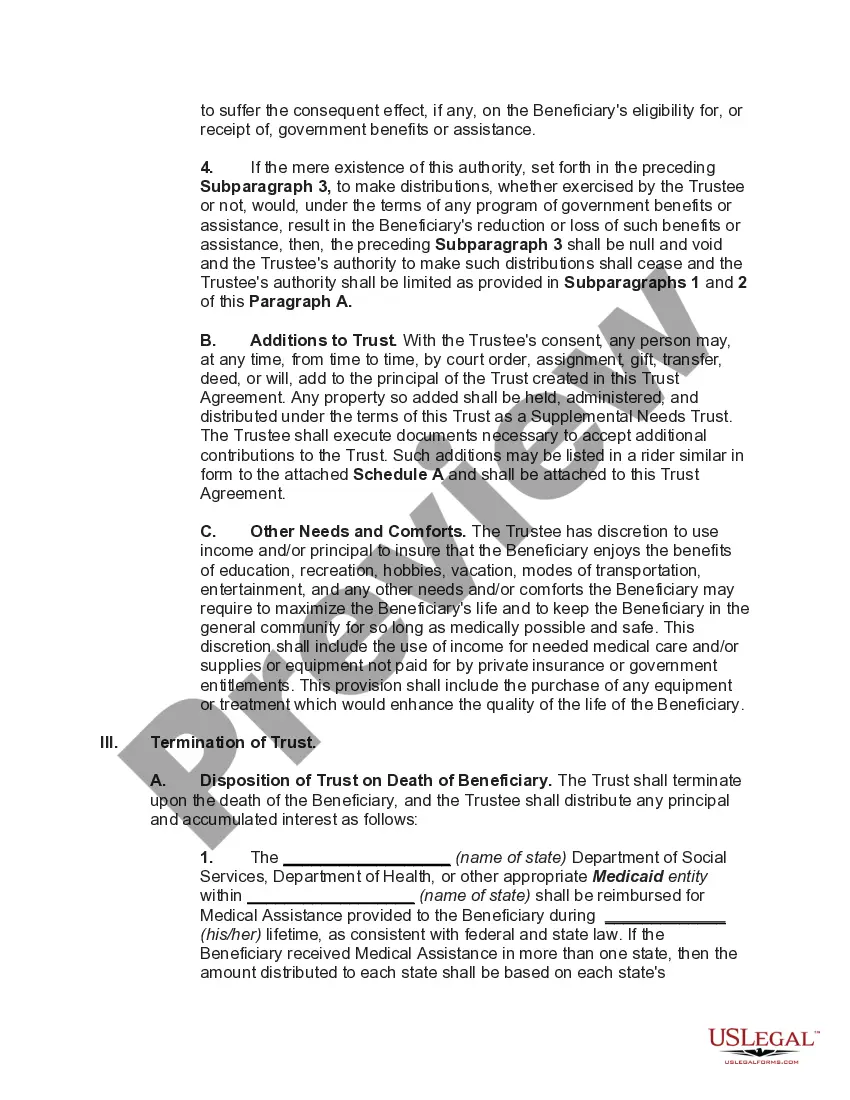
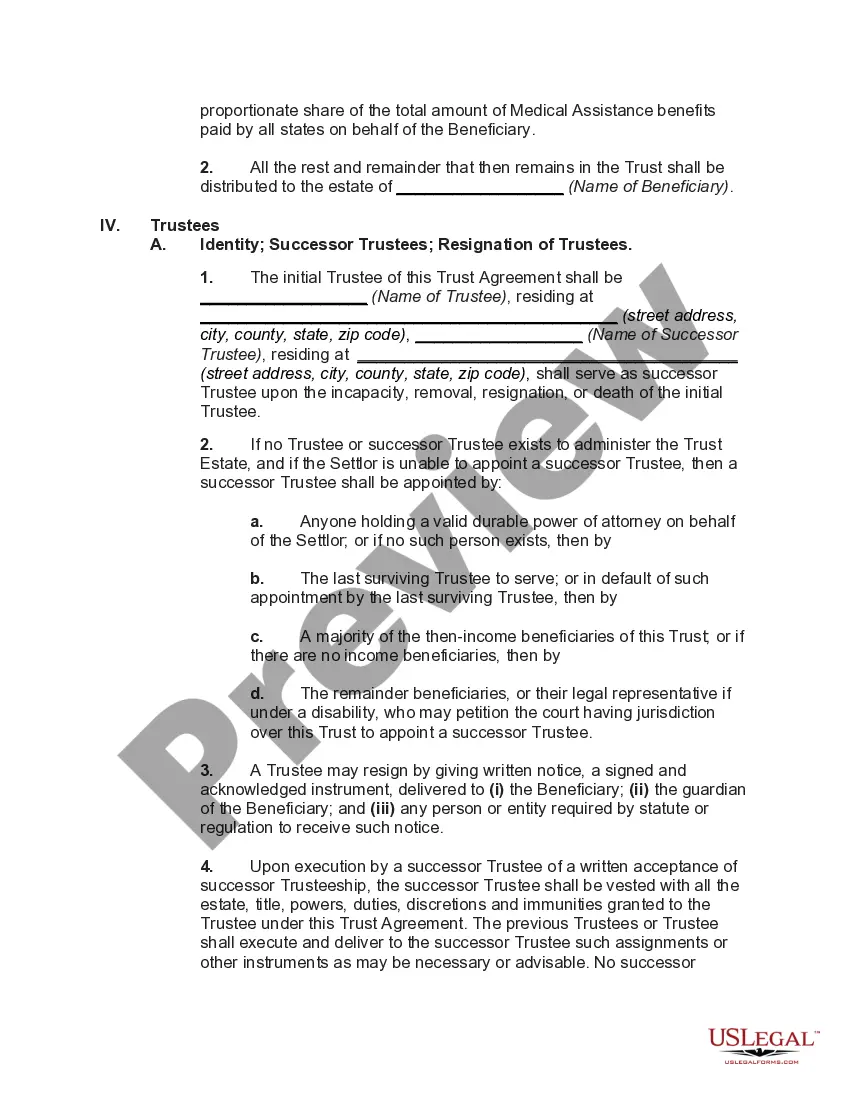
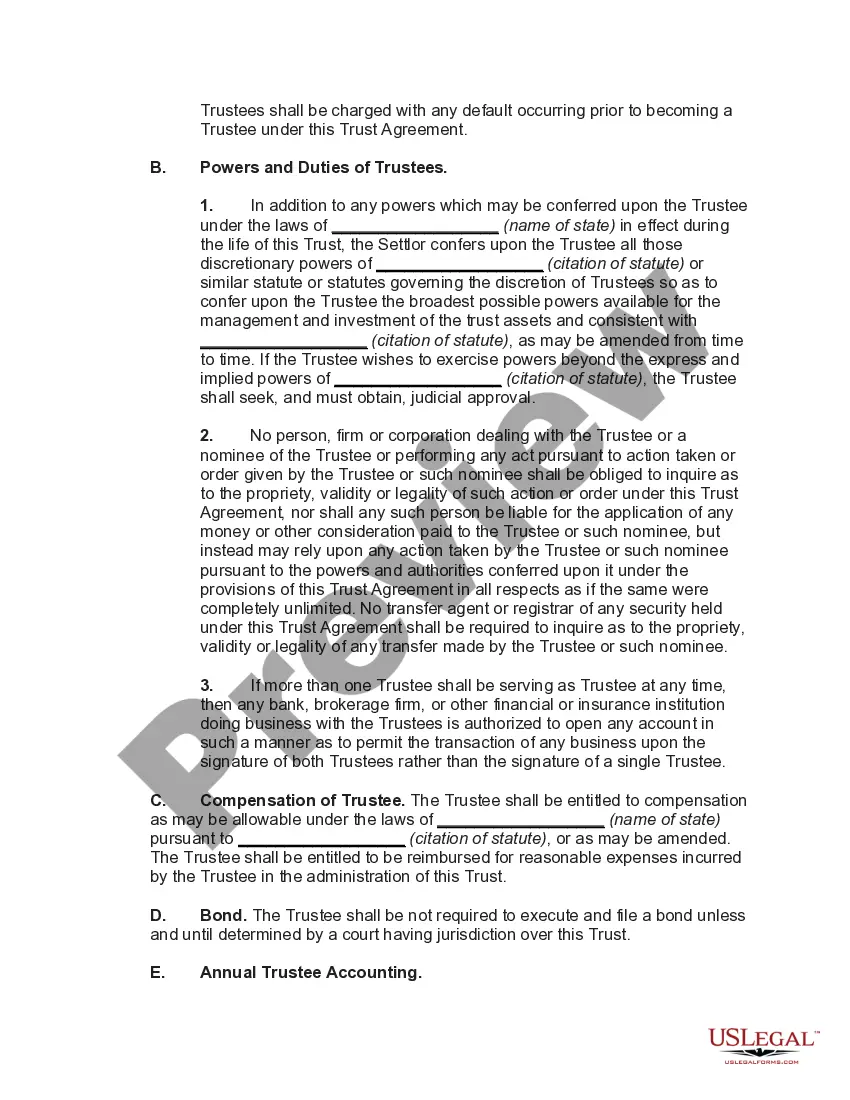
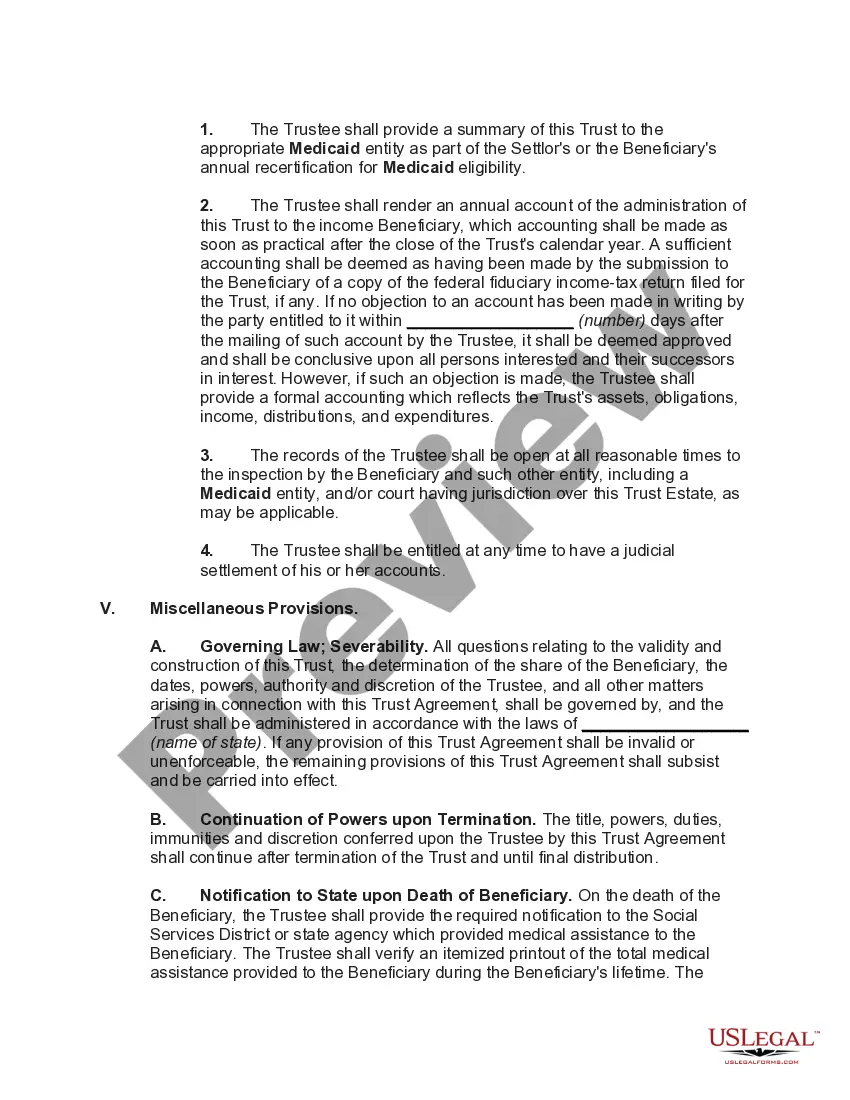
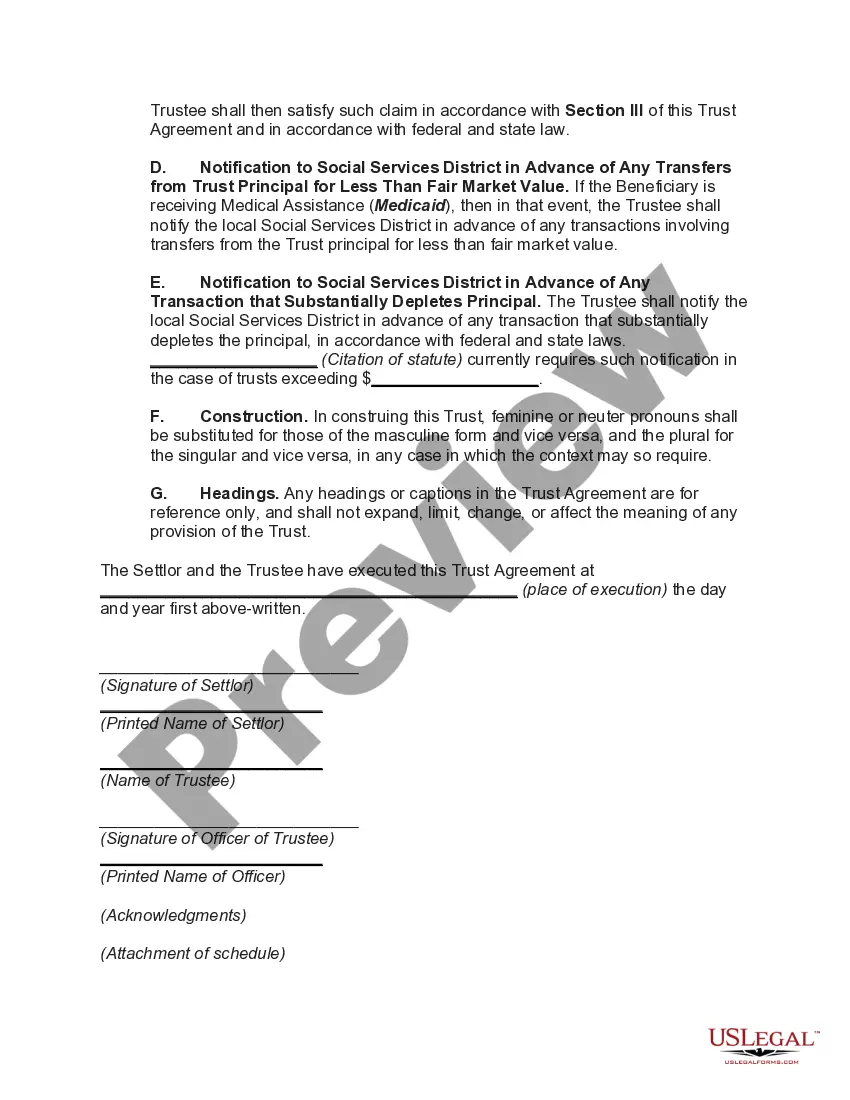
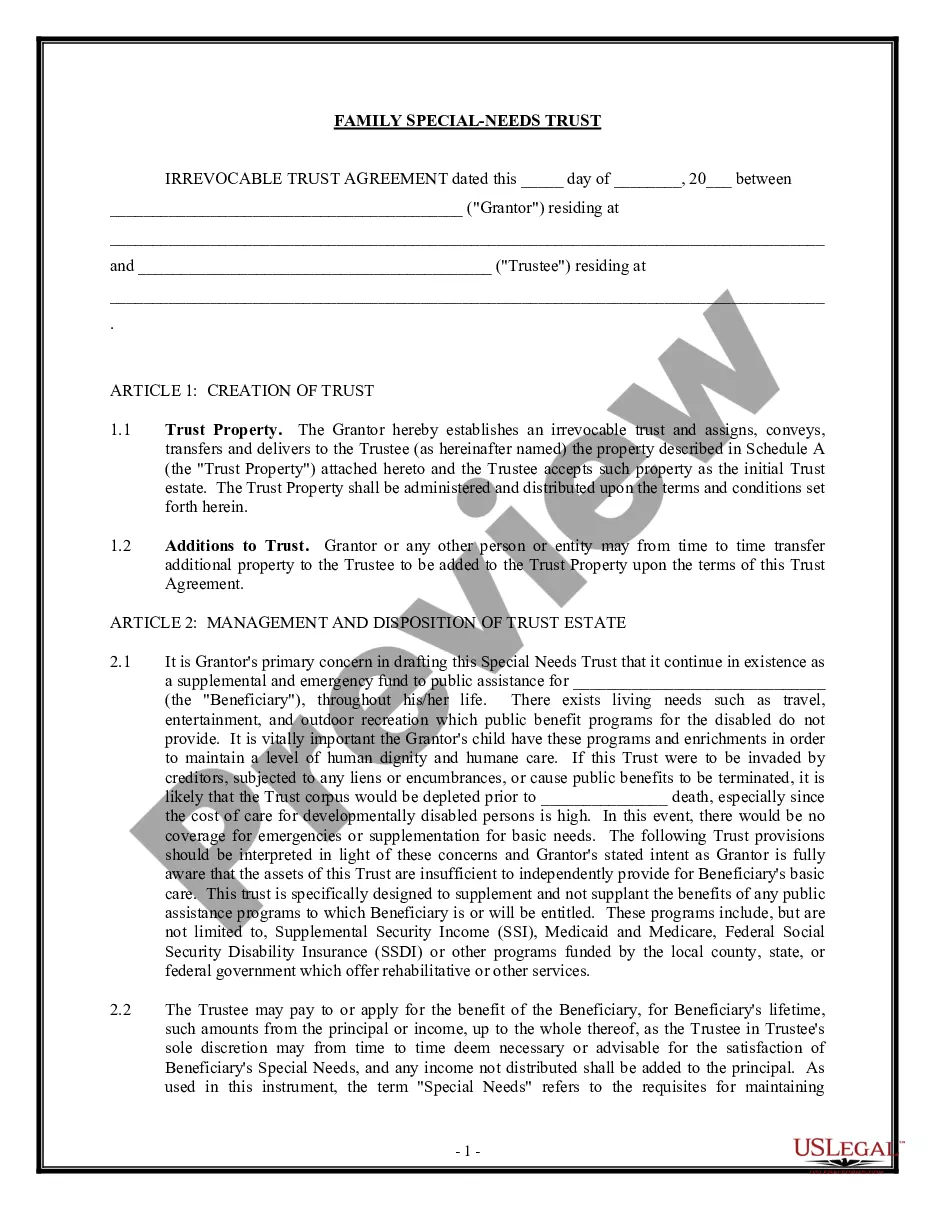
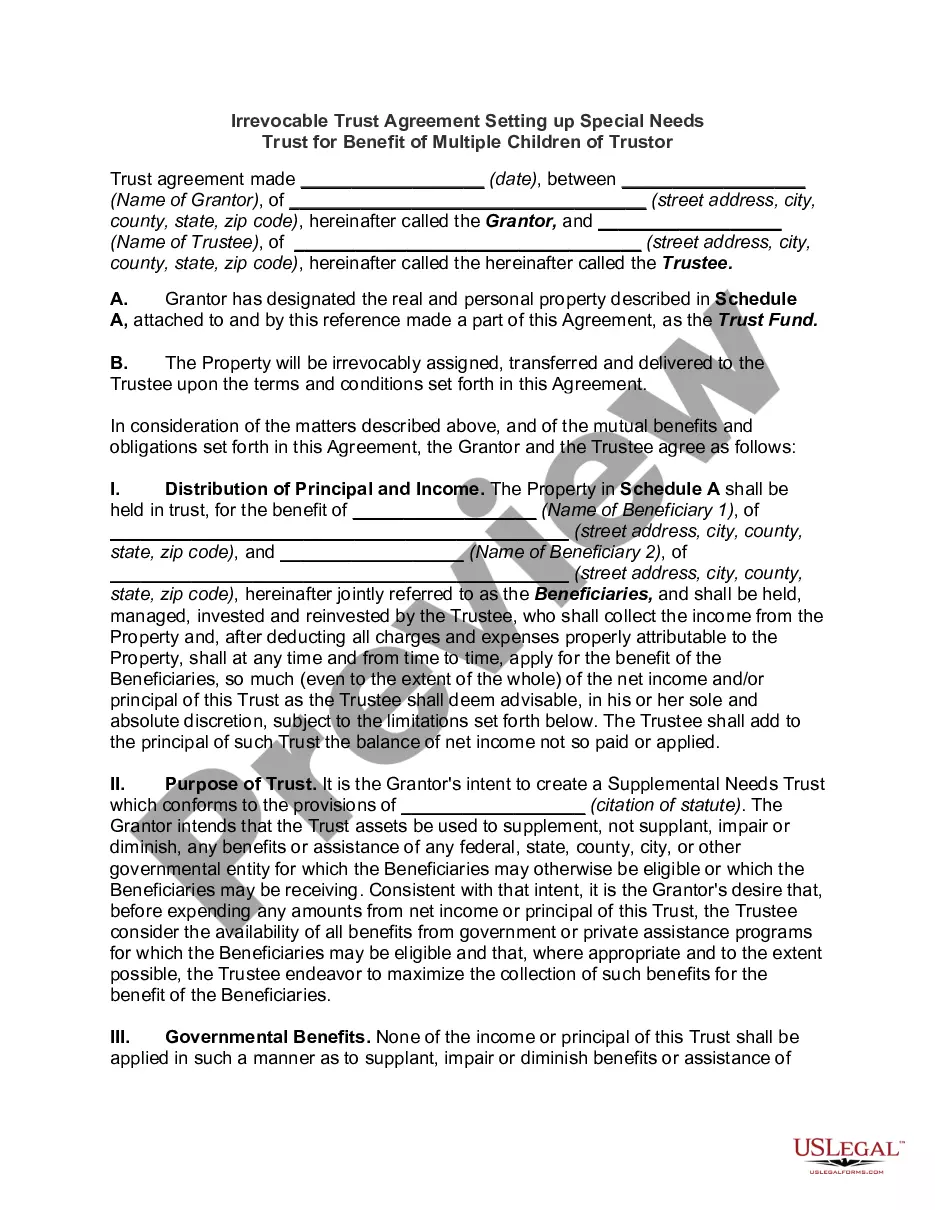
How to fill out Special Needs Irrevocable Trust Agreement For Benefit Of Disabled Child Of Trustor?
- If you are an existing user, log in to your account and click on the Download button to retrieve your desired form. Confirm your subscription is active, and renew if necessary.
- For first-time users, begin by reviewing the Preview mode and form description to find a template that meets your requirements while aligning with local jurisdiction mandates.
- If the form doesn’t meet your criteria, use the Search tab to find an alternative template that fits your needs.
- Once you have the correct document, click on the Buy Now button and select your preferred subscription plan. You will need to create an account to access the legal library.
- Complete your transaction by entering your payment details, either through credit card or PayPal.
- Finally, download the template to your device, allowing you to edit and complete it. You can also find the form again in the My Forms section of your profile.
US Legal Forms empowers users by providing a robust library filled with over 85,000 easily editable legal forms and packages. This ensures you always have access to the resources you need.
By utilizing US Legal Forms, you benefit from expert assistance to create legally sound documents. Start simplifying your legal journey today!
Form popularity
FAQ
Yes, a special needs trust typically requires an Employer Identification Number (EIN) if it has its distinct tax identity. The IRS requires trusts to have an EIN for tax reporting purposes, especially if the trust will generate income. Working with experts or resources like US Legal Forms can help you navigate these requirements efficiently, ensuring compliance with all legal obligations related to your special trust disabled contract for business.
Different types of trusts for disabled people include special needs trusts, supplemental needs trusts, and disability trusts. Each of these trusts plays a unique role in managing assets while protecting eligibility for government assistance. Establishing a proper trust can be essential in creating a secure financial future for those with disabilities, and a special trust disabled contract for business can facilitate this goal with the right planning.
The three types of special needs can include physical disabilities, cognitive disabilities, and emotional or behavioral disorders. Physical disabilities may include mobility impairments, while cognitive disabilities encompass a range of limitations affecting learning and understanding. Emotional and behavioral disorders often influence how individuals interact socially and emotionally, and addressing these needs properly is crucial when considering a special trust disabled contract for business.
While it is possible to set up a special needs trust by yourself, it is highly recommended to seek legal advice. The requirements for compliance can be complex, and even small mistakes can result in significant consequences for your beneficiary. Utilizing resources like US Legal Forms can streamline this process, making it easier to establish a valid special trust disabled contract for business.
The minimum amount required to set up a special needs trust varies significantly based on several factors, including the type of trust and the attorney's fees involved. Generally, some attorneys may require a minimum of $5,000 to $10,000 to establish a special needs trust. However, it is wise to consult an experienced provider familiar with special trust disabled contracts for business for specific guidance tailored to your situation.
The three types of special needs trusts include first-party special needs trusts, third-party special needs trusts, and pooled special needs trusts. First-party trusts are funded with the disabled individual’s assets, while third-party trusts are funded by family or friends. Pooled trusts combine resources from multiple beneficiaries, managed by a nonprofit organization, providing a great option for many families exploring a special trust disabled contract for business.
The three primary types of trusts are revocable trusts, irrevocable trusts, and testamentary trusts. Revocable trusts allow you to maintain control over the assets and modify them as needed. Irrevocable trusts, on the other hand, cannot be changed once established, providing benefits for estate planning and tax purposes. Testamentary trusts are created as part of a will and go into effect after the person passes away.
While there are numerous advantages, some disadvantages exist when placing your business in a trust. Creating a special trust disabled contract for business can involve complex legal arrangements, which may incur additional costs. Additionally, managing a trust requires ongoing oversight and may limit your flexibility in some decisions. Always consider consulting professionals to weigh the pros and cons specific to your situation.
Running a business through a trust is not only possible but also advantageous in many cases. A special trust disabled contract for business facilitates the management of your operations while providing asset protection and ensuring smooth ownership transitions. It allows designated trustees to manage the business according to your specifications. This arrangement can help maintain business continuity during changes in your personal circumstances.
Yes, you can own a business through a trust. Utilizing a special trust disabled contract for business allows the trust to hold ownership of your business, separating your personal assets from your business assets. This setup can provide tax benefits and protect your business from personal creditors. This can be a solid strategy for long-term financial planning and stability.