Special Trust Contract With Irs
Description

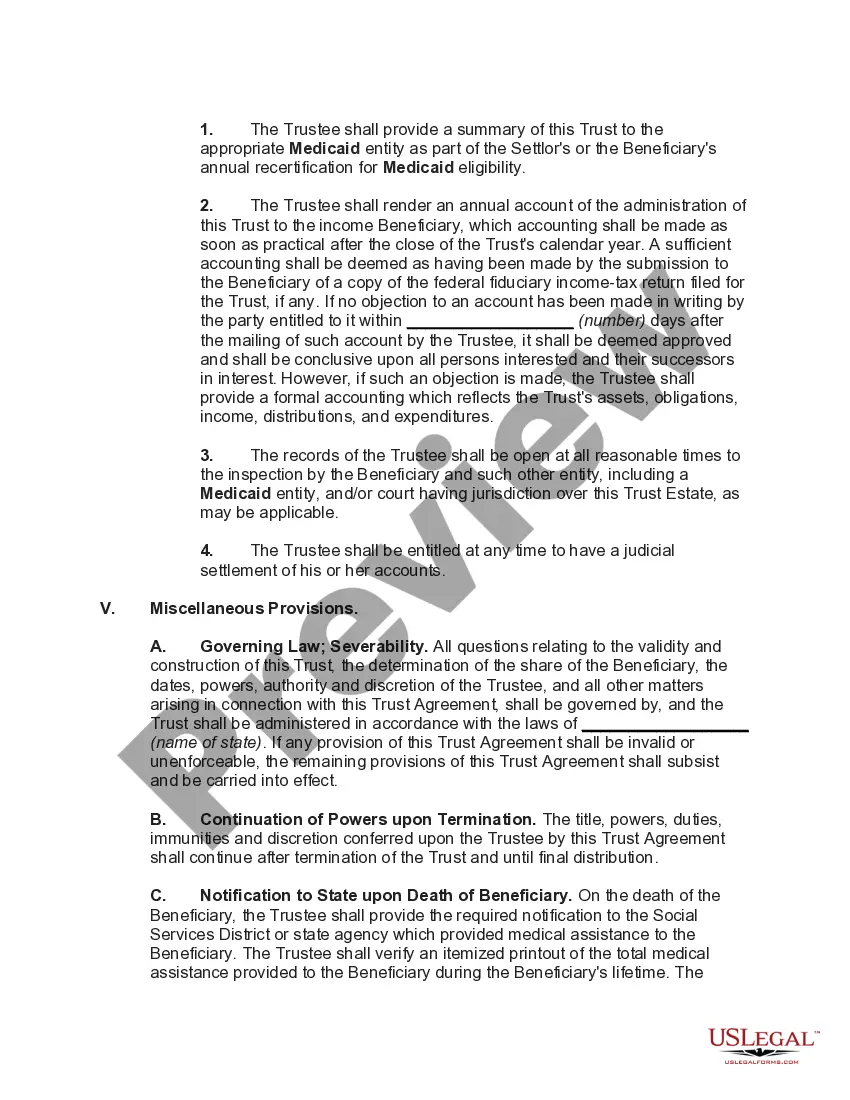
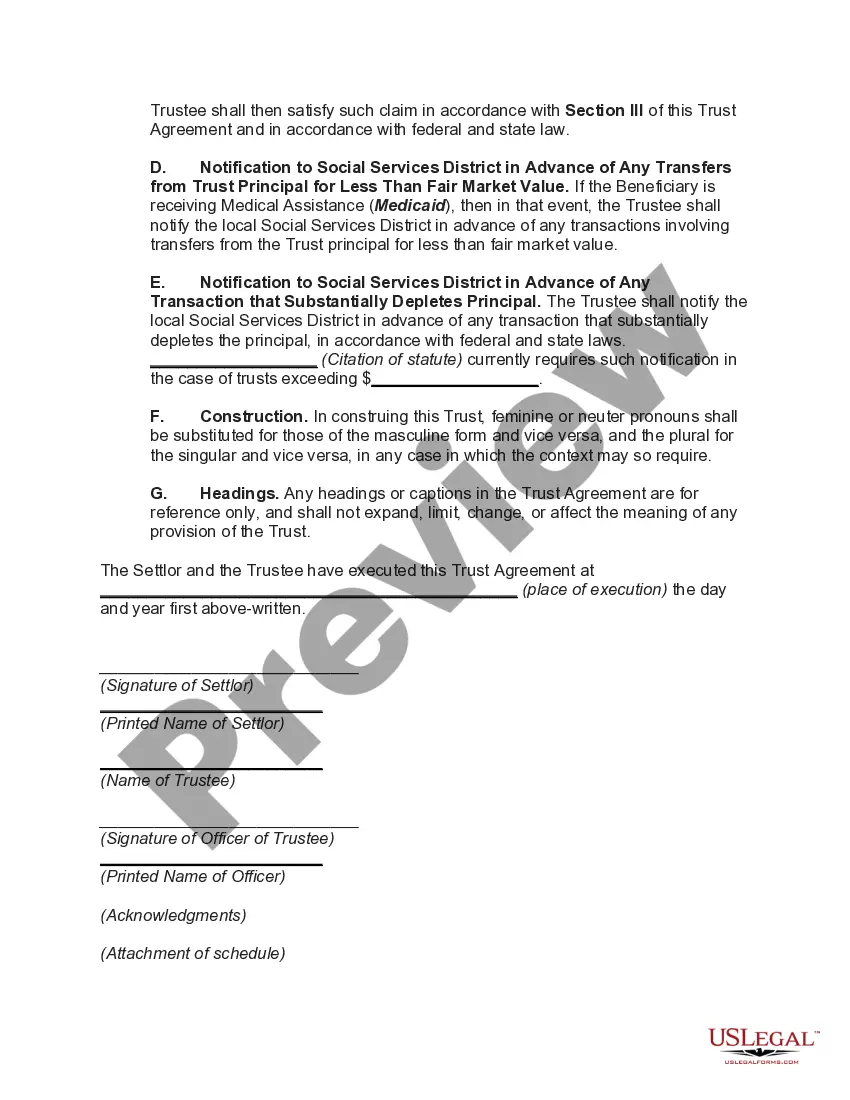


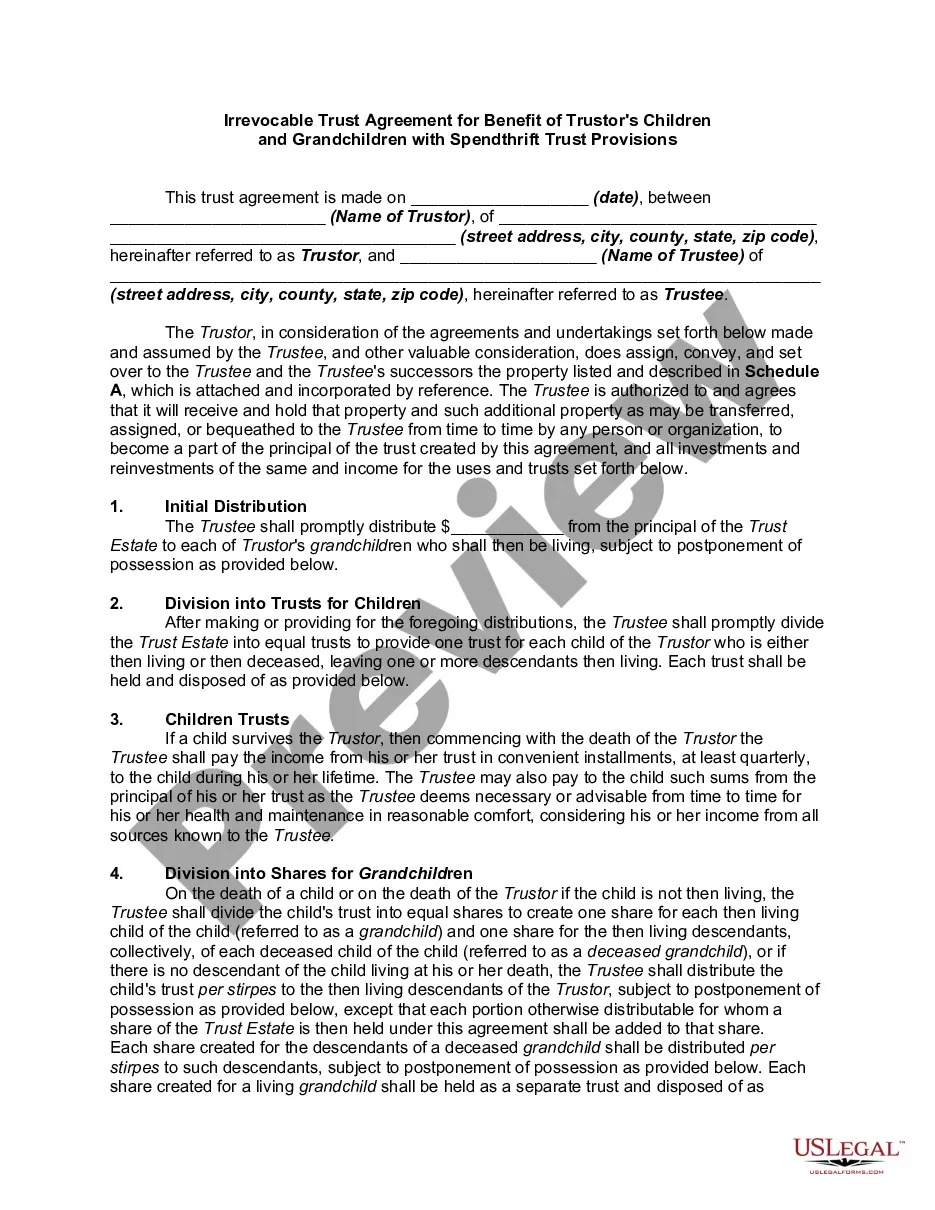

Get your form ready online
Our built-in tools help you complete, sign, share, and store your documents in one place.
Make edits, fill in missing information, and update formatting in US Legal Forms—just like you would in MS Word.
Download a copy, print it, send it by email, or mail it via USPS—whatever works best for your next step.
Sign and collect signatures with our SignNow integration. Send to multiple recipients, set reminders, and more. Go Premium to unlock E-Sign.
If this form requires notarization, complete it online through a secure video call—no need to meet a notary in person or wait for an appointment.
We protect your documents and personal data by following strict security and privacy standards.

Make edits, fill in missing information, and update formatting in US Legal Forms—just like you would in MS Word.

Download a copy, print it, send it by email, or mail it via USPS—whatever works best for your next step.

Sign and collect signatures with our SignNow integration. Send to multiple recipients, set reminders, and more. Go Premium to unlock E-Sign.

If this form requires notarization, complete it online through a secure video call—no need to meet a notary in person or wait for an appointment.

We protect your documents and personal data by following strict security and privacy standards.
Looking for another form?








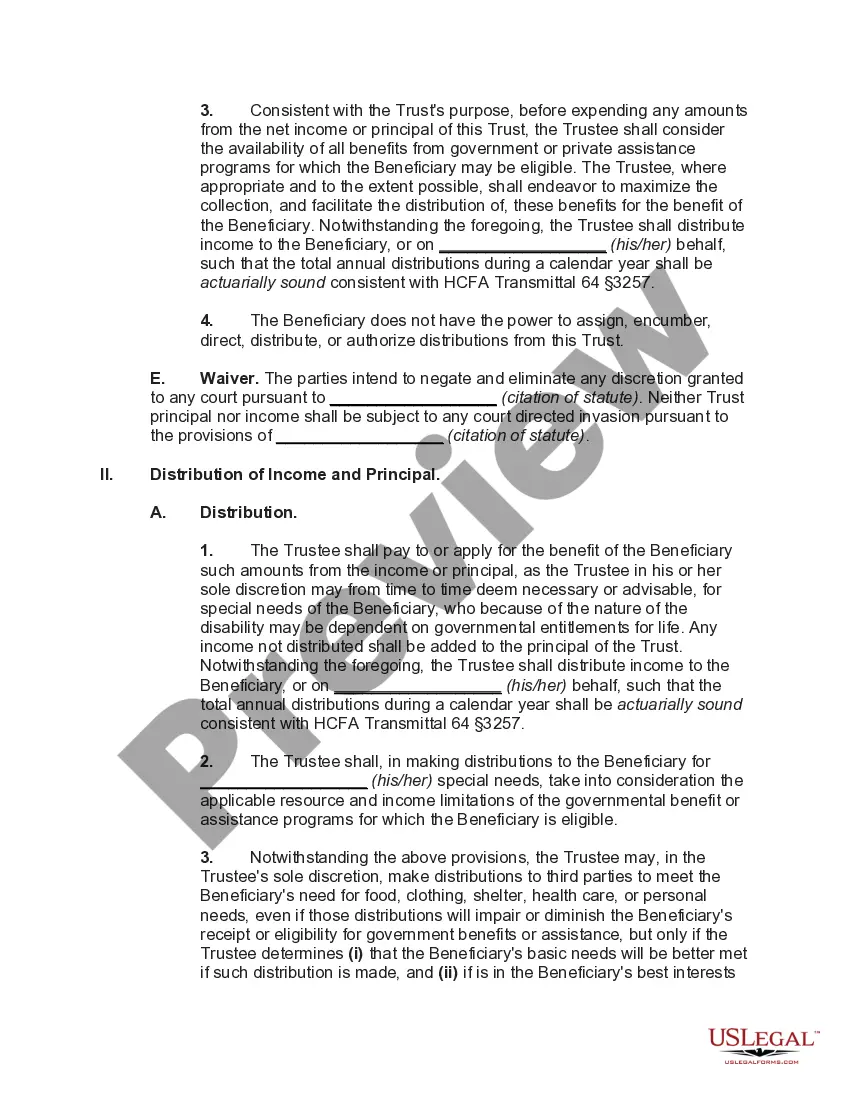
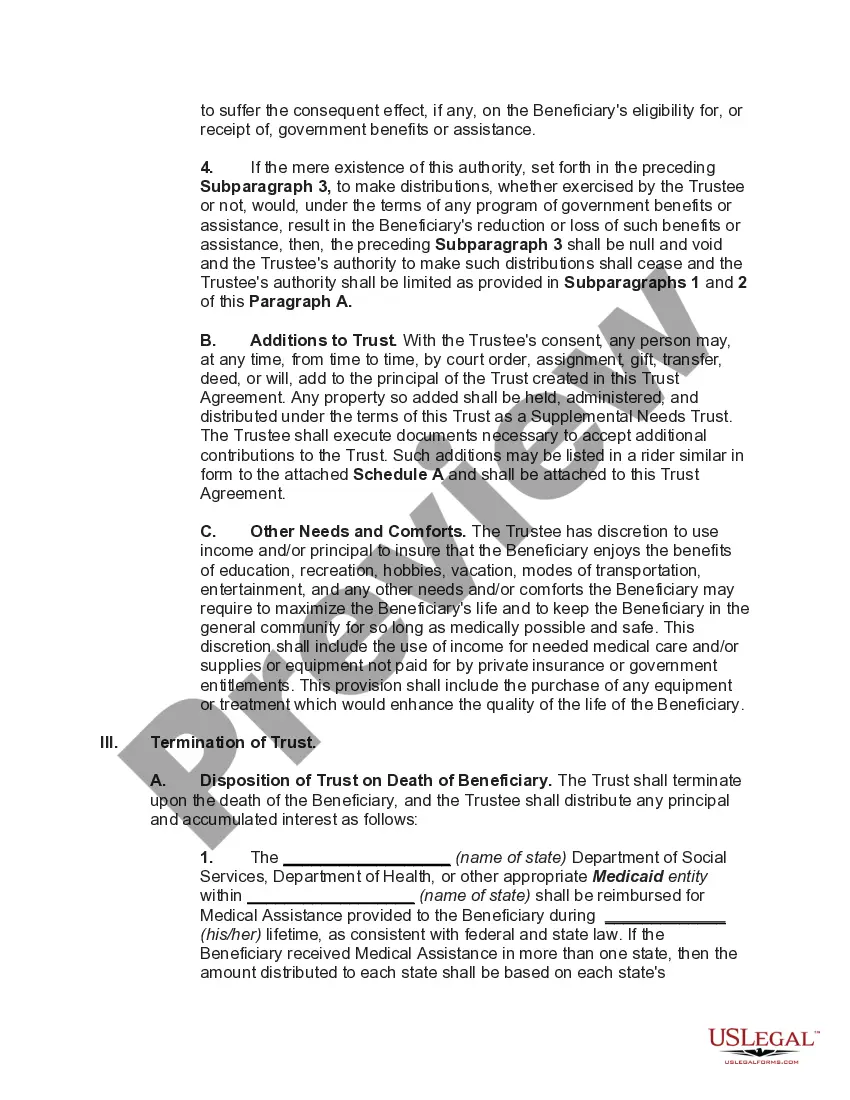
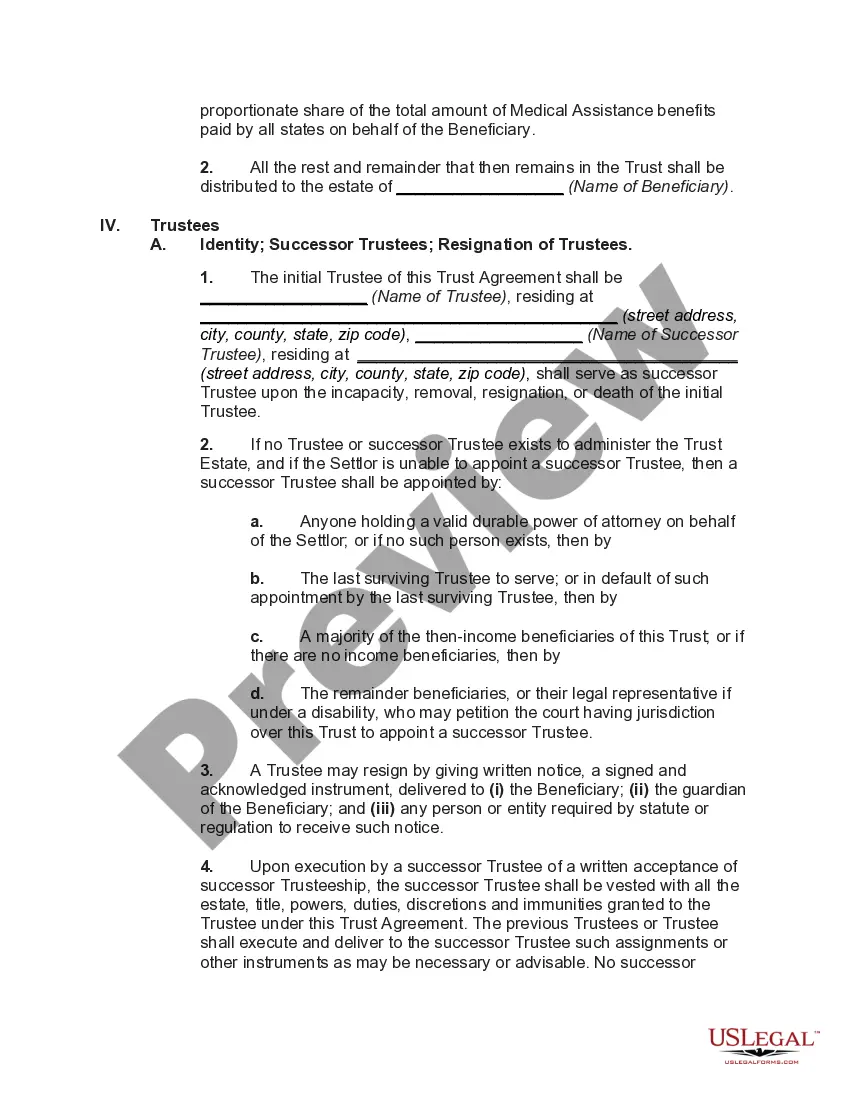
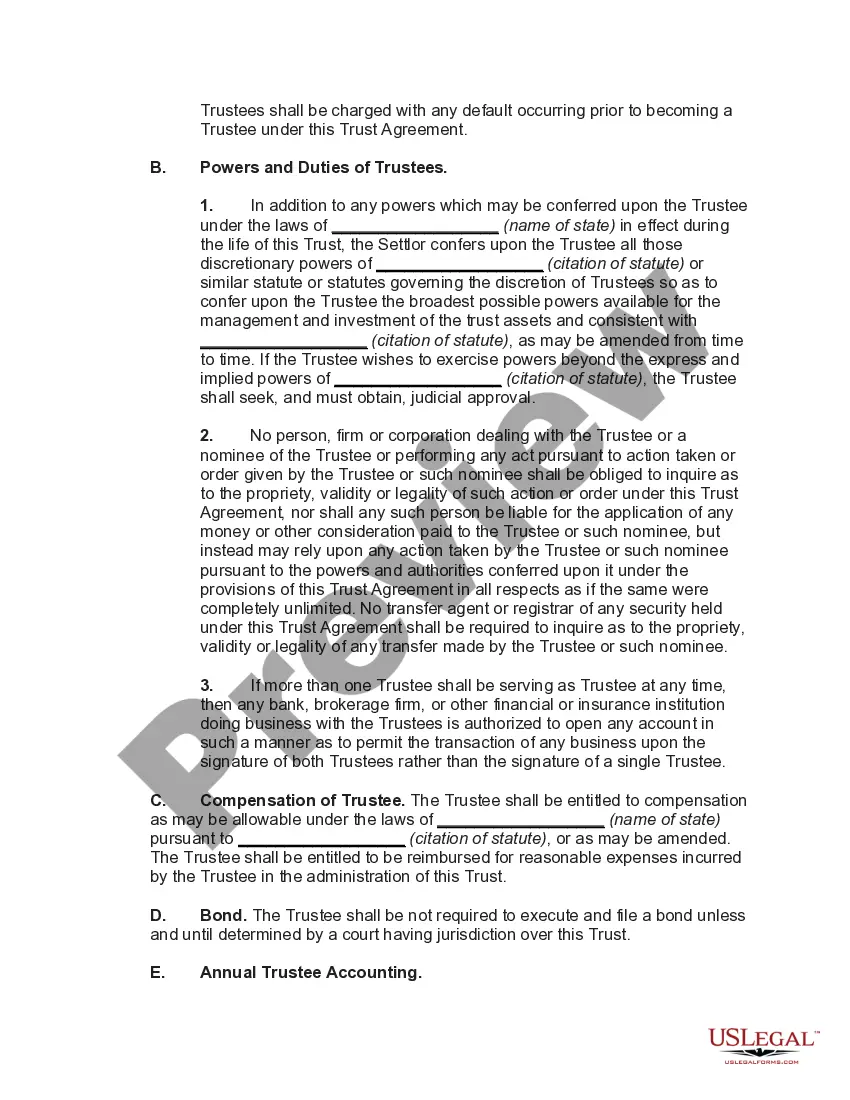
How to fill out Special Needs Irrevocable Trust Agreement For Benefit Of Disabled Child Of Trustor?
- Begin by logging in to your US Legal Forms account. If you're a first-time user, create a new account to get started.
- Review the form description for the Special Trust Contract with IRS in Preview mode. Ensure it aligns with your requirements and adheres to your local jurisdiction.
- If you require a different template, utilize the Search tab to find the correct form that suits your needs.
- Once you pinpoint the right document, click the Buy Now button and select your preferred subscription plan.
- Complete your purchase by entering your payment details using a credit card or PayPal.
- Download the Special Trust Contract form to your device. You can access it anytime in the My Forms menu of your profile.
In conclusion, US Legal Forms simplifies the process of obtaining legal documents like the Special Trust Contract with IRS by providing an accessible and comprehensive platform. With an extensive library and expert assistance, you can ensure that your documents are accurate and legally compliant.
Ready to get started? Visit US Legal Forms today to find your Special Trust Contract with IRS and take control of your legal needs!
Form popularity
FAQ
Yes, special needs trusts are generally required to file tax returns if they generate taxable income. This filing ensures compliance with IRS regulations associated with the special trust contract with IRS. It's advisable to keep thorough records and seek assistance from professionals familiar with special needs trusts to navigate the filing process effectively.
Documenting trust income involves maintaining detailed records of all income sources and expenses. This includes bank statements, investment income, and any distributions made. Utilizing the special trust contract with IRS criteria can help define what should be included as trust income. Accurate documentation is crucial for compliance and future tax filings.
Qualified disability trusts are taxed as separate entities. They can use a special trust contract with IRS provisions to claim specific deductions and credits. It's important to note that these trusts benefit from a higher income threshold before paying taxes, allowing for more financial flexibility. Consulting with a tax advisor can help clarify any complexities.
Yes, a special needs trust typically requires its own tax identification number, known as an EIN. This is essential for tax reporting purposes and ensures that the IRS can correctly process any income generated by the trust. Establishing a special trust contract with IRS guidelines helps outline this requirement and streamline the setup process.
To fill out Form 56, you start by providing the name of the trust, its address, and the employer identification number (EIN). This document serves as a notification to the IRS regarding your special trust contract with IRS while indicating fiduciary responsibility. Follow the instructions carefully and include all required information to avoid delays in processing.
Yes, a trust must file a tax return if it has taxable income or if it has gross income of at least $600. The IRS requires trusts to report their income to ensure proper tax treatment. Specifically, a special trust contract with IRS requirements helps clarify what needs to be reported. Always consult a tax professional for personalized guidance.
To close a trust with the IRS, you must file a final Form 1041 and indicate that it is the final return. Additionally, all tax liabilities must be settled before officially terminating the trust. Engaging with experienced professionals can help ensure that all steps are taken properly, especially regarding the special trust contract with IRS requirements.
Yes, a special needs trust typically requires its own Employer Identification Number (EIN). This EIN is important for tax reporting purposes and should be obtained when you set up the trust. Working with a qualified attorney can assist you in acquiring the appropriate EIN while complying with special trust contract with IRS requirements.
To obtain an IRS transcript for a trust, you can form a request via the IRS's online platform or submit Form 4506-T. This process allows you to access past tax returns and important trust information. Knowing how to navigate these processes is crucial in maintaining accurate records related to your special trust contract with IRS.
While special needs trusts offer many benefits, they also have potential downsides, such as limitations on how funds can be used. Mismanagement can jeopardize the beneficiary's eligibility for essential government benefits. It's important to carefully plan the trust with expertise in special trust contracts with IRS guidelines to avoid any pitfalls that could arise.