Special Trust Child Statement For The Child
Description
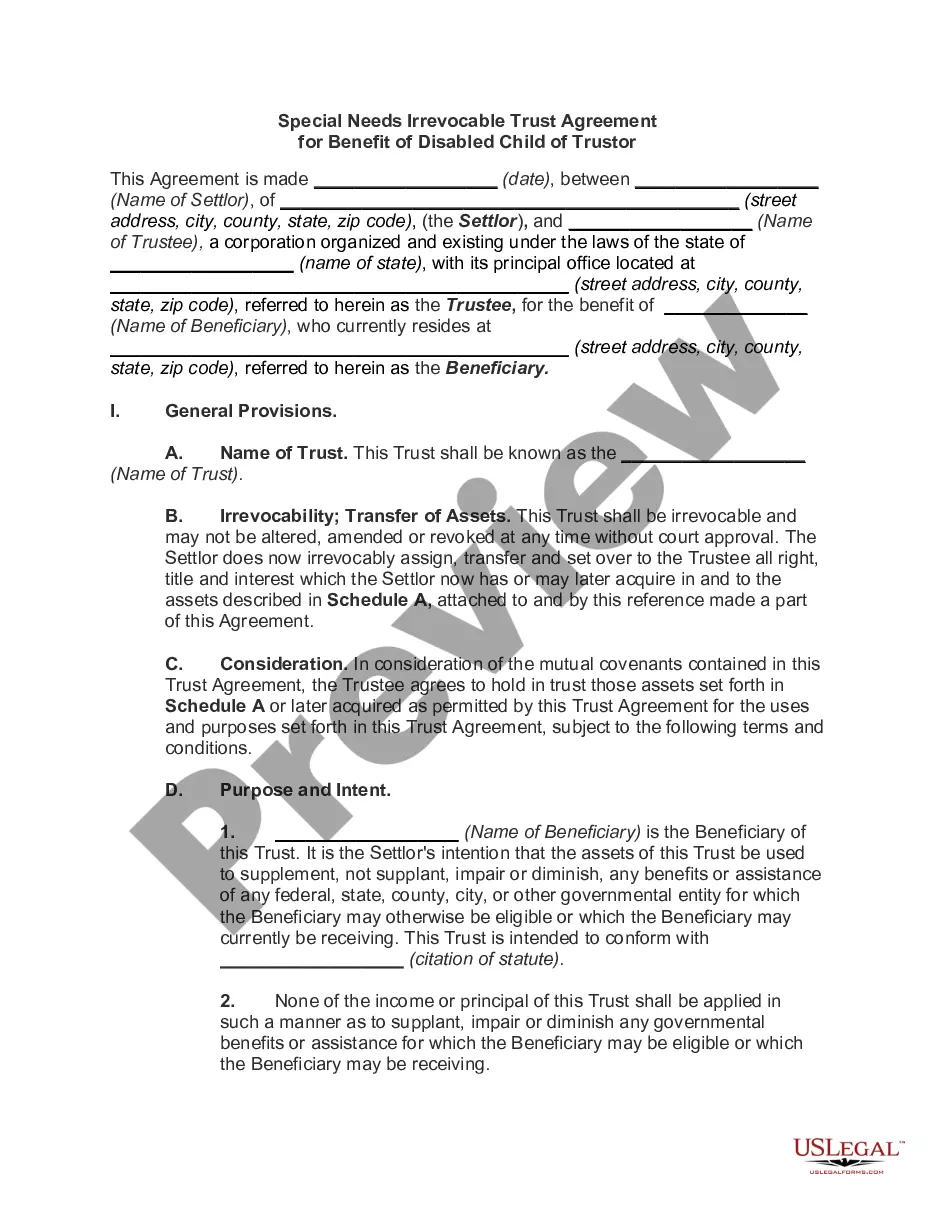
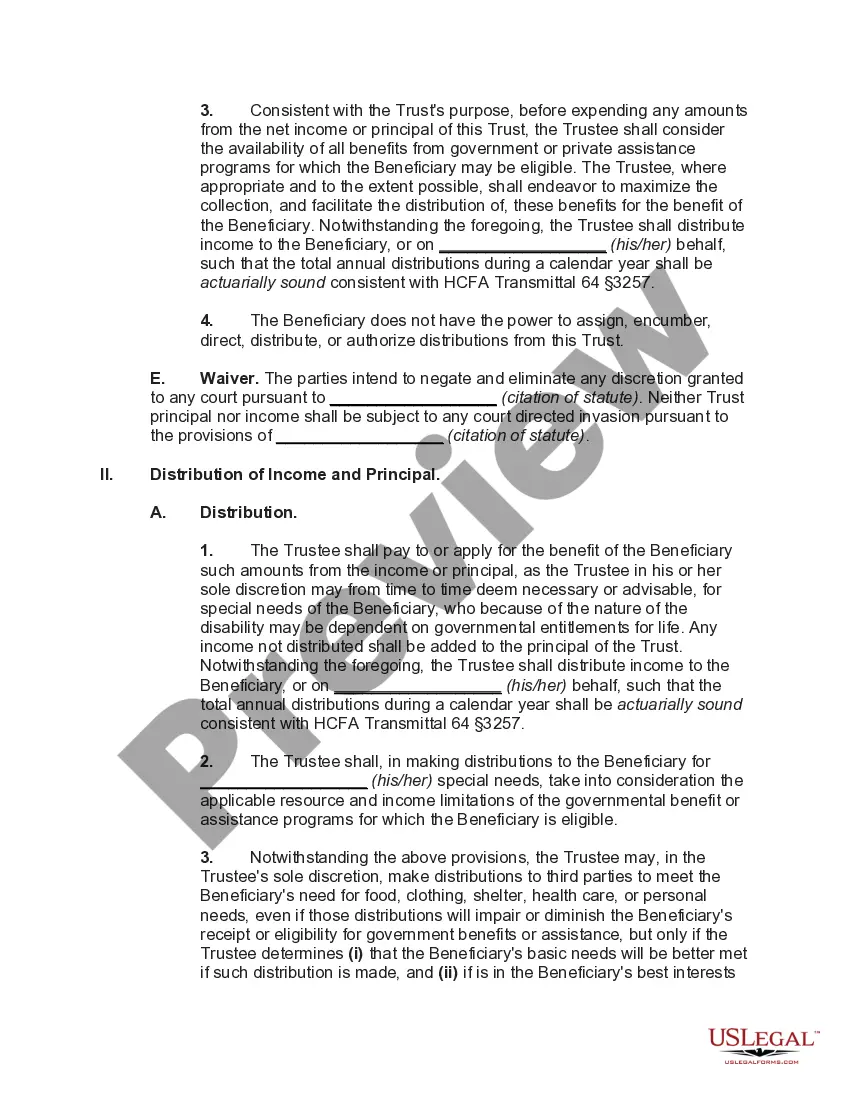
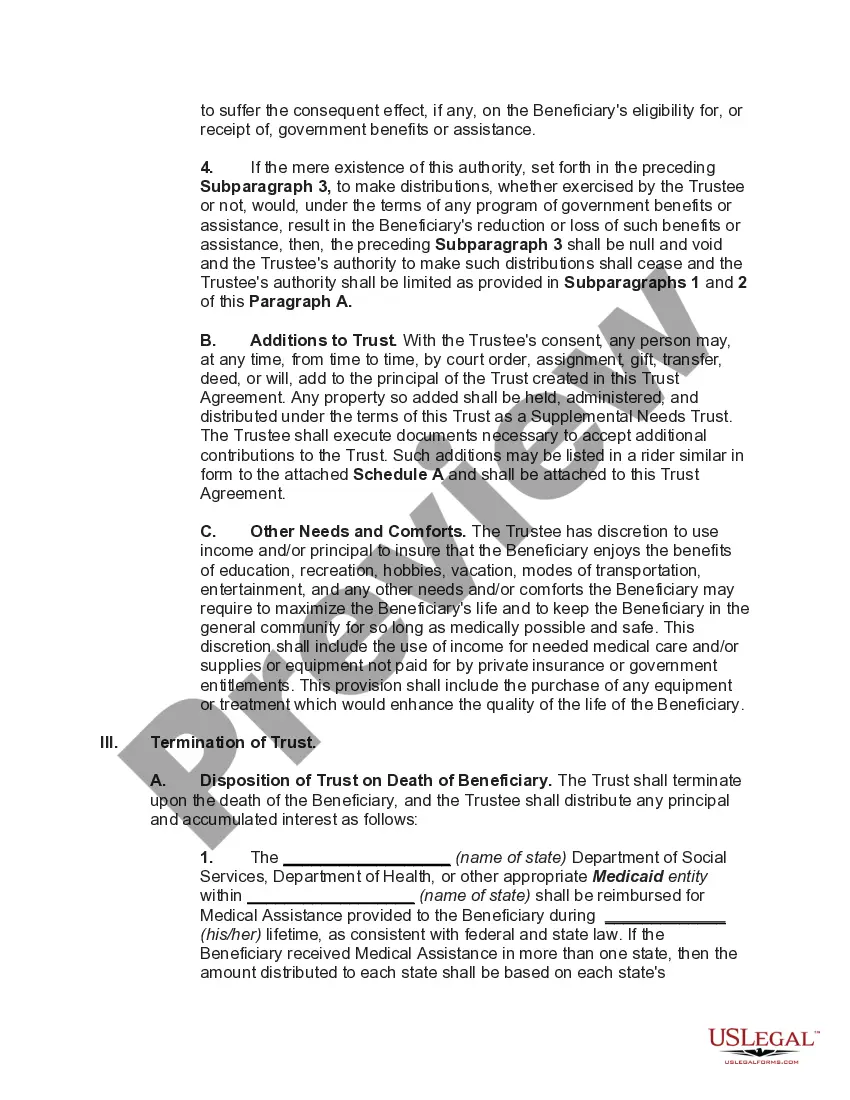
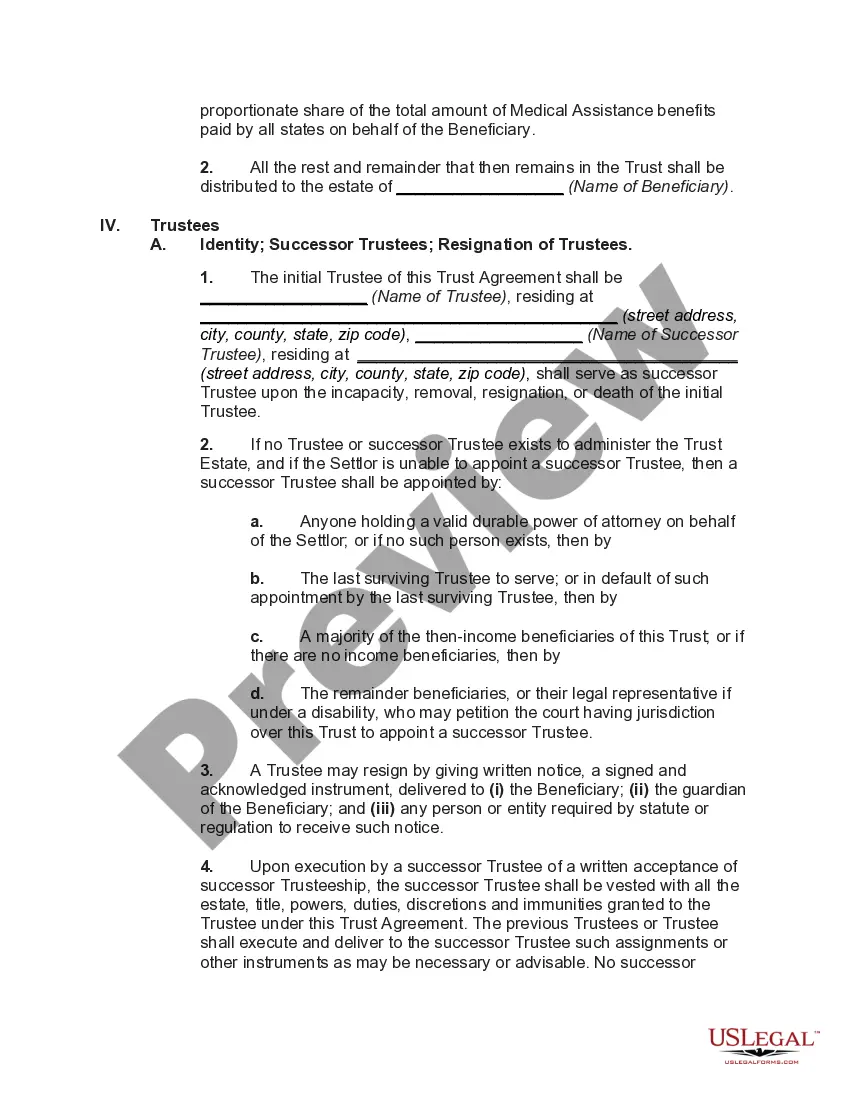



Get your form ready online
Our built-in tools help you complete, sign, share, and store your documents in one place.
Make edits, fill in missing information, and update formatting in US Legal Forms—just like you would in MS Word.
Download a copy, print it, send it by email, or mail it via USPS—whatever works best for your next step.
Sign and collect signatures with our SignNow integration. Send to multiple recipients, set reminders, and more. Go Premium to unlock E-Sign.
If this form requires notarization, complete it online through a secure video call—no need to meet a notary in person or wait for an appointment.
We protect your documents and personal data by following strict security and privacy standards.

Make edits, fill in missing information, and update formatting in US Legal Forms—just like you would in MS Word.

Download a copy, print it, send it by email, or mail it via USPS—whatever works best for your next step.

Sign and collect signatures with our SignNow integration. Send to multiple recipients, set reminders, and more. Go Premium to unlock E-Sign.

If this form requires notarization, complete it online through a secure video call—no need to meet a notary in person or wait for an appointment.

We protect your documents and personal data by following strict security and privacy standards.
Looking for another form?



How to fill out Special Needs Irrevocable Trust Agreement For Benefit Of Disabled Child Of Trustor?
- If you are an existing user, log in to your account and access your previously downloaded forms. Ensure your subscription remains active to avoid disruptions.
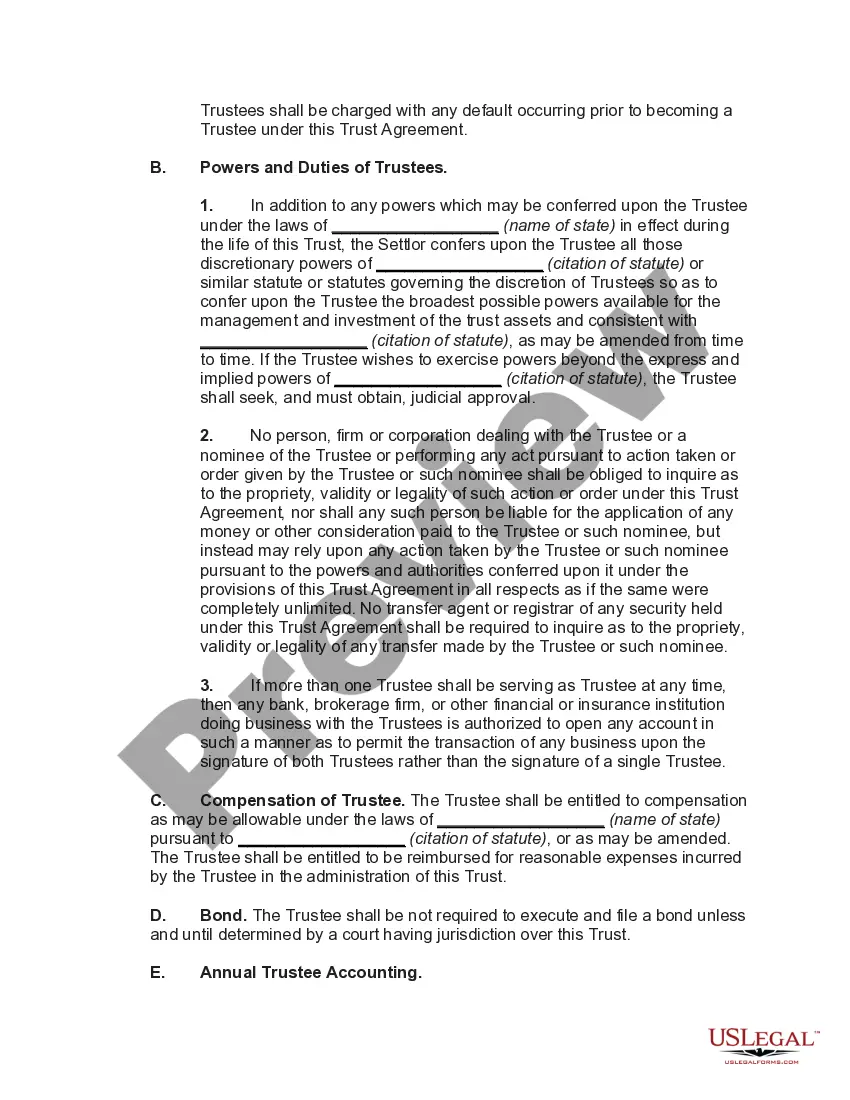
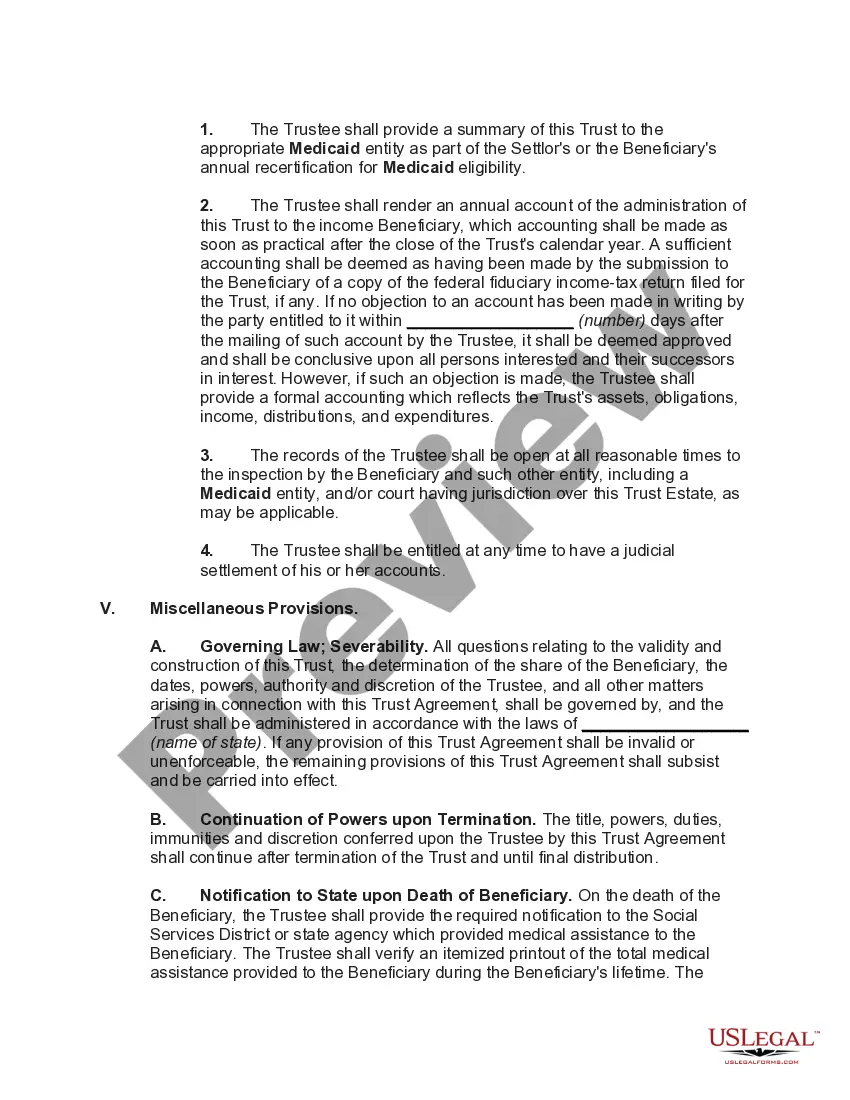
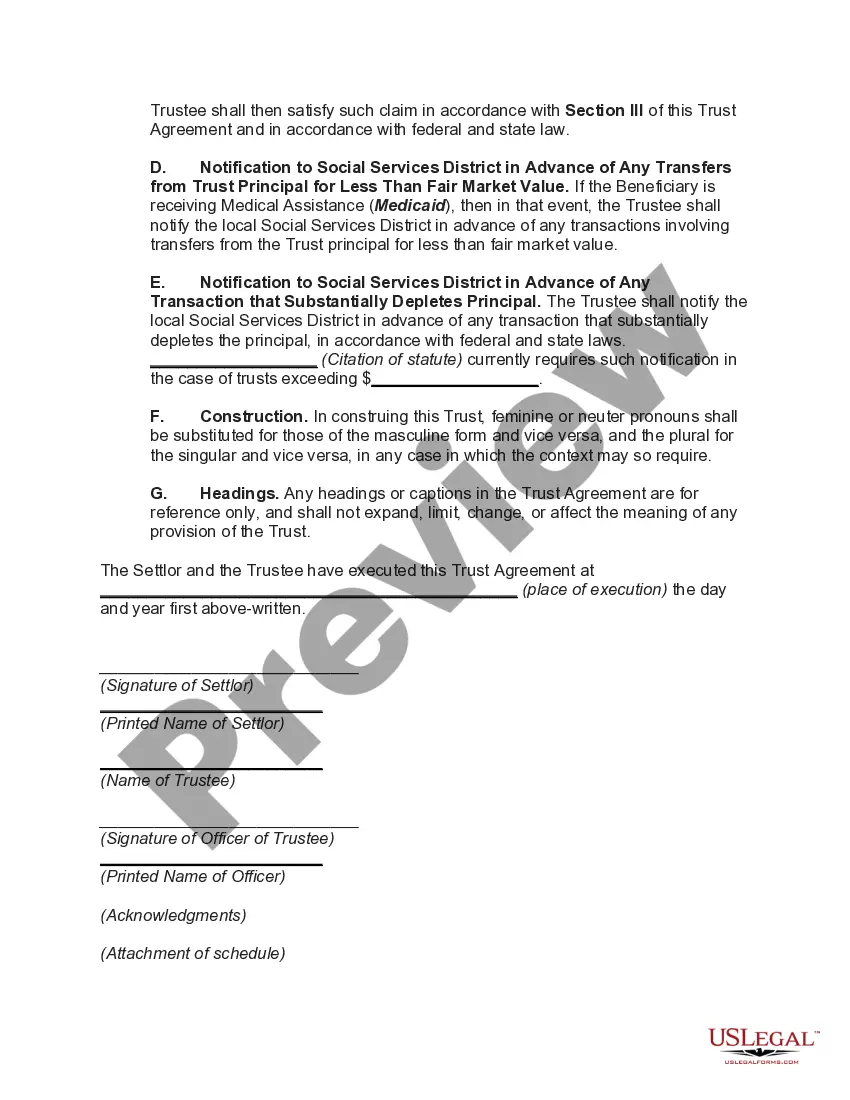
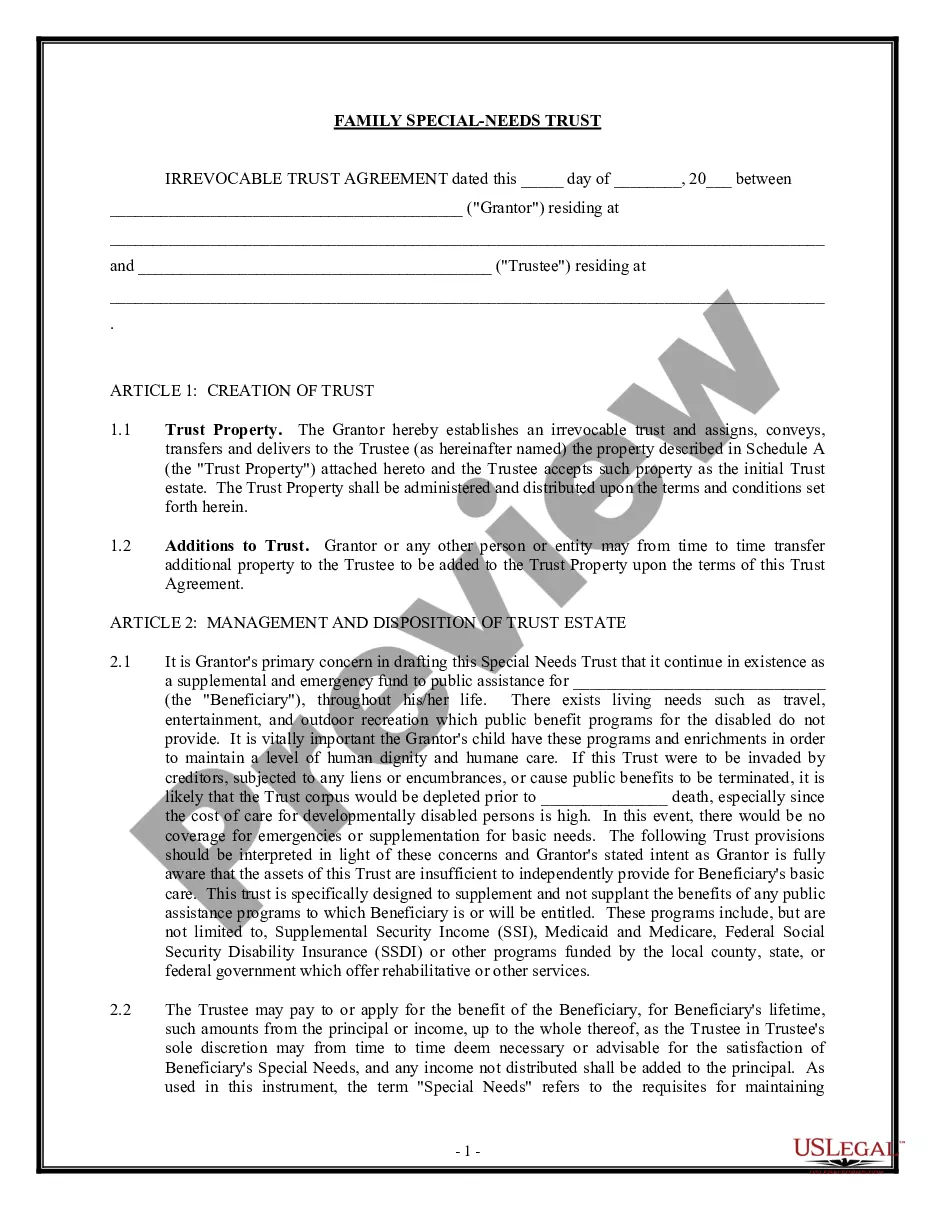
- For first-time users, start by exploring the Preview mode and description of the special trust child statement. Verify that it meets your specific needs and aligns with jurisdictional requirements.
- If the document is not what you need, use the search function to find an alternative template that fits your criteria.
- Once satisfied, click the Buy Now button to select your preferred subscription plan. Remember, creating an account is necessary for full access to the library.
- Complete your purchase by entering your payment information either through credit card or PayPal.
- Download the statement to your device for easy access and fill it out as required. You can also find it in the My Forms section of your profile.
In conclusion, US Legal Forms offers a convenient way to create a special trust child statement for the child that is both comprehensive and legally compliant. With an extensive collection of forms and expert assistance available, you can confidently navigate the document preparation process.
Start by exploring US Legal Forms today and make your legal document journey seamless!
Form popularity
FAQ
One downside of a special needs trust is the associated administrative costs. These costs can include fees for legal advice, trustee services, and accounting. Additionally, if not set up properly, the trust could inadvertently affect eligibility for government assistance. It's important to do thorough research or seek guidance from professionals to avoid these pitfalls.
Yes, a trustee may need to file a tax return if the trust generates income. This is crucial to ensure compliance with tax regulations. Understanding these obligations can be complicated, so it’s beneficial to consult with a tax advisor or legal firm that can offer tailored advice, such as those found at US Legal Forms.
Setting up a trust for a special needs child involves several steps. First, determine the type of trust that best fits your child’s needs. Then, designate a trustee who understands the responsibilities involved. Utilizing services from US Legal Forms can simplify this process, providing you with the necessary templates and legal advice.
The minimum amount to establish a trust varies based on state laws and the specific type of trust. Some trusts can be set up with a nominal amount, but having a sensible amount, like several thousand dollars, is preferred to cover administrative costs. For precise guidance, examine resources on platforms like US Legal Forms.
Choosing between a special needs trust and an ABLE account depends on your child's needs. A special needs trust provides more flexibility for larger sums, while an ABLE account offers tax advantages for certain expenses. Consider your child's situation and goals carefully, and consulting with a legal expert can help clarify the best option.
You typically need to file a tax return for a special needs trust if it generates income. This income usually requires filing IRS Form 1041. Understanding the tax obligations can be complex, so it's wise to consult a tax professional or use tools like US Legal Forms to navigate these requirements confidently.
Yes, there is a limit on special needs trust assets. The assets must not exceed certain thresholds set by federal regulations. This ensures that the trust does not interfere with the child’s eligibility for government benefits. For more guidance, consider utilizing a resource like US Legal Forms to understand these limits better.
The role of a special trustee is to manage assets in a trust specifically designed for a child, ensuring that those assets are used for their benefit. A special trust child statement for the child outlines the responsibilities of the trustee, detailing how the funds should be accessed and utilized. This arrangement helps in safeguarding the child’s financial future while ensuring that the trust operates according to the legal framework. By appointing a special trustee, you can create a protective environment for your child's inheritance, making their needs the priority.
The most common mistake parents make when establishing a trust fund is not being specific enough in the trust document. Failing to clearly define the benefits and conditions can lead to confusion and legal issues down the line. A comprehensive special trust child statement for the child should outline the terms and intentions clearly. Engaging with a professional can greatly reduce this risk.
While special needs trusts provide numerous benefits, they do have some disadvantages. One key concern is the legal complexity involved in setting them up, which can be overwhelming. Additionally, if not correctly managed, the trust could inadvertently affect eligibility for government benefits. Always create a clear special trust child statement for the child to guide decisions and minimize risks.