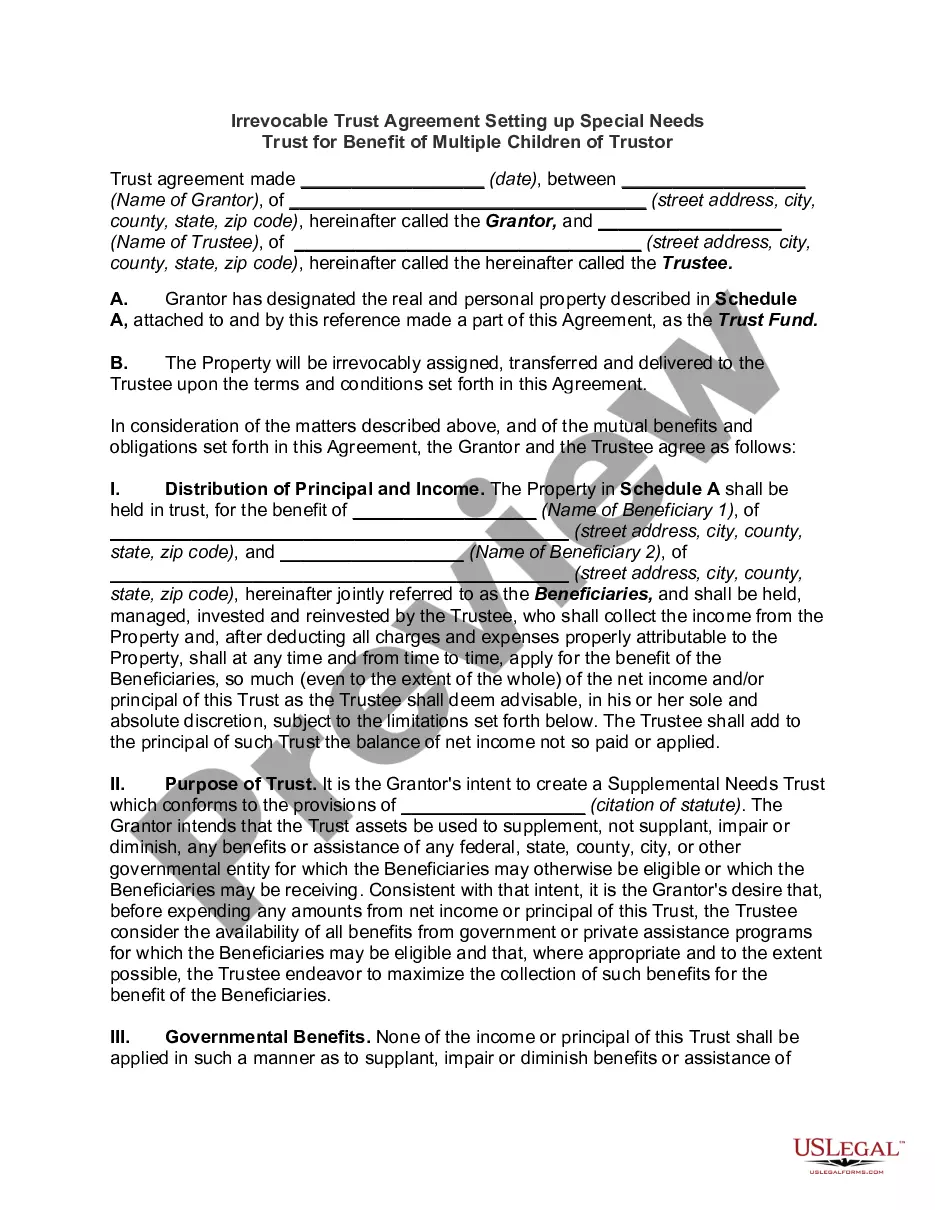
Special Needs Trustor Order With The United States
Description

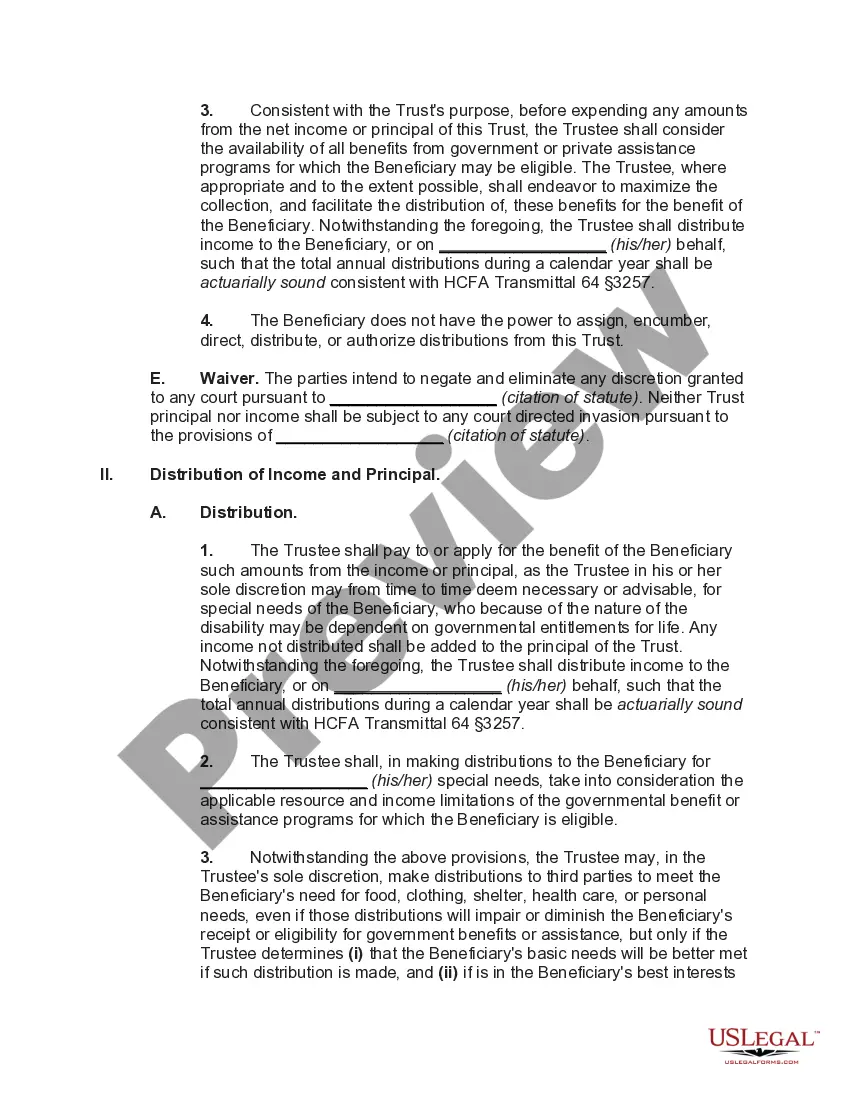
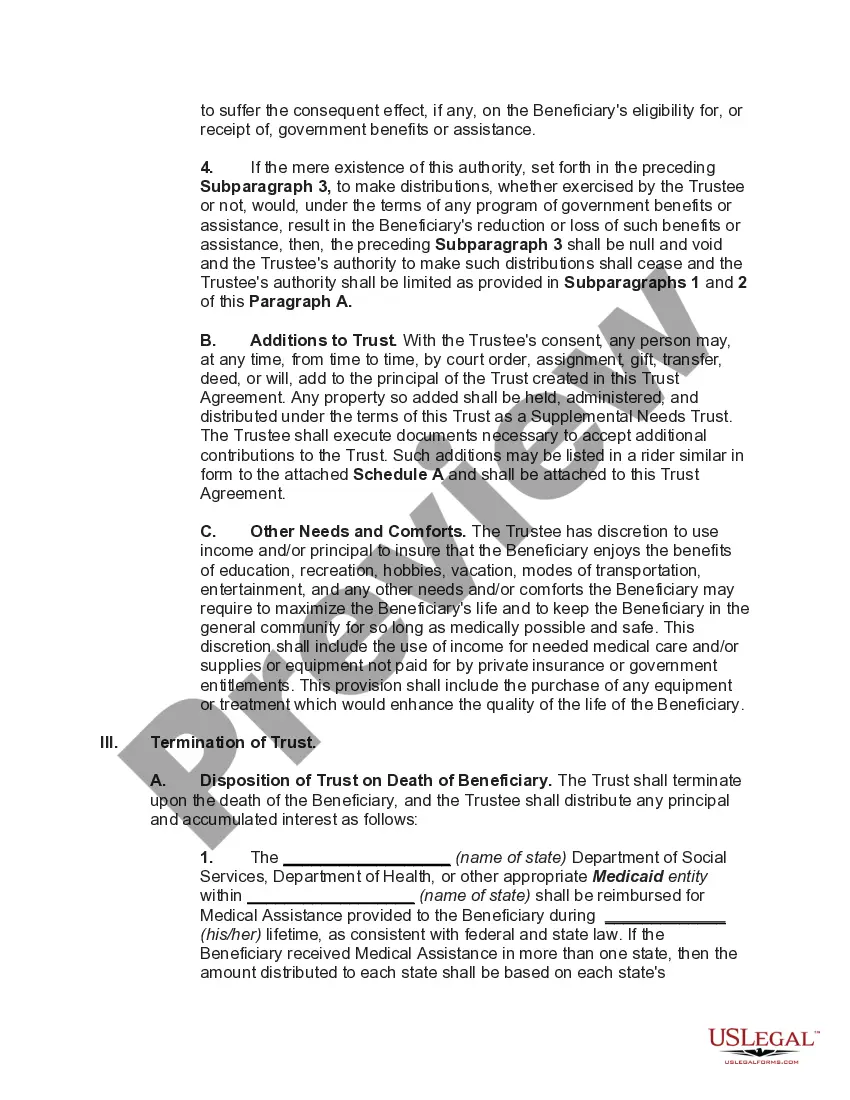
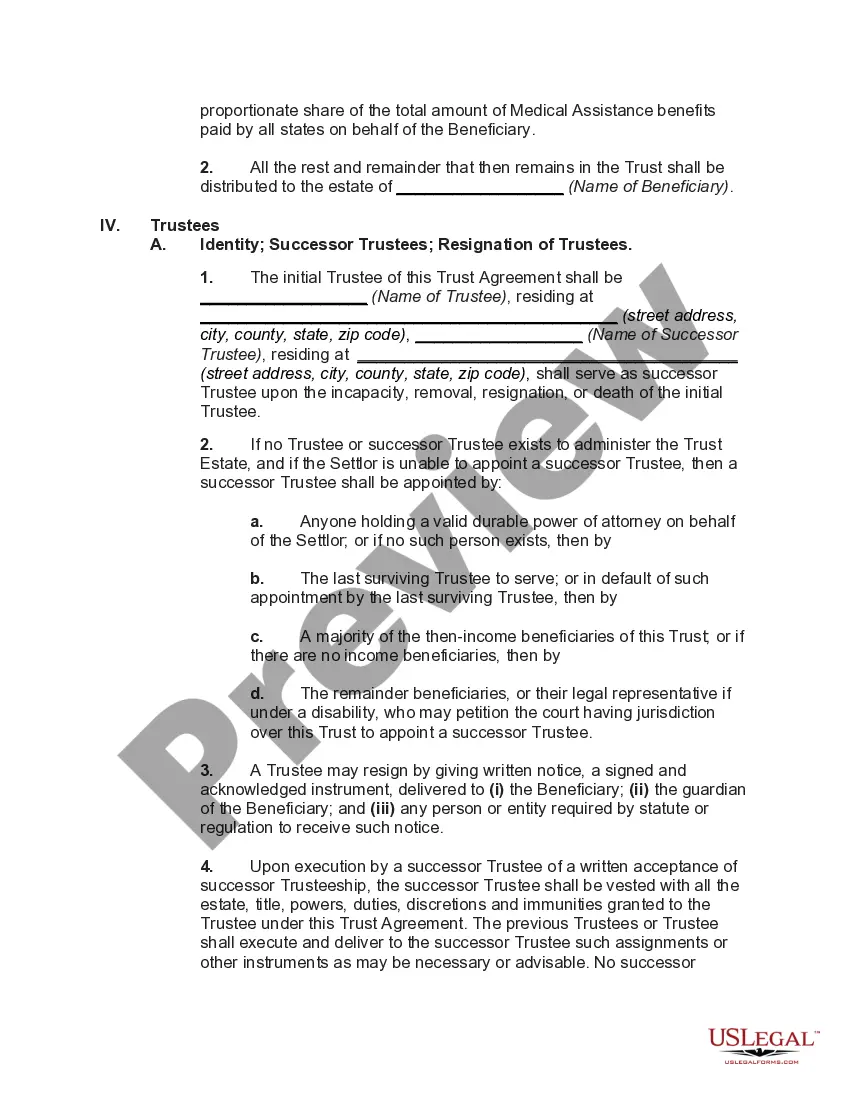
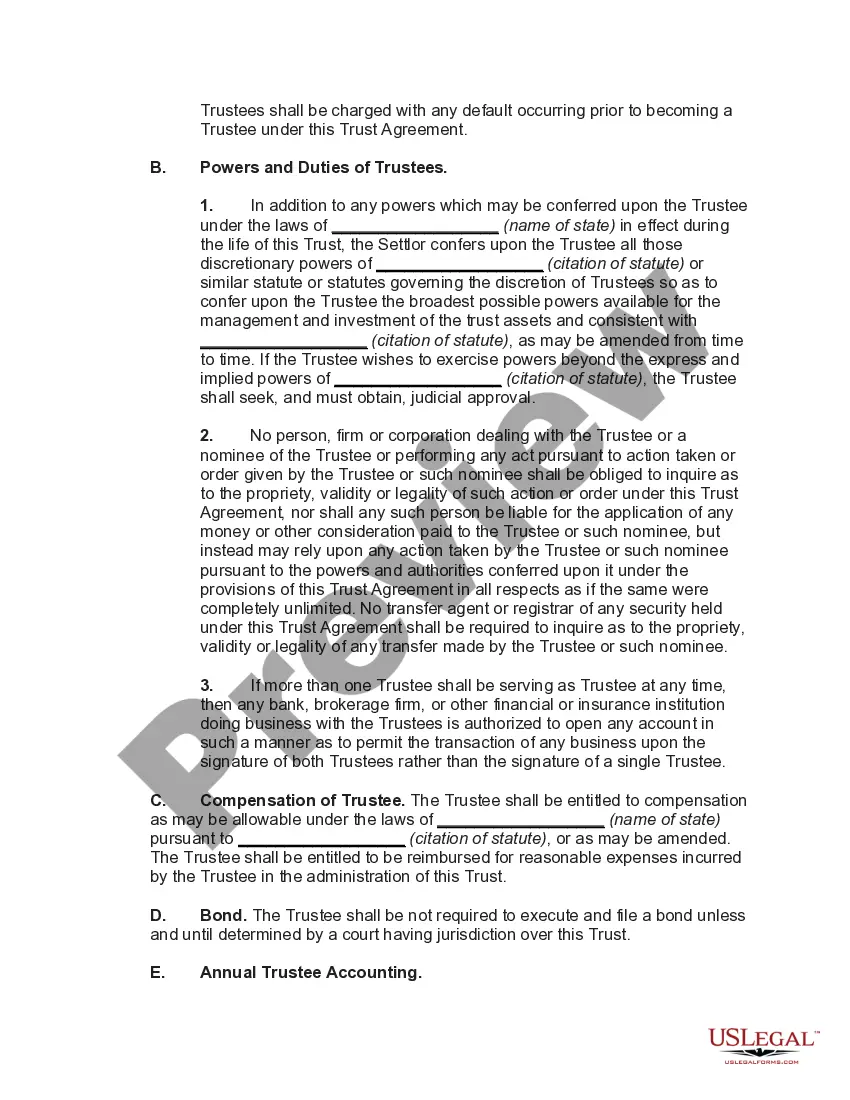

Get your form ready online
Our built-in tools help you complete, sign, share, and store your documents in one place.
Make edits, fill in missing information, and update formatting in US Legal Forms—just like you would in MS Word.
Download a copy, print it, send it by email, or mail it via USPS—whatever works best for your next step.
Sign and collect signatures with our SignNow integration. Send to multiple recipients, set reminders, and more. Go Premium to unlock E-Sign.
If this form requires notarization, complete it online through a secure video call—no need to meet a notary in person or wait for an appointment.
We protect your documents and personal data by following strict security and privacy standards.

Make edits, fill in missing information, and update formatting in US Legal Forms—just like you would in MS Word.

Download a copy, print it, send it by email, or mail it via USPS—whatever works best for your next step.

Sign and collect signatures with our SignNow integration. Send to multiple recipients, set reminders, and more. Go Premium to unlock E-Sign.

If this form requires notarization, complete it online through a secure video call—no need to meet a notary in person or wait for an appointment.

We protect your documents and personal data by following strict security and privacy standards.
Looking for another form?
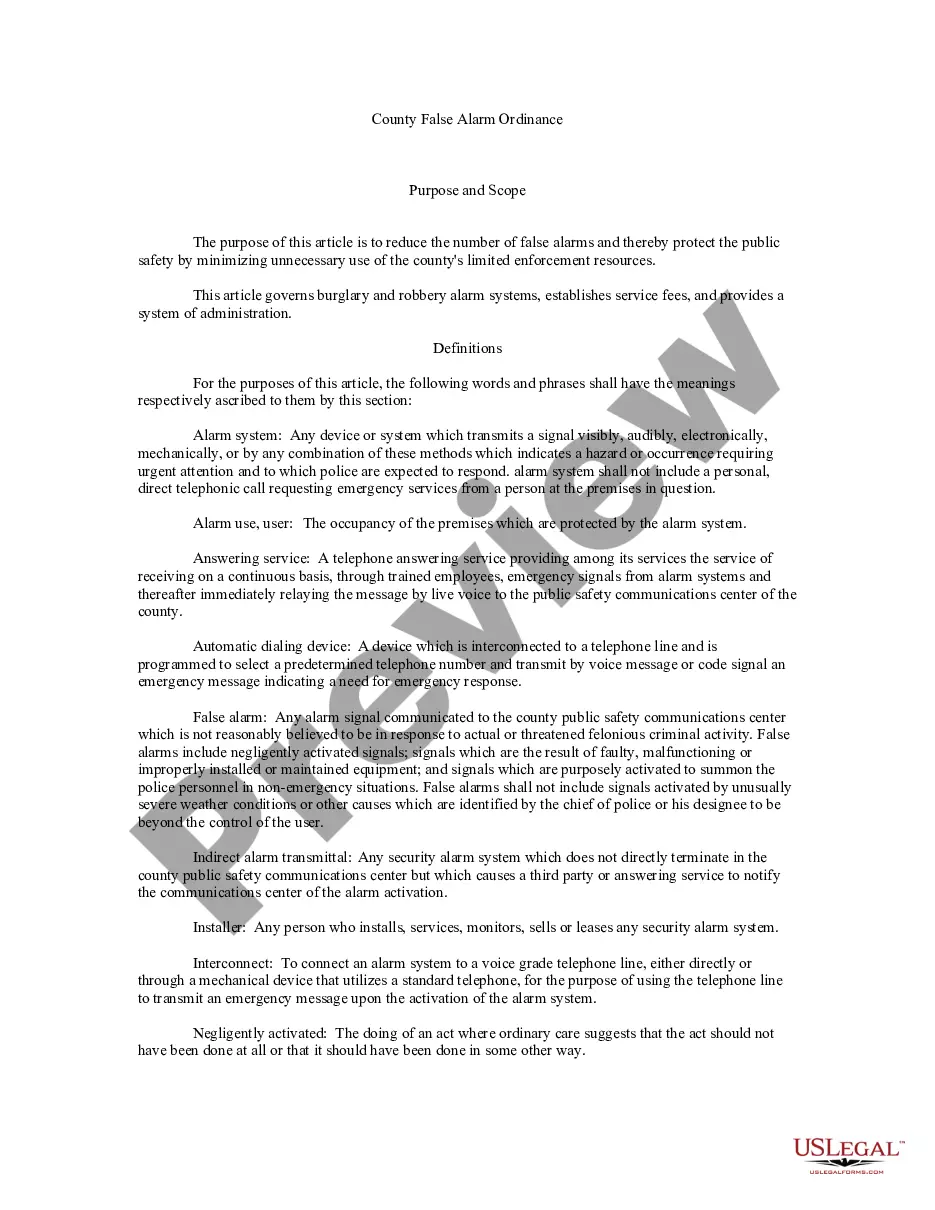


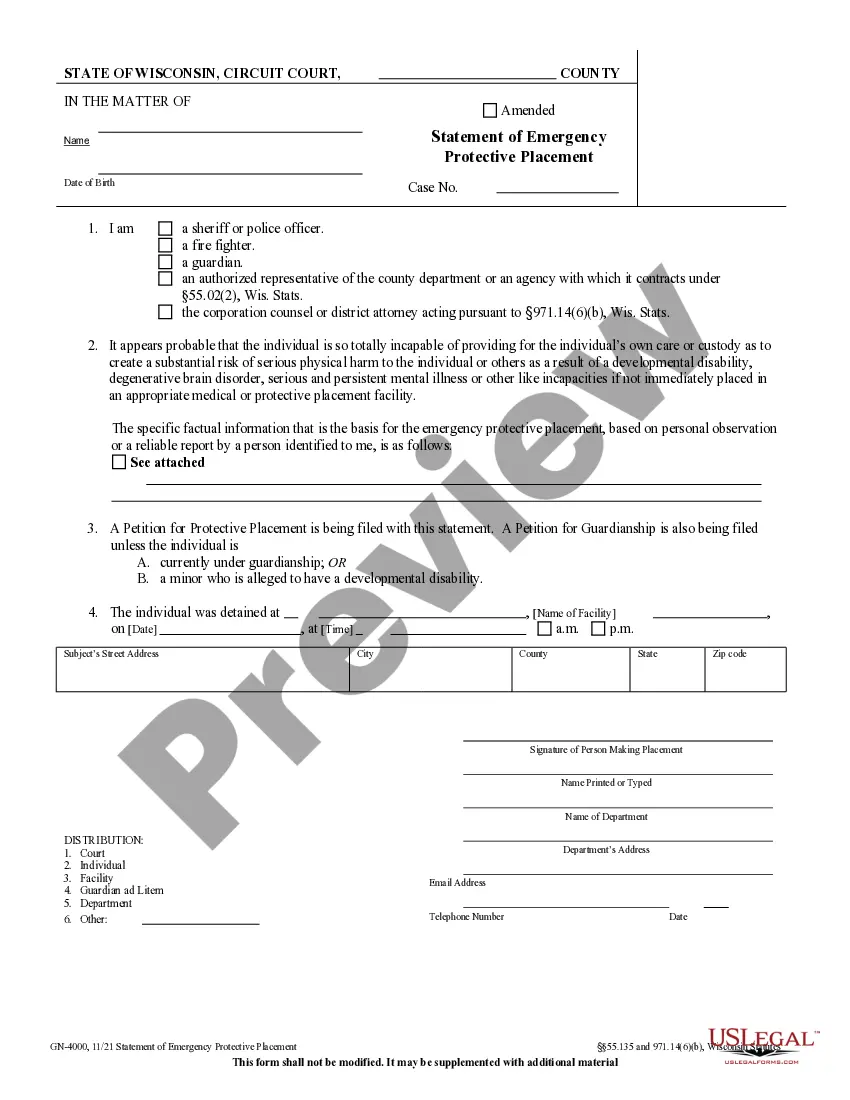
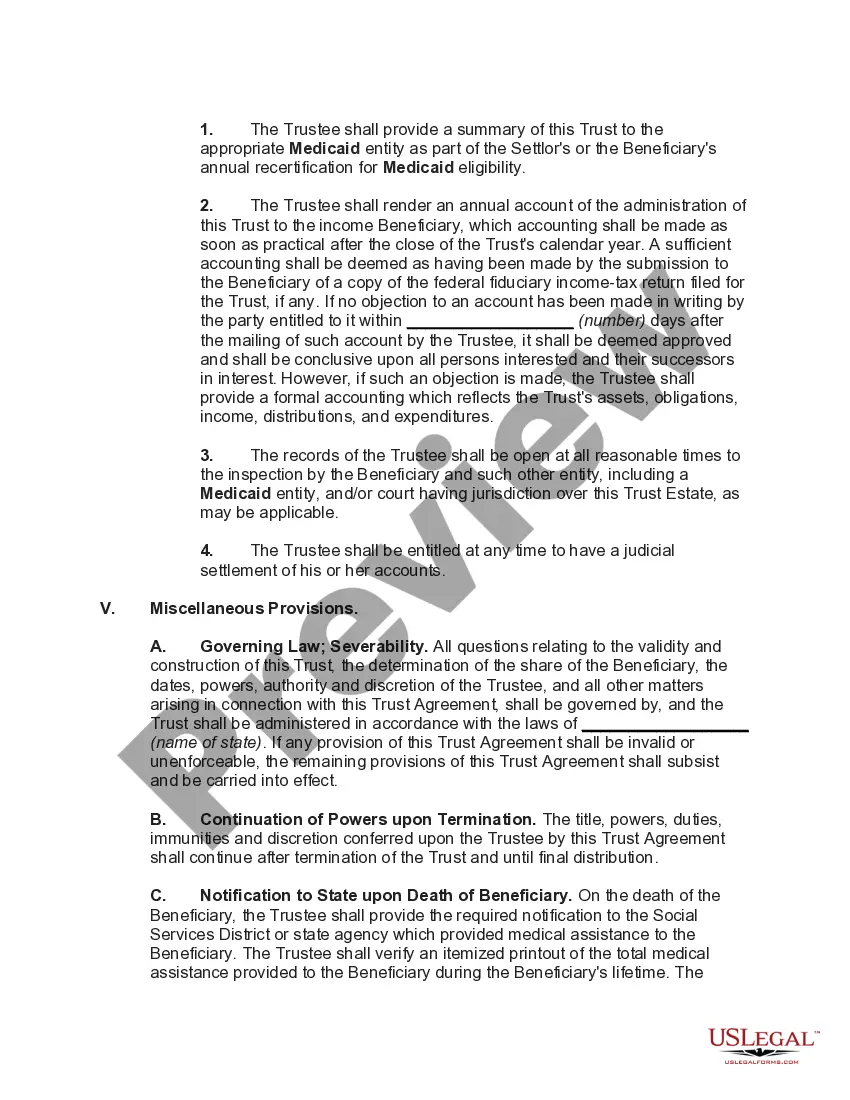
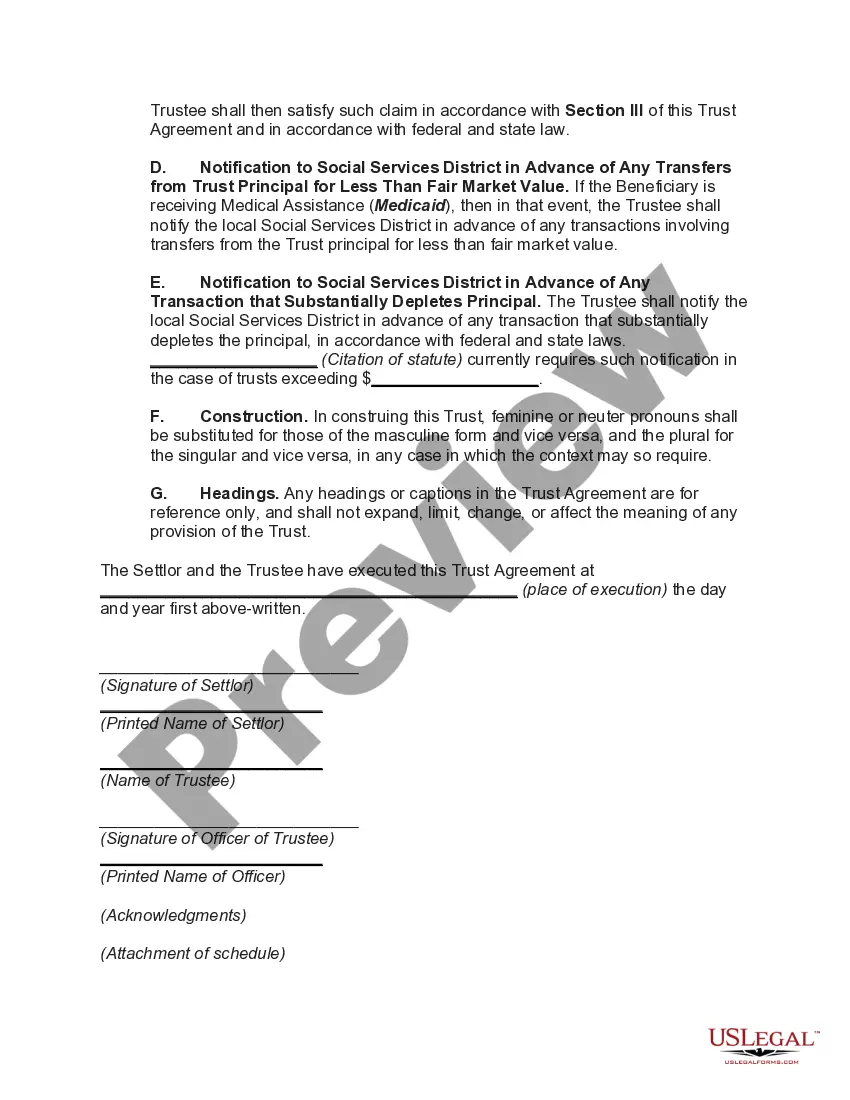
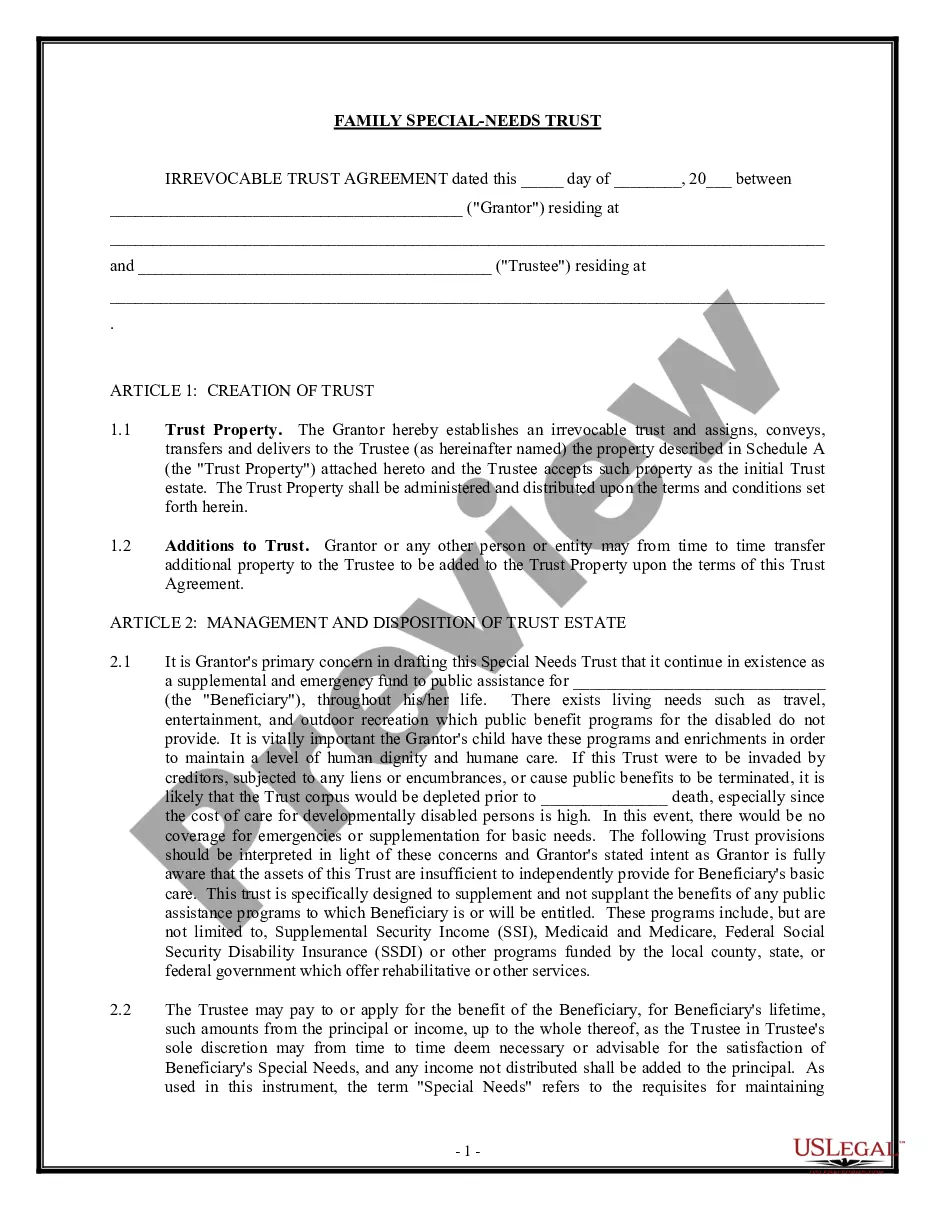
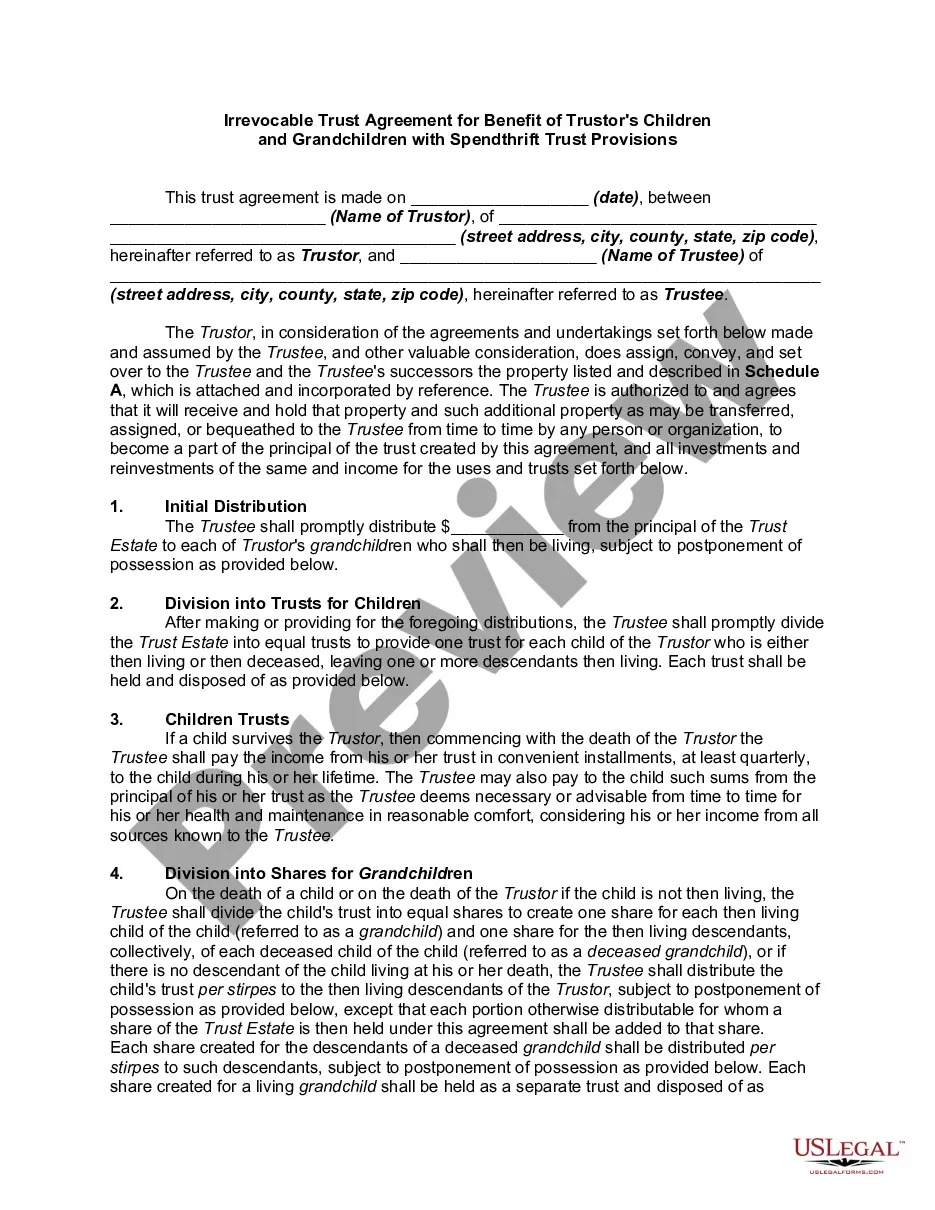
How to fill out Special Needs Irrevocable Trust Agreement For Benefit Of Disabled Child Of Trustor?
- If you already have an account with US Legal Forms, simply log in to access your dashboard and download the required form templates. Ensure that your subscription is active; otherwise, renew your plan.
- For first-time users, begin by exploring the Preview mode of the forms available. Verify you select the one that aligns with your needs and adheres to your local jurisdiction's rules.
- If necessary, utilize the Search tab to find alternative templates if your initial choice does not fit. Once you've found the right form, proceed.
- To purchase the document, click 'Buy Now' and select your subscription plan. You will need to register an account to gain access to their resource library.
- Finalize your purchase by entering your payment details, such as a credit card or PayPal account, to complete the transaction.
- Once your purchase is successful, download your form to your device. You can access it at any time from the My Forms section of your profile.
In conclusion, US Legal Forms stands out with its extensive collection of over 85,000 legal forms, more than any competitor for a similar cost. With access to premium experts, you can ensure your documents are completed correctly and are up to legal standards.
Start creating your special needs trustor order today with US Legal Forms for a hassle-free experience!
Form popularity
FAQ
The best trust for a special needs child typically depends on the child's unique needs and circumstances. A third-party special needs trust is often recommended as it can protect the child’s eligibility for public benefits while ensuring they receive financial support. Consulting with legal and financial professionals familiar with the special needs trustor order with the United States is a wise step to determine the best option.
The trust itself is responsible for filing taxes if it generates income. This means the trustee usually files Form 1041, the U.S. Income Tax Return for Estates and Trusts. Understanding these tax obligations is crucial for maintaining compliance with the special needs trustor order with the United States, and seeking advice from a tax professional can simplify this process.
While it's technically possible to set up a special needs trust without a lawyer, it is highly discouraged. The complexity of federal and state regulations surrounding the special needs trustor order with the United States requires legal expertise to navigate effectively. Engaging an attorney ensures the trust meets legal standards and truly serves its purpose.
The minimum amount required to establish a special needs trust can vary, often ranging from a few thousand dollars to significantly more. Establishing a trust with a larger amount may offer greater benefits, such as improved management and investment options. However, legal costs and other fees can also impact this minimum, making it important to consider these factors in light of the special needs trustor order with the United States.
Setting up a trust for a special needs child involves several key steps. First, you should determine your goals and the type of special needs trust that fits your child's circumstances. After that, you'll need to draft the trust document, ideally with the help of a qualified attorney familiar with the laws surrounding the special needs trustor order with the United States. Following these steps ensures that your child's financial future remains secure.
The three primary types of special needs trusts include first-party, third-party, and pooled trusts. A first-party trust is funded with the disabled person's assets, whereas a third-party trust is funded by family or friends. Pooled trusts are managed by nonprofit organizations, pooling resources for multiple beneficiaries. Each type addresses different needs within the framework of a special needs trustor order with the United States.
While special needs trusts offer significant advantages, they also come with disadvantages. For instance, certain fees may apply when establishing and maintaining the trust. Additionally, the complexity of these trusts can create challenges, especially when navigating the legal landscape of the Special needs trustor order with the United States. It's essential to evaluate these factors carefully.
The federal statute governing special needs trusts is primarily found under the Omnibus Budget Reconciliation Act of 1993. This law allows individuals with disabilities to have certain assets set aside in a trust, without affecting eligibility for public assistance programs. It's essential to adhere to these regulations while setting up or managing a trust. For more clarity on these statutes, USLegalForms provides detailed information and tools.
The exemption amount for a qualified disability trust allows the trust to have a certain amount of income without jeopardizing government benefits. As of recent guidelines, this exemption is often adjusted for inflation, so it’s important to check current amounts. Keeping abreast of these figures is vital for managing your trust wisely. For up-to-date information, USLegalForms can be an invaluable resource.
Setting up a special needs trust involves a few key steps. First, you need to determine the type of trust that best fits your needs and the needs of the beneficiary. Next, you typically consult with an attorney specializing in estate planning to draft the trust document, ensuring it complies with the laws of the United States. To simplify this process, USLegalForms offers templates and resources to guide you through the setup.