Special Needs Trustor Contract For Service
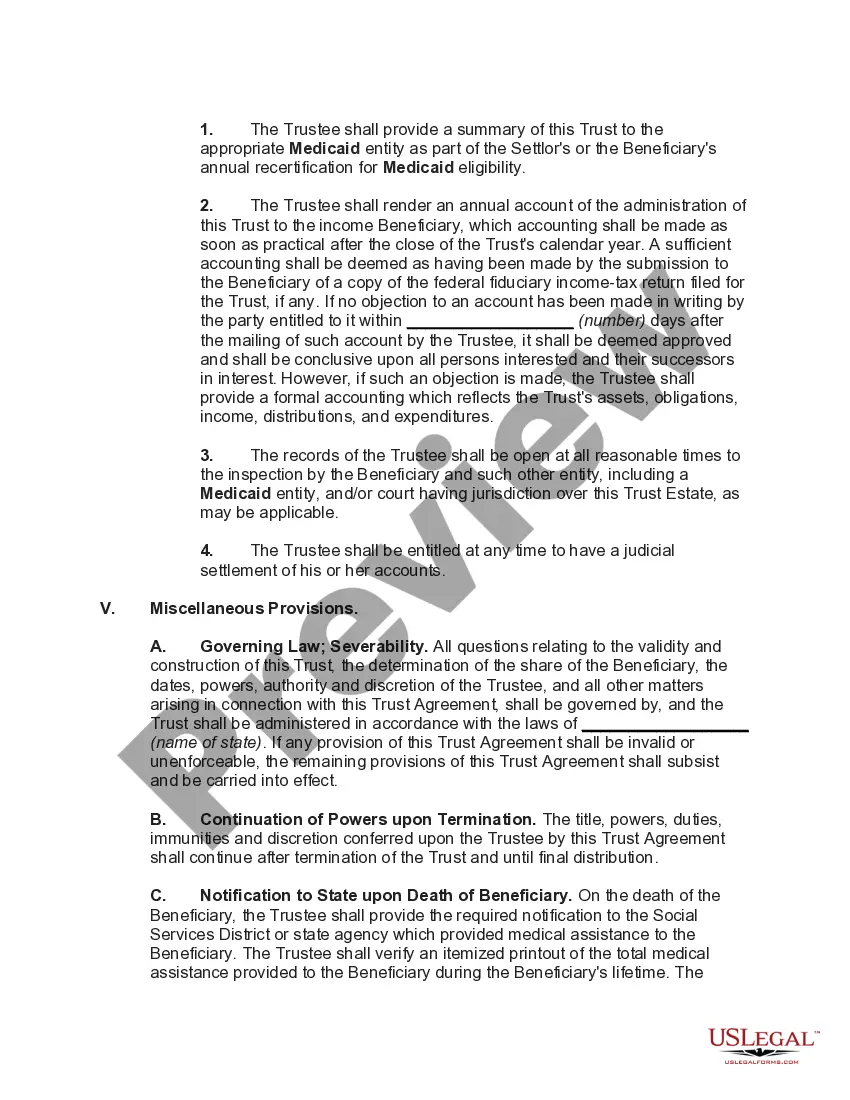
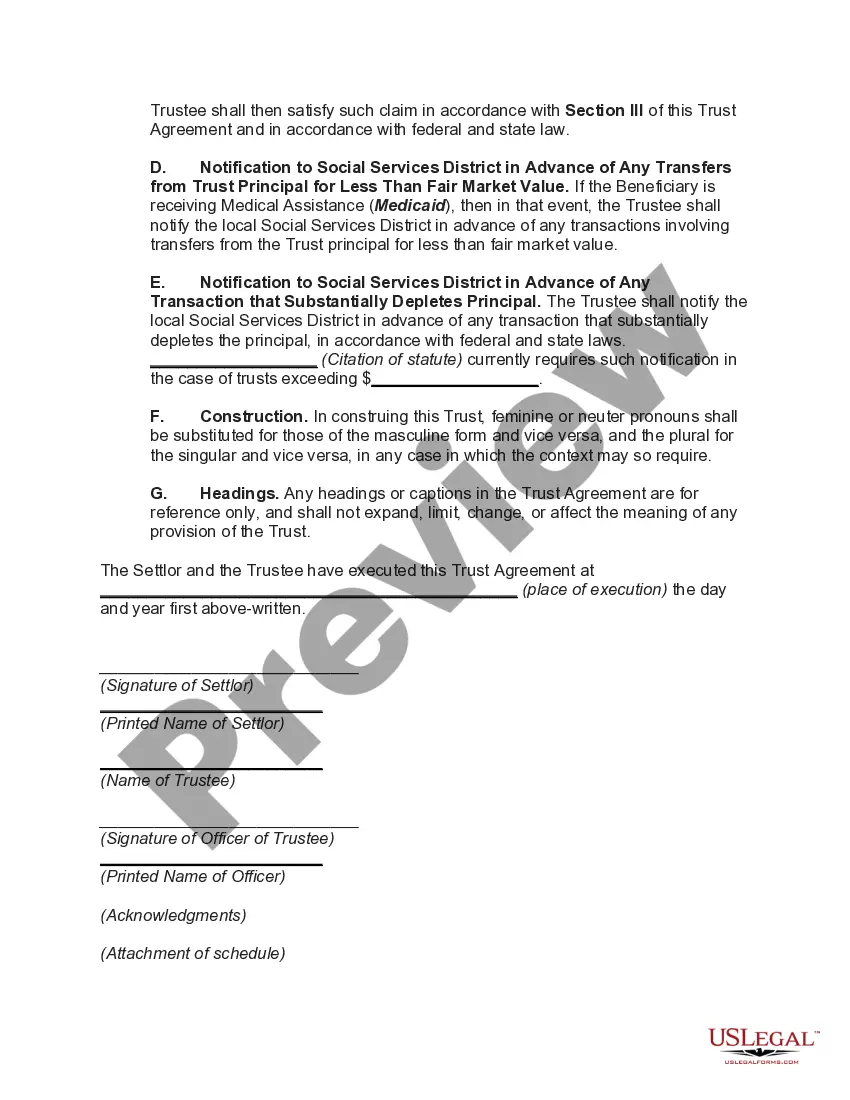
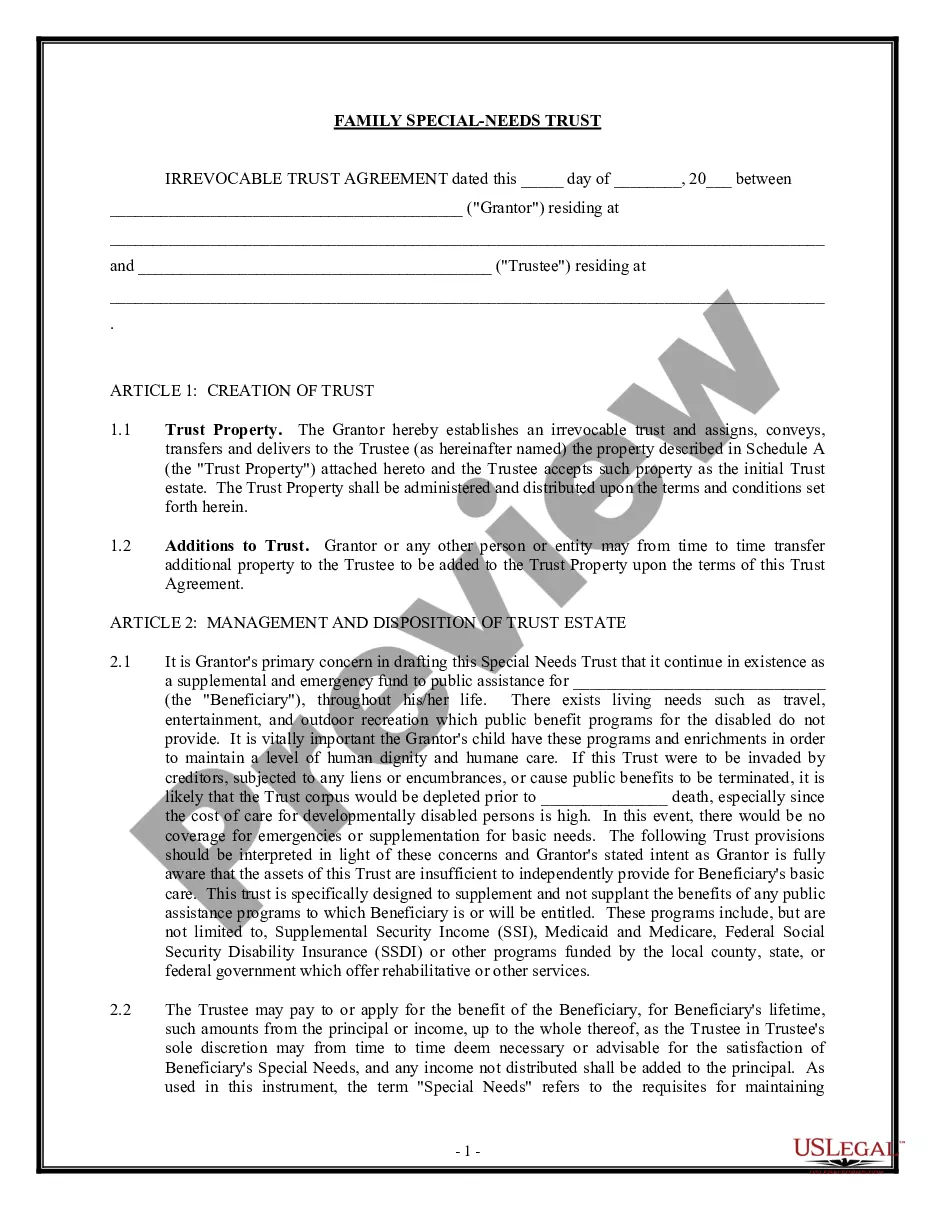
Description

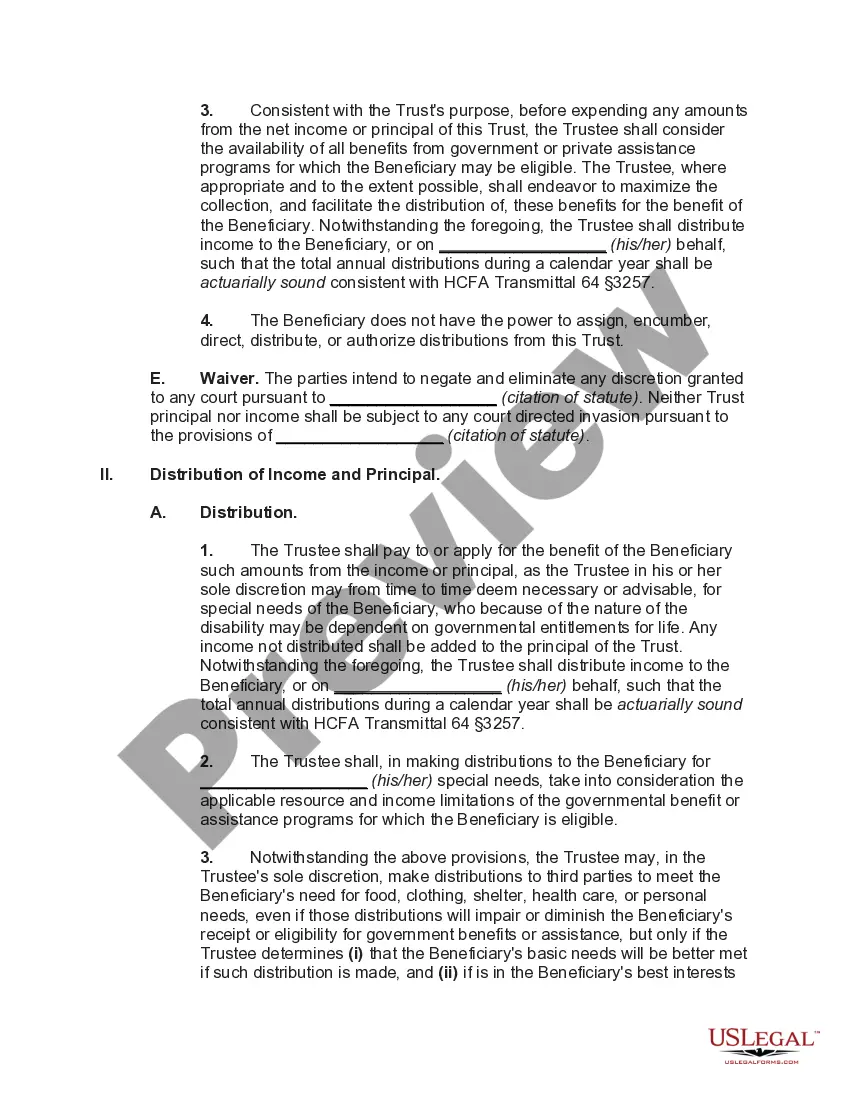
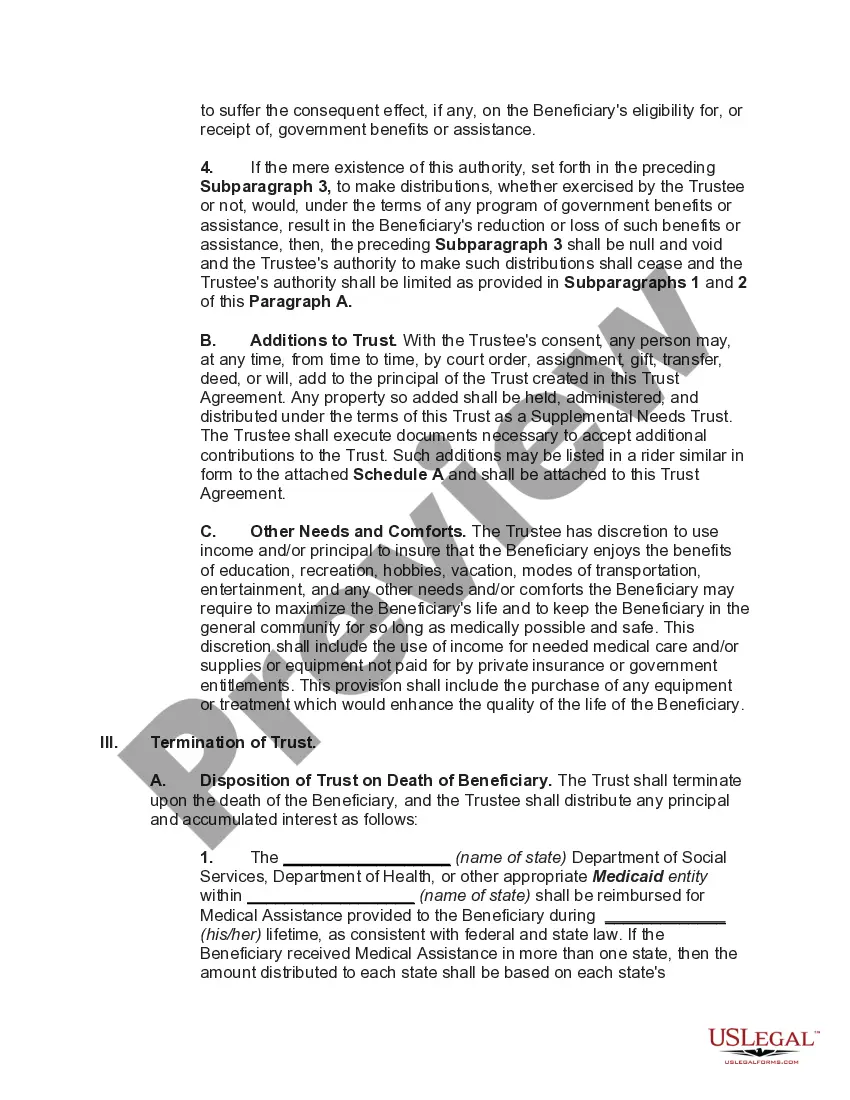
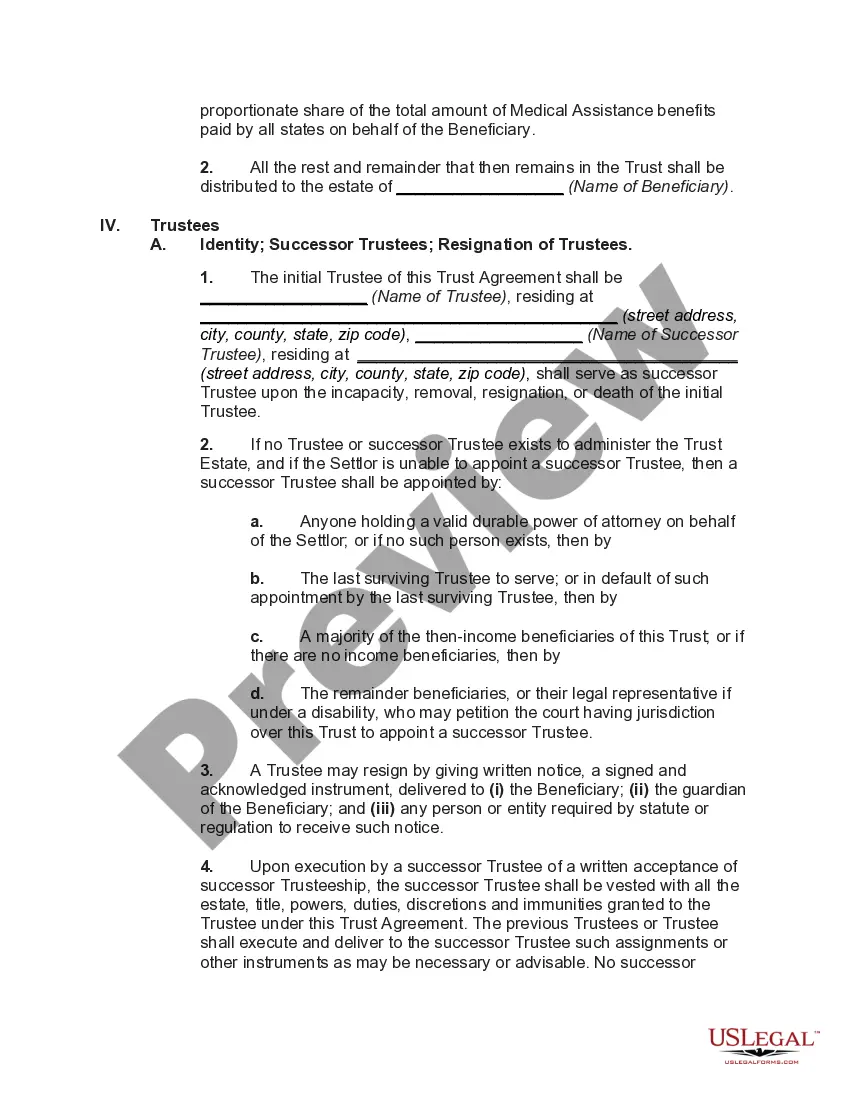
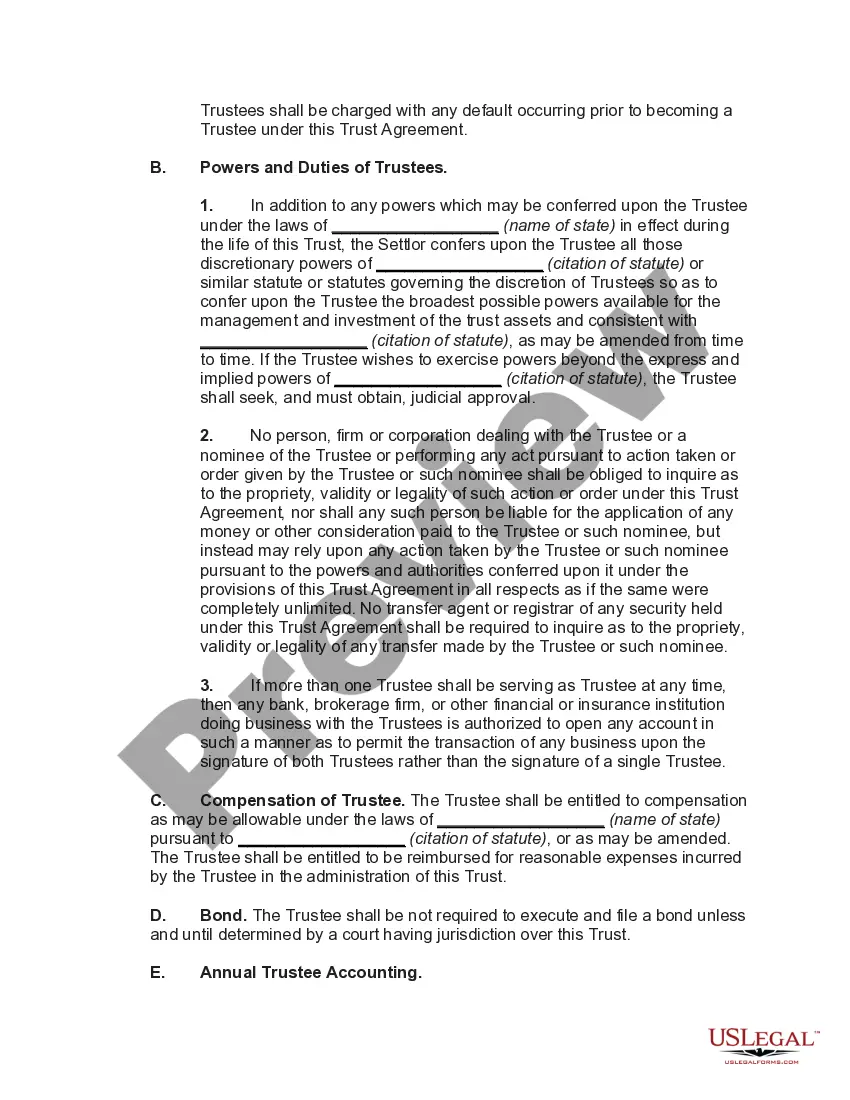



Get your form ready online
Our built-in tools help you complete, sign, share, and store your documents in one place.
Make edits, fill in missing information, and update formatting in US Legal Forms—just like you would in MS Word.
Download a copy, print it, send it by email, or mail it via USPS—whatever works best for your next step.
Sign and collect signatures with our SignNow integration. Send to multiple recipients, set reminders, and more. Go Premium to unlock E-Sign.
If this form requires notarization, complete it online through a secure video call—no need to meet a notary in person or wait for an appointment.
We protect your documents and personal data by following strict security and privacy standards.

Make edits, fill in missing information, and update formatting in US Legal Forms—just like you would in MS Word.

Download a copy, print it, send it by email, or mail it via USPS—whatever works best for your next step.

Sign and collect signatures with our SignNow integration. Send to multiple recipients, set reminders, and more. Go Premium to unlock E-Sign.

If this form requires notarization, complete it online through a secure video call—no need to meet a notary in person or wait for an appointment.

We protect your documents and personal data by following strict security and privacy standards.
Looking for another form?





How to fill out Special Needs Irrevocable Trust Agreement For Benefit Of Disabled Child Of Trustor?
- Log in to your existing US Legal Forms account if you have used the service before. Ensure your subscription is active; renew it if necessary.
- For first-time users, begin by previewing the form and its description. Verify it matches your specific requirements.
- If you need to explore more templates, utilize the Search tab to find the appropriate form that suits your situation.
- Select the document by clicking on the Buy Now button, and choose your preferred subscription plan. Remember to register an account for full access.
- Proceed with payment using your credit card or PayPal for a seamless purchase.
- After completing the transaction, download your form to your device. You can access it later from the My Forms section in your profile.
By leveraging US Legal Forms, you gain access to a vast and robust collection of legal documents tailored to your needs. With over 85,000 fillable forms available, finding the right one is efficient and straightforward.
In conclusion, US Legal Forms empowers users with the tools to execute legal documents quickly and accurately. Start your journey today and simplify your legal needs!
Form popularity
FAQ
The primary purpose of a special trustee is to manage the assets in a special needs trust, ensuring they are used to benefit the beneficiary without jeopardizing their eligibility for government assistance. A special trustee is responsible for making decisions related to distributions, adhering to the guidelines set forth in the special needs trustor contract for service. This role is critical for preserving the trust's integrity while promoting the beneficiary's quality of life.
Choosing the right trustee for a special needs trust is crucial. Look for someone knowledgeable about special needs planning and financial management. This could be a trusted family member or an individual experienced in managing special needs trustor contracts for service. Ultimately, the best trustee understands your child’s unique needs, will act in their best interests, and can navigate any legal complexities that arise.
Setting up a trust fund for a special needs child involves several steps. First, consult with a legal expert who specializes in special needs planning, as they can help you understand the necessary requirements. You'll need to choose a trustor and decide on the type of special needs trust you want to establish, which will determine how assets are managed. Utilizing a special needs trustor contract for service can simplify this process, ensuring that the trust complies with government regulations while providing for your child's future.
Finding a trustee for a special needs trust requires careful consideration. You can start by reaching out to local financial institutions, trust companies, or even asking for referrals from your attorney who specializes in special needs trustor contracts for service. Make sure to evaluate the trustee's experience with special needs trusts, as this will ensure they meet the specific needs of the beneficiary effectively. Additionally, platforms like uslegalforms can provide you with resources and templates to guide you in creating a suitable trustor contract for service.
Yes, you can create a trust fund for yourself; however, it’s important to understand the implications. In the context of a special needs trustor contract for service, funding your own trust may impact your eligibility for certain benefits. It’s advisable to seek comprehensive guidance to ensure compliance and alignment with your financial goals.
One significant mistake parents often make is failing to correctly structure the special needs trustor contract for service. This can result in unintended loss of eligibility for governmental benefits. Another common error is not funding the trust adequately, which can limit the available resources for the beneficiary's needs, emphasizing the importance of thorough planning.
While you can set up a special needs trust without legal assistance, consulting with a lawyer is highly recommended. This trust has specific legal requirements that must be met to avoid jeopardizing government benefits. Platforms like USLegalForms can provide invaluable resources and templates that simplify the process, supporting you in creating a valid special needs trustor contract for service.
Creating a special needs trust on your own is possible, but it comes with complexities. A properly drafted agreement is essential to meet legal requirements and protect benefits. Utilizing resources like USLegalForms can help you with templates and guidance, making the process smoother and ensuring compliance with the special needs trustor contract for service.
The trustee plays a crucial role in managing the special needs trustor contract for service. Their primary duties include overseeing trust assets, ensuring funds are used for the beneficiary's needs, and maintaining accurate records. Additionally, the trustee must act in the best interests of the person with special needs, which may involve coordinating with service providers and making informed financial decisions.
While special needs trusts offer significant advantages, they also come with some drawbacks. For example, the trust must comply with strict regulations, and improper management can negatively affect eligibility for benefits. Trust administration can be complex and may require ongoing legal oversight, which can lead to additional costs. By utilizing a special needs trustor contract for service, you can mitigate these issues, as professional services can help navigate the intricacies involved in maintaining the trust.