Special Needs Trust Trustor For Charity
Description

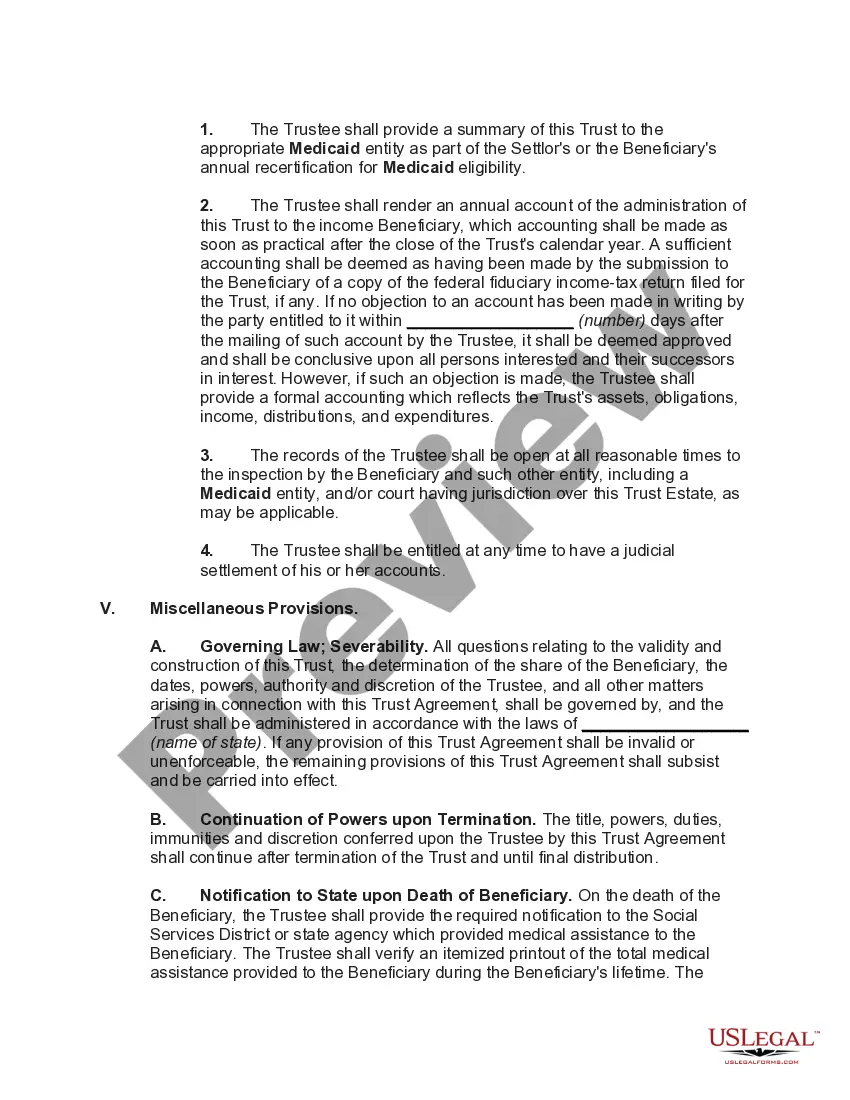
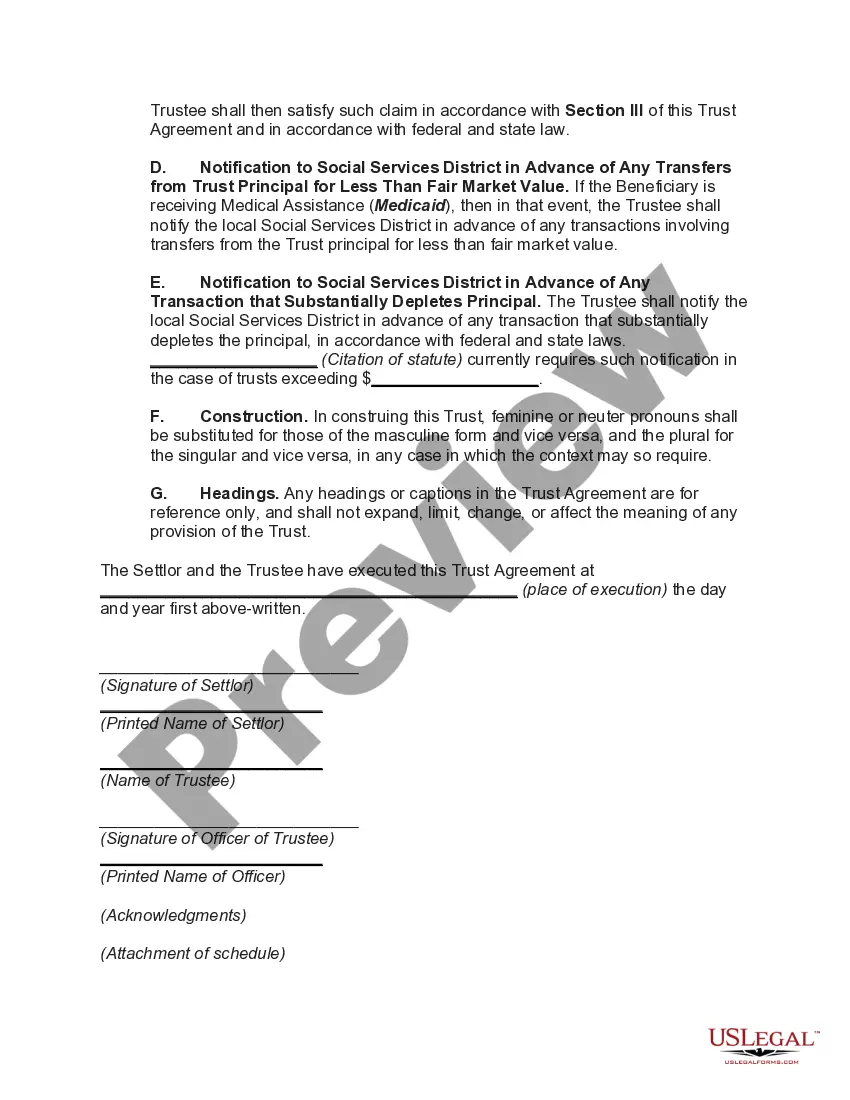
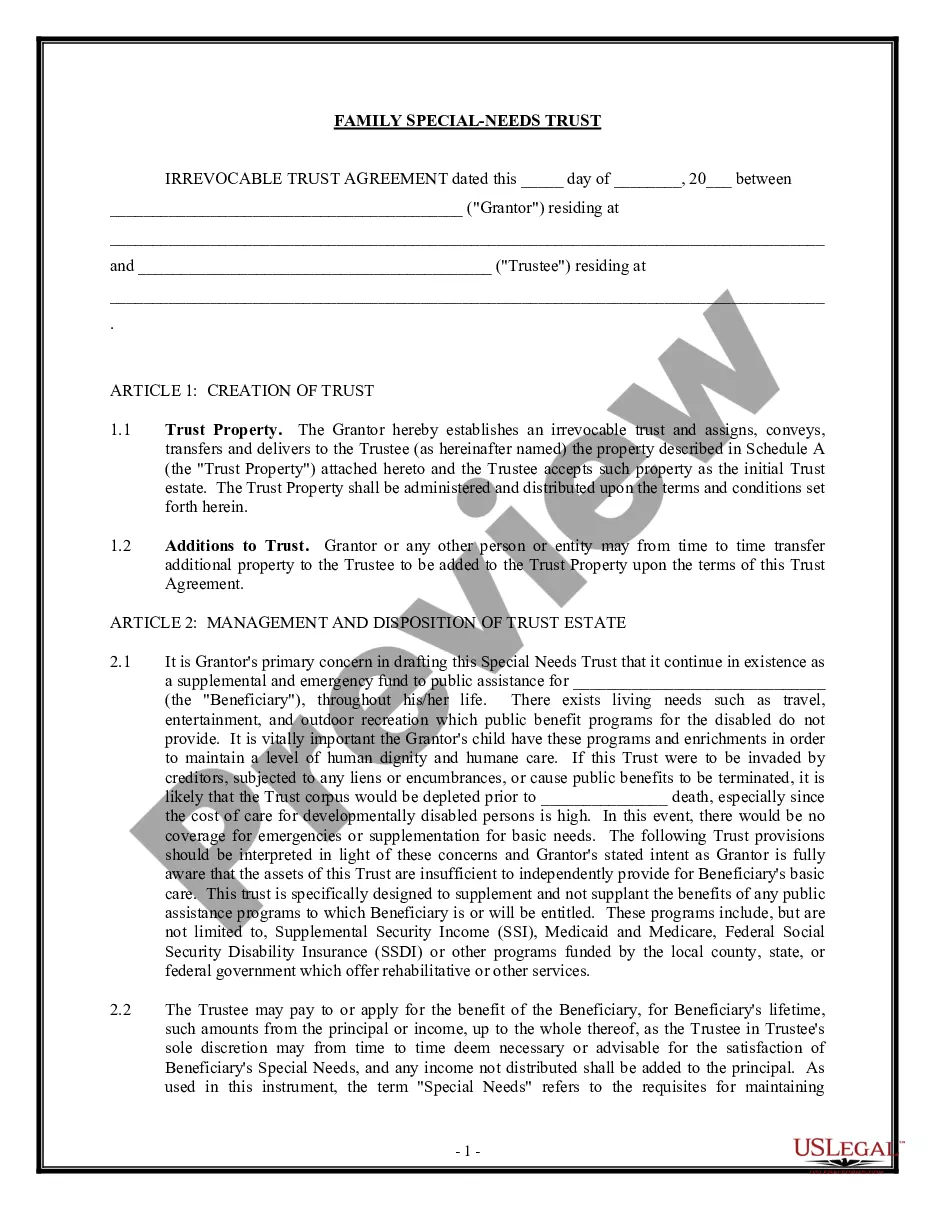



Get your form ready online
Our built-in tools help you complete, sign, share, and store your documents in one place.
Make edits, fill in missing information, and update formatting in US Legal Forms—just like you would in MS Word.
Download a copy, print it, send it by email, or mail it via USPS—whatever works best for your next step.
Sign and collect signatures with our SignNow integration. Send to multiple recipients, set reminders, and more. Go Premium to unlock E-Sign.
If this form requires notarization, complete it online through a secure video call—no need to meet a notary in person or wait for an appointment.
We protect your documents and personal data by following strict security and privacy standards.

Make edits, fill in missing information, and update formatting in US Legal Forms—just like you would in MS Word.

Download a copy, print it, send it by email, or mail it via USPS—whatever works best for your next step.

Sign and collect signatures with our SignNow integration. Send to multiple recipients, set reminders, and more. Go Premium to unlock E-Sign.

If this form requires notarization, complete it online through a secure video call—no need to meet a notary in person or wait for an appointment.

We protect your documents and personal data by following strict security and privacy standards.
Looking for another form?






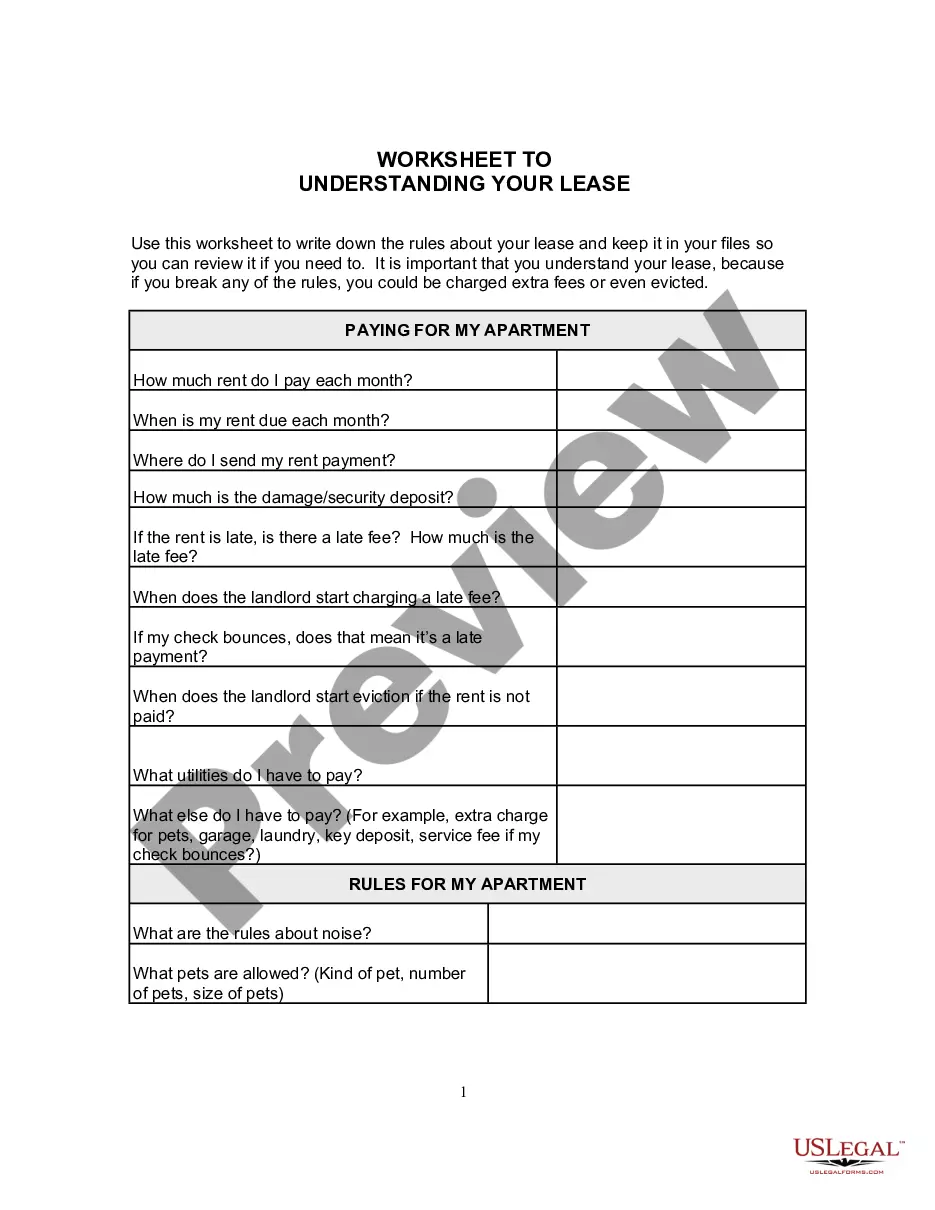

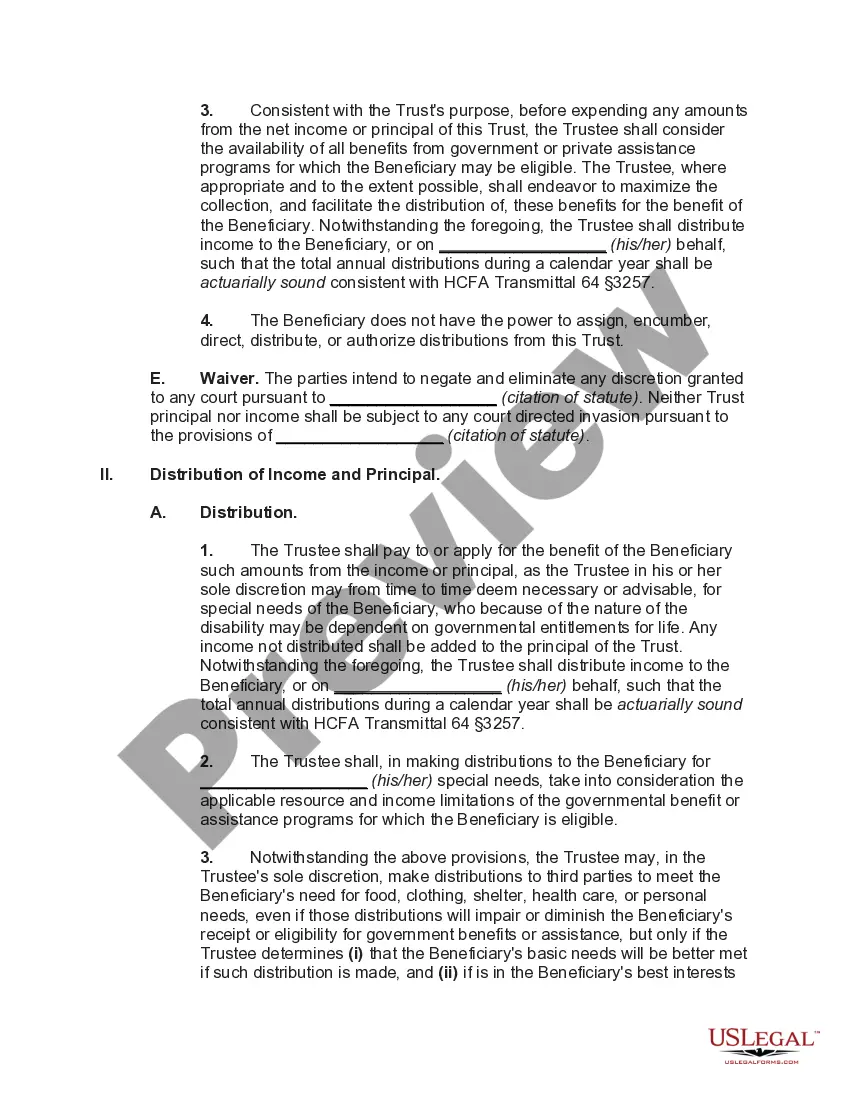
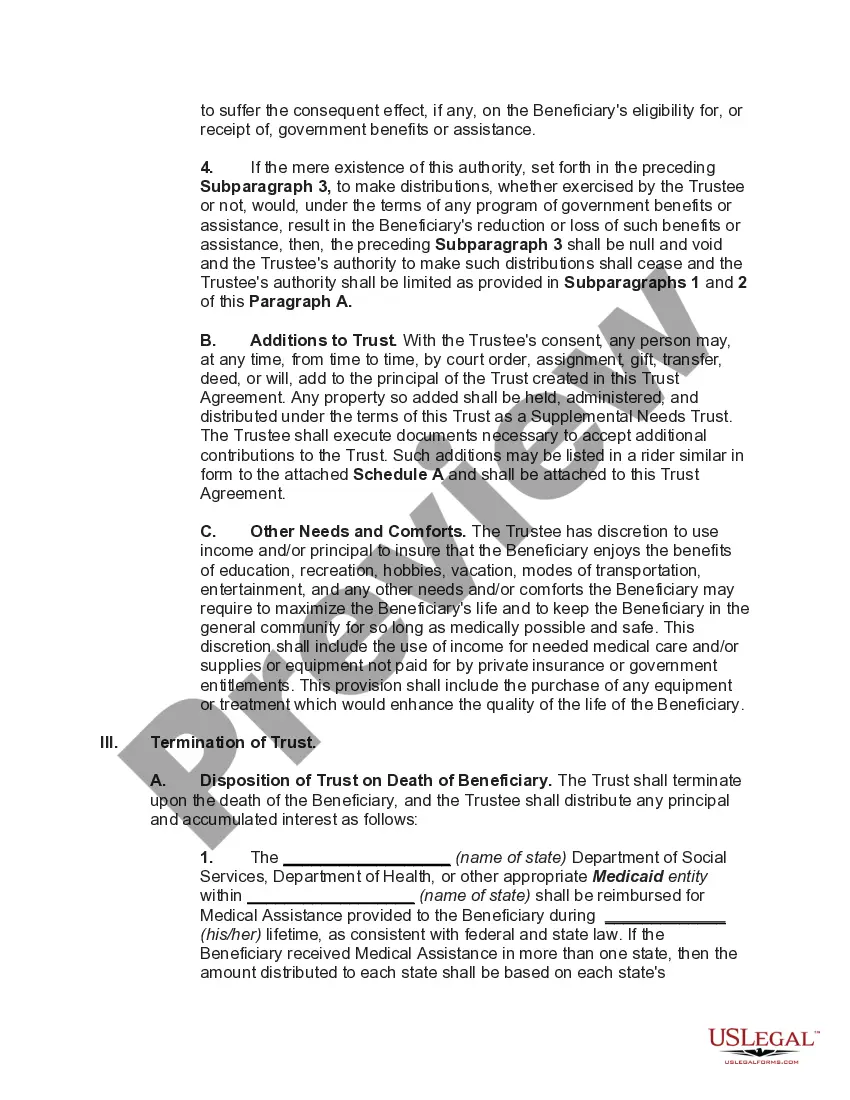
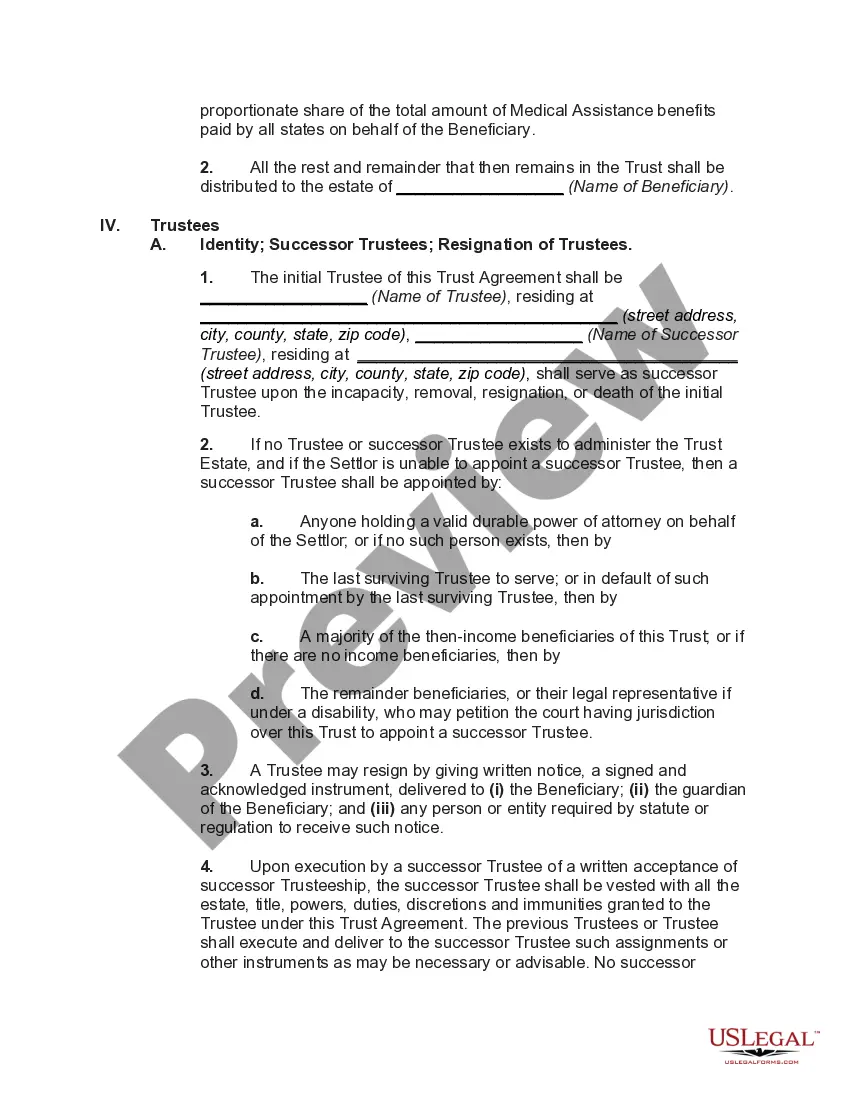
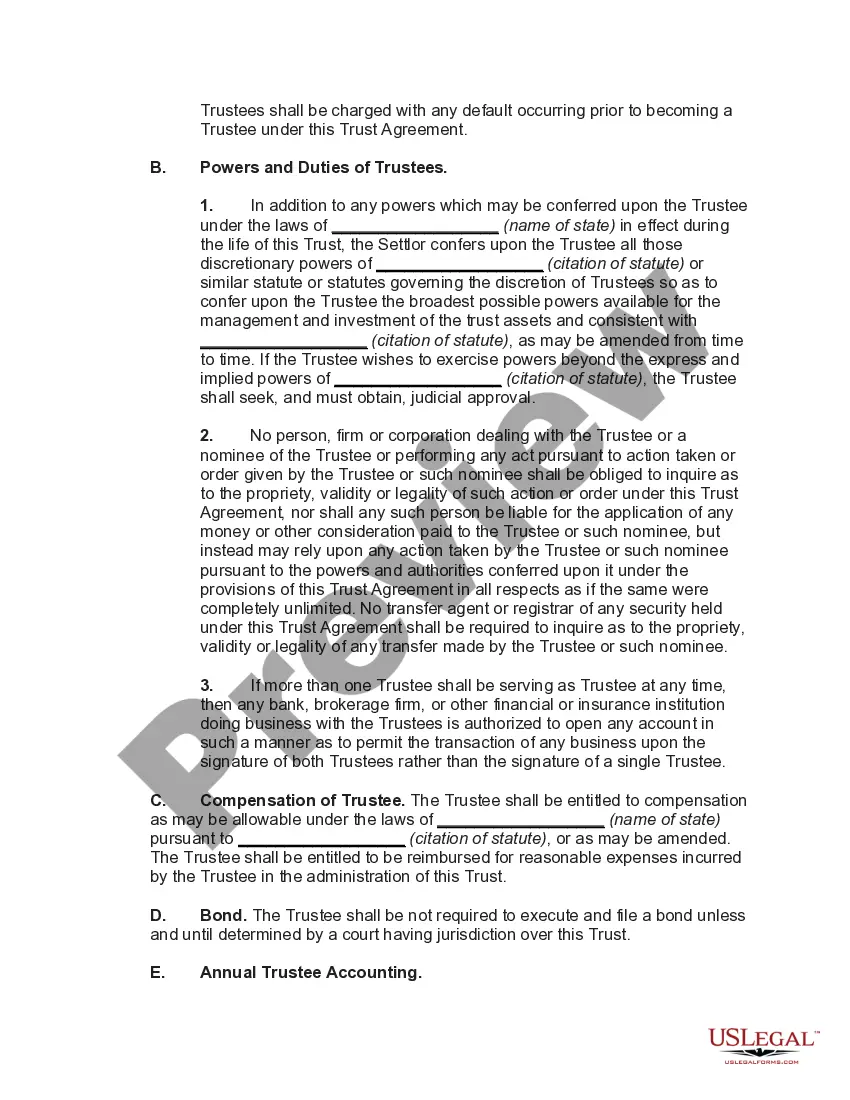
How to fill out Special Needs Irrevocable Trust Agreement For Benefit Of Disabled Child Of Trustor?
- Begin by visiting the US Legal Forms website and logging into your account. Ensure your subscription is active for access to the necessary templates.
- If you're new to US Legal Forms, start by exploring the Preview mode and reviewing the description of the Special Needs Trust to confirm it meets your specific requirements.
- Utilize the search feature to find additional templates if needed, ensuring your documents align with your local jurisdiction.
- Once you've identified the correct form, click on the Buy Now button and choose a subscription plan that fits your needs. You’ll need to create an account for full access.
- Complete your purchase by entering your credit card information or using your PayPal account for convenience.
- Download the completed form to your device, and find it anytime in the My Forms section of your profile.
In conclusion, US Legal Forms simplifies the process of obtaining legal documents like the Special Needs Trust for charity. With their extensive library and user-friendly interface, trustors can ensure their legal needs are met efficiently.
Start your journey with US Legal Forms today and secure your special needs trust with confidence.
Form popularity
FAQ
The trustee of a special needs trust is responsible for filing taxes on behalf of the trust. This includes reporting any income the trust generates and addressing any applicable deductions. It’s important for the trustee to understand tax regulations regarding special needs trusts to ensure compliance and optimal management of trust assets. For comprehensive guidance, platforms like uslegalforms offer resources to help navigatethe tax obligations associated with special needs trusts.
The beneficial owner of a special needs trust is typically the individual with special needs for whom the trust is created. This person receives the benefits from the trust assets, such as financial support and resources for their care. While the trustor may set up and fund the trust, the beneficiary enjoys the advantages intended by the trust's structure. Understanding these roles is vital, and uslegalforms can provide clarity on special needs trust structures.
The best person to appoint as trustee for your special needs trust depends on several factors, including trustworthiness, knowledge, and availability. You may consider a family member, a close friend, or a professional trustee who specializes in managing special needs trusts. It is crucial to appoint someone who will act in the best interests of the beneficiary, ensuring they receive the support and resources they need. Resources from uslegalforms can help you evaluate your options.
Selecting a trustee for a special needs trust is an important decision. You should look for someone who is knowledgeable about trust management and understands the specific needs of the beneficiary. It’s beneficial to consider a person who can handle finances responsibly and is committed to ensuring the trust operates for the welfare of the special needs individual. Platforms like uslegalforms can guide you through the process of choosing a qualified trustee to effectively fulfill the role.
Deciding whether to put assets in a trust depends largely on individual circumstances. It can be a beneficial option for estate planning, providing protection for beneficiaries and possibly minimizing taxes. For a special needs trust trustor for charity, establishing a trust can offer peace of mind regarding how assets are managed and distributed.
One downfall of having a trust is the potential complexity of managing it. Trust laws can vary by state, and navigating them can require professional legal guidance, adding to the overall expense. For the special needs trust trustor for charity, ensuring compliance and proper management can feel daunting, but effective planning can mitigate these issues.
Finding a trustee for a special needs trust involves considering both expertise and trust. Potential candidates might include family members, friends, or professional trustees who specialize in managing special needs trusts. It’s essential to choose someone who understands the specific financial and emotional needs of your beneficiary, particularly for the special needs trust trustor for charity.
A common mistake parents make when setting up a trust fund is failing to communicate clearly with their beneficiaries. This can lead to misunderstandings about how the trust works and the intentions behind it. Furthermore, many overlook the importance of reviewing and updating the trust regularly, a critical step for the special needs trust trustor for charity to ensure it meets current needs.
One downside of putting assets in a trust is that it can reduce control over those assets. Once placed in a trust, the trustor may have limited ability to access funds or change beneficiaries. Additionally, there may be tax implications or legal fees involved in managing a trust, particularly for the special needs trust trustor for charity.
A special needs trust can have some drawbacks. It might limit the beneficiary's access to certain government benefits, such as Medicaid or SSI. Additionally, setting up and maintaining a trust requires ongoing legal and financial oversight, which can sometimes lead to additional costs. Understanding these implications is crucial for the special needs trust trustor for charity.