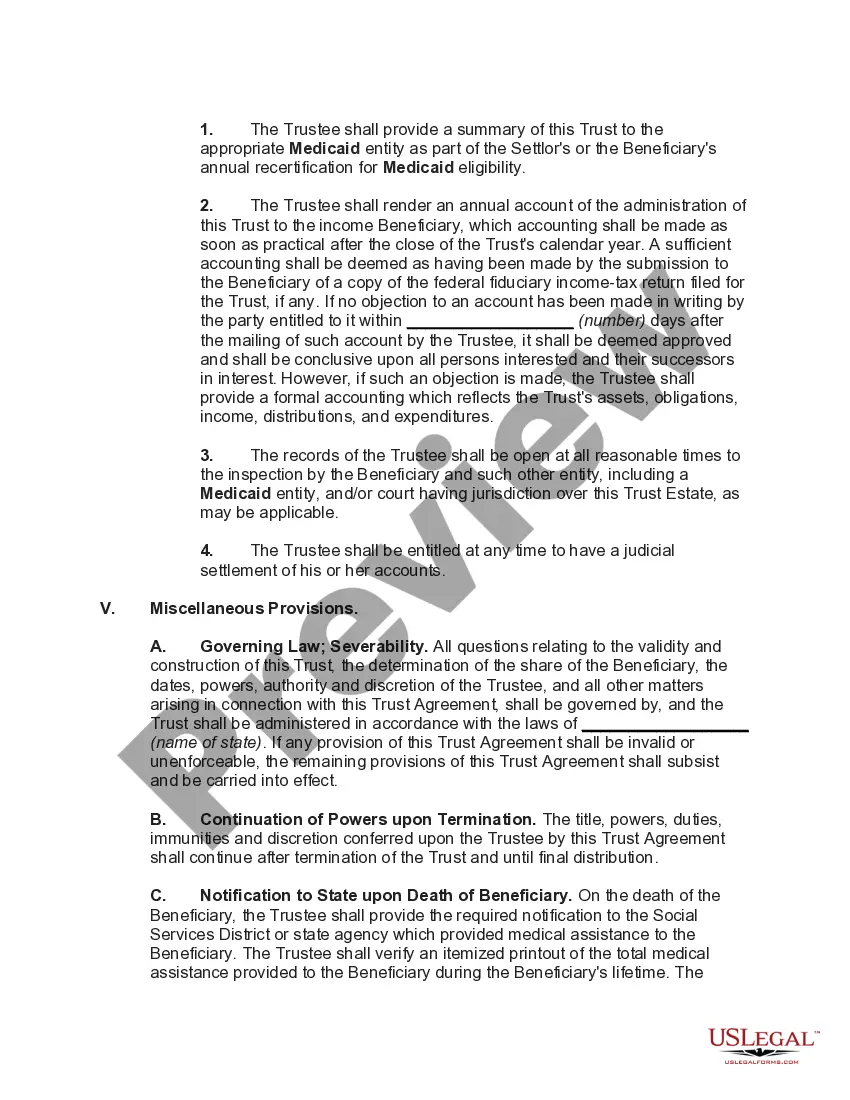
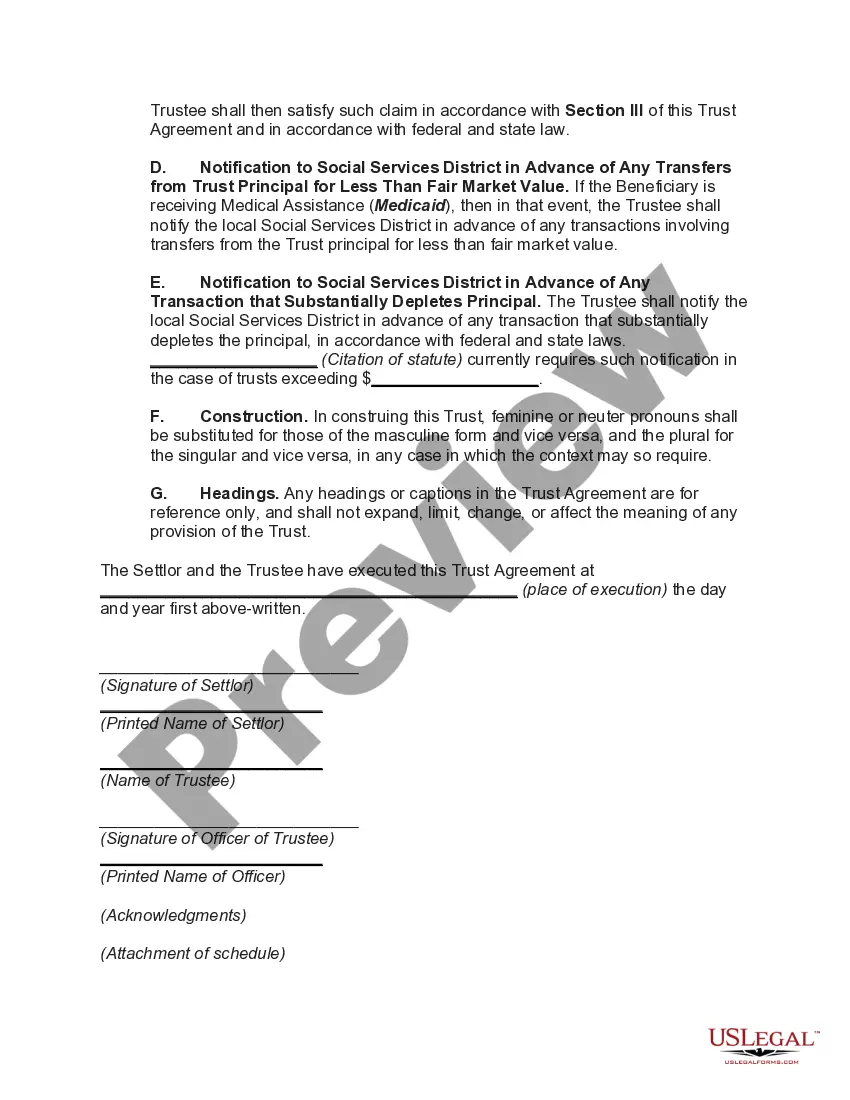
Special Needs Trust Order With The Government
Description

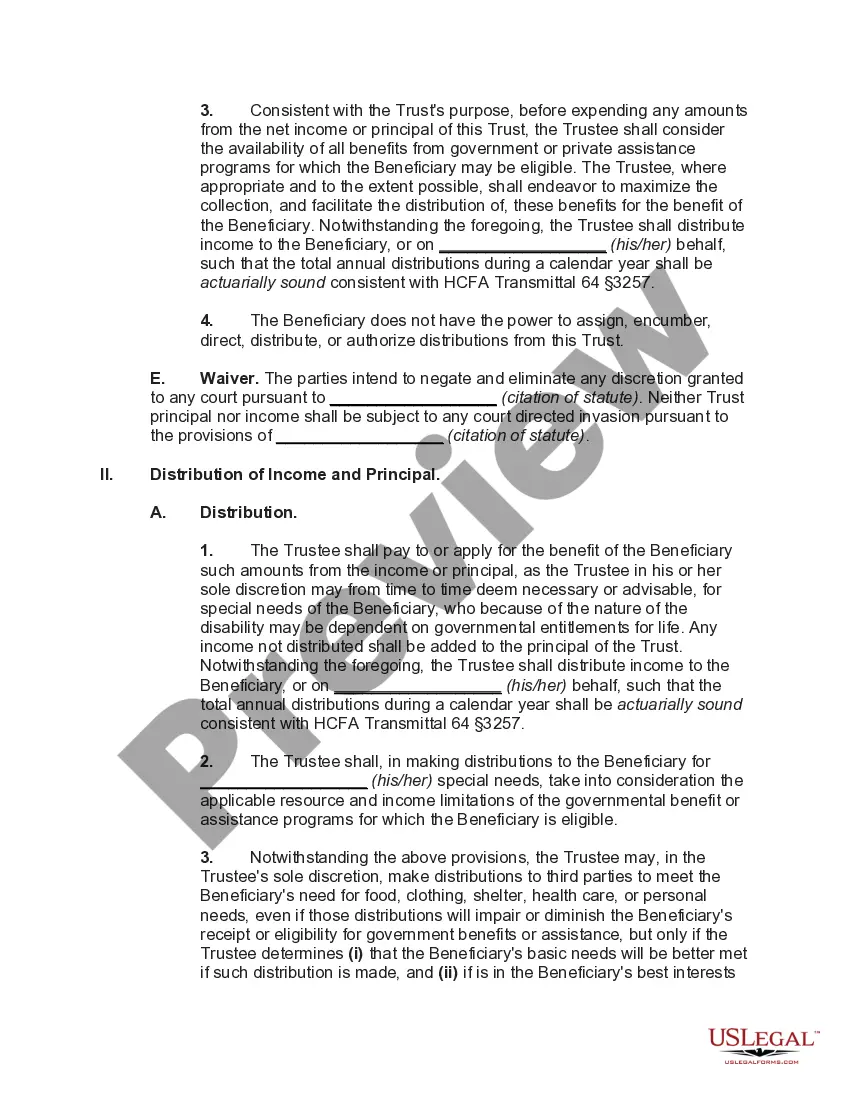
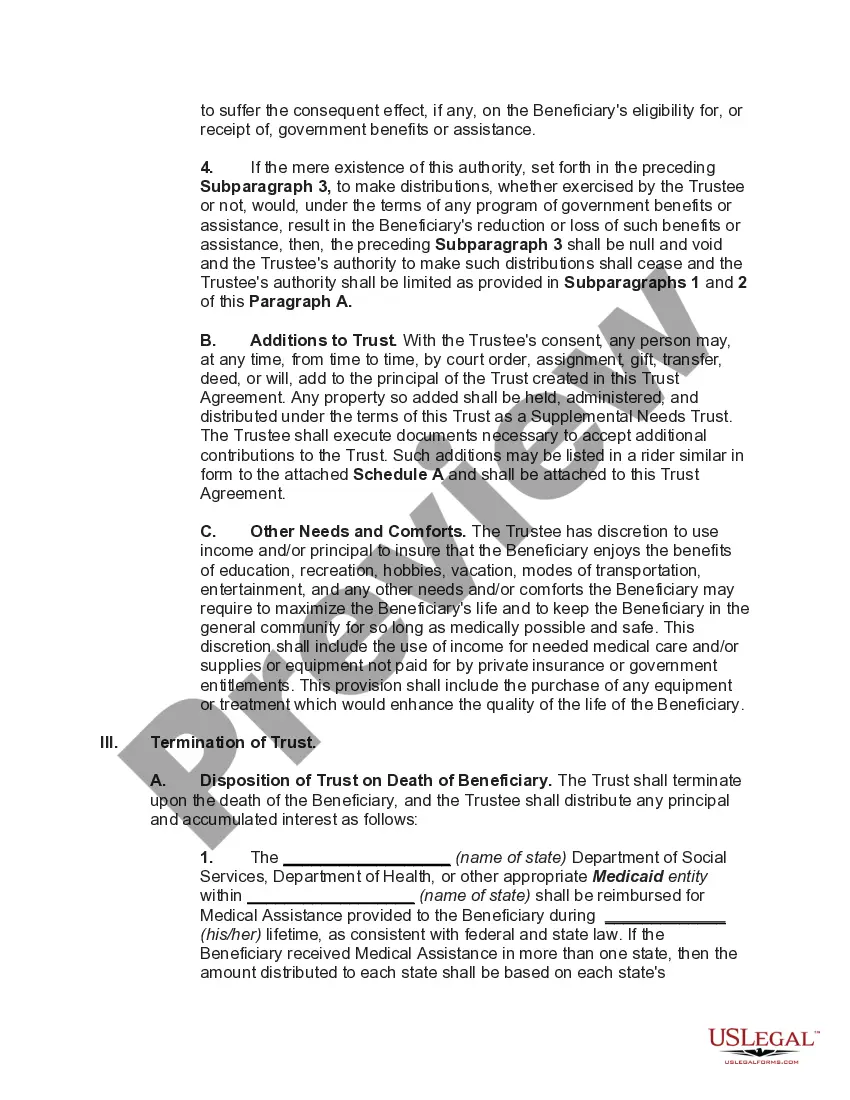
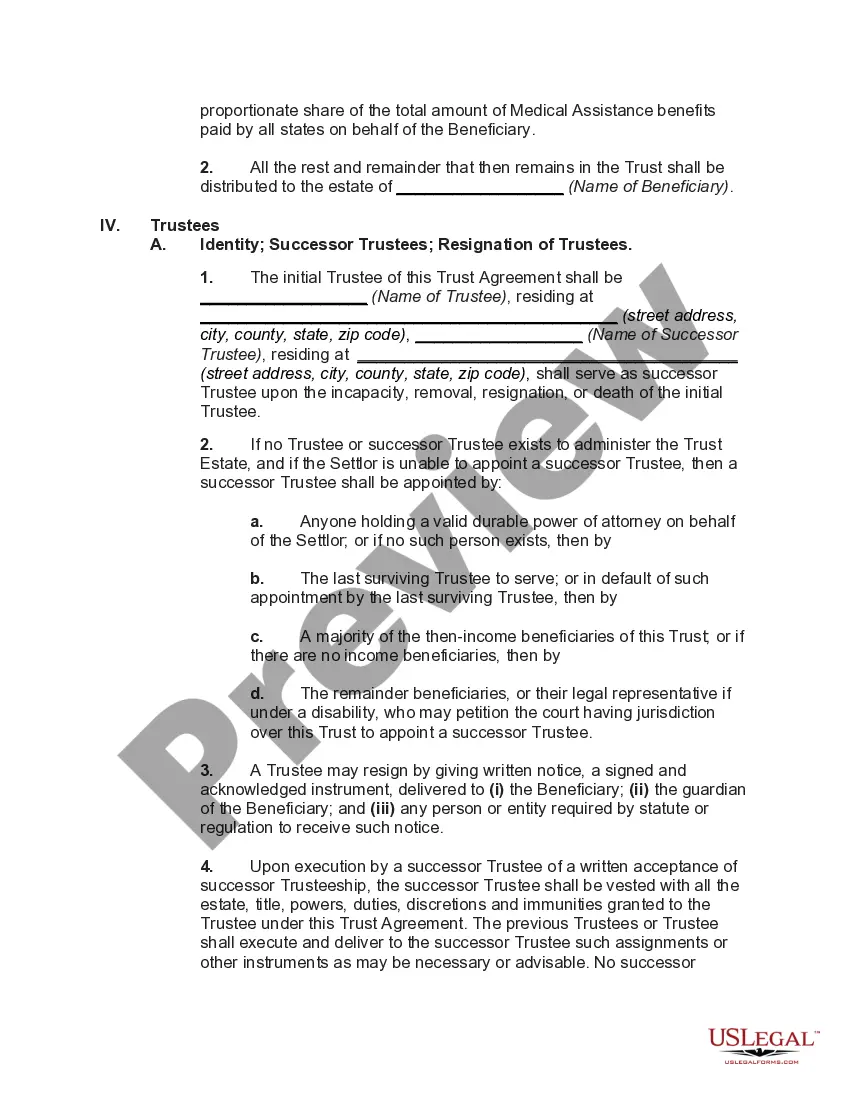
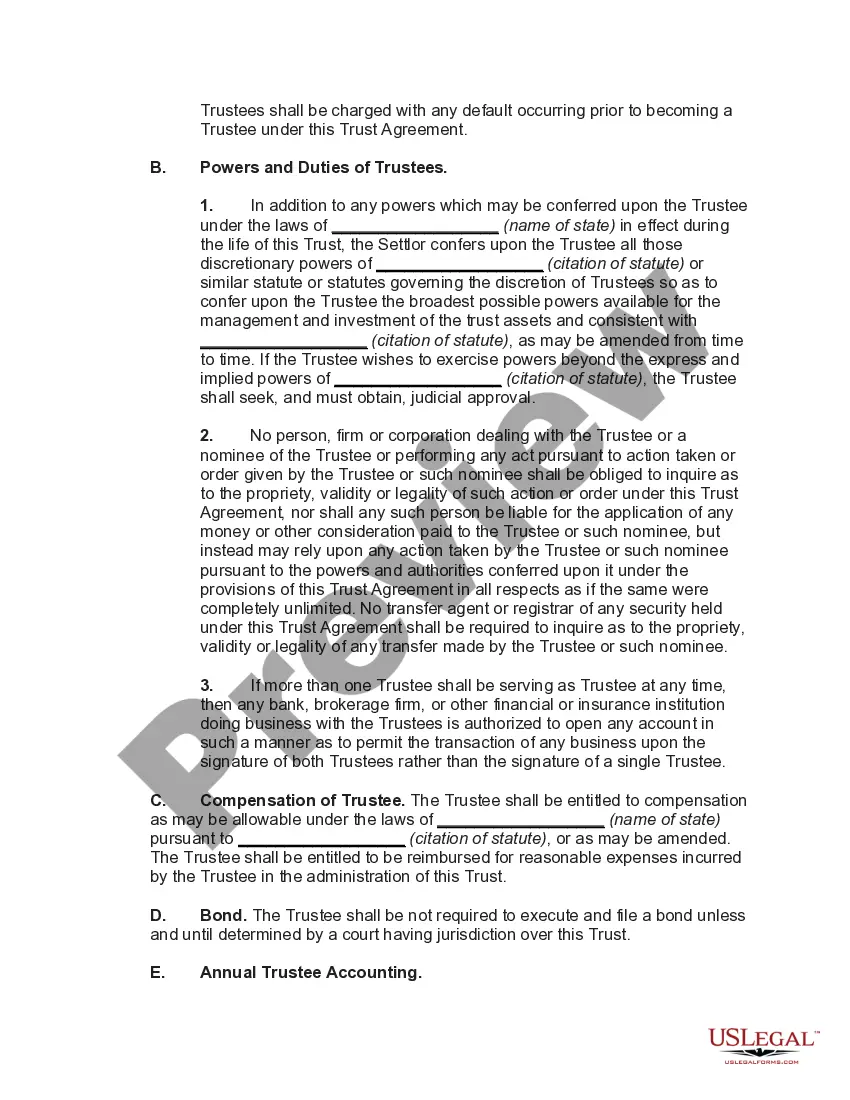




Get your form ready online
Our built-in tools help you complete, sign, share, and store your documents in one place.
Make edits, fill in missing information, and update formatting in US Legal Forms—just like you would in MS Word.
Download a copy, print it, send it by email, or mail it via USPS—whatever works best for your next step.
Sign and collect signatures with our SignNow integration. Send to multiple recipients, set reminders, and more. Go Premium to unlock E-Sign.
If this form requires notarization, complete it online through a secure video call—no need to meet a notary in person or wait for an appointment.
We protect your documents and personal data by following strict security and privacy standards.

Make edits, fill in missing information, and update formatting in US Legal Forms—just like you would in MS Word.

Download a copy, print it, send it by email, or mail it via USPS—whatever works best for your next step.

Sign and collect signatures with our SignNow integration. Send to multiple recipients, set reminders, and more. Go Premium to unlock E-Sign.

If this form requires notarization, complete it online through a secure video call—no need to meet a notary in person or wait for an appointment.

We protect your documents and personal data by following strict security and privacy standards.
Looking for another form?






How to fill out Special Needs Irrevocable Trust Agreement For Benefit Of Disabled Child Of Trustor?
- If you’re a returning user, log in to your account to access the document template you need and download it directly to your device. Verify that your subscription is up-to-date; if not, renew it based on your chosen payment plan.
- For first-time users, begin by reviewing the Preview mode and reading the form description carefully. Confirm that you've selected the correct form that aligns with your requirements and adheres to local jurisdiction.
- If needed, explore additional templates. Use the Search tab above to find alternatives if you encounter any discrepancies in your chosen document.
- Purchase the document by clicking on the Buy Now button. Select a subscription plan that suits you and create an account for full access to the library’s offerings.
- Complete your transaction by entering your credit card information or using your PayPal account to finalize the subscription payment.
- Once purchased, download your form directly to your device. It will be available in the My Forms section of your profile whenever you need it.
US Legal Forms stands out with a vast collection of over 85,000 easily fillable legal forms, empowering users to execute legal documents quickly.
By following these steps, you can ensure that your special needs trust order aligns with legal standards. Start your journey to secure financial planning today with US Legal Forms.
Form popularity
FAQ
Yes, you typically must report a special needs trust order with the government to Medicaid, especially if the trust affects eligibility. However, if set up properly, these trusts can help maintain benefits. Always keep detailed records and consult with a legal expert to navigate compliance with Medicaid reporting requirements.
There is no strict minimum amount required to set up a special needs trust order with the government, but funding it adequately is important. The amount depends on the specific needs of the individual and the intended benefits of the trust. Consult with a financial advisor or attorney to determine a suitable funding strategy for optimal impact.
To set up a special needs trust order with the government, start by consulting an estate planning attorney experienced in trust law. They can guide you through the legal requirements and help you draft the trust document. You’ll need to identify assets and beneficiaries to make the trust effective in meeting your loved one's needs.
Filling out a trust fund generally requires clear identification of the trust’s purpose, assets, and beneficiaries. For a special needs trust order with the government, detailed documentation of the disabled individual's needs is essential. You can utilize legal platforms like USLegalForms to help streamline the process and ensure all required information is accurately provided.
Typically, the trustee responsible for managing the special needs trust order with the government files tax returns. Depending on the trust's income, it may be treated as a separate taxable entity. It’s advisable to consult a tax professional familiar with trusts to ensure proper compliance and accurate reporting.
When considering a special needs trust order with the government, the best option often is a supplemental needs trust. This type of trust allows a disabled person to receive additional support without jeopardizing their eligibility for government programs. Working with a knowledgeable attorney can help tailor the trust to meet specific needs effectively.
A special needs trust order with the government can have some disadvantages. For instance, managing a trust can involve legal fees, which may add up over time. Additionally, if not set up correctly, the trust can unintentionally affect eligibility for government benefits. It's essential to carefully create and manage the trust to avoid complications.
The time required to establish a special needs trust order with the government can vary depending on complexity. Typically, the process can take a few weeks to several months. Factors such as gathering documentation, drafting legal documents, and potential court approval may affect the timeline. Engaging with a knowledgeable platform like uslegalforms can streamline this process, ensuring you efficiently set up the trust.
To qualify for a special needs trust order with the government, you must first have a documented disability recognized under state or federal law. The process usually involves gathering necessary medical documentation and possibly seeking legal guidance to ensure compliance with regulations. Once these prerequisites are established, a legal expert can assist in setting up the trust tailored to the individual's needs. This approach protects assets while maintaining eligibility for government programs.
Selecting the right trustee for a special needs trust order with the government is critical. A suitable trustee should understand the complexities of the beneficiary's needs and be knowledgeable about government benefits. This person can be a family member, a trusted friend, or a professional fiduciary experienced in managing special needs trusts. Ultimately, the best trustee will ensure the funds are used appropriately to support the beneficiary's well-being.