Special Needs Trust Massachusetts Withdrawal
Description

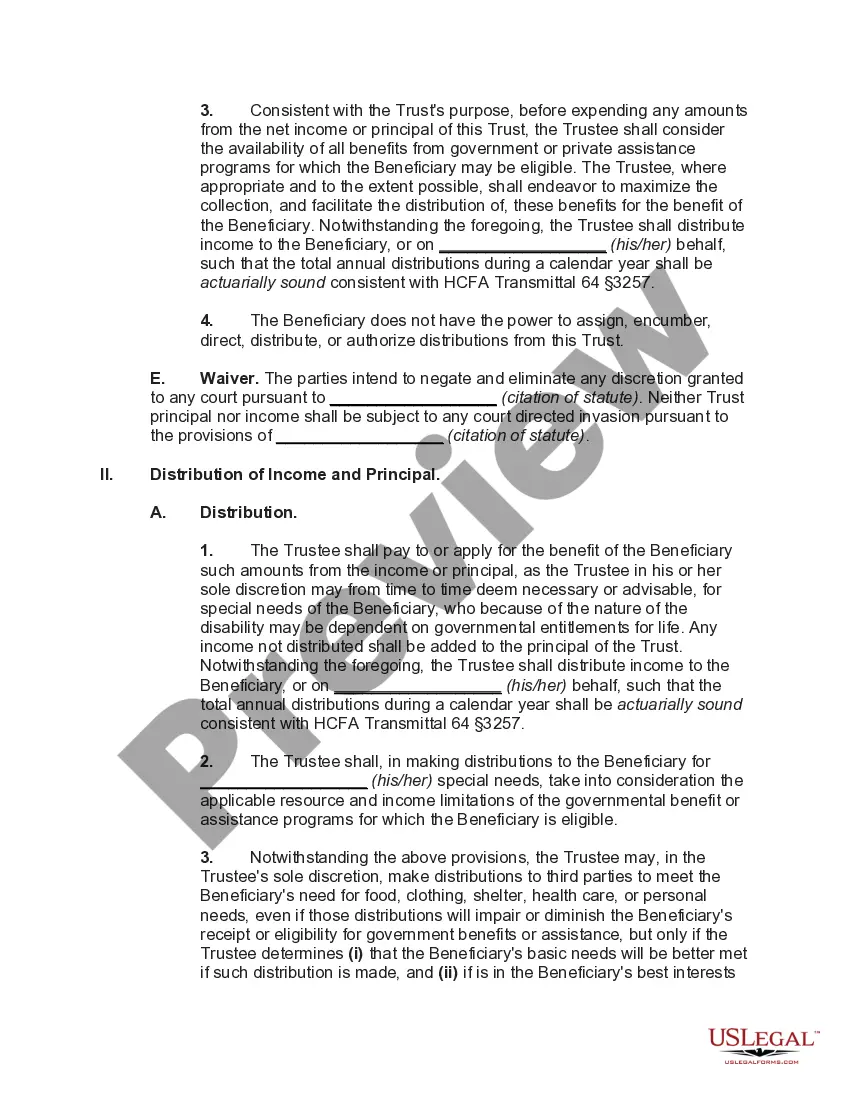
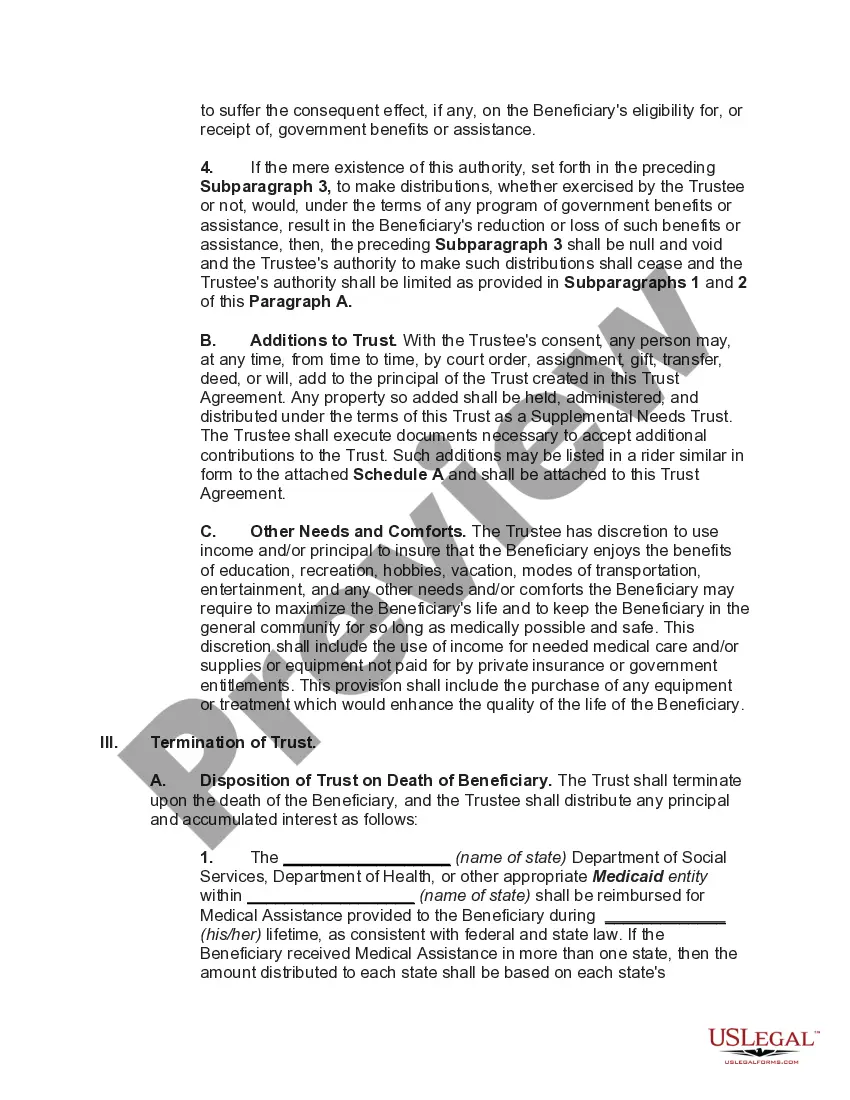
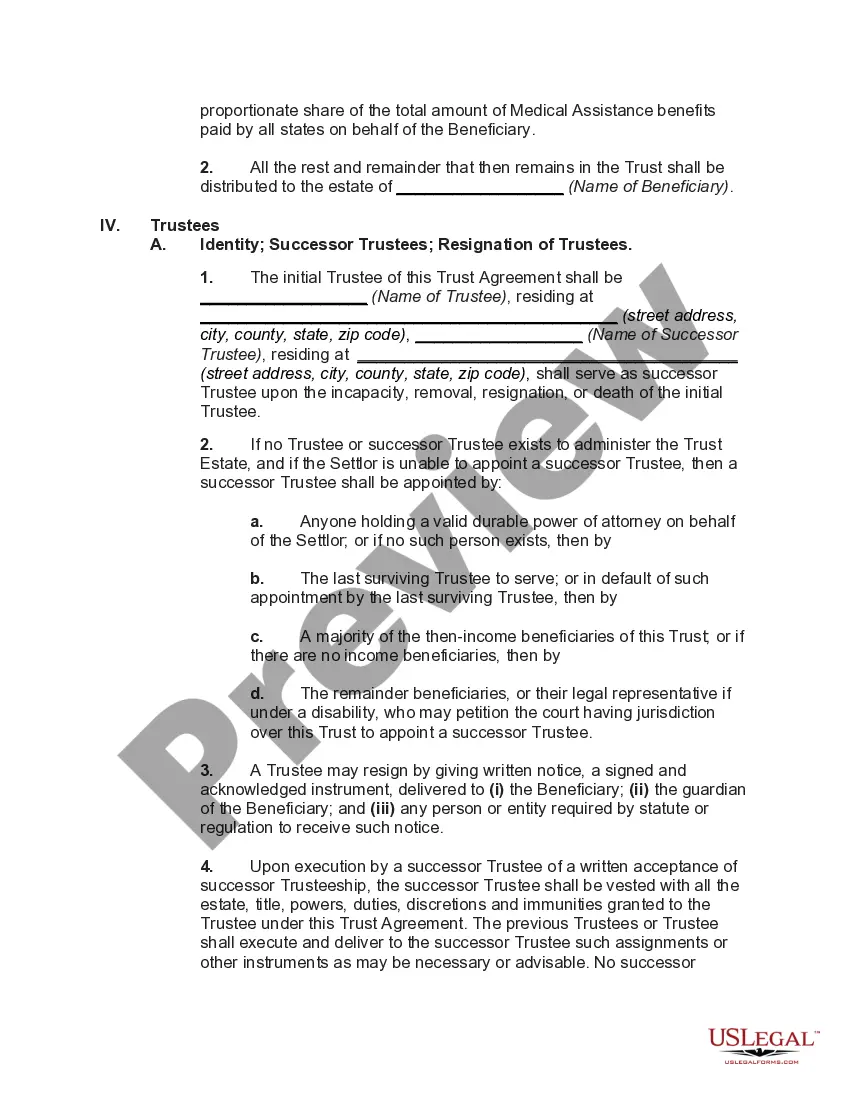
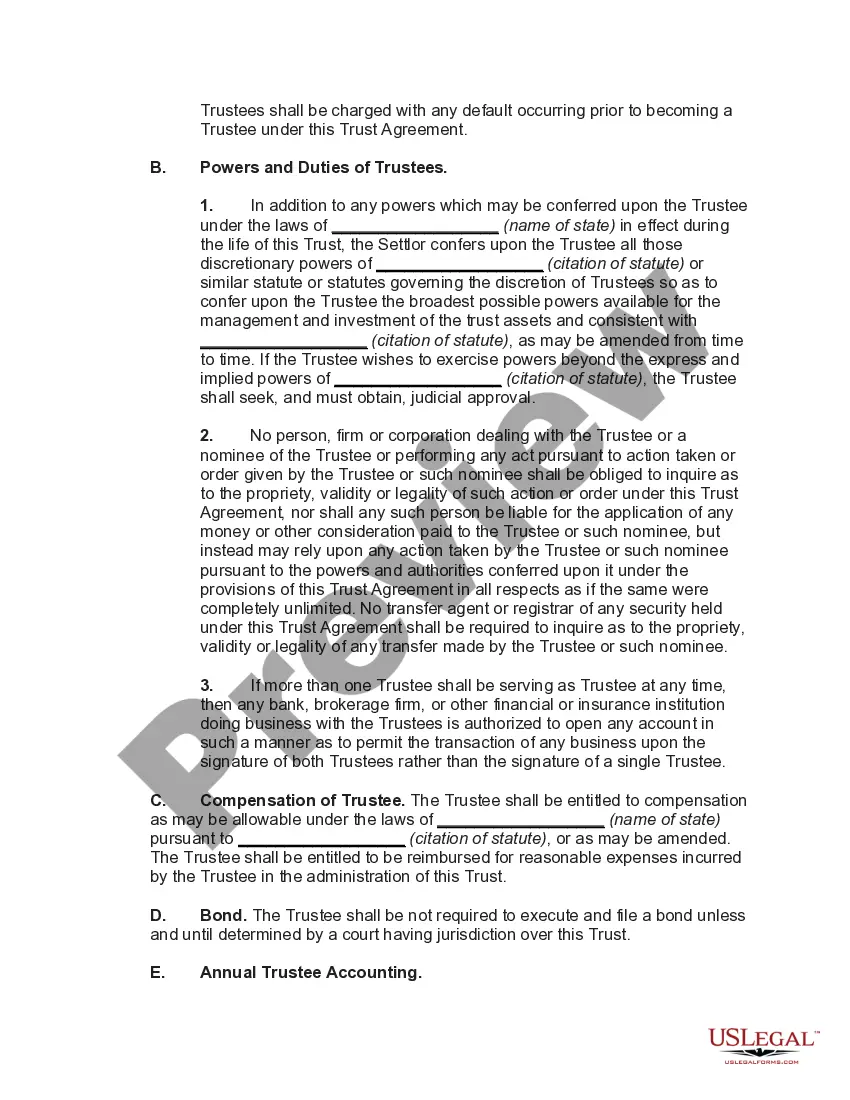
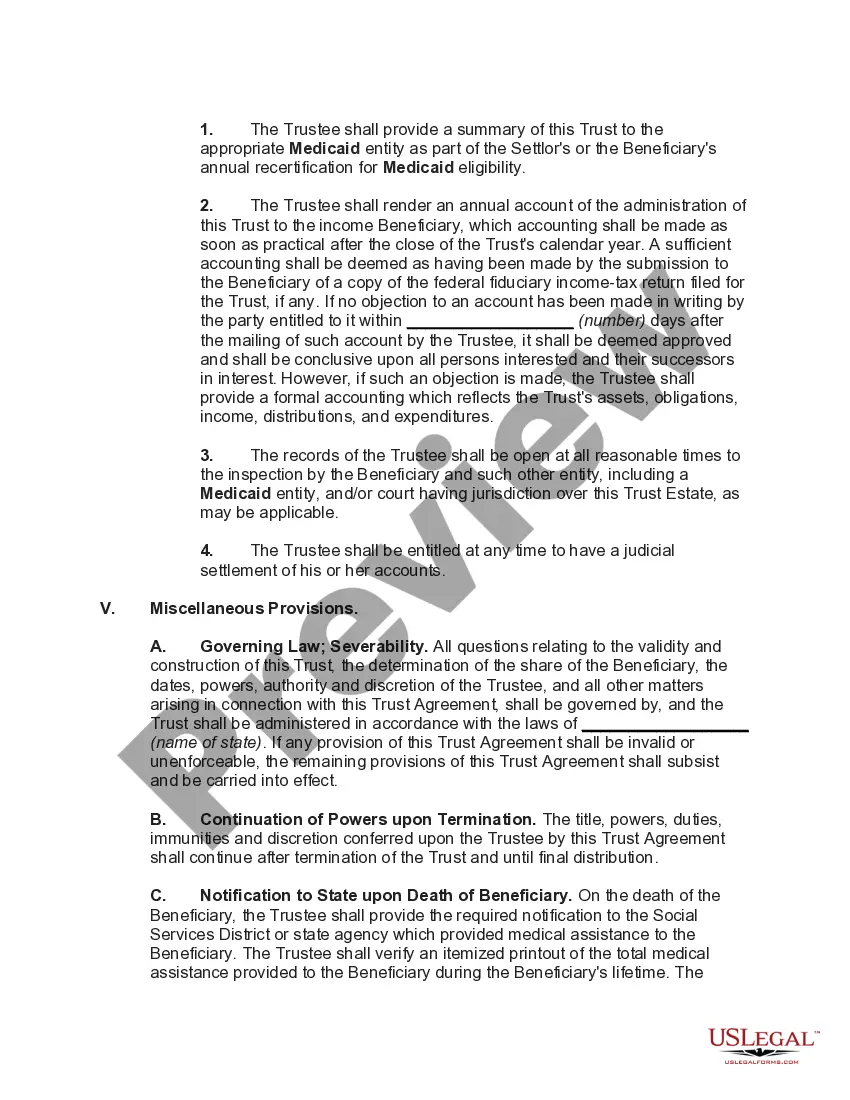
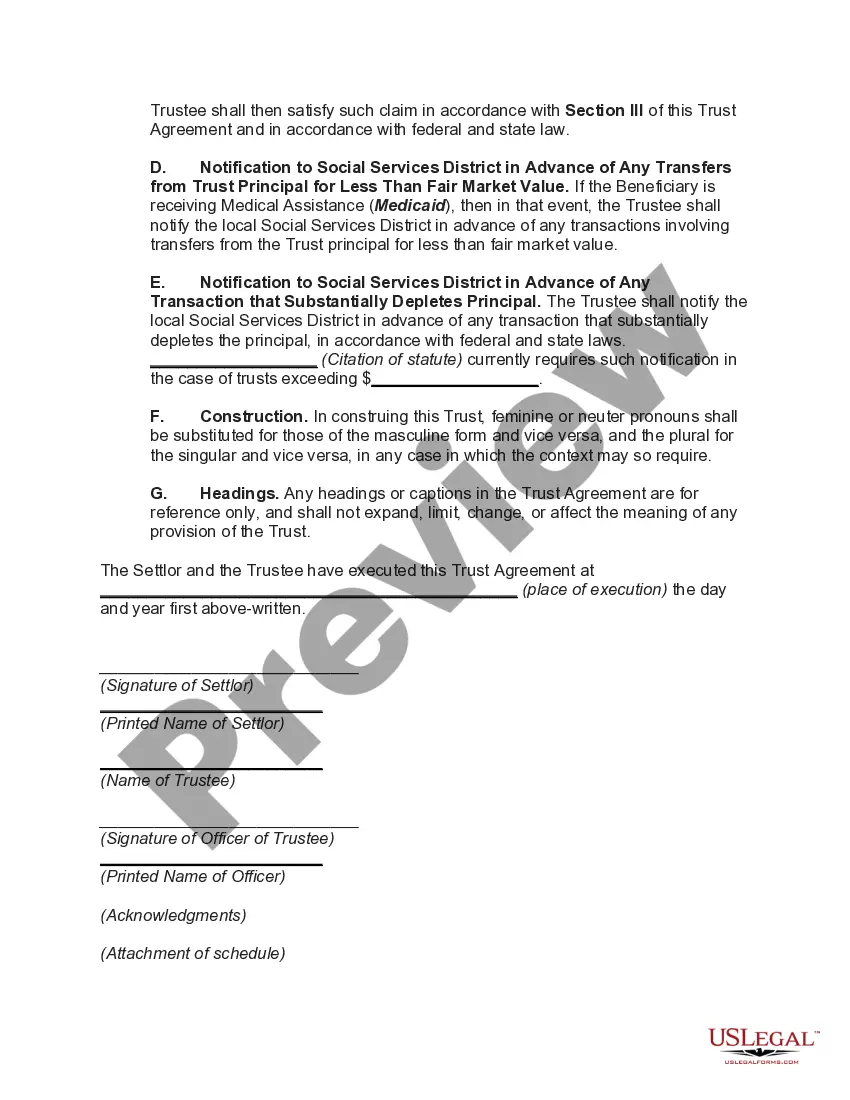



Get your form ready online
Our built-in tools help you complete, sign, share, and store your documents in one place.
Make edits, fill in missing information, and update formatting in US Legal Forms—just like you would in MS Word.
Download a copy, print it, send it by email, or mail it via USPS—whatever works best for your next step.
Sign and collect signatures with our SignNow integration. Send to multiple recipients, set reminders, and more. Go Premium to unlock E-Sign.
If this form requires notarization, complete it online through a secure video call—no need to meet a notary in person or wait for an appointment.
We protect your documents and personal data by following strict security and privacy standards.

Make edits, fill in missing information, and update formatting in US Legal Forms—just like you would in MS Word.

Download a copy, print it, send it by email, or mail it via USPS—whatever works best for your next step.

Sign and collect signatures with our SignNow integration. Send to multiple recipients, set reminders, and more. Go Premium to unlock E-Sign.

If this form requires notarization, complete it online through a secure video call—no need to meet a notary in person or wait for an appointment.

We protect your documents and personal data by following strict security and privacy standards.
Looking for another form?





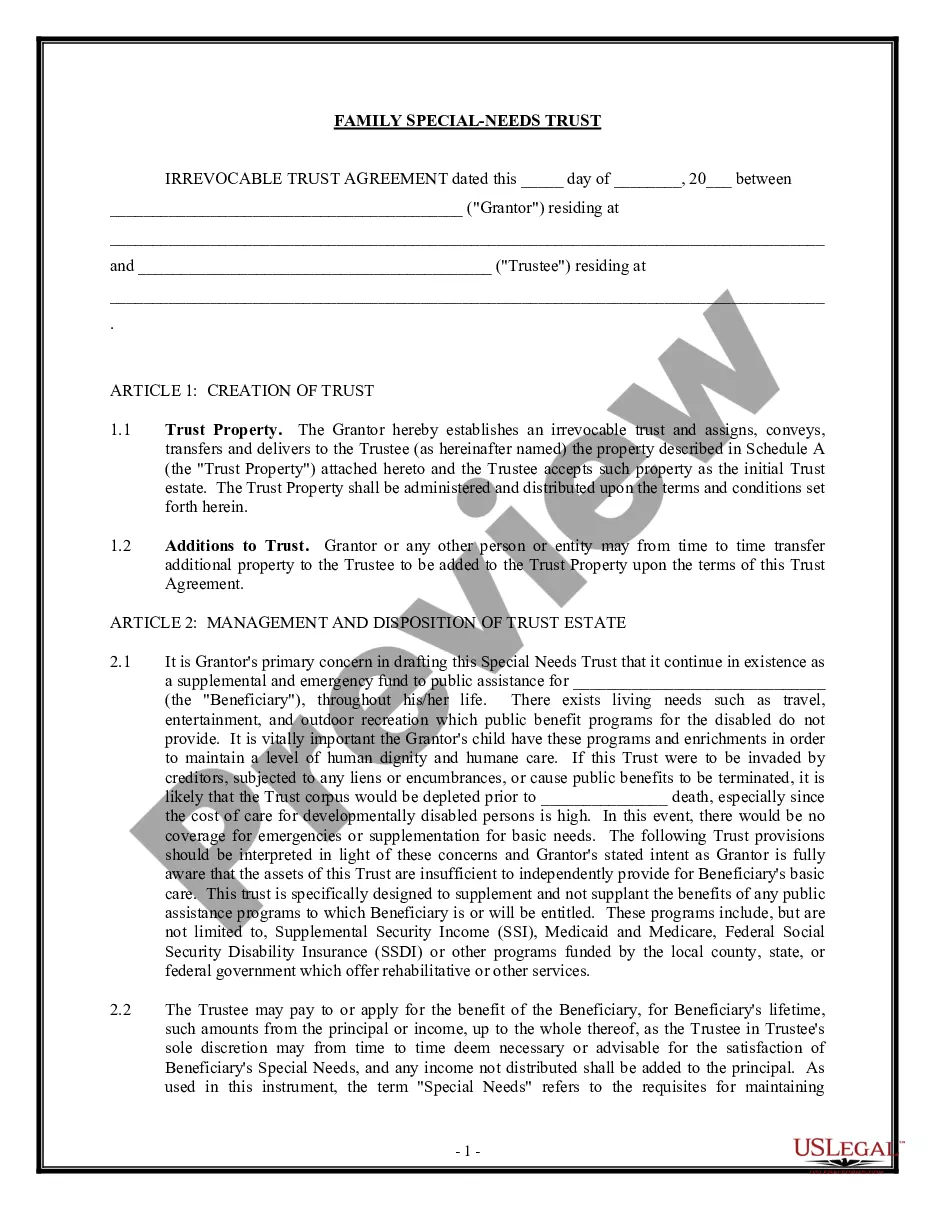
How to fill out Special Needs Irrevocable Trust Agreement For Benefit Of Disabled Child Of Trustor?
The Special Needs Trust Massachusetts Withdrawal presented on this page is a reusable legal framework prepared by qualified attorneys in accordance with federal and local laws. For over 25 years, US Legal Forms has offered individuals, businesses, and lawyers more than 85,000 validated, state-specific documents for any commercial and personal event. It’s the fastest, easiest, and most reliable method to acquire the forms you require, as the service guarantees bank-level data protection and anti-malware safeguards.
Obtaining this Special Needs Trust Massachusetts Withdrawal will require just a few straightforward steps.
Subscribe to US Legal Forms to have certified legal templates for all of life's situations at your fingertips.
- Search for the document you need and review it. Browse through the file you searched and preview it or examine the form description to ensure it meets your requirements. If it does not, use the search bar to find the correct one. Click Buy Now once you have found the template you need.
- Register and Log In. Choose the pricing option that works for you and set up an account. Make a quick payment using PayPal or a credit card. If you already possess an account, Log In and verify your subscription to continue.
- Obtain the editable template. Select the format you prefer for your Special Needs Trust Massachusetts Withdrawal (PDF, Word, RTF) and save the document on your device.
- Complete and sign the paperwork. Print the template to fill it out by hand. Alternatively, utilize an online multi-functional PDF editor to swiftly and accurately complete and sign your form with a legally-binding] {electronic signature.
- Redownload your documents when needed. Access the same document again whenever required. Open the My documents section in your profile to redownload any previously acquired forms.
Form popularity
FAQ
The grantor can opt to have the beneficiaries receive trust property directly without any restrictions. The trustee can write the beneficiary a check, give them cash, and transfer real estate by drawing up a new deed or selling the house and giving them the proceeds.
Income from a QDisT is reported on Internal Revenue Service (IRS) Form 1041, with a unique Employer Identification Number (EIN), while distributions to the beneficiary will be taxed on their own Form 1040 tax return.
The trustee works in very close contact with the beneficiary and/or their caregiver to manage the trust and its financial distributions to pay for these things. The main takeaway regarding distribution of SNT funds is this: The beneficiary never sees the money directly, but the money is used to pay for their needs.
Tax Forms Required for Distributions Trustees will need to submit a completed 1041 form (i.e., a trust income tax return) to the IRS in order to deduct from the trust's taxable income the income it distributed to beneficiaries.
Beneficiaries of a trust typically pay taxes on the distributions they receive from a trust's income rather than the trust paying the tax. However, beneficiaries aren't subject to taxes on distributions from the trust's principal, the original sum of money put into the trust.