Special Needs Trust Adult With Learning Disabilities
Description
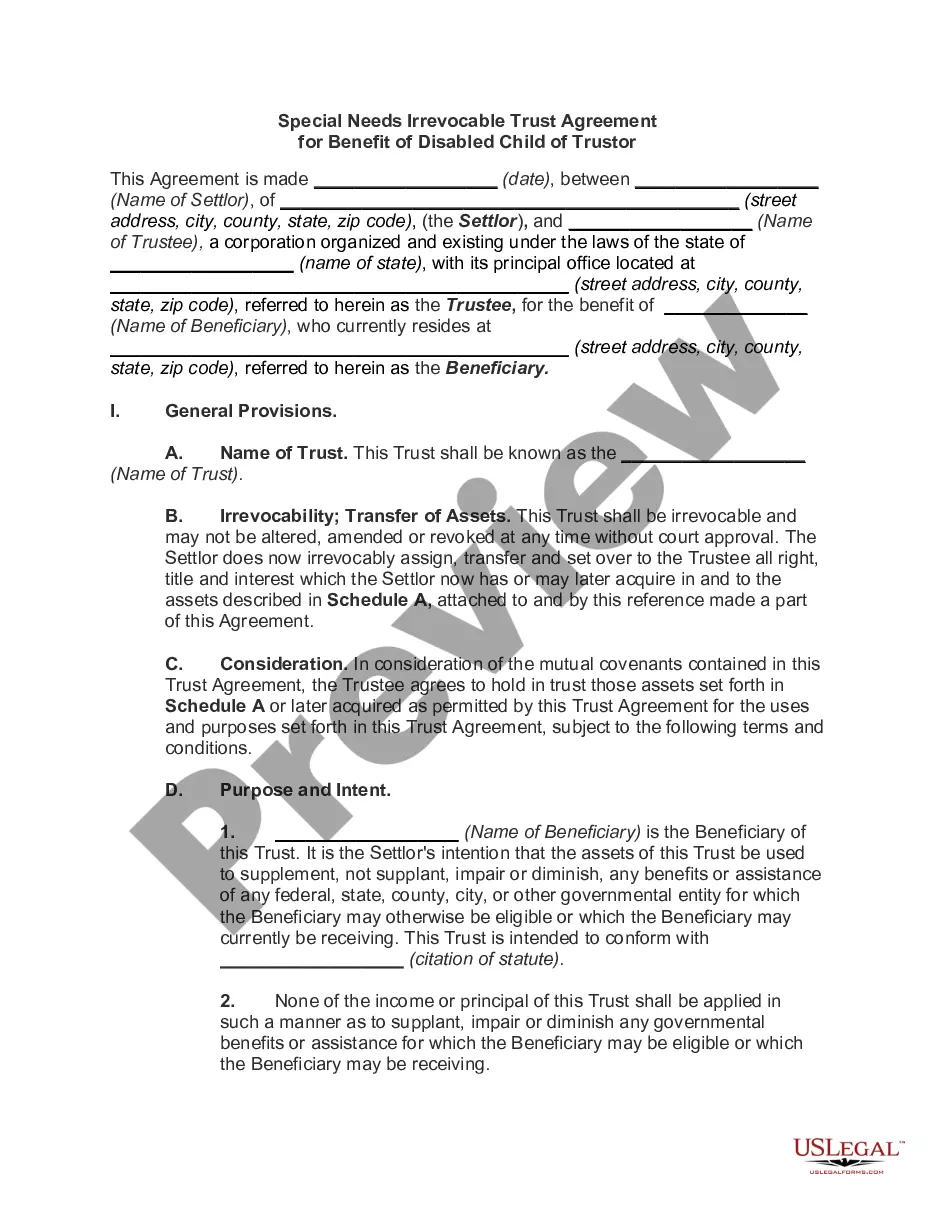
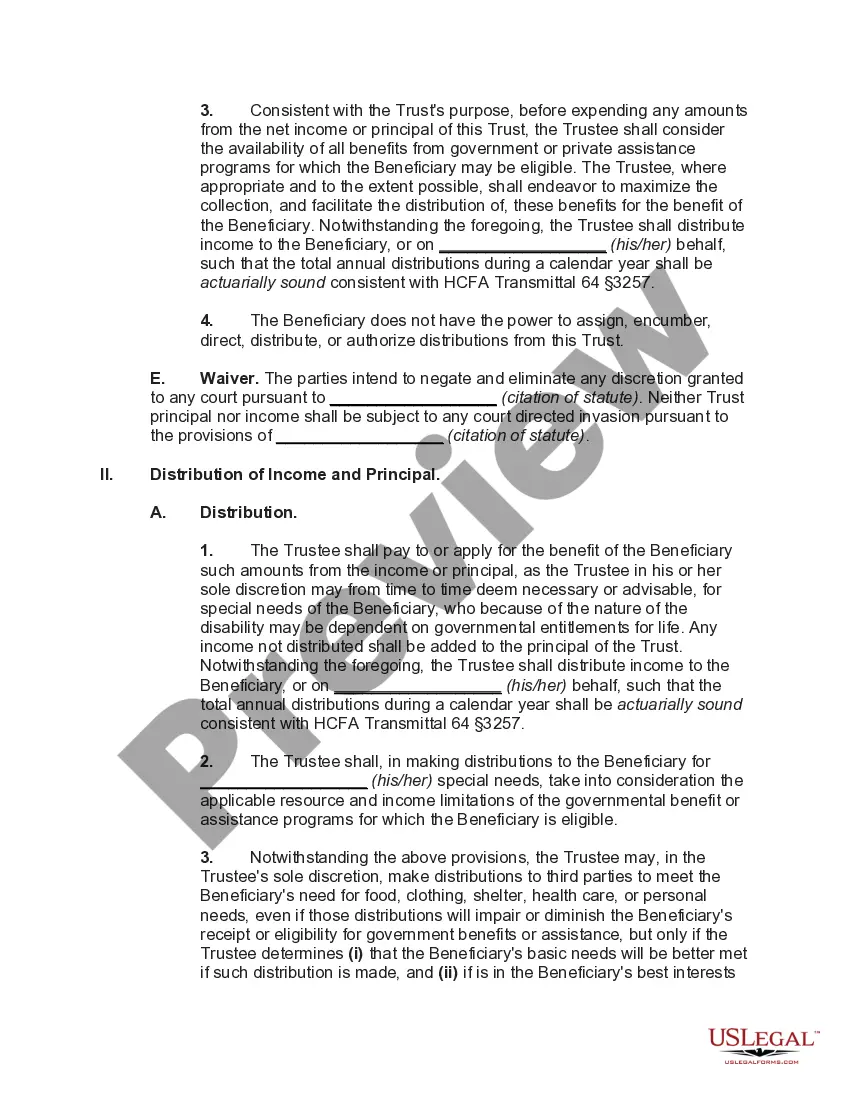
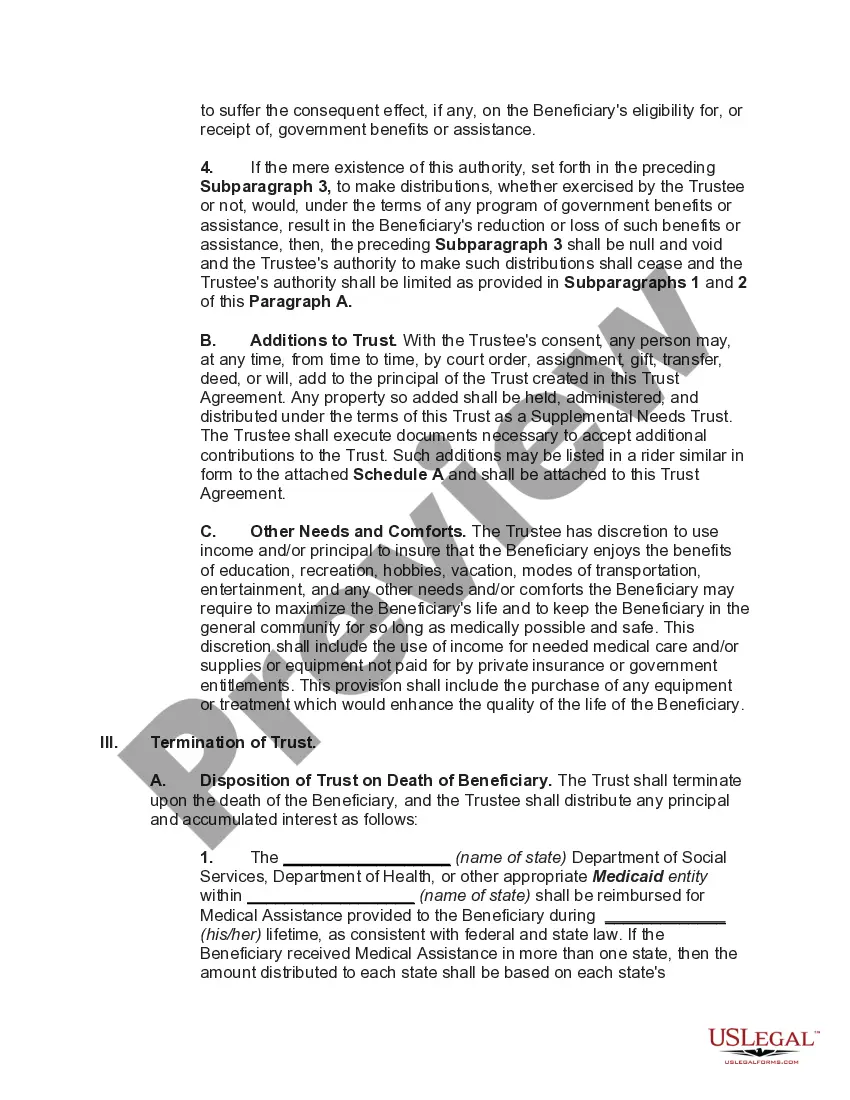
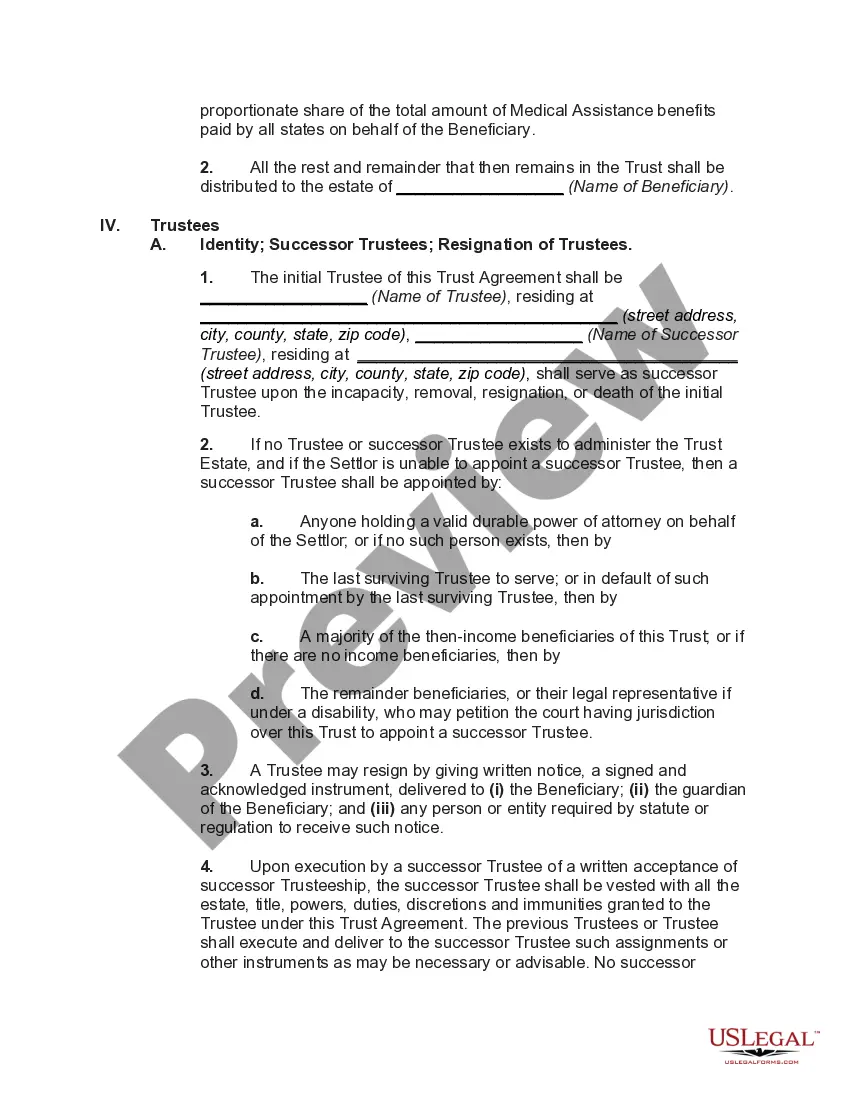
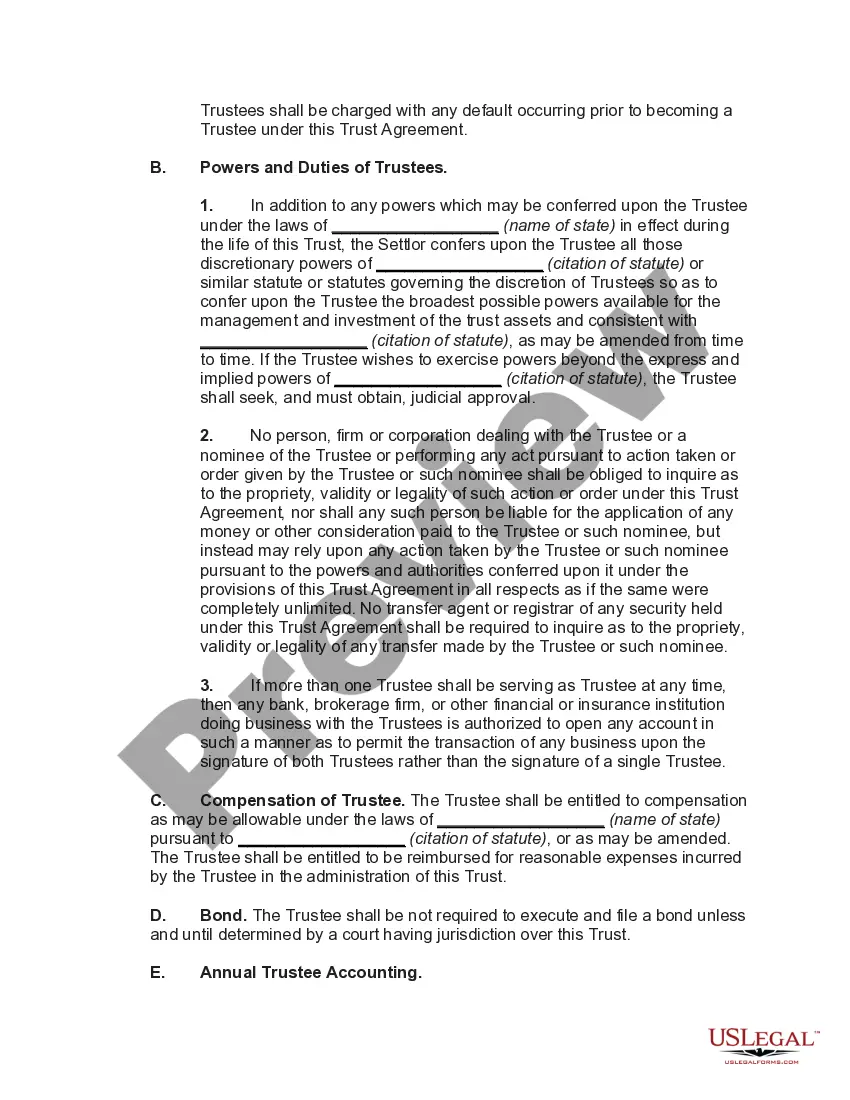
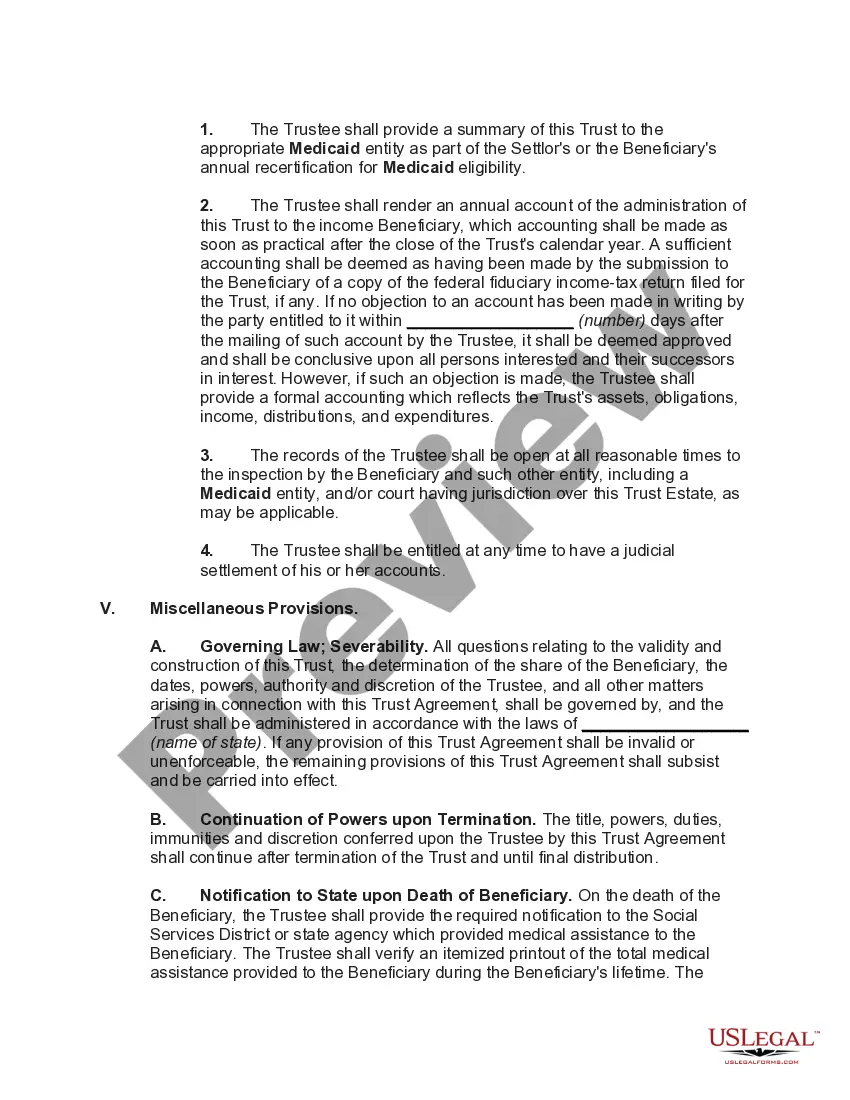
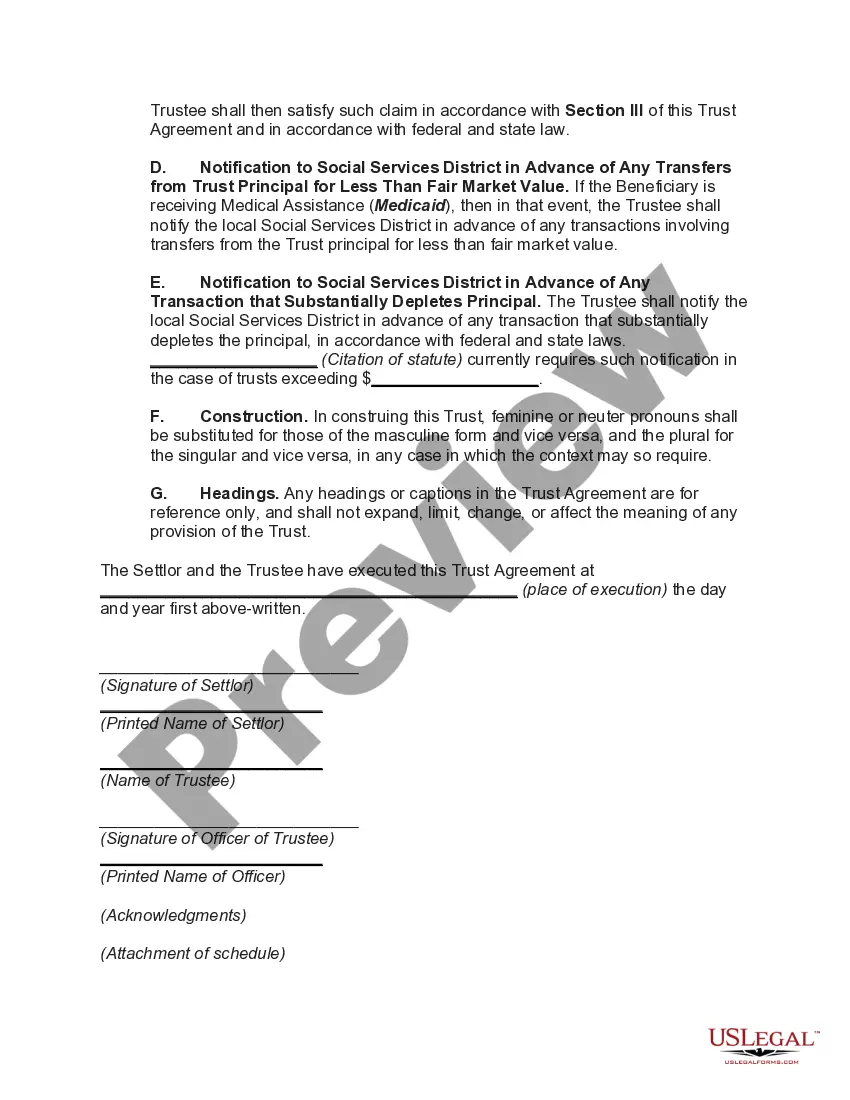
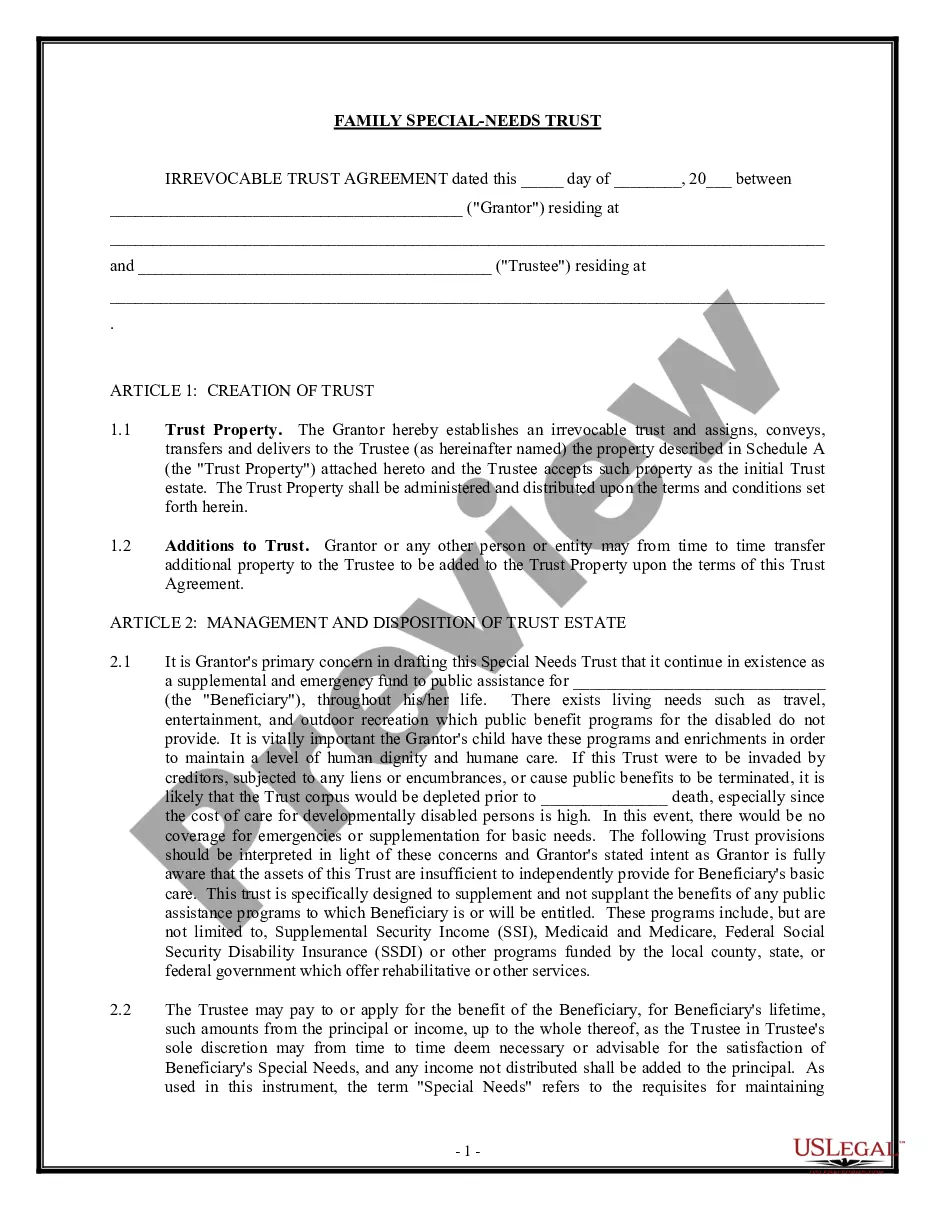

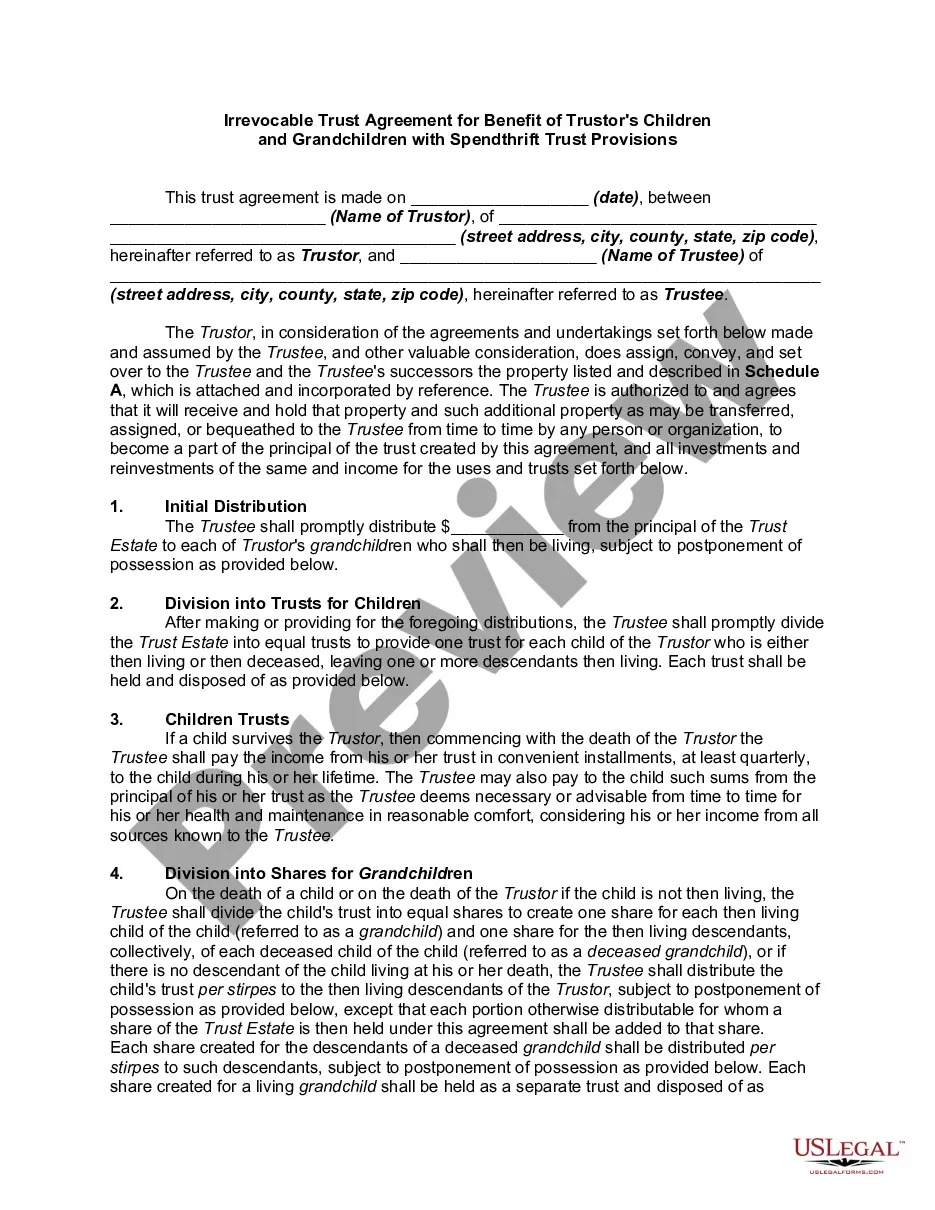
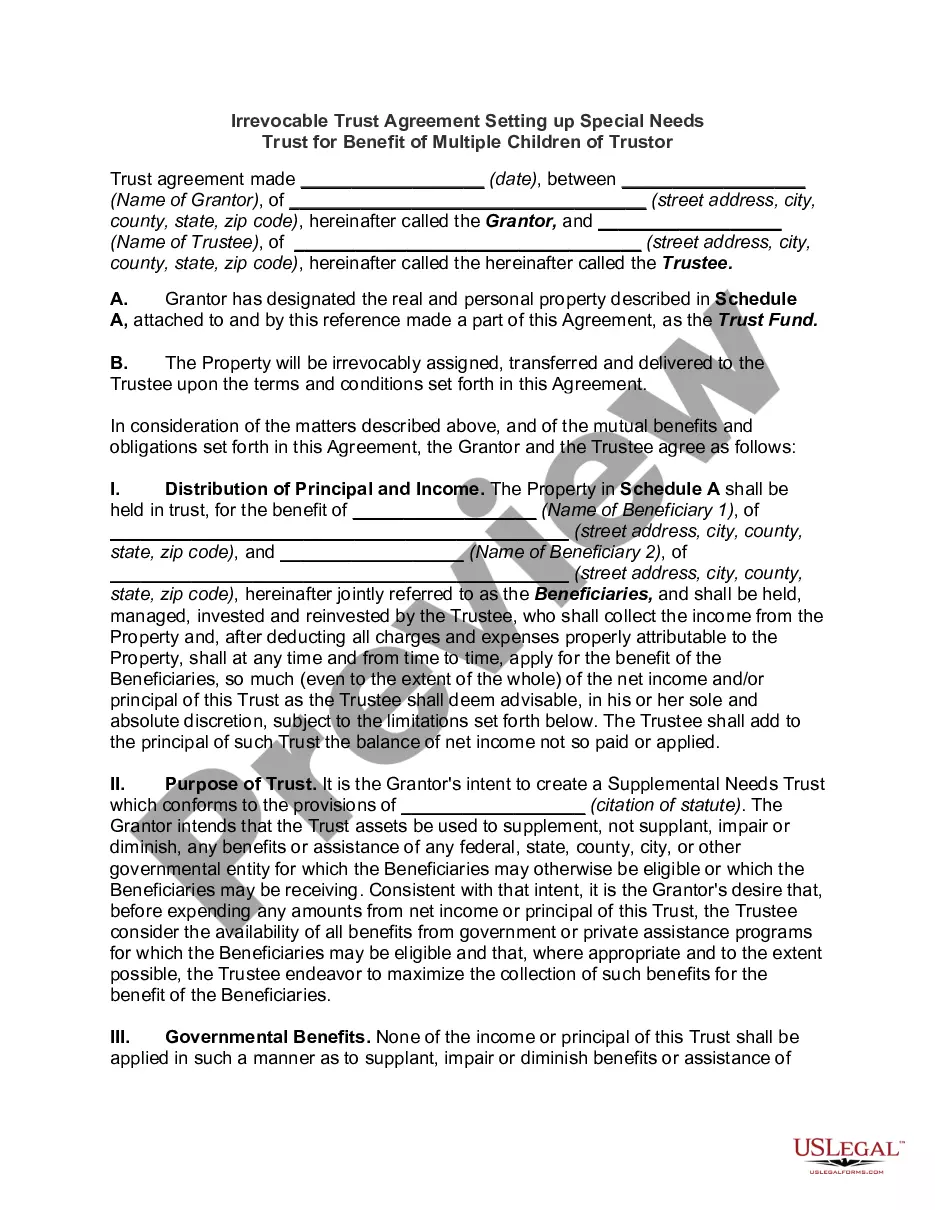
Get your form ready online
Our built-in tools help you complete, sign, share, and store your documents in one place.
Make edits, fill in missing information, and update formatting in US Legal Forms—just like you would in MS Word.
Download a copy, print it, send it by email, or mail it via USPS—whatever works best for your next step.
Sign and collect signatures with our SignNow integration. Send to multiple recipients, set reminders, and more. Go Premium to unlock E-Sign.
If this form requires notarization, complete it online through a secure video call—no need to meet a notary in person or wait for an appointment.
We protect your documents and personal data by following strict security and privacy standards.

Make edits, fill in missing information, and update formatting in US Legal Forms—just like you would in MS Word.

Download a copy, print it, send it by email, or mail it via USPS—whatever works best for your next step.

Sign and collect signatures with our SignNow integration. Send to multiple recipients, set reminders, and more. Go Premium to unlock E-Sign.

If this form requires notarization, complete it online through a secure video call—no need to meet a notary in person or wait for an appointment.

We protect your documents and personal data by following strict security and privacy standards.
Looking for another form?
How to fill out Special Needs Irrevocable Trust Agreement For Benefit Of Disabled Child Of Trustor?
- Log in to your US Legal Forms account or create a new one if you are a first-time user.
- Search for the appropriate special needs trust form tailored to adults with learning disabilities in the online library.
- Review the form description and ensure it matches your state-specific legal requirements.
- Select the form and click the Buy Now button to proceed to the subscription options.
- Complete your purchase securely using your preferred payment method, such as credit card or PayPal.
- Download the completed form to your device and access it anytime from the My Forms menu in your account.
By following these steps, you can efficiently create a special needs trust that protects your loved one’s financial future while allowing them access to essential services. US Legal Forms not only simplifies this process but also ensures that you have the tools needed for a legally sound document.
Start today by visiting US Legal Forms and empower yourself with the resources you need!
Form popularity
FAQ
The role of a trustee in a special needs trust is to manage the trust's assets and ensure they are used for the benefit of the adult with learning disabilities. Trustees must act in the best interest of the beneficiary, making informed decisions regarding distributions and maintaining compliance with legal requirements. At USLegalForms, we provide tools and resources to help trustees fulfill their responsibilities effectively.
A special needs trust for an adult with learning disabilities is designed to ensure that the beneficiary remains eligible for Supplemental Security Income (SSI). By placing assets in this trust, individuals can preserve their SSI benefits while still accessing additional resources for their care and needs. It is crucial to structure the trust properly to safeguard these benefits and avoid potential pitfalls.
Yes, a trustee can claim reasonable expenses incurred while managing a special needs trust for an adult with learning disabilities. These expenses may include costs related to legal fees, administrative duties, or other necessary functions that benefit the trust. It is important for trustees to keep detailed records of their expenses to ensure transparency in the management of the trust.
One significant mistake parents make when establishing a special needs trust adult with learning disabilities is not involving a knowledgeable attorney in the process. This can lead to errors that impact the trust’s validity or its effectiveness in protecting government benefits. Comprehensive advice tailored to the individual’s situation is essential to prevent costly missteps.
There are three main types of special needs trust adult with learning disabilities: first-party, third-party, and pooled trusts. First-party trusts hold assets belonging to the individual, while third-party trusts are funded by family or friends. Pooled trusts combine funds from many individuals but still provide personalized management, often through a non-profit organization.
While a special needs trust adult with learning disabilities offers many benefits, there are also downsides. Establishing the trust can be complex and may require professional legal help. Additionally, if not properly managed, the trust could lead to unintended consequences affecting the beneficiary's public assistance.
A special needs trust adult with learning disabilities comes with certain restrictions to protect benefits. For instance, funds in the trust cannot be used for necessities like food or housing, as this could jeopardize government assistance eligibility. Instead, the trust should cover expenses that enhance the beneficiary's quality of life.
No, a special needs trust adult with learning disabilities is not the same as a qualified disability trust. While both serve similar purposes in supporting individuals with disabilities, they have different tax implications and operational structures. A special needs trust protects eligibility for government benefits, whereas a qualified disability trust allows for specific tax benefits.
While a special needs trust adult with learning disabilities can provide vital financial support, it may come with downsides. Administrative costs can add up, including legal and management fees. Additionally, if not properly structured, the trust can inadvertently jeopardize the beneficiary’s access to government benefits, so careful planning is essential to avoid potential pitfalls.
Filing taxes for a special needs trust adult with learning disabilities requires understanding its classification, whether it is a simple or complex trust. Typically, you'll need to file IRS Form 1041 and provide detailed income records and distributions made to the beneficiary. Consulting resources like uSlegalforms can offer you tailored guidance, ensuring accurate filings that adhere to the law.