Irrevocable Trust Document Example
Description

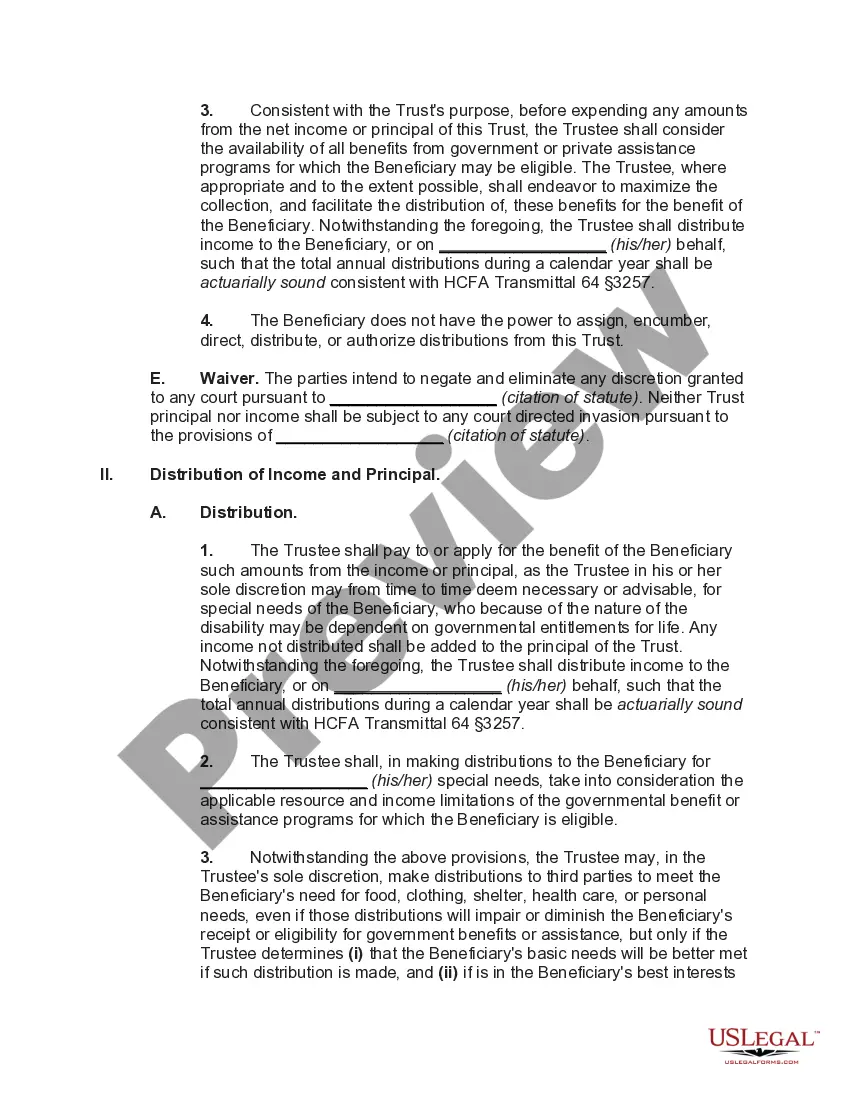
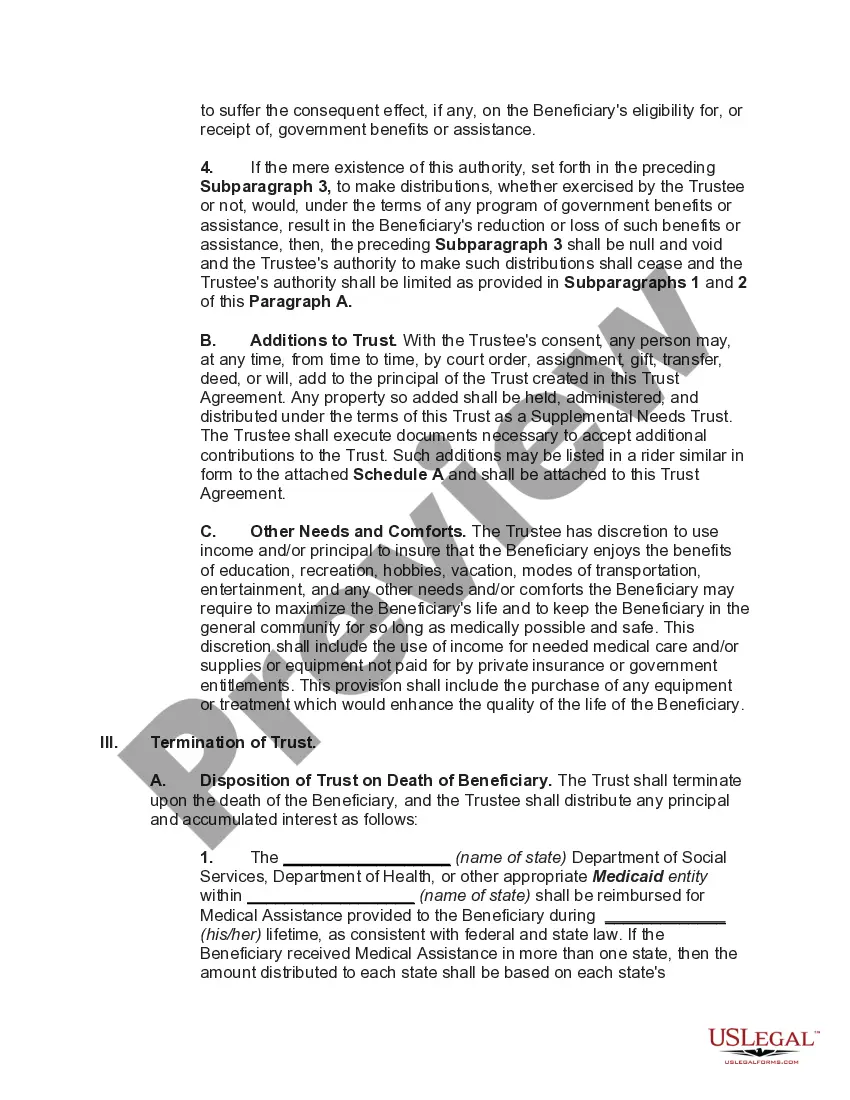
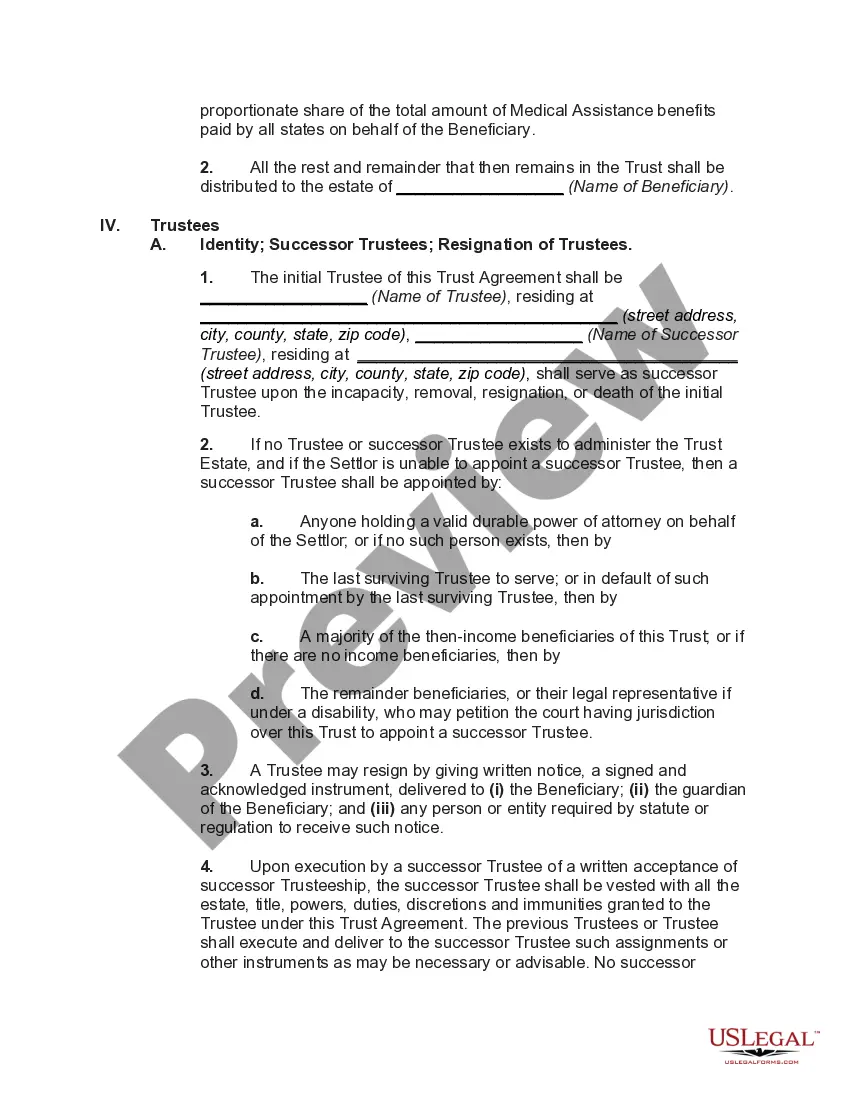
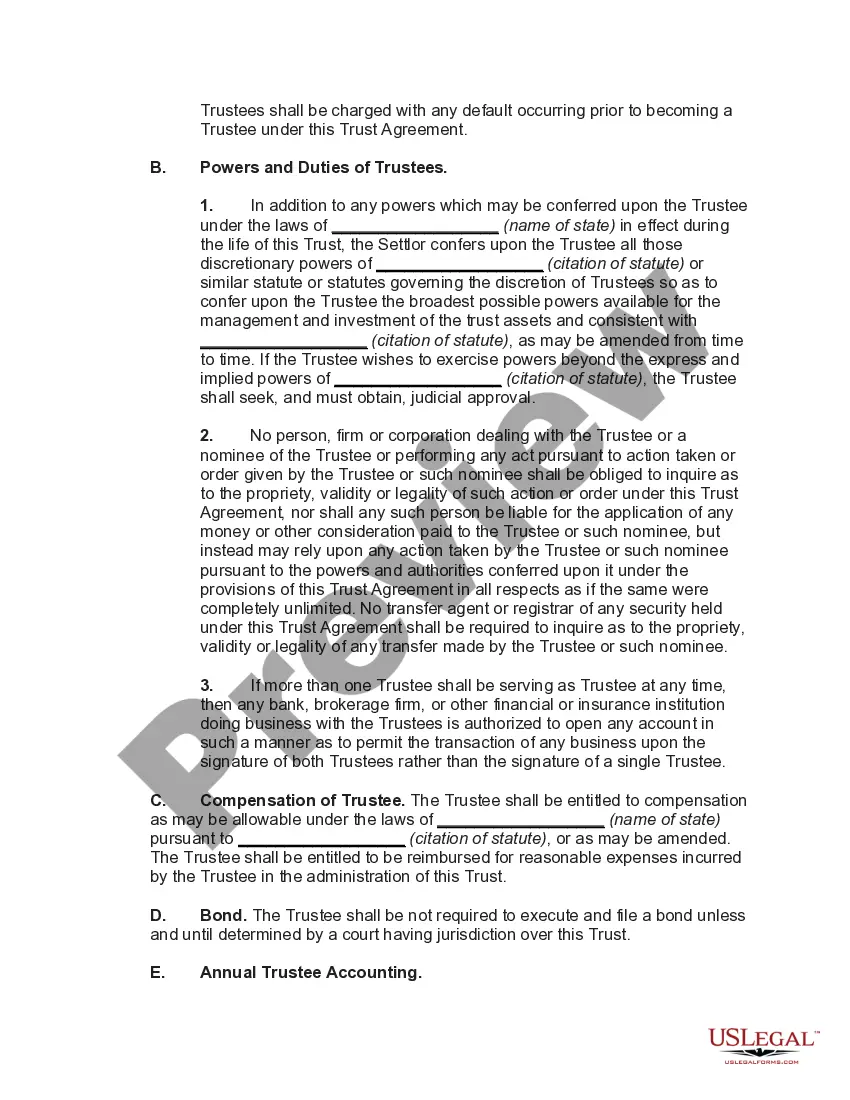




Get your form ready online
Our built-in tools help you complete, sign, share, and store your documents in one place.
Make edits, fill in missing information, and update formatting in US Legal Forms—just like you would in MS Word.
Download a copy, print it, send it by email, or mail it via USPS—whatever works best for your next step.
Sign and collect signatures with our SignNow integration. Send to multiple recipients, set reminders, and more. Go Premium to unlock E-Sign.
If this form requires notarization, complete it online through a secure video call—no need to meet a notary in person or wait for an appointment.
We protect your documents and personal data by following strict security and privacy standards.

Make edits, fill in missing information, and update formatting in US Legal Forms—just like you would in MS Word.

Download a copy, print it, send it by email, or mail it via USPS—whatever works best for your next step.

Sign and collect signatures with our SignNow integration. Send to multiple recipients, set reminders, and more. Go Premium to unlock E-Sign.

If this form requires notarization, complete it online through a secure video call—no need to meet a notary in person or wait for an appointment.

We protect your documents and personal data by following strict security and privacy standards.
Looking for another form?

How to fill out Special Needs Irrevocable Trust Agreement For Benefit Of Disabled Child Of Trustor?
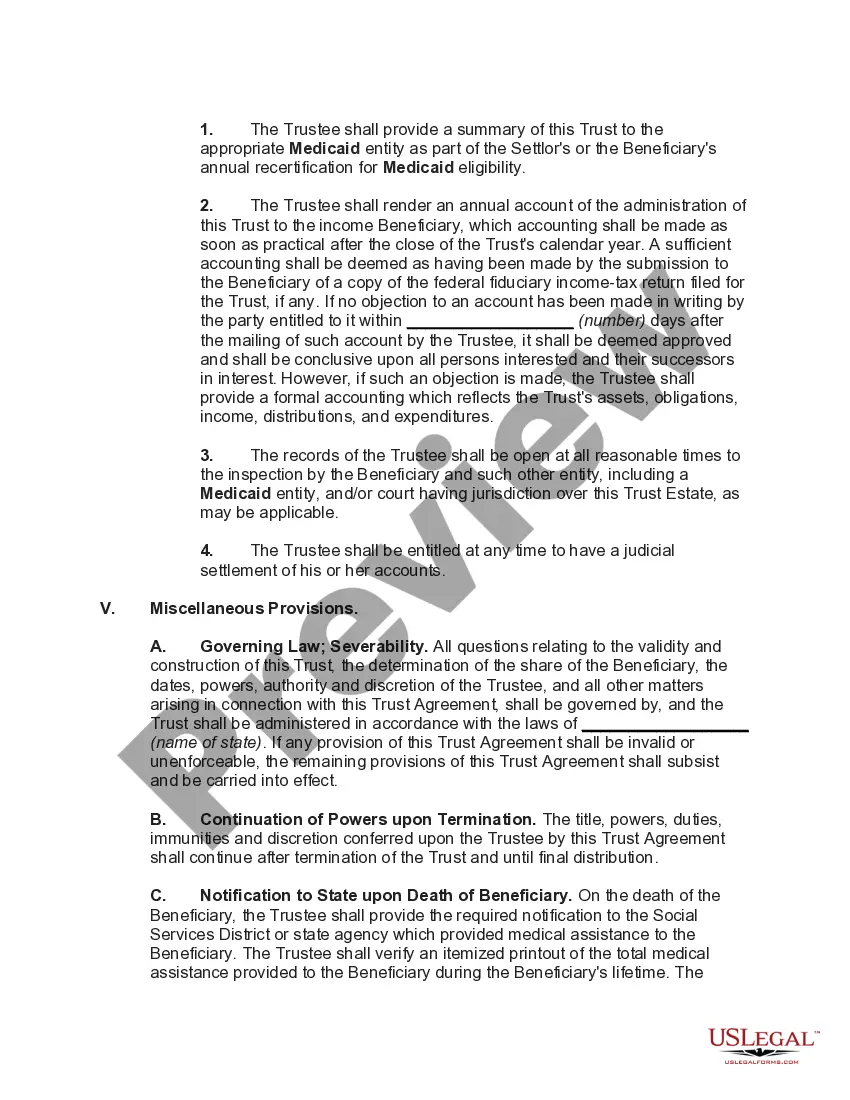
- Visit the US Legal Forms website and log in to your account if you are a returning user. Ensure your subscription is active; if not, renew it based on your plan.
- If this is your first visit, browse the site to find the irrevocable trust document example. Use the Preview mode to confirm it fits your local jurisdiction's requirements.
- If you need to find another template, utilize the search bar to discover a suitable option that meets your criteria; select the appropriate form.
- Purchase the document by clicking the Buy Now button. Choose your preferred subscription plan and create an account to unlock access to the vast library.
- Complete your payment using a credit card or PayPal to finalize your subscription.
- Download the form to your device, ensuring easy access for completion and future reference in the My Forms section of your profile.
US Legal Forms empowers individuals and attorneys with quick access to the tailored legal documents they need. With more than 85,000 fillable forms available, users can rely on the platform for comprehensive legal solutions.
Start your journey toward effective estate planning today by visiting US Legal Forms and finding the perfect irrevocable trust document example for your needs.
Form popularity
FAQ
You can indeed write your own irrevocable trust. Drafting your own irrevocable trust document example allows for customization to fit your specific needs. Nevertheless, understanding the legal language and requirements is crucial, so you might want to consult templates or services, such as US Legal Forms, to make sure your document is valid and effective.
Yes, you can file your own irrevocable trust. Many people choose to handle this process themselves to save on legal fees. However, it’s important to ensure that your irrevocable trust document example meets all state requirements. Consider using resources like US Legal Forms to guide you through the necessary steps and avoid potential pitfalls.
One disadvantage of a family trust is the potential for loss of privacy, as trust documents are often public records. This exposure can make family financial situations vulnerable. Additionally, setting up and managing a family trust can incur costs for legal assistance and maintenance. An irrevocable trust document example can help clarify the specific terms regarding privacy and management.
A key downfall of having a trust is the potential for complications during the implementation. Misunderstandings about the trust's terms can lead to family disputes. Moreover, maintaining a trust requires ongoing administration and legal oversight, which can become burdensome. Reviewing an irrevocable trust document example can help users grasp the complexities involved.
It depends on your parents' financial situation and goals. If they want to protect their assets from taxes or ensure a smooth transfer to heirs, a trust may be beneficial. However, consulting with a financial advisor can provide clarity. An irrevocable trust document example can serve as a useful reference when discussing this option with a professional.
One downside of putting assets in a trust is the loss of control over those assets. Once you transfer them into a trust, you can't easily access or alter them. This can limit your flexibility in managing your finances. An irrevocable trust document example can illustrate this concept, as it clearly outlines the terms of asset management.
Writing an irrevocable trust document involves several key steps, starting with identifying the grantor, trustee, and beneficiaries. You will also need to clearly outline the terms of the trust, including how assets will be managed and distributed. Utilizing an irrevocable trust document example can help guide you through this process. Furthermore, consider using services like US Legal Forms for templates and additional support.
Yes, you can create an irrevocable trust on your own, but it's often recommended to seek guidance from a legal expert. Drafting this type of trust involves specific legal language and compliance with state laws, which can be complex. Using an irrevocable trust document example can provide you with a solid foundation, but consulting a lawyer ensures that your trust is correctly drafted and legally sound.
Recently, updates to tax rules have impacted the way irrevocable trusts are handled, particularly concerning estate taxation and income distribution. These rules may address how income generated by irrevocable trusts is taxed and who is responsible for those taxes. It’s important to stay informed about any changes, as they can significantly affect the trust's benefits. Consulting an irrevocable trust document example may help clarify these new regulations.
Typically, an irrevocable trust does not need to be filed with the court to be valid. However, some states require that a notice be provided to beneficiaries or creditors when the trust is established. Filing can be necessary if the trust becomes part of a probate case or if the trust's terms require court supervision. For assistance with the filing process, consider using resources like US Legal Forms, which can provide an irrevocable trust document example.