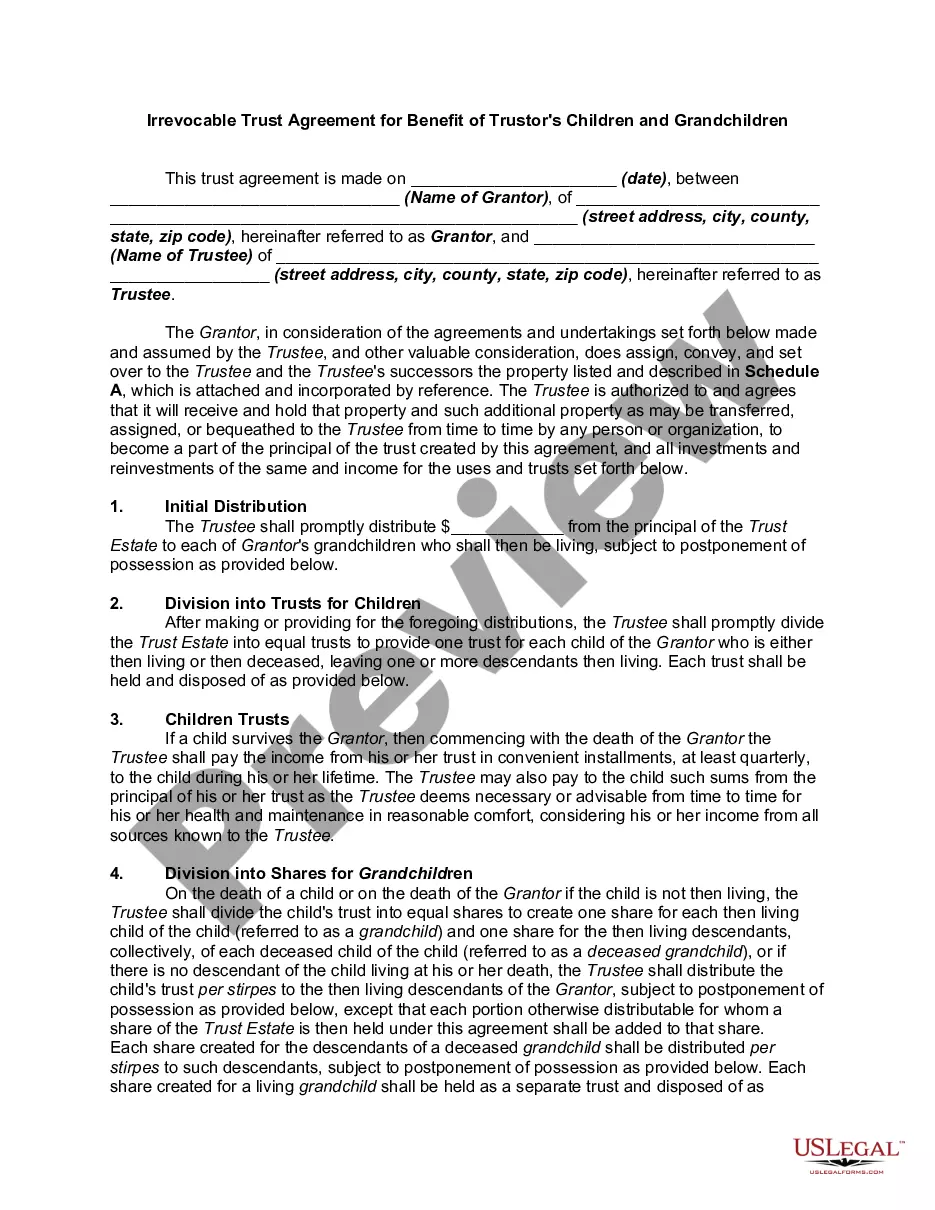
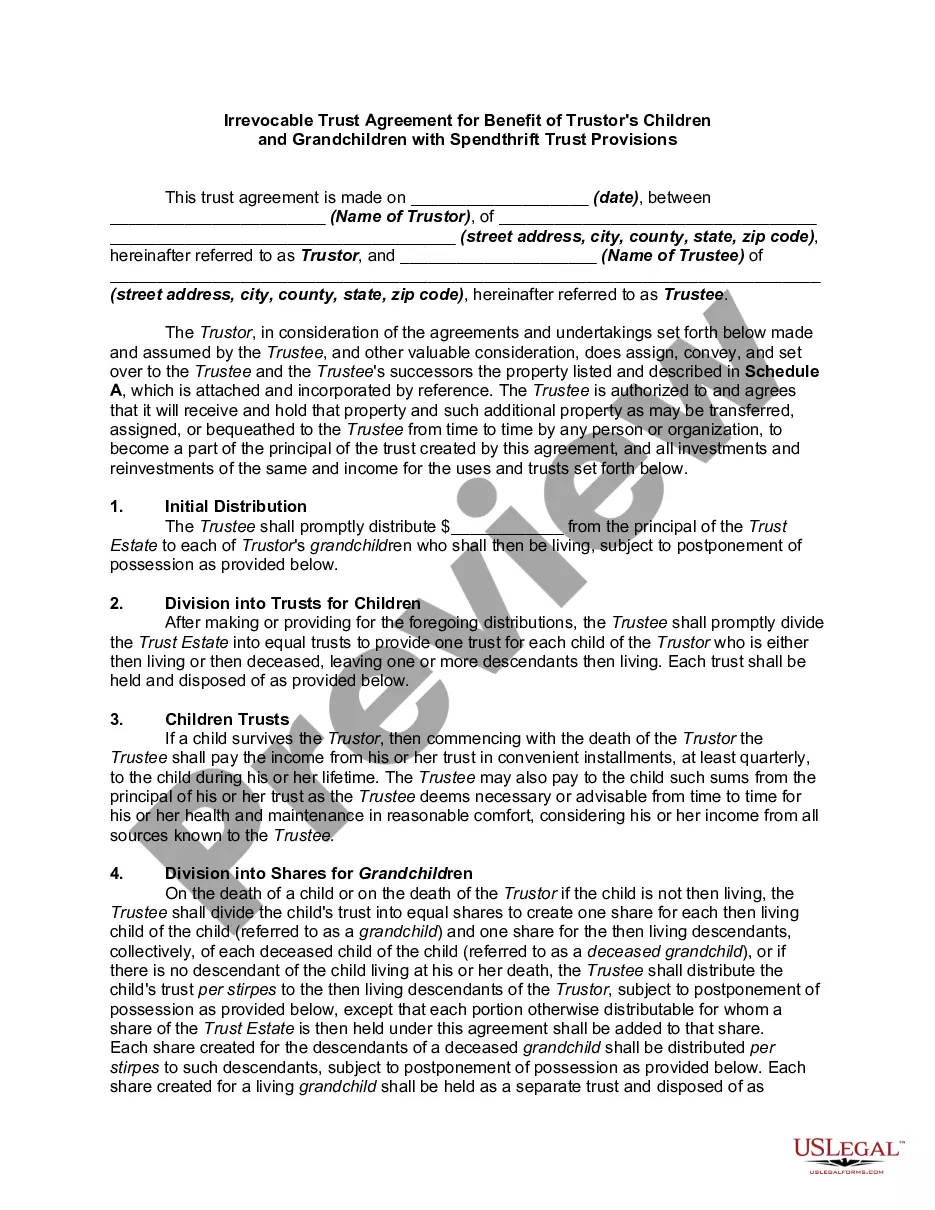
Family Trust Agreement Template With Vesting
Description
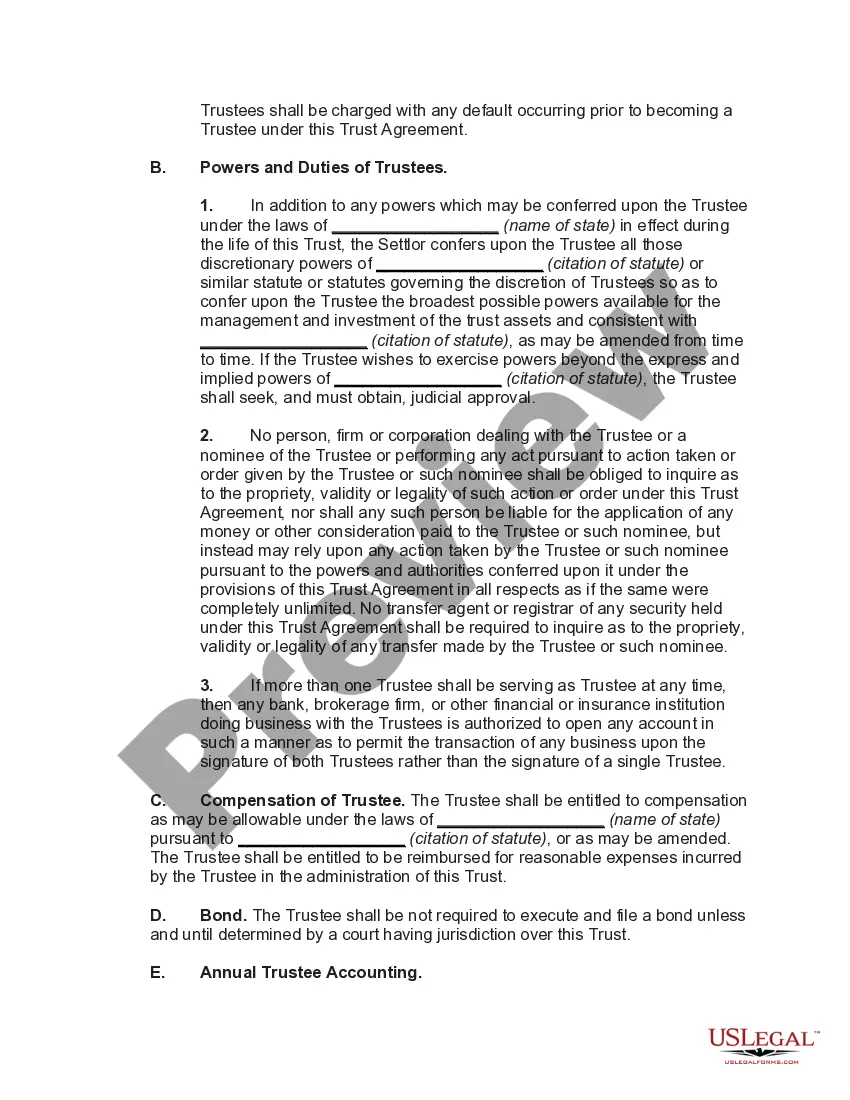
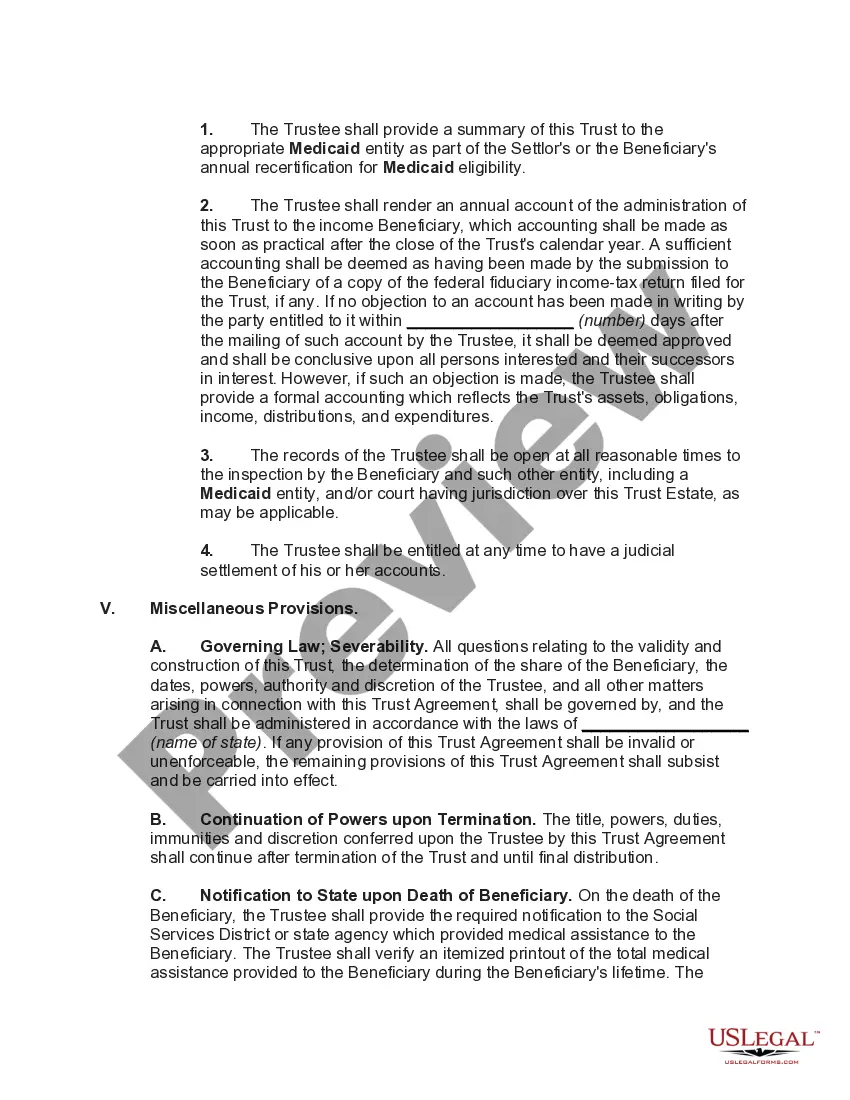
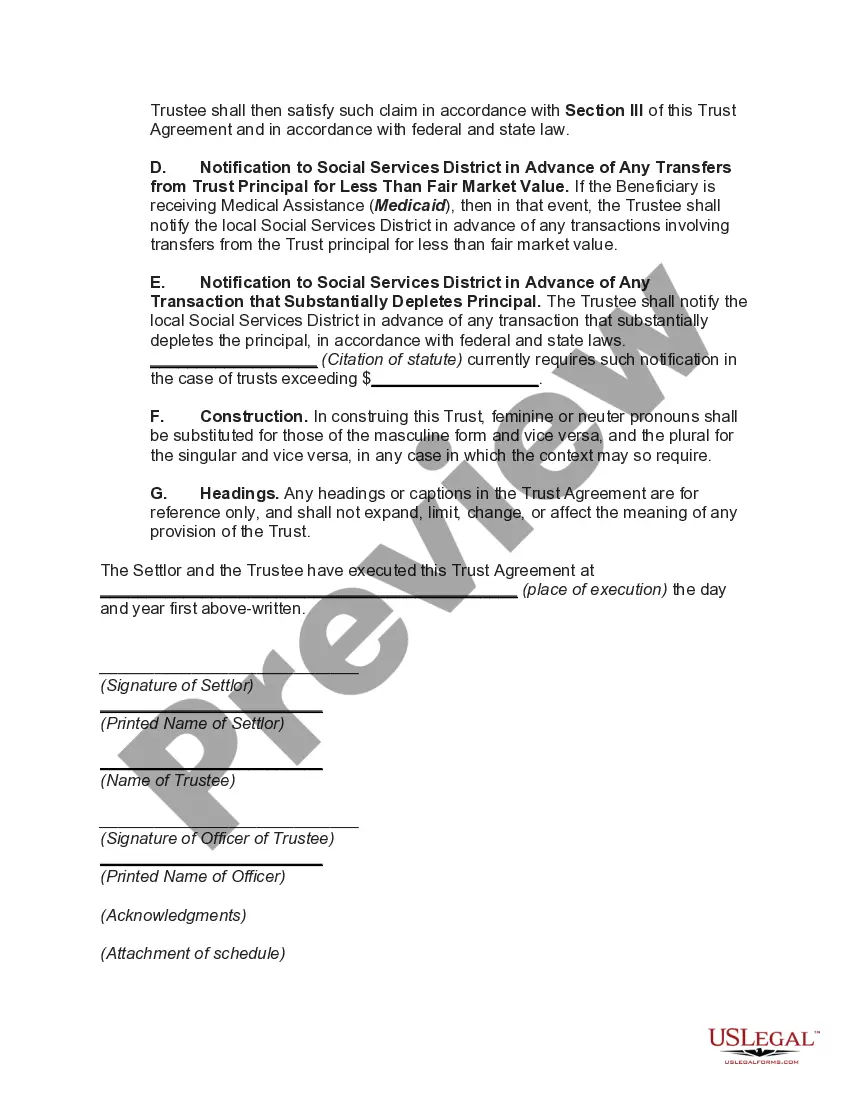
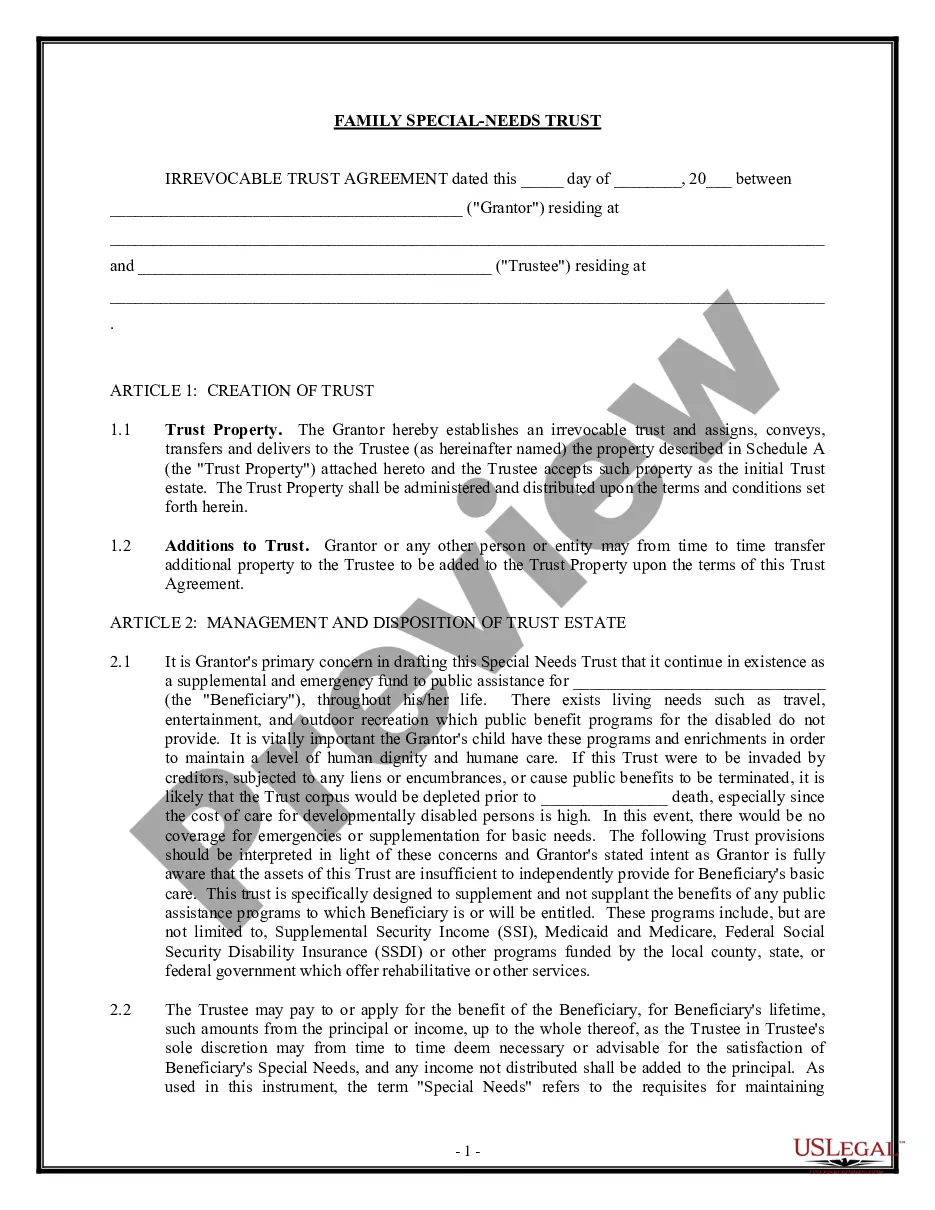
Get your form ready online
Our built-in tools help you complete, sign, share, and store your documents in one place.
Make edits, fill in missing information, and update formatting in US Legal Forms—just like you would in MS Word.
Download a copy, print it, send it by email, or mail it via USPS—whatever works best for your next step.
Sign and collect signatures with our SignNow integration. Send to multiple recipients, set reminders, and more. Go Premium to unlock E-Sign.
If this form requires notarization, complete it online through a secure video call—no need to meet a notary in person or wait for an appointment.
We protect your documents and personal data by following strict security and privacy standards.

Make edits, fill in missing information, and update formatting in US Legal Forms—just like you would in MS Word.

Download a copy, print it, send it by email, or mail it via USPS—whatever works best for your next step.

Sign and collect signatures with our SignNow integration. Send to multiple recipients, set reminders, and more. Go Premium to unlock E-Sign.

If this form requires notarization, complete it online through a secure video call—no need to meet a notary in person or wait for an appointment.

We protect your documents and personal data by following strict security and privacy standards.
Looking for another form?
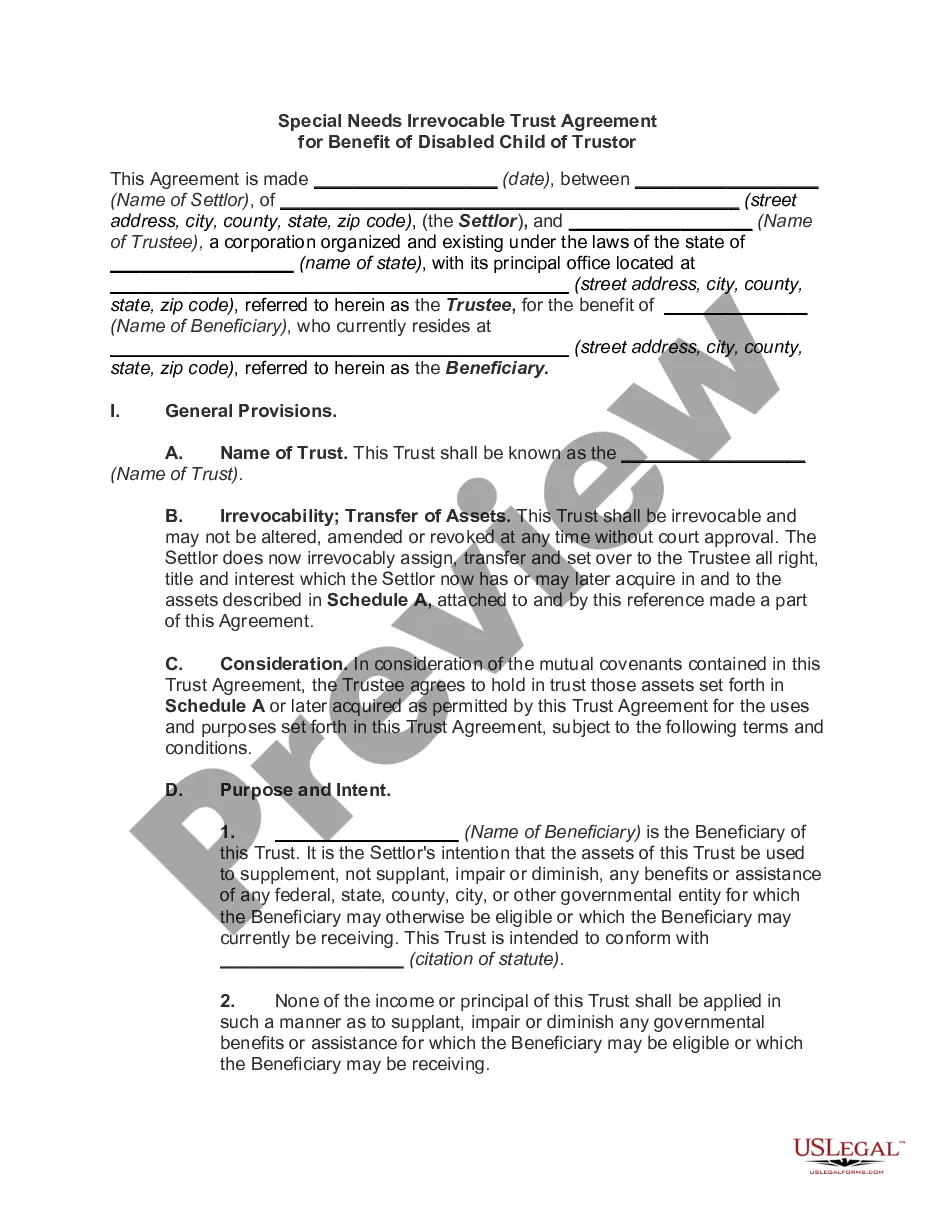
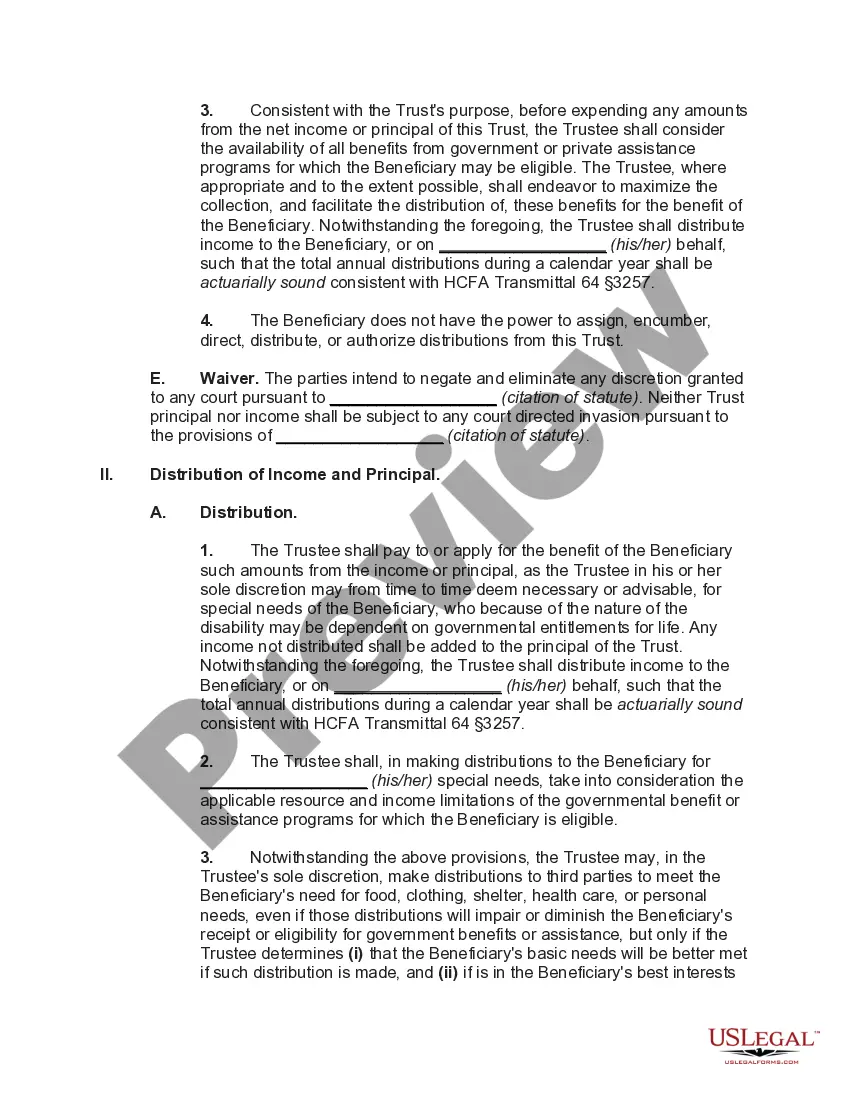
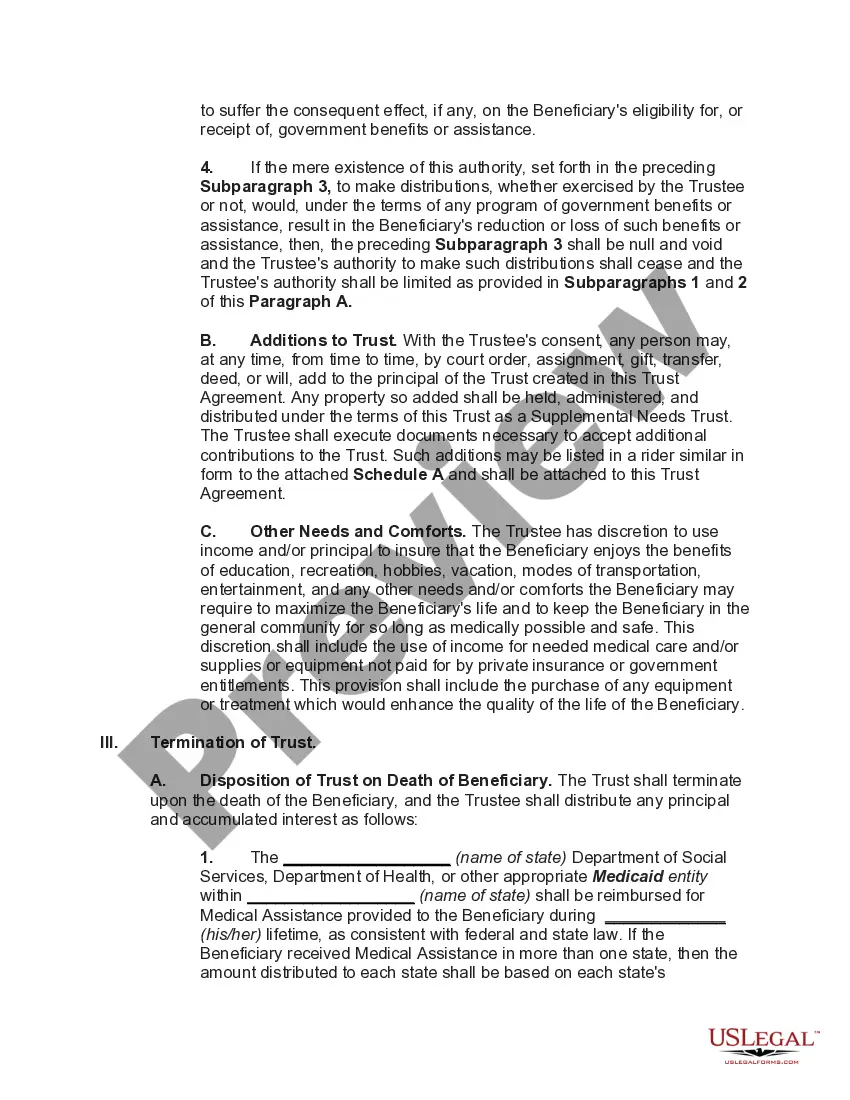
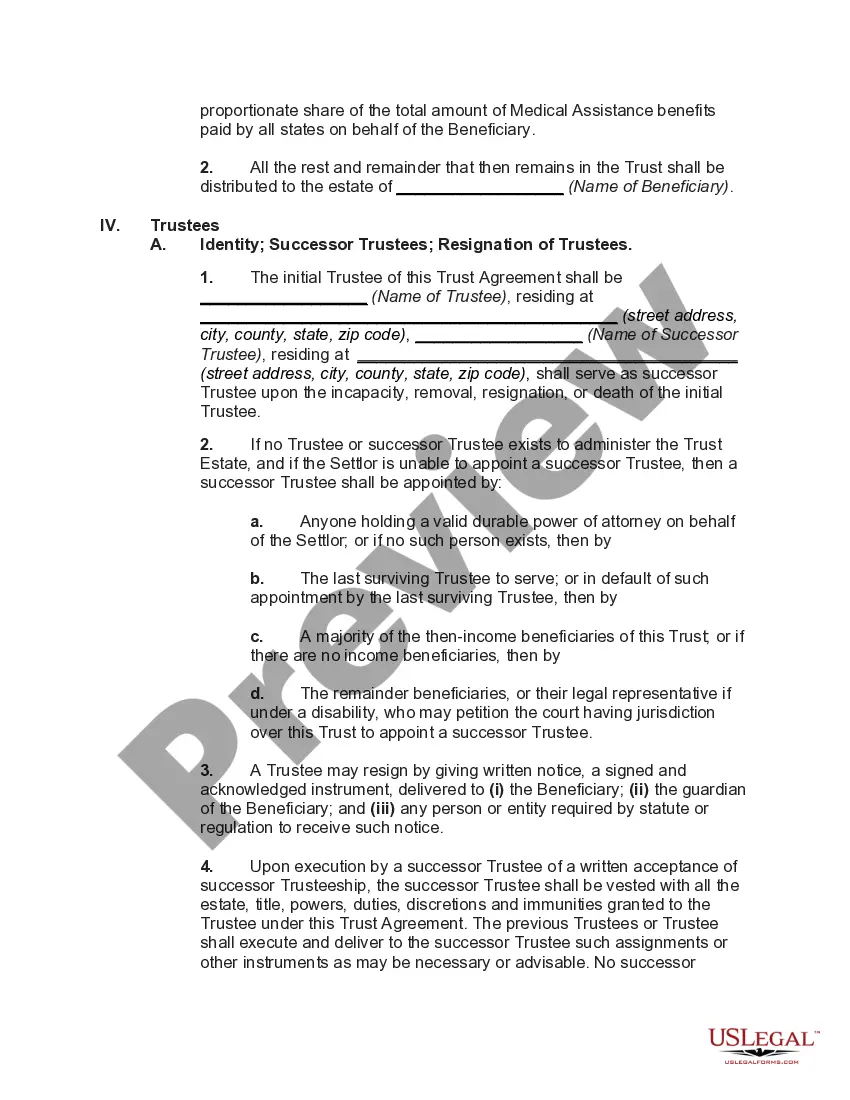
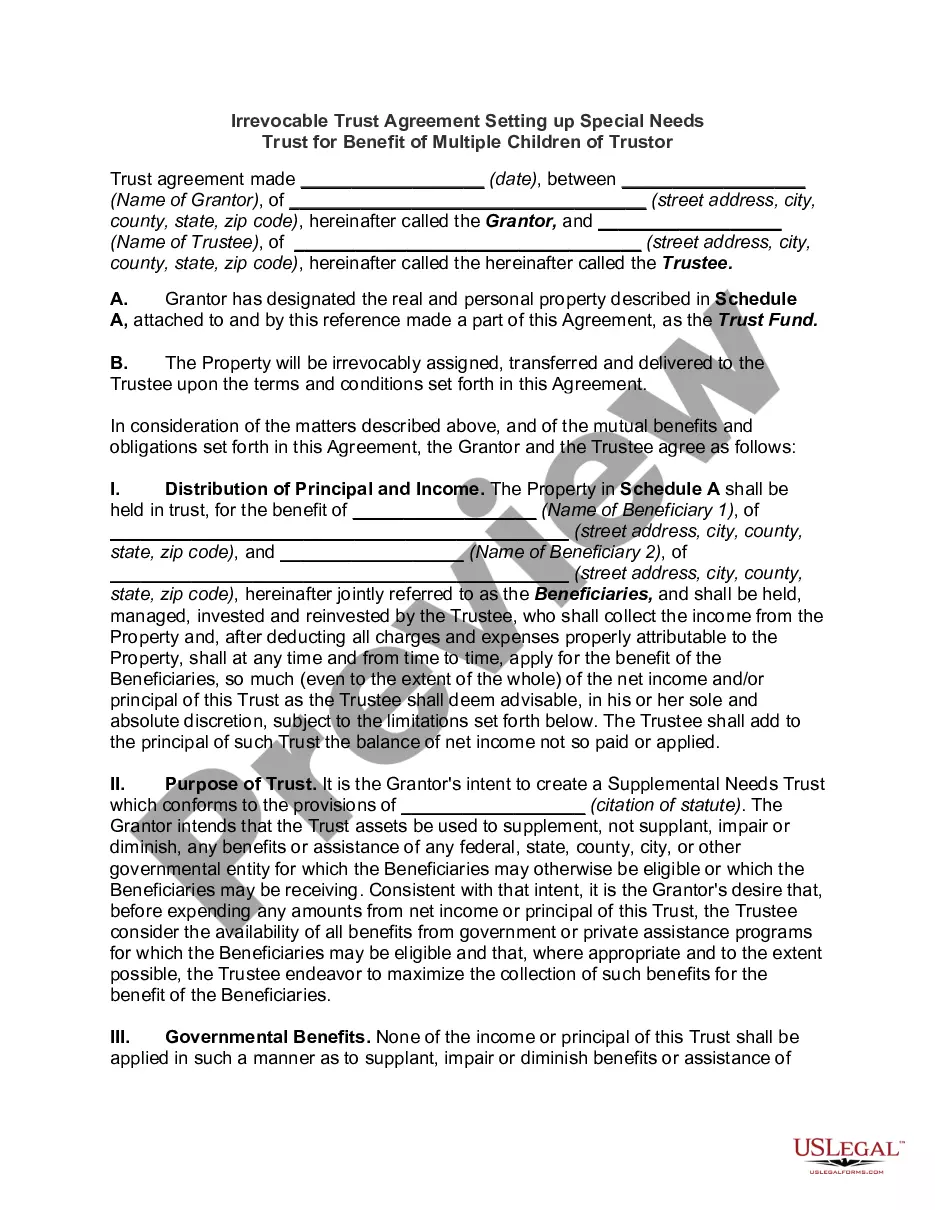
How to fill out Special Needs Irrevocable Trust Agreement For Benefit Of Disabled Child Of Trustor?
Regardless of whether it’s for professional reasons or personal affairs, everyone must confront legal circumstances at some point in their lives.
Filling out legal paperwork requires meticulous care, beginning with choosing the correct form template. For instance, if you select an incorrect version of a Family Trust Agreement Template With Vesting, it will be rejected upon submission.
With an extensive US Legal Forms catalog available, there is no need to waste time searching for the appropriate template online. Utilize the library’s easy navigation to find the correct template for any scenario.
- Locate the template you require utilizing the search bar or catalog navigation.
- Review the form’s description to confirm it aligns with your circumstances, state, and locality.
- Click on the form’s preview to inspect it.
- If it is the wrong form, return to the search option to find the Family Trust Agreement Template With Vesting template you need.
- Download the template when it fulfills your criteria.
- If you possess a US Legal Forms account, simply click Log in to access previously saved templates in My documents.
- If you do not have an account yet, you can acquire the form by clicking Buy now.
- Select the appropriate pricing option.
- Complete the profile registration form.
- Choose your payment method: you can use a credit card or PayPal account.
- Select the file format you prefer and download the Family Trust Agreement Template With Vesting.
- After it is saved, you can fill out the form using editing software or print it and complete it manually.
Form popularity
FAQ
If a trust has vested, it means that the beneficiaries have secured their rights to the assets or property within that trust. This situation arises when the conditions specified in the family trust agreement template with vesting are met. Vested trusts provide beneficiaries with certainty and the ability to plan their financial futures more effectively.
One of the biggest mistakes parents make when setting up a trust fund is not clearly defining vesting terms in the family trust agreement template with vesting. Ambiguous terms can lead to confusion and conflict among beneficiaries. By outlining clear vesting conditions, parents can avoid potential disputes and ensure that their intentions are honored.
In simple terms, vesting means that a beneficiary has earned the right to receive benefits from a trust. This right comes into effect when conditions in the family trust agreement template with vesting are fulfilled. Essentially, vesting ensures that beneficiaries are entitled to their share of the trust assets without any further conditions.
The vesting of a trust refers to the point at which a beneficiary's interest in the trust becomes fixed and secure. This usually happens according to the terms set forth in the family trust agreement template with vesting. Understanding vesting is crucial, as it affects when and how beneficiaries can claim their assets from the trust.
Being vested in a trust means that a beneficiary has a legal right to receive property or assets from that trust. This right typically occurs when specific conditions outlined in the family trust agreement template with vesting are met. Once vested, beneficiaries can access their share of the trust, which can provide significant financial security and peace of mind.
To write a trust agreement template, start by defining the trust's purpose, details of the grantor and beneficiaries, and the assets involved. Include provisions for management, distributions, and vesting. Utilizing a reliable platform like uslegalforms can simplify this process and ensure your family trust agreement template with vesting is comprehensive and legally sound.
A trust does not necessarily need a vesting date, but having one can clarify when beneficiaries gain control over trust assets. Without a vesting date, beneficiaries may face uncertainty regarding their inheritance. When creating a family trust agreement template with vesting, consider including a vesting date for better transparency.
You should keep a trust account open until all assets have been distributed according to the trust's terms. This ensures that any ongoing expenses or taxes can be managed appropriately. If you are using a family trust agreement template with vesting, it's vital to set clear guidelines on the duration of the trust's account activity.
The 2 year rule for trusts indicates that certain distributions must be made within two years of the trust's creation to avoid tax penalties. This rule can impact how beneficiaries receive funds from the trust. When designing a family trust agreement template with vesting, be mindful of this rule to optimize tax efficiency.
Not all trusts have a specific vesting date. The inclusion of a vesting date depends on the purpose of the trust and the wishes of the grantor. When preparing a family trust agreement template with vesting, consider whether a vesting date aligns with your estate planning goals.