Sample Trust For Minor Child With Adhd
Description
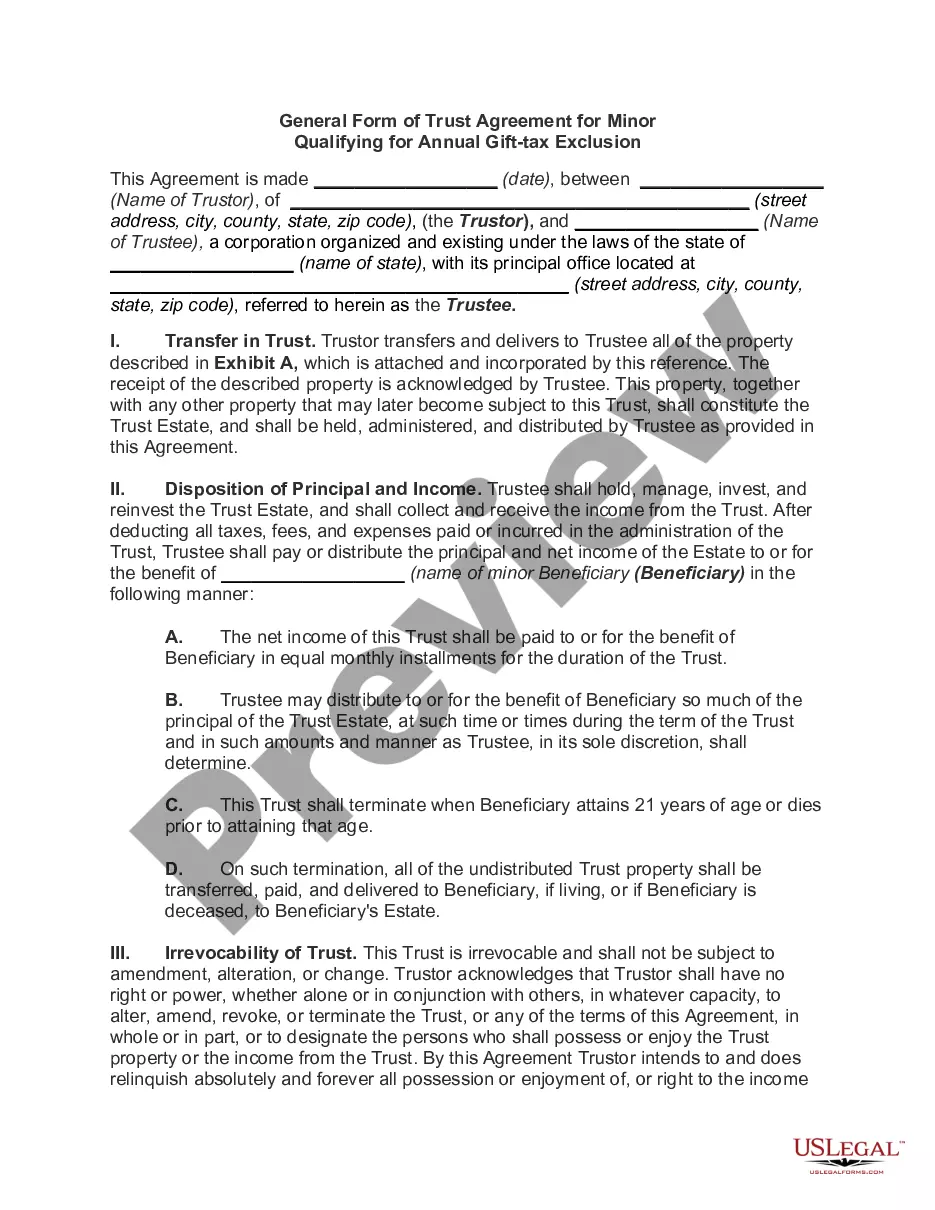
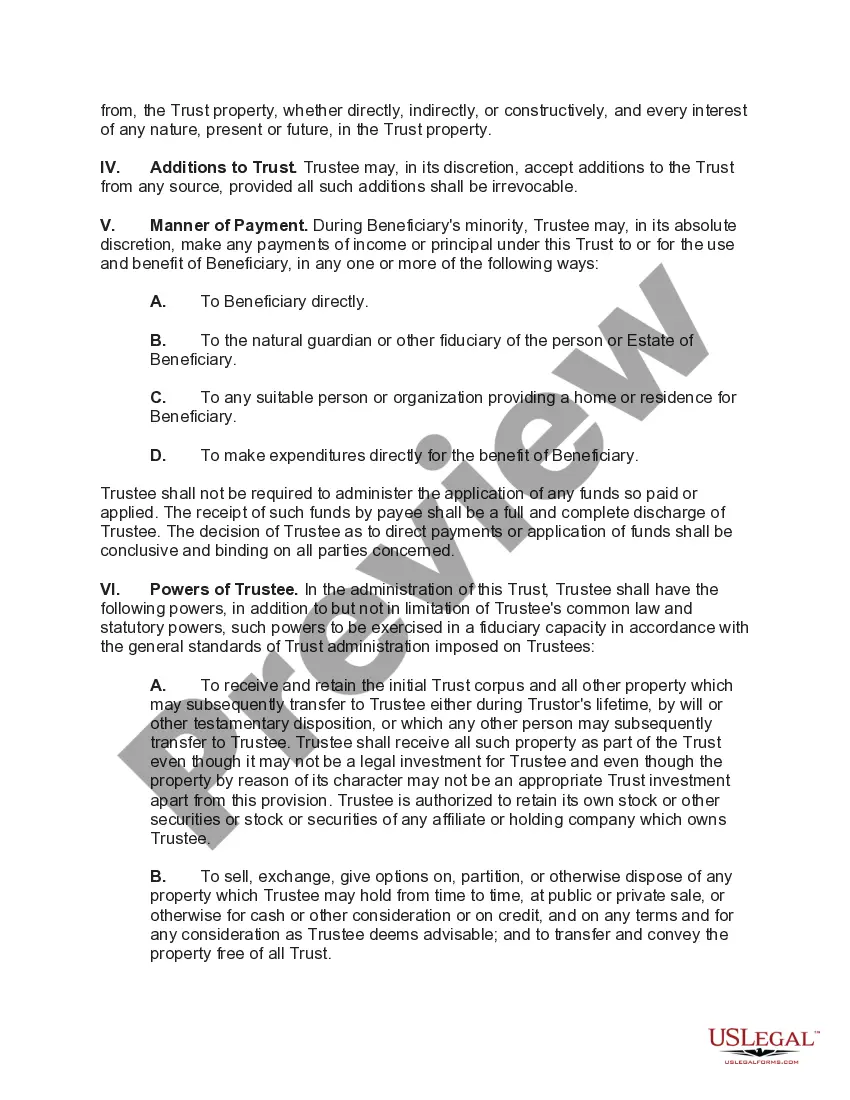
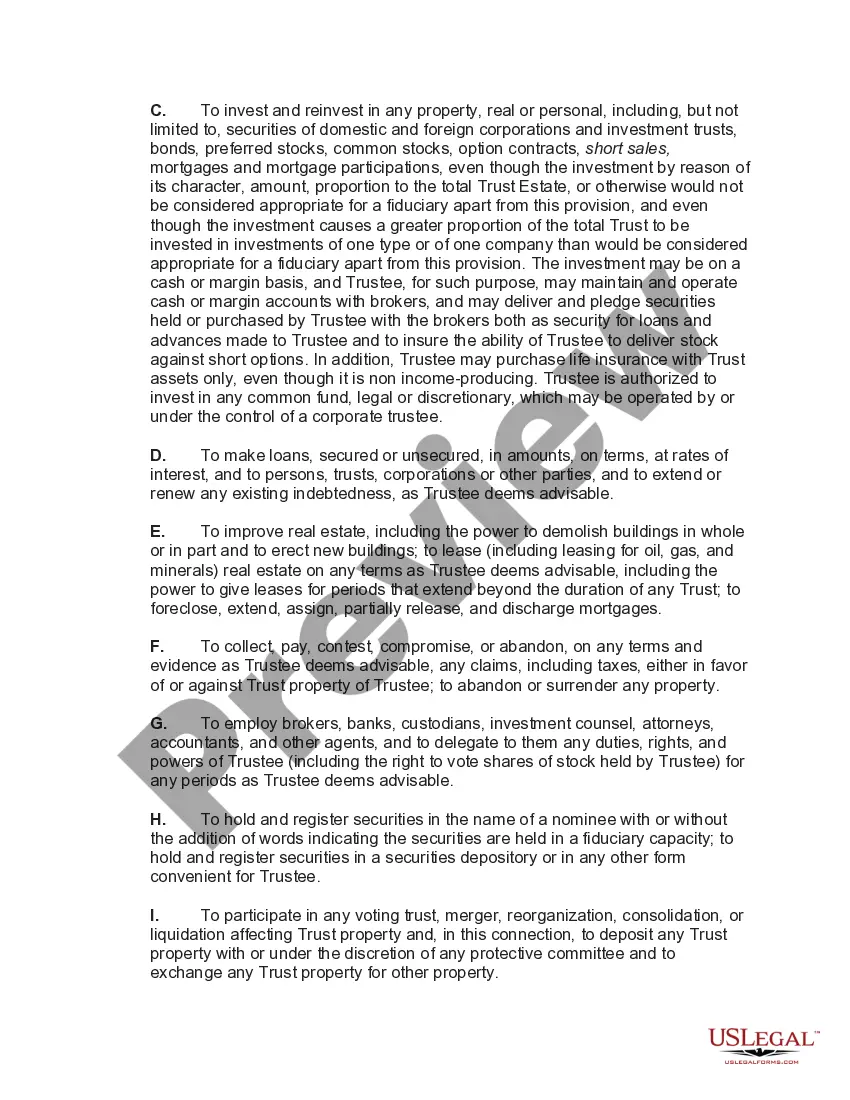
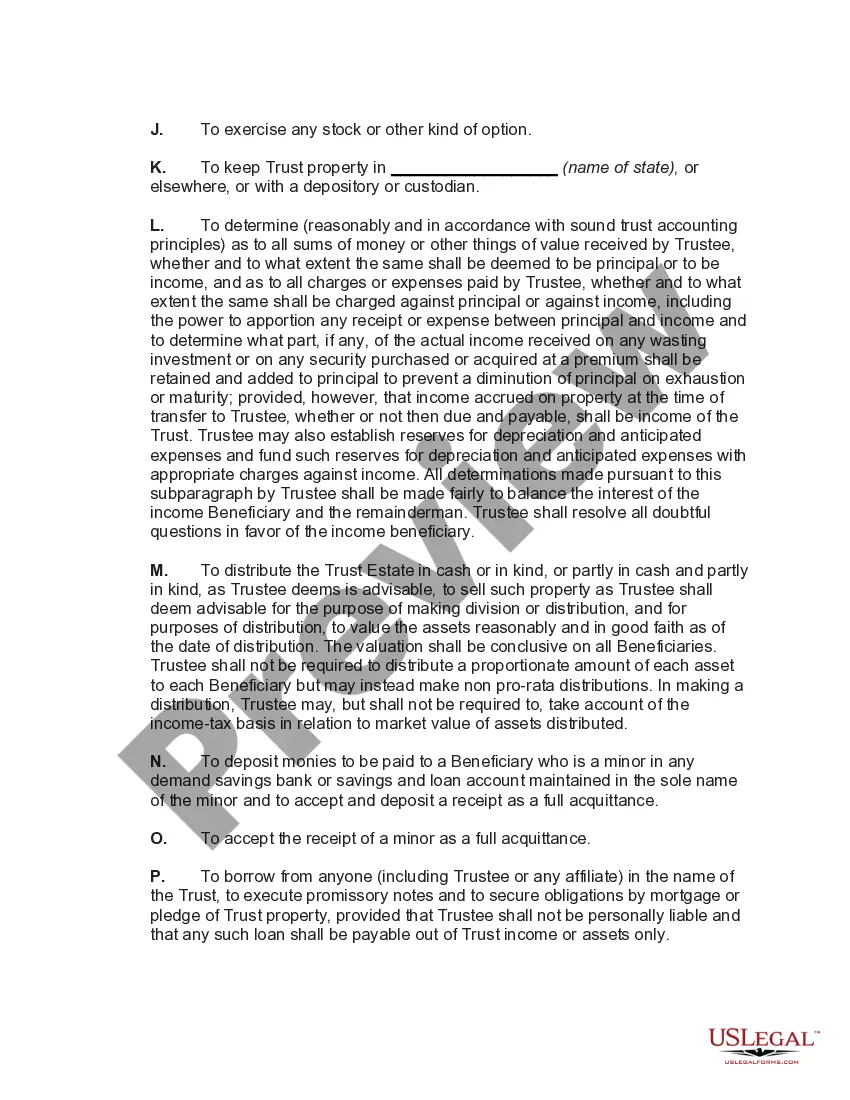
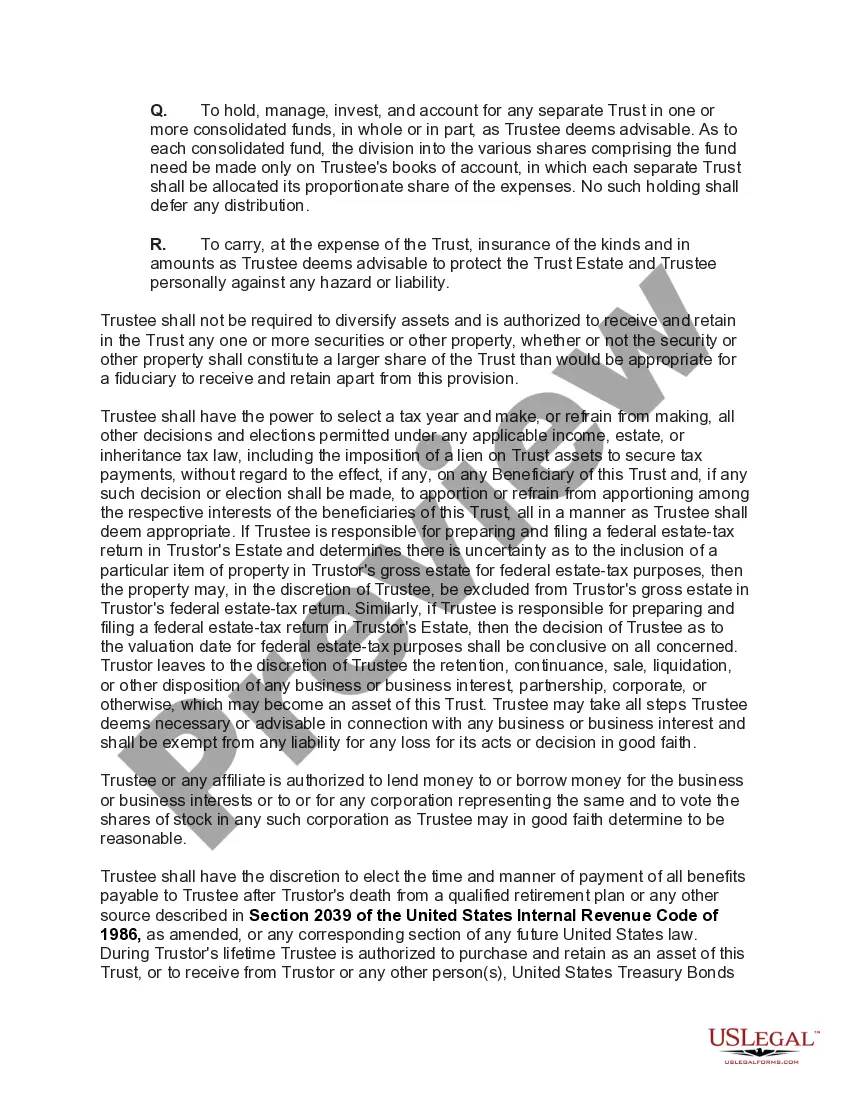
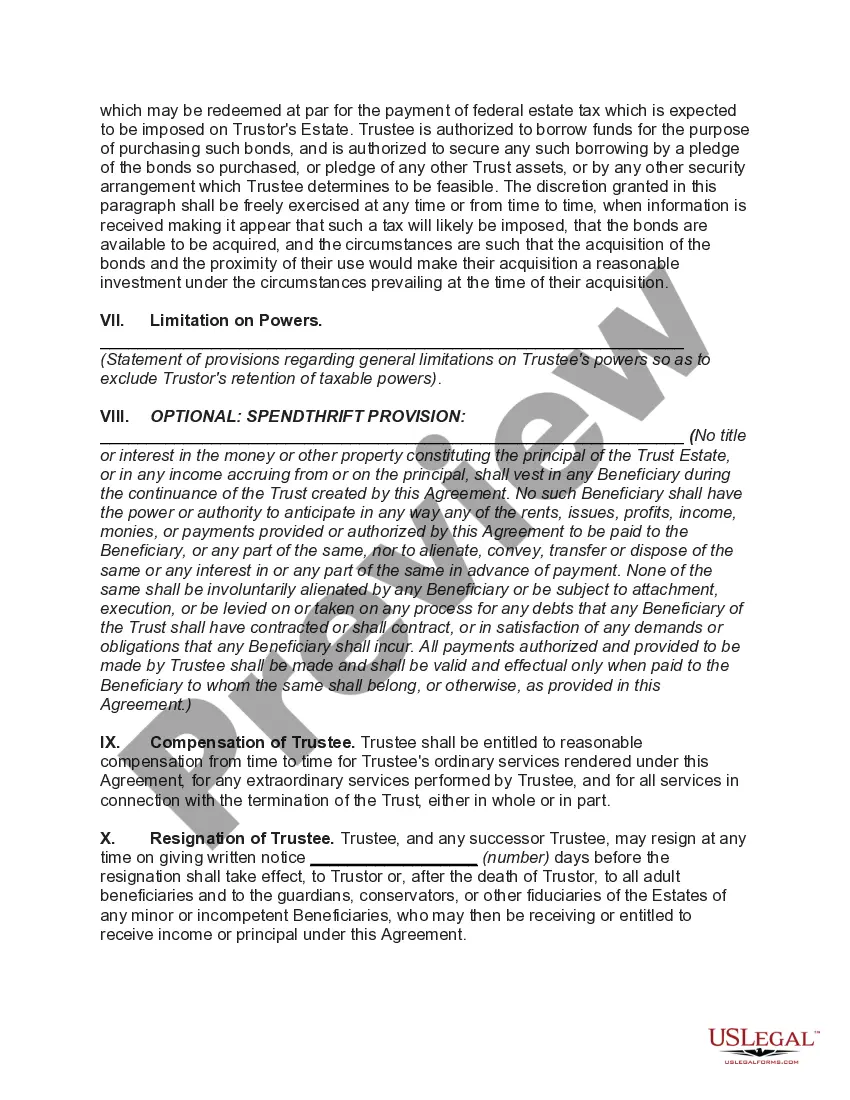
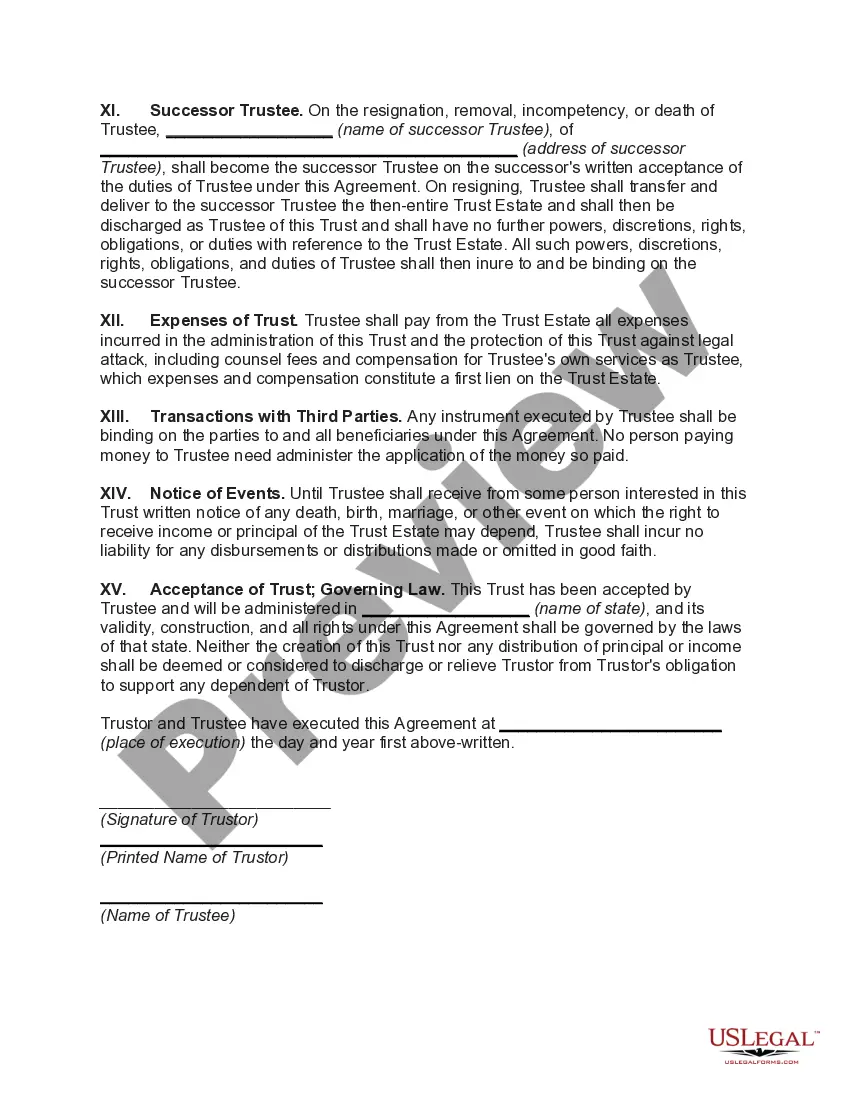
Get your form ready online
Our built-in tools help you complete, sign, share, and store your documents in one place.
Make edits, fill in missing information, and update formatting in US Legal Forms—just like you would in MS Word.
Download a copy, print it, send it by email, or mail it via USPS—whatever works best for your next step.
Sign and collect signatures with our SignNow integration. Send to multiple recipients, set reminders, and more. Go Premium to unlock E-Sign.
If this form requires notarization, complete it online through a secure video call—no need to meet a notary in person or wait for an appointment.
We protect your documents and personal data by following strict security and privacy standards.

Make edits, fill in missing information, and update formatting in US Legal Forms—just like you would in MS Word.

Download a copy, print it, send it by email, or mail it via USPS—whatever works best for your next step.

Sign and collect signatures with our SignNow integration. Send to multiple recipients, set reminders, and more. Go Premium to unlock E-Sign.

If this form requires notarization, complete it online through a secure video call—no need to meet a notary in person or wait for an appointment.

We protect your documents and personal data by following strict security and privacy standards.
Looking for another form?

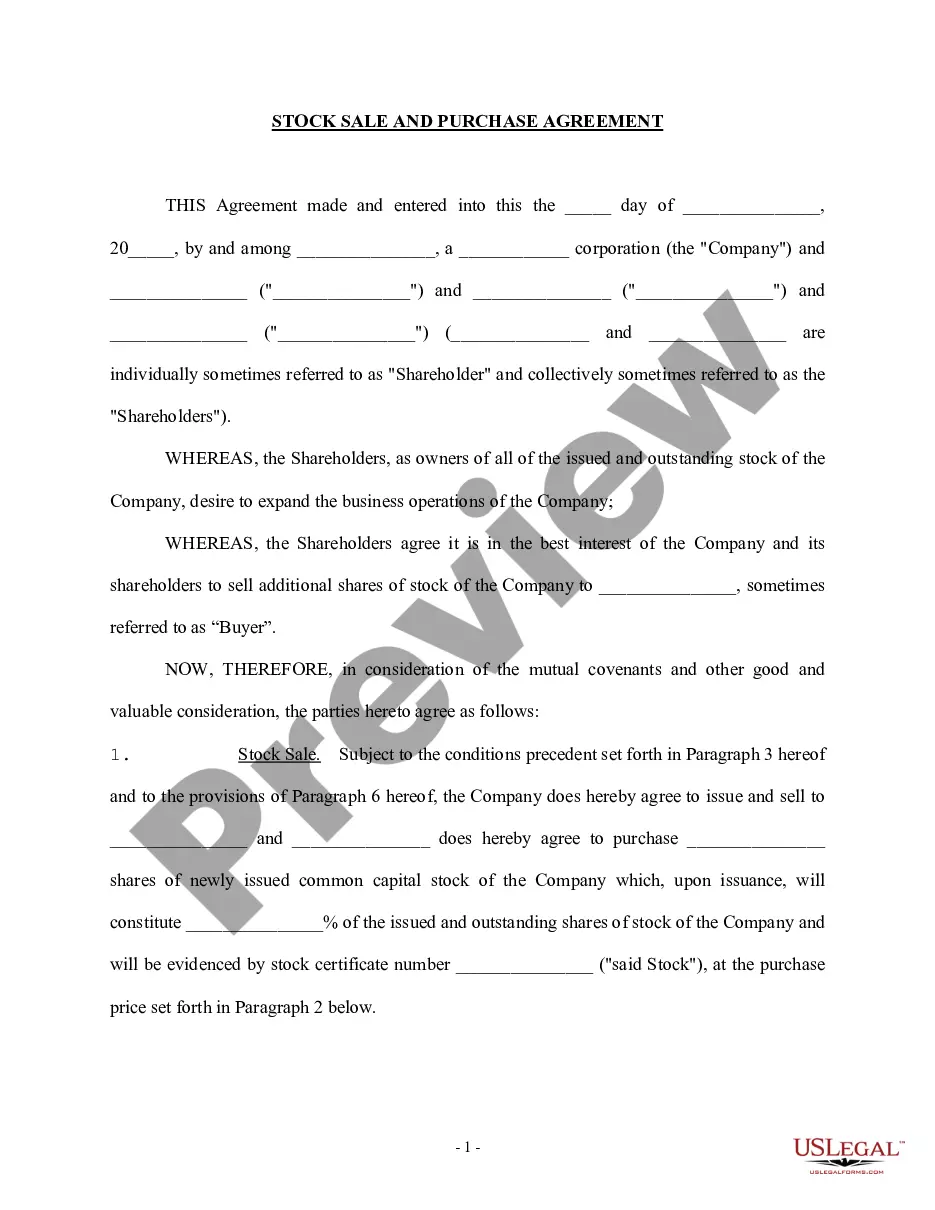
How to fill out General Form Of Trust Agreement For Minor Qualifying For Annual Gift Tax Exclusion?
Locating a reliable source for the most up-to-date and pertinent legal documents is a significant part of navigating bureaucracy.
Identifying the appropriate legal forms requires accuracy and careful consideration, which is why it’s crucial to obtain samples of Sample Trust For Minor Child With Adhd solely from reputable providers, such as US Legal Forms. An incorrect template can squander your time and delay your current situation.
Eliminate the hassle associated with your legal documentation. Explore the comprehensive US Legal Forms collection to discover legal templates, assess their applicability to your needs, and download them instantly.
- Use the library navigation or search function to locate your template.
- Check the form’s description to confirm it meets the criteria of your state and area.
- View the form preview, if accessible, to ensure the form is what you need.
- Return to the search to find the correct document if the Sample Trust For Minor Child With Adhd does not meet your requirements.
- If you are confident in the form’s suitability, download it.
- If you are a registered user, click Log in to verify and access your selected templates in My documents.
- If you do not have an account yet, click Buy now to purchase the form.
- Select the pricing plan that fits your preferences.
- Proceed to the registration to finalize your purchase.
- Complete your purchase by choosing a payment method (credit card or PayPal).
- Choose the document format for downloading Sample Trust For Minor Child With Adhd.
- After downloading the form to your device, you can modify it with the editor or print it to fill out manually.
Form popularity
FAQ
The best type of trust for children often depends on individual circumstances, but a revocable living trust is commonly recommended. For a sample trust for minor child with ADHD, a special needs trust may also be suitable, providing financial support without affecting government benefits. This trust allows for flexibility in managing funds and can adapt to the child's changing needs. Consider using US Legal Forms to explore and create the most appropriate trust tailored for your child's future.
A child's trust is a legal arrangement that holds assets for a minor until they reach adulthood. An example could be a sample trust for minor child with ADHD, structured to provide funds for education, healthcare, and other significant expenses. This type of trust ensures that the child's needs are met while offering protection from mismanagement of funds. Platforms like US Legal Forms can guide you in drafting an effective child’s trust that aligns with your goals.
A special needs trust is designed to benefit individuals with disabilities while preserving their eligibility for government assistance. For instance, a sample trust for minor child with ADHD can manage finances without jeopardizing access to benefits like Medicaid. These trusts allow funds to be used for supplemental needs, ensuring that the child's quality of life improves without affecting essential support. Utilizing resources from platforms like US Legal Forms can help you create a tailored trust that meets your specific needs.
Suze Orman emphasizes the importance of trusts in protecting assets and ensuring financial security for beneficiaries. She often discusses how a well-structured trust, such as a sample trust for a minor child with ADHD, can safeguard a child's future and provide structured financial support. By incorporating her advice, you can create a trust that aligns with your financial goals and offers peace of mind.
In the United States, beneficiaries can inherit up to $11.7 million from a trust without incurring federal estate taxes, thanks to current tax laws. However, state laws may vary, so it is essential to consult a professional when establishing a sample trust for a minor child with ADHD. This approach ensures that you maximize the benefits of the trust while minimizing potential tax liabilities.
The 5% rule for trusts typically refers to how much a beneficiary can withdraw from a trust without triggering additional tax obligations. This rule can simplify the financial planning process, particularly for those setting up a sample trust for a minor child with ADHD. By keeping withdrawals within this limit, guardians can better manage the child's financial needs while maintaining the trust's integrity.
The 5 of 5000 rule in trust management allows a trustee to distribute up to 5% of the trust's value or $5,000, whichever is greater, to beneficiaries each year without incurring penalties. This rule can be particularly beneficial when creating a sample trust for a minor child with ADHD, as it provides flexibility in managing distributions. By adhering to this guideline, trustees can ensure that beneficiaries receive their fair share while complying with tax regulations.
To set up a trust for a special needs child, start by consulting with a legal expert who understands the specific requirements for such trusts. A sample trust for a minor child with ADHD should include provisions that cater to the child's unique needs, ensuring that funds are allocated appropriately. Consider incorporating guidelines for fund management, which can help in addressing both immediate and long-term needs. Platforms like uslegalforms can assist in providing the necessary templates and guidance throughout the process.
Placing assets in a trust can be a wise decision for many families, especially if there are minor children involved. For those considering a sample trust for a minor child with ADHD, it can provide a structured way to manage and protect assets. Trusts can help avoid probate and ensure that assets are distributed according to the parents' wishes. Assessing your family's unique circumstances can help determine if a trust is the right choice.
Trust funds can sometimes lead to dependency, as beneficiaries may rely heavily on the funds instead of developing financial independence. In a sample trust for a minor child with ADHD, this could be a concern if not managed properly. Additionally, setting up a trust fund can be costly and time-consuming, which might deter some families. It's essential to weigh these factors against the potential benefits when considering a trust.