Residence Trust For Historic Preservation
Description
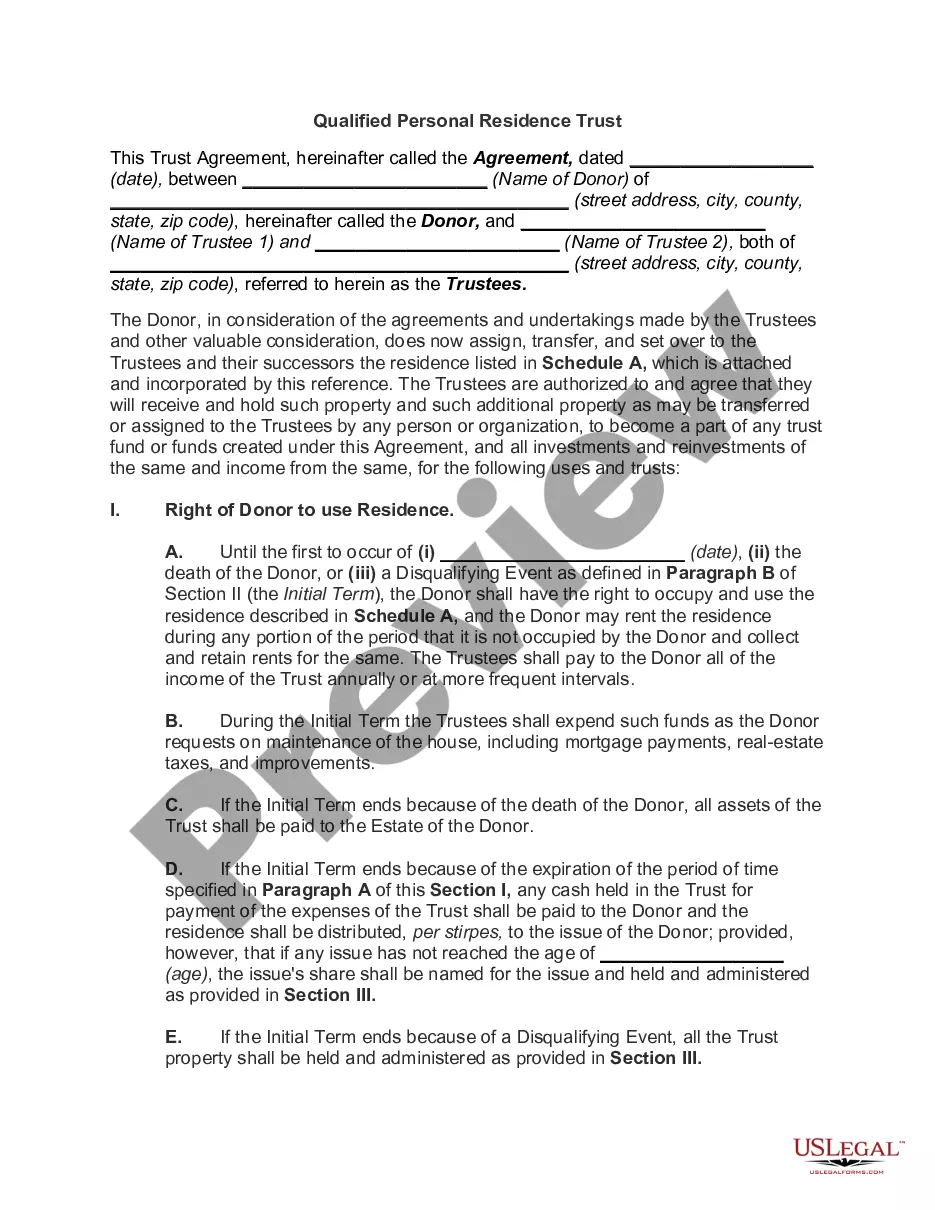
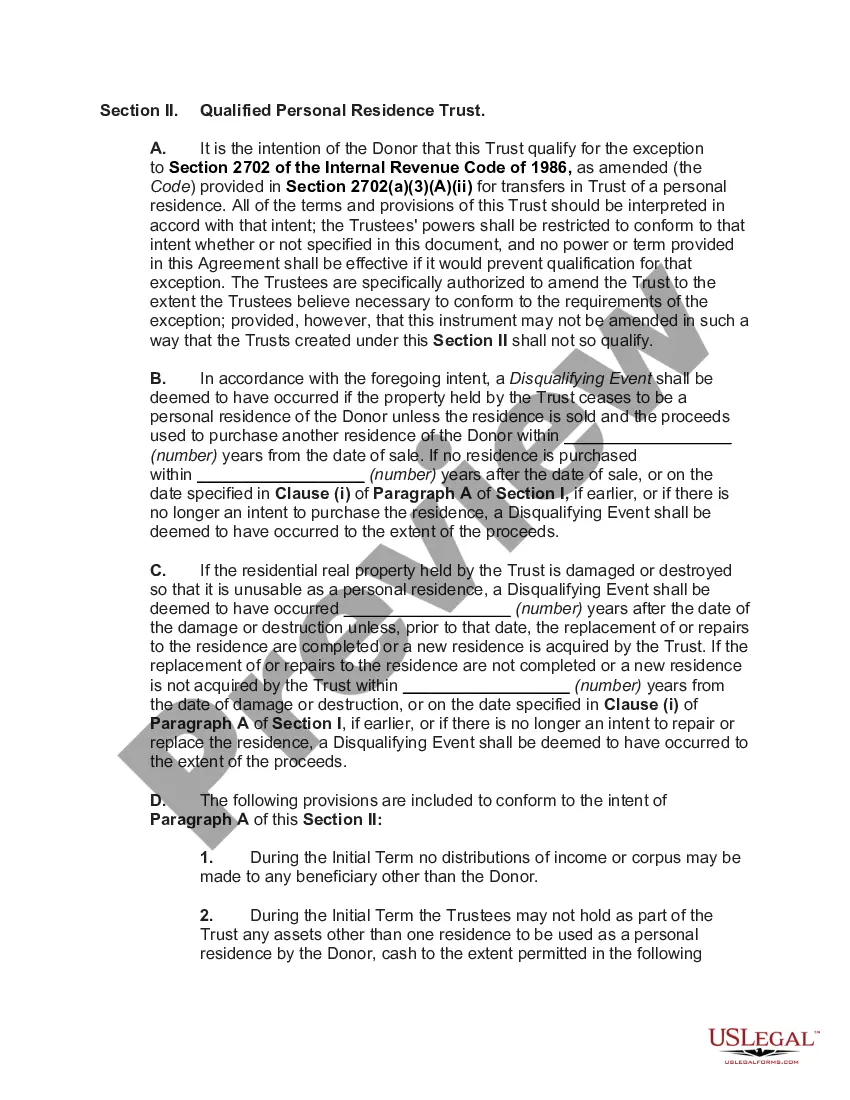
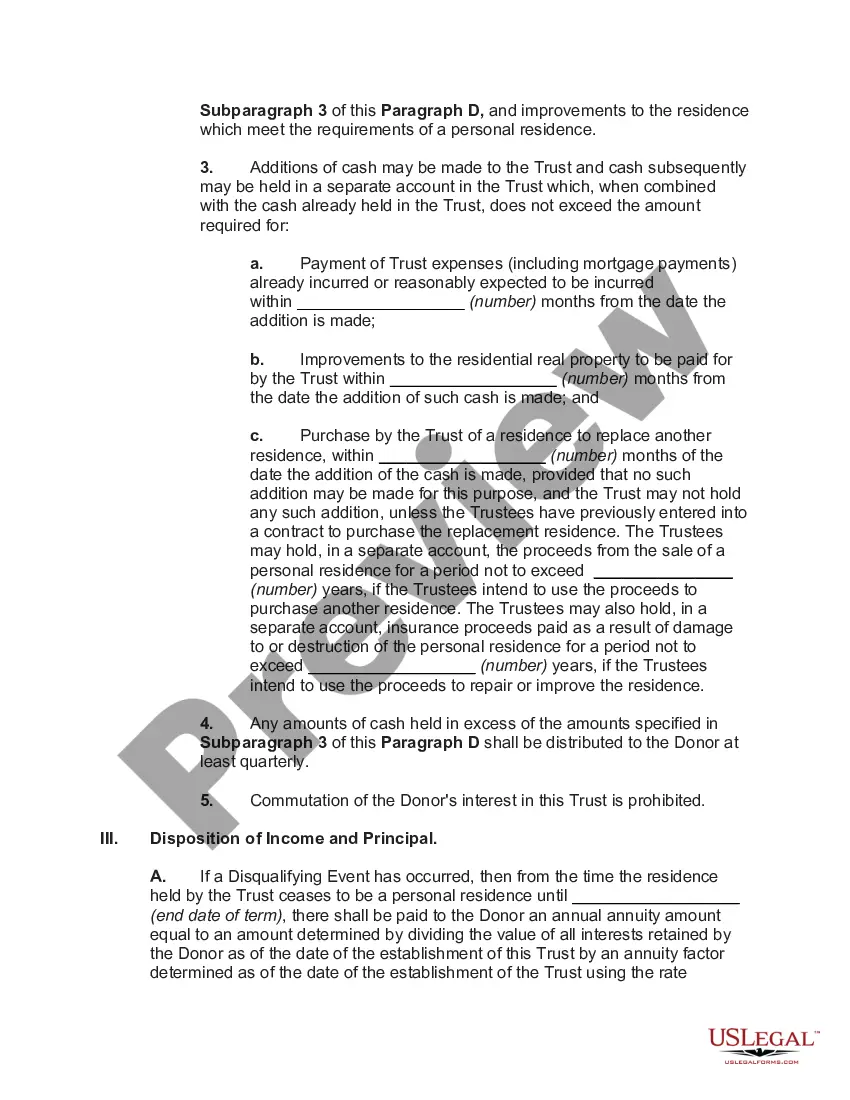
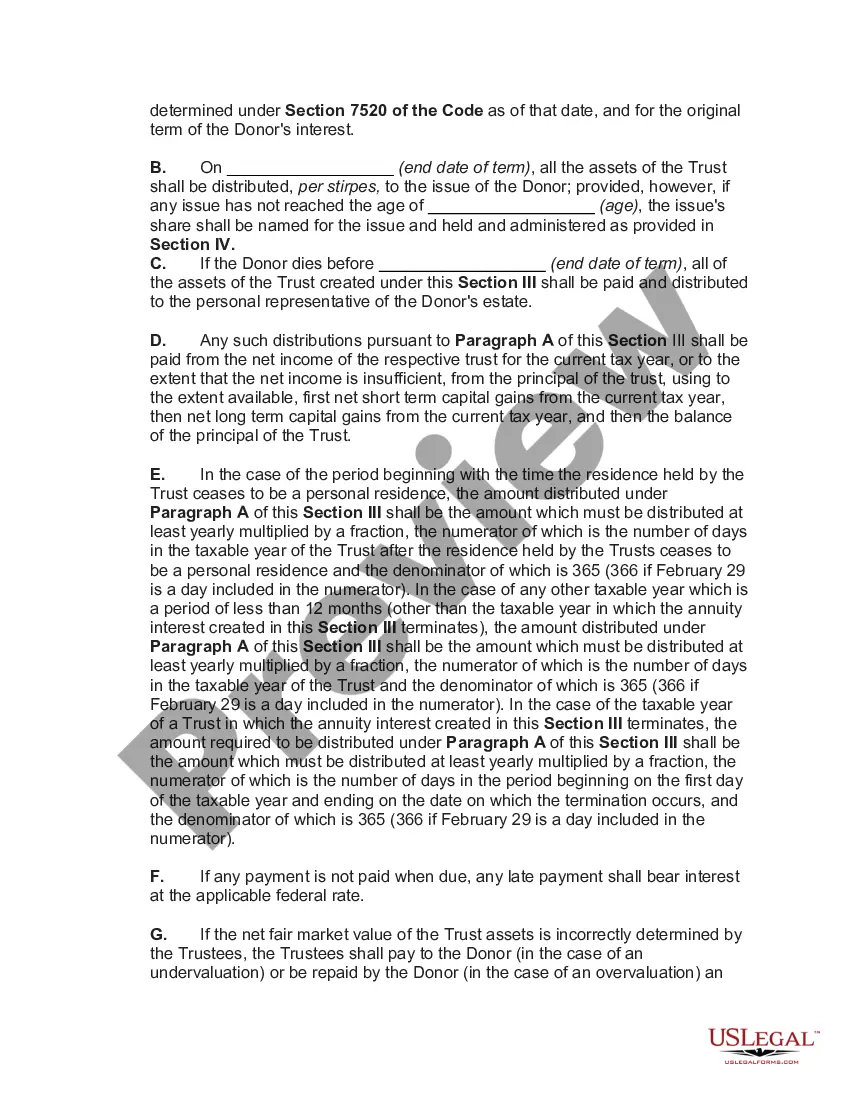
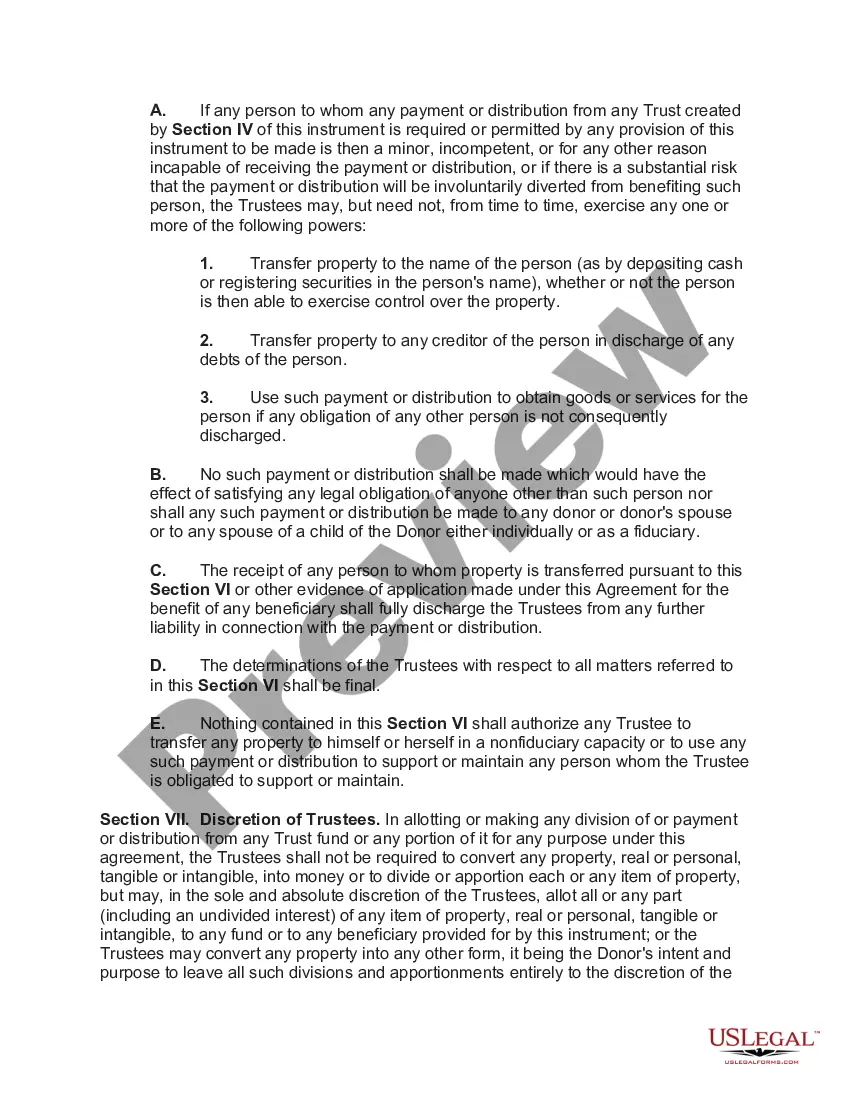
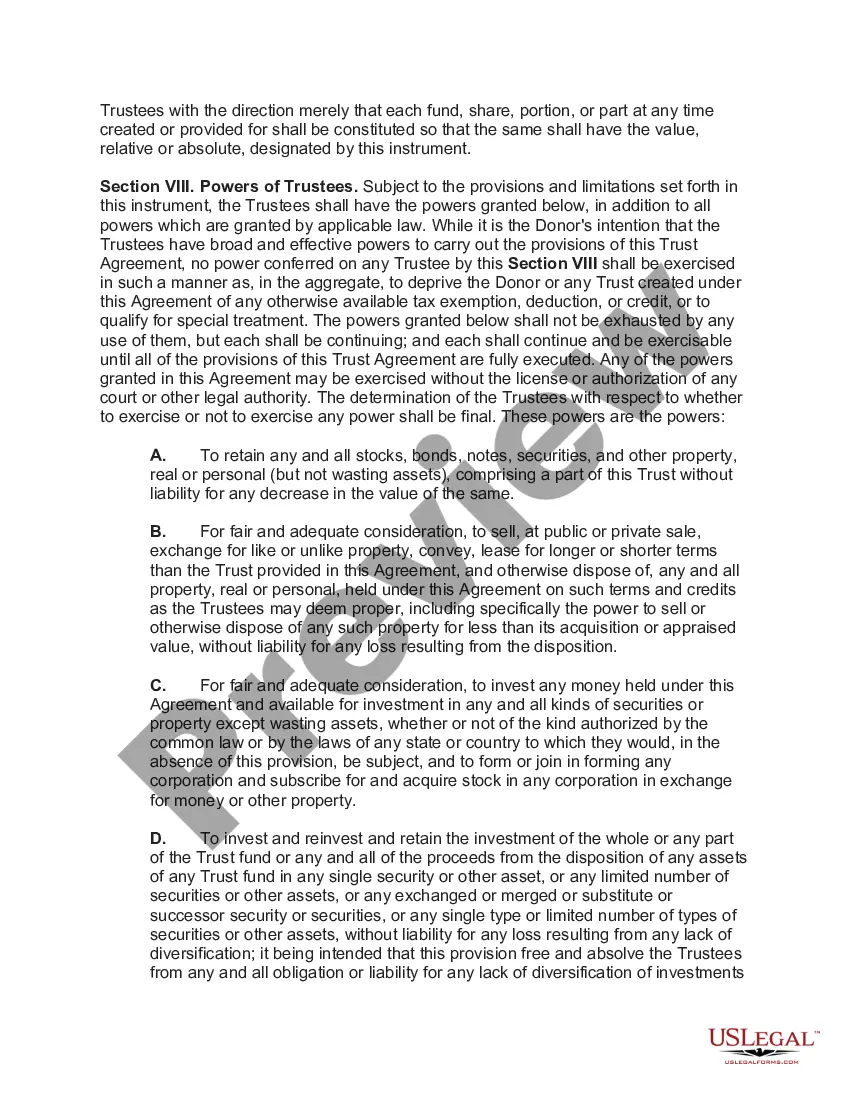

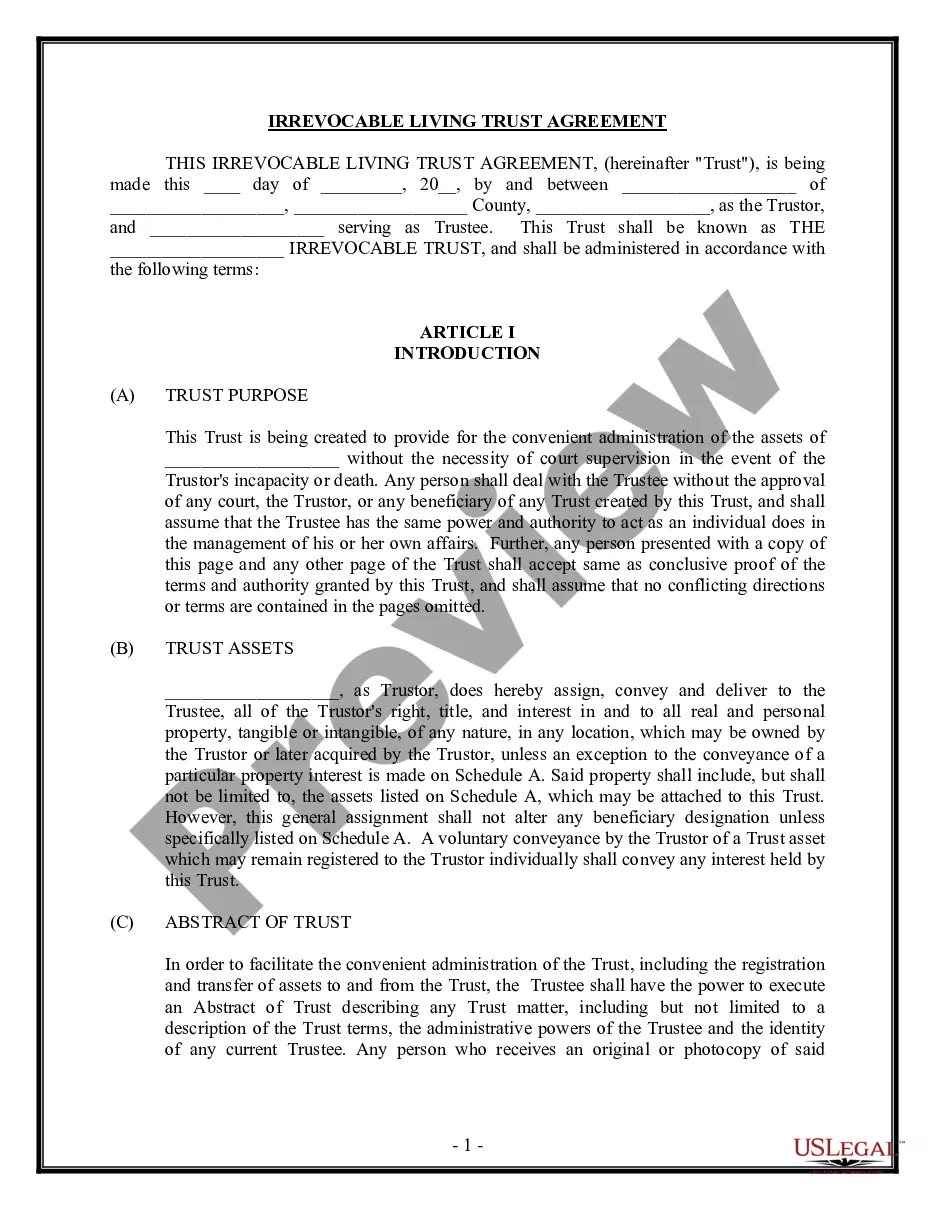
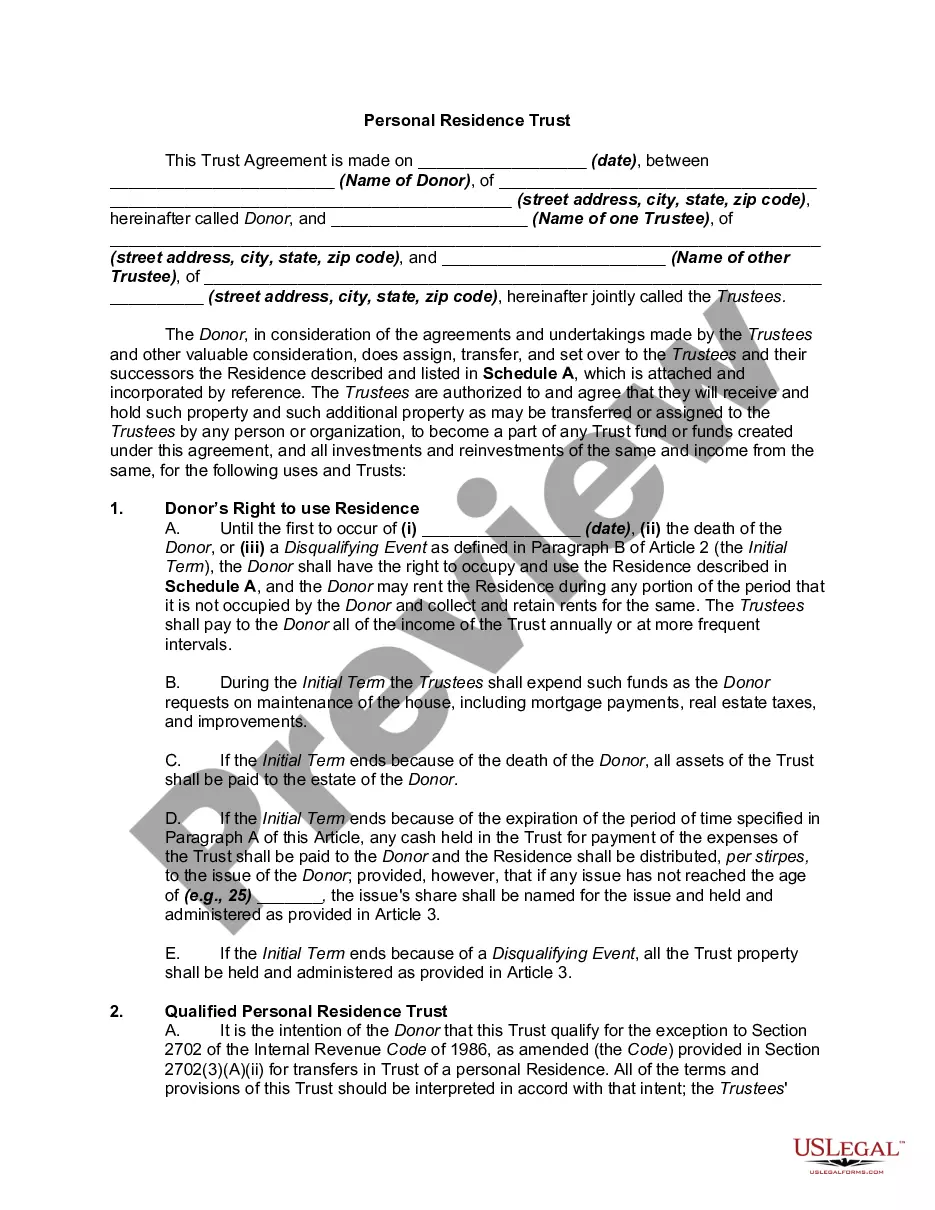
Get your form ready online
Our built-in tools help you complete, sign, share, and store your documents in one place.
Make edits, fill in missing information, and update formatting in US Legal Forms—just like you would in MS Word.
Download a copy, print it, send it by email, or mail it via USPS—whatever works best for your next step.
Sign and collect signatures with our SignNow integration. Send to multiple recipients, set reminders, and more. Go Premium to unlock E-Sign.
If this form requires notarization, complete it online through a secure video call—no need to meet a notary in person or wait for an appointment.
We protect your documents and personal data by following strict security and privacy standards.

Make edits, fill in missing information, and update formatting in US Legal Forms—just like you would in MS Word.

Download a copy, print it, send it by email, or mail it via USPS—whatever works best for your next step.

Sign and collect signatures with our SignNow integration. Send to multiple recipients, set reminders, and more. Go Premium to unlock E-Sign.

If this form requires notarization, complete it online through a secure video call—no need to meet a notary in person or wait for an appointment.

We protect your documents and personal data by following strict security and privacy standards.
Looking for another form?







How to fill out Qualified Personal Residence Trust?
- If you're an existing user of US Legal Forms, simply log in to your account and download the required template directly by clicking the Download button. Ensure your subscription is active; renew if necessary.
- For first-time users, begin by browsing the Preview mode and form descriptions to confirm you've selected the correct document that aligns with your local jurisdiction's requirements.
- If you need a different template, utilize the Search feature above to locate the appropriate form. Once you find the right template, proceed to the next step.
- Purchase the document by clicking the Buy Now button and selecting your preferred subscription plan. You will need to create an account to access the extensive library.
- Complete the payment process by entering your credit card information or utilizing your PayPal account to finalize the subscription.
- Once your purchase is complete, download the form and save it on your device. You can always access it later in the My Forms section of your profile.
By following these straightforward steps, you can efficiently obtain your residence trust for historic preservation documents from US Legal Forms. This service not only offers a robust collection of forms but also provides access to premium experts for assistance.
Start preserving your historic property today! Explore US Legal Forms and secure your legal documentation with ease.
Form popularity
FAQ
To remove a property from the GSC (Government Services Commission), you typically need to submit a formal application with supporting documentation demonstrating the reasons for removal. This can be a detailed process, and utilizing a residence trust for historic preservation can provide the necessary expertise to help ensure your application is complete and persuasive. Consider their support to streamline this complex procedure.
The 50 year rule refers to the guideline that properties generally must be at least 50 years old to qualify for listing on the National Register of Historic Places. However, properties younger than 50 years can also be considered if they have exceptional significance. If you’re unsure about your property's eligibility, a residence trust for historic preservation can offer valuable insights.
Yes, you can remove a house from a historic registry, but it requires following specific legal steps. A formal request needs to be submitted, stating the reasons for removal. A residence trust for historic preservation can provide the necessary resources and expertise to guide you through this process, helping you understand the implications of such a decision.
The 5 year historic tax credit incentivizes property owners to rehabilitate historic structures. This credit allows a percentage of qualified renovation expenses to be claimed on your taxes. Utilizing a residence trust for historic preservation can help you maximize these credits, ensuring a smooth application process while preserving local heritage.
Yes, you can renovate a property on the National Register of Historic Places, but certain restrictions apply. Repairs should maintain the character-defining features of the property. A residence trust for historic preservation can guide you on approved renovation practices, ensuring you honor the property's history while making necessary updates.
To remove a property from the National Register of Historic Places, you must submit a request to the National Park Service. This process includes providing evidence that the property no longer meets the criteria for listing. Engaging a residence trust for historic preservation can be beneficial, as they can assist you in navigating this complex process and ensure proper documentation.
Historic preservation refers to the processes and policies aimed at safeguarding buildings, sites, and artifacts of historical significance. It ensures that these properties are recognized, maintained, and cherished across generations. Engaging with resources like the Residence Trust for Historic Preservation can enhance your understanding and involvement in local preservation efforts.
Methods of historical preservation include restoration, rehabilitation, conservation, and adaptive reuse. Each method has its own set of guidelines and best practices to ensure that the site's historical context remains respected. Utilizing the Residence Trust for Historic Preservation can guide you in selecting the best method suited for your project.
Historic preservation focuses on maintaining and protecting a site's original features and materials, while rehabilitation involves modifying a property to accommodate modern uses. Both approaches aim to respect a building's historical significance. When considering a Residence Trust for Historic Preservation, evaluate which method best aligns with your goals for the property.
Preserving historic sites in the United States involves various approaches, including restoration, rehabilitation, and stabilization. Each method addresses the specific needs of a site, ensuring that its historical and cultural significance remains intact. Whether you choose to engage with the Residence Trust for Historic Preservation or utilize grants, these methods help maintain the integrity of our collective history.