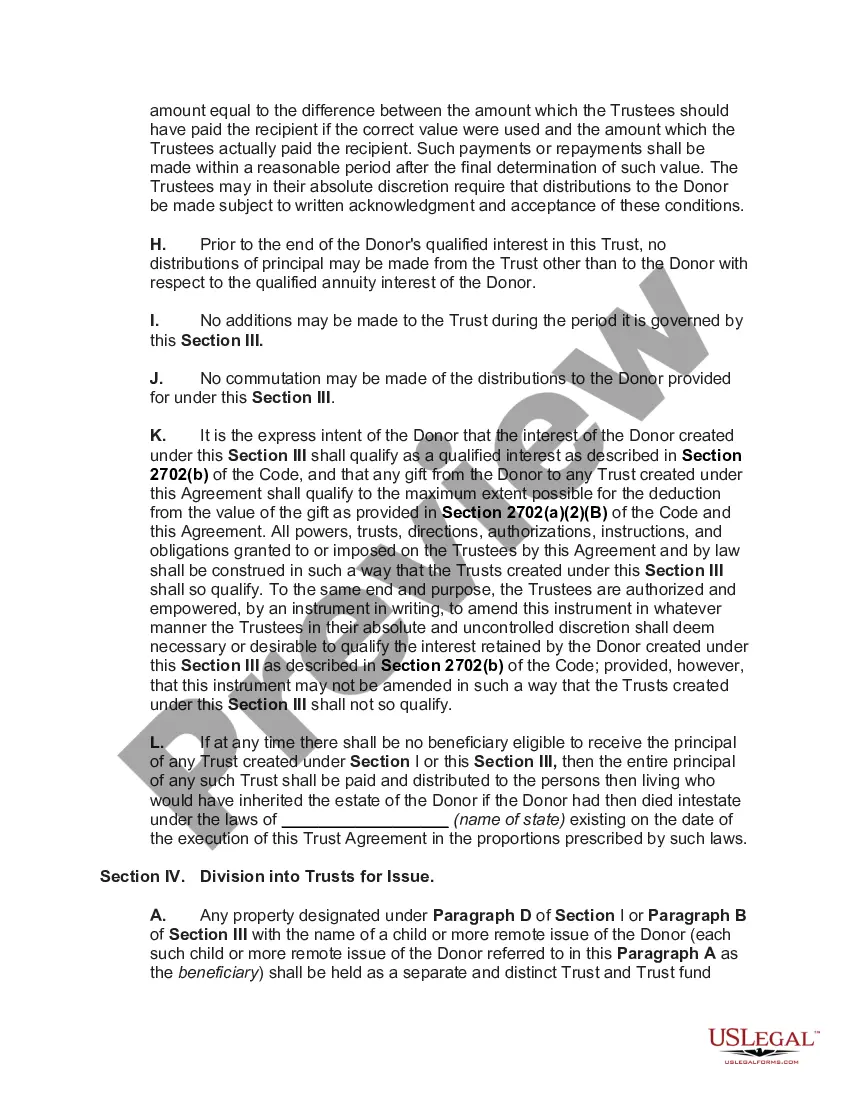
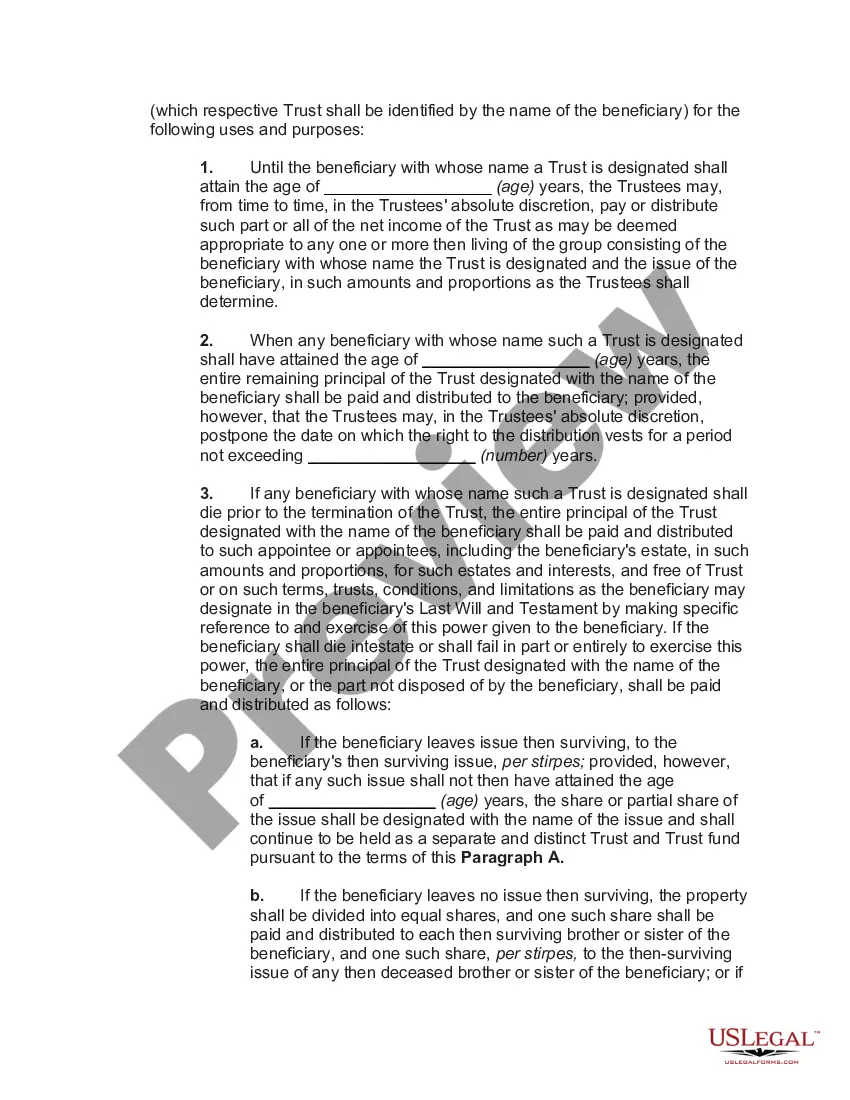
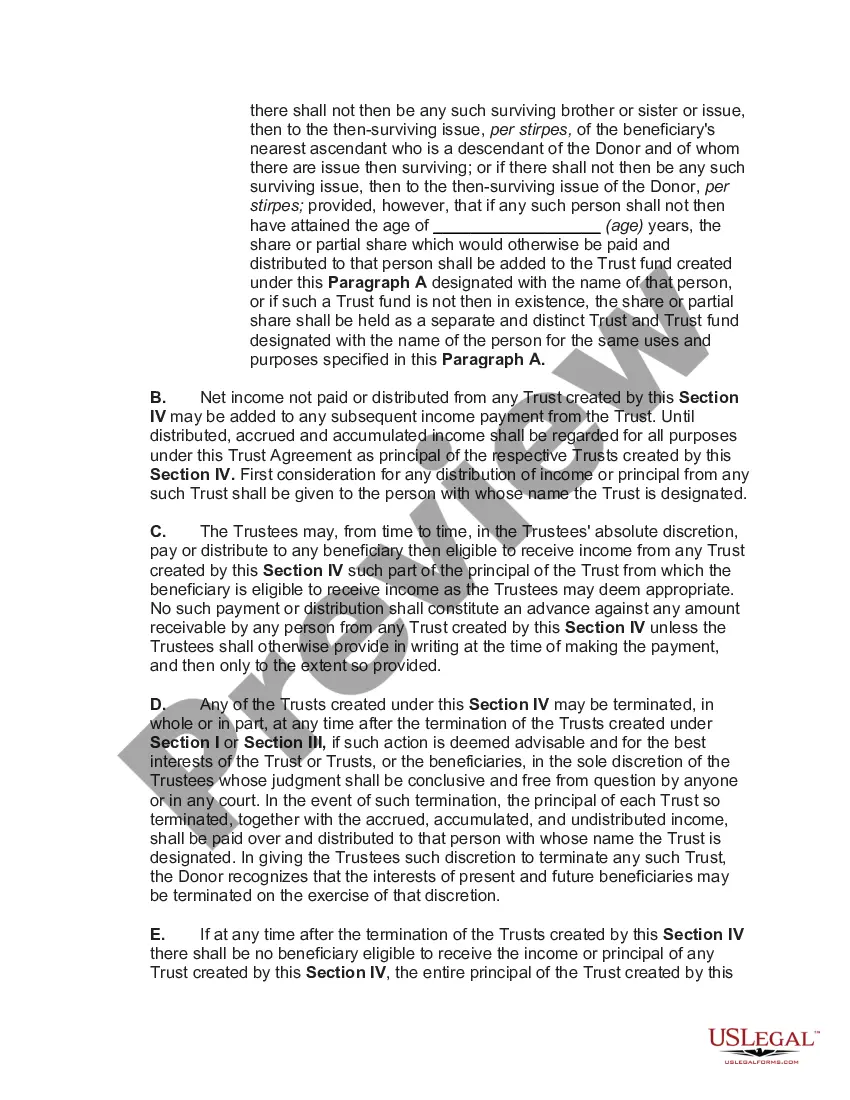
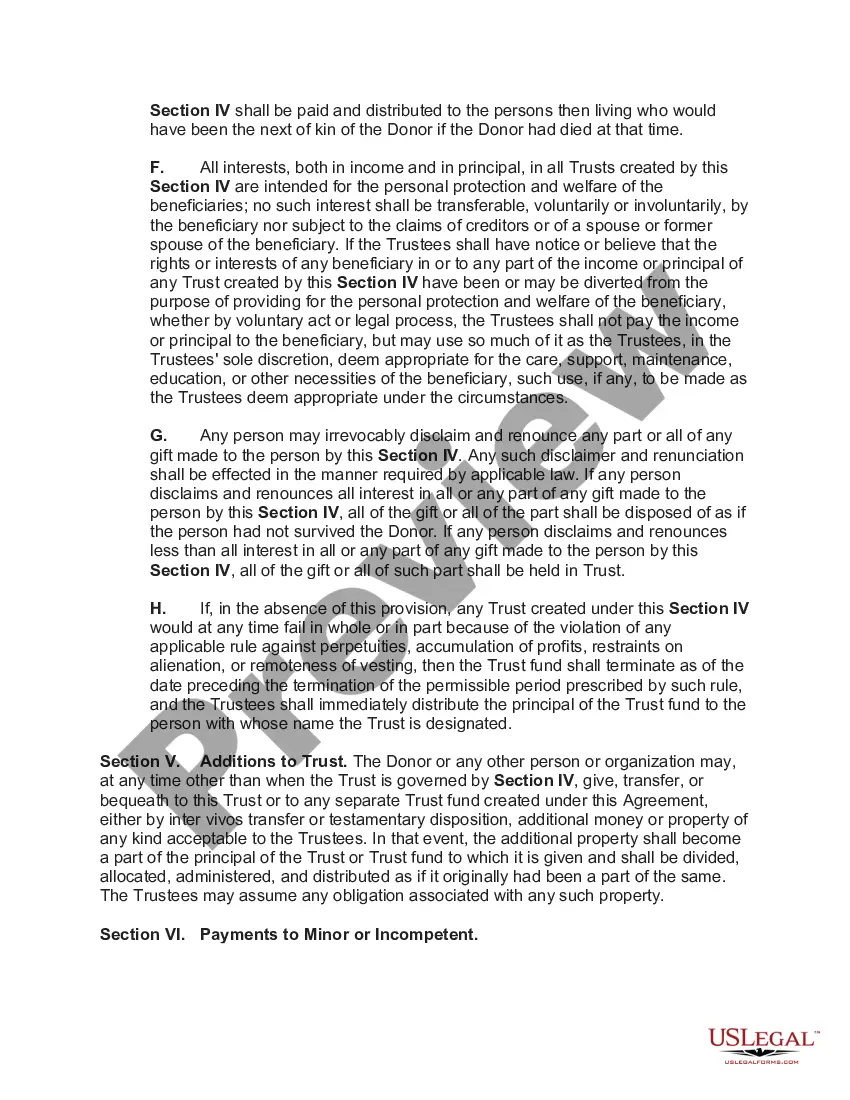
Qualified Trust With The Client
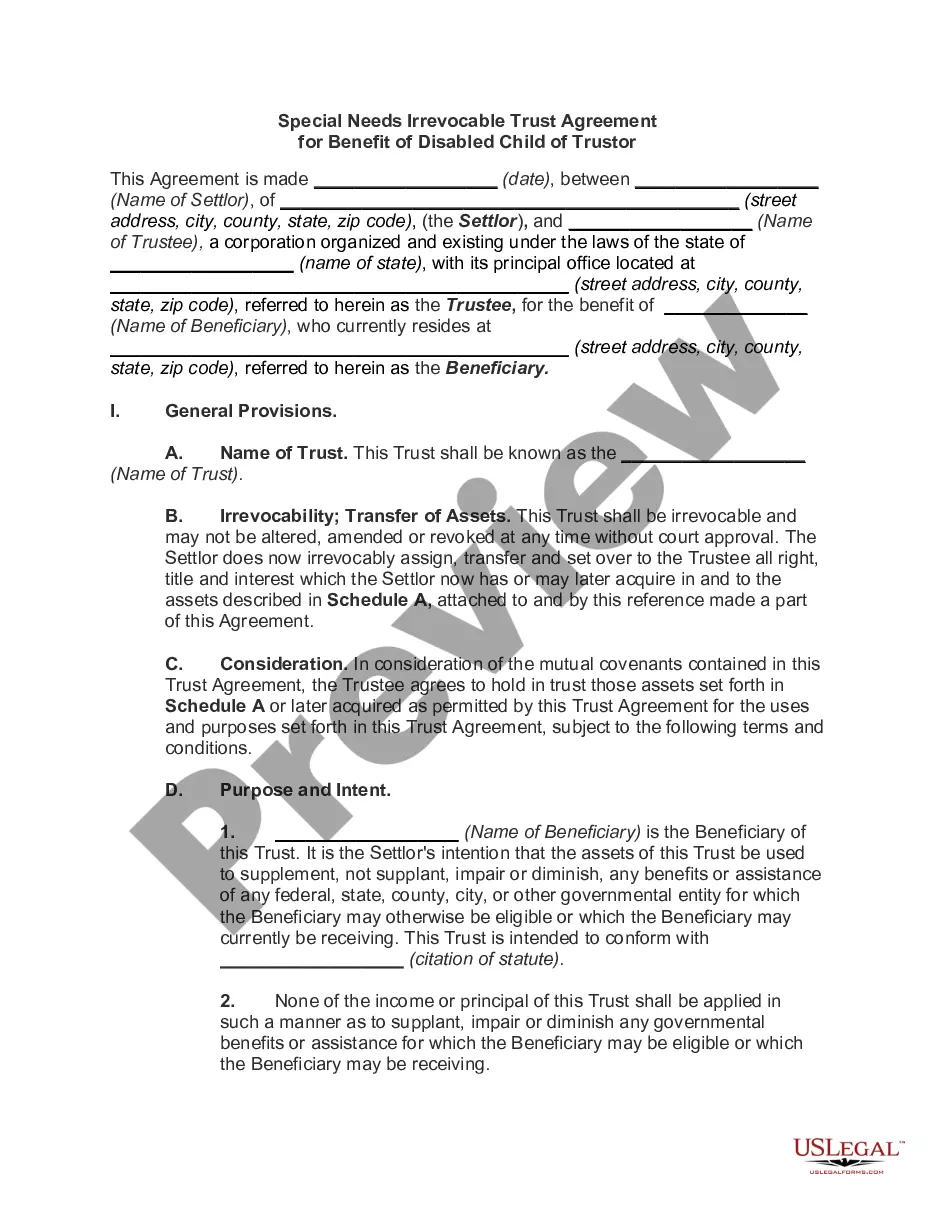
Description
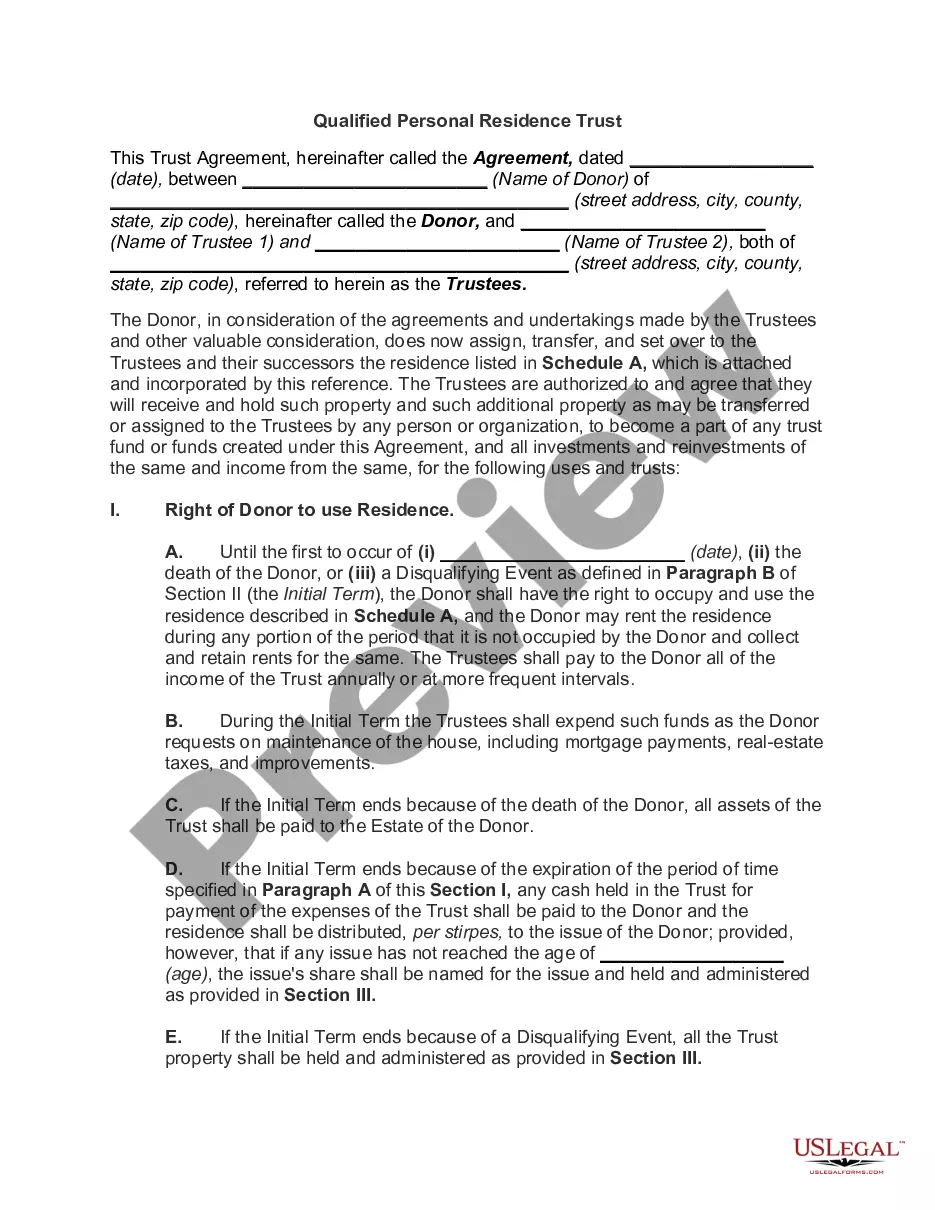
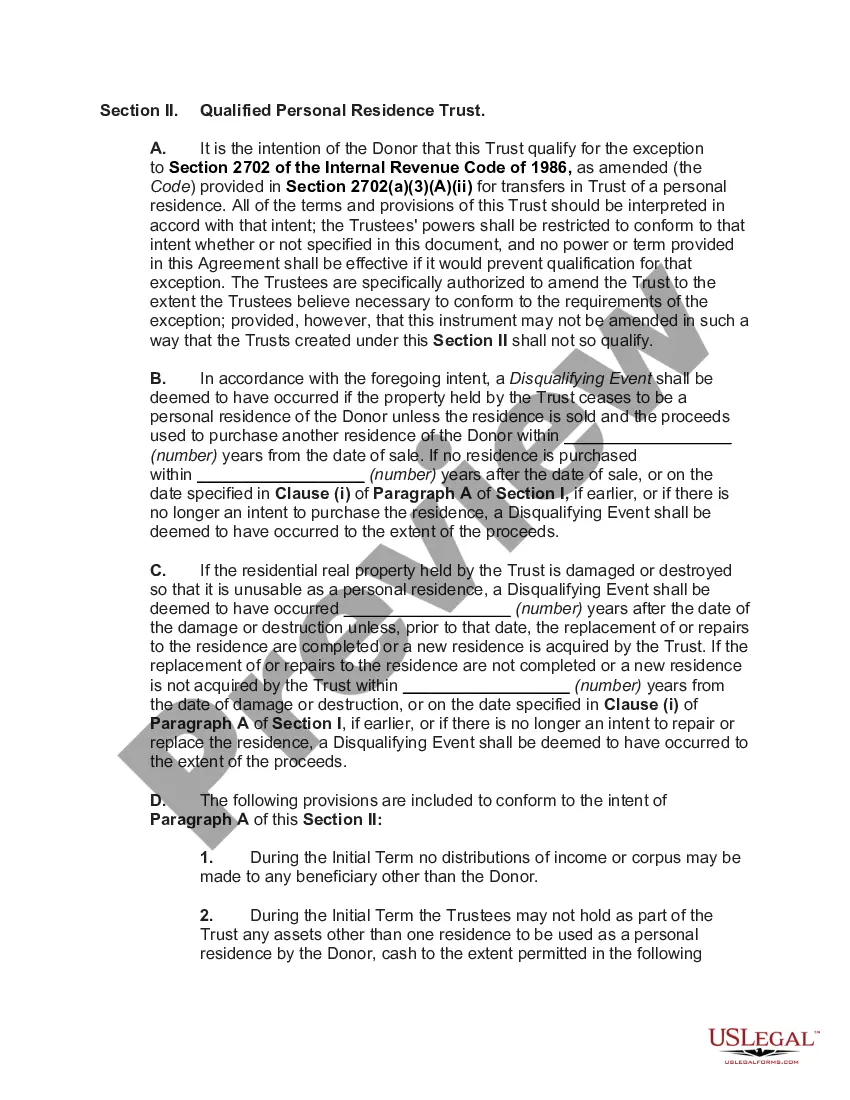
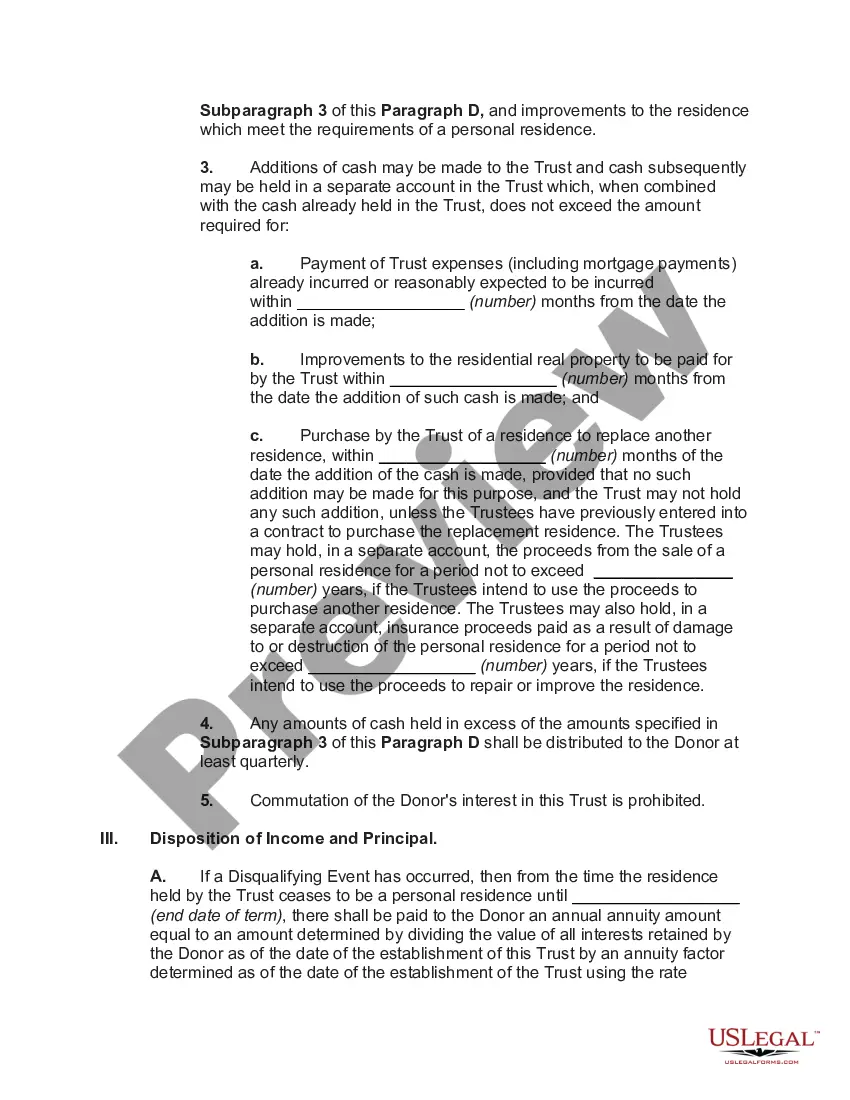
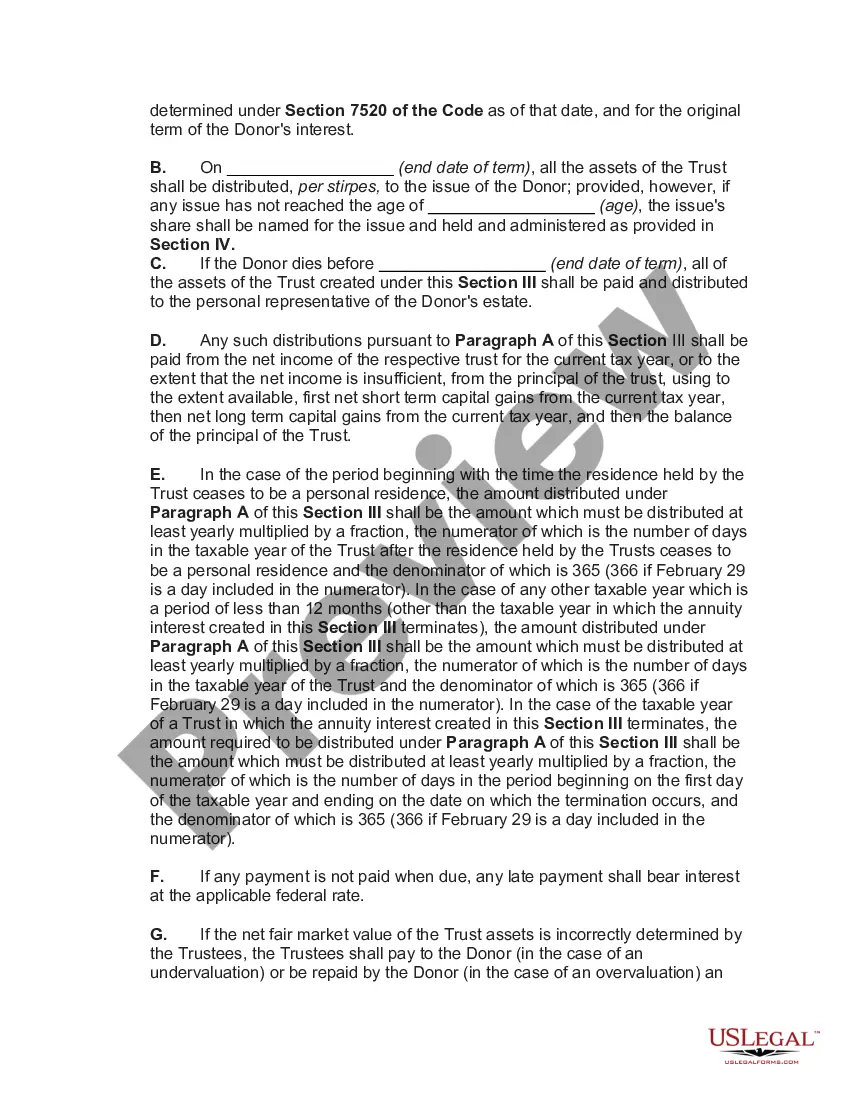
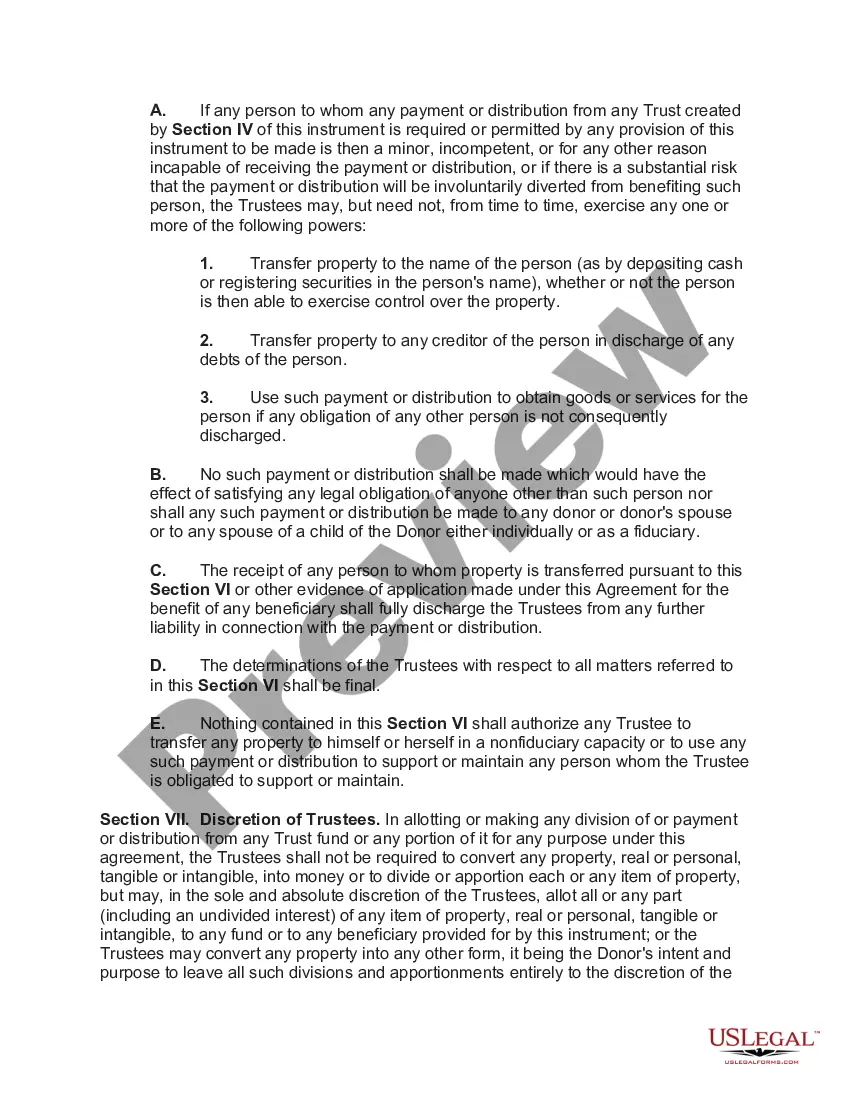
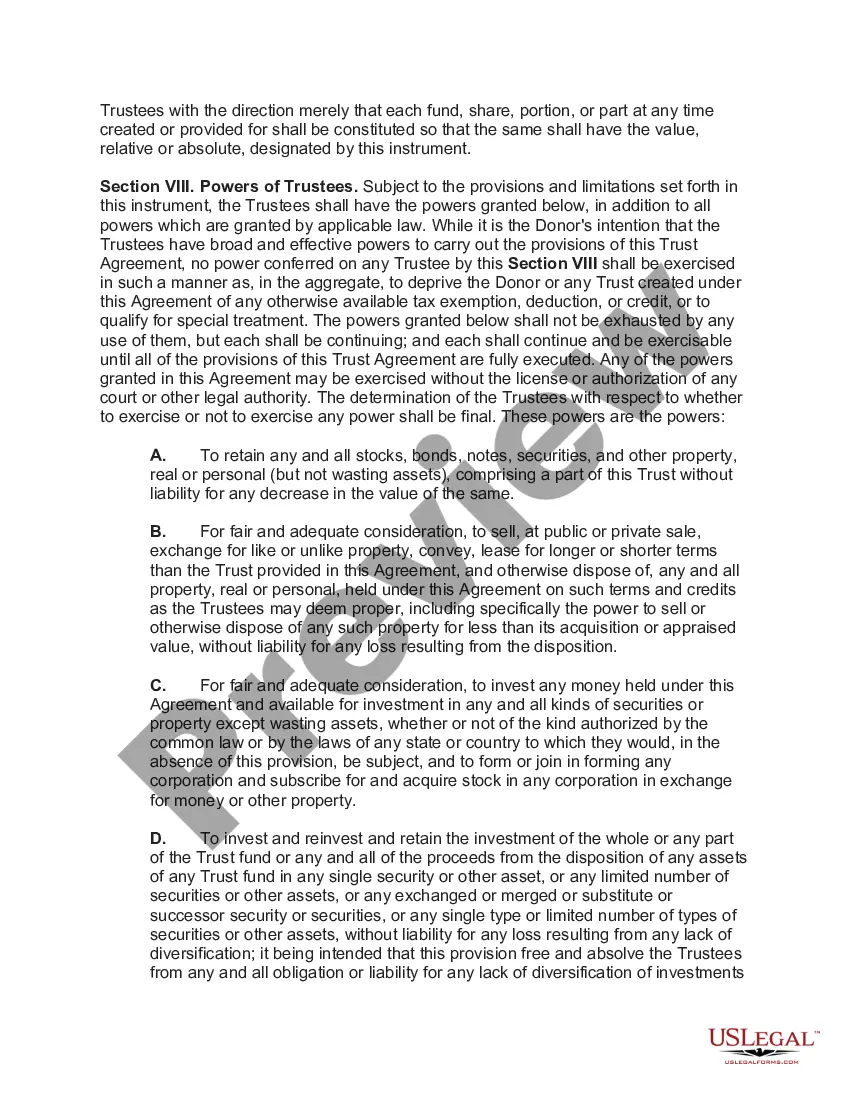

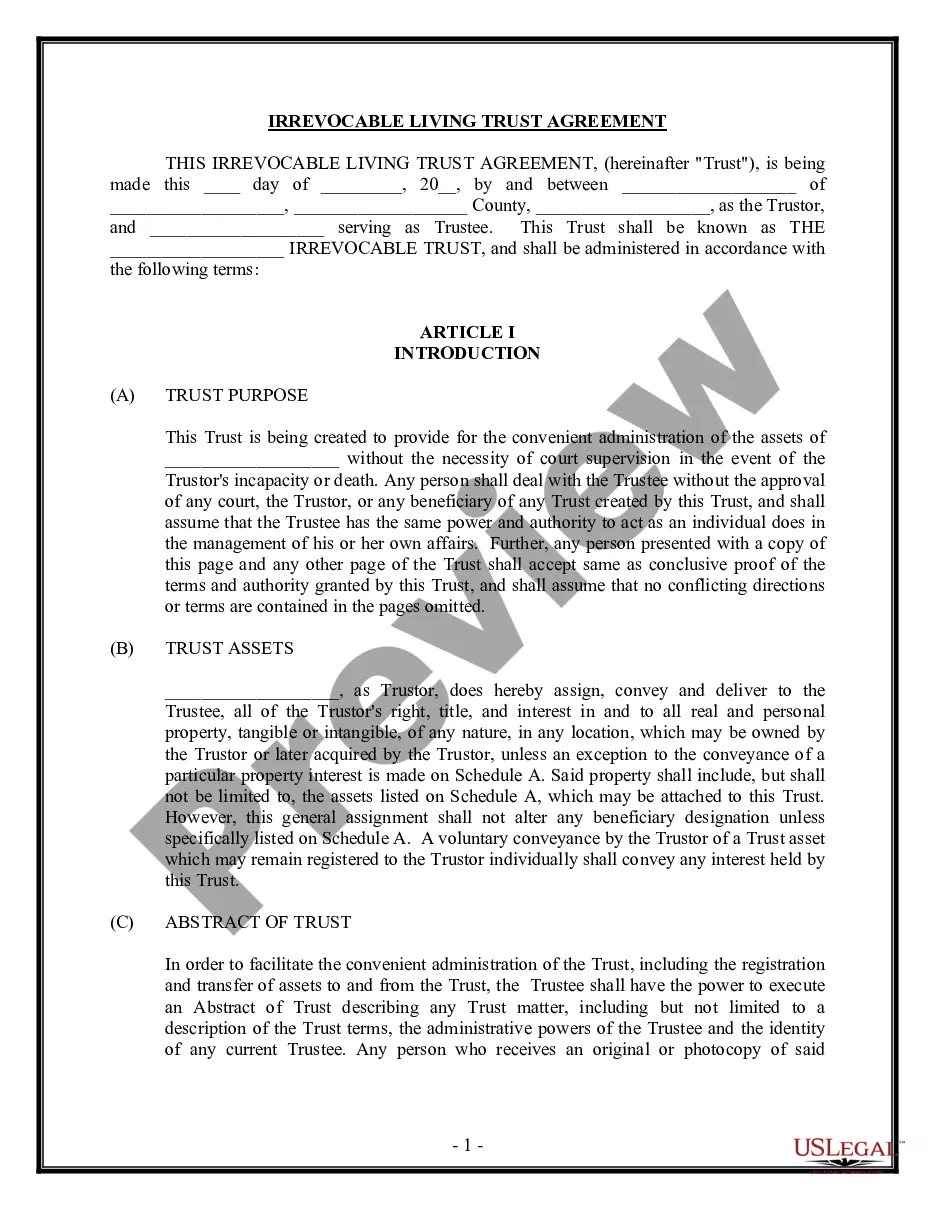
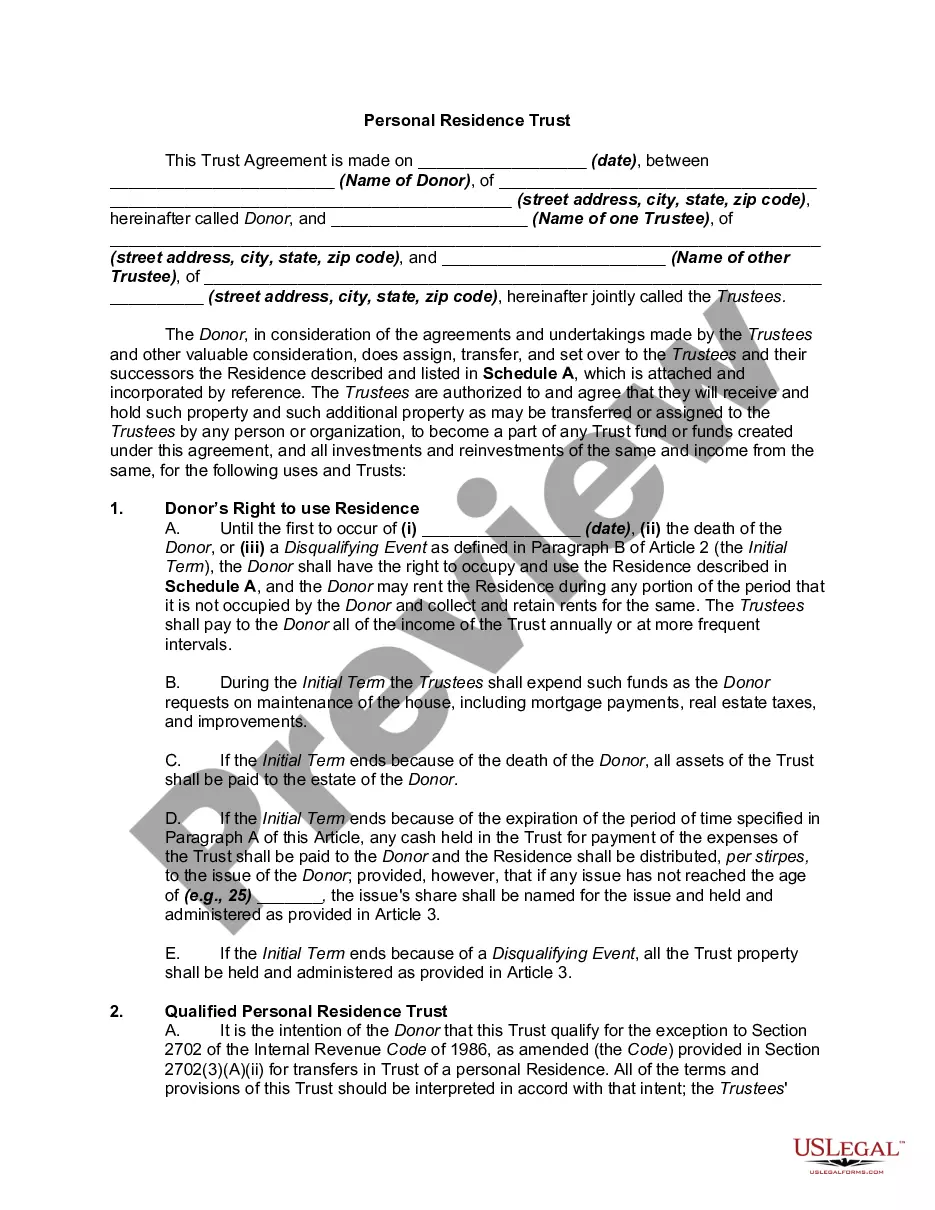
Get your form ready online
Our built-in tools help you complete, sign, share, and store your documents in one place.
Make edits, fill in missing information, and update formatting in US Legal Forms—just like you would in MS Word.
Download a copy, print it, send it by email, or mail it via USPS—whatever works best for your next step.
Sign and collect signatures with our SignNow integration. Send to multiple recipients, set reminders, and more. Go Premium to unlock E-Sign.
If this form requires notarization, complete it online through a secure video call—no need to meet a notary in person or wait for an appointment.
We protect your documents and personal data by following strict security and privacy standards.

Make edits, fill in missing information, and update formatting in US Legal Forms—just like you would in MS Word.

Download a copy, print it, send it by email, or mail it via USPS—whatever works best for your next step.

Sign and collect signatures with our SignNow integration. Send to multiple recipients, set reminders, and more. Go Premium to unlock E-Sign.

If this form requires notarization, complete it online through a secure video call—no need to meet a notary in person or wait for an appointment.

We protect your documents and personal data by following strict security and privacy standards.
Looking for another form?





How to fill out Qualified Personal Residence Trust?
- If you're a returning user, log in to your account and locate the desired form template. Ensure your subscription is active; if it's expired, follow the renewal process.
- For first-time users, start by exploring the Preview mode and form description. Verify that you've selected a template that fulfills your needs and adheres to local jurisdiction requirements.
- Consider additional templates if necessary. Use the Search tab for any inconsistencies to find the appropriate document.
- Proceed to purchase your selected form. Click the Buy Now button and choose a subscription plan that suits you, ensuring you register for an account.
- Complete your transaction by entering your credit card information or utilizing your PayPal account.
- Download the form to your device and access it any time through the My Forms section of your profile.
US Legal Forms not only provides a robust collection of forms at competitive prices, but also offers users access to premium experts for guidance. This ensures that your documents are filled out correctly and meet all legal requirements.
In conclusion, leveraging US Legal Forms is a smart choice for anyone looking to create qualified trusts with clients efficiently. Start today and get the support you need to navigate legal documents with confidence!
Form popularity
FAQ
To get a qualified income trust with the client, start by assessing your income and financial situation. Consider drafting a trust agreement that defines the trust's purpose and beneficiaries. Once you have the agreement, you may need to fund the trust and ensure proper documentation is in place. Our US Legal Forms platform can assist you in this process, offering templates and guidance to facilitate the setup.
While it is possible to set up a Miller trust without a lawyer, having legal assistance is highly recommended. A qualified trust with the client must comply with specific state regulations, and a lawyer can help navigate these complexities. This ensures the trust meets all legal criteria, providing peace of mind and protecting your assets. Our US Legal Forms platform can guide you through the necessary steps and documentation.
To set up a qualified income trust with the client, start by gathering necessary financial documents, such as income statements and expenses. Next, you should draft a trust agreement that outlines the terms and beneficiaries. It’s essential to make sure the trust complies with state laws to benefit from the Medicaid program. Consider using our US Legal Forms platform to simplify the process and ensure all legal requirements are met.
Identifying the type of trust you have requires reviewing the trust agreement and understanding its stipulations. Trusts can be revocable, irrevocable, or specialized types with unique features. If you need assistance in determining your specific trust type, consider exploring resources on USLegalForms. They provide comprehensive information and tools that can aid in your evaluation.
You can know if a trust is qualified or nonqualified by examining the criteria it meets, such as asset thresholds and compliance with legal requirements. Checking the trust documents for conditions that classify it as a qualified trust with the client will provide insights. If in doubt, a legal expert can interpret the specific details for you. USLegalForms also offers templates and resources to help clarify your situation.
Determining whether a trust is qualified or nonqualified starts with understanding its assets and organization. Qualified trusts often include specific provisions that align with regulatory standards. You should evaluate the trust's investment portfolio and the overall management structure to make this determination. If you find this complex, using a platform like USLegalForms can guide you through the process.
Yes, a trust can be a qualified client under certain conditions. For a trust to qualify, it typically needs to meet the specified asset levels or other requirements set forth by regulations. If you are considering a qualified trust with the client, it is crucial to review the trust’s assets and ensure they align with the criteria. Consulting with a legal professional can provide clarity on this matter.
QIT funds can be used for various essential expenses, such as medical costs, living expenses, and other necessary services. The funds in a qualified trust with the client can cover housing, utilities, and personal care services, which are crucial for maintaining your quality of life. However, it's important to use the trust funds strictly within state regulations to ensure continued eligibility for benefits. Utilizing U.S. Legal Forms can provide you with the tools and information needed to manage QIT funds effectively.
A qualified trust is a legal arrangement designed to manage assets and income for individuals, particularly when applying for Medicaid. This type of trust allows you to place income in the trust to bypass certain income limits. By using a qualified trust with the client, you can ensure you maintain Medicaid eligibility while securing necessary benefits. Understanding how these trusts function can be complex, so consider U.S. Legal Forms for comprehensive resources and guidance.
To use a qualified income trust (QIT) effectively, start by setting up the trust according to your state’s guidelines. You will deposit your income into the trust monthly, which allows you to meet the income limits for Medicaid eligibility. This strategy keeps your income within the trust, ensuring you qualify for necessary benefits while maintaining control over the funds. It's wise to consult with a professional who can help you create a qualified trust with the client that meets all legal requirements.