Qualified Purchaser For Trust
Description
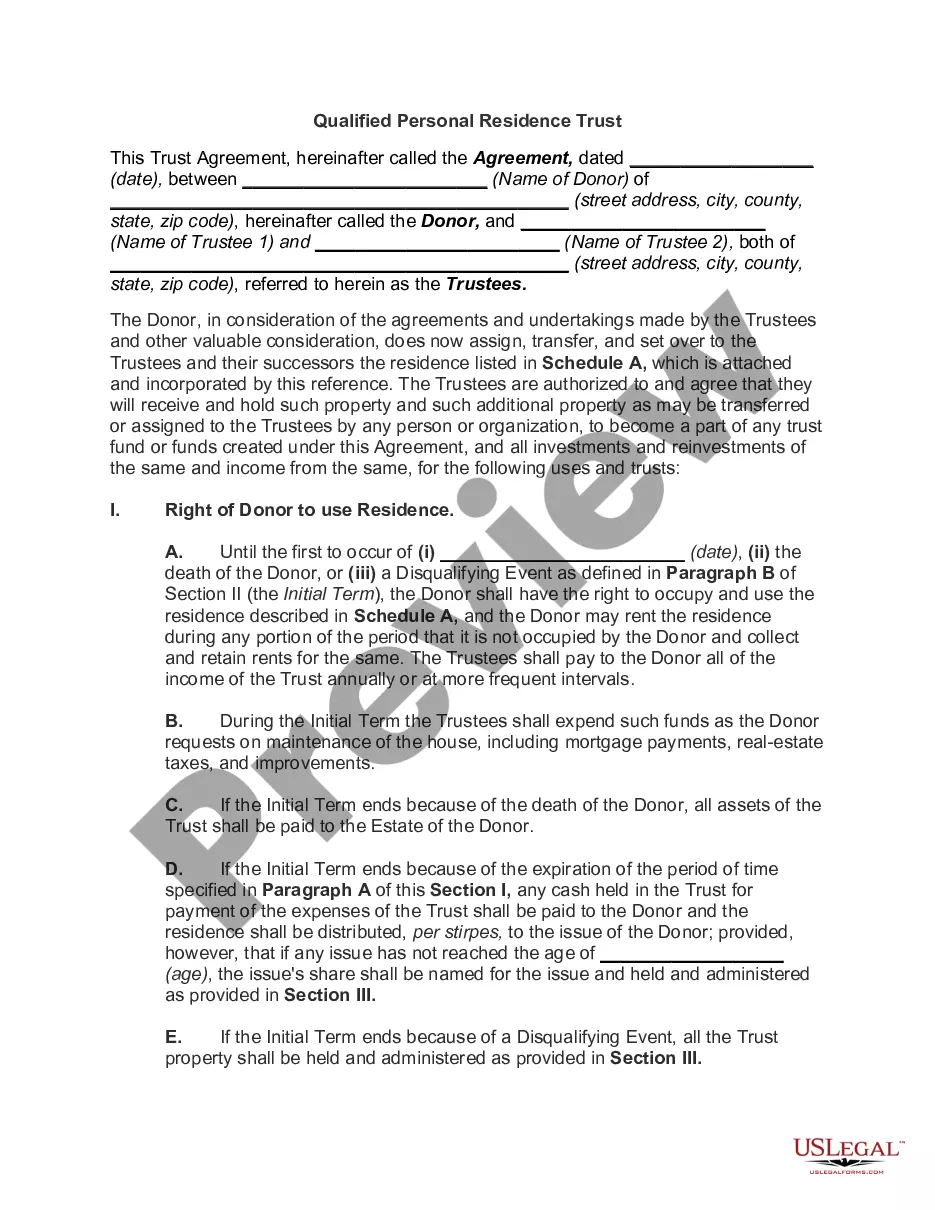
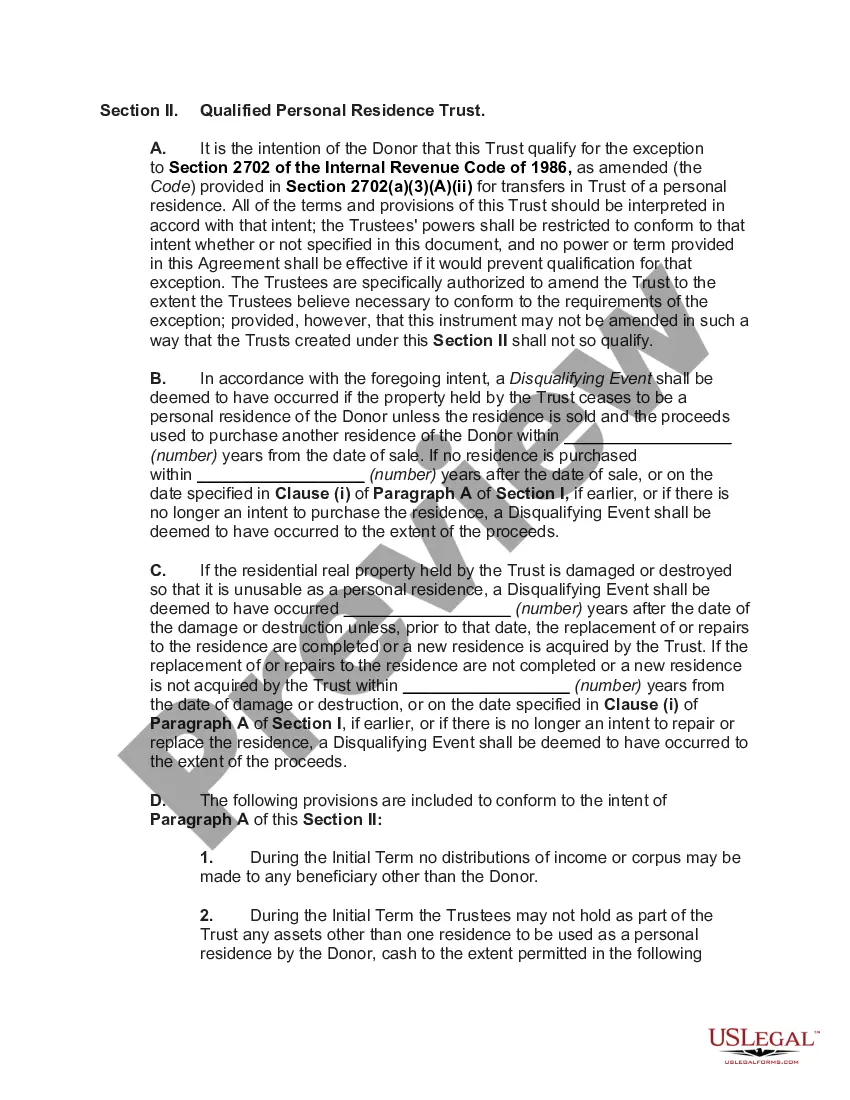
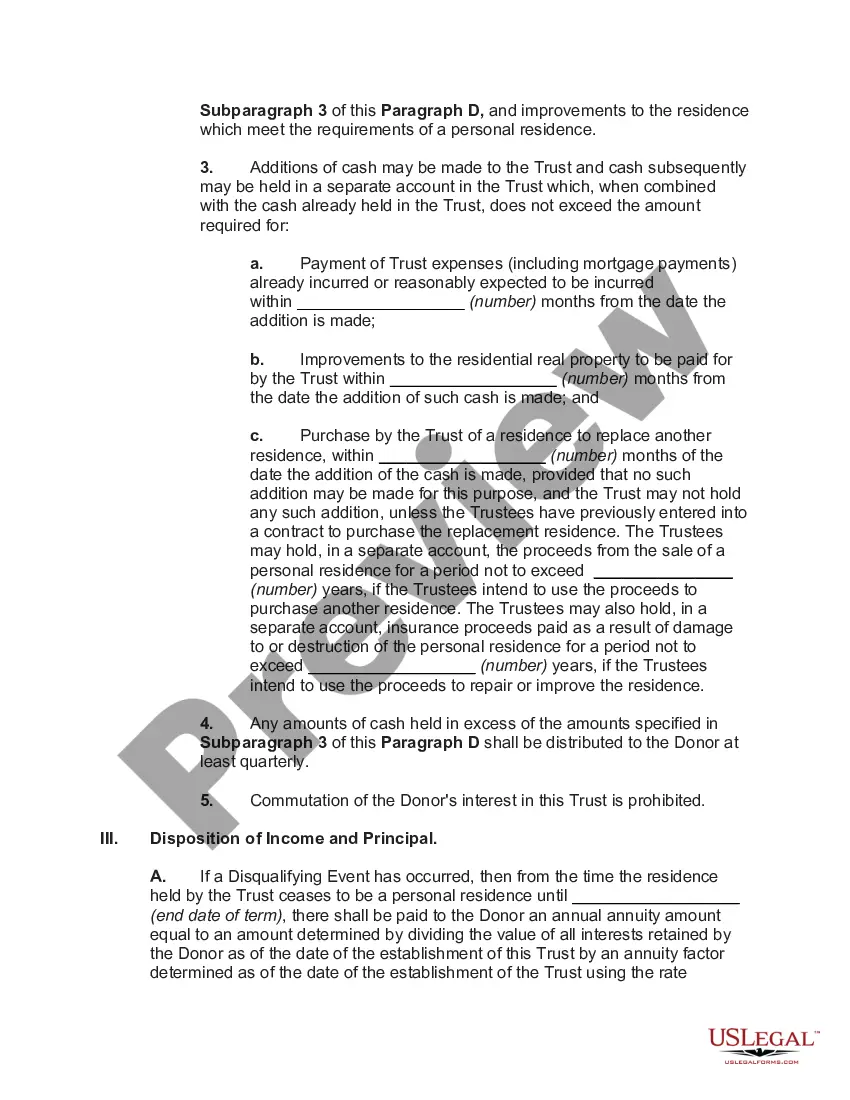
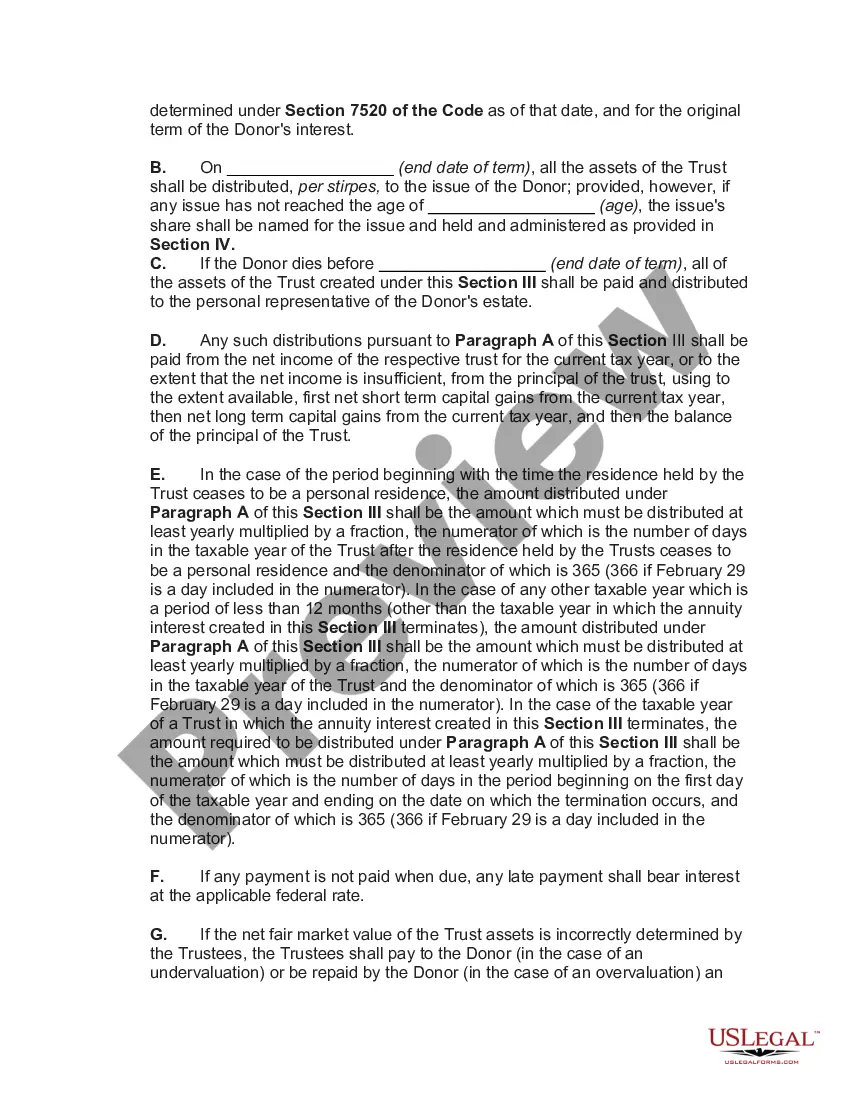

Get your form ready online
Our built-in tools help you complete, sign, share, and store your documents in one place.
Make edits, fill in missing information, and update formatting in US Legal Forms—just like you would in MS Word.
Download a copy, print it, send it by email, or mail it via USPS—whatever works best for your next step.
Sign and collect signatures with our SignNow integration. Send to multiple recipients, set reminders, and more. Go Premium to unlock E-Sign.
If this form requires notarization, complete it online through a secure video call—no need to meet a notary in person or wait for an appointment.
We protect your documents and personal data by following strict security and privacy standards.

Make edits, fill in missing information, and update formatting in US Legal Forms—just like you would in MS Word.

Download a copy, print it, send it by email, or mail it via USPS—whatever works best for your next step.

Sign and collect signatures with our SignNow integration. Send to multiple recipients, set reminders, and more. Go Premium to unlock E-Sign.

If this form requires notarization, complete it online through a secure video call—no need to meet a notary in person or wait for an appointment.

We protect your documents and personal data by following strict security and privacy standards.
Looking for another form?







How to fill out Qualified Personal Residence Trust?
- If you are a returning user, log in to your account and check the validity of your subscription. Then, download your desired form by clicking the Download button.
- For new users, start by browsing the forms available in the preview mode to find the document that fits your needs according to your local jurisdiction.
- If you cannot find a suitable template, utilize the Search tab above to explore additional options until you locate the right form.
- Once you have found the appropriate document, click on the Buy Now button and select the subscription plan that best suits your requirements.
- Input your payment details, either via credit card or PayPal, to finalize your purchase.
- After purchasing, download your form and save it to your device. You can access it anytime through the My Forms section of your profile.
In conclusion, US Legal Forms offers a user-friendly platform for obtaining legal documents, ensuring that users have access to a vast collection of over 85,000 forms and expert assistance when needed. This guide simplifies the process of acquiring a qualified purchaser for trust, allowing you to focus on what truly matters.
Ready to get started? Visit US Legal Forms today and unlock a world of legal solutions at your fingertips!
Form popularity
FAQ
To be recognized as a qualified purchaser for trust, the requirements usually include having a minimum of $5 million in investments or $25 million for entities. Additionally, trusts must also demonstrate substantial investment control and sophistication. If you need assistance navigating these regulations, using the US Legal Forms platform can be an excellent resource in establishing your trust effectively.
A qualified purchaser for trust typically includes individuals who control investments worth at least $5 million. This status allows you to engage in a broader range of investment choices under private offerings. If you're part of a trust, it is vital to establish this threshold to ensure compliance with legal and regulatory frameworks.
A qualified purchaser for trust is defined as an individual or entity that possesses at least $25 million in investments. This classification allows you access to exclusive investment opportunities that may not be available to the general public. If you're investing on behalf of a trust, understanding these criteria can help you unlock significant financial advantages.
Eligibility for being a qualified purchaser typically includes high-net-worth individuals, corporations, and other entities with substantial financial resources. Generally, you need to have at least $5 million in investments to qualify. This requirement helps safeguard investors by ensuring only those with sufficient financial understanding engage in complex investment strategies. If you meet these standards, you can explore numerous favorable investment avenues.
Determining whether you are a qualified purchaser for trust involves assessing your financial situation against the regulatory standards. Check if your net investments total at least $5 million, which is the key threshold. Additionally, it may be helpful to consult with financial advisors who can provide insight into your eligibility and explain the implications. Being informed about your status can empower your investment decisions.
A qualified purchaser for trust is an individual or entity that meets specific financial criteria, such as possessing significant investable assets and the capacity to engage in higher-risk investments. These criteria allow secure management of assets in a trust, ensuring they are handled by knowledgeable parties. If you qualify as a purchaser, you can access unique investment opportunities that might not be available to the general public. This status enhances your investment strategy.
The primary difference between a qualified client and a qualified purchaser lies in their respective financial thresholds. A qualified client typically requires a lower asset level, often around $1 million, while a qualified purchaser for trust must have at least $5 million in investments. This distinction affects the type of investment opportunities available to you. Understanding these categories can guide your investment planning more effectively.
To be considered a qualified purchaser for trust, you must meet certain financial thresholds, including having at least $5 million in investments. This designation is designed to ensure that you have the financial knowledge and capacity to make informed decisions about your investments. Such qualifications help to protect investors and ensure that they are engaging with trustworthy and regulated investment options. Knowing your status can unlock several investment opportunities.
Qualified eligible purchasers are individuals or entities that meet specific criteria set by regulators to invest in certain types of investments, including those managed by trusts. Generally, these purchasers have a significant amount of assets, which signals their ability to understand and bear the risks involved. By focusing on qualified purchasers for trust, you ensure that your investments are being handled appropriately. Understanding this classification helps you navigate investment opportunities effectively.
If someone falsely claims to be a qualified purchaser for trust, they may face serious legal consequences. This includes potential civil penalties and criminal charges, as misrepresentation in investment contexts undermines trust and regulations. Moreover, investors who rely on false claims risk their financial security. It's crucial to be honest and transparent about your status to protect both your interests and those of others.